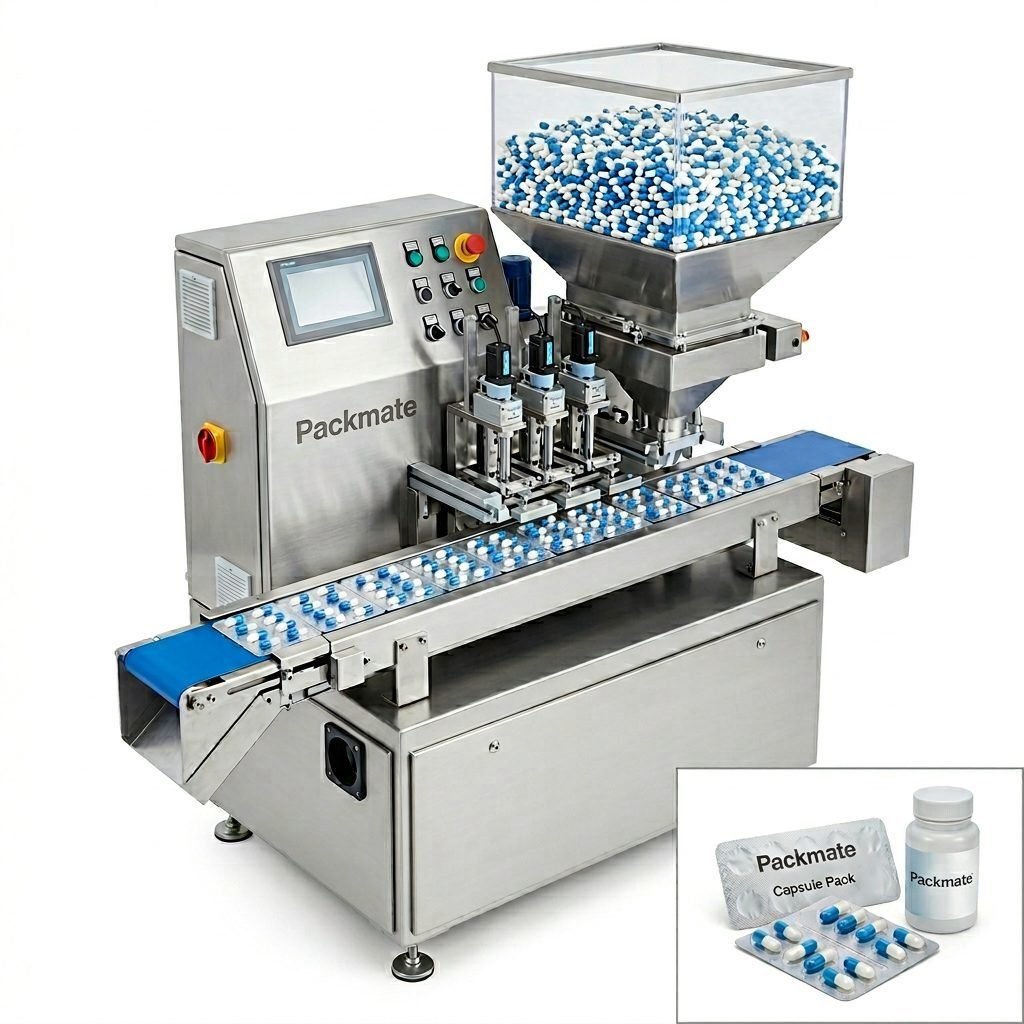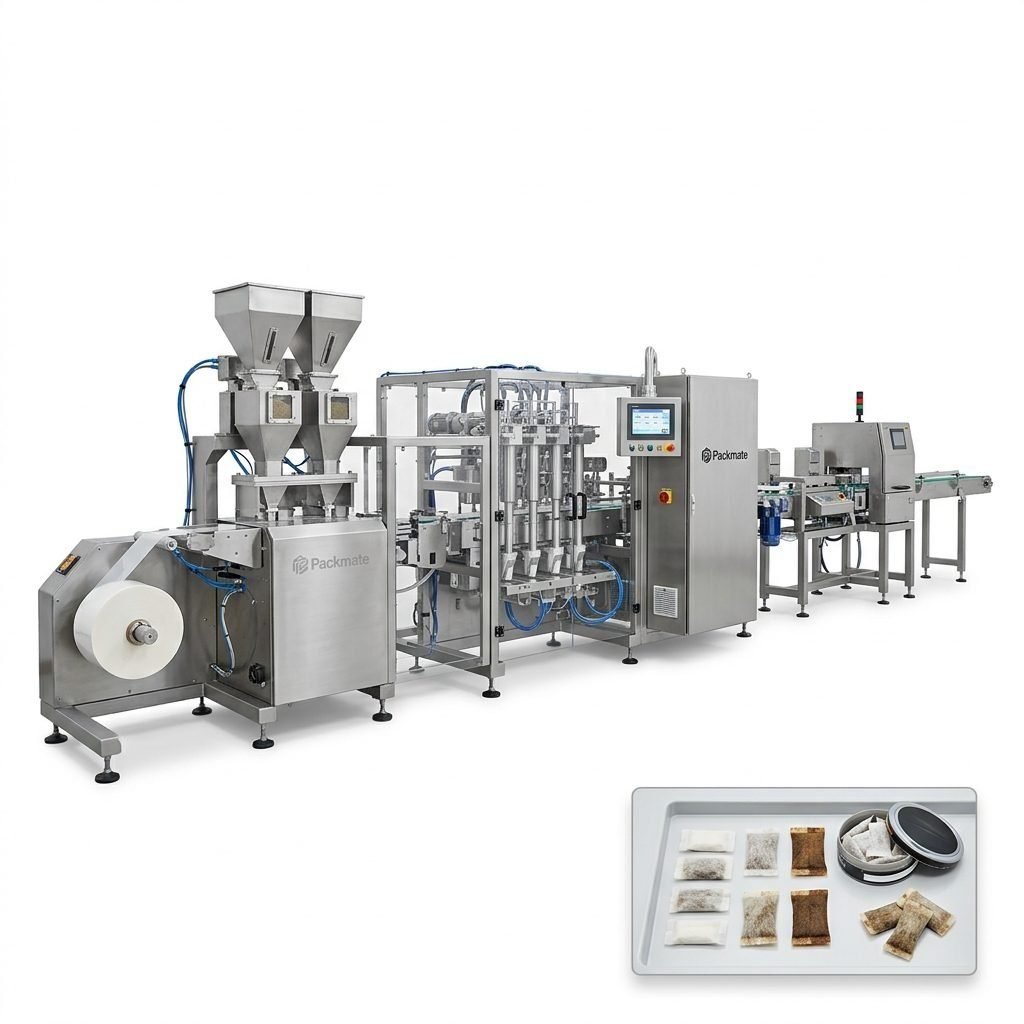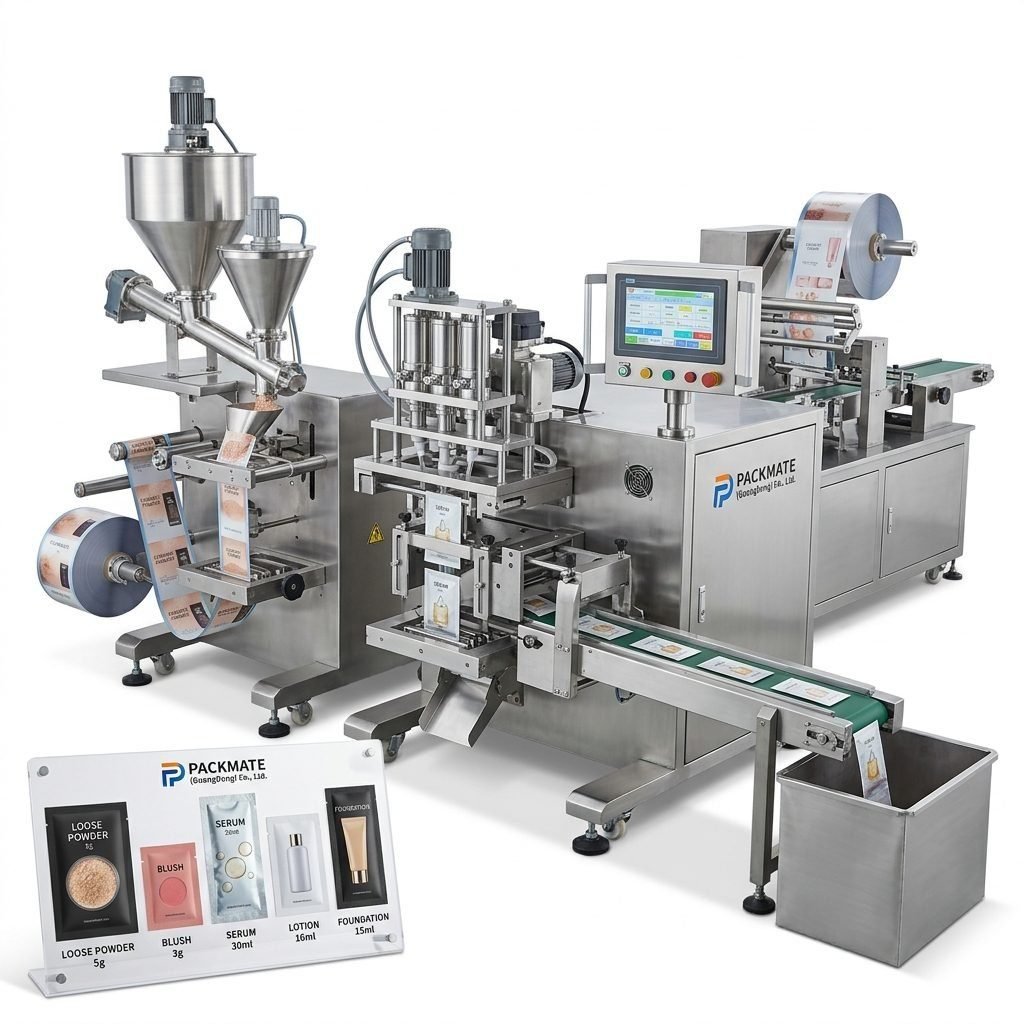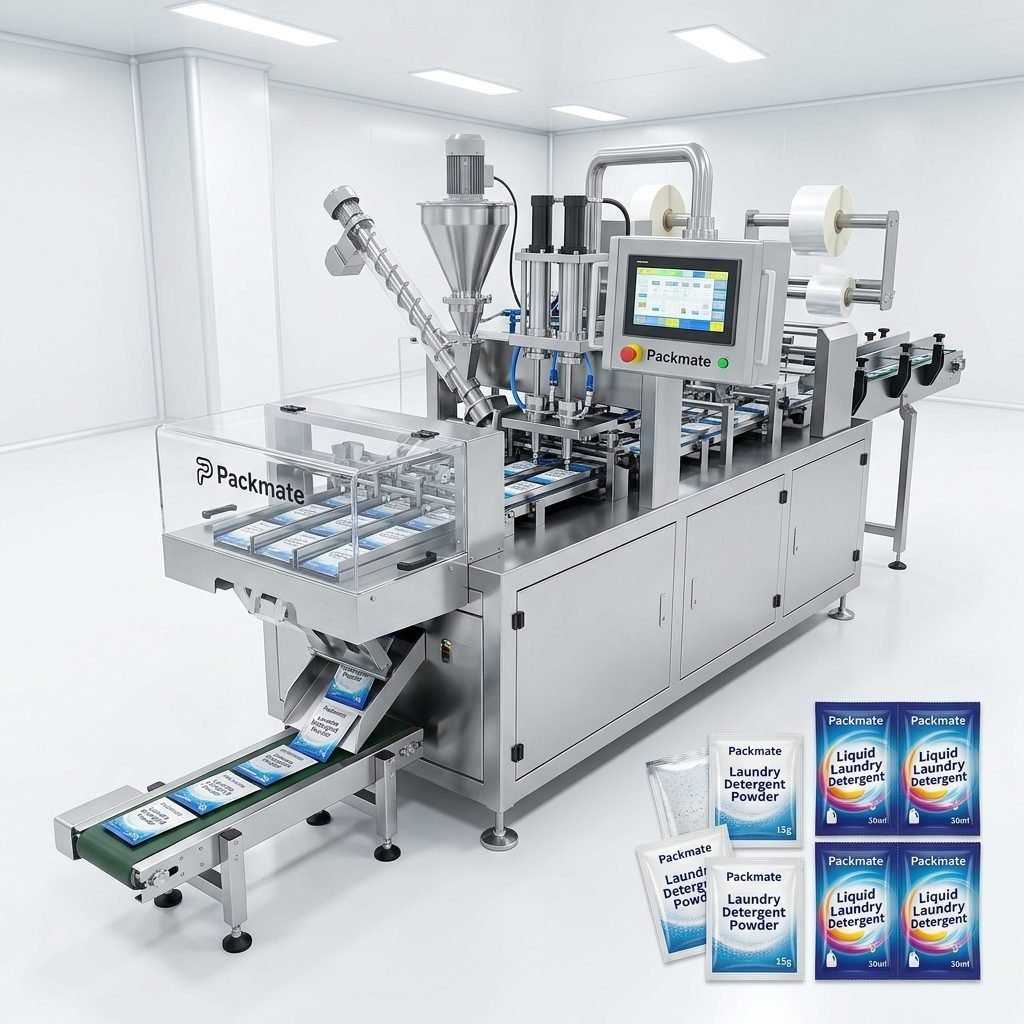
In today’s fast-paced manufacturing landscape, efficiency isn’t just a goal—it’s a necessity for survival and growth. For businesses handling powders, granules, or liquids, the packaging process often becomes a critical bottleneck. This is where the strategic investment in an auto packaging machine transforms operations. Moving beyond manual or semi-automatic methods to fully automated packaging lines is a decisive step toward unlocking unprecedented levels of productivity, consistency, and cost control.
Revolutionizing Production Speed and Output
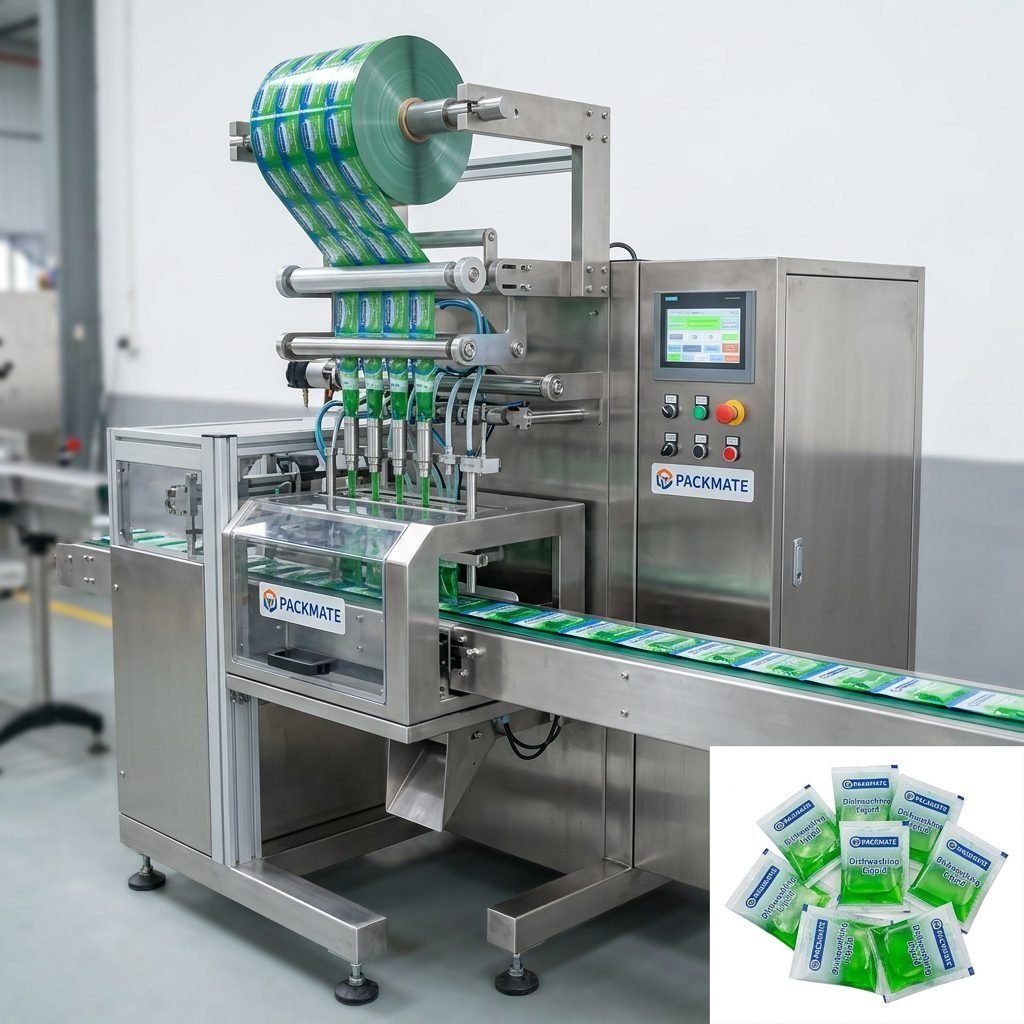
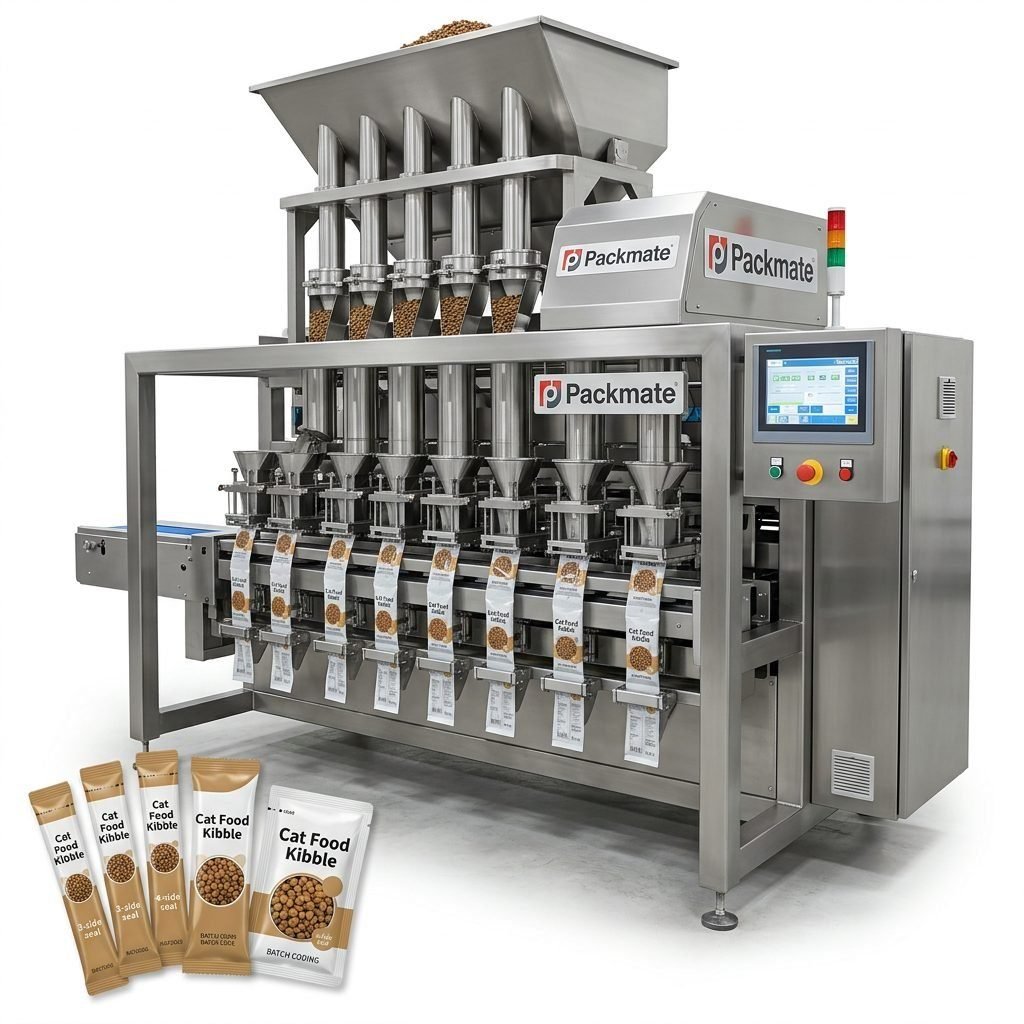
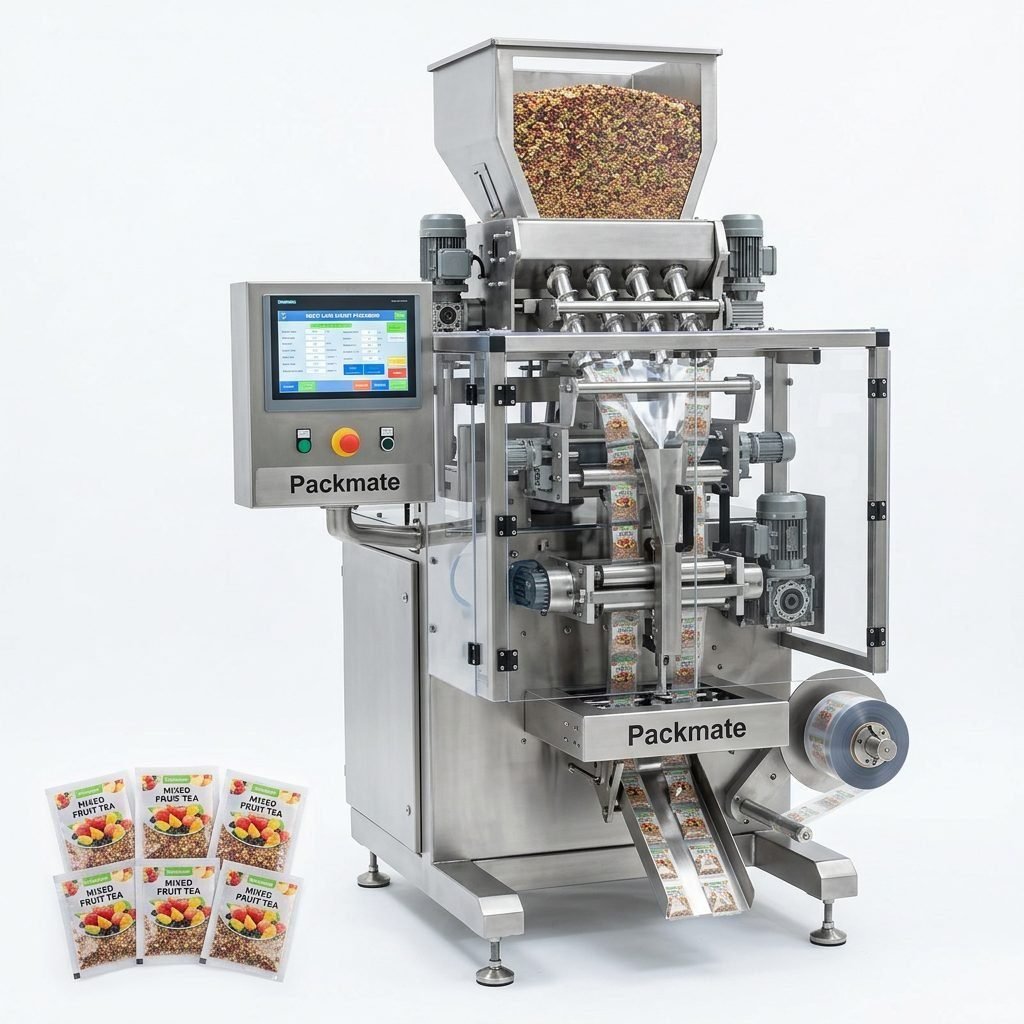
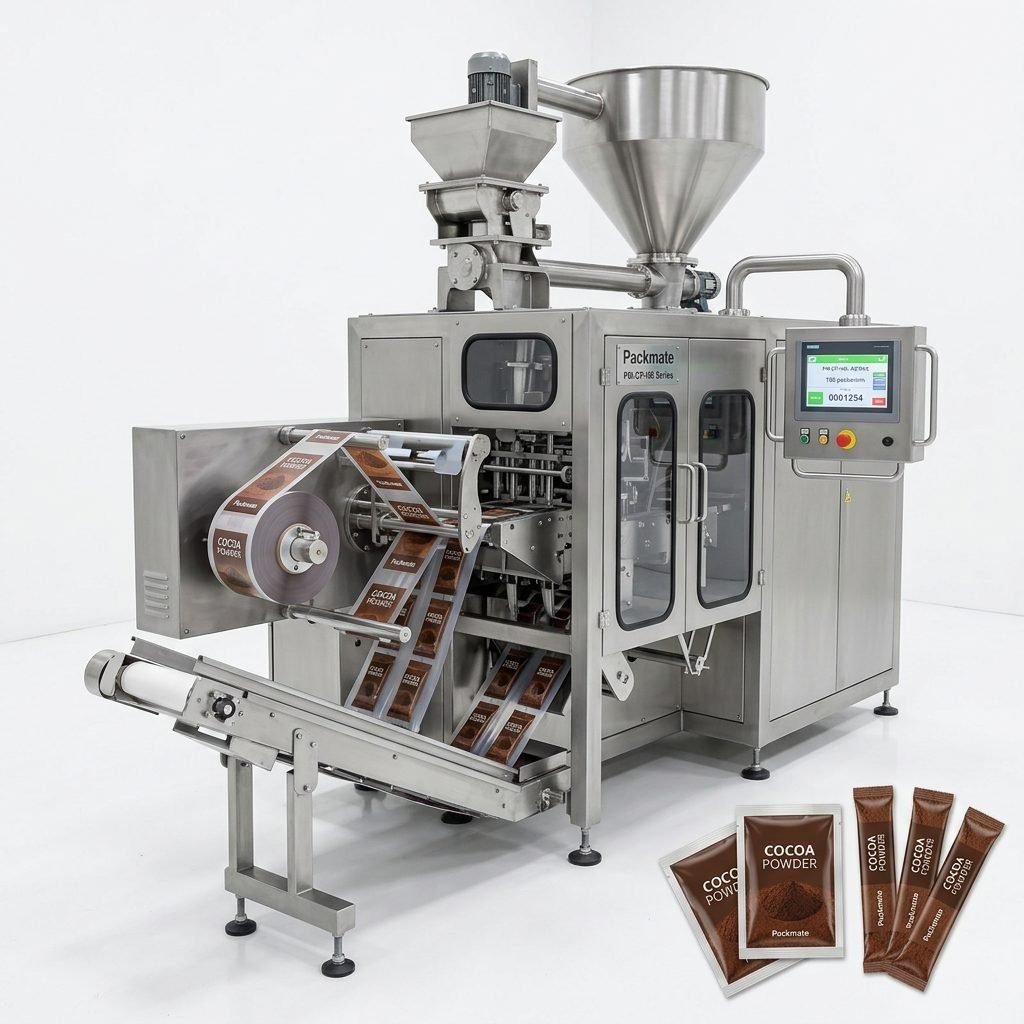
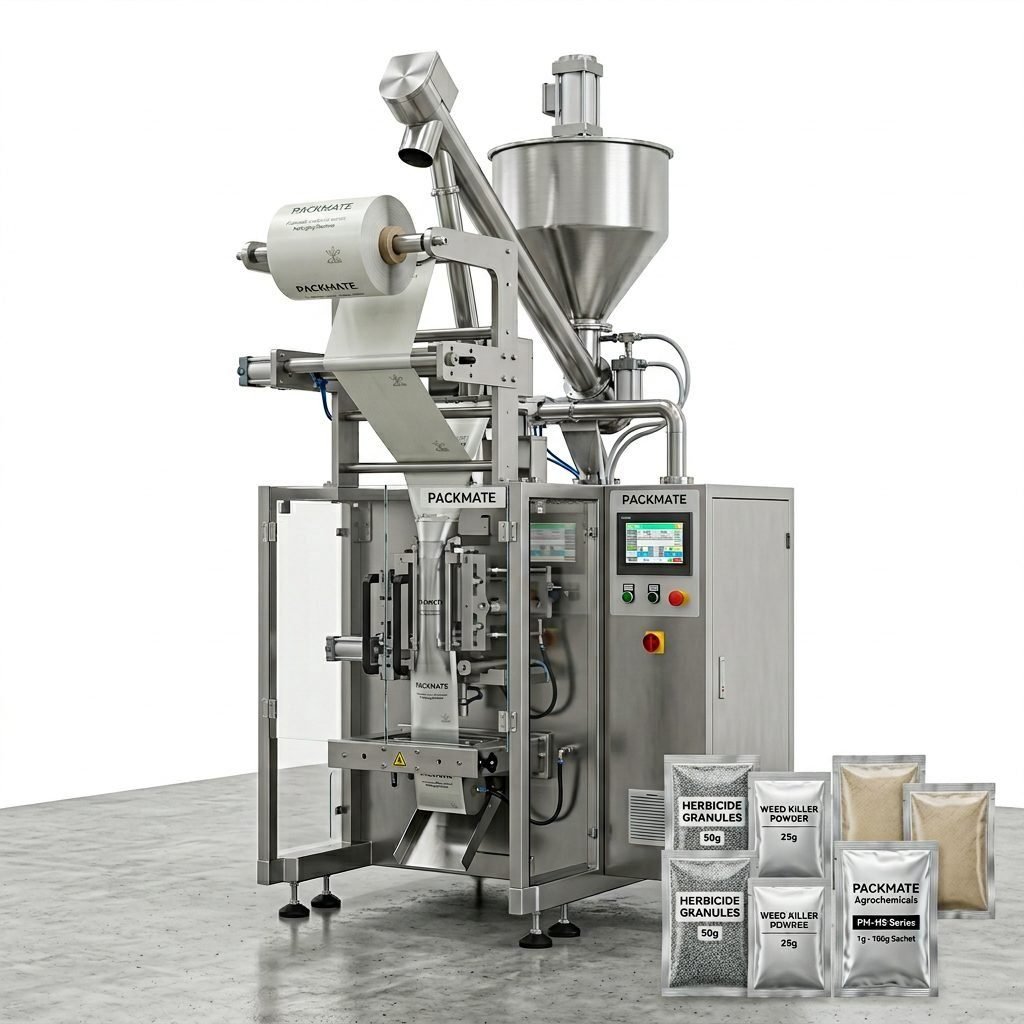
The most immediate and impactful benefit of an auto packaging machine is the dramatic increase in production speed. Manual packaging is inherently limited by human speed and endurance. An automated system, like the advanced multi-lane stick pack machines developed by industry leaders, operates continuously at a consistent, high-speed cycle. These machines can fill and seal hundreds, even thousands, of units per minute, a rate impossible to achieve manually. This directly translates to higher daily output, allowing businesses to meet larger orders, fulfill demand spikes, and scale their operations without proportionally increasing labor costs.
Precision and Unwavering Consistency
Human error in packaging leads to product giveaway, underfilling, and inconsistent presentation—all of which damage profitability and brand reputation. Auto packaging machines eliminate this variability. Equipped with precise weighing and dosing systems, they deliver the exact same amount of product into every pouch, sachet, or stick pack. This precision ensures compliance with net content regulations and maximizes material yield. Furthermore, every seal is uniform, and every package is identically formed, presenting a professional, reliable brand image to every customer.
Substantial Reduction in Operational Costs
While the initial investment is significant, the long-term cost savings are profound. Labor constitutes a major portion of packaging expenses. Automating the process reduces dependency on a large manual workforce, allowing staff to be redeployed to more value-added tasks like quality control and machine supervision. Additionally, the reduction in material waste from precise filling and fewer rejected packages contributes directly to the bottom line. Lower rates of product giveaway and improved line efficiency mean a faster return on investment (ROI).
Enhancing Workplace Safety and Hygiene
Packaging environments, especially in food and pharmaceuticals, demand stringent hygiene standards. Auto packaging machines minimize direct human contact with the product. Enclosed systems prevent contamination from dust, moisture, or personnel, which is crucial for meeting GMP (Good Manufacturing Practice) and HACCP standards. From a safety perspective, these machines also reduce repetitive strain injuries associated with manual packing, lifting, and sealing, creating a safer and more sustainable work environment.
Scalability and Flexibility for Market Demands
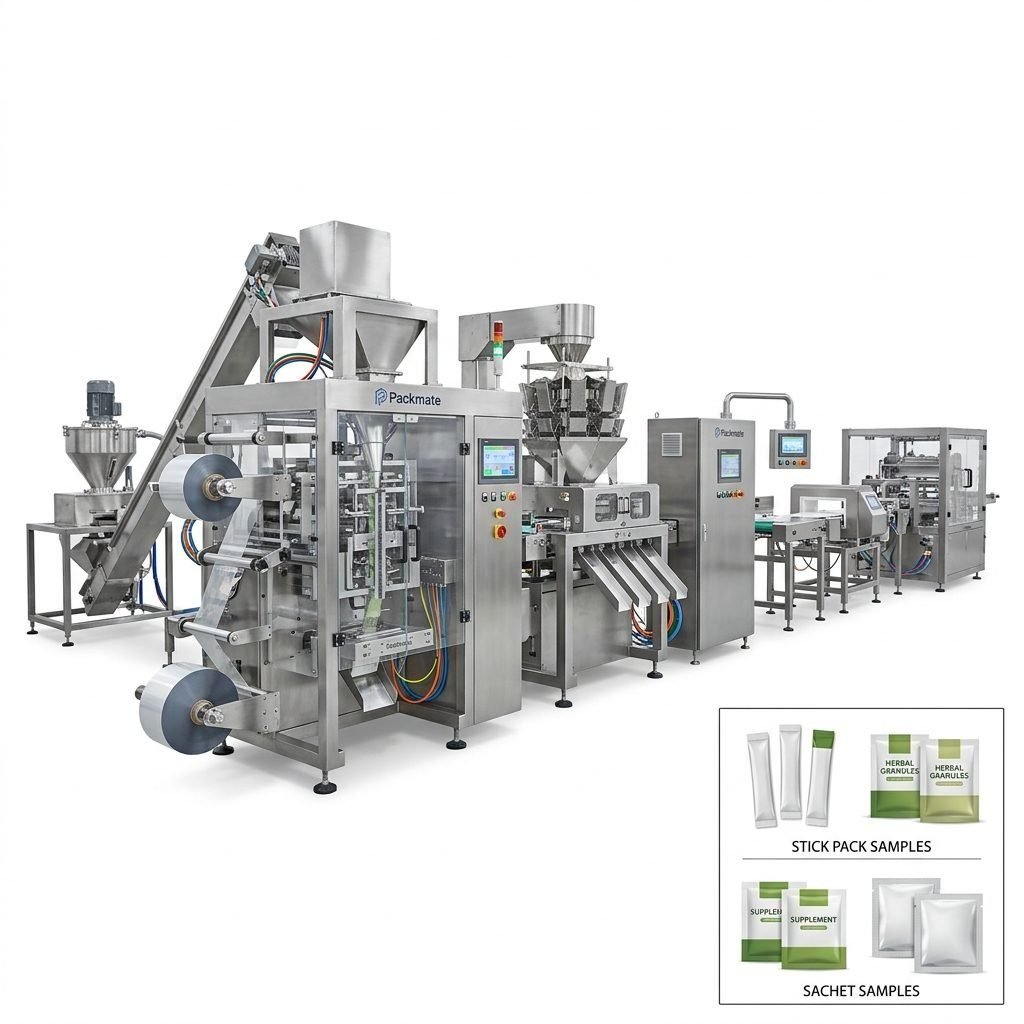
Modern auto packaging systems are designed for adaptability. Manufacturers like Packmate Machinery offer modular lines that can be configured for different package types—from small sachets to larger pouches. Quick-change parts and programmable logic controllers (PLCs) allow for faster switchovers between product runs. This flexibility enables businesses to respond agilely to market trends, launch new product formats, and cater to diverse customer preferences without requiring entirely new production lines.
Integration and Data-Driven Optimization
Today’s intelligent packaging equipment goes beyond mechanical action. It integrates seamlessly with factory management systems, providing real-time data on production counts, machine efficiency (OEE), downtime reasons, and material usage. This data is invaluable for continuous process improvement and predictive maintenance. By analyzing performance trends, managers can schedule maintenance before a breakdown occurs, further maximizing uptime and planning production more effectively.
A Partner in Your Growth Journey
Choosing the right auto packaging machine is about more than buying a piece of equipment; it’s about selecting a technology partner. A provider with deep industry experience, such as a company with over 30 years of expertise in packaging solutions, brings invaluable insight. They understand the challenges across different sectors, from food seasoning to pharmaceutical powders, and can offer true turnkey solutions that include installation, training, and ongoing support, ensuring a smooth transition and optimal performance.
Frequently Asked Questions (FAQ)
1. What is the typical payback period for an auto packaging machine?
The payback period varies based on production volume, labor costs, and the specific machine model. However, for medium to high-volume producers, it’s common to see a full return on investment within 1 to 3 years due to labor savings, reduced waste, and increased output.
2. Can one machine handle different types of packaging materials?
Many modern machines are versatile. With adjustable forming tubes, seal jaws, and feed systems, a single auto packaging machine can often handle a range of laminated films and roll-stock materials. It’s best to consult with the manufacturer, like Packmate Machinery, to confirm compatibility for your specific materials.
3. How difficult is it to operate and maintain an automated packaging line?
While sophisticated, these machines are designed for user-friendly operation via touchscreen interfaces. Comprehensive training is provided by reputable suppliers. Maintenance typically involves routine cleaning, lubrication, and part inspections, with clear manuals and support available to ensure smooth operation.
4. Are auto packaging machines suitable for small businesses or startups?
Yes. The market offers a range of machines, from compact, semi-automatic models to full-scale automated lines. The key is to conduct a thorough cost-benefit analysis. For a growing business, a scalable machine that can increase output as demand grows is often the most strategic investment.
5. What support can I expect after purchasing the machine?
Reliable manufacturers provide extensive after-sales support. This includes installation supervision, operator training, a warranty period, access to spare parts, and technical support for troubleshooting. Ensure your supplier has a proven track record of customer service, which you can often verify through their project case studies.