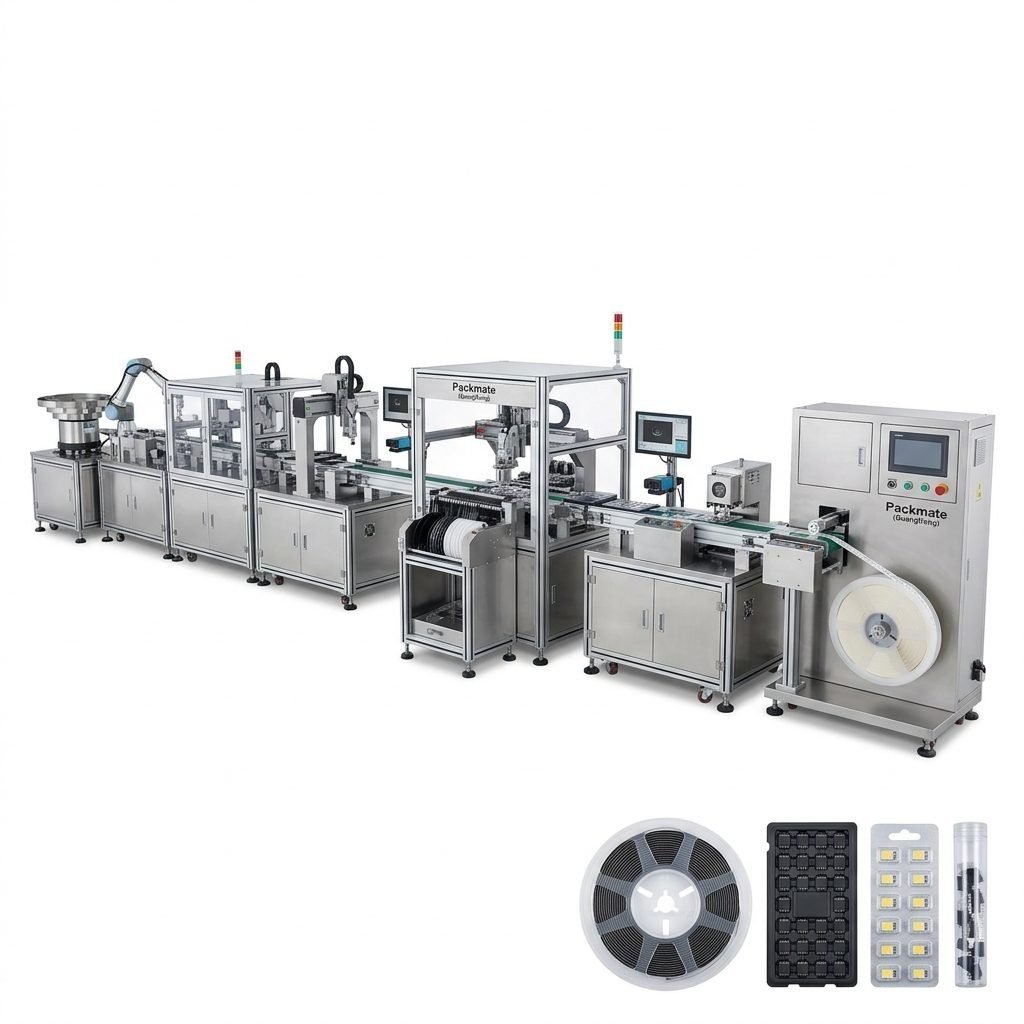
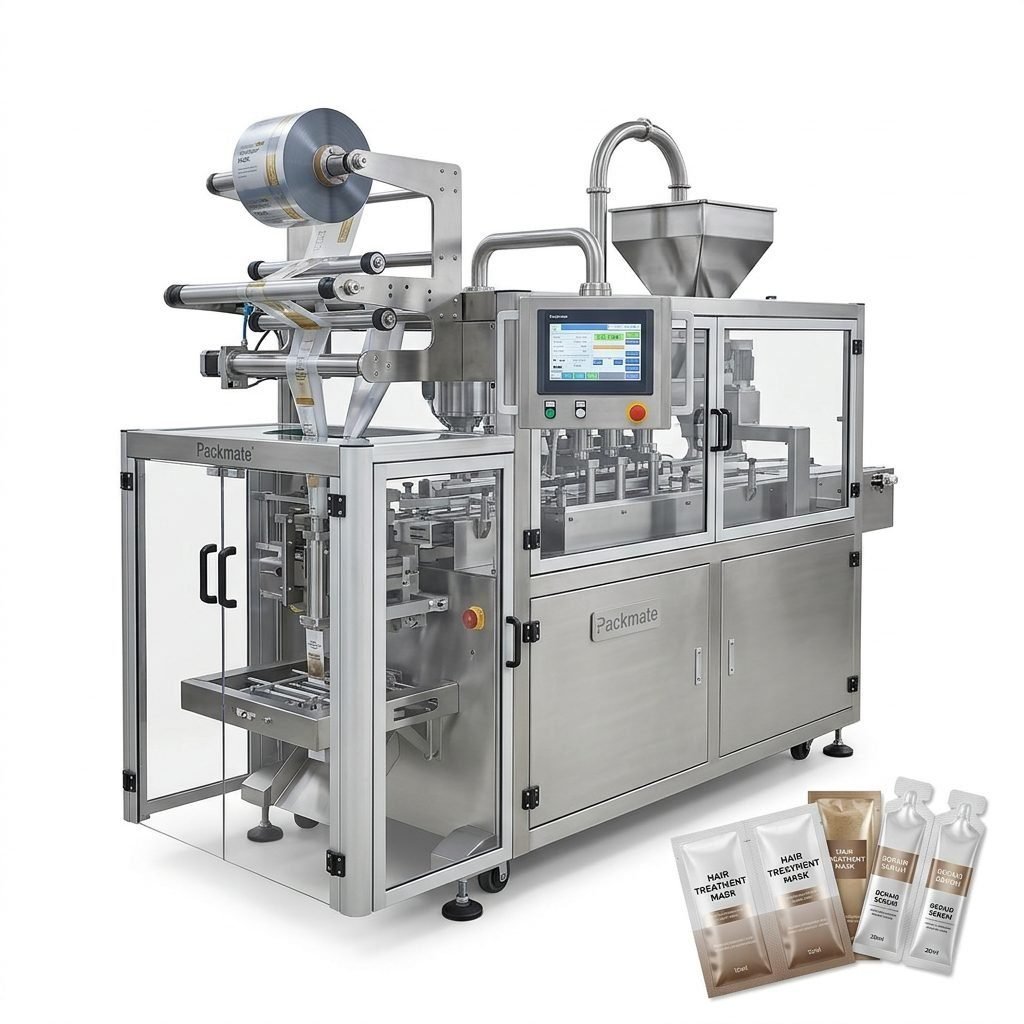
In today’s fast-paced manufacturing landscape, efficiency is not just a goal—it’s a necessity for survival and growth. For businesses handling granules, powders, and liquids, the packaging process is often a critical bottleneck. Automatic packaging machinery has emerged as the definitive solution, transforming slow, labor-intensive operations into streamlined, high-output production lines. This article explores the top 10 automatic packaging machinery solutions designed to maximize efficiency, reduce operational costs, and enhance product consistency.
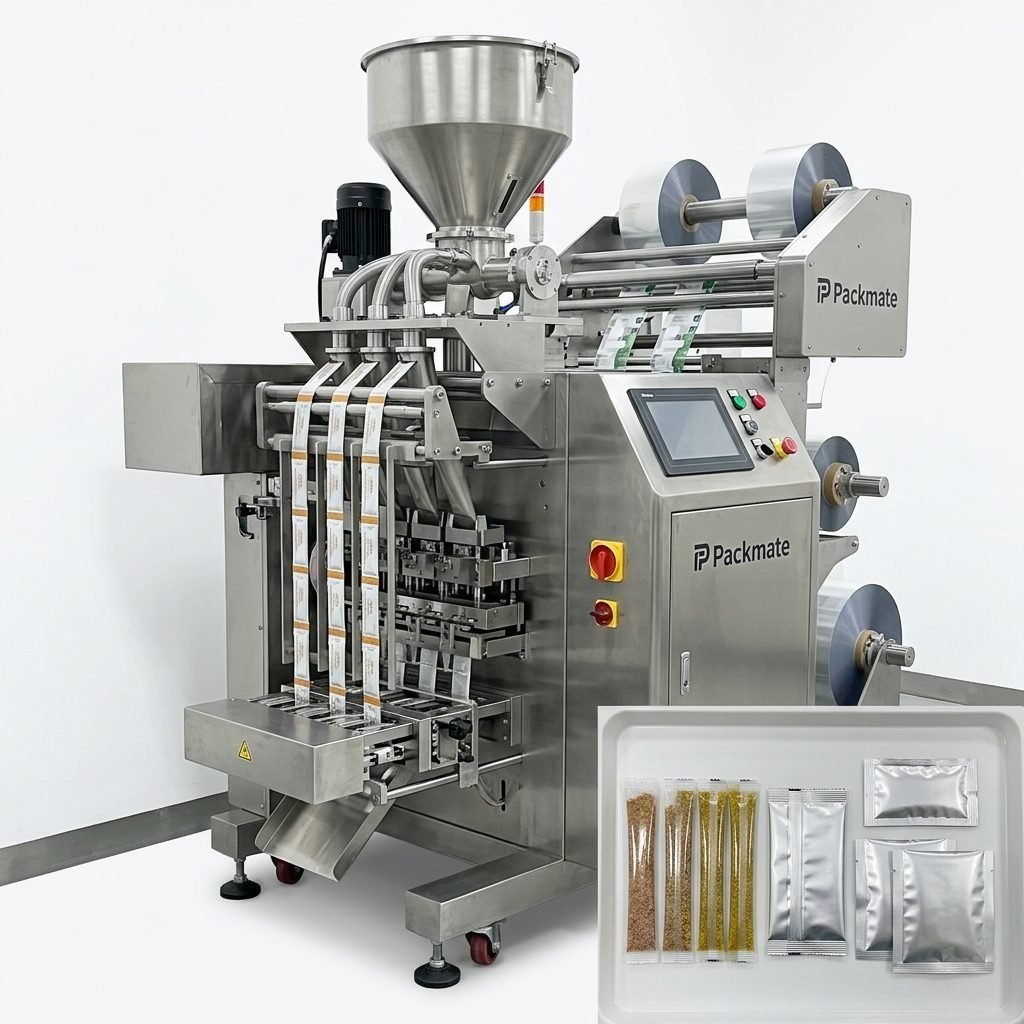
1. Multi-Lane Stick Pack Machines
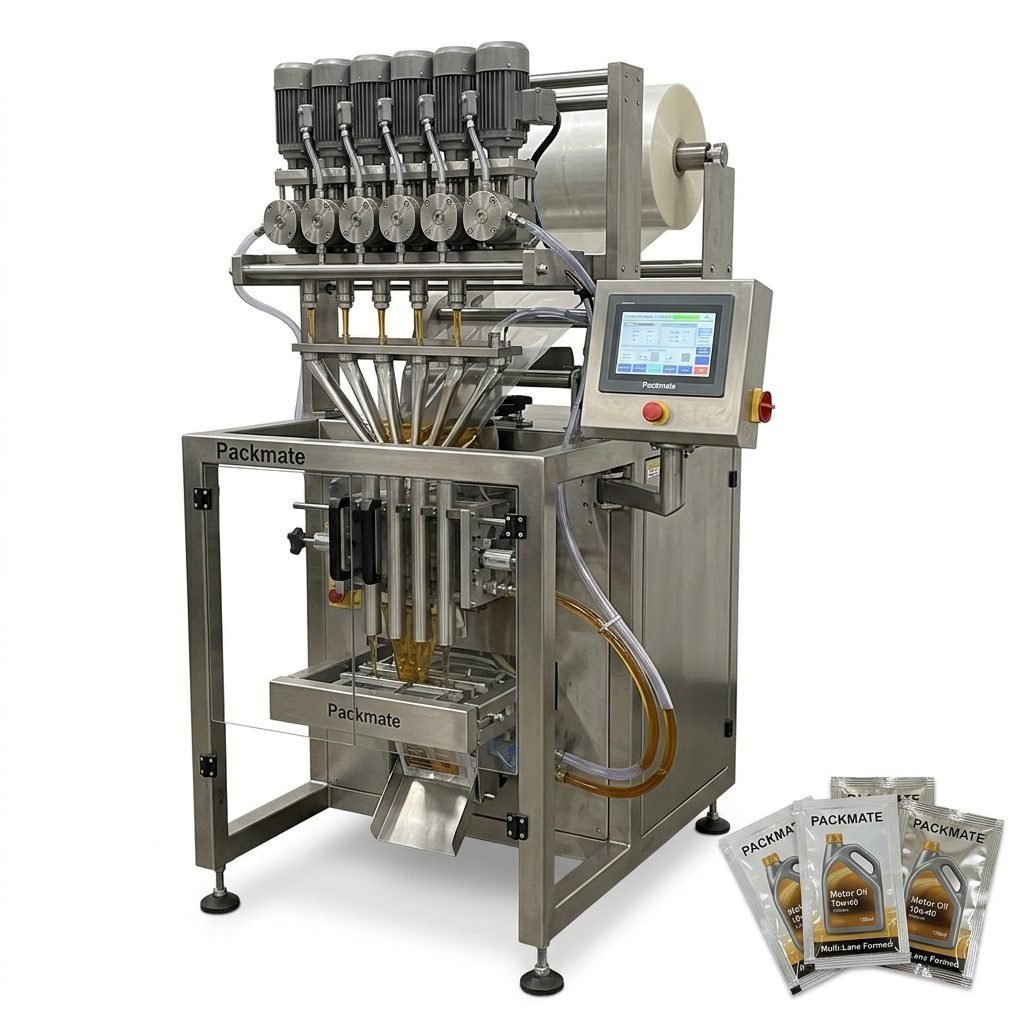
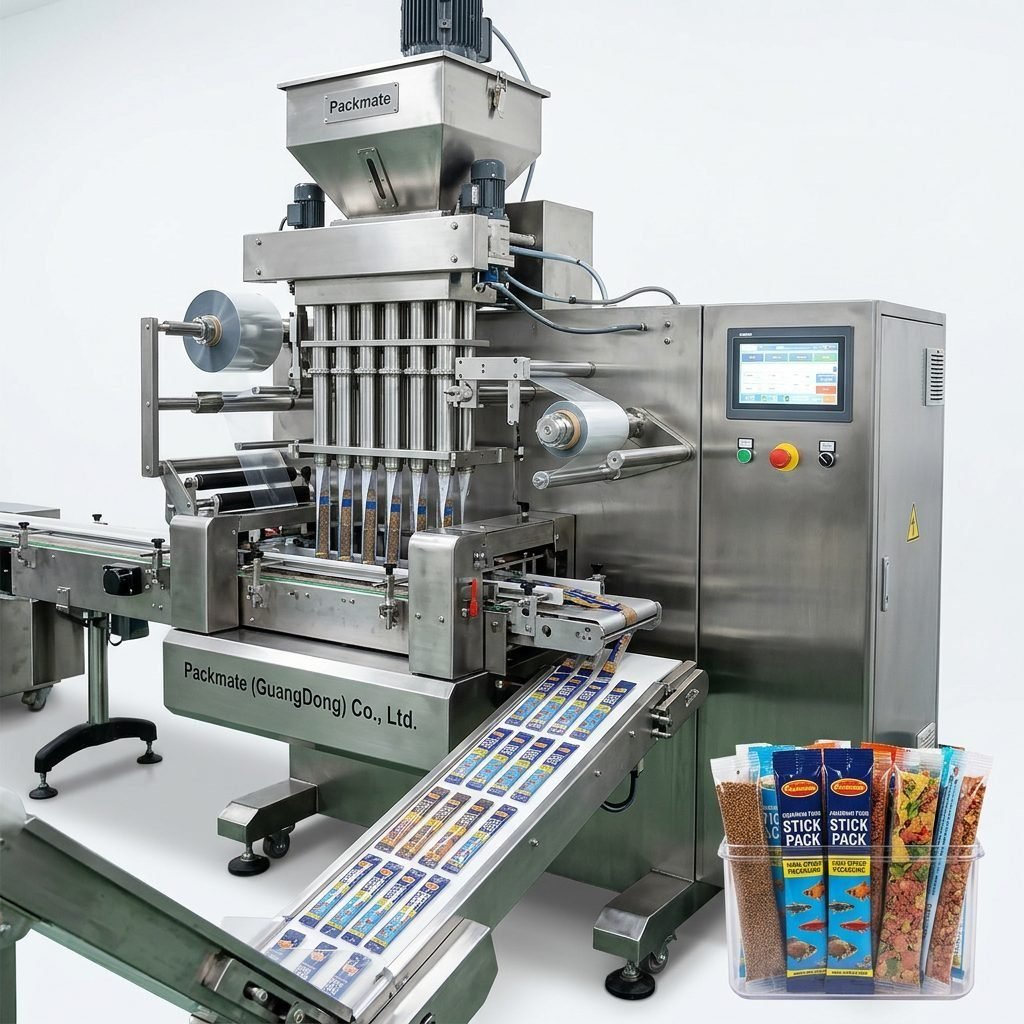
For high-volume production of single-serve powders like coffee, sugar, or nutritional supplements, multi-lane stick pack machines are unparalleled. These systems operate multiple packaging lanes simultaneously from a single infeed, dramatically increasing output. A key efficiency feature is their synchronized servo-drive technology, which ensures precise film feeding, filling, and sealing across all lanes with minimal waste. This solution is ideal for companies looking to scale production without proportionally increasing floor space or labor.
2. High-Speed Vertical Form-Fill-Seal (VFFS) Machines
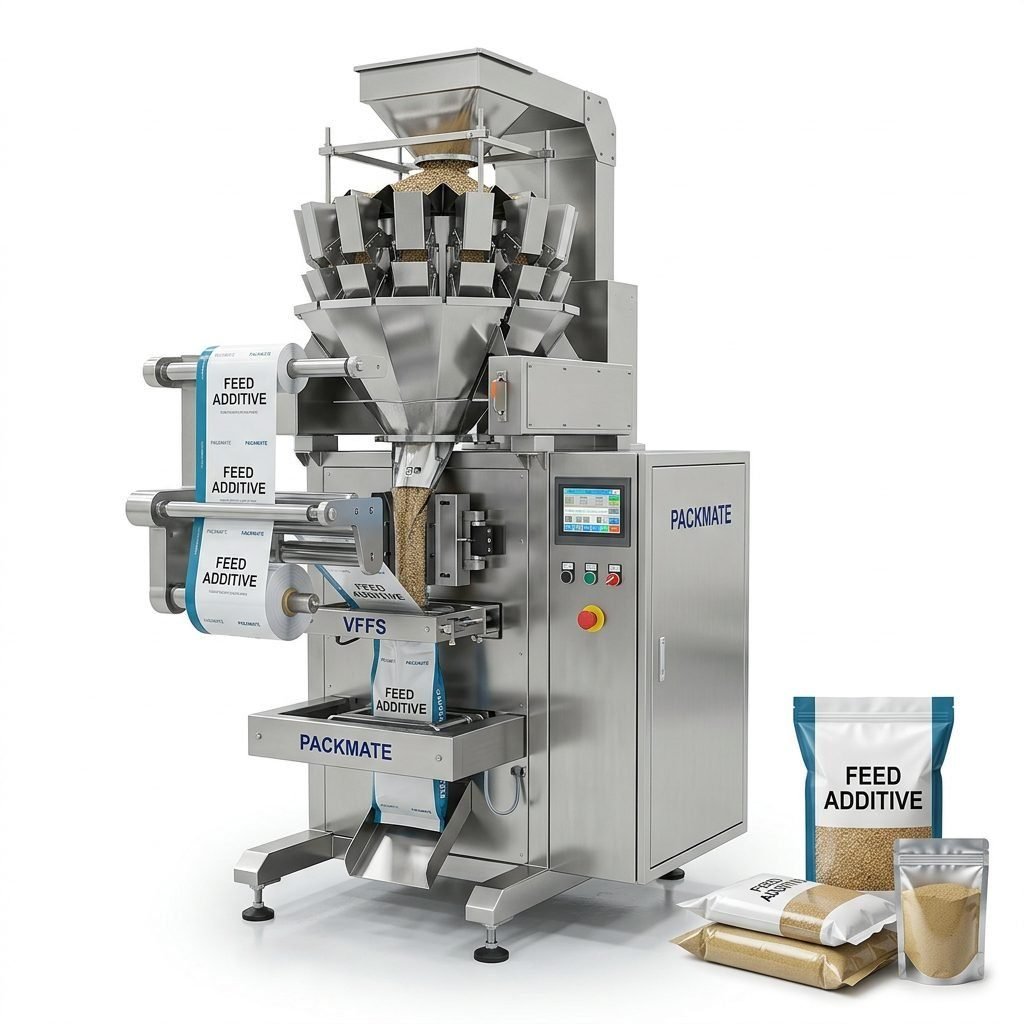
The workhorse of the packaging industry, modern VFFS machines have evolved with incredible speed and intelligence. They form bags from a roll of film, fill them with product, and seal them in one continuous motion. Efficiency gains come from features like quick-changeover systems that minimize downtime between product runs and advanced weighing systems that ensure accuracy at high speeds, reducing giveaway. For packaging nuts, snacks, or hardware components, a high-speed VFFS machine is a foundational efficiency driver.
3. Automated Liquid Filling and Sealing Lines
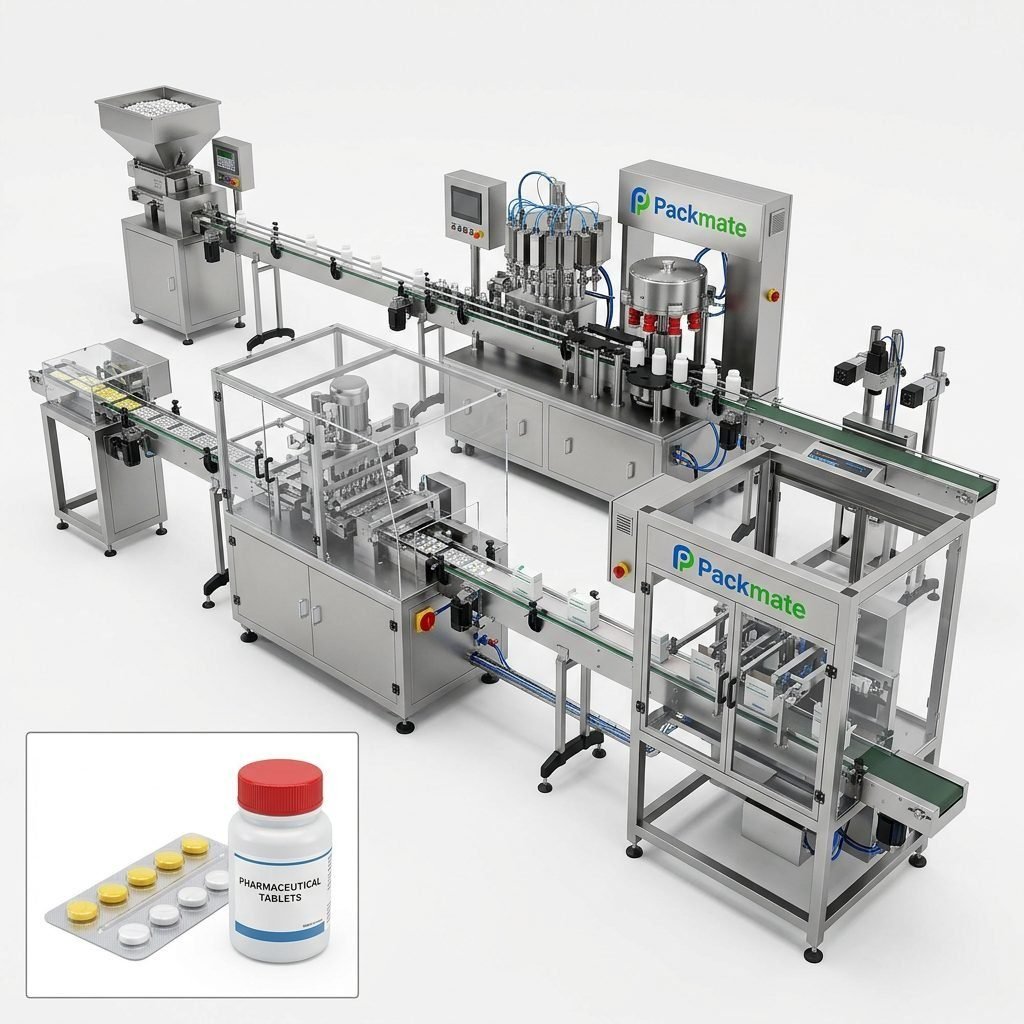
Packaging liquids, sauces, or oils manually is messy and slow. Automated liquid filling lines integrate piston or pump fillers with sealing machines for a closed, hygienic, and rapid process. Efficiency is achieved through drip-free nozzles that prevent waste and clean-in-place (CIP) systems that reduce cleaning time. These lines ensure precise fill volumes every time, which is crucial for cost control and compliance in the food and pharmaceutical sectors. Discover more about integrated filling & packaging lines that can transform your liquid packaging.
Why Automation is Non-Negotiable for Modern Efficiency
The shift from semi-automatic to fully automatic packaging is a strategic investment. Beyond speed, automation delivers consistent package quality, reduces human error, and allows skilled workers to be redeployed to supervision and quality control roles. In a competitive market, the efficiency provided by reliable automatic machinery directly translates to lower cost per unit and faster time-to-market.
4. Rotary Cup Filling Systems for Granules
Perfect for free-flowing products like grains, seeds, or powdered drinks, rotary cup fillers use a rotating carousel with volumetric cups to achieve remarkable speed and accuracy. Their efficiency lies in gentle product handling (minimizing breakage) and simple mechanical design that ensures high uptime and easy maintenance. When paired with an automatic bagger or pouch machine, they create a seamless, high-efficiency packaging cell.
5. Integrated Weighing and Packaging Systems
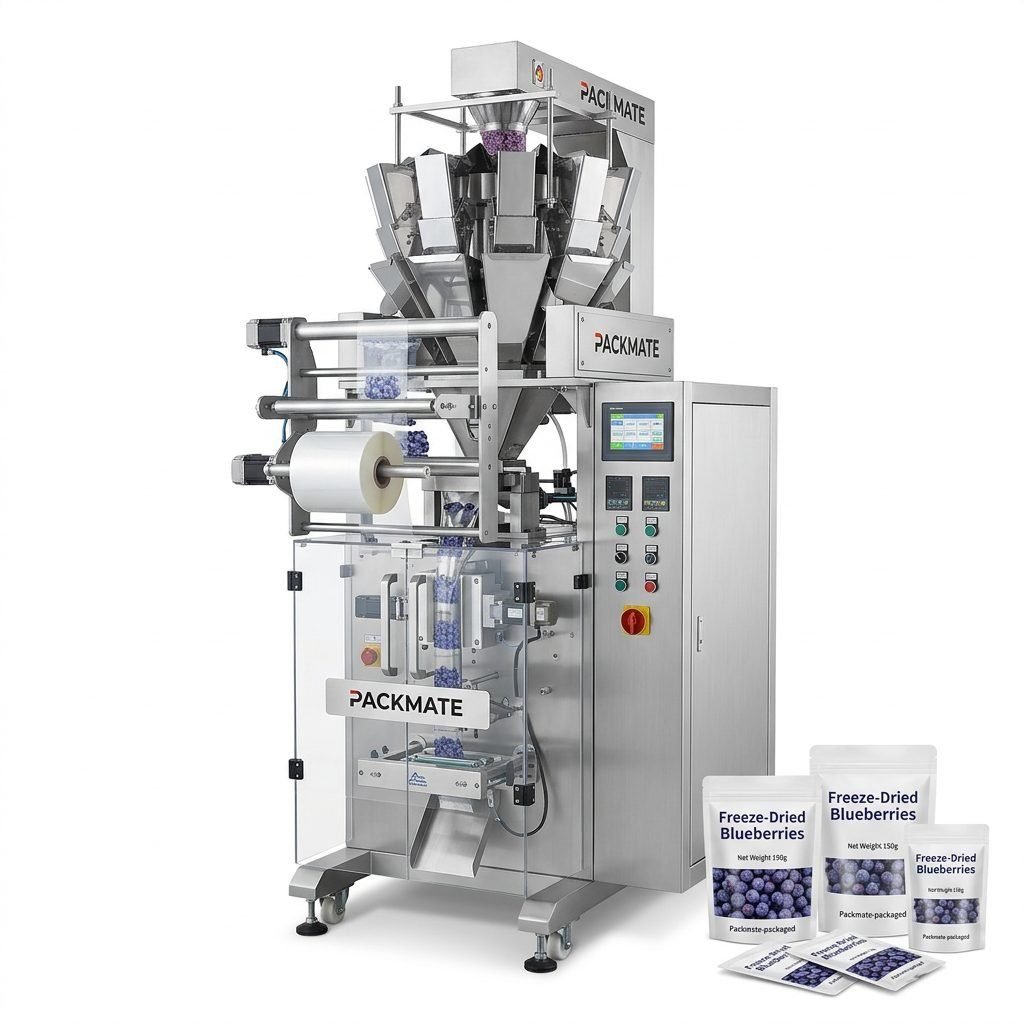
For products sold by weight, accuracy is legally and commercially critical. Integrated weighing systems, such as multi-head weighers or combination weighers, are paired with downstream packaging machines. The efficiency breakthrough here is “loss-in-weight” feeding technology and computer-controlled algorithms that calculate the optimal combination of hoppers to achieve the target weight at lightning speed, minimizing overfilling. This technology is essential for snack foods, frozen vegetables, and confectionery. Explore advanced weighing & packaging systems for your operation.
6. Stand-Up Pouch (SUP) Packaging Machines
Stand-up pouches are a popular retail format, and automated machines to form, fill, and seal them offer significant efficiency advantages. These machines often include features for adding zippers, spouts, or tear-notches inline. Efficiency is boosted by pre-made pouch loaders for complex designs or form-fill-seal versatility for simpler styles, allowing one machine to handle multiple pouch types with quick changeovers, reducing inventory and machine investment.
The Role of a Trusted Manufacturer
Investing in automatic machinery is a major decision. Partnering with an experienced manufacturer like Packmate Machinery ensures you get more than just a machine. With over 30 years of expertise, they provide complete turnkey solutions—from design and installation to training and support—maximizing the long-term efficiency and ROI of your packaging line. Their 20,000㎡ facility and development of over 50 machine models stand as a testament to their capability.
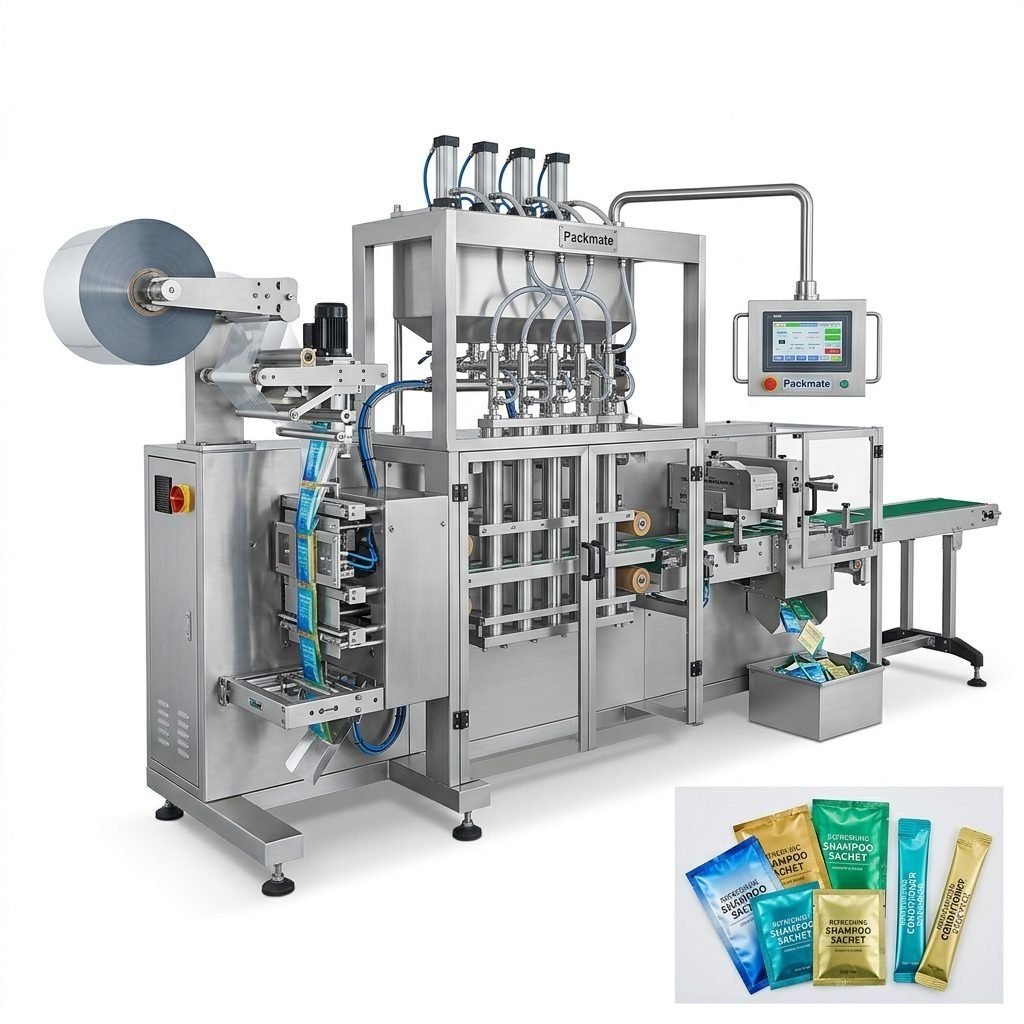
7. Continuous Motion Sachet Packaging Machines
For samples, condiments, or pharmaceutical doses, sachets are the format of choice. Continuous motion machines offer the highest efficiency for this style, as the packaging film is in constant motion during forming, filling, and sealing. This allows for speeds significantly higher than intermittent motion machines. The use of servo-driven cutters ensures clean, precise cuts without slowing down, making them ideal for demanding production schedules.
8. Automated Cartoning and Secondary Packaging
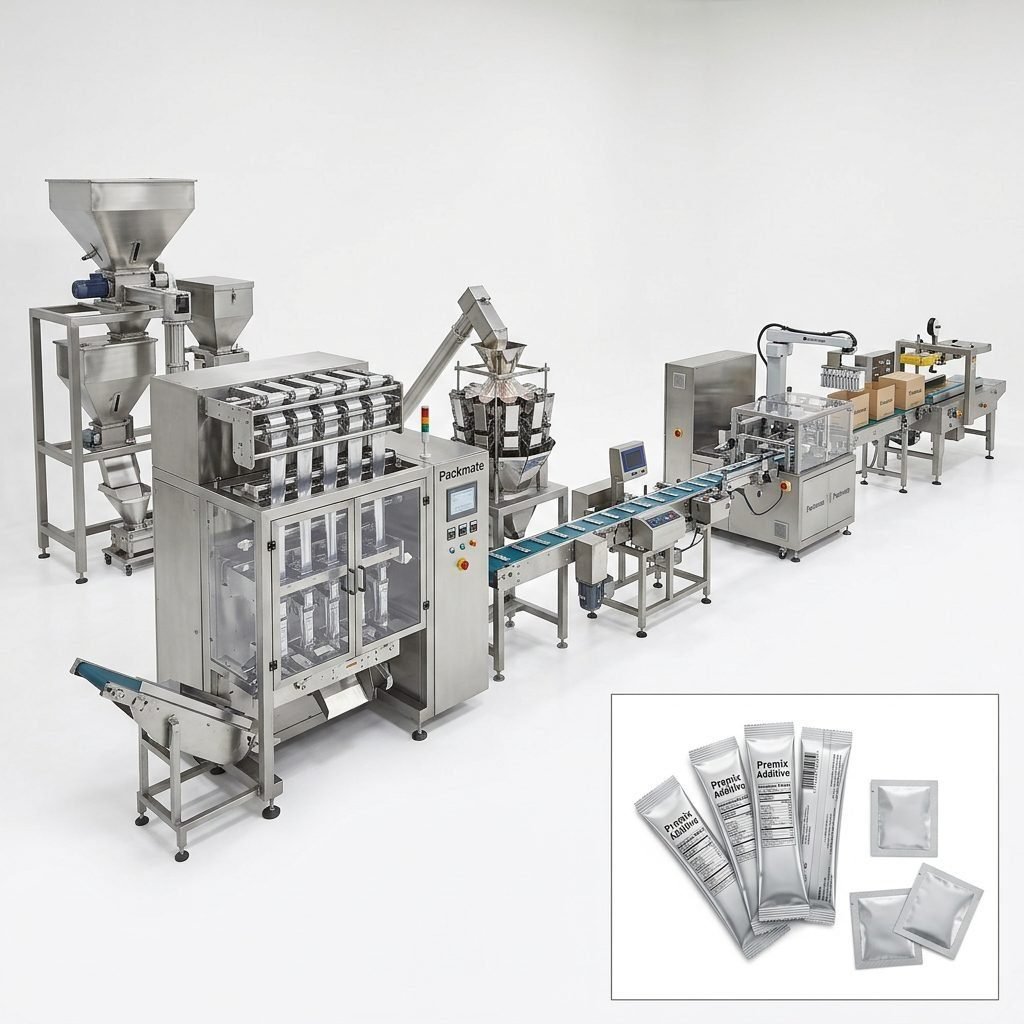
True end-to-end efficiency doesn’t stop at the primary package. Automated cartoners erect boxes, insert primary packages (like stick packs or sachets), and close them at high speeds. When integrated with a primary packaging line, they eliminate manual handling, reduce labor costs, and create a compact, continuous flow from product to shippable case. This is a key step towards a fully automated “lights-out” packaging facility.
9. Robotic Palletizing Cells
The final step in the logistics chain—palletizing—is often physically demanding and inefficient. Robotic palletizing cells use articulated robots to pick and place cases, bags, or boxes onto pallets with perfect pattern consistency. Their efficiency comes from 24/7 operation capability, quick reprogramming for different pallet patterns, and integration with warehouse management systems (WMS) for seamless data flow.
10. IoT-Enabled Smart Packaging Machines
The frontier of packaging efficiency is data-driven. Modern smart machines are equipped with sensors and IoT (Internet of Things) connectivity. They monitor their own performance, predict maintenance needs before a breakdown occurs, track production counts in real-time, and optimize energy usage. This predictive and proactive approach to machine management minimizes unplanned downtime, which is the single biggest enemy of production efficiency.
Implementing the right combination of these automatic packaging solutions requires careful analysis of your product, volume, and growth plans. The journey often starts with a single automated machine, like a high-speed sachet packer, and expands into a fully integrated line. The constant across all solutions is the clear return on investment: higher output, lower operational costs, improved product safety, and a stronger competitive position. For a comprehensive look at the machines that can power this transformation, visit the full product portfolio.
Frequently Asked Questions (FAQs)
1. What is the typical payback period for an automatic packaging machine?
Payback periods vary based on machine cost, labor savings, and output increase. For many businesses, a well-chosen automatic machine can pay for itself in 12 to 24 months through reduced labor costs, lower material waste, and increased production capacity that allows for fulfilling larger orders.
2. Can automatic machines handle fragile or irregularly shaped products?
Yes. Modern machines offer various handling solutions like gentle vibration trays, vacuum belts, or custom-designed cups and funnels. It’s crucial to work with the manufacturer to conduct product tests to ensure the chosen technology handles your specific product without damage.
3. How difficult is it to change over an automatic machine for a different product or package size?
Changeover complexity has been a major focus of innovation. Many machines now feature “tool-less” changeovers or quick-release mechanisms, with servo motors storing settings for different products. Changeover time can range from minutes to a couple of hours, significantly improving overall equipment effectiveness (OEE).
4. What kind of maintenance do automatic packaging machines require?
Regular preventive maintenance is key. This typically includes daily cleaning, lubrication of moving parts as specified, and inspection of seals and wear parts. IoT-enabled machines can simplify this by providing maintenance alerts. Having a reliable supply of spare parts and access to technical support, like the services offered by Packmate, is essential for long-term efficiency.
5. Are automatic packaging solutions scalable for a growing business?
Absolutely. A strategic approach is to invest in modular machines or lines that can be expanded. For example, starting with a 4-lane stick pack machine and later adding modules to make it an 8-lane system. Planning for future scalability with your equipment supplier from the outset is highly recommended.