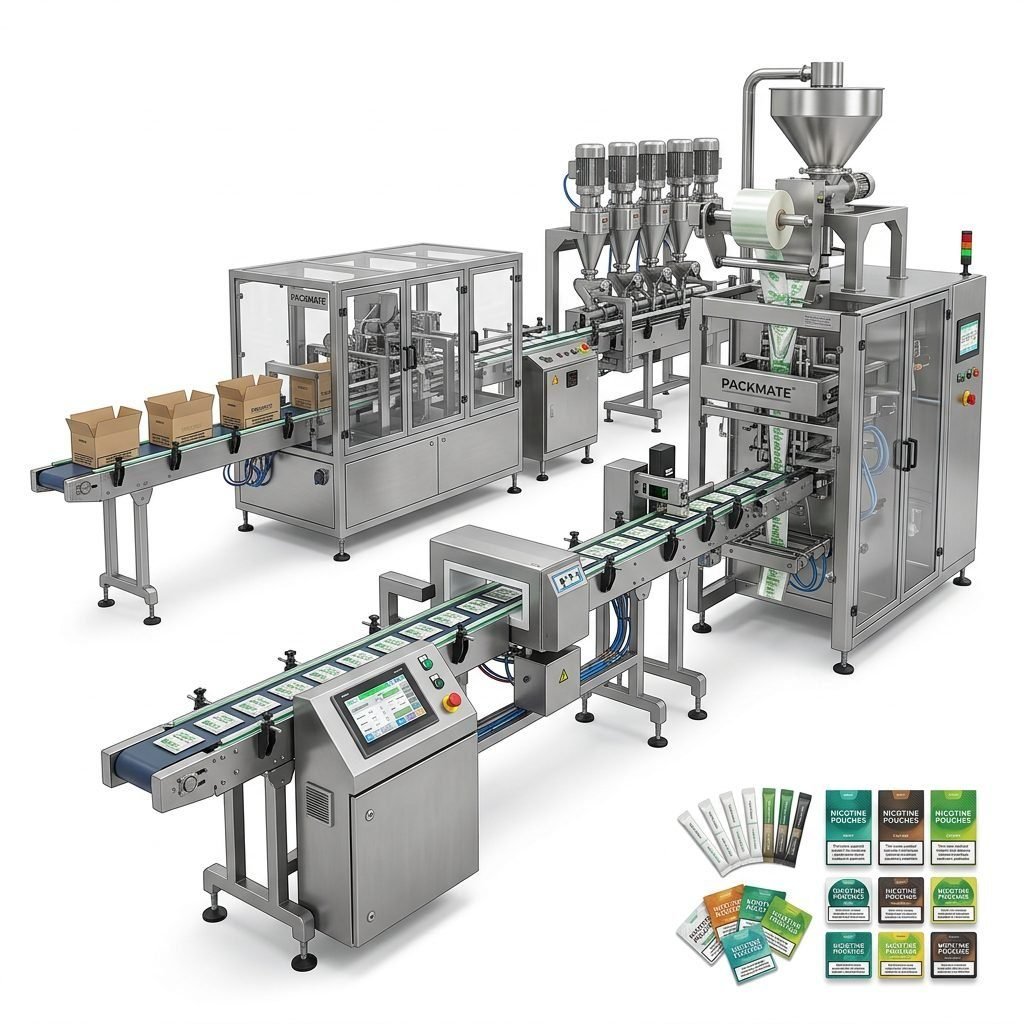
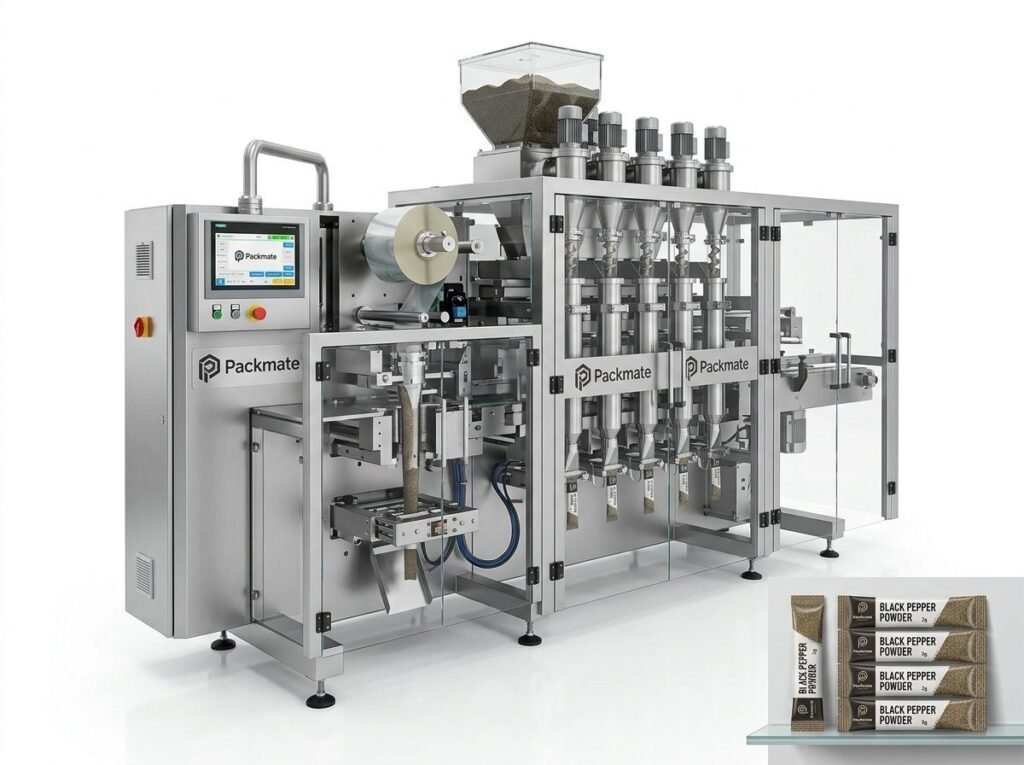
Selecting the right flour packaging machine is a critical investment for any bakery, food manufacturer, or milling operation. The ideal machine not only boosts your packaging speed and accuracy but also ensures product freshness, reduces waste, and enhances your brand’s shelf appeal. With a vast array of technologies available, from simple volumetric fillers to sophisticated multi-lane systems, making an informed choice requires a clear understanding of your specific needs. This comprehensive guide will walk you through the different types of flour packaging machines, their key features, and the essential factors to consider before purchasing.
Understanding Different Types of Flour Packaging Machines
The packaging process for flour can be tailored to different volumes, bag styles, and levels of automation. Here are the primary machine types used in the industry.
Volumetric Cup Fillers
These are among the most common and cost-effective solutions for packaging free-flowing powders like flour. They work by using pre-measured cups to dispense a consistent volume of product into each bag. Machines like the vertical form-fill-seal (VFFS) systems often integrate volumetric filling. They are excellent for small to medium-scale operations where extreme precision (within ±1-2%) is acceptable. Their simplicity means lower initial cost and easier maintenance.
Auger Filling Machines
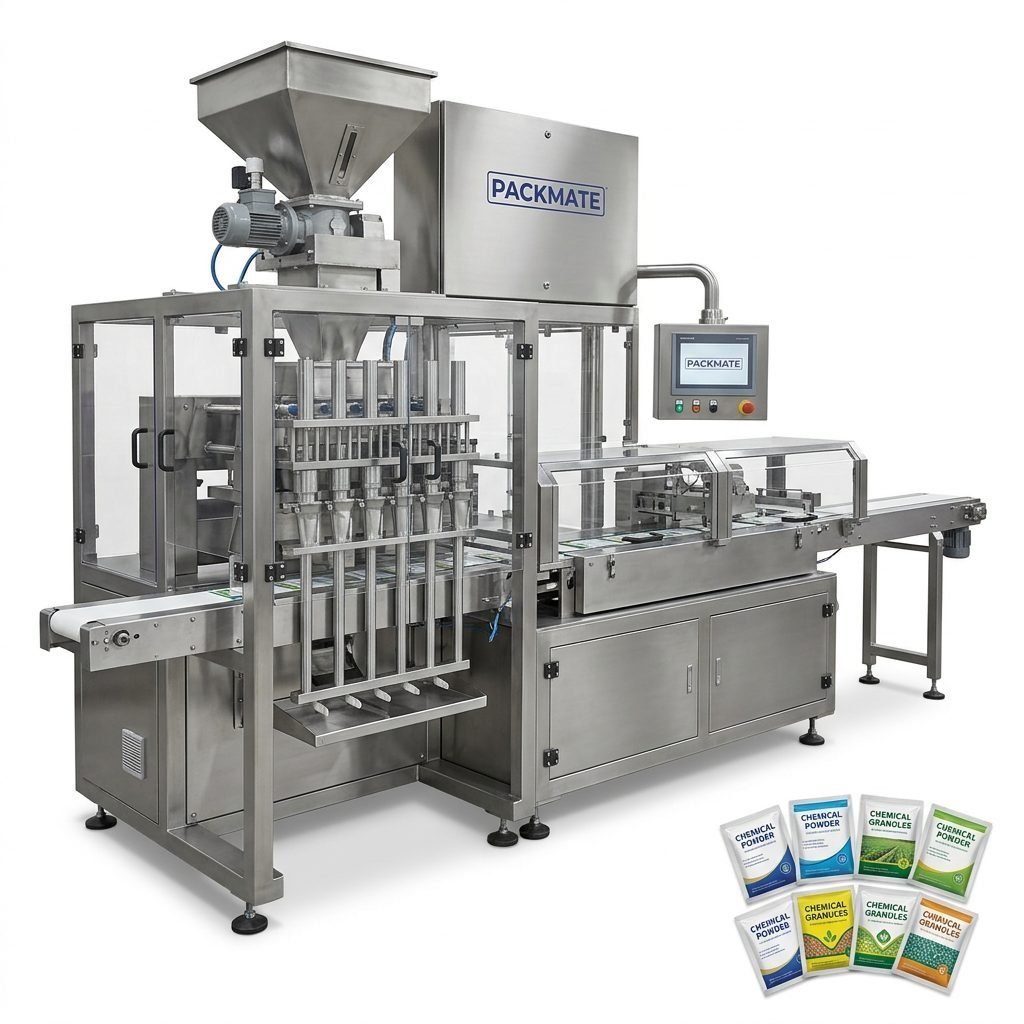
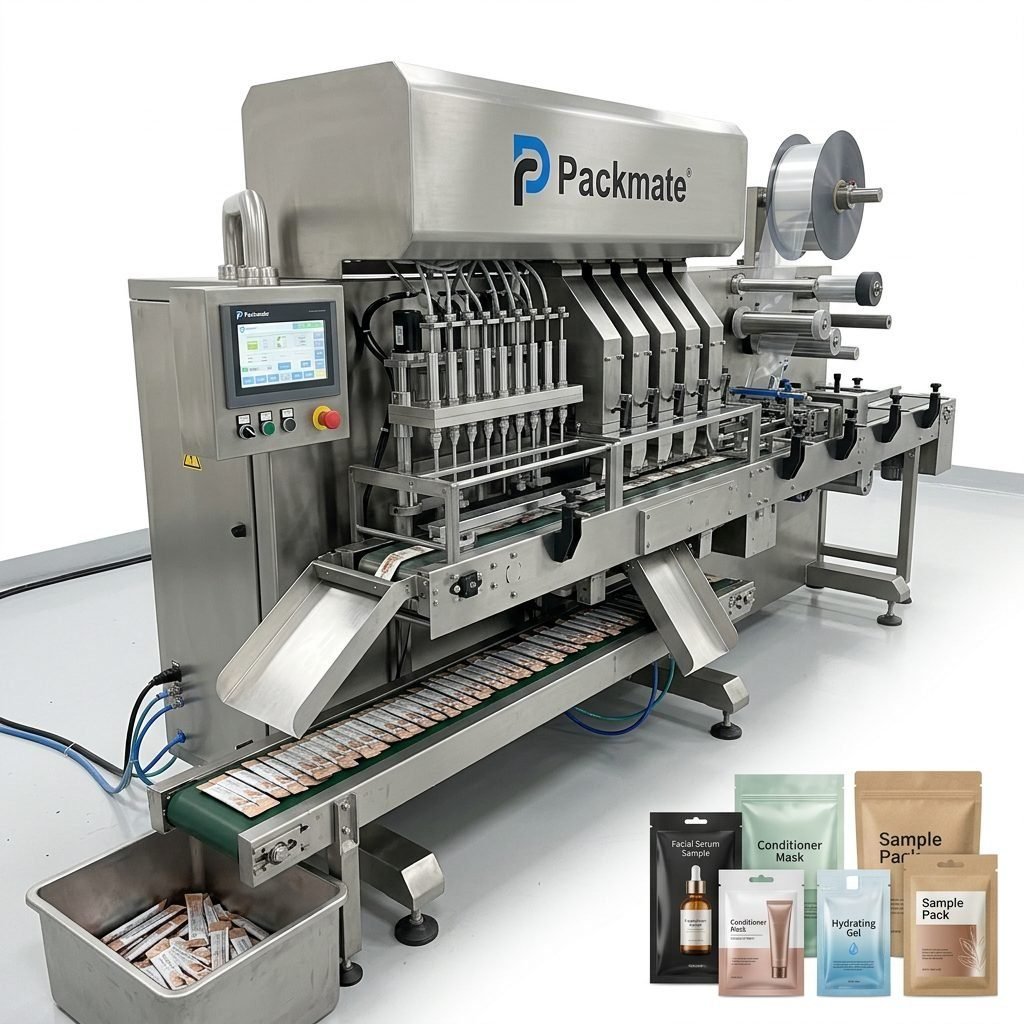
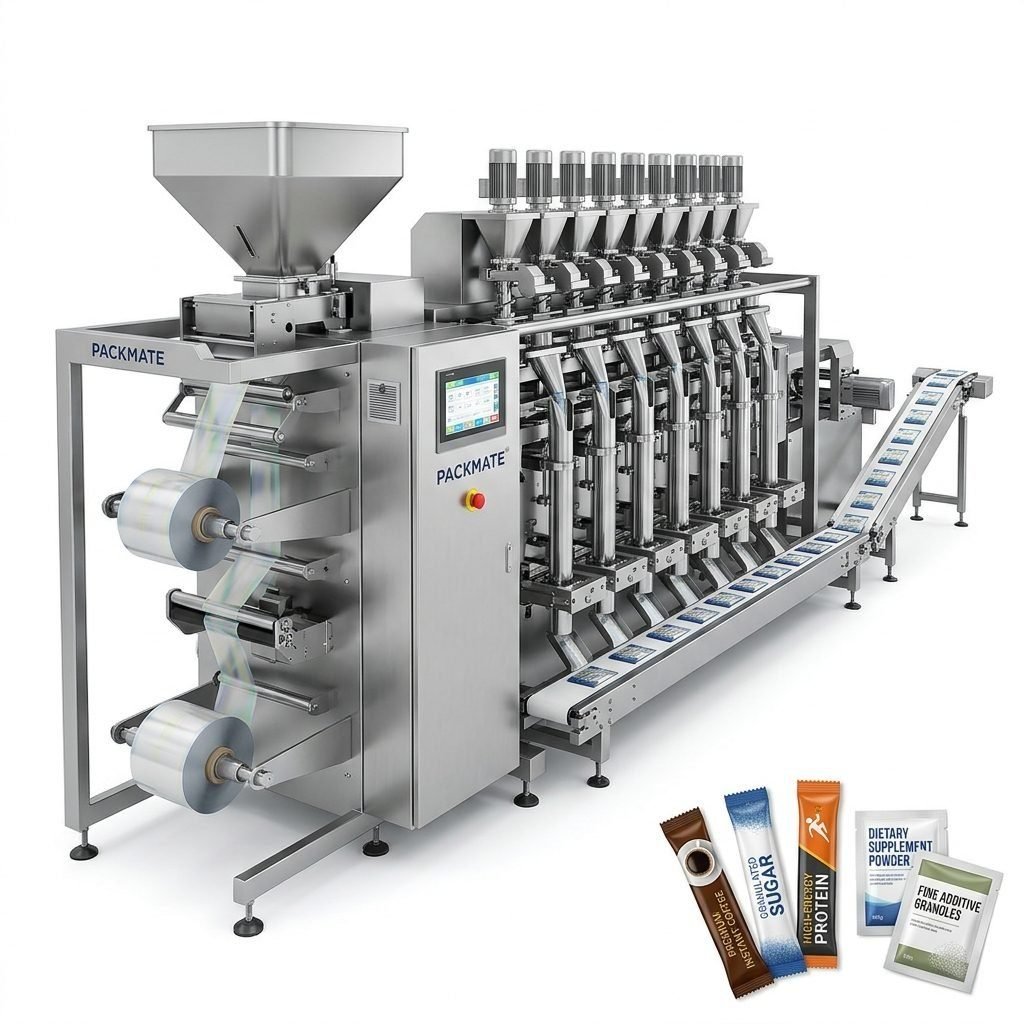
Auger fillers provide greater accuracy than volumetric cup fillers. A rotating screw (auger) inside a hopper precisely meters the flour into the packaging. The amount is controlled by the number of screw revolutions. This method is highly effective for minimizing product dust and achieving good weight control, making it suitable for a wider range of flour types, including those that may be slightly compacted. They are a versatile choice for both sachet and stick pack formats as well as larger bags.
Net Weight Scales (Multi-Head Weighers)
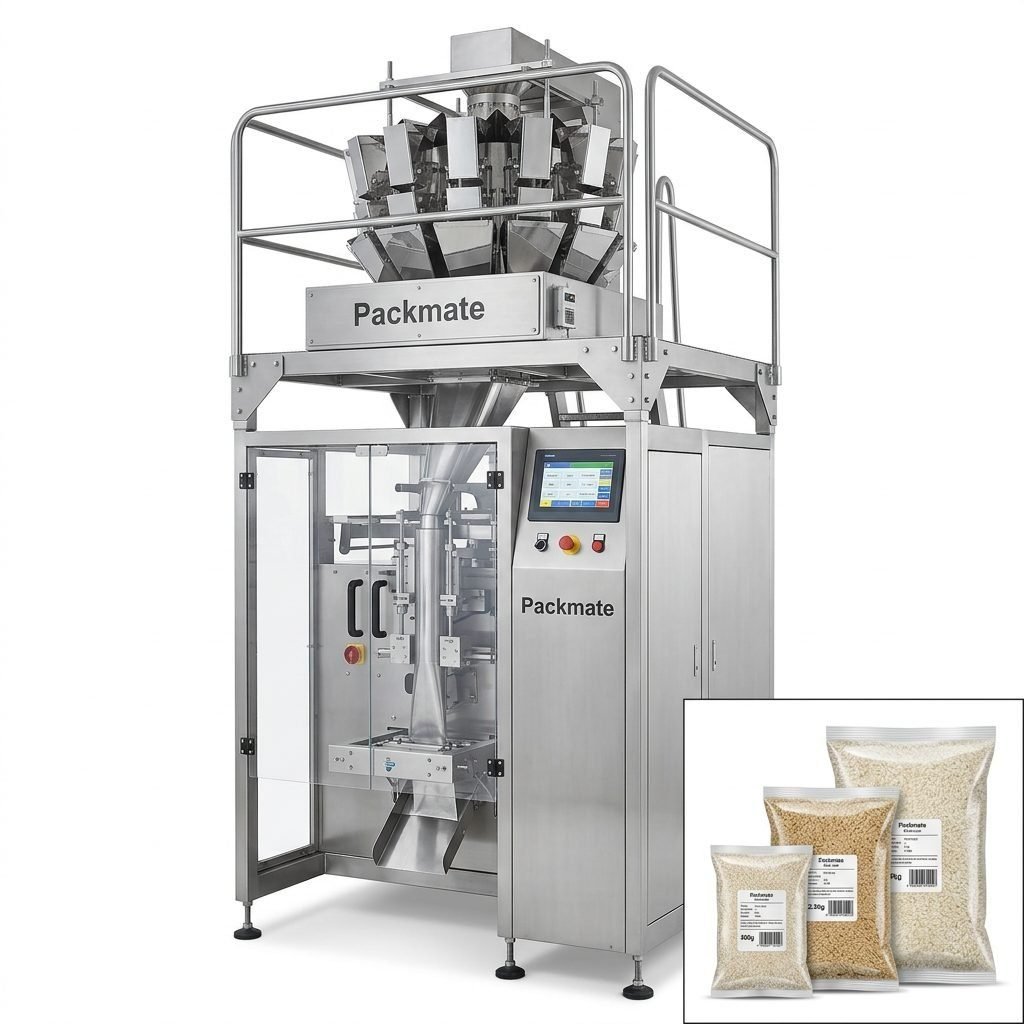
For the highest level of precision, especially in high-speed operations, multi-head weighers are the industry standard. These systems use multiple weigh buckets to combine small, precise amounts of flour to reach a target weight dynamically. They are incredibly fast and accurate, often achieving tolerances within ±0.5 grams or better. This technology is essential for large-scale production lines where every gram counts for cost control and regulatory compliance. They are typically integrated into complete weighing and packaging systems.
Form-Fill-Seal (FFS) Machines
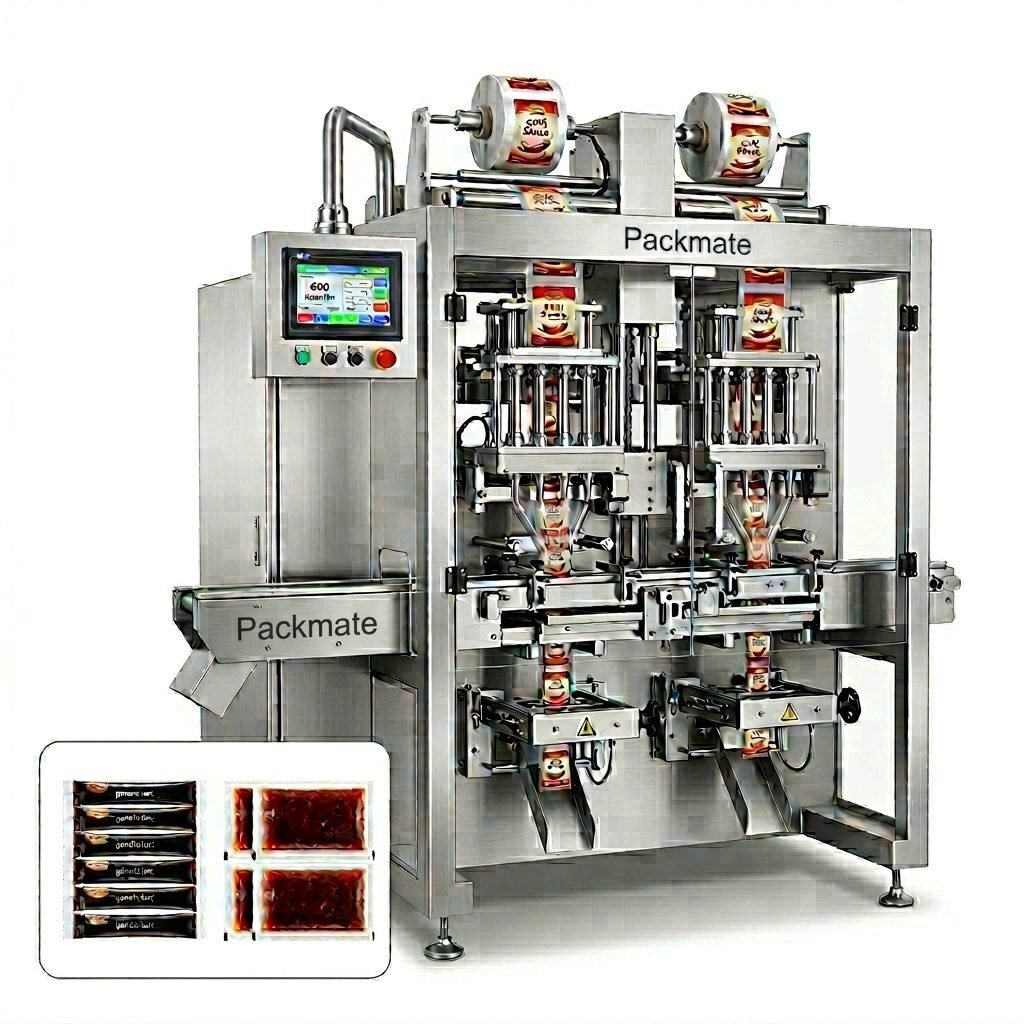
This is not just a filling technology but a complete packaging process. FFS machines form the bag from a roll of packaging film, fill it with the measured flour, and then seal it—all in one continuous operation. Vertical Form-Fill-Seal (VFFS) machines are predominant for flour, creating pillow bags or gusseted bags. They offer excellent hygiene (reduced human contact), flexibility in bag size, and high efficiency. The choice of filler (auger, net weigher) is integrated into the VFFS system.
Key Features to Evaluate in a Flour Packager
Beyond the basic type, several features determine a machine’s performance, reliability, and suitability for your plant.
Accuracy and Speed (Output)
The balance between speed and accuracy is paramount. A high-speed machine with poor accuracy leads to giveaway and profit loss, while an overly precise but slow machine creates a production bottleneck. Define your required bags-per-minute rate and your acceptable weight tolerance. Remember, net weighers excel in high-speed precision, while auger fillers offer a good balance for many applications.
Hygiene and Cleanability
Flour is a food product, and hygiene is non-negotiable. Look for machines with stainless steel contact parts, smooth surfaces without crevices where powder can accumulate, and easy-access panels for cleaning. Some advanced models feature CIP (Clean-in-Place) systems. Good dust extraction ports are also crucial to maintain a clean working environment and protect the machine’s mechanics.
Flexibility and Changeover
If you package multiple flour types (all-purpose, whole wheat, bread flour) or different bag sizes, quick changeover is vital. Evaluate how easily you can switch augers, cups, or forming tools. Machines with digital controls and recipe memory can store settings for different products, dramatically reducing downtime during changeovers and minimizing human error.
Control System and Integration
A modern, user-friendly PLC (Programmable Logic Controller) with a touchscreen HMI (Human-Machine Interface) is essential. It should allow for easy parameter setting, production monitoring, and troubleshooting. Consider the machine’s ability to integrate with upstream (e.g., flour silo) and downstream equipment (e.g., cartoners, case packers) for a seamless filling and packaging line.
Comprehensive Buying Guide: Steps to Your Perfect Machine
Purchasing a flour packaging machine is a significant decision. Follow this structured approach to ensure you select equipment that delivers a strong return on investment.
Step 1: Conduct a Thorough Needs Analysis
Start by documenting your current and future needs. Key questions include: What is your current and projected daily/weekly output? What bag sizes and types (stand-up pouch, flat bag, gusseted) do you use? What is the flow characteristic of your specific flour(s)? What is your available factory floor space and utilities (power, air)? What is your operational skill level?
Step 2: Set a Realistic Budget
Your budget should encompass the total cost of ownership, not just the purchase price. Factor in costs for installation, commissioning, operator training, spare parts, and potential future maintenance. While a lower upfront cost is attractive, a slightly more expensive, reliable machine from a reputable manufacturer like Packmate Machinery often results in lower long-term costs through higher uptime and efficiency.
Step 3: Research and Shortlist Suppliers
Look for manufacturers with proven experience in food-grade powder packaging. Examine their company history, client portfolio, and after-sales service network. A supplier with over 30 years of expertise, like Packmate, brings invaluable knowledge of technical challenges and reliable solutions. Review their case studies to see machines in action for similar applications.
Step 4: Request Demos and Quotations
Always request a live demonstration using a sample of *your* flour. This is the only way to truly assess filling accuracy, dust generation, and machine handling. Provide detailed specifications to several shortlisted suppliers for quotation. Compare not only the price but also the scope of supply, warranty terms, delivery time, and training offered.
Step 5: Evaluate After-Sales Support
The relationship with your supplier begins after the sale. Ensure they offer comprehensive technical support, readily available spare parts, and prompt service. Check if they provide installation supervision and detailed documentation. A strong global support network is crucial if you are an international buyer to minimize potential downtime.
Frequently Asked Questions (FAQs)
What is the most accurate type of flour packaging machine?
Net weight multi-head weighers are generally the most accurate, capable of high-speed weighing with minimal giveaway. For applications where extreme precision is less critical, a well-calibrated auger filler offers excellent accuracy at a more moderate cost.
How do I reduce dust when packaging flour?
Choose machines designed with effective dust management, such as sealed auger systems, integrated dust hoods, and vacuum connections. Properly designed filling spouts that descend into the bag and controlled drop heights also significantly reduce dust and product aeration.
Can one machine handle different types of flour and bag sizes?
Yes, many machines are built for flexibility. The key is quick-changeover components like augers, forming tubes, and sealing jaws. Machines with digital recipe memory allow you to save settings for each product, making switches fast and repeatable.
What maintenance does a flour packaging machine require?
Regular daily cleaning is the most critical task. Scheduled maintenance typically includes lubricating moving parts, checking seal integrity, calibrating scales, and inspecting electrical components. Always follow the manufacturer’s maintenance schedule to ensure longevity and consistent performance.
Is it better to buy a standalone machine or a complete integrated line?
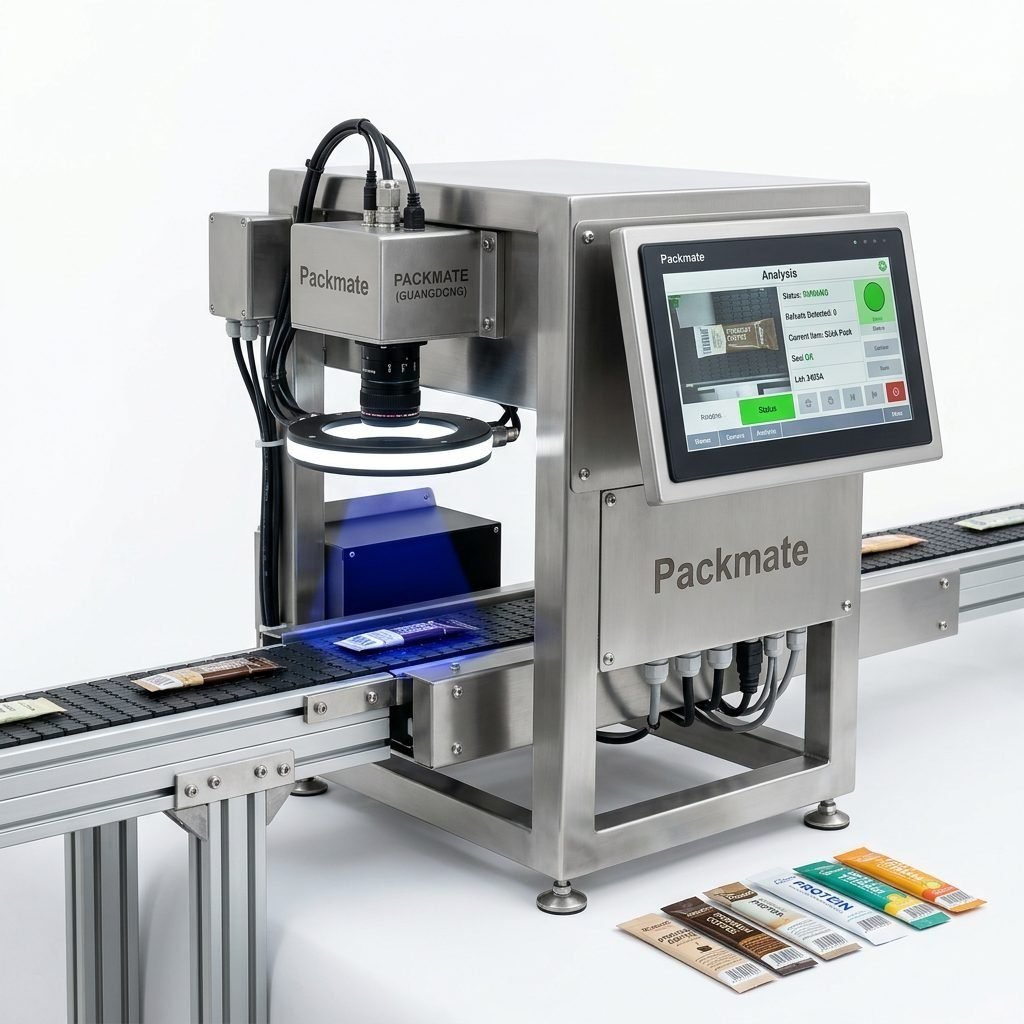
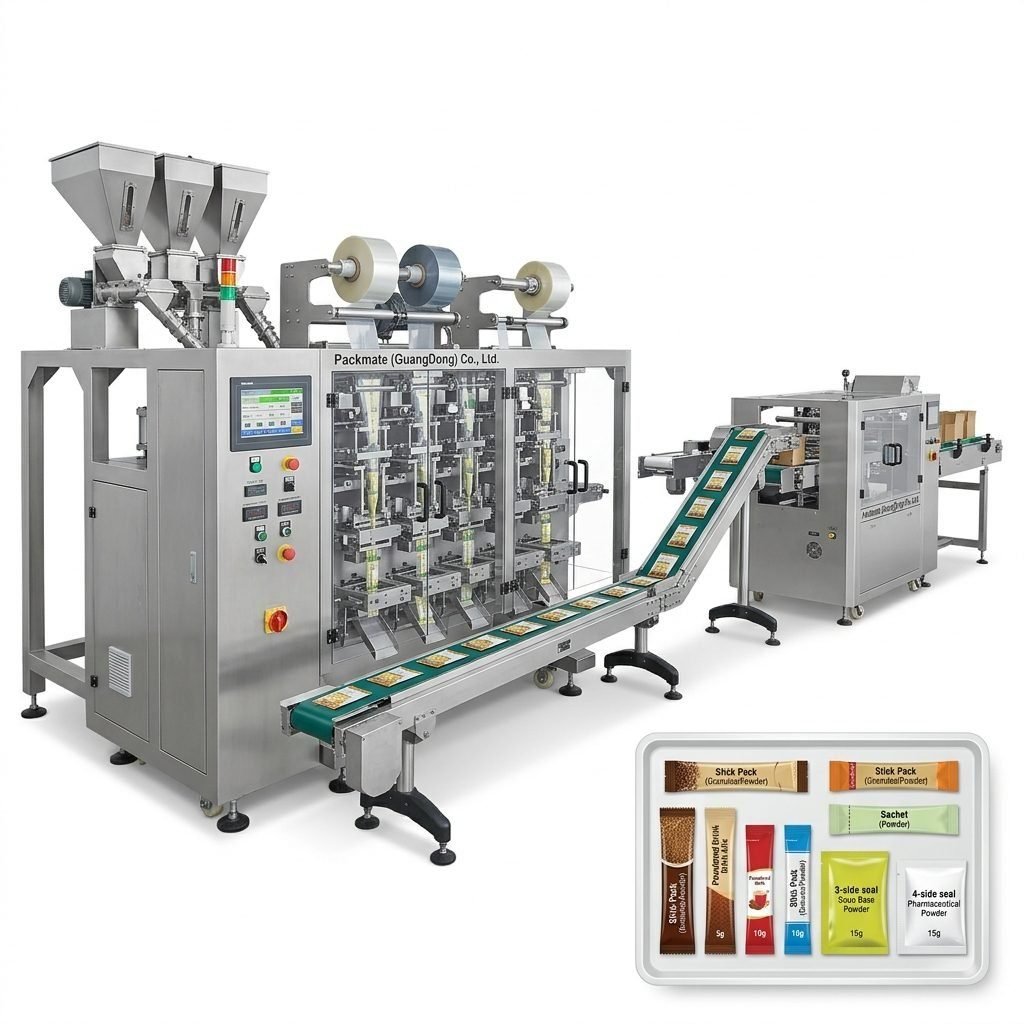
It depends on your scale and goals. A standalone machine is suitable for manual bag placement or low-volume output. For medium to high-volume production, an integrated automated line (e.g., VFFS with net weigher, auto bag placers, checkweighers) dramatically increases efficiency, reduces labor costs, and improves overall line control.