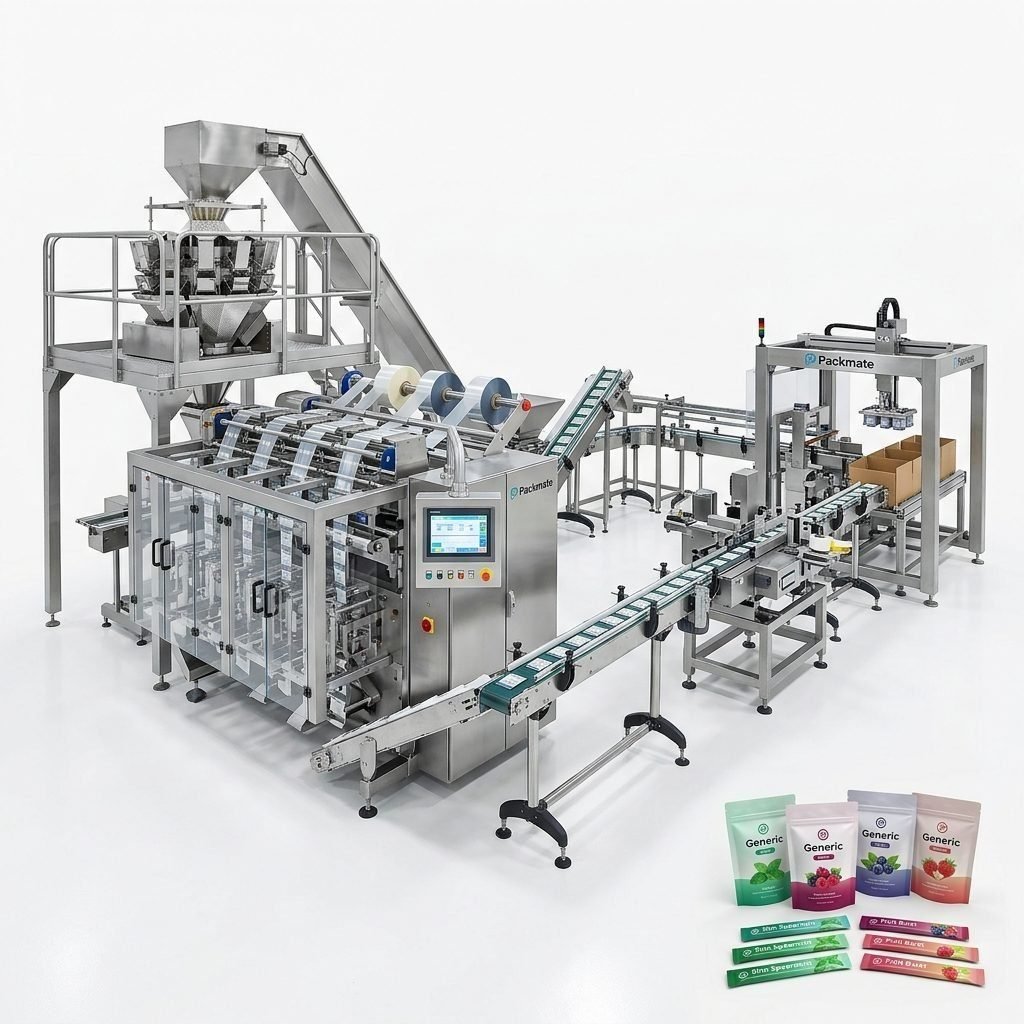
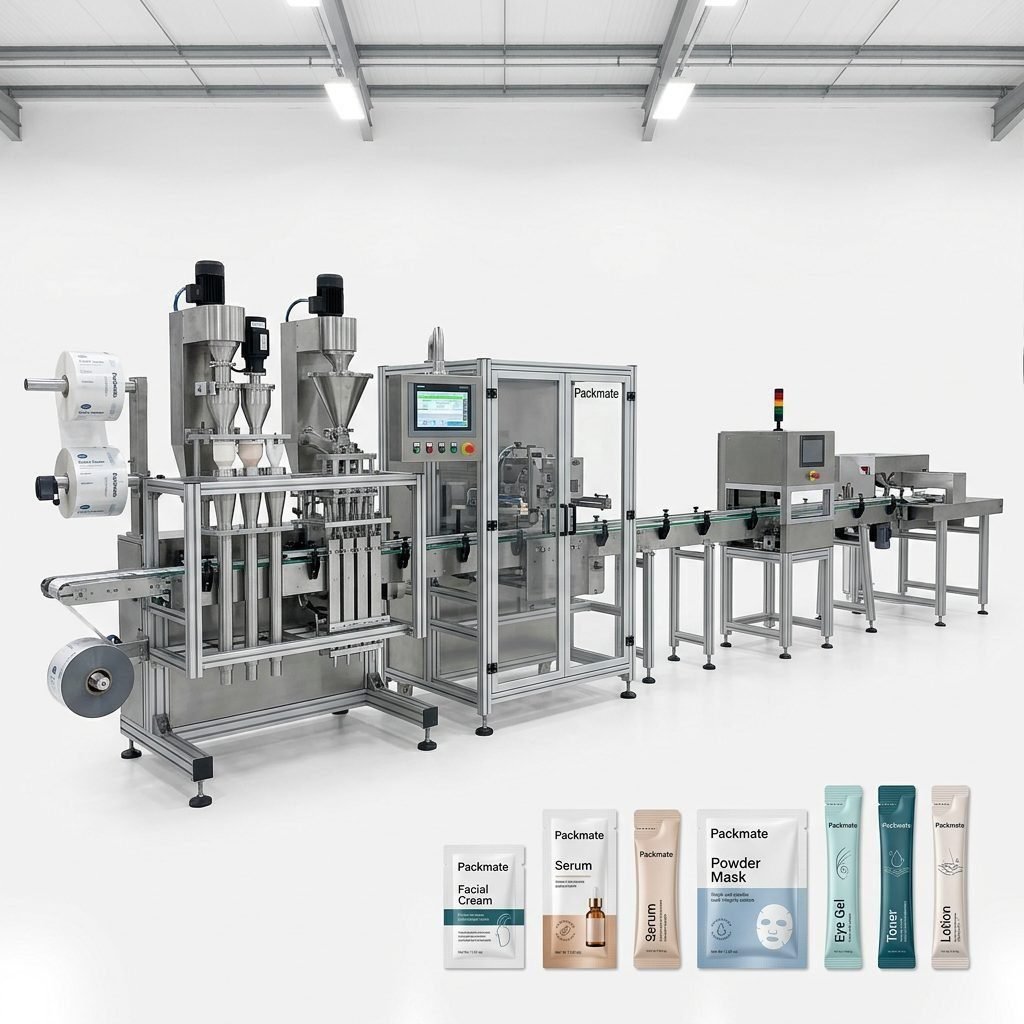
Navigating the world of packaging machinery manufacturing can be a complex task for any buyer. Whether you are in the food, pharmaceutical, or health industry, selecting the right equipment is crucial for operational efficiency, product integrity, and long-term profitability. This guide aims to demystify the process, providing you with the essential knowledge to make an informed purchasing decision.
Understanding Your Packaging Needs
The first and most critical step is a thorough analysis of your specific requirements. This goes beyond simply knowing your product type. Consider your current and projected production volume, the physical characteristics of your product (granules, powders, liquids), the desired packaging format (sachets, stick packs, pouches), and the materials you plan to use. A clear understanding here will narrow down the vast field of machinery options significantly.
Key Consideration:
Don’t just buy for today. Plan for future growth and potential product diversification. Investing in a slightly more versatile or scalable machine upfront can save substantial capital and downtime later.
Types of Packaging Machinery
The manufacturing sector offers a diverse range of equipment, each designed for specific functions. Common categories include:
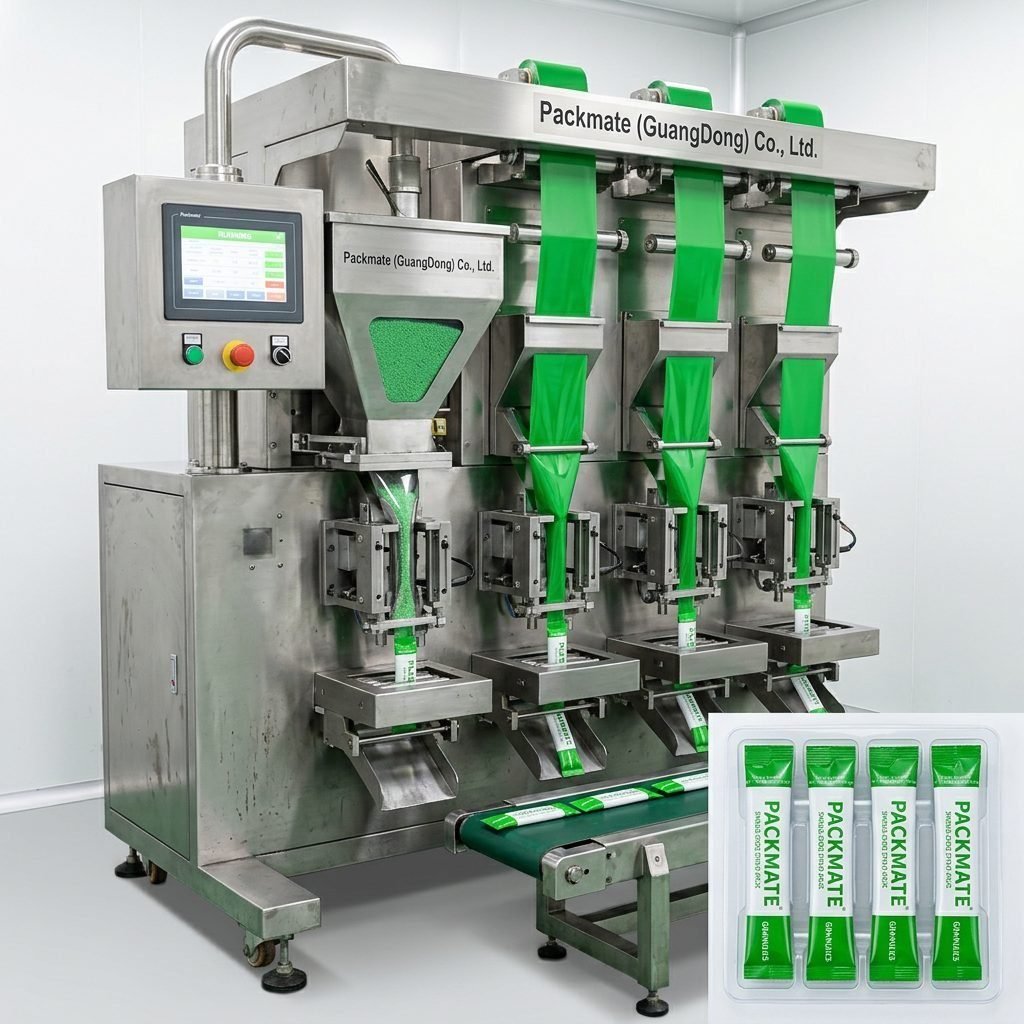
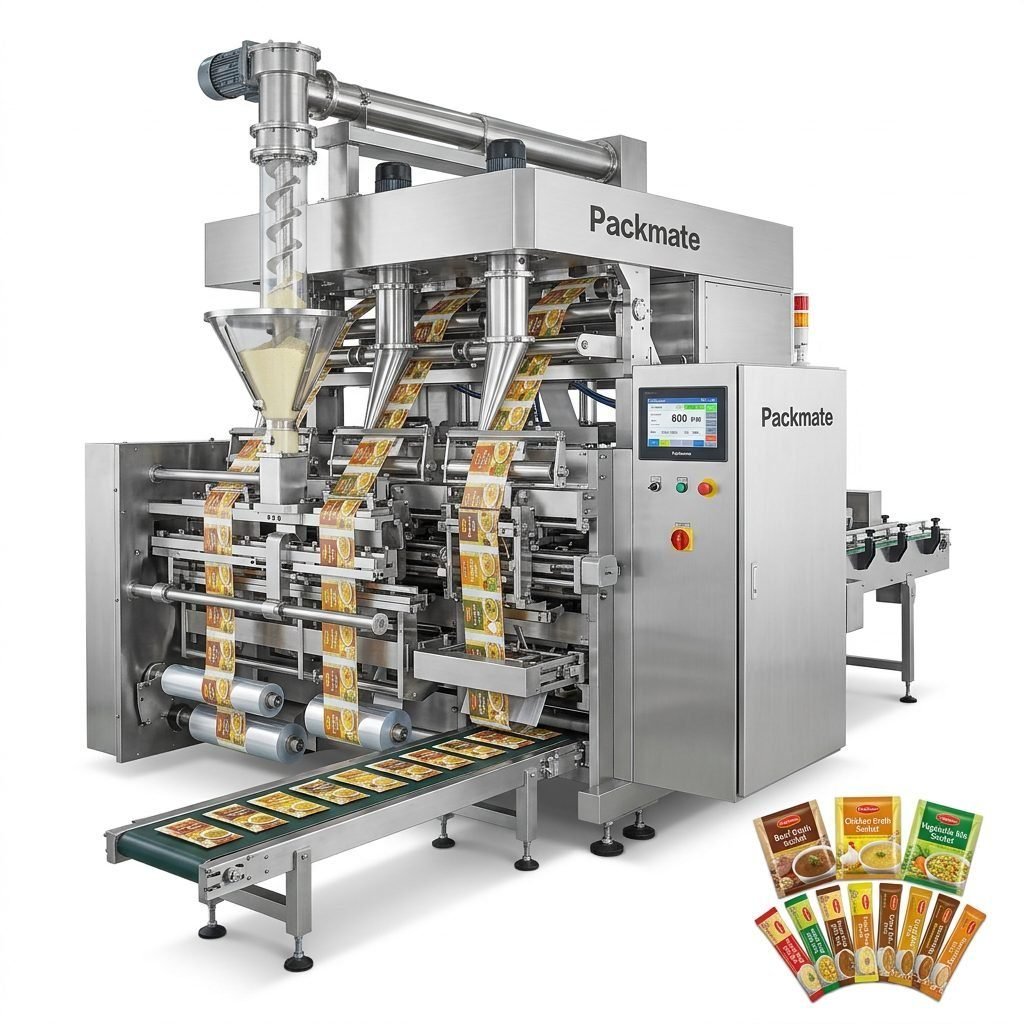
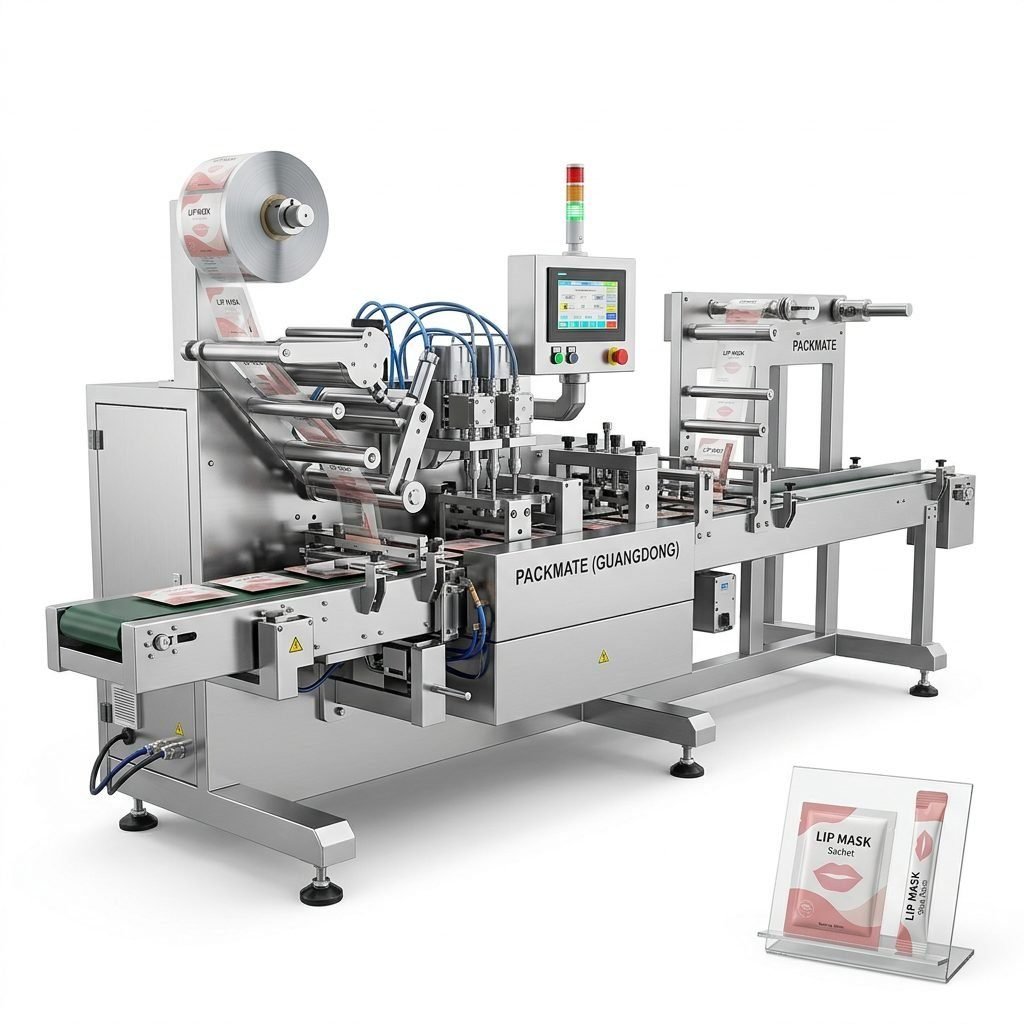
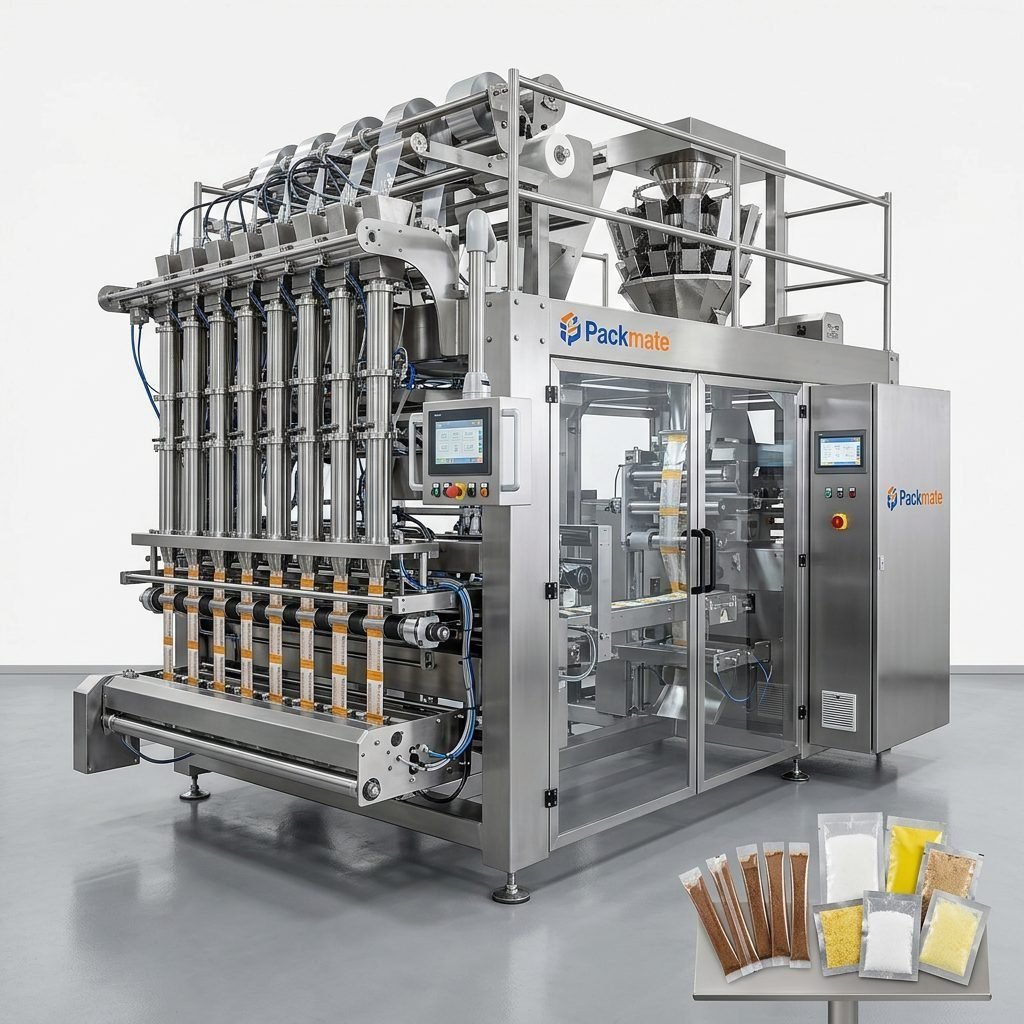
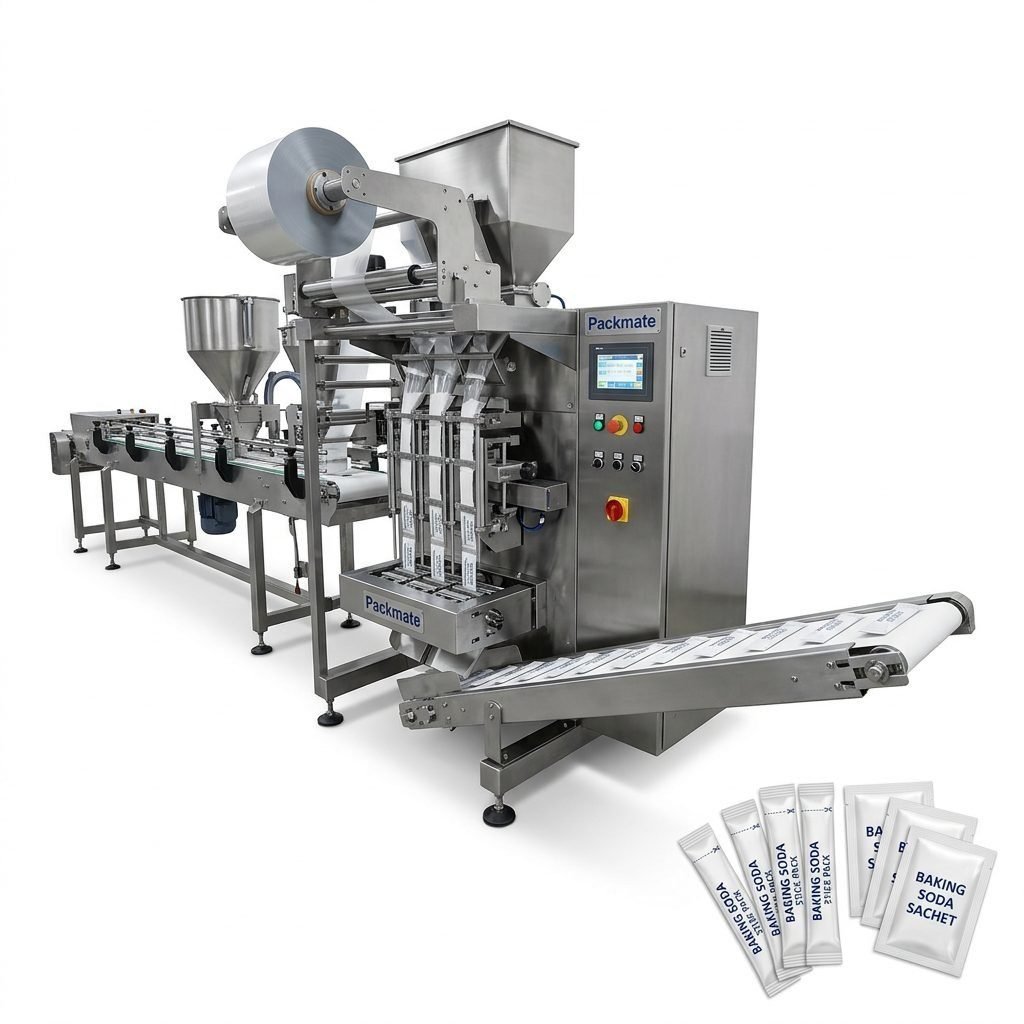
- Form-Fill-Seal (FFS) Machines: These are highly versatile, forming the package from a roll of film, filling it with product, and sealing it in one continuous operation. They are ideal for sachets and stick packs.
- Vertical and Horizontal Cartoners: Used for loading products into pre-glued cartons or trays.
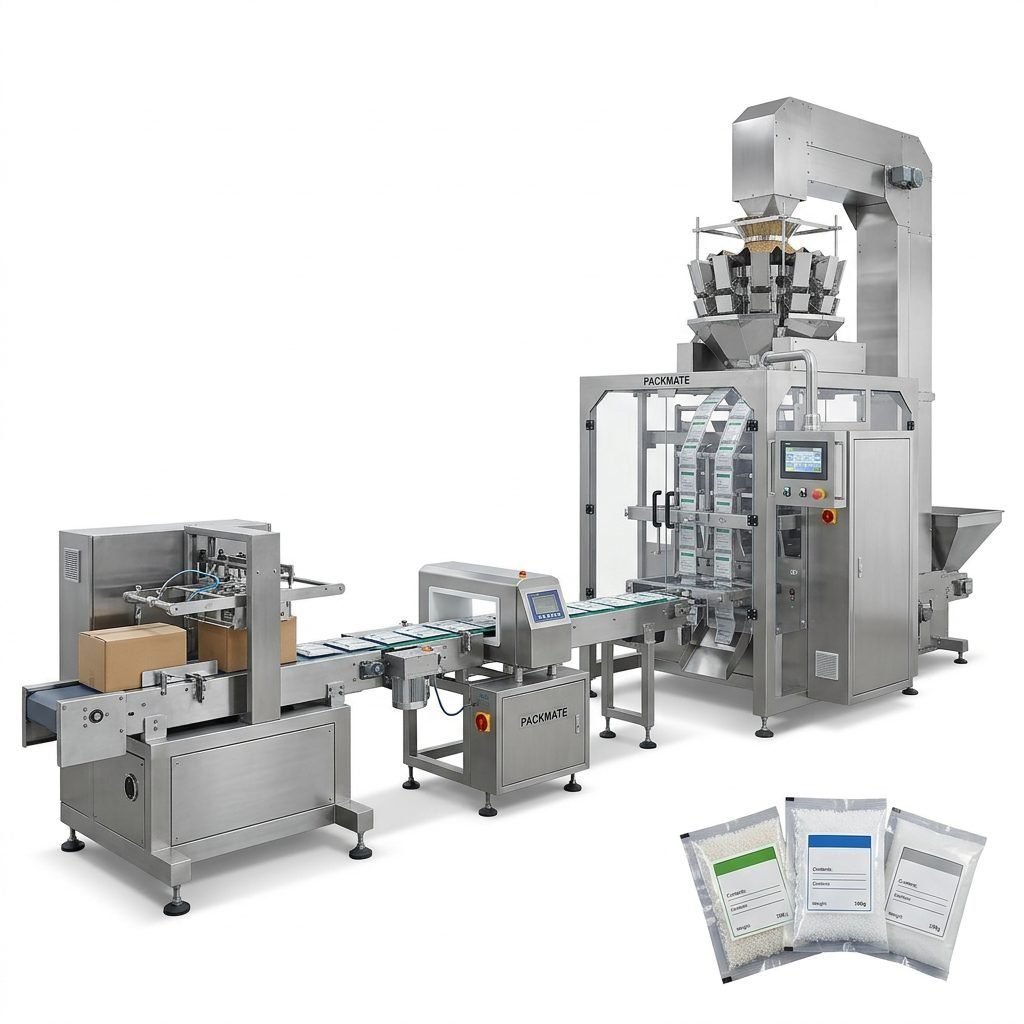
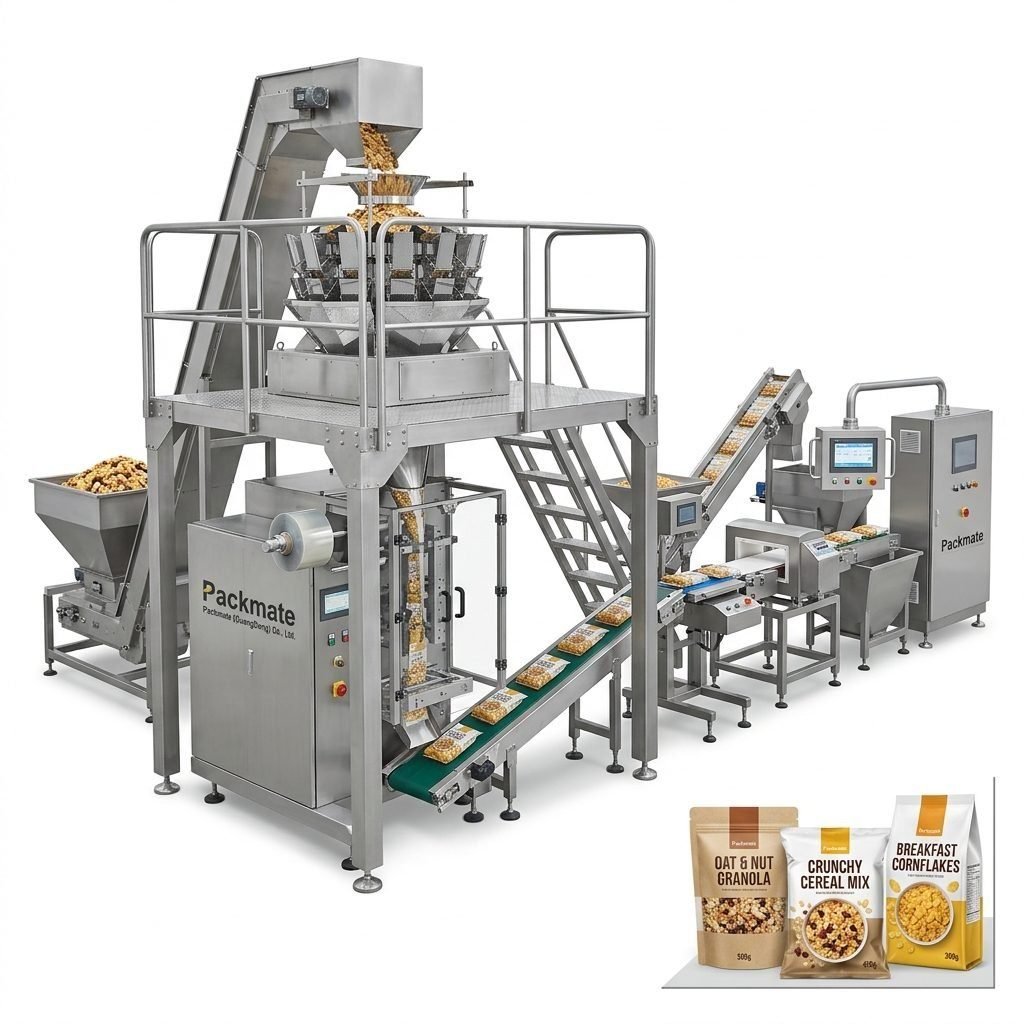
- Filling Machines: Specialized for accurate dispensing of liquids, powders, or granules into pre-made containers or bags. For complex systems, explore integrated filling and packaging lines.
- Sealing Machines: Apply heat, pressure, or adhesives to close various types of packaging.
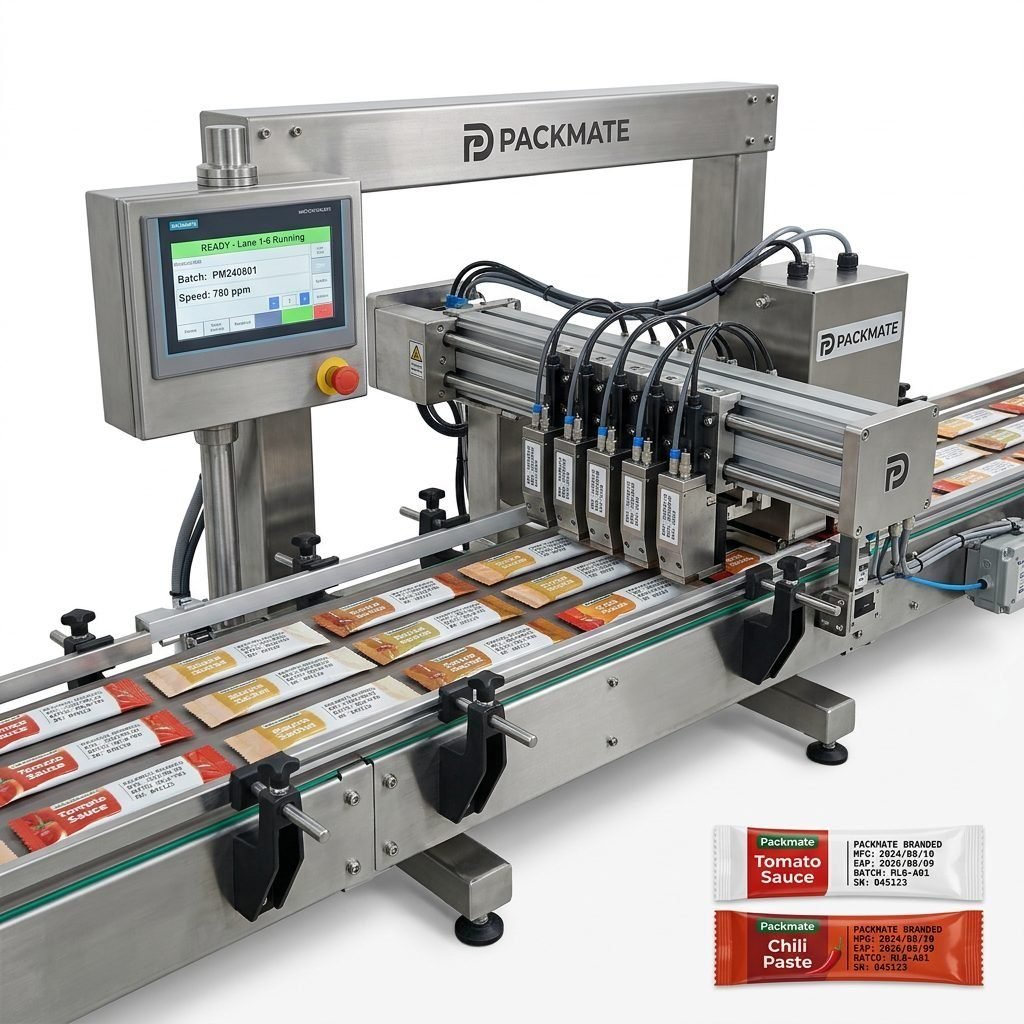
- Labeling and Coding Systems: Apply labels, expiry dates, batch numbers, and barcodes.
Evaluating a Machinery Manufacturer
Choosing a reliable manufacturer is as important as choosing the right machine. Look beyond the brochure and assess their core competencies.
Experience and Expertise
A manufacturer with a long history, like Packmate Machinery with over 30 years in the field, brings invaluable experience. They have likely encountered and solved a wide array of technical challenges, ensuring their machines are robust and reliable. Review their company story and history to understand their journey and commitment to the industry.
Technical Capability and Innovation
Inspect their manufacturing facility, either virtually or in person. A modern plant with advanced production and testing equipment is a strong indicator of quality control. Ask about their R&D focus and how they incorporate technological advancements like IoT for predictive maintenance or enhanced user interfaces into their equipment.
Questions to Ask a Potential Supplier:
- What is your standard warranty and what does it cover?
- What spare parts are considered wear-and-tear vs. warranty items?
- Do you offer training for our operators and maintenance staff?
- Can you provide references from clients with similar applications?
- What is your typical lead time from order to delivery and installation?
After-Sales Support and Service
The relationship with your manufacturer begins after the sale. Comprehensive after-sales support is non-negotiable. Ensure they offer clear documentation, readily available spare parts, and responsive technical support. A global manufacturer should have a service network or capable partners in key regions to minimize downtime. Investigate their service policies in detail.
Financial Considerations and ROI
The initial purchase price is just one component of the total cost of ownership. Consider energy consumption, required operator skill level, maintenance costs, and changeover times. A slightly more expensive machine that offers higher speed, lower waste, and easier maintenance will often provide a much better return on investment (ROI) over its lifespan.
Always calculate the Total Cost of Ownership (TCO), not just the purchase price.
Final Steps Before Purchase
Request a detailed proposal and quotation. Ask for a live or recorded demonstration using a product similar to yours. If possible, visit the factory for a Factory Acceptance Test (FAT) to see the machine built and running under controlled conditions. This is your opportunity to verify performance against the agreed specifications.
Frequently Asked Questions (FAQs)
1. What is the typical lead time for a custom packaging machine?
Lead times vary significantly based on machine complexity, customization, and manufacturer backlog. For standard models, it can range from 8 to 16 weeks. Custom or fully integrated lines may require 20 weeks or more. Always confirm this timeline during the quotation process.
2. How do I ensure the machine will work with my specific product?
Product testing is essential. Reputable manufacturers will offer to test your product sample in their facility. This proves the machine’s capability for your specific weight range, material flow characteristics, and packaging format before you commit to the purchase.
3. What kind of training and documentation is provided?
A professional supplier should provide comprehensive operation and maintenance manuals (often in digital and print). On-site training for your engineers and operators during installation and commissioning is standard. Some may also offer advanced training courses at their facility.
4. Who is responsible for installation and commissioning?
This should be clearly defined in your contract. Many manufacturers include supervised installation and commissioning by their engineers as part of the purchase. For international sales, they may work with local partners or provide detailed instructions for your team.
5. How do I manage spare parts and ongoing maintenance?
Discuss a recommended spare parts list for initial stock. Ensure the manufacturer has a reliable system for ordering and shipping parts globally. Ask if they offer remote diagnostic support and consider any available service contracts for preventive maintenance.