In today’s fast-paced manufacturing landscape, selecting the right packaging equipment company is a critical decision that directly impacts operational efficiency, product quality, and overall profitability. The market is filled with numerous providers, but only a select few combine innovation, reliability, and comprehensive support to deliver truly efficient solutions. This article explores the key attributes of top-tier packaging equipment companies and highlights what makes them stand out in a competitive global industry.
The Hallmarks of a Leading Packaging Equipment Provider
When evaluating potential partners for your packaging needs, several core characteristics distinguish the industry leaders from the rest. These companies are not merely equipment sellers; they are solution providers deeply invested in their clients’ success.
Proven Expertise and Longevity: A company’s history is a testament to its resilience and ability to evolve with market demands. Top companies often have decades of experience, having navigated technological shifts and changing consumer preferences. For instance, a company like Packmate Machinery has built its reputation over more than 30 years, starting from a foundational passion for automation. This deep-rooted expertise translates into machines that are not only advanced but also robust and field-tested across thousands of hours of operation.
Another critical factor is technological innovation and R&D capability. The best companies invest significantly in research and development to push the boundaries of what packaging machinery can do. They integrate smart technologies, IoT connectivity for predictive maintenance, and user-friendly PLC controls that simplify operation and reduce downtime. Their equipment is designed for adaptability, capable of handling a wide range of products—from fine powders and granules to viscous liquids—with quick changeover features that maximize production line flexibility.
Comprehensive Product Portfolio and Customization
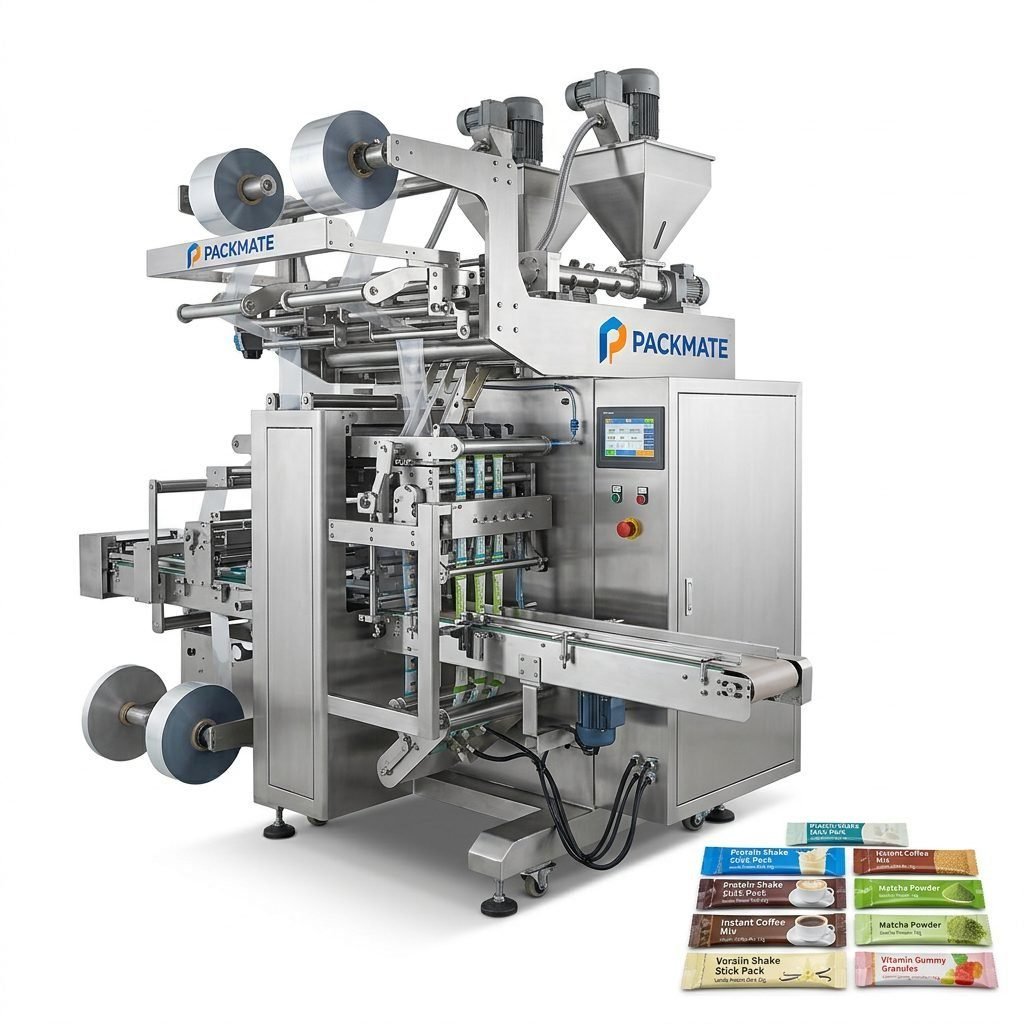
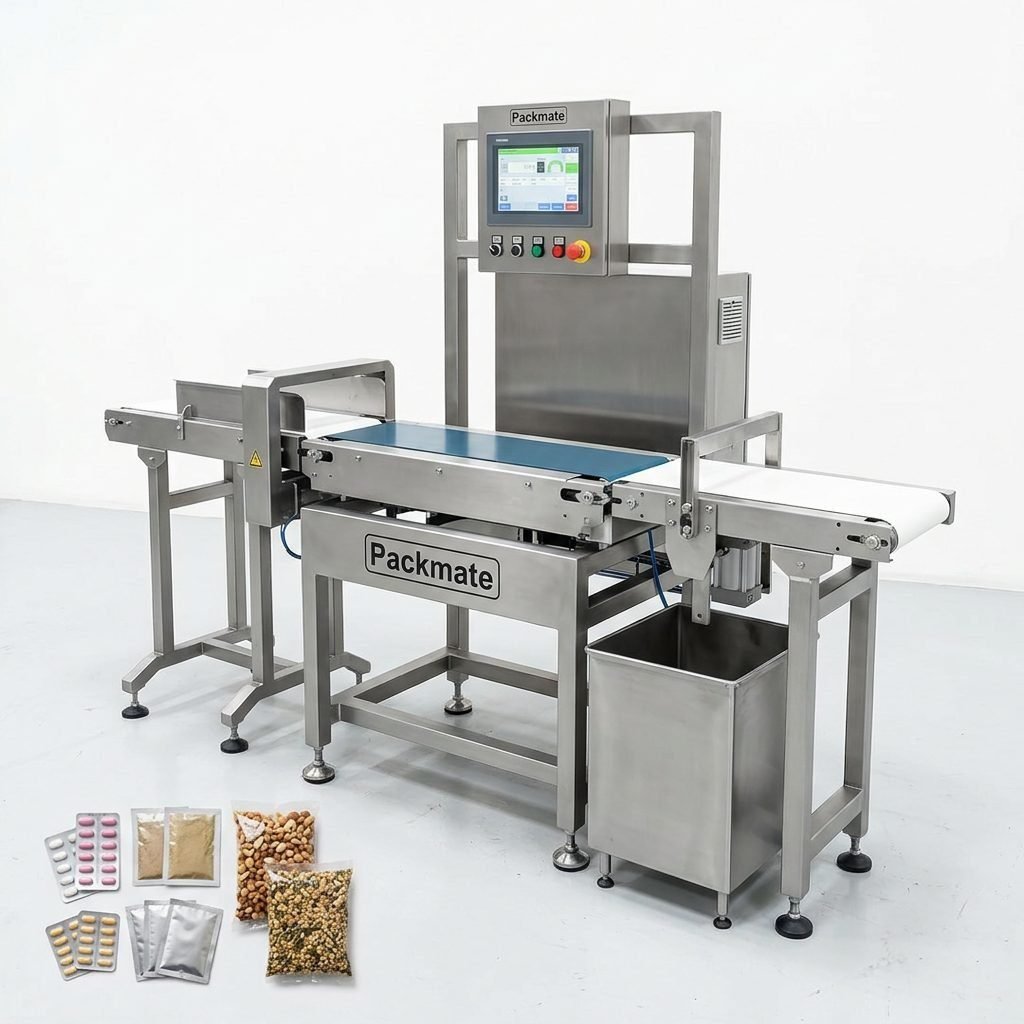
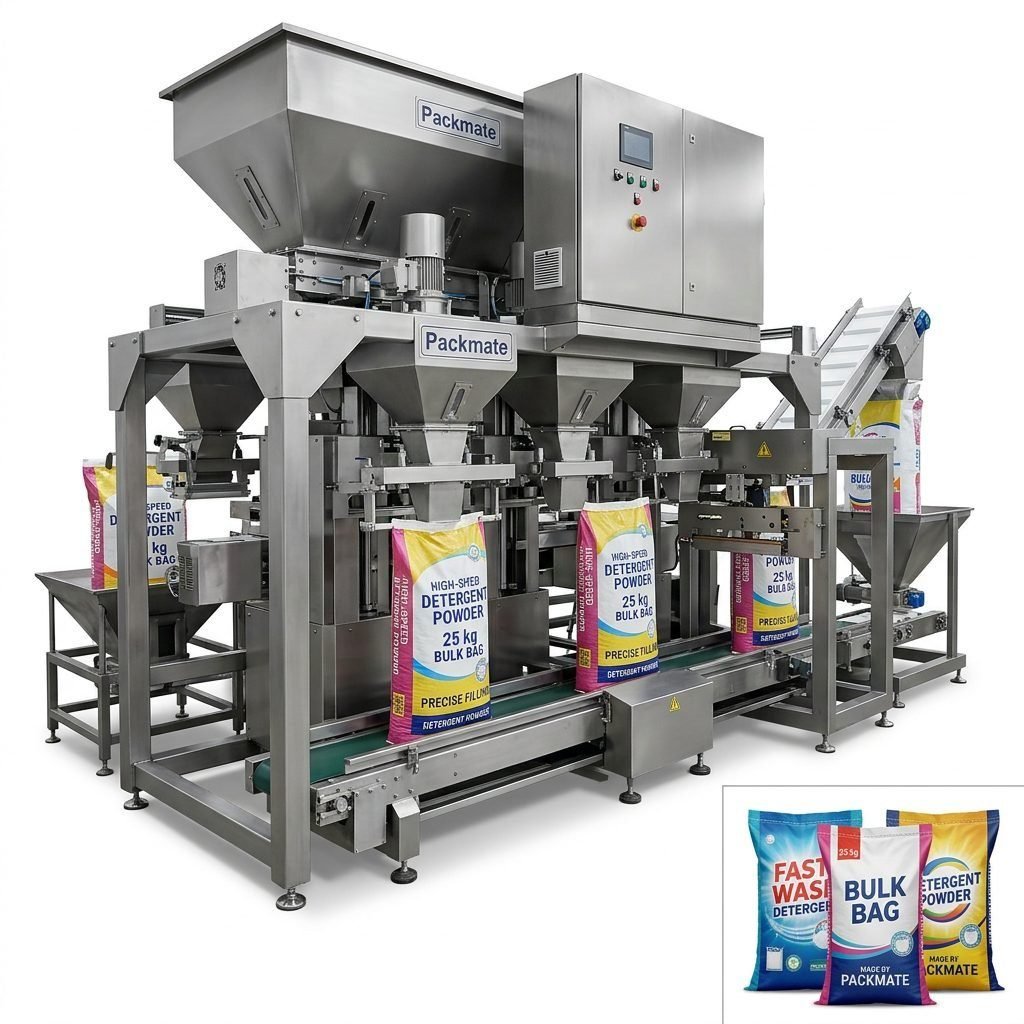
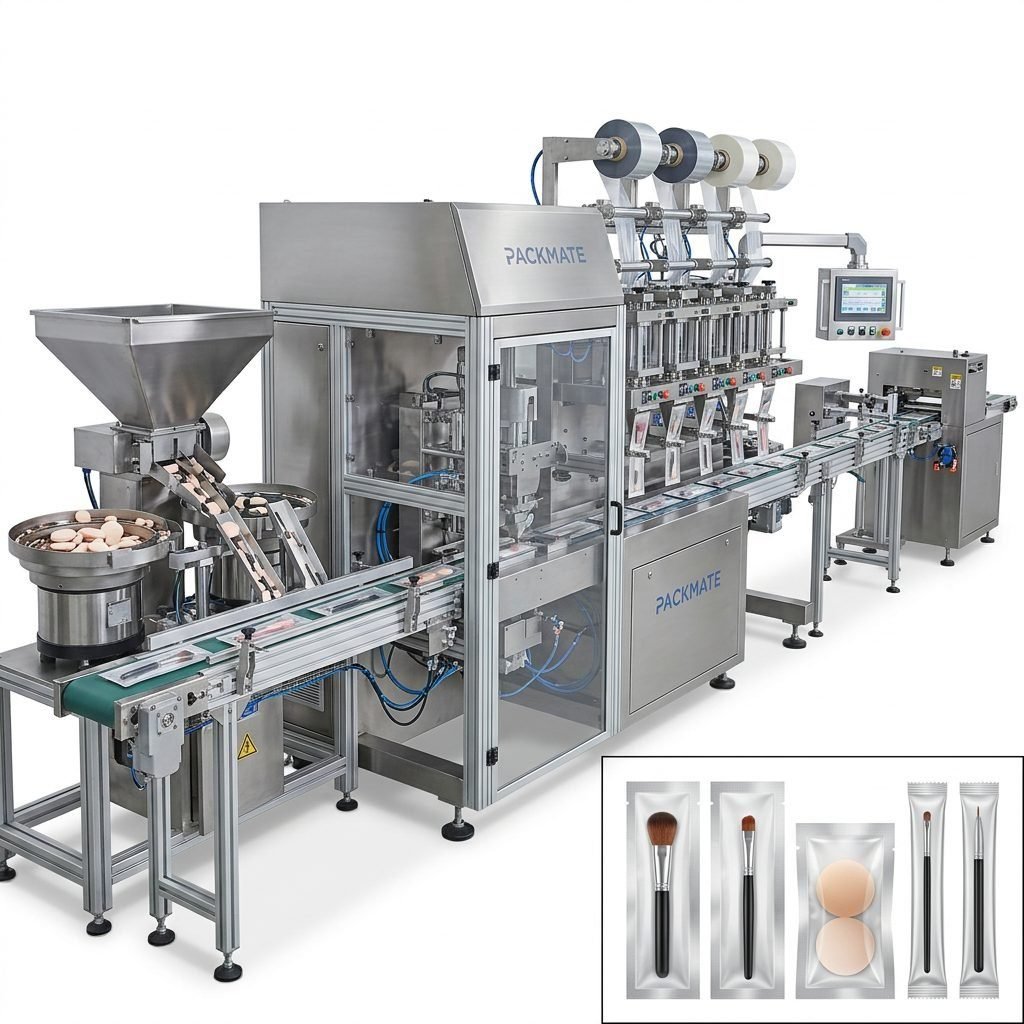
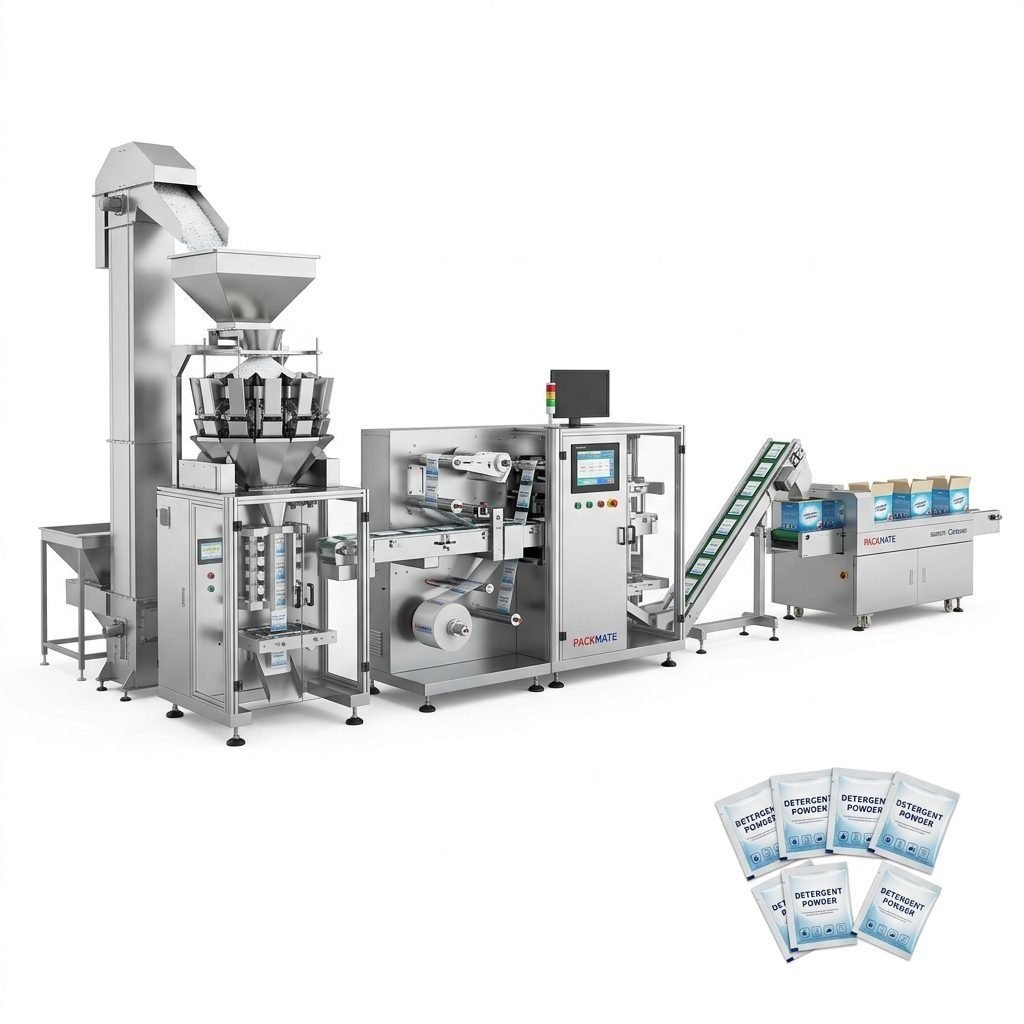
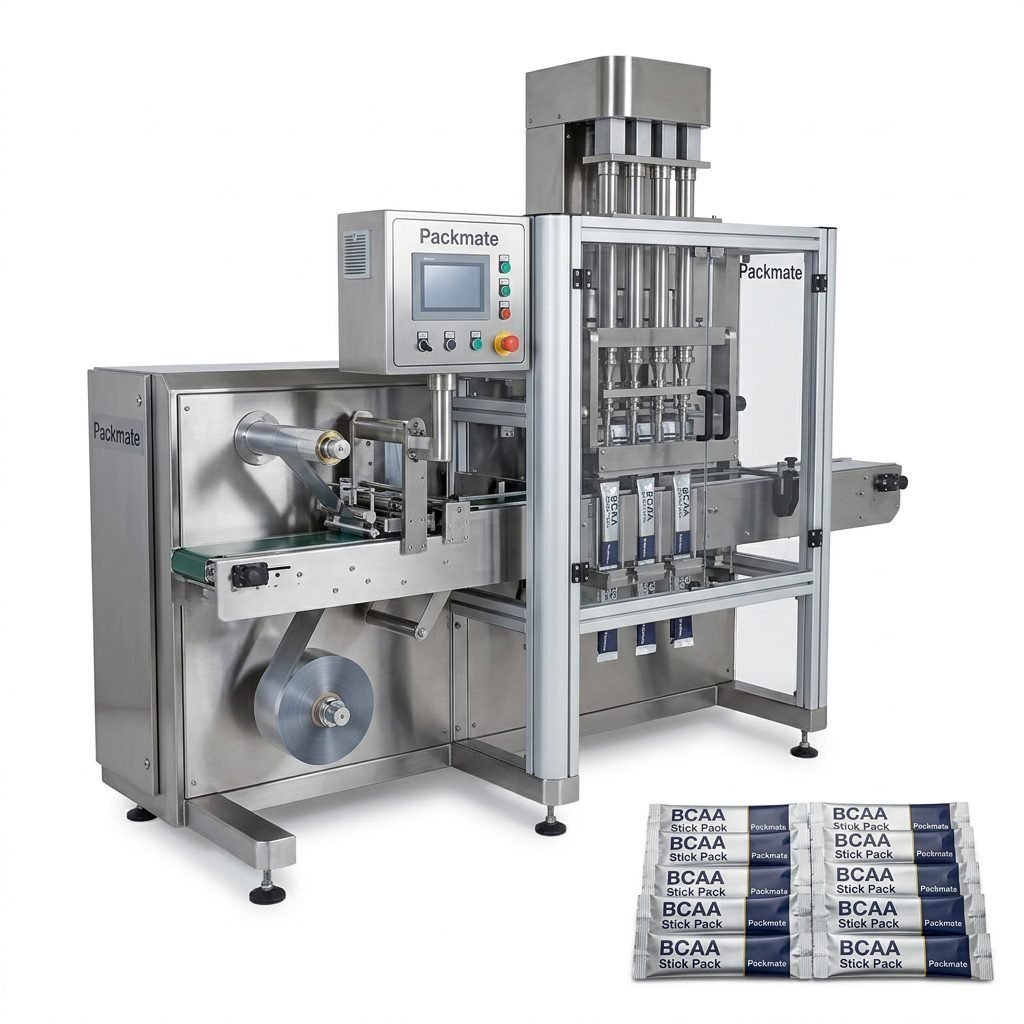
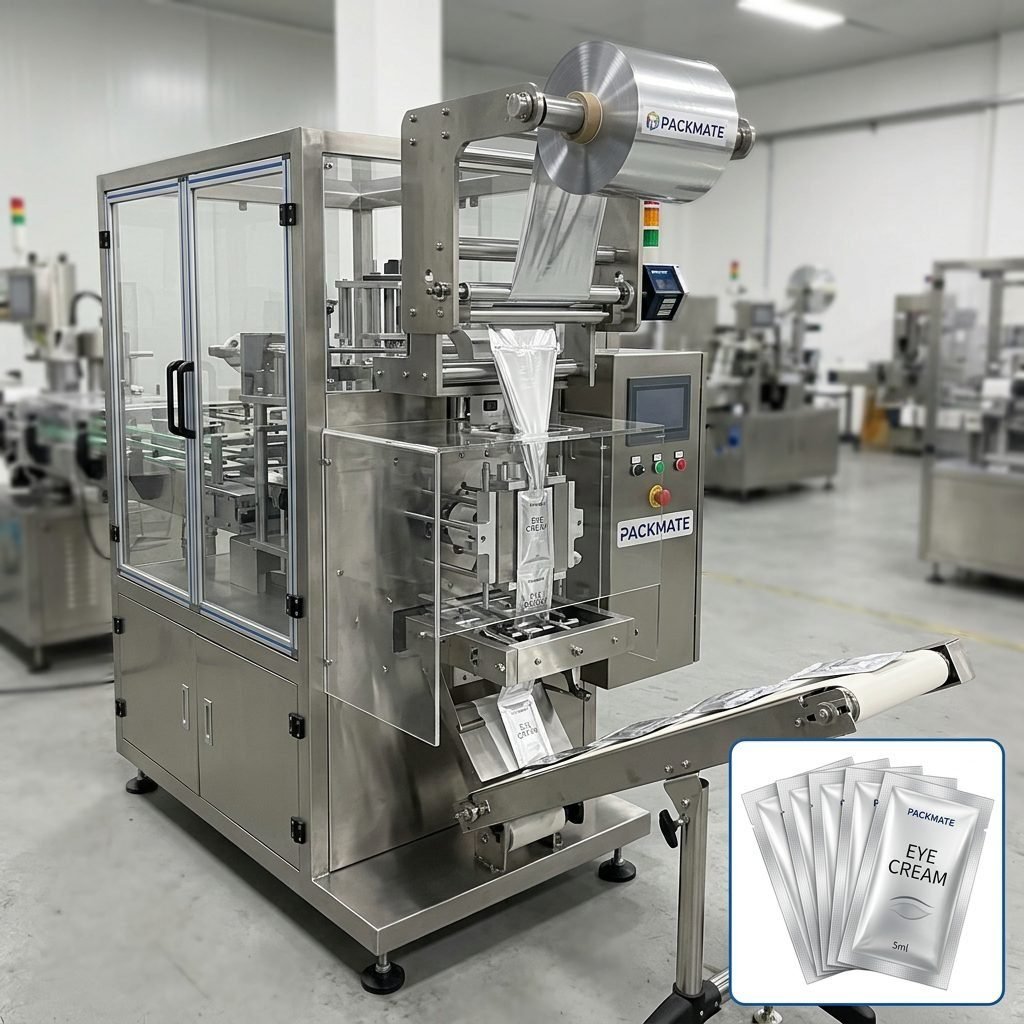
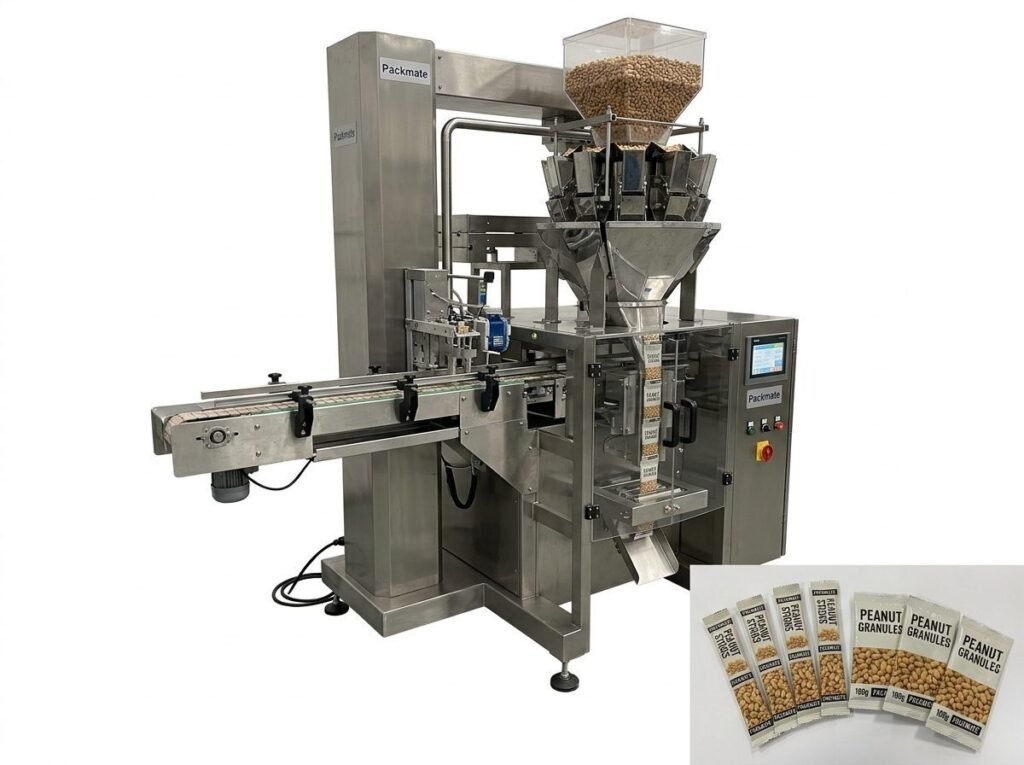
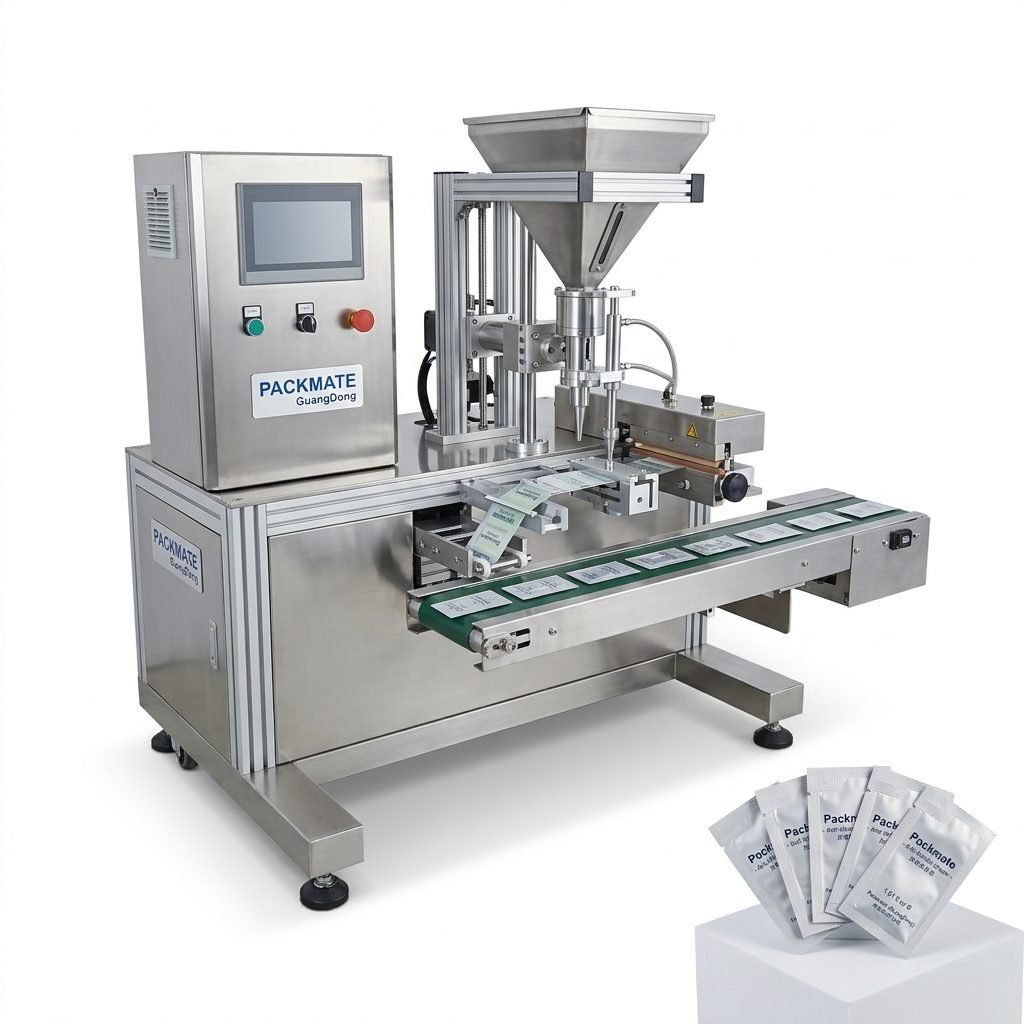
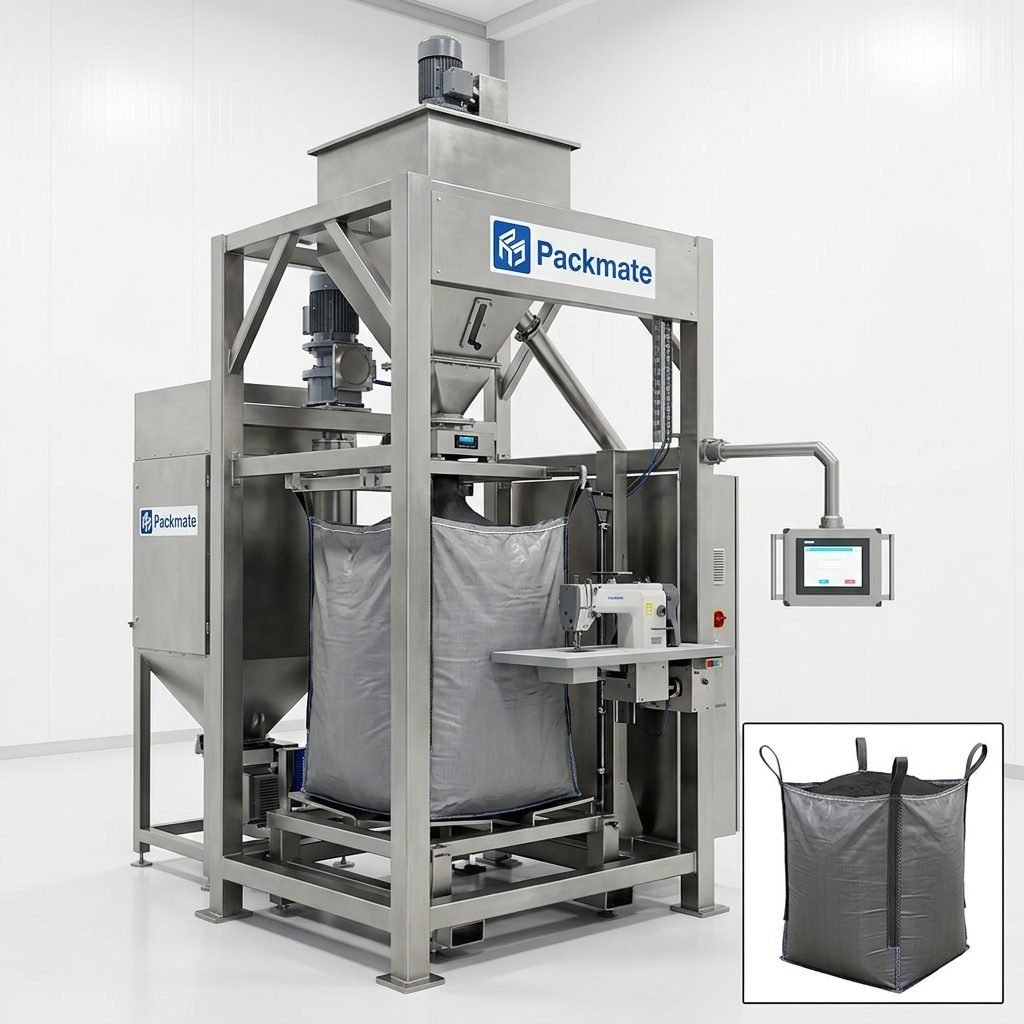
A limited product range can be a major constraint. Leading providers offer a broad spectrum of machinery to serve diverse packaging formats. This includes everything from high-speed sachet and stick pack machines for single-serve portions to sophisticated weighing and packaging systems for bulk goods. The ability to provide a complete turnkey solution—from the primary packaging machine to auxiliary equipment like cartoners, checkweighers, and palletizers—is a huge advantage. It ensures system compatibility, reduces integration headaches, and provides a single point of accountability.
Why Manufacturing Scale Matters
The physical scale of a manufacturer’s operations is a direct indicator of its capacity and commitment. A large, modern manufacturing facility, such as a 20,000㎡ factory, equipped with advanced CNC machining centers and assembly lines, signifies the ability to control quality from raw material to finished machine. It also ensures the production capacity to meet large orders and maintain shorter lead times. This in-house control over the entire manufacturing process is a hallmark of quality-centric companies.
Global Support and Service: The Backbone of Efficiency
Even the most reliable equipment requires support. Top packaging equipment companies build their global reputation not just on the machine’s performance at installation but on its performance over years of service. This is built on a foundation of comprehensive after-sales support.
Technical Support and Training: Efficient solutions are undermined if the operational team is not proficient. Leading companies provide extensive on-site training for operators and maintenance technicians. Furthermore, they offer readily accessible remote technical support to troubleshoot issues quickly, minimizing production stoppages. A global network of service engineers or partners is crucial for international clients who need local, responsive assistance.
Parts Availability and Machinery Lifecycle: A commitment to long-term partnership is demonstrated by a well-managed inventory of genuine spare parts. Companies that guarantee the availability of critical components for the entire lifespan of their machinery protect their clients from costly extended downtime. This proactive approach to the total cost of ownership is a key differentiator for businesses looking for efficient, long-term solutions.
Commitment to Quality and Certifications
In industries like food, pharmaceutical, and nutraceuticals, compliance with international standards is non-negotiable. Top equipment manufacturers design their machines to meet stringent global standards such as ISO, CE, and GMP guidelines. They use food-grade stainless steel (e.g., SS304, SS316) in product contact areas, incorporate easy-clean designs with minimal dead spaces, and ensure all electrical components comply with safety directives. This inherent focus on quality and hygiene by design reduces validation efforts for the end-user and safeguards product integrity.
Case Study Insight: The evolution of a company often mirrors industry trends. A provider that began with single-lane sachet machines and successfully expanded into multi-lane stick pack systems, like the journey documented in Packmate’s company history, demonstrates an ability to anticipate and respond to market demand for higher output and more versatile packaging formats. This agility is a core component of providing efficient, future-ready solutions.
Ultimately, partnering with a top packaging equipment company is an investment in your production’s future stability and growth. It involves choosing a partner whose vision aligns with yours—one dedicated to continuous improvement, customer collaboration, and delivering machinery that drives tangible operational gains. By focusing on providers with deep expertise, a robust portfolio, global service capabilities, and an unwavering commitment to quality, businesses can secure the efficient packaging solutions needed to thrive in a competitive marketplace.
Frequently Asked Questions (FAQs)
What types of products can your packaging machines handle?
Top packaging equipment companies typically design versatile machines capable of handling a wide array of products. This includes free-flowing granules (like coffee, sugar), fine powders (milk powder, protein supplements), viscous liquids (sauces, shampoos), and even non-free-flowing items. Specific machine configurations and filling systems are chosen based on the product’s characteristics to ensure accuracy and speed.
How do you ensure the hygiene and safety of machines for food or pharmaceutical use?
Machines intended for sensitive industries are constructed using food-grade or pharmaceutical-grade stainless steel (SS304/SS316) for all product contact parts. Designs prioritize easy cleaning and sanitation with features like smooth surfaces, rounded corners, quick-disconnect parts, and CIP (Clean-in-Place) capabilities where applicable. Compliance with relevant international standards (CE, GMP) is also mandatory.
What kind of after-sales support and training can we expect?
Comprehensive support is a hallmark of leading providers. This usually includes detailed installation supervision, on-site operational and maintenance training for your staff, provision of operation and maintenance manuals, and a warranty period. Post-warranty, they offer remote technical support, a readily available supply of genuine spare parts, and often have service plans or a network of engineers for on-site assistance.
Can you provide a complete packaging line solution, not just a single machine?
Yes, most top-tier companies specialize in providing turnkey solutions. They can integrate the primary packaging machine (e.g., a sachet packer) with upstream and downstream equipment such as feeding systems, checkweighers, metal detectors, cartoners, and case packers. This single-source responsibility ensures all components work harmoniously, optimizes line efficiency, and simplifies project management and after-sales service.
How do we determine the right machine model and speed for our production needs?
A reputable company will start with a detailed consultation to understand your specific requirements: product type, target output (packs per minute/hour), bag/pouch size and material, factory layout, and future growth plans. Based on this, they can recommend the most suitable machine model—from single-lane to multi-lane configurations—and provide expected performance data. They may also suggest running product tests on their machines to validate the solution before purchase.