In today’s fast-paced world, preserving the freshness, flavor, and nutritional value of food is a universal concern. Whether you’re a home cook looking to reduce waste, a small business owner, or a large-scale food producer, vacuum packaging is a cornerstone of modern food preservation. The right vacuum packaging machine can be a game-changer, locking in freshness and extending shelf life significantly. This guide explores the best FoodSaver vacuum packaging machines and the technology behind them, helping you make an informed choice for your specific needs.
Understanding Vacuum Packaging Technology
Vacuum packaging works by removing air from a package before sealing it. This process eliminates oxygen, which is the primary agent responsible for food spoilage through oxidation and the growth of aerobic bacteria and fungi. By creating a low-oxygen environment, vacuum sealing slows down degradation, prevents freezer burn, and helps retain the food’s original moisture, texture, and taste. The effectiveness of this process hinges entirely on the quality and capability of the packaging machine used.
Key Benefits of Professional-Grade Vacuum Sealers
While consumer models are available, professional and industrial-grade vacuum sealers offer unparalleled performance. Machines from experienced manufacturers are designed for durability, consistent seal quality, and higher throughput. They often feature more powerful pumps for a deeper vacuum, wider seal bars for larger bags, and programmable settings for different food types. Investing in a robust system means reliability for daily use and better long-term preservation results, which is crucial for businesses where product quality is directly tied to reputation and customer satisfaction.
Selecting the Best Machine for Your Needs
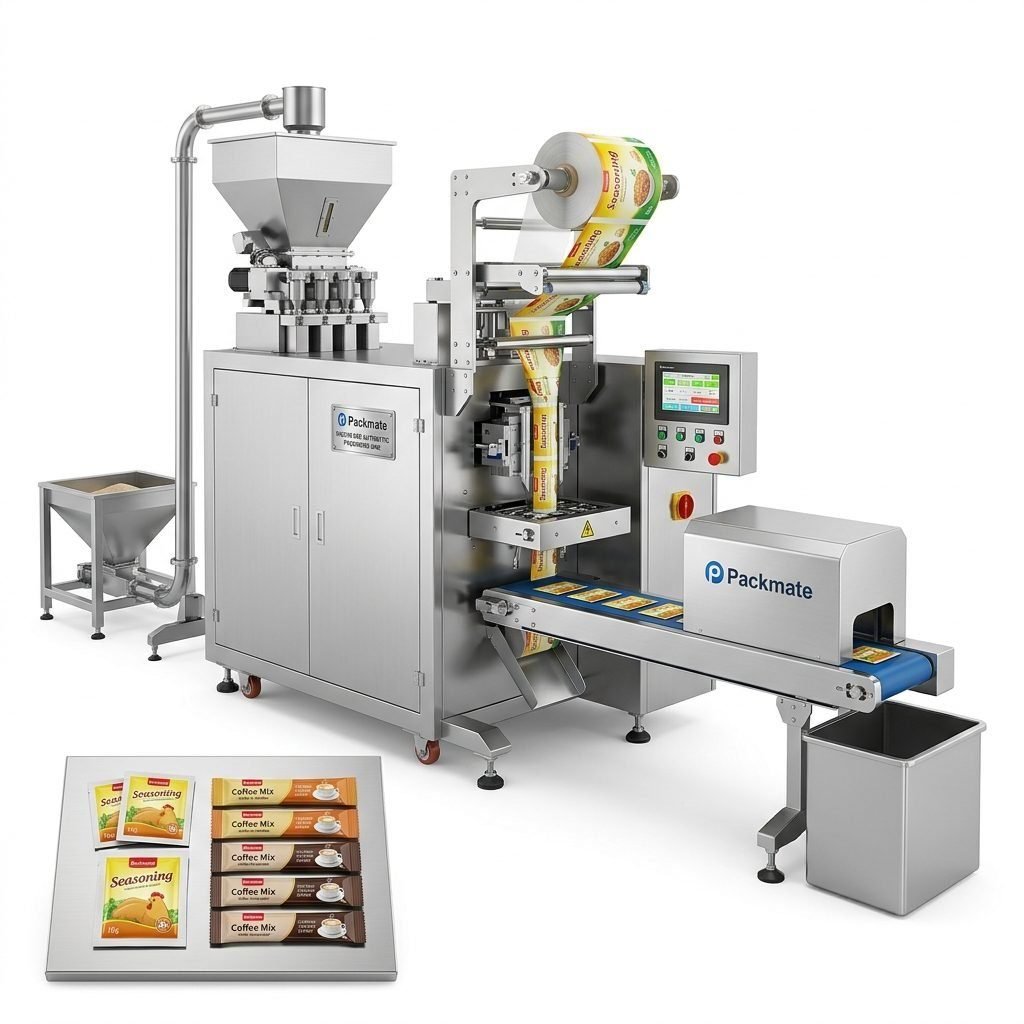
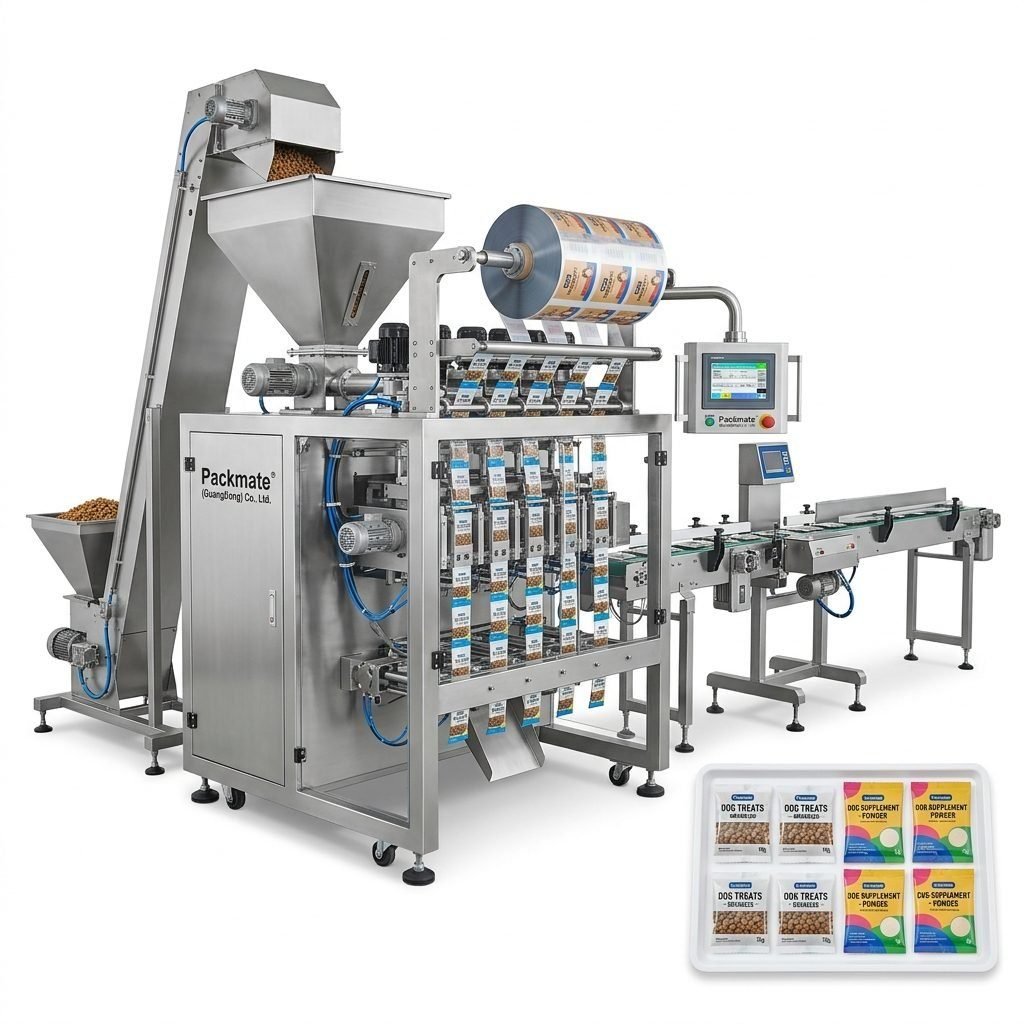
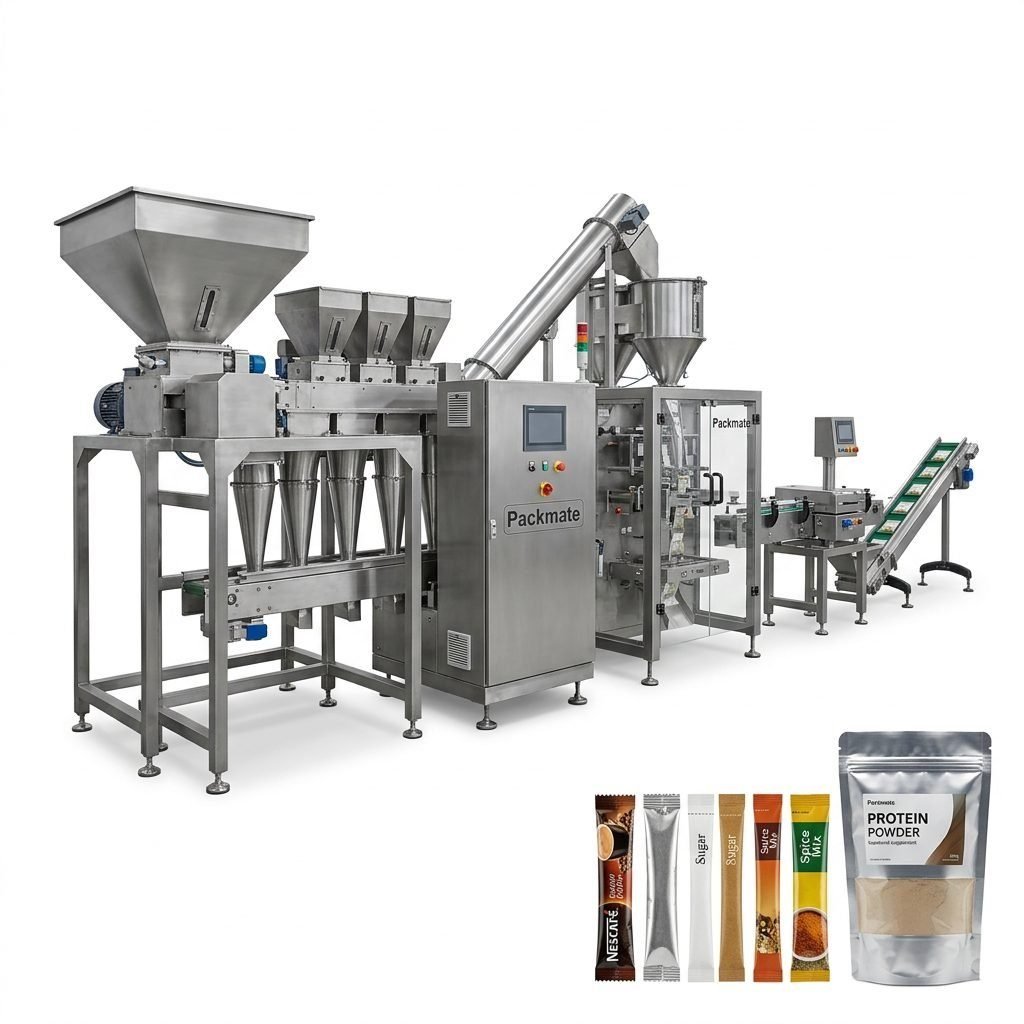
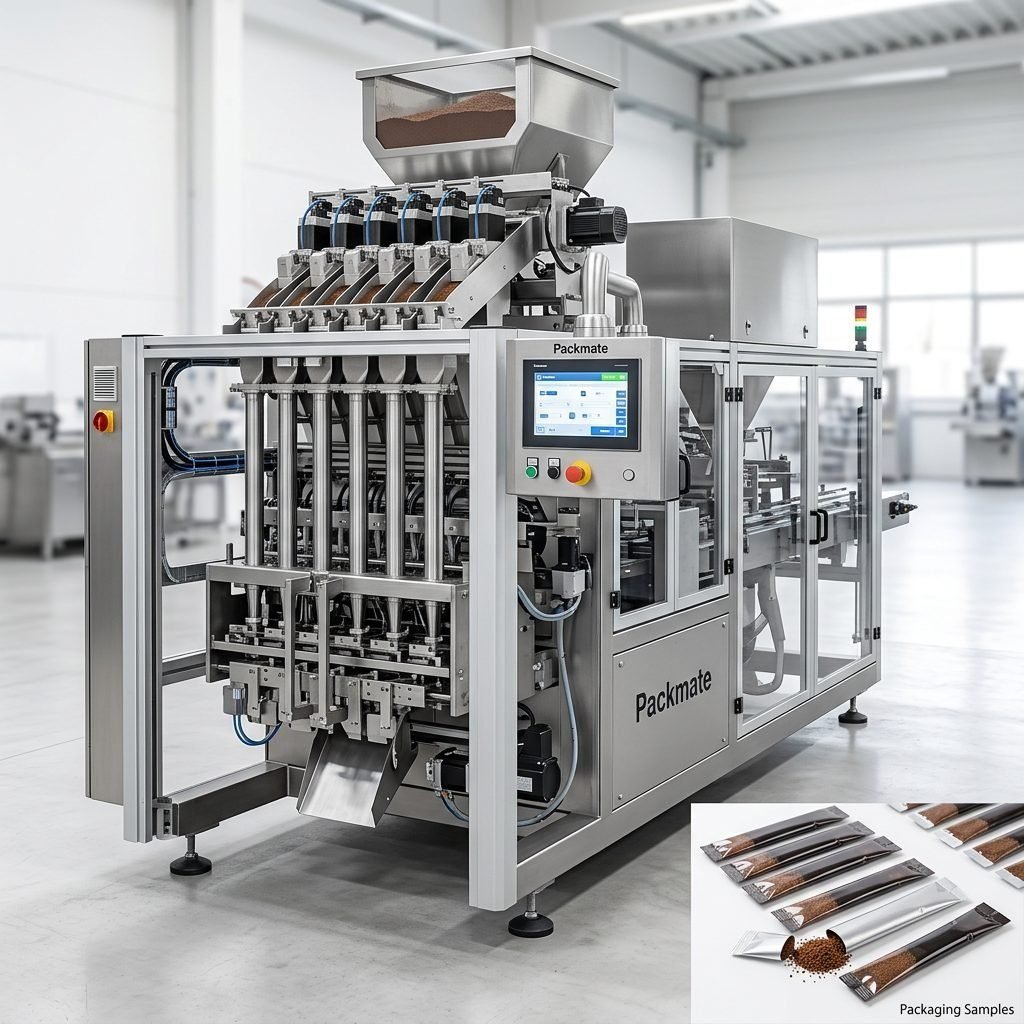
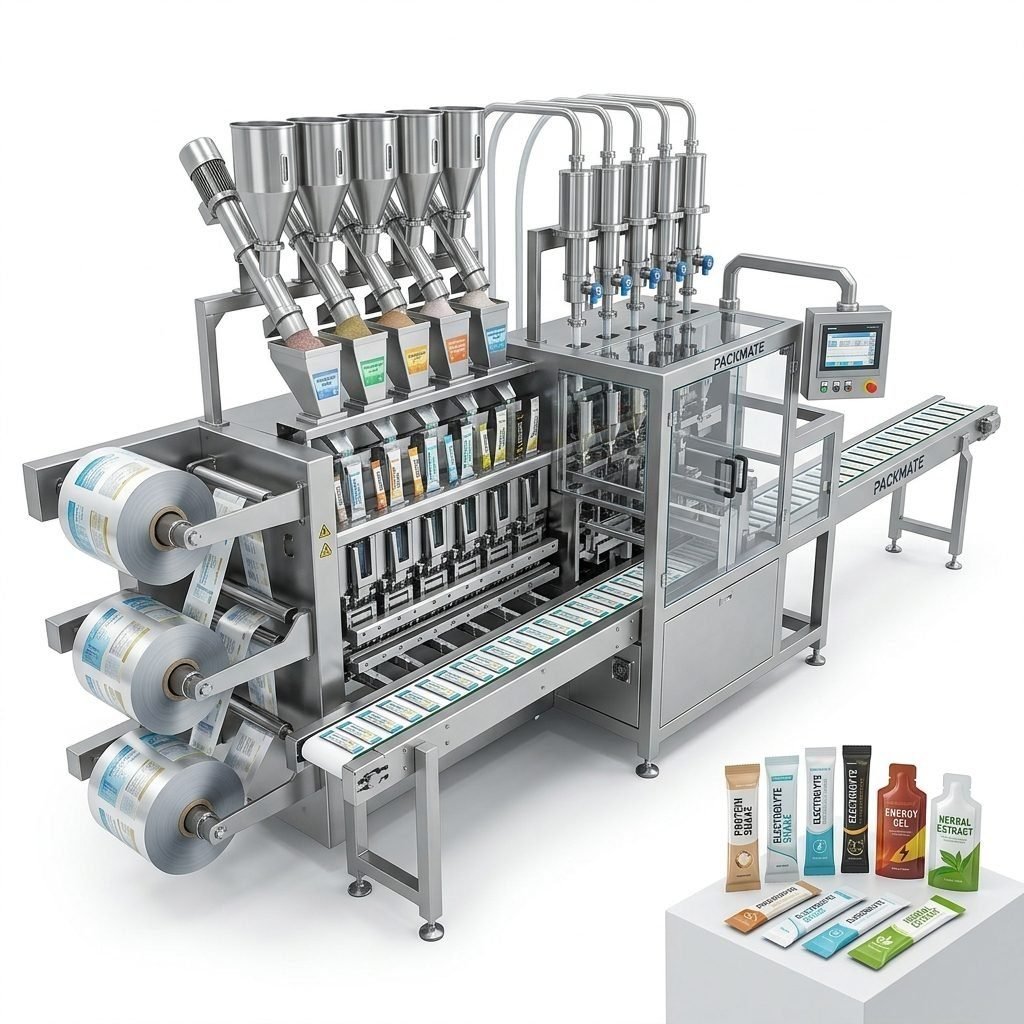
Choosing the ideal vacuum packaging machine depends on several factors: the volume of food you process, the types of food (dry, moist, liquid, or powdered), your desired bag size, and your operational space. For granular items like coffee, nuts, or spices, and for powdered supplements or drink mixes, a machine with precise weighing and dosing systems is essential to ensure accurate portioning before the vacuum seal is applied.
For Liquids and Sauces
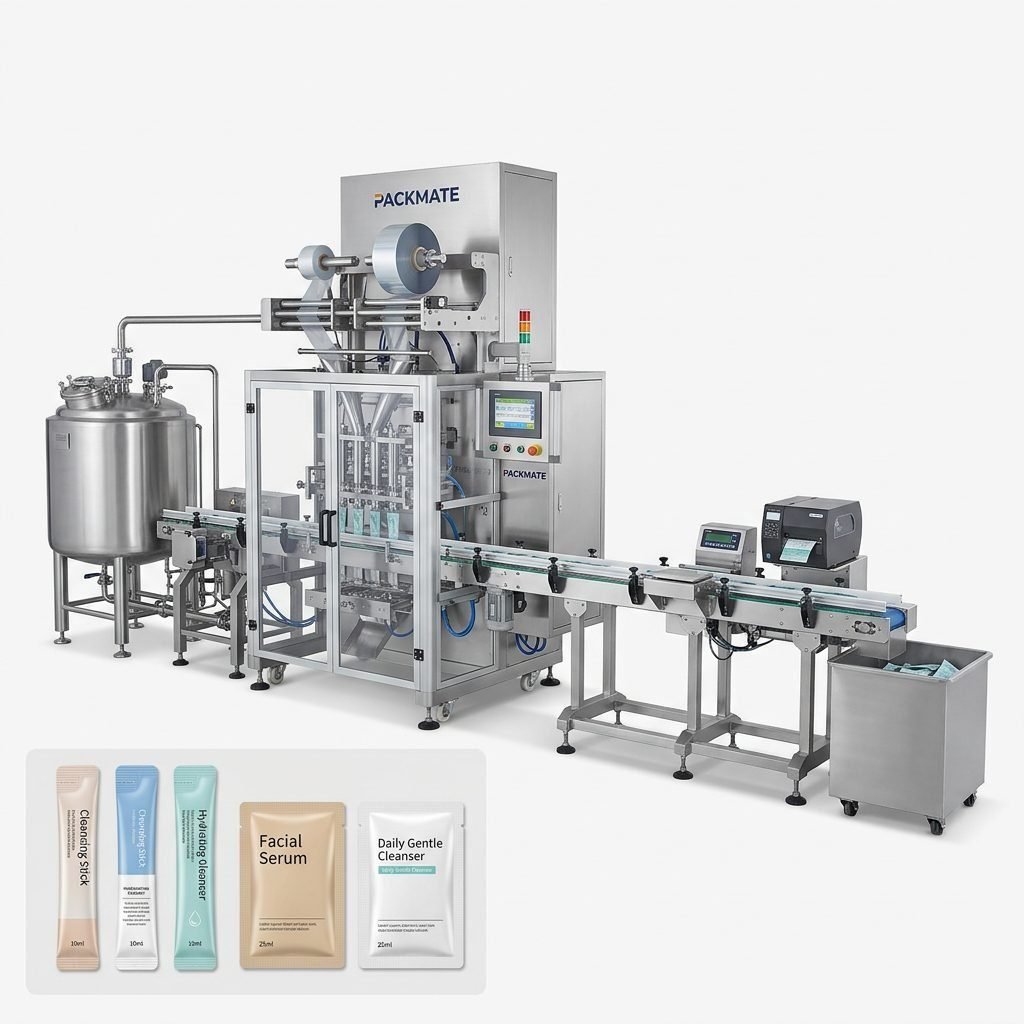
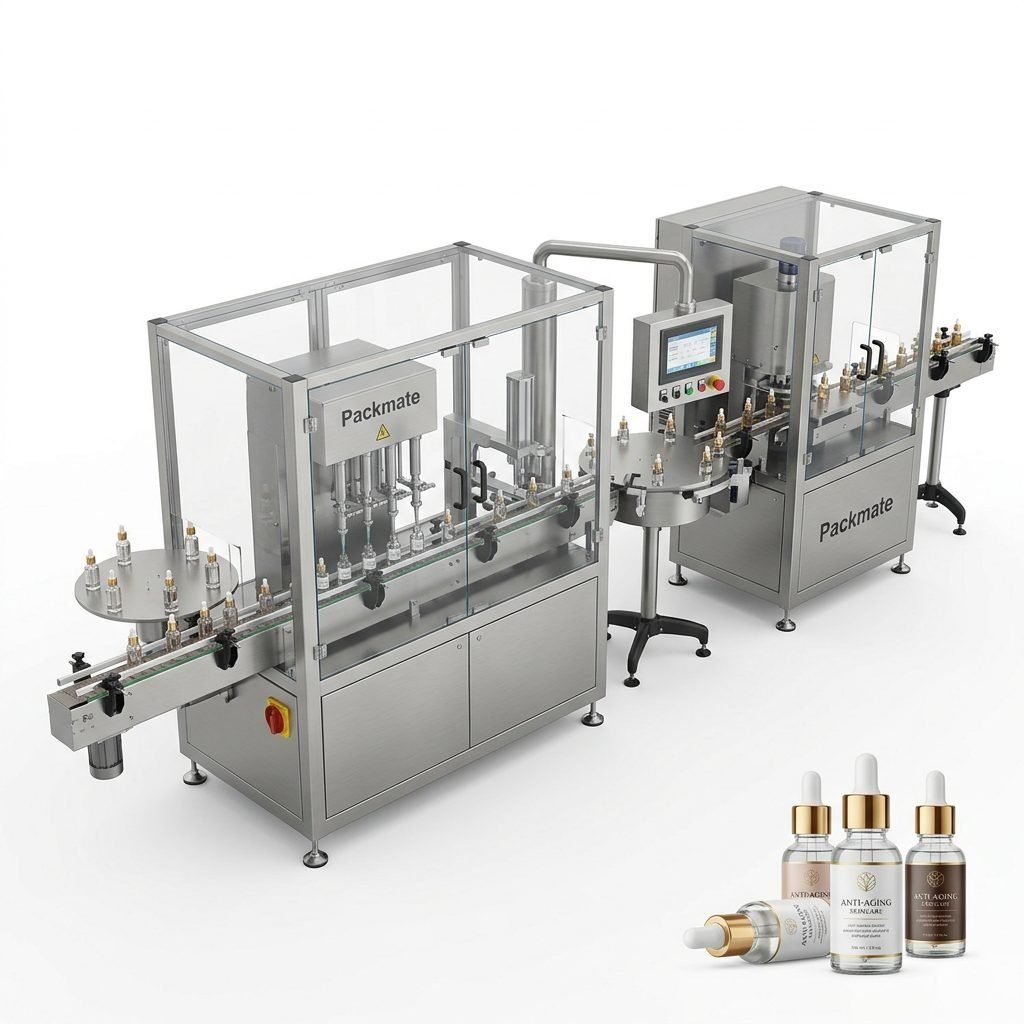
Packaging liquids, sauces, or oils requires specialized technology to prevent product spillage into the vacuum chamber. Look for machines capable of “liquid-friendly” or “pulse” vacuum functions. These systems carefully control the vacuum process to remove air without drawing out the liquid content, ensuring a clean seal and a perfectly packaged product. Advanced filling and packaging lines integrate liquid filling heads with vacuum sealing chambers for a seamless, automated process.
For High-Volume Production
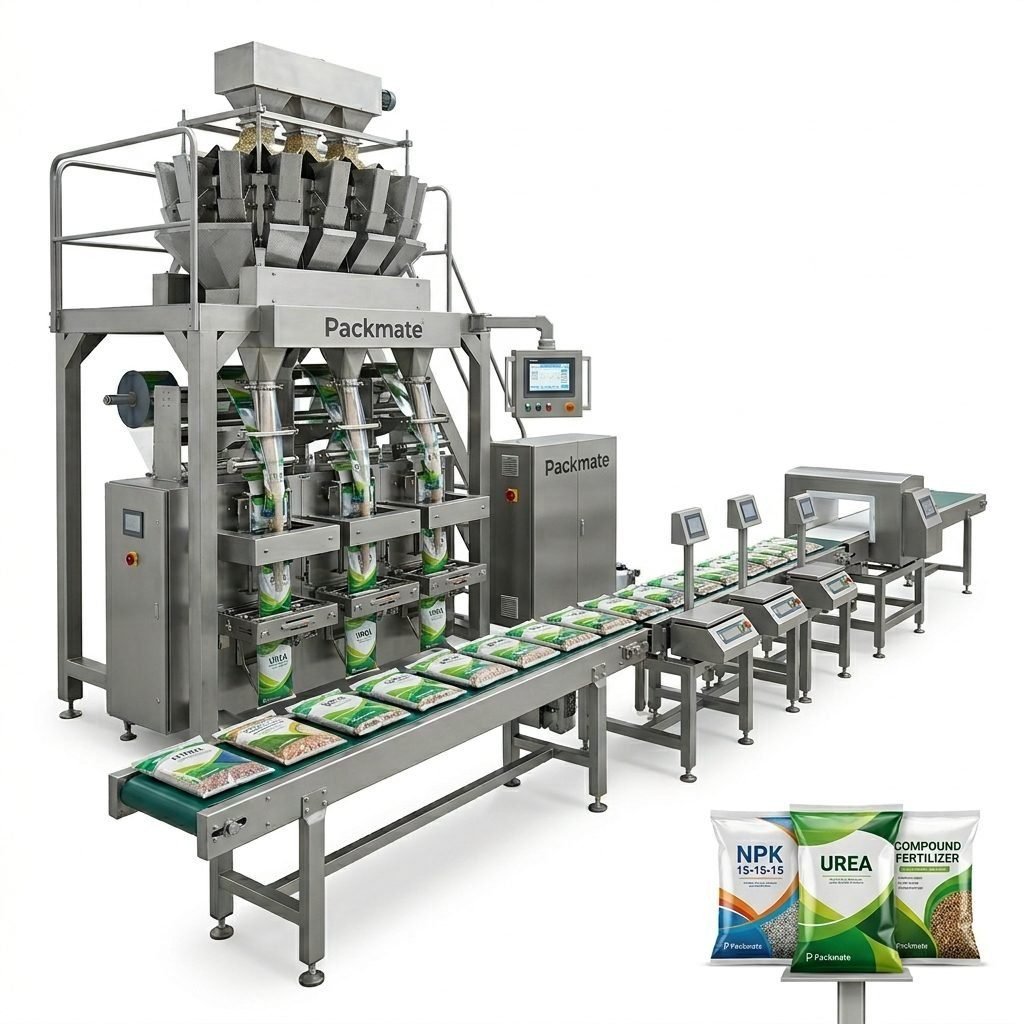
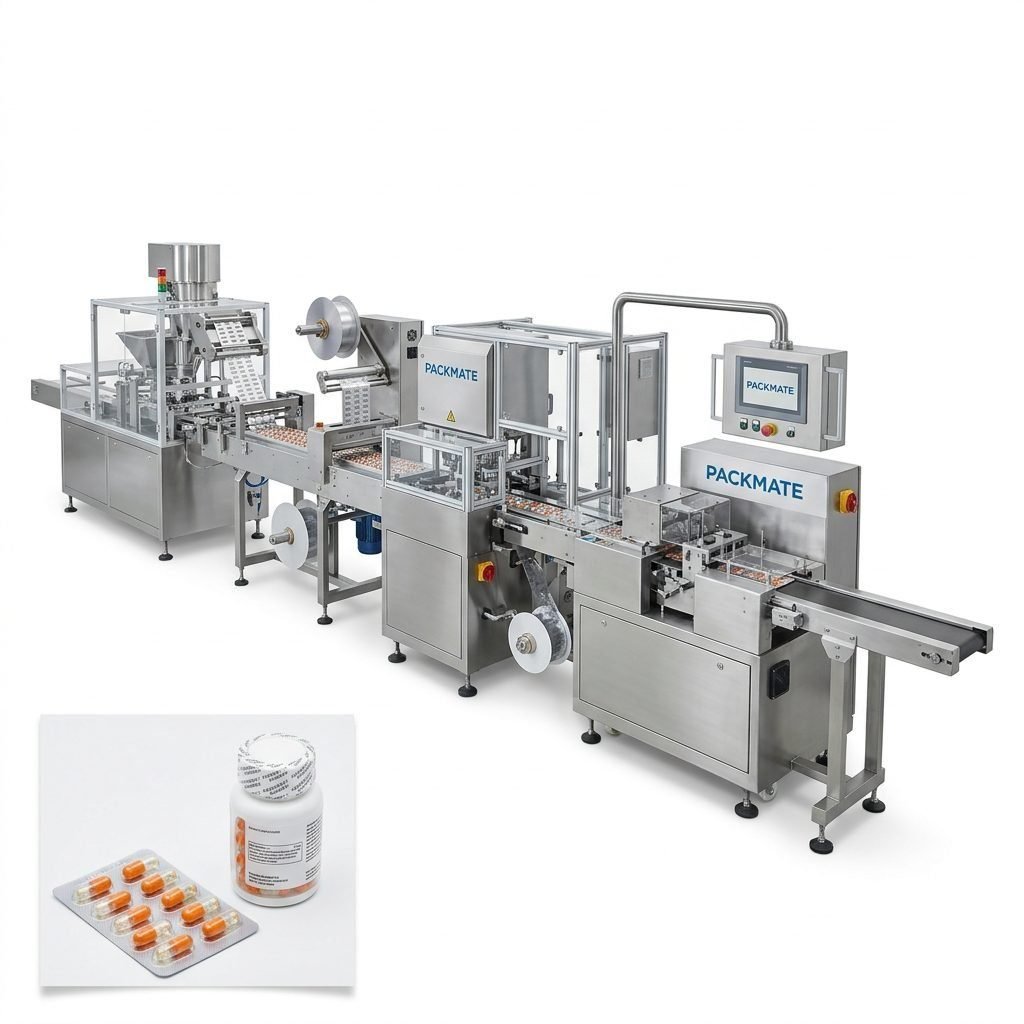
If freshness on a large scale is your goal, such as for meal prep services, wholesale butchers, or agricultural producers, single-chamber machines may not suffice. Rotary chamber or belt-chamber vacuum sealers offer continuous operation, dramatically increasing output. Furthermore, for pre-formed pouches and stand-up bags, automated bag & pouch packaging machines can be integrated with vacuum systems to create a complete, high-speed production line, ensuring every item is sealed with maximum freshness in mind.
The Importance of Seal Integrity
No matter how strong the vacuum, a poor seal will compromise the entire package. The best machines feature dual or quadruple seal bars with adjustable temperature and pressure controls. This ensures the packaging film is melted and fused perfectly, creating a hermetic seal that is resistant to leaks and external contamination. Consistent seal integrity is non-negotiable for maintaining the vacuum state and, consequently, the prolonged freshness of the contents.
Innovation Driven by Experience
The most reliable vacuum packaging solutions come from manufacturers with deep industry expertise. For instance, Packmate Machinery, with over 30 years in intelligent packaging equipment, understands the nuanced demands of food preservation. Starting from a focused vision in a small workshop, the company’s growth to a 20,000㎡ modern facility mirrors the evolution of packaging technology itself. This journey from manual concepts to automated, turnkey packaging solutions is built on solving real-world challenges in food, pharmaceutical, and health product packaging.
Such a manufacturer doesn’t just sell a machine; they provide a comprehensive solution. This includes consulting on the right film or bag material (barrier properties are crucial for vacuum sealing), integrating the sealer with other line equipment like checkweighers or labelers, and offering ongoing technical support. This holistic approach, rooted in a mission of innovation and quality, ensures that the vacuum packaging machine becomes a dependable pillar in your quest for freshness.
Conclusion: Freshness Preserved, Value Delivered
Investing in one of the best FoodSaver vacuum packaging machines is an investment in quality, efficiency, and sustainability. It reduces food waste, preserves nutritional content, and opens opportunities for bulk purchasing and prepared meals. By understanding the technology, assessing your specific needs for handling granules, powders, or liquids, and partnering with an experienced provider, you can secure a system that delivers peak freshness day after day. In a world where consumers value quality and longevity, superior vacuum packaging is not just an option; it’s a strategic imperative for anyone serious about food preservation.
Frequently Asked Questions (FAQs)
1. What is the main difference between a chamber vacuum sealer and an external suction sealer?
Chamber sealers place the entire bag inside a sealed chamber to remove air, making them superior for packaging liquids, powders, and moist foods. External sealers use a snorkel to suck air from a bag’s open end, which is better for dry goods and is typically more compact and affordable for home or light commercial use.
2. Can I vacuum seal powders and fine granules without the machine clogging?
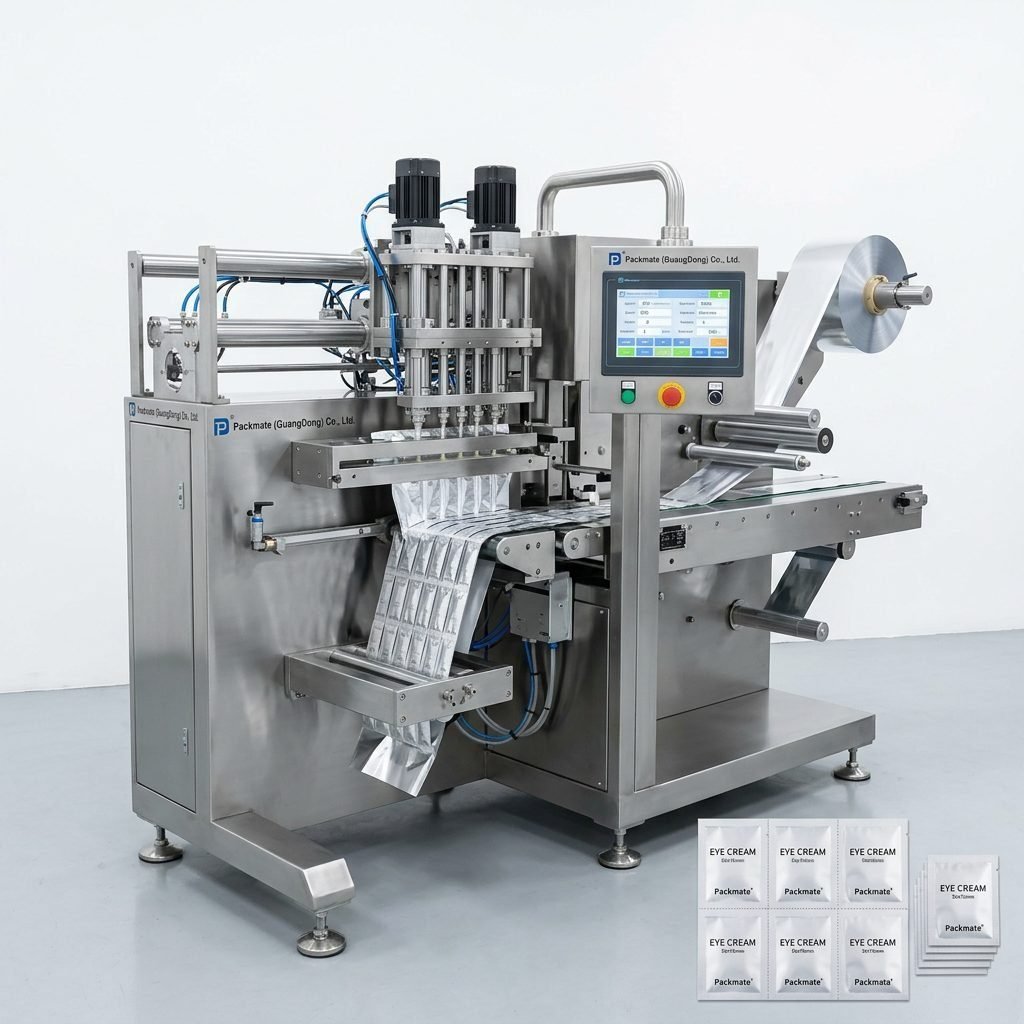
Yes, but it requires specific techniques or equipment. Using pre-made bags with a filter patch (which allows air but not powder to pass) is one method. Alternatively, professional machines designed for powders often use a gentle, staged vacuum process or specialized filtration systems within the chamber to prevent product loss. Exploring sachet and stick pack machines might be a better solution for precise, single-serve powder packaging.
3. How does vacuum packaging extend the shelf life of food compared to regular storage?
By removing oxygen, vacuum packaging can extend shelf life by 3 to 5 times for refrigerated items and even longer for frozen goods. It drastically slows oxidation (which causes rancidity and color loss) and inhibits the growth of most spoilage bacteria that require oxygen to live.
4. What type of packaging film should I use with a vacuum sealer?
You must use bags or rolls made of multi-layer barrier films, typically nylon and polyethylene. These materials are durable, puncture-resistant, and have low oxygen transmission rates. Using the wrong film will result in poor seals and air permeation over time, defeating the purpose of vacuum packaging.
5. Where can I learn more about industrial packaging solutions and support?
For detailed specifications, machine options, and to discuss your specific project needs, visiting the manufacturer’s official channels is best. You can explore comprehensive resources and contact experts directly through the Packmate Machinery homepage or their dedicated contact page for personalized assistance.