In the fast-paced world of bakery production, efficiency and presentation are paramount. The right packaging machinery is not just a tool; it’s a strategic asset that can streamline operations, reduce waste, enhance product appeal, and ultimately drive profitability. This guide delves into the essential solutions for efficient bakery production, exploring the types of machinery available, key considerations for selection, and how modern automation is transforming the industry.
The Critical Role of Packaging in Bakery Operations
Packaging serves multiple critical functions beyond mere containment. It protects delicate baked goods from physical damage, moisture loss, and contamination, directly impacting shelf life and food safety. Furthermore, it is a powerful marketing tool—the first physical touchpoint with the customer. An attractive, secure package communicates quality and brand value. Efficient machinery ensures this vital process is consistent, hygienic, and cost-effective, handling everything from fragile pastries to hearty artisanal loaves with precision.
Key Point: Investing in specialized bakery packaging equipment is an investment in product integrity, brand consistency, and operational scalability. Manual packaging simply cannot match the speed, hygiene, and uniformity achieved by automated systems.
Primary Types of Bakery Packaging Machinery
The bakery packaging landscape features a range of equipment tailored to different product types and production volumes.
1. Flow Wrappers
Ideal for individual items like cookies, muffins, snack bars, and wrapped bread loaves. Flow wrappers use a continuous film to create a tight, secure seal around the product. Modern machines offer precise temperature control for perfect seals on various films, including biodegradable options. They are the workhorses for high-volume, single-serve bakery items.
2. Vertical Form-Fill-Seal (VFFS) Machines
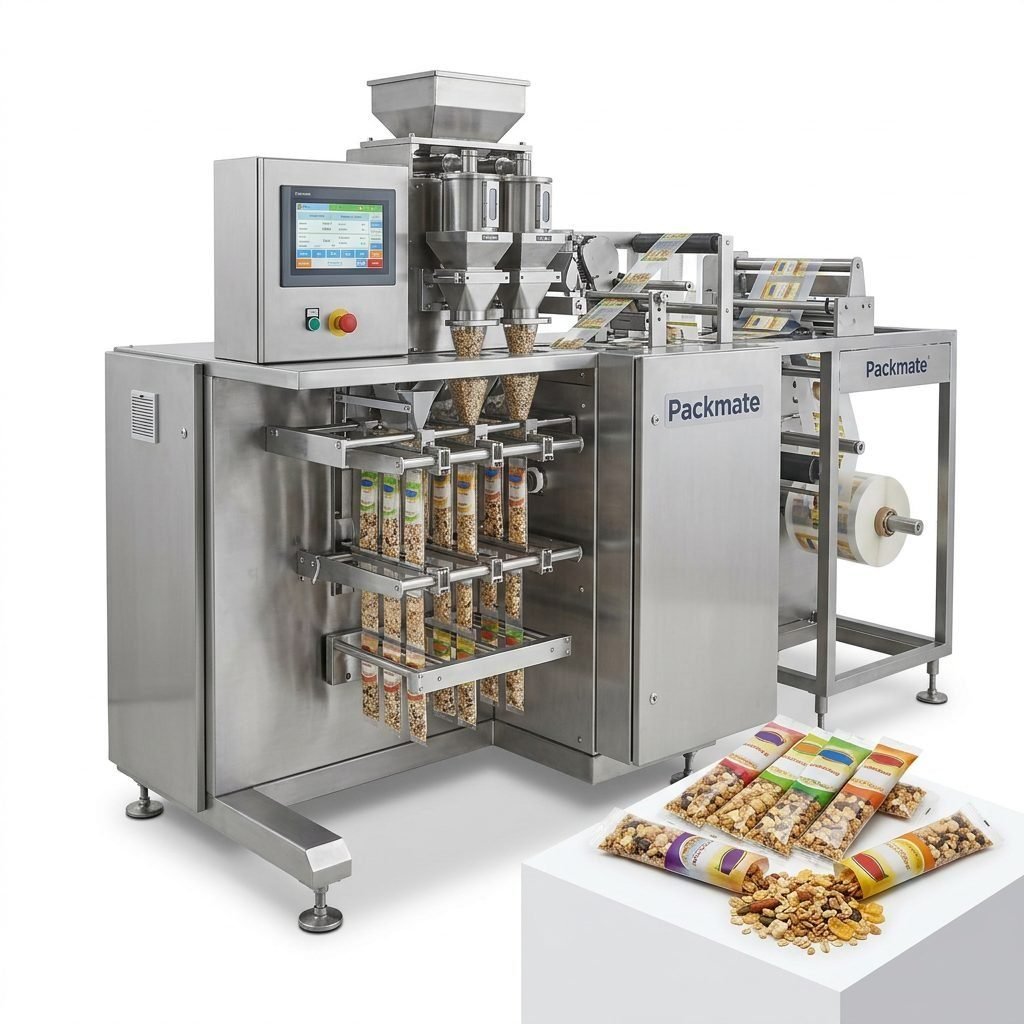
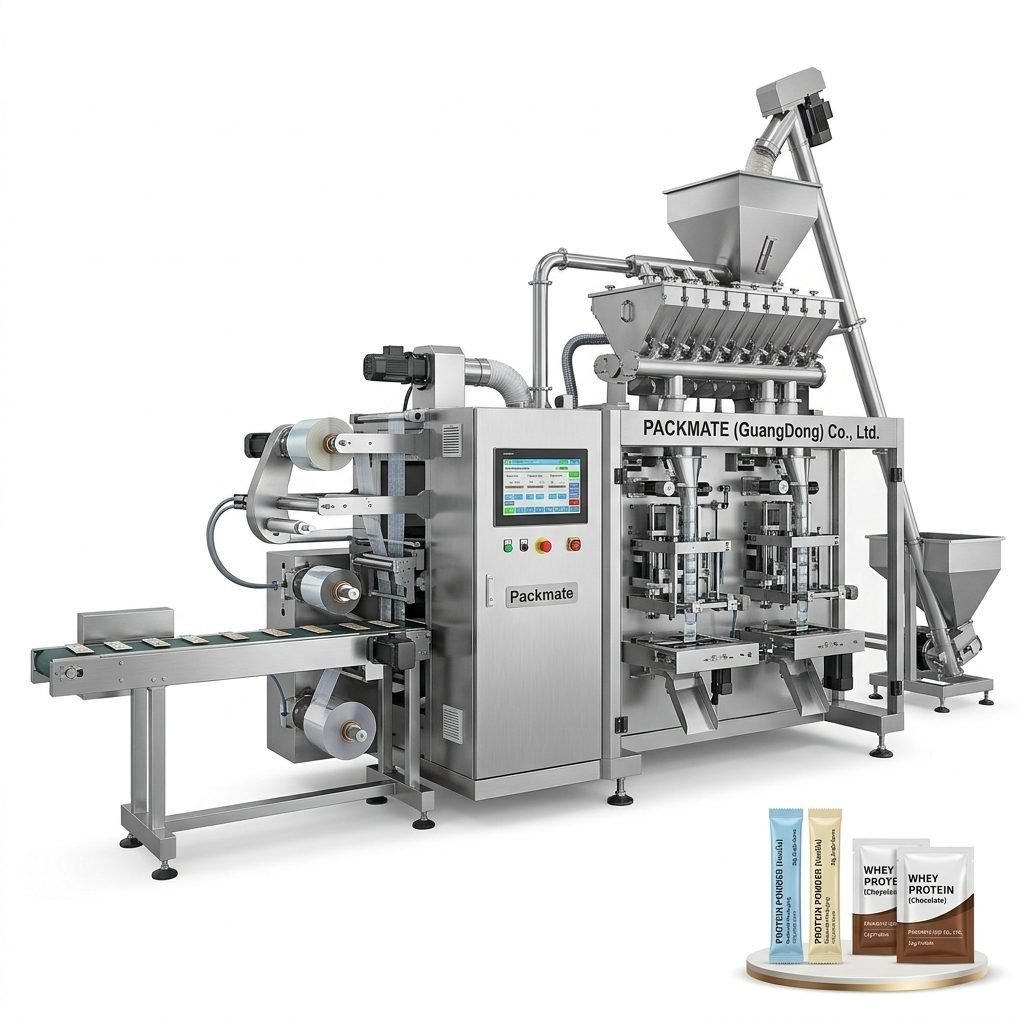
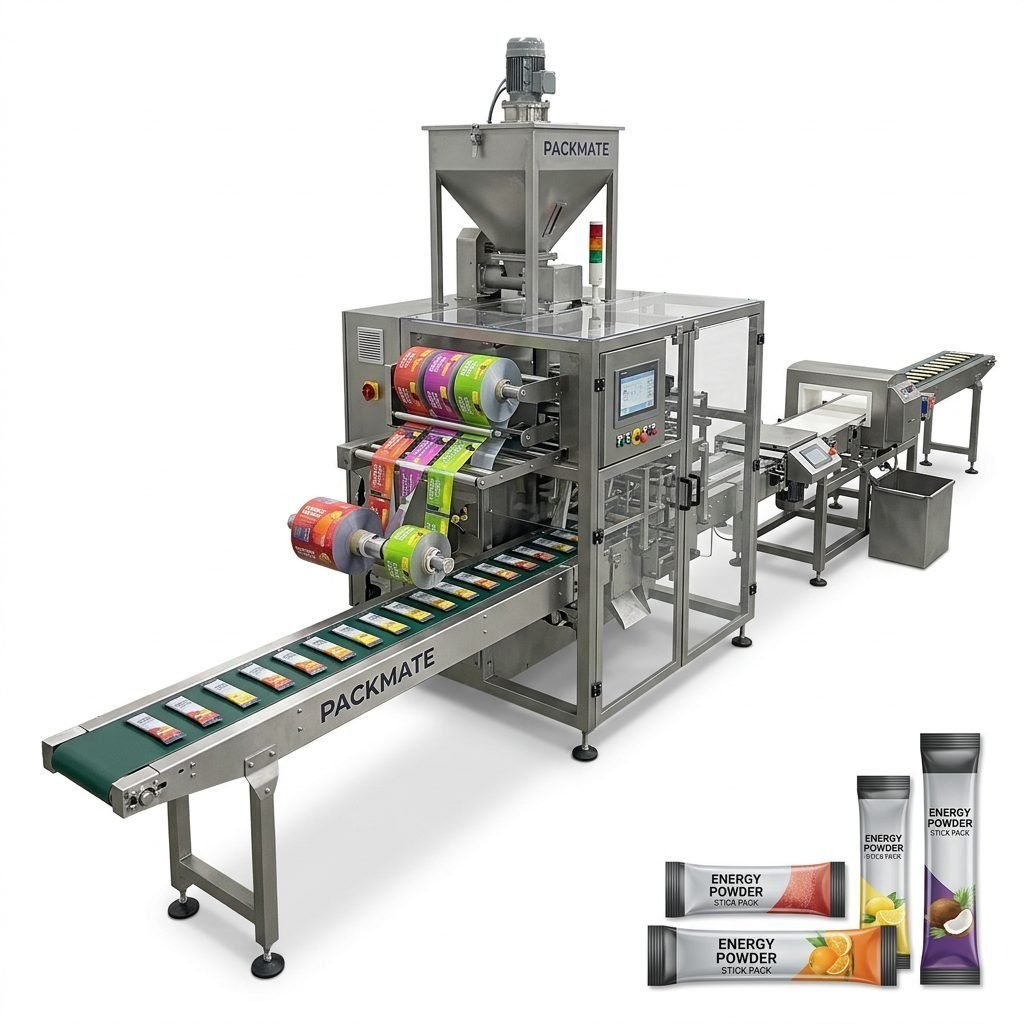
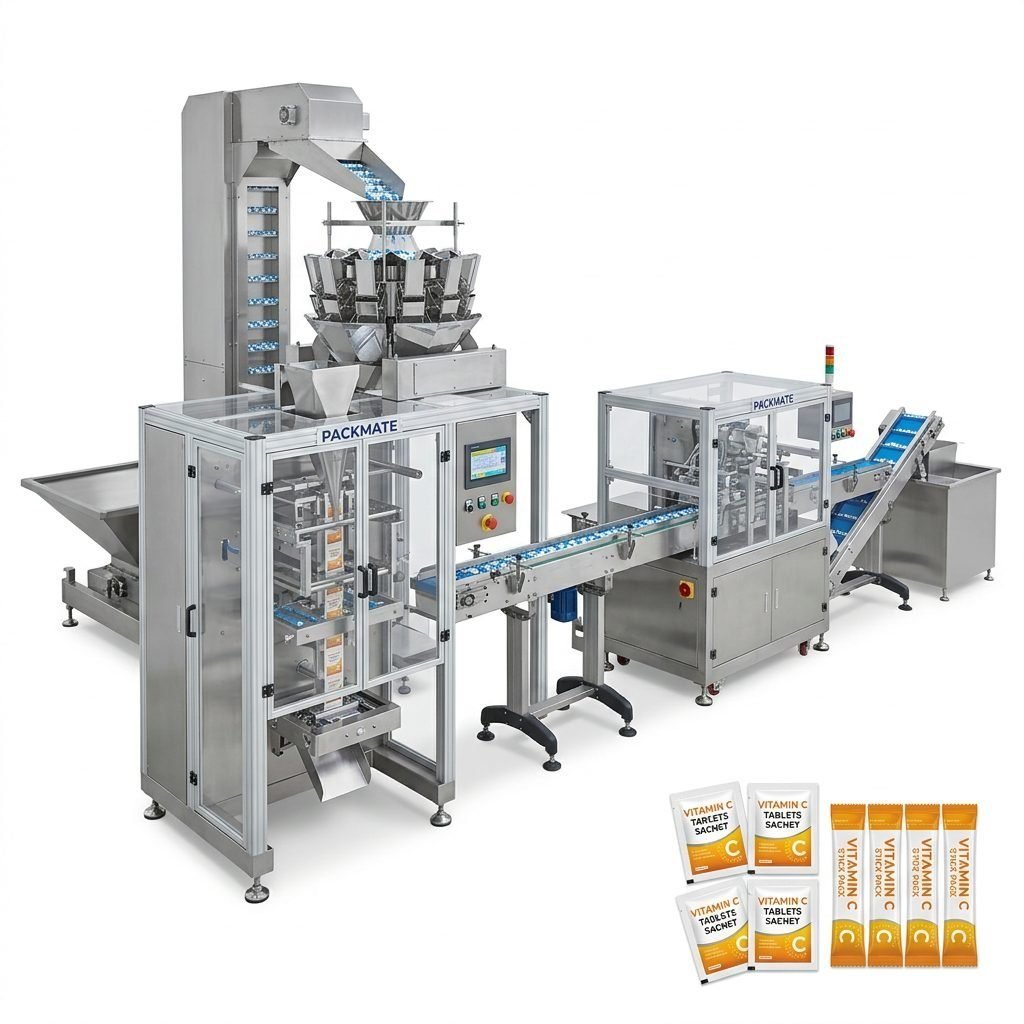
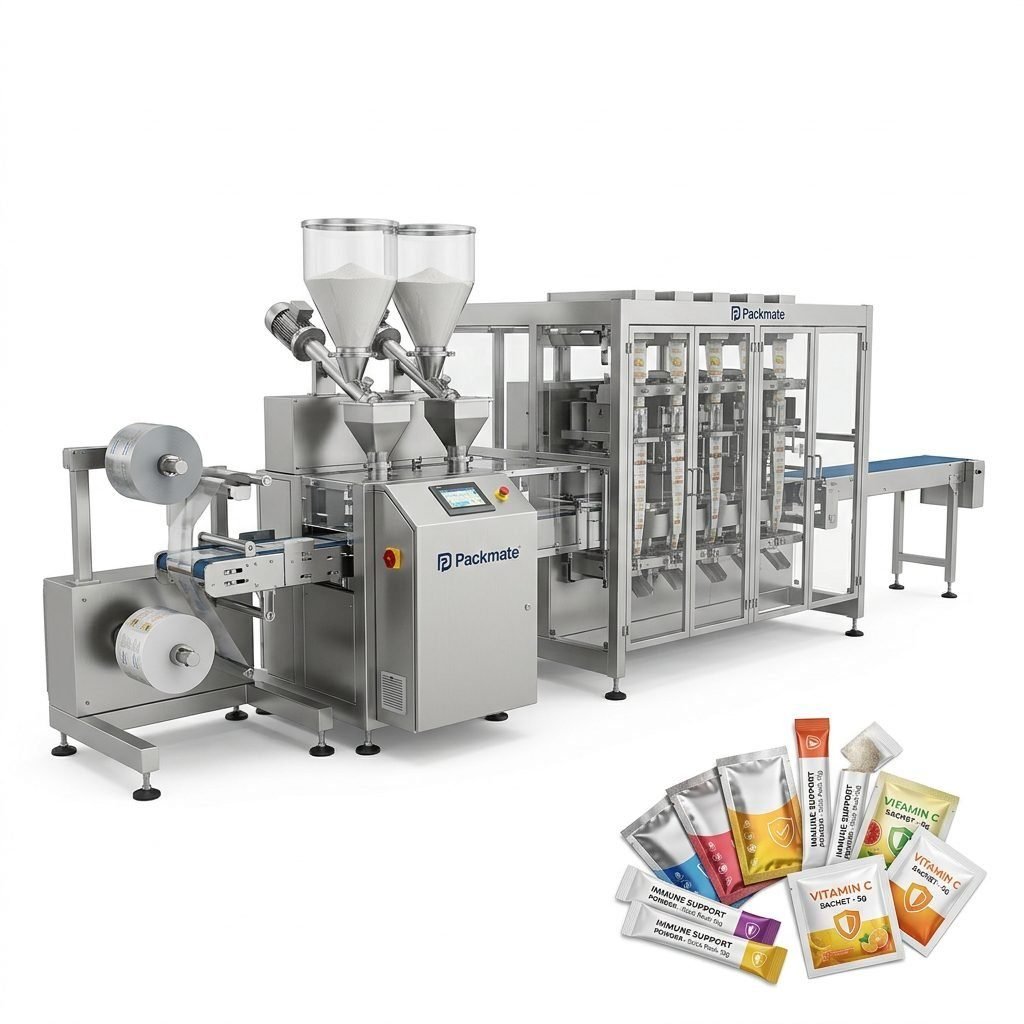
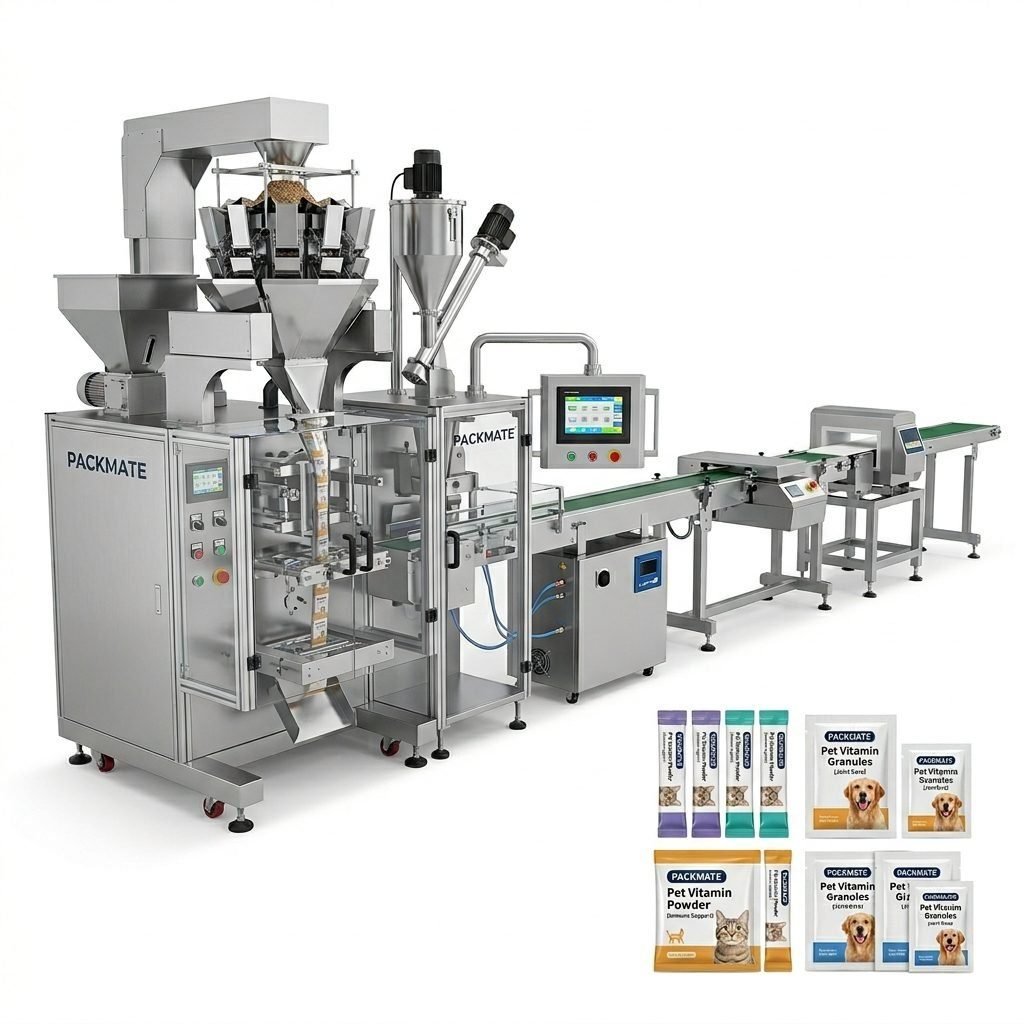
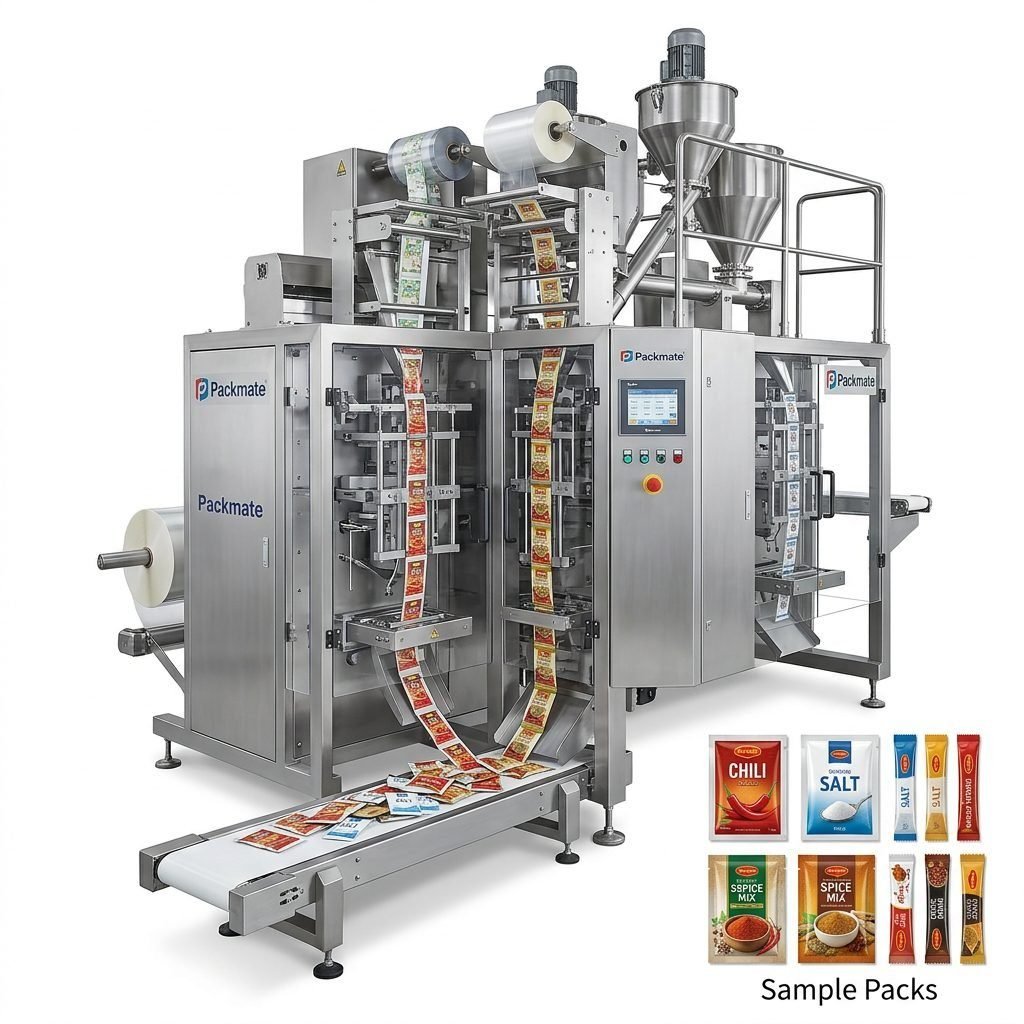
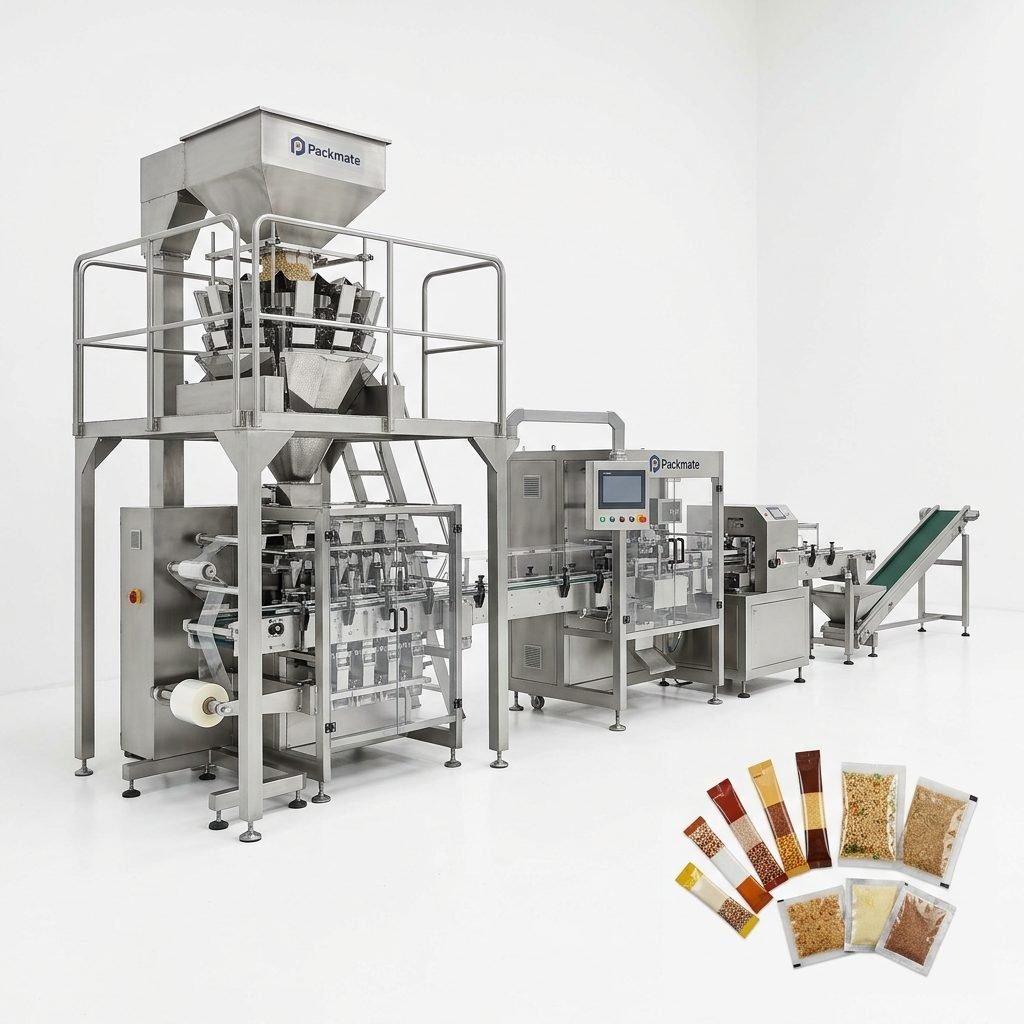
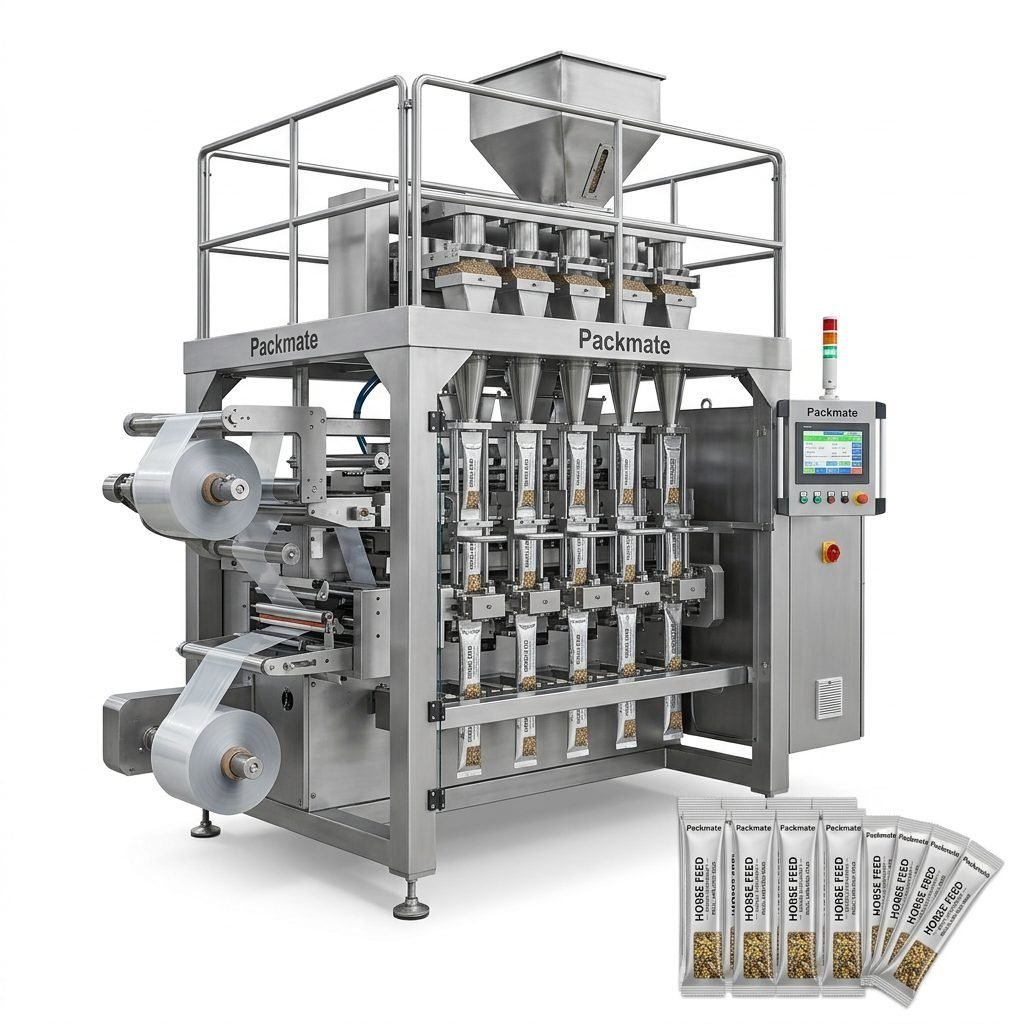
These versatile machines form a bag from a roll of film, fill it with product (like bread rolls, croutons, or powdered mixes), and seal it—all in one continuous operation. They are perfect for granules, powders, and free-flowing products. Advanced models feature multi-head weighers for pinpoint accuracy, crucial for cost control and compliance.
3. Horizontal Wrappers
Used for grouping multiple items into a single tray or carton, or for wrapping products like tortillas and flatbreads. They provide excellent presentation and stability for multi-packs.
4. Tray Sealers & Skin Packers
Perfect for premium bakery items, delicate pastries, or ready-to-eat meals with baked components. These machines offer superior presentation and a high level of tamper-evident protection. The clear film molds tightly to the product or tray, creating a “second skin” that locks in freshness.
Building an Integrated Packaging Line
For maximum efficiency, standalone machines are often integrated into complete lines. A typical line might include a depanner for removing bread from baking tins, a slicer, a bagger, a bag closer, and a cartoner or case packer. Integration, often facilitated by expert suppliers like Packmate Machinery, synchronizes these steps, minimizes manual handling, and creates a seamless flow from oven to shipping pallet.
Choosing the Right Machinery: A Buyer’s Checklist
- Product Characteristics: Size, shape, fragility, moisture content, and oil content.
- Production Speed & Volume: Required output (packages per minute/hour).
- Packaging Material: Compatibility with films, laminates, paper, or recyclable/biodegradable options.
- Footprint & Layout: Available factory space and line configuration.
- Hygiene & Sanitation: Ease of cleaning, use of food-grade materials, and compliance with standards (e.g., FDA, EU).
- Automation Level: Degree of manual intervention desired, from semi-automatic to fully robotic lines.
- Supplier Support: Availability of installation, training, spare parts, and technical service. A partner with a strong track record, such as Packmate with over 30 years of expertise, is invaluable.
The Drive Towards Automation and Smart Features
Modern bakery packaging is increasingly intelligent. Features like touch-screen HMIs (Human-Machine Interfaces), recipe storage, automatic fault diagnostics, and production data tracking are becoming standard. These “smart” machines reduce changeover times, minimize operator error, and provide valuable insights for optimizing Overall Equipment Effectiveness (OEE). Integration with factory-wide MES (Manufacturing Execution Systems) is the next frontier, enabling real-time monitoring and predictive maintenance.
Sustainability in Bakery Packaging
The demand for sustainable packaging is growing. Machinery must adapt to handle newer, often more challenging materials like compostable films, recycled content paper, and mono-material plastics designed for easier recycling. Advanced machines with precise temperature and tension controls are essential to successfully run these eco-friendly materials without compromising seal integrity or machine speed. Exploring versatile bag and pouch machines that can handle diverse materials is a key step in this green transition.
Conclusion
Selecting the right bakery packaging machinery is a complex but crucial decision that impacts every facet of a business. By understanding the different machine types, carefully evaluating production needs, and partnering with a reliable and innovative equipment provider, bakeries can build packaging lines that are not just efficient, but also agile, hygienic, and aligned with market trends like sustainability and digitalization. The goal is a system that protects your product, promotes your brand, and propels your productivity forward.
Frequently Asked Questions (FAQs)
1. What is the typical payback period for an automated bakery packaging line?
The payback period varies based on machine cost, labor savings, production volume increase, and reduced material waste. For medium to high-volume operations, a well-chosen system can often pay for itself within 1 to 3 years through significant gains in efficiency and consistency.
2. Can one machine handle multiple, very different bakery products?
While some machines offer flexibility, significant changeovers (e.g., from wrapping bread to packaging delicate cupcakes) usually require mechanical adjustments and tooling changes. For highly diverse product ranges, dedicated lines or modular systems designed for quick changeover are recommended. Discuss your portfolio with experts like those at Packmate for the best configuration advice.
3. How important is after-sales service and support when purchasing machinery?
It is critically important. Even the most reliable machines require maintenance, occasional spare parts, and software updates. A supplier with a robust global service network, readily available spare parts, and responsive technical support ensures minimal downtime and protects your investment over the machine’s entire lifespan.
4. Are there packaging solutions suitable for small artisanal bakeries?
Absolutely. The market offers a range of semi-automatic and tabletop machines that are affordable, space-efficient, and much faster than manual packaging. These can dramatically improve the professionalism and output of a small bakery without the capital outlay for a full automated line.
5. What are the key hygiene features to look for in bakery packaging equipment?
Look for stainless steel food-contact surfaces, open-frame designs with no crevices for debris accumulation, easy-access panels for cleaning, and compatibility with wet or steam cleaning procedures. Certifications indicating compliance with food safety standards are a must.