In the competitive landscape of modern manufacturing, the efficiency of your production line can be the defining factor between profitability and stagnation. At the heart of this efficiency lies a critical component: packaging machinery. Selecting the right packaging solutions is not merely about wrapping a product; it’s about optimizing speed, ensuring product integrity, minimizing waste, and ultimately, satisfying market demand with precision and reliability.
For production managers and business owners, the challenge is to identify machinery that integrates seamlessly into existing workflows while offering the flexibility to adapt to future needs. This article delves into the top packaging machinery solutions designed to supercharge production lines, drawing on decades of industry expertise to guide your investment decisions.
The Core of Line Efficiency: Automated Packaging Systems
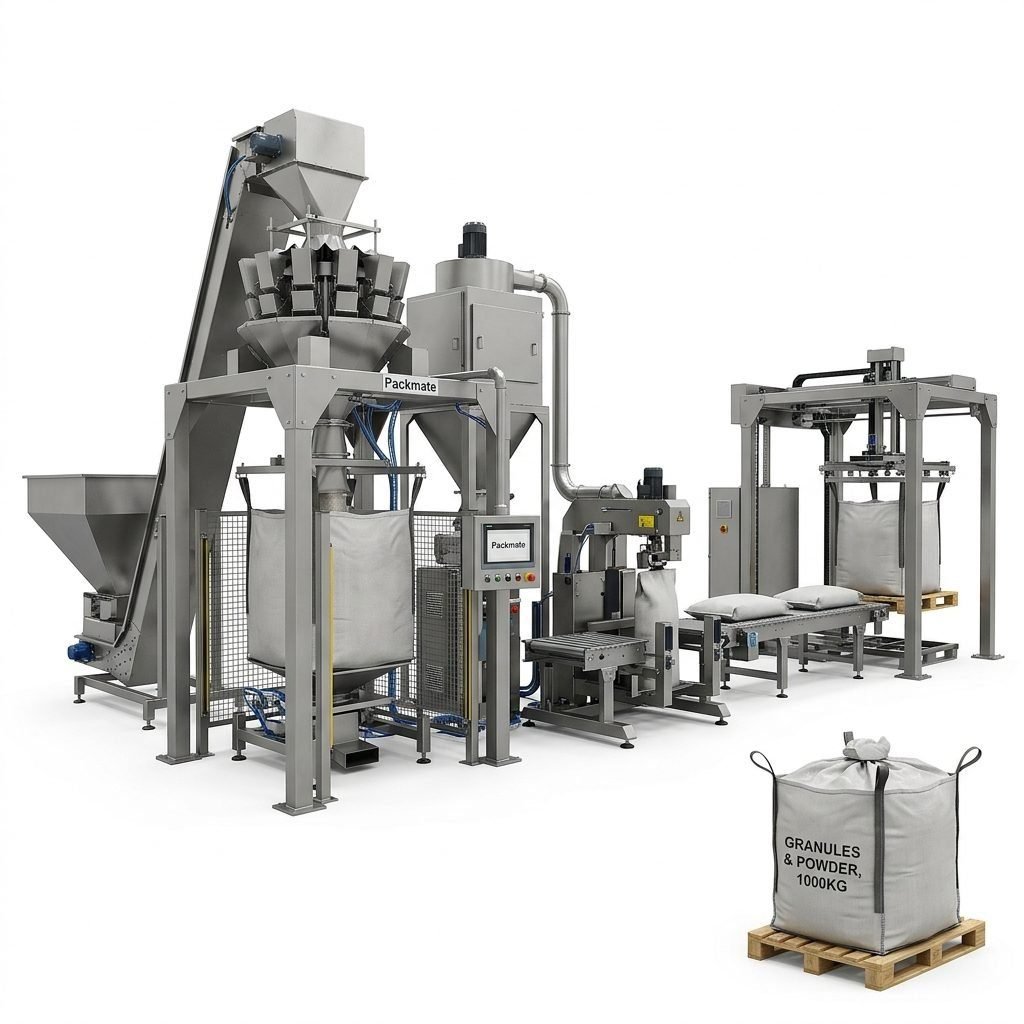
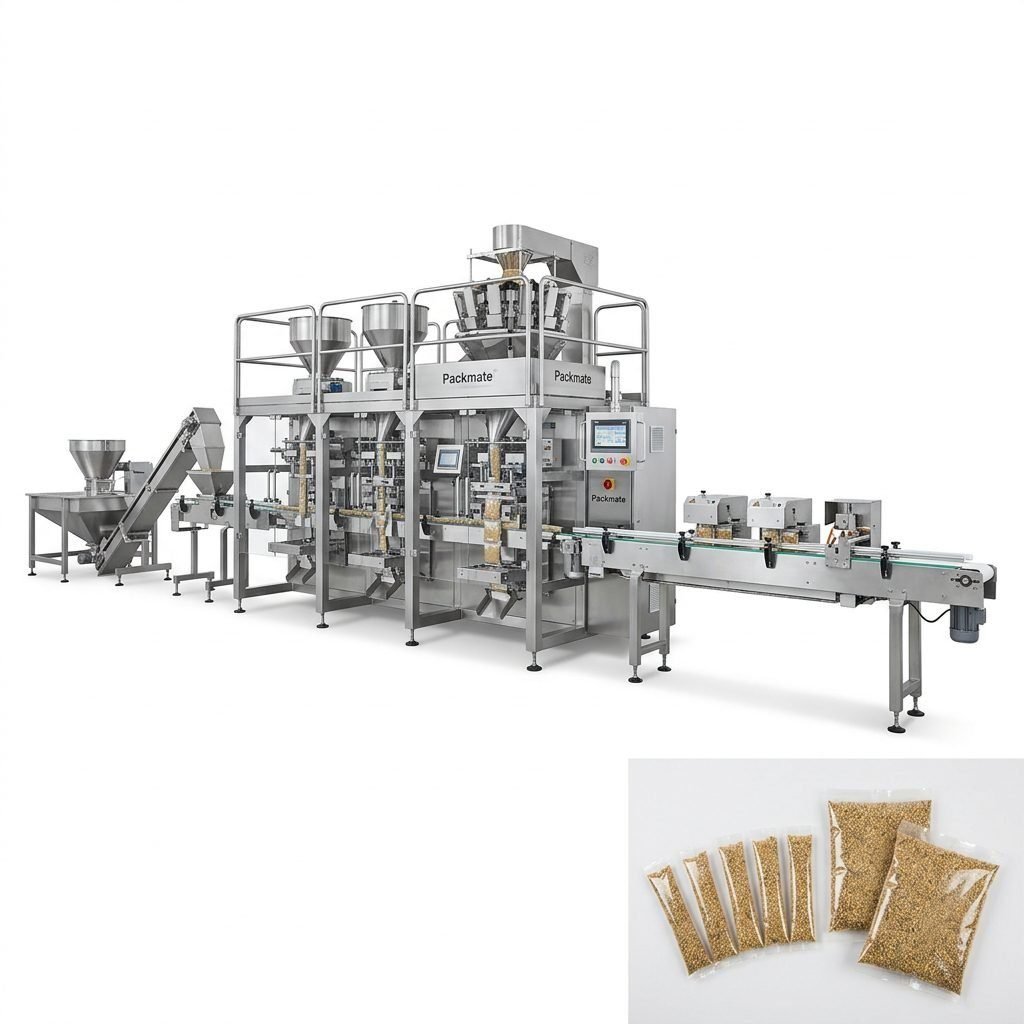
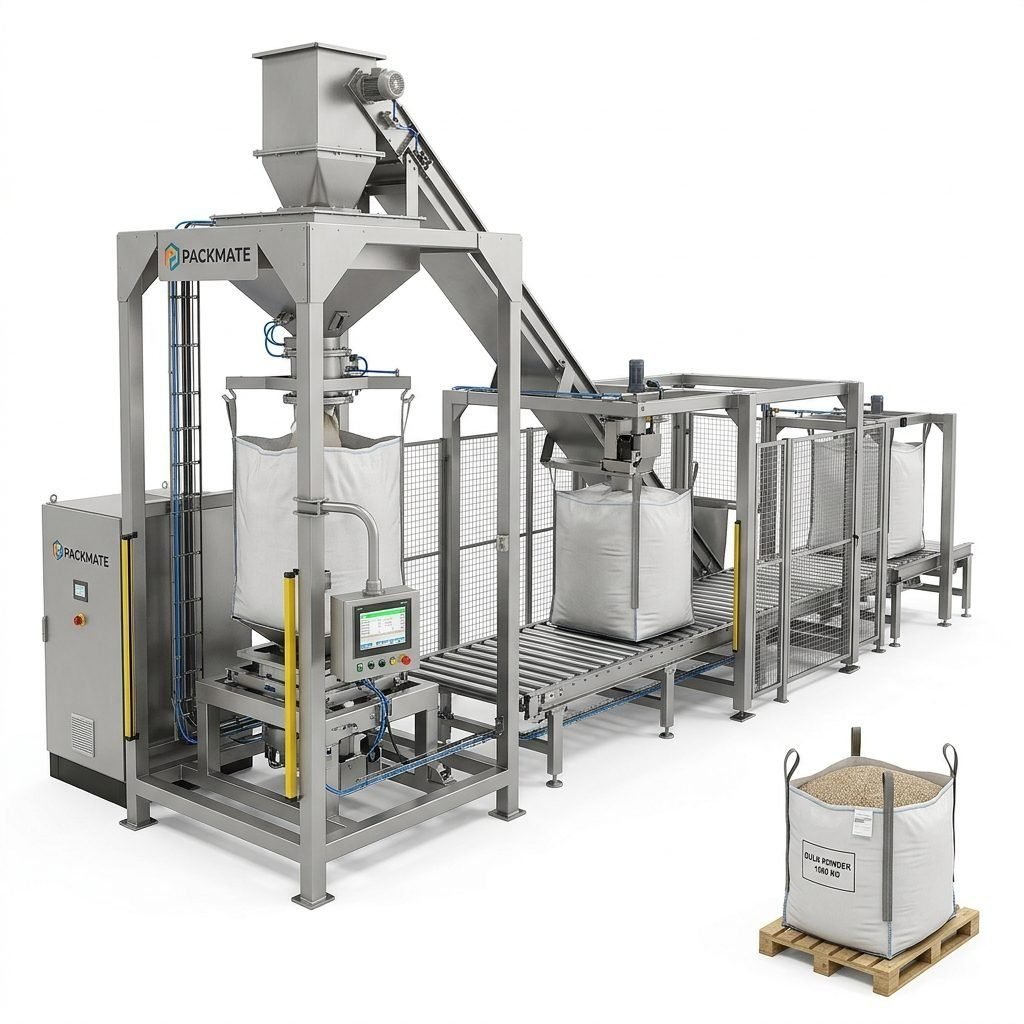
The leap from semi-automatic to fully automated packaging systems represents the most significant upgrade for boosting production line output. Automation reduces human error, increases consistent output speeds, and allows for continuous operation. Key solutions in this category include integrated filling and packaging lines and high-speed weighing systems. These systems are engineered to handle tasks from precise product measurement to final sealing with minimal intervention.
Why Automation Wins: An automated line can often operate 20-40% faster than a manual or semi-automatic setup, with near-perfect accuracy in weights and seals. This directly translates to higher throughput and reduced giveaway, protecting your bottom line.
Versatility in Form: Sachet, Stick Pack, and Pouch Machines
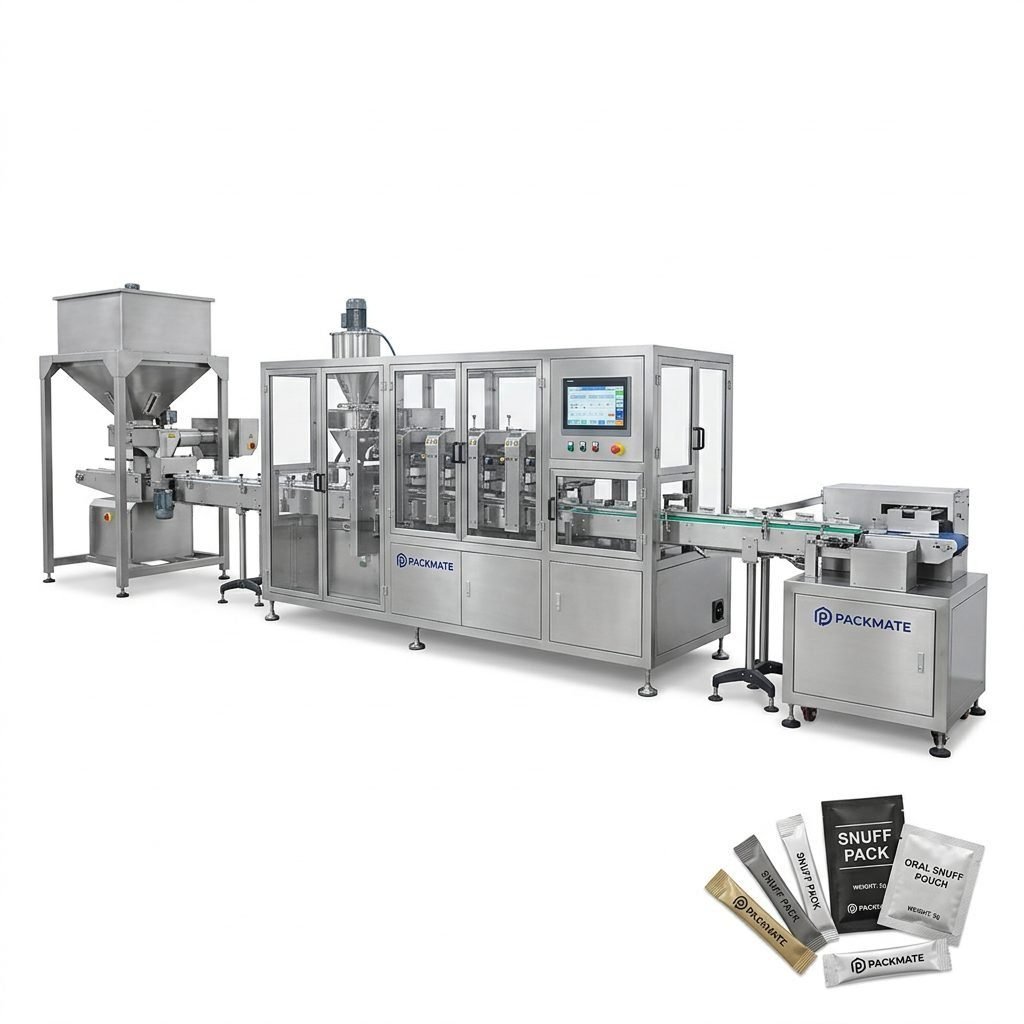
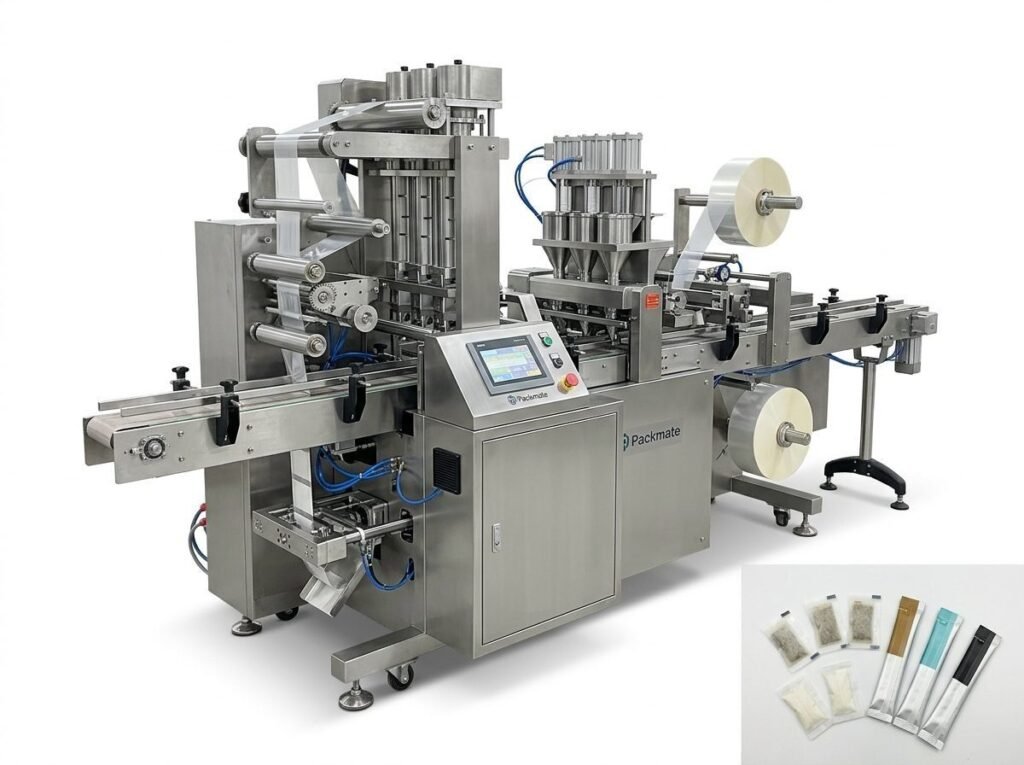
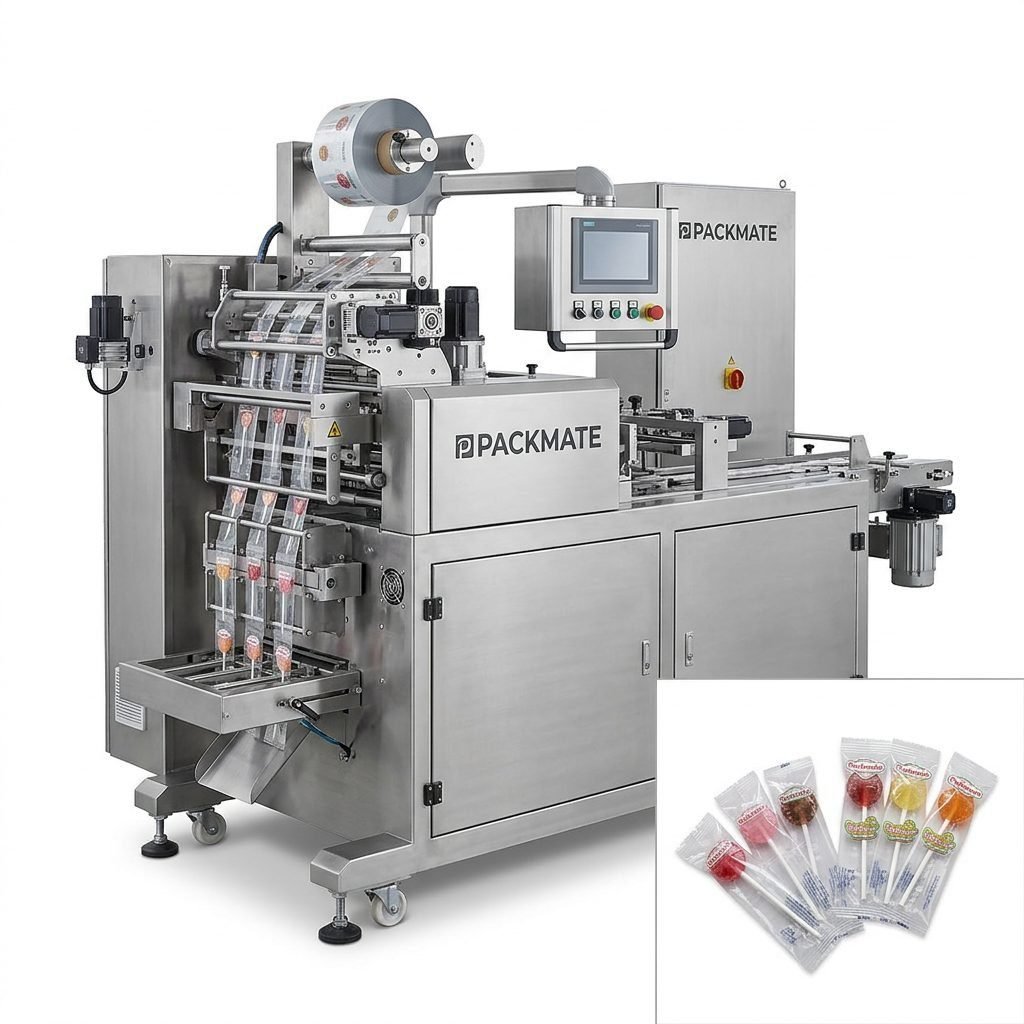
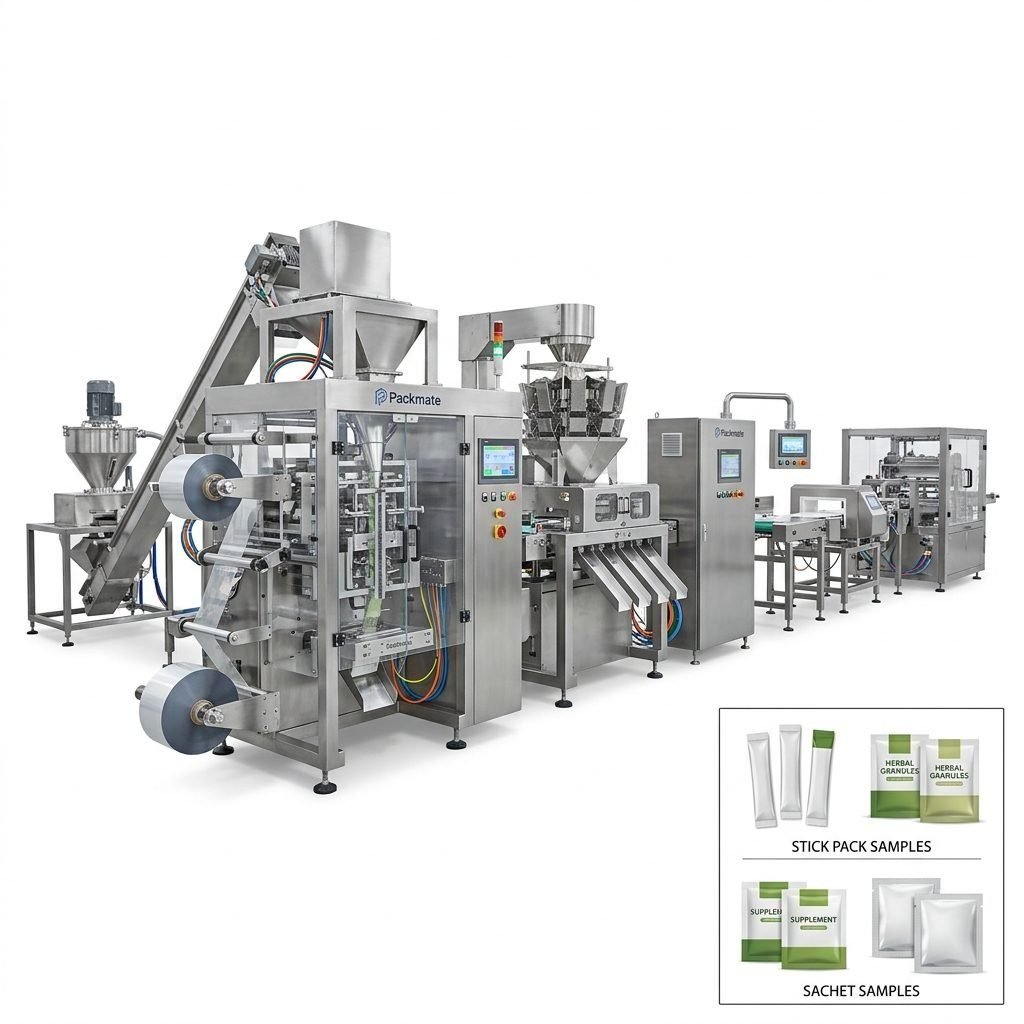
Market trends show a growing consumer preference for convenience and portion control, driving demand for small-format packaging like sachets and stick packs. Machinery that can efficiently produce these formats is invaluable. Multi-lane sachet and stick pack machines are standout solutions, capable of running multiple packaging lanes simultaneously from a single product feed. This multiplies output without proportionally increasing the machine’s footprint.
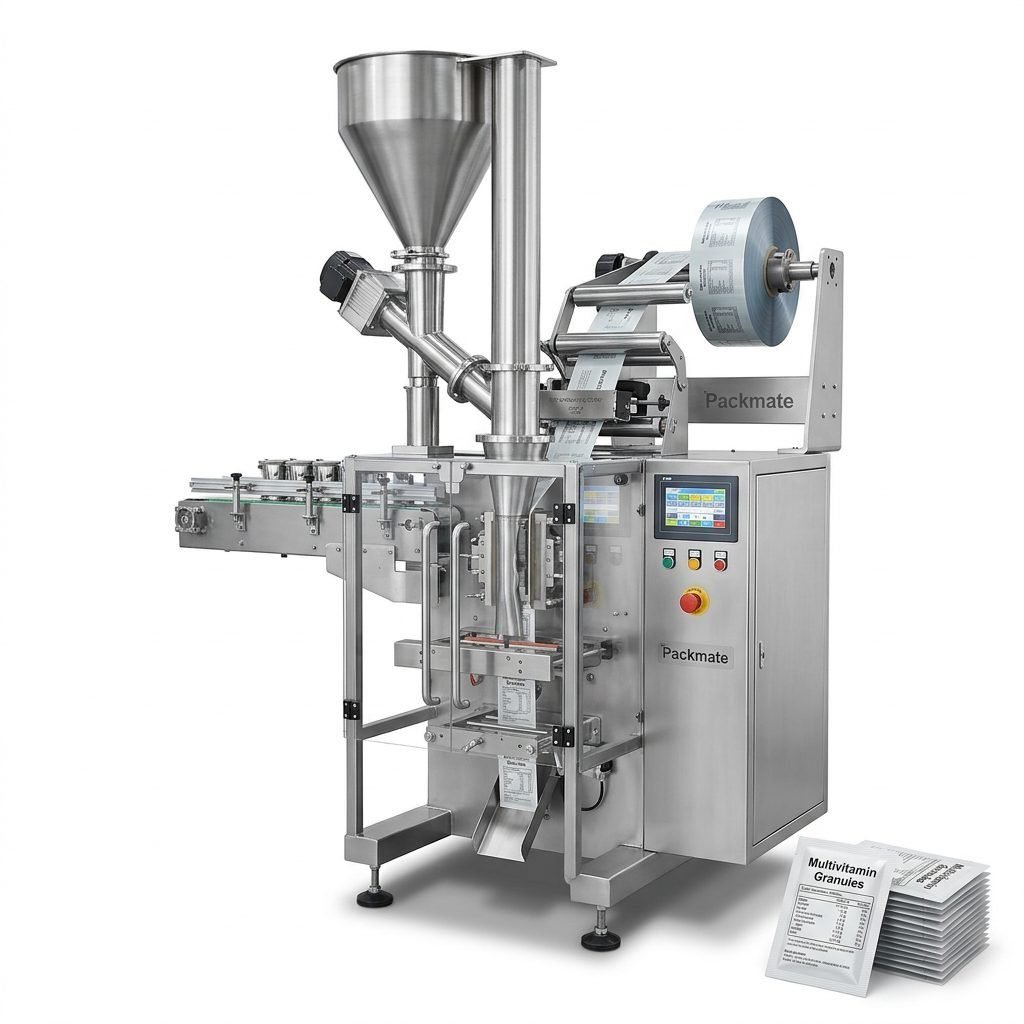
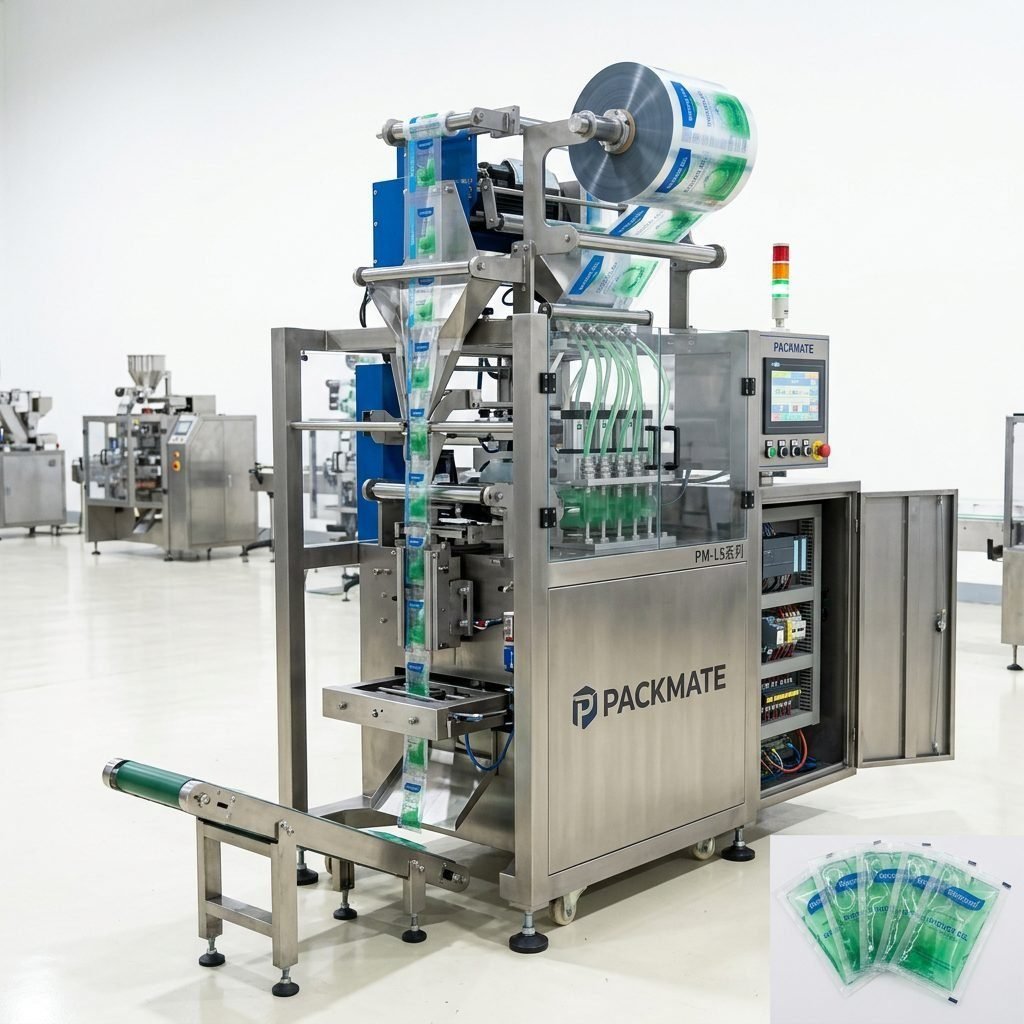
For larger volumes or different product types, vertical form-fill-seal (VFFS) machines for pouches offer incredible flexibility. They can create bags of various sizes and materials on-demand, perfect for everything from snacks to hardware components. The ability to quickly change packaging specifications with minimal downtime is a crucial feature for lines producing multiple SKUs.
Precision Handling for Difficult Products
Not all products are created equal. Granules, fine powders, viscous liquids, and sticky substances pose unique challenges. Efficient production lines require machinery specifically designed for these materials. For powders and granules, auger filler systems with anti-bridging technology ensure consistent, accurate fills. For liquids, piston or pump fillers provide clean, precise dosing.
Specialized machinery for difficult products prevents clogging, spillage, and inaccurate fills, which are major sources of line stoppages and product waste. Investing in the right tool for the specific product is non-negotiable for maintaining efficiency.
The Integration Imperative: Complete Turnkey Lines
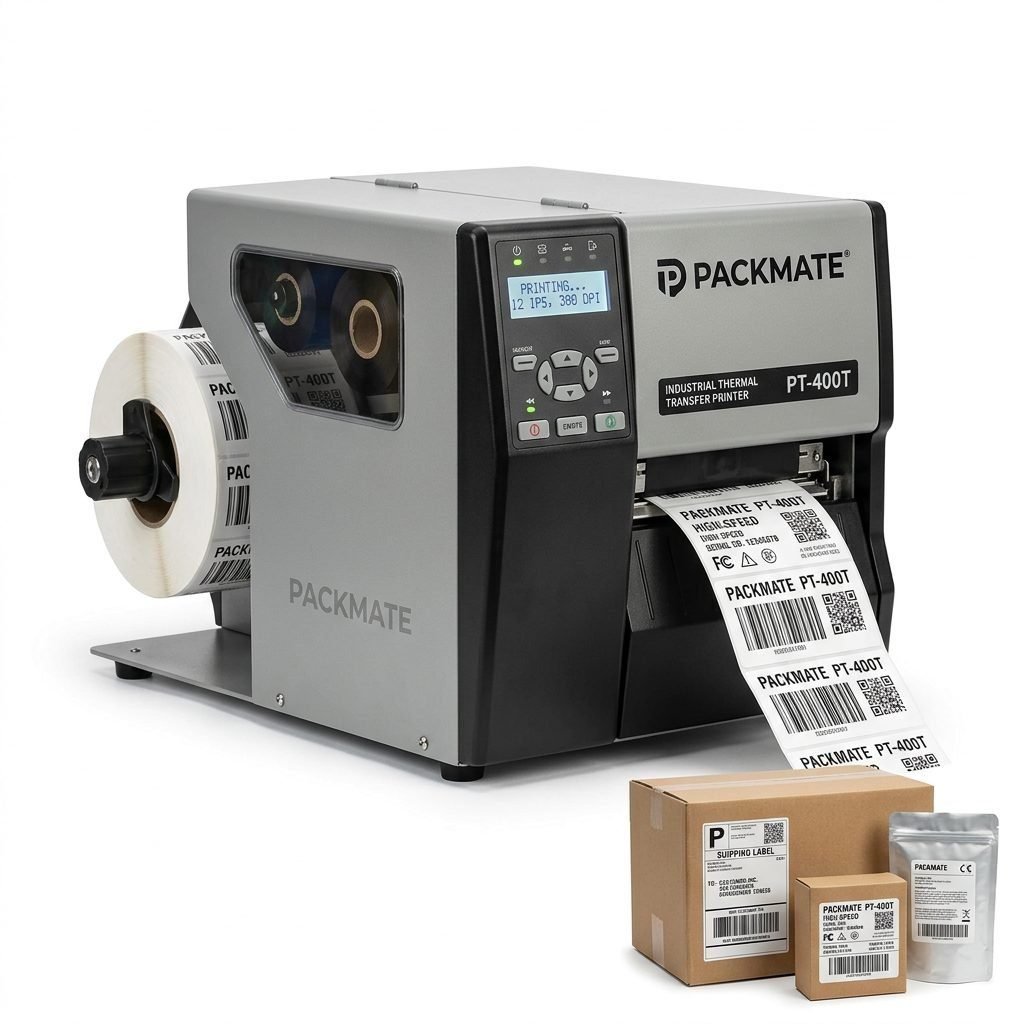
The true pinnacle of production line efficiency is not achieved by standalone machines but by a harmoniously integrated system. A turnkey packaging line combines all necessary components—from feeding, weighing, and filling to coding, labeling, and cartoning—into a single, synchronized unit. This holistic approach eliminates bottlenecks that occur when interfacing equipment from different suppliers.
Companies like Packmate Machinery, with over 30 years of expertise, exemplify the value of this integrated approach. Their experience in designing complete solutions for the food, pharmaceutical, and health industries means every component is selected and engineered to work in concert, ensuring smooth material flow and maximizing overall equipment effectiveness (OEE).
The Role of Smart Technology and Industry 4.0
Modern efficient production lines are increasingly data-driven. The top packaging solutions now incorporate IoT sensors, touch-screen HMIs, and data logging capabilities. These features allow for real-time monitoring of production speed, fill accuracy, downtime causes, and maintenance schedules. This data is critical for predictive maintenance, preventing unexpected breakdowns, and for making continuous improvements to the line’s performance.
Remote diagnostics and support, enabled by smart technology, further enhance efficiency by allowing technical experts to troubleshoot issues without always needing to be physically on-site, drastically reducing resolution times.
Choosing Your Solution: Key Considerations
Selecting the right machinery requires a strategic assessment:
- Output Speed (Units/Minute): Match the machine’s capacity to your current and projected future demand.
- Changeover Flexibility: How quickly and easily can you switch between products or package sizes? Look for features like recipe storage and quick-change parts.
- Footprint and Layout: The machine must fit your available space and allow for logical material and personnel flow.
- Supplier Support and Reliability: The machine is only as good as the company behind it. Consider the manufacturer’s reputation, availability of spare parts, and technical support services. A partner with a proven track record, such as one with a 20,000㎡ modern facility and over 50 machine models of experience, provides long-term security.
Ultimately, the top packaging machinery solutions are those that provide reliability, speed, flexibility, and seamless integration. They transform a production line from a cost center into a robust, competitive asset capable of meeting the dynamic challenges of the global market.
Frequently Asked Questions (FAQs)
1. What is the most important factor when choosing packaging machinery for efficiency?
While speed is crucial, reliability and ease of integration are often more critical for long-term efficiency. A slightly slower machine that runs consistently with minimal downtime and interfaces perfectly with your upstream/downstream equipment will typically outperform a faster, less reliable machine that causes frequent line stoppages.
2. Can older production lines be upgraded with new efficient machinery?
Absolutely. A strategic upgrade often involves replacing a key bottleneck machine, such as the primary filler or sealer, with a modern, high-speed model. Many suppliers offer retrofit solutions and integration services to connect new equipment with existing line components, providing a significant efficiency boost without the cost of a complete overhaul.
3. How do I justify the investment in high-end packaging automation?
Justification should be based on a Total Cost of Ownership (TCO) and Return on Investment (ROI) analysis. Factor in not only the purchase price but also the savings from reduced labor, lower material waste (giveaway), higher throughput, improved product quality (reducing returns), and decreased downtime. The payback period for efficient machinery is often surprisingly short.
4. Are turnkey lines only for large corporations?
No. The concept scales. While a full line for a multinational may be vast, a compact, integrated turnkey system is perfect for small and medium-sized enterprises (SMEs) looking to maximize output from a limited space. It simplifies procurement, installation, and training, making advanced automation accessible.
5. What support should I expect from the machinery supplier?
Beyond installation, expect comprehensive operator and maintenance training, detailed technical documentation, readily available spare parts, and responsive after-sales support. The best suppliers act as long-term partners, offering remote diagnostics and periodic service checks to ensure your line maintains peak efficiency. You can explore the comprehensive support services offered by industry leaders.