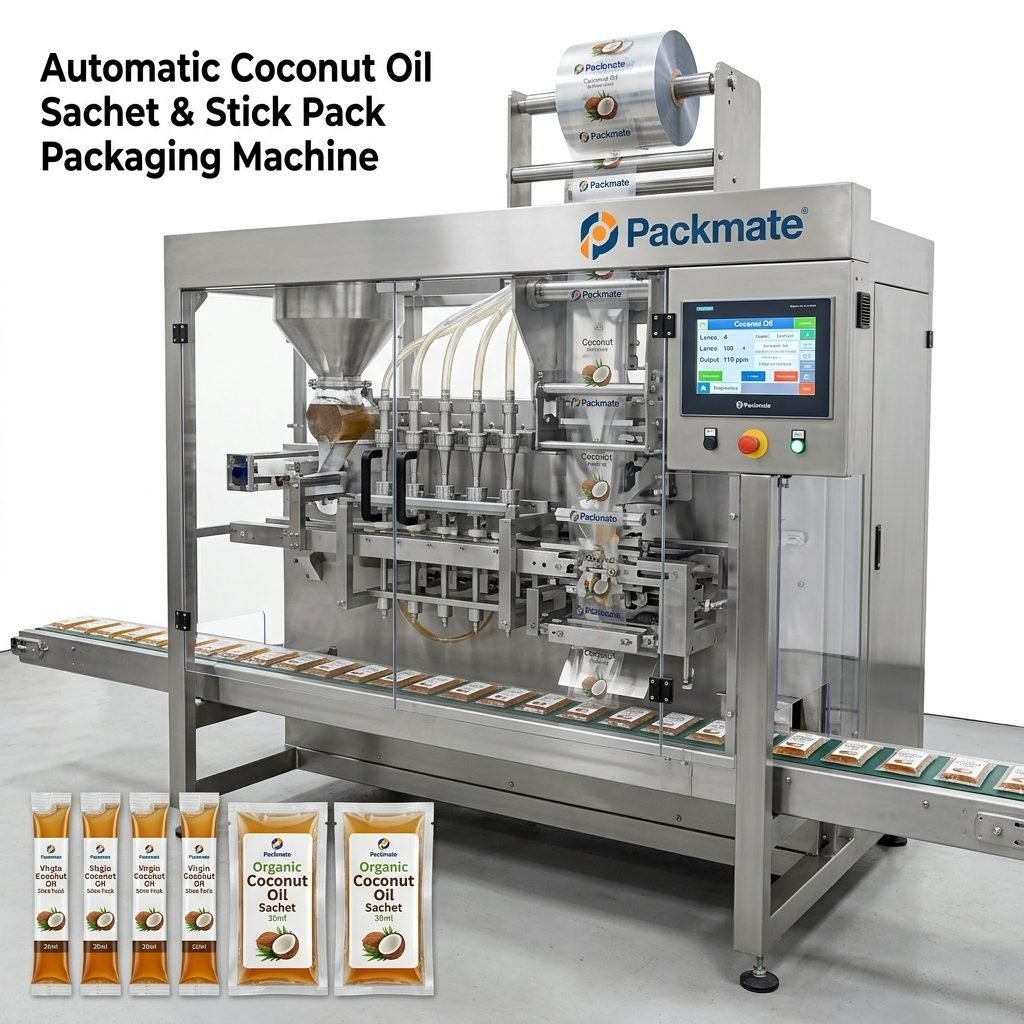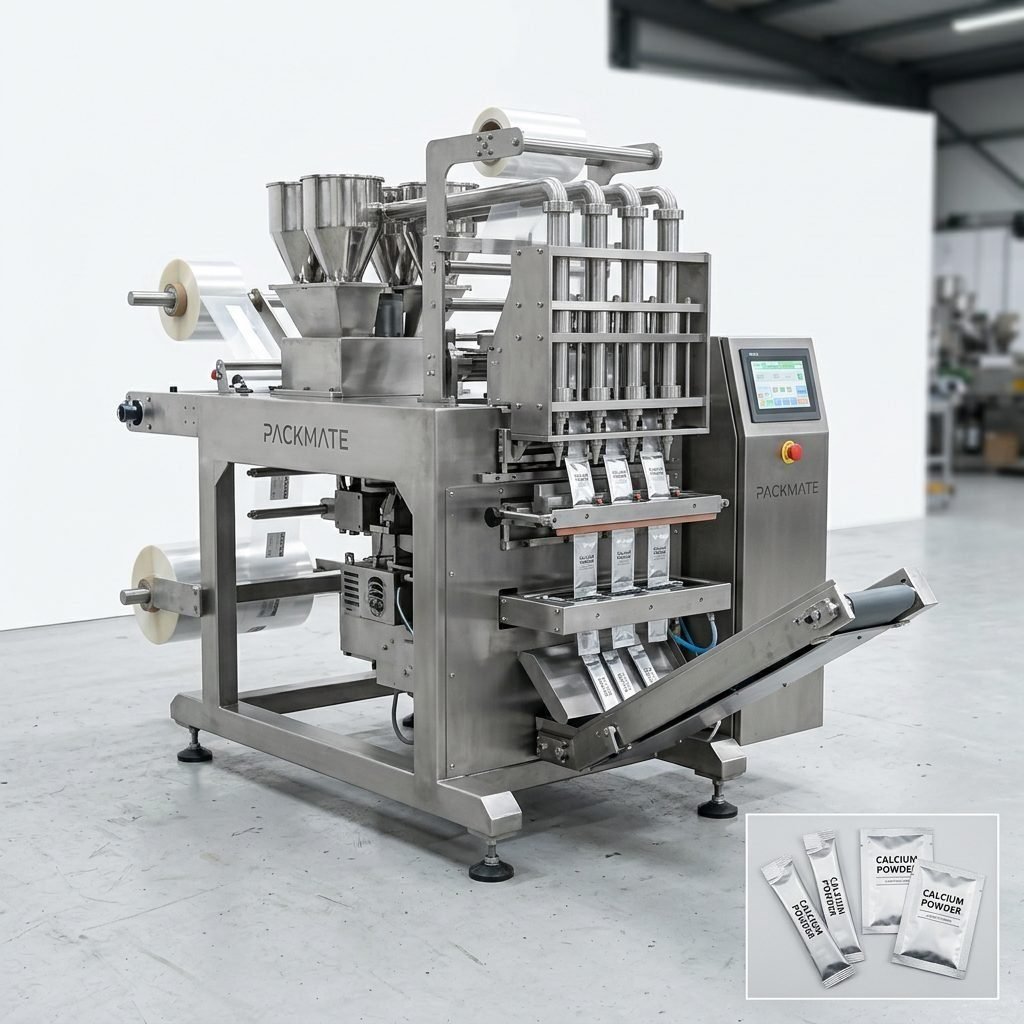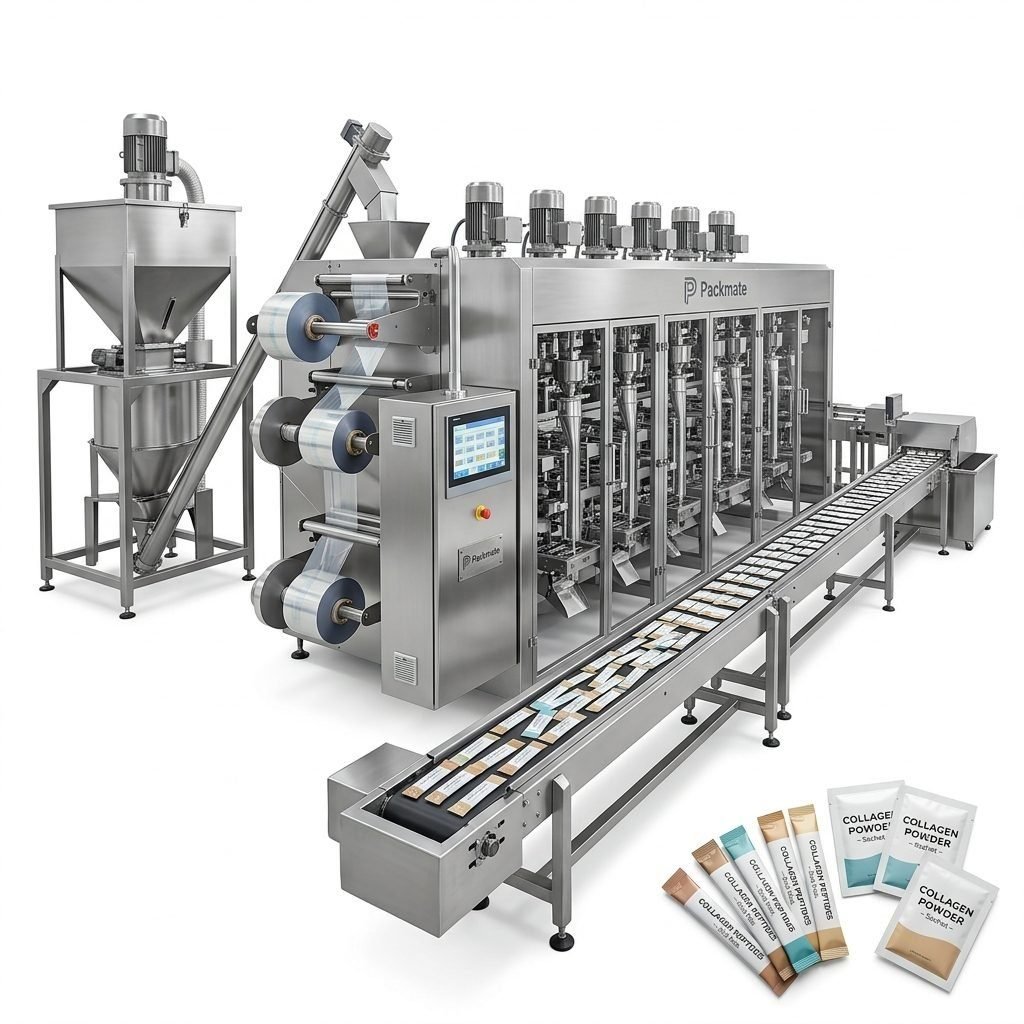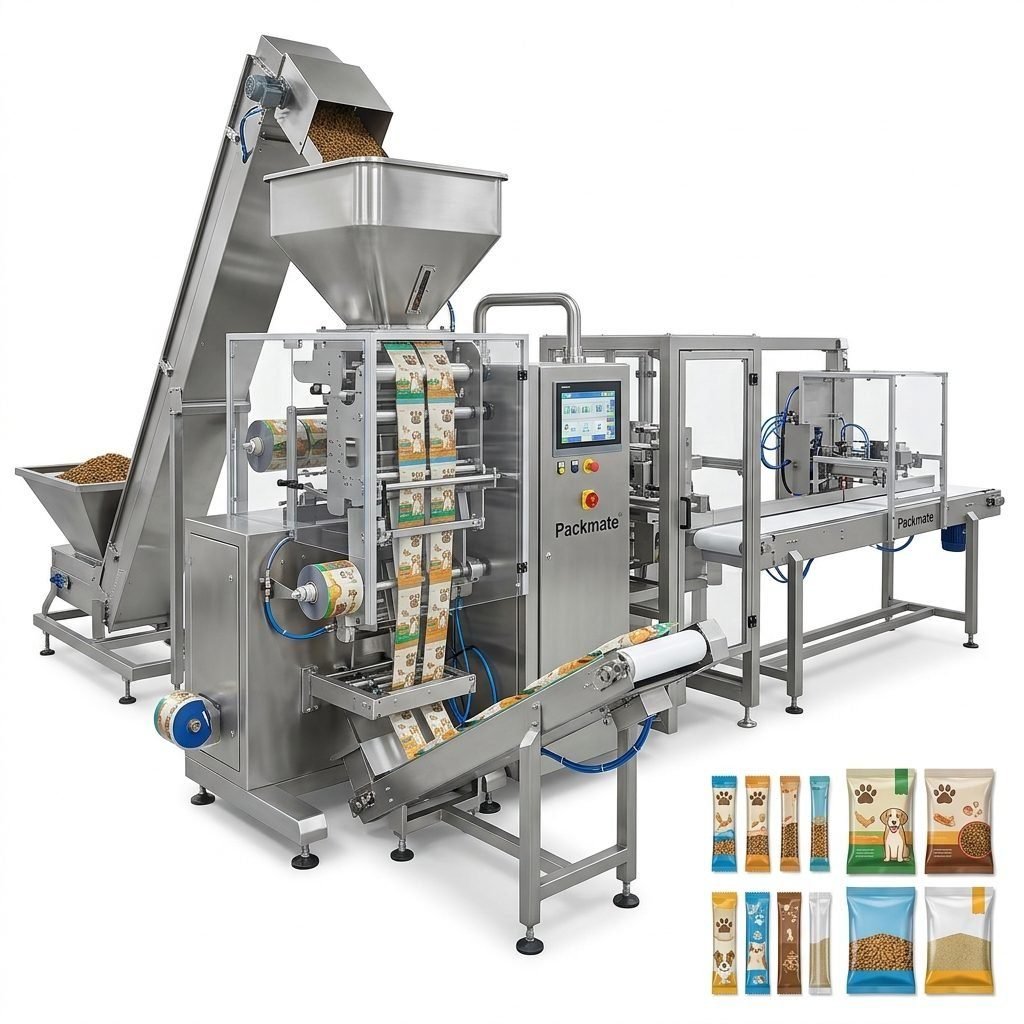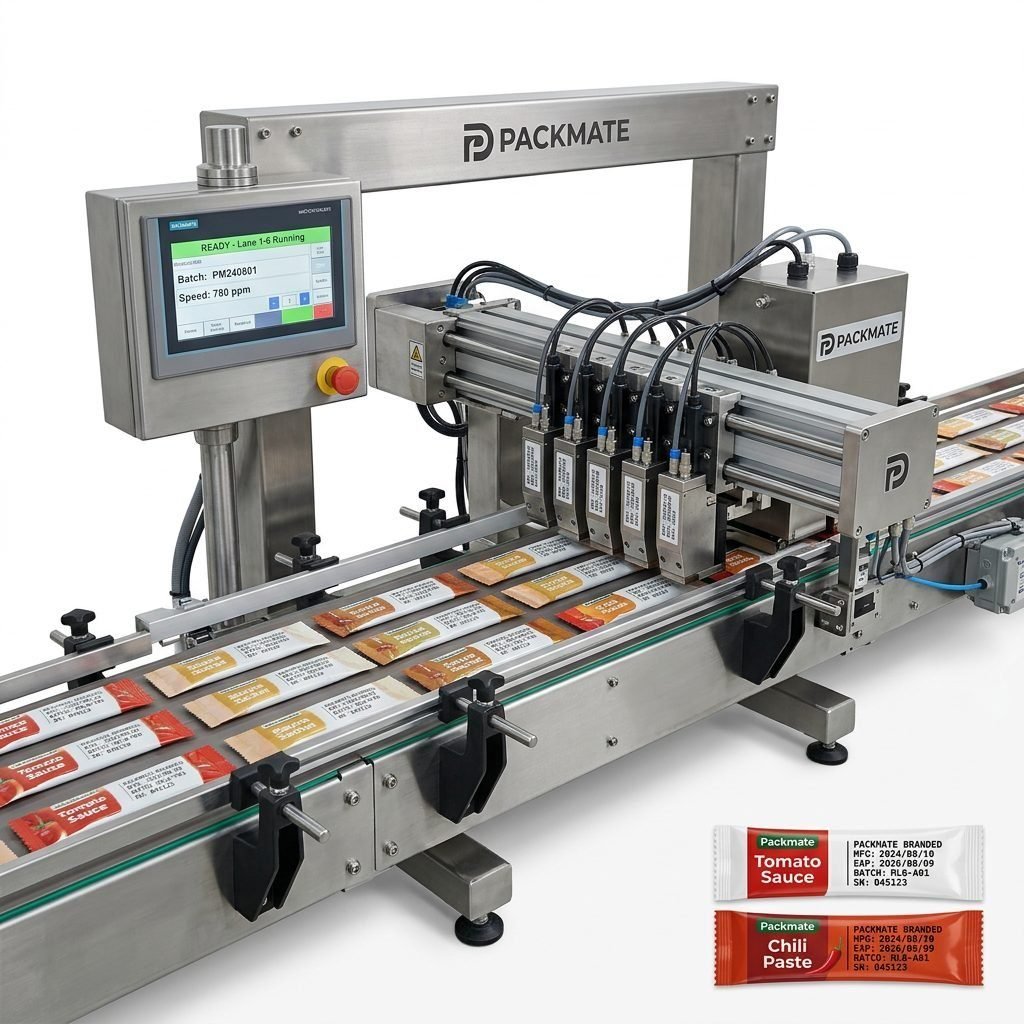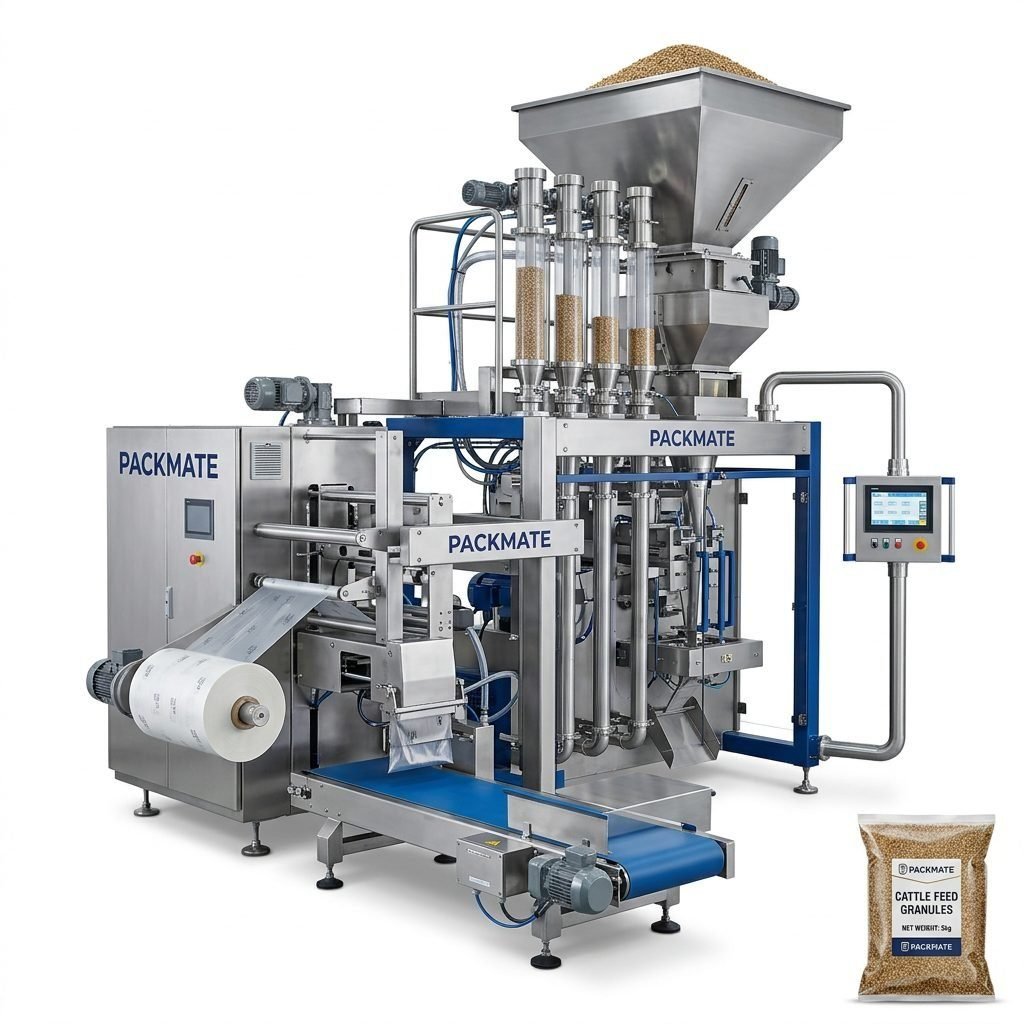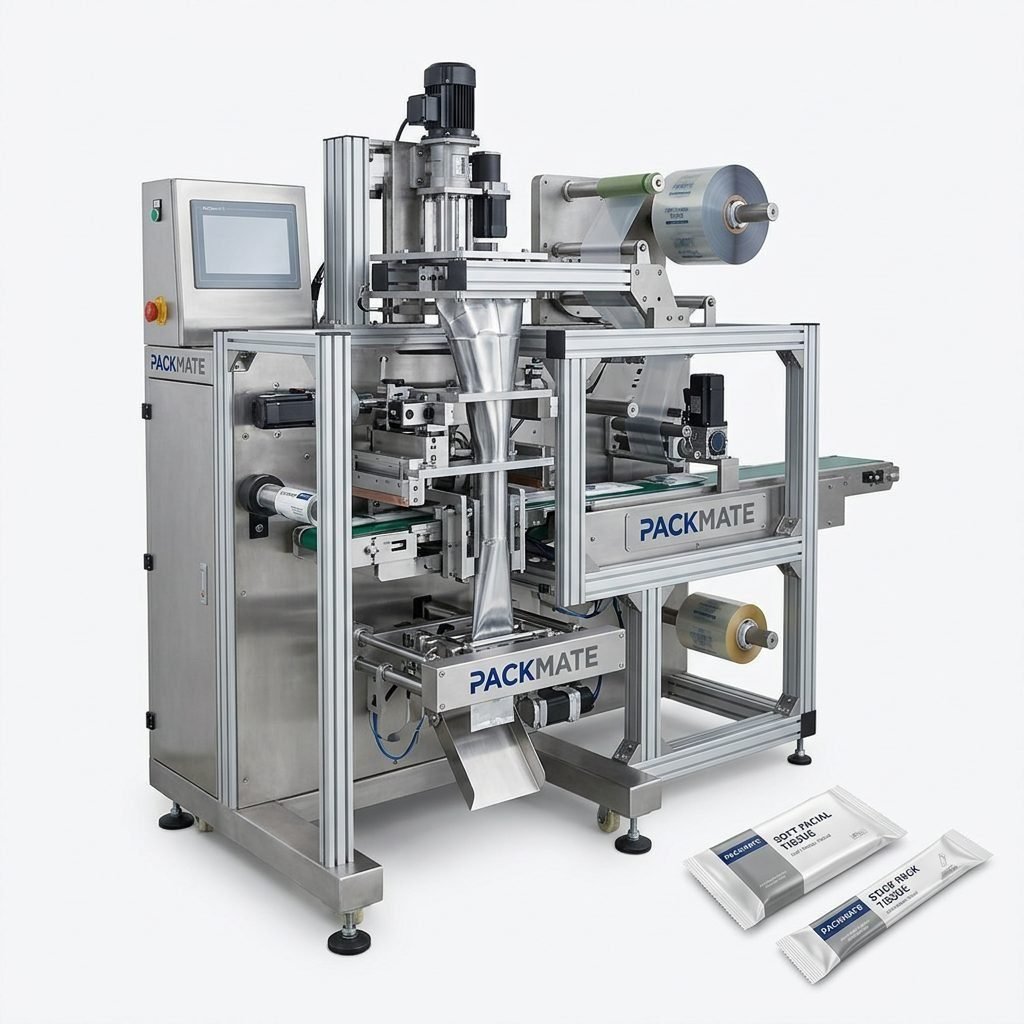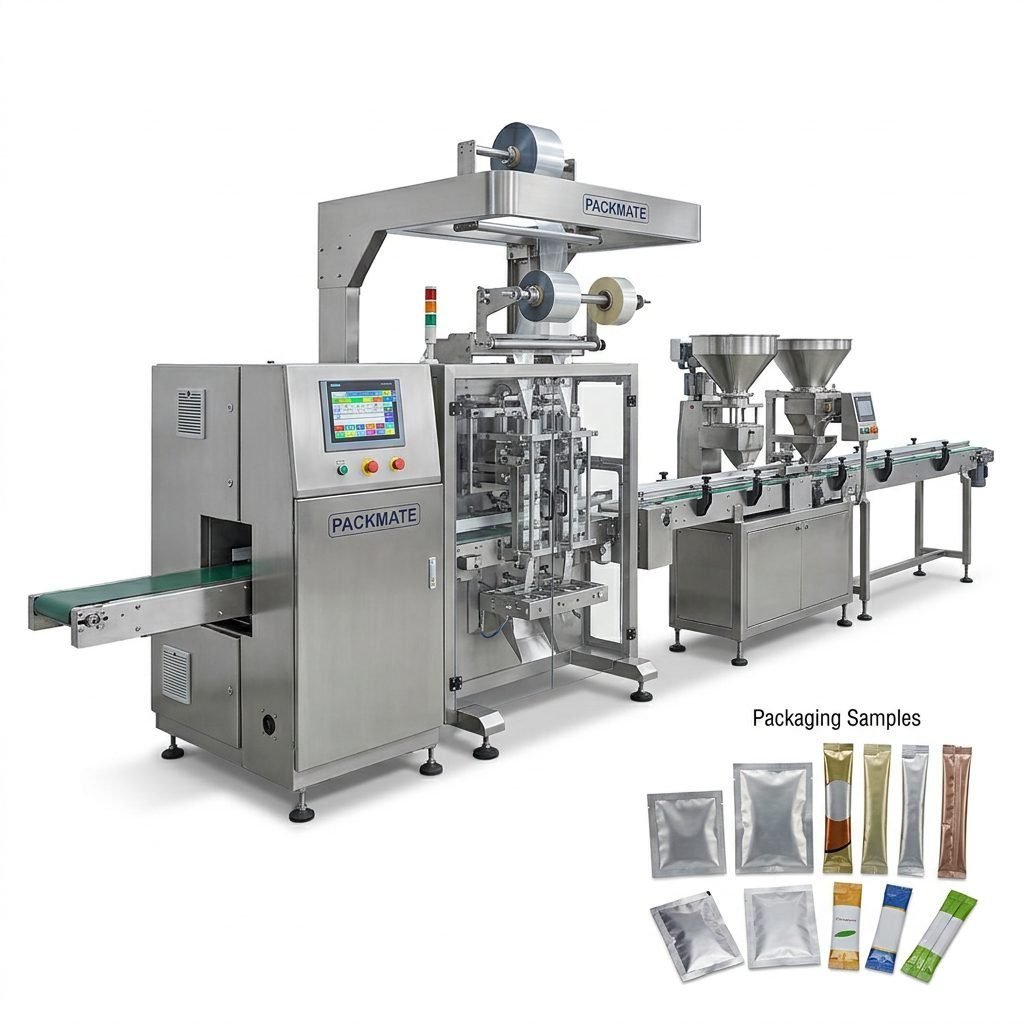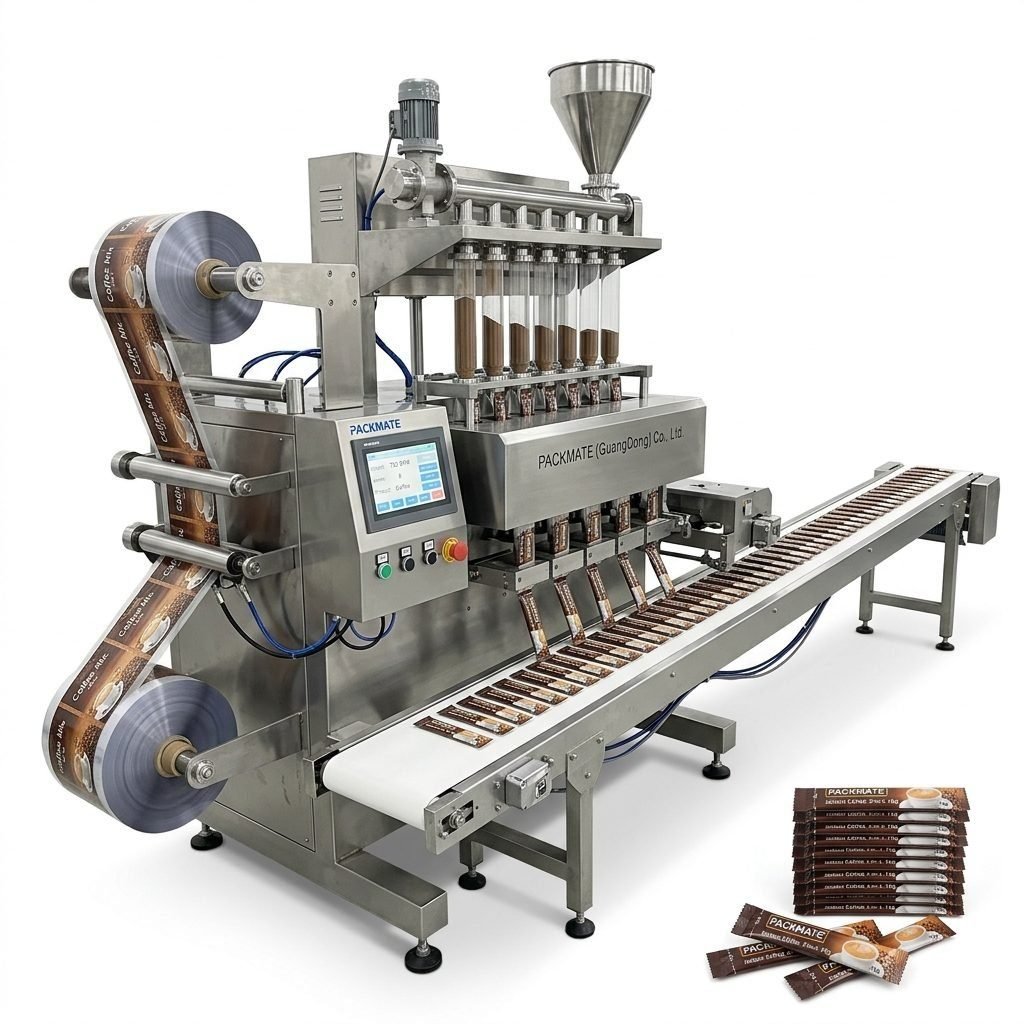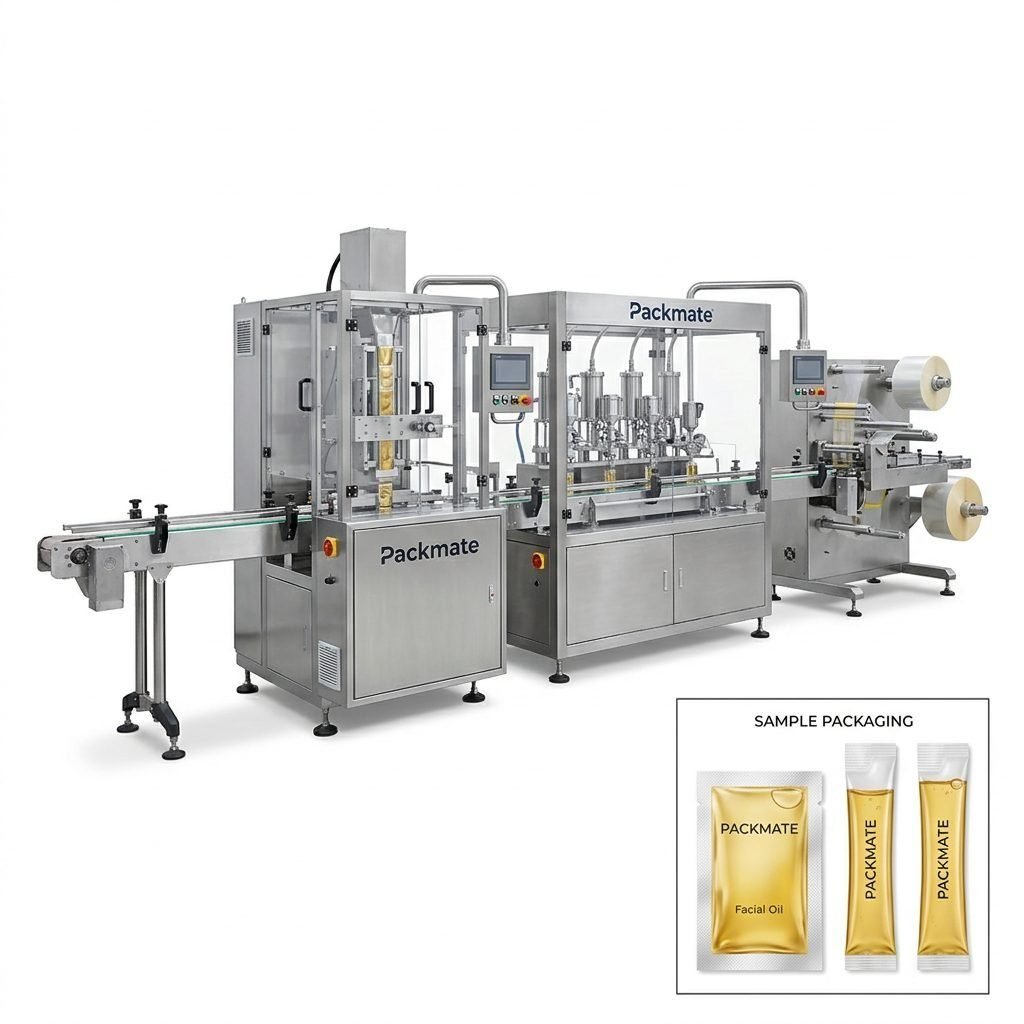
In the competitive landscape of modern manufacturing, selecting the right packaging equipment is not merely a purchase—it’s a strategic investment in operational efficiency, product integrity, and long-term profitability. This comprehensive sales guide is designed to navigate you through the critical considerations for acquiring packaging machinery that delivers peak performance and a rapid return on investment.
Understanding Your Core Packaging Needs
Before exploring specific machines, a thorough internal audit is essential. Define the physical characteristics of your product—whether it’s granules, powders, or liquids—as this dictates the filling technology required. Analyze your required output speed (packs per minute) and be realistic about future growth projections. The packaging format (sachet, stick pack, pouch) must align with market trends and consumer convenience. Finally, consider any stringent industry-specific regulations, especially in sectors like pharmaceuticals or food, which demand materials and machine designs that ensure safety and compliance.
Key Performance Metrics to Evaluate
When assessing equipment, look beyond the price tag. Focus on metrics that impact your bottom line:
Speed vs. Efficiency: A machine’s maximum speed is less important than its operational efficiency and uptime. A slightly slower machine that runs consistently with fewer stoppages often yields higher net output.
Changeover Time: For businesses running multiple SKUs, the time needed to switch between product formats is a critical hidden cost. Seek equipment with quick-change features and tool-less adjustments.
Material Waste: Precision in dosing and sealing directly translates to reduced product giveaway and packaging film waste, offering significant long-term savings.
Total Cost of Ownership (TCO): Calculate TCO by factoring in energy consumption, maintenance costs, required spare parts, and the expected lifespan of the machinery.
Navigating the Supplier Landscape
Choosing a reliable partner is as crucial as choosing the right machine. A manufacturer with deep industry experience, like Packmate Machinery, brings invaluable expertise to the table. Evaluate their technical support structure, availability of spare parts, and training programs. Review their portfolio of case studies to see proven success in applications similar to yours. A supplier that offers comprehensive after-sales service ensures your investment is protected long after installation.
The Value of Integrated Solutions
For optimal efficiency, consider moving beyond a single machine to an integrated line. A cohesive system where feeding, weighing, filling, and sealing equipment are designed to work in harmony minimizes bottlenecks and maximizes throughput. Leading manufacturers provide these complete turnkey packaging lines, offering a single point of responsibility for performance, which simplifies maintenance and troubleshooting.
Technology and Future-Proofing Your Investment
Modern packaging equipment is increasingly intelligent. Look for features such as touch-screen HMIs with recipe storage, IoT connectivity for remote monitoring and predictive maintenance, and advanced vision inspection systems to guarantee 100% quality control. Investing in scalable and adaptable technology protects your business from obsolescence and allows for easier integration with factory-wide MES or ERP systems.
Financial Planning and Justification
Securing budget approval requires a compelling business case. Build a detailed ROI model that quantifies the benefits: increased output, labor savings, reduced waste, and lower maintenance costs. Don’t overlook financing options, leasing programs, or potential government grants for manufacturing automation, which can improve cash flow and make advanced technology more accessible.
Final Steps: Installation and Optimization
The sales process doesn’t end with the order. A smooth installation, conducted by factory-trained engineers, is vital. Comprehensive operator and maintenance technician training ensures your team can run the equipment safely and efficiently from day one. Schedule a post-installation review with your supplier to fine-tune settings and ensure all performance guarantees are met, locking in the efficiency gains you planned for.
Frequently Asked Questions (FAQ)
What is the typical lead time for a new packaging machine?
Lead times vary based on complexity and customization, typically ranging from 8 to 16 weeks for standard models. It’s best to consult directly with the manufacturer for an accurate timeline based on your specific requirements.
How do I ensure the machine will work with my specific product?
Reputable suppliers offer product testing services. Sending your product and packaging materials to their facility for a live trial run is the most reliable way to validate machine suitability and performance before purchase.
What kind of training is provided with the equipment?
Professional suppliers provide on-site training covering operation, routine maintenance, cleaning procedures, and basic troubleshooting for your production staff and maintenance team.
What are the most common maintenance requirements?
Regular maintenance typically includes lubrication of moving parts, inspection and replacement of wear items like seals and cutting blades, and calibration of weighing and filling systems as per the manufacturer’s manual.
Can existing equipment be upgraded or integrated with new machinery?
In many cases, yes. Discuss retrofitting or integration possibilities with your supplier. Upgrading controls or adding modules like checkweighers can often extend the life and capability of existing lines.