Primary packaging is the first layer of material that comes into direct contact with your product. It serves as the critical barrier protecting contents from contamination, moisture, and damage while also being the primary interface with the end consumer. Selecting the right primary packaging equipment is therefore a pivotal decision that impacts product integrity, shelf life, production efficiency, and brand perception. This comprehensive guide delves into the various types of equipment, their specific applications, and essential tips for making an informed selection that aligns with your operational goals.
Understanding the Core Types of Primary Packaging Equipment
The landscape of primary packaging machinery is diverse, each type engineered for specific formats and materials. Understanding these core categories is the first step toward a successful investment.
1. Filling Machines
Filling machines are designed to accurately dispense a predetermined volume or weight of product into containers. Accuracy and speed are their hallmarks.
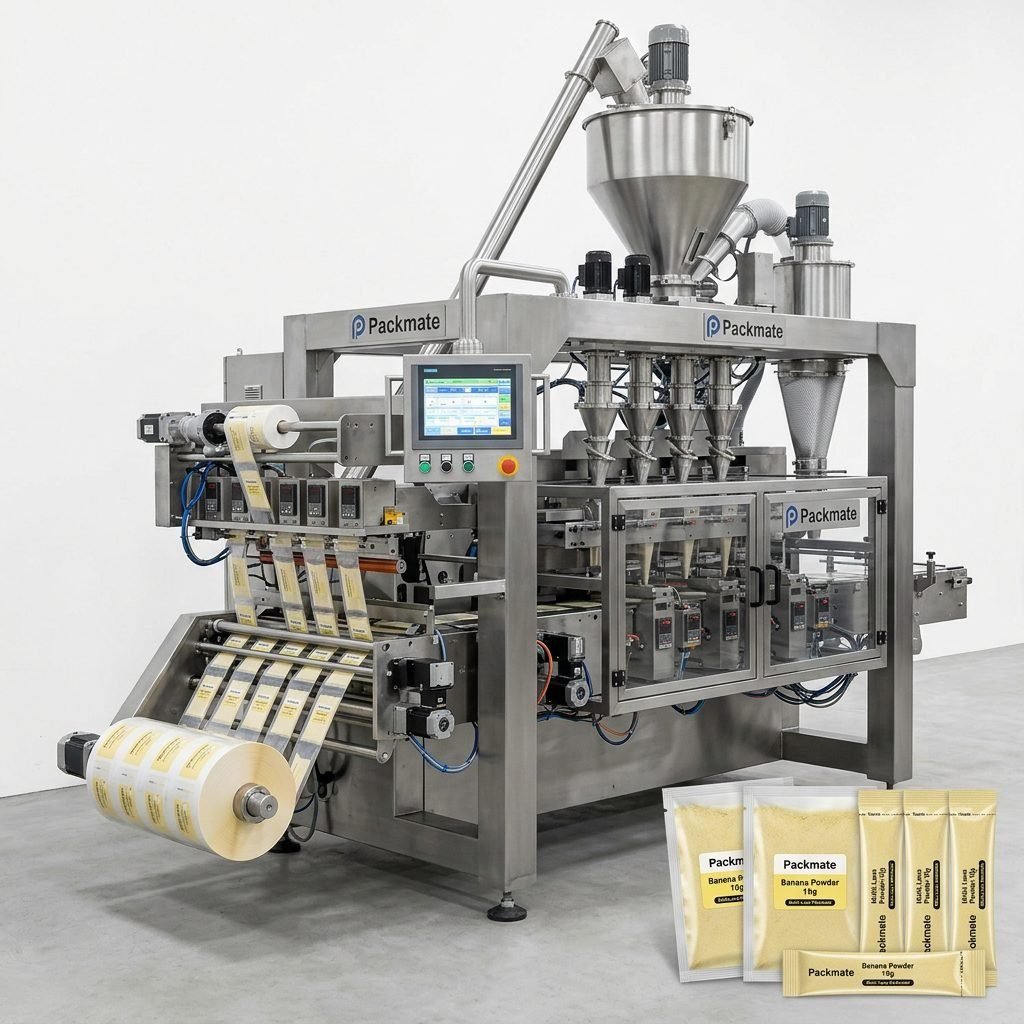
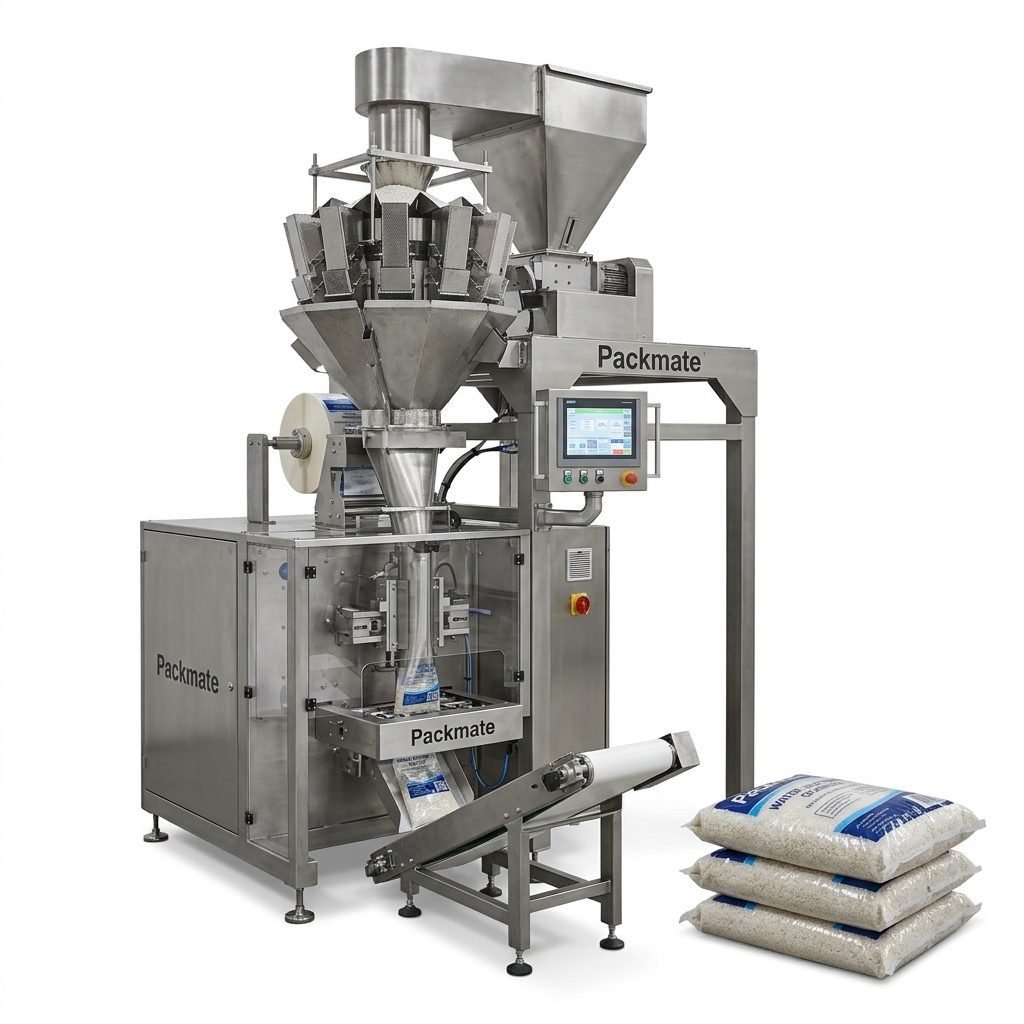
Liquid Fillers: Ideal for beverages, oils, sauces, and pharmaceuticals. Common technologies include gravity, piston, and pump fillers. Powder Fillers: Used for spices, milk powder, pharmaceuticals, and chemicals, often employing auger or vacuum cup systems. Granule Fillers: Perfect for snacks, coffee beans, or hardware items, typically using volumetric cup or weigh scale systems.
2. Sealing Machines
Once filled, containers must be securely closed. Sealing machines ensure product safety and tamper evidence.
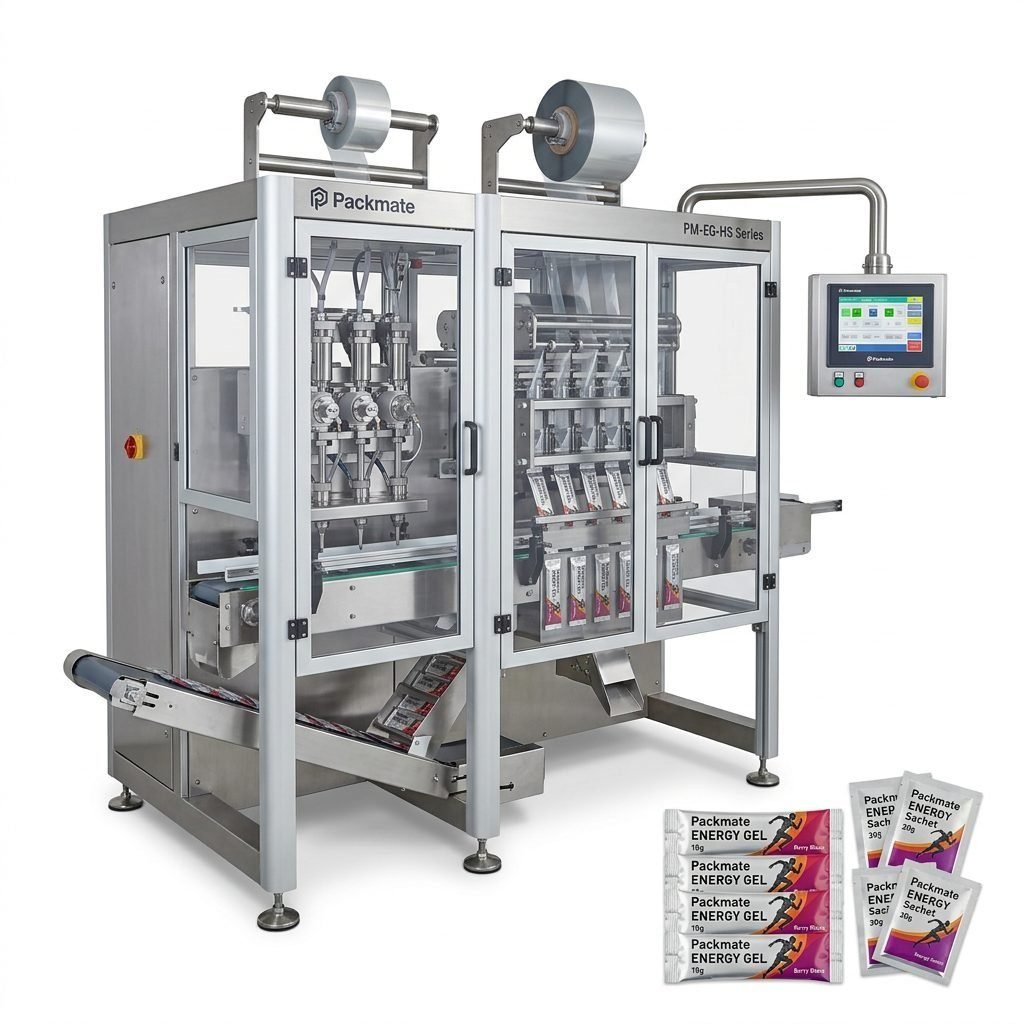
Heat Sealers: Use heat to melt and fuse thermoplastic layers on pouches or lidding films. They are ubiquitous in sachet and stick pack production. Capping Machines: Apply screw caps, snap-on lids, or corks to bottles and jars. Induction Sealers: Create a hermetic, tamper-evident seal under plastic caps by inductively heating a foil liner.
3. Form-Fill-Seal (FFS) Machines
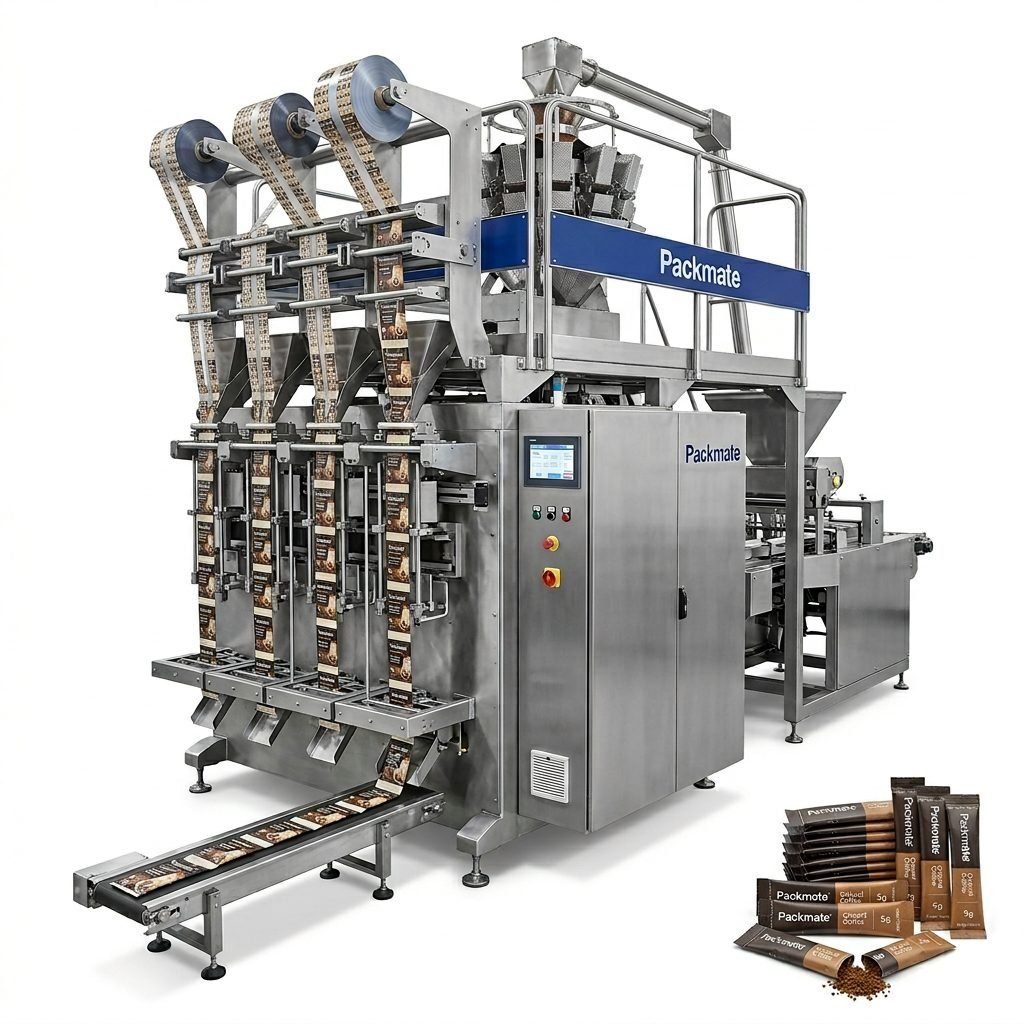
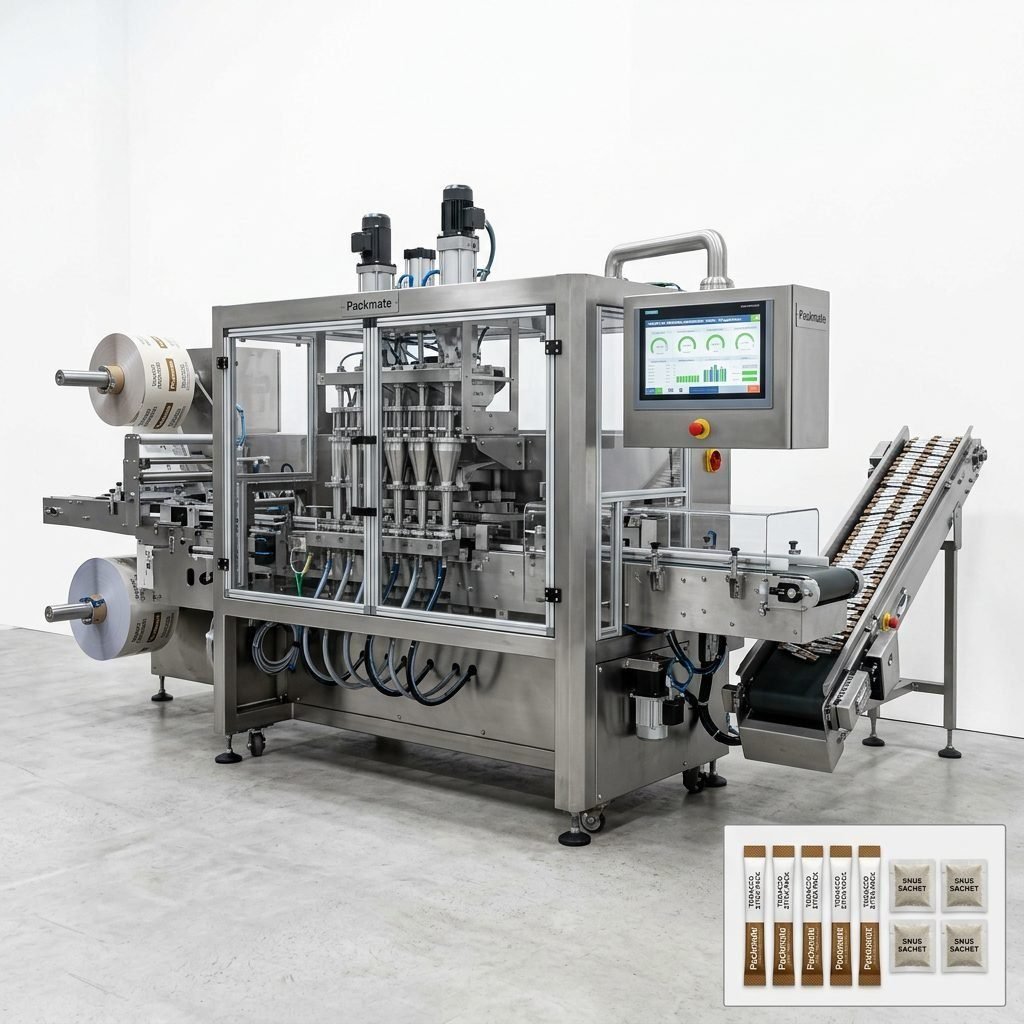
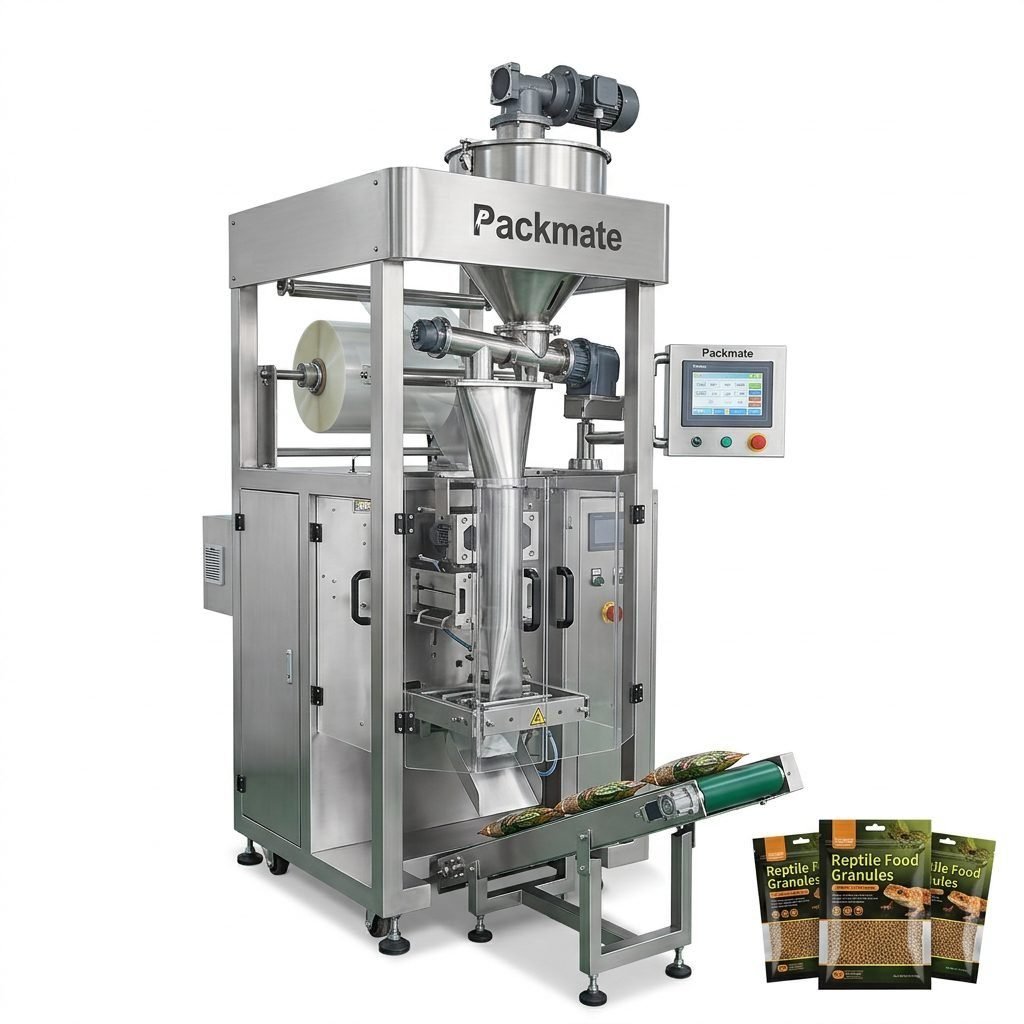
FFS machines represent a highly efficient, integrated system. They form packaging from a roll of film, fill it with product, and seal it—all in one continuous operation.
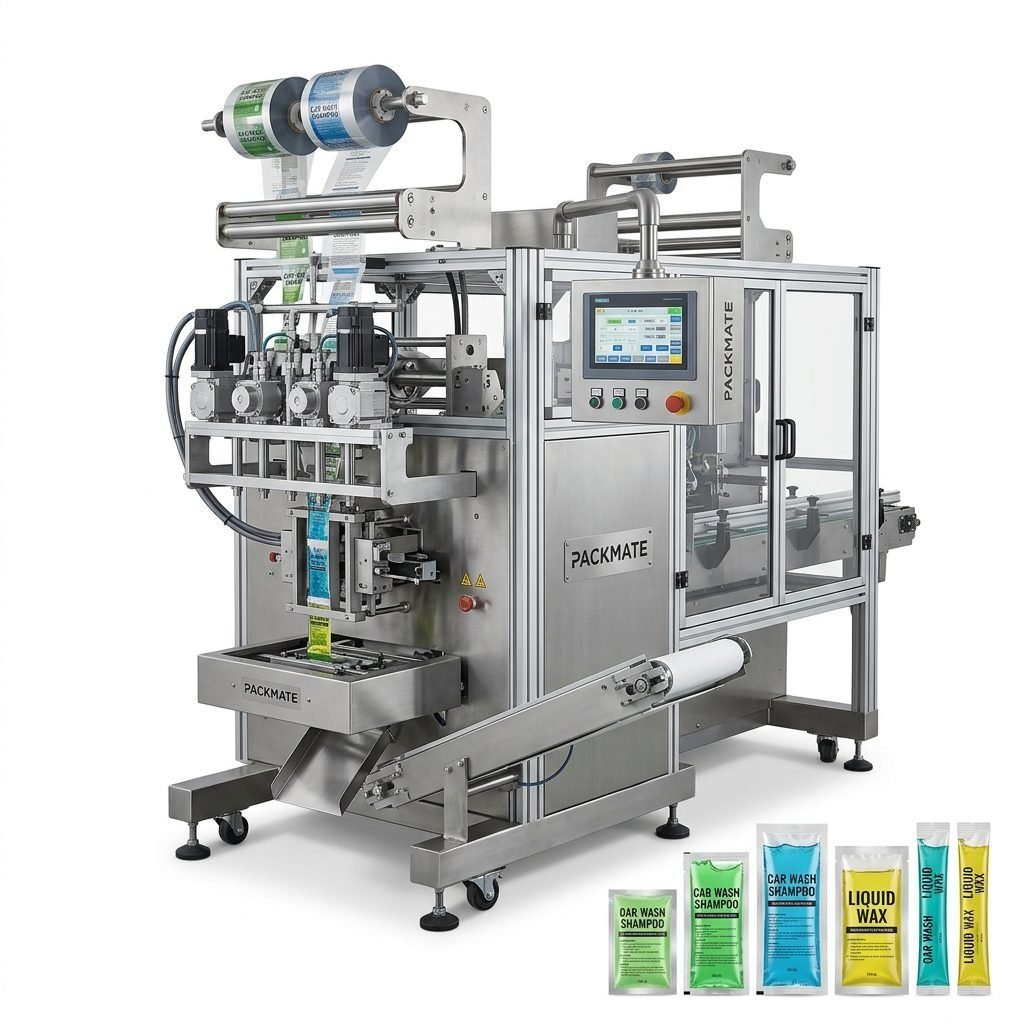
Vertical Form-Fill-Seal (VFFS): The film travels vertically. It’s the standard for packaging powders, granules, and liquids into bags, pouches, or stick packs. It’s highly versatile and space-efficient. Horizontal Form-Fill-Seal (HFFS): The film travels horizontally. Often used for more rigid structures, blister packs, or placing items into pre-formed trays and sealing them with lidding film.
4. Labeling and Coding Equipment
This equipment applies vital information and branding to the primary package.
Labelers: Apply pressure-sensitive, glue-based, or shrink sleeve labels to containers. Coders: Print batch numbers, expiry dates, and barcodes directly onto packaging using technologies like Inkjet, Laser, or Thermal Transfer Overprinting (TTO).
Key Applications and Industry Uses
The choice of equipment is heavily influenced by the target industry and product characteristics.
Food & Beverage Industry
This sector demands hygiene, speed, and versatility. VFFS machines are extensively used for snacks, coffee, and frozen foods. Liquid fillers and cappers are essential for beverages. Modified Atmosphere Packaging (MAP) capabilities are often integrated to extend shelf life.
Pharmaceutical & Healthcare
Precision, sterility, and compliance with regulations like GMP are non-negotiable. Blister packaging machines (a type of HFFS) are standard for tablets and capsules. High-precision powder fillers handle sensitive APIs, and advanced vision inspection systems are frequently integrated into the filling and packaging lines.
Cosmetics & Personal Care
Aesthetics and precise dosing are key. Piston fillers handle creams and lotions, while tube fillers and sealers are common. The equipment often needs to handle unusual container shapes and viscosities.
Industrial & Chemicals
Durability and safety for hazardous materials are priorities. Equipment for this sector is often built with corrosion-resistant materials and designed for filling heavy-duty bags, drums, or cans.
Critical Selection Tips for Your Business
Choosing equipment is a strategic investment. Here are vital factors to consider beyond the initial price tag.
1. Analyze Your Product and Packaging Format
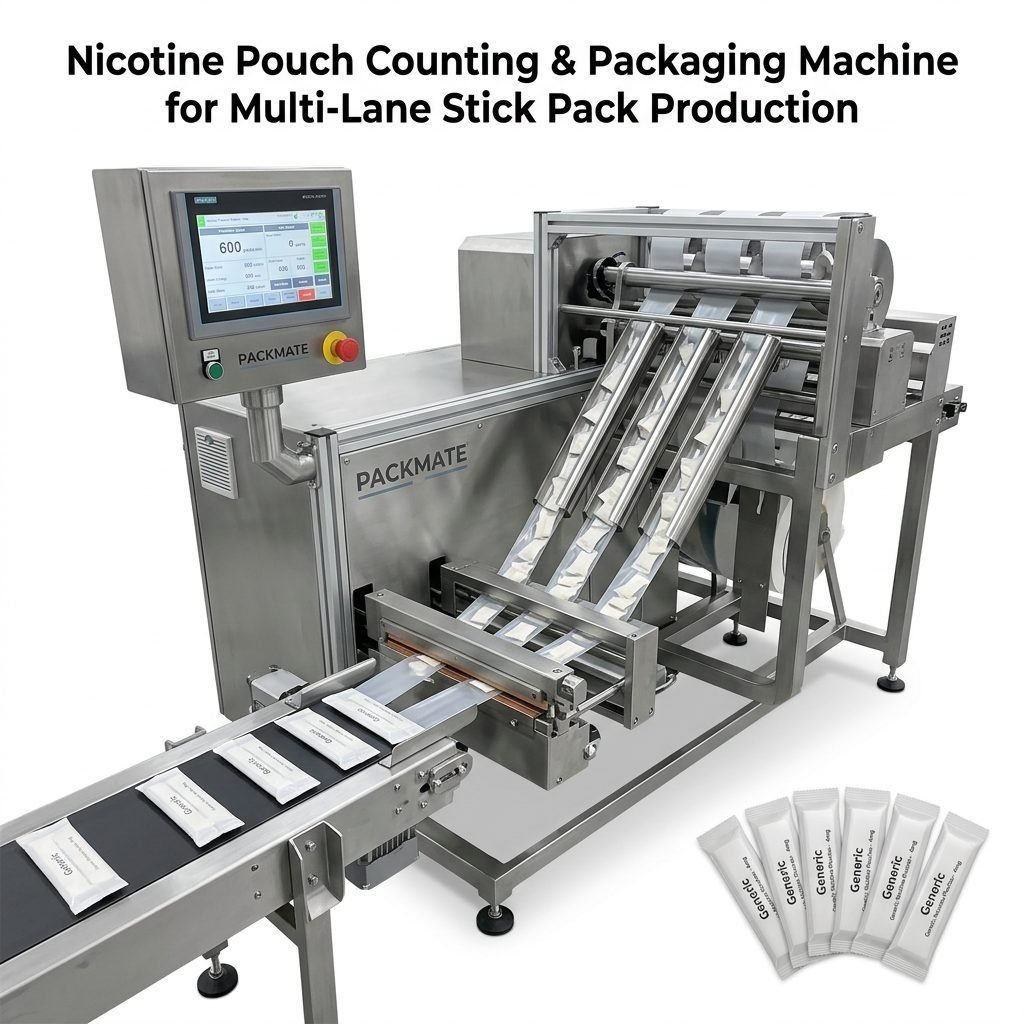
Start with the fundamentals. What is your product’s physical state (liquid, powder, granule, solid)? What is its viscosity, abrasiveness, or hygroscopicity? Define your desired primary package: pouch, stick pack, bottle, blister, or can? The answers directly dictate the machine type. For instance, granular spices may be best served by a multi-lane VFFS machine for stick packs.
2. Evaluate Production Requirements
Be realistic about your output needs. Calculate your required speed (units per minute) and desired operational hours. Don’t just consider today’s volume; factor in projected growth. A machine operating at 90% of its capacity is more sustainable than one constantly running at 110%.
3. Prioritize Flexibility and Changeover
If you plan to run multiple products or package sizes, quick changeover is crucial. Look for machines with tool-less adjustments, digital settings recall, and easy-to-switch parts. Minimizing downtime between production runs maximizes overall equipment effectiveness (OEE).
4. Consider Integration and Automation Level
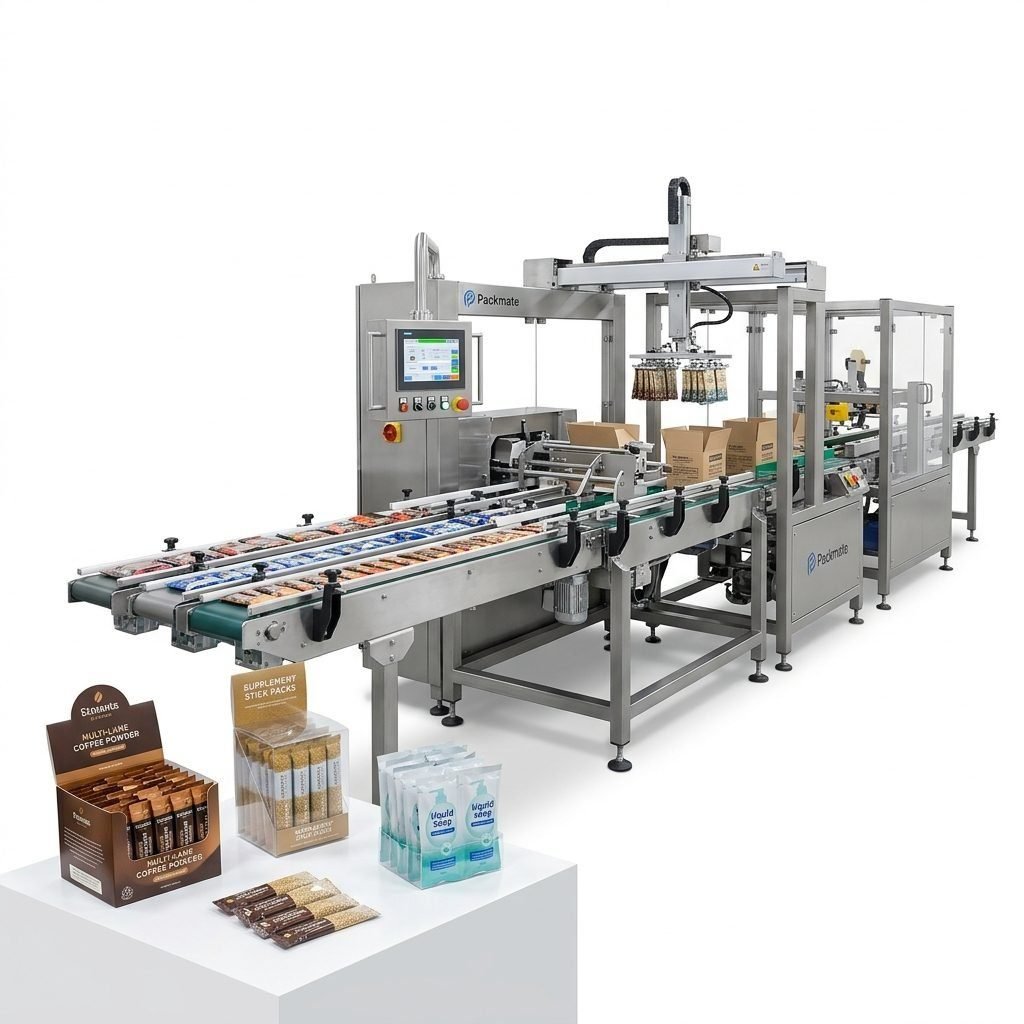
Will the machine be a standalone unit or part of an integrated line? Consider upstream and downstream processes (e.g., feeding, cartoning, palletizing). Automation features like automatic film splicing, weight feedback control, and robotic pick-and-place can significantly reduce labor costs and improve consistency. Explore options for complete weighing and packaging systems.
5. Assess Build Quality and Supplier Support
The machine’s construction determines its longevity and reliability. Inspect the quality of components (e.g., PLCs, servos, stainless-steel grade). More importantly, vet the manufacturer. A supplier with deep expertise, like Packmate Machinery, which has over 30 years in intelligent packaging, offers invaluable peace of mind. Review their after-sales service, availability of spare parts, training, and warranty terms.
Pro Tip: Always request a product sample test run at the manufacturer’s facility. This live demonstration is the best way to verify machine performance, speed, and final package quality with your specific materials.
6. Factor in Total Cost of Ownership (TCO)
The purchase price is just one component. Calculate the TCO by including estimated costs for energy consumption, routine maintenance, spare parts, and potential downtime. A slightly more expensive, robust machine with higher efficiency often has a lower TCO than a cheaper, less reliable alternative.
Conclusion
Navigating the world of primary packaging equipment requires a careful balance of technical understanding and strategic business planning. By thoroughly analyzing your product needs, production goals, and long-term operational strategy, you can select machinery that not only packages your product reliably but also enhances your production efficiency and supports your brand’s market presence. Partnering with a seasoned and reliable equipment manufacturer provides the technical foundation and support necessary for a successful packaging operation.
Frequently Asked Questions (FAQs)
What is the main difference between primary and secondary packaging equipment?
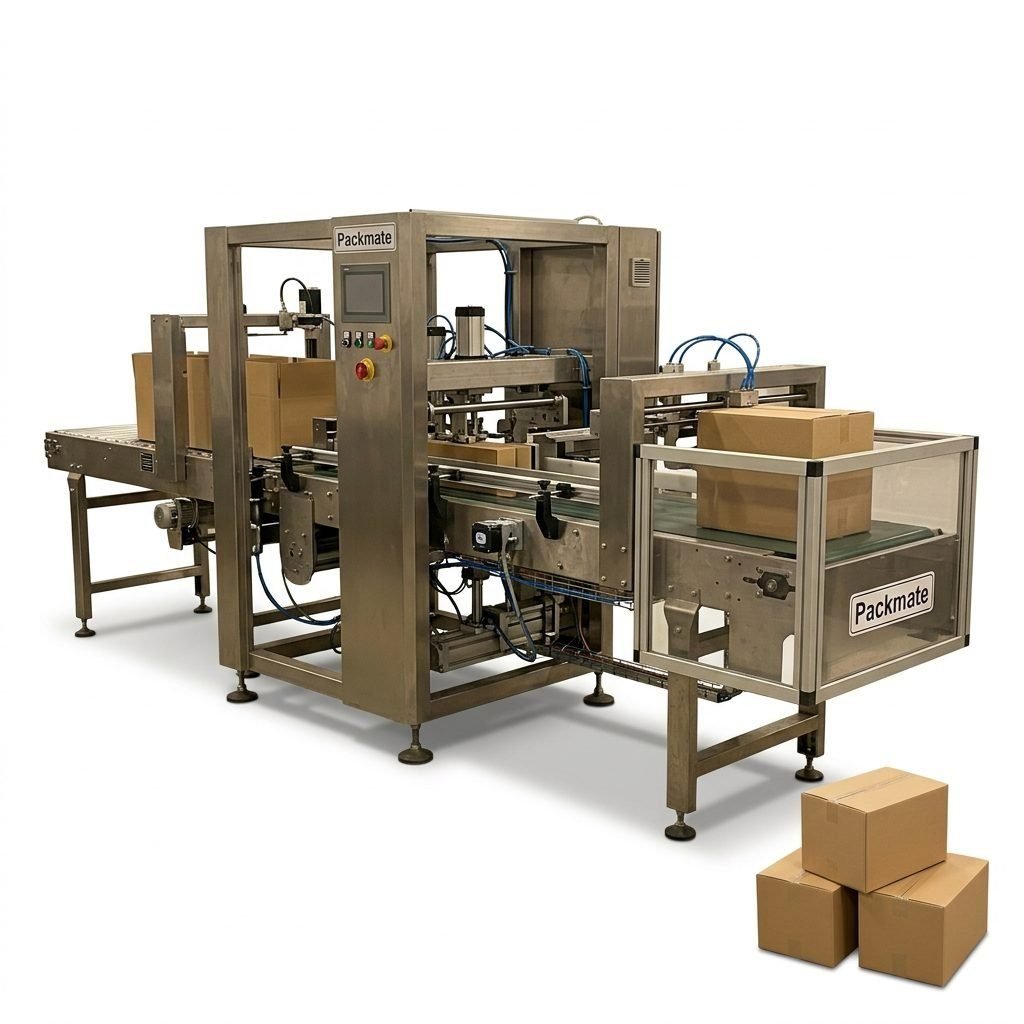
Primary packaging equipment handles the first layer that touches the product (e.g., filling a bottle, forming a pouch). Secondary packaging equipment handles the outer layer that groups primary packages for shipping and display (e.g., cartoning, case packing, bundling).
How do I determine the right speed/capacity for my packaging machine?
Calculate your current and near-future peak daily output. Divide this by your planned operational hours per day and minutes per hour. Add a 15-20% buffer for efficiency losses and future growth. This gives you a target speed in units per minute. Choose a machine that meets or slightly exceeds this target.
Can one machine handle different types of packaging, like both sachets and stick packs?
Some advanced Form-Fill-Seal machines are designed with high modularity and can be converted between different pouch styles (like sachets and stick packs) by changing the forming collar and sealing jaws. However, this requires changeover parts and time. It’s essential to discuss this flexibility requirement with your supplier during the selection process.
What are the key maintenance routines for primary packaging equipment?
Daily routines include cleaning, lubrication of guide rails, and checking for loose parts. Weekly or monthly tasks involve inspecting and replacing worn seals, gaskets, and cutting blades, checking pneumatic filters, and verifying sensor alignment. Always follow the manufacturer’s specific maintenance schedule.
Why is supplier reputation and after-sales service so important?
Packaging equipment is a long-term investment. A reputable supplier ensures quality manufacturing, reducing breakdowns. Robust after-sales service—including readily available spare parts, responsive technical support, and operator training—minimizes costly downtime and ensures you get the maximum productivity and lifespan from your machine.