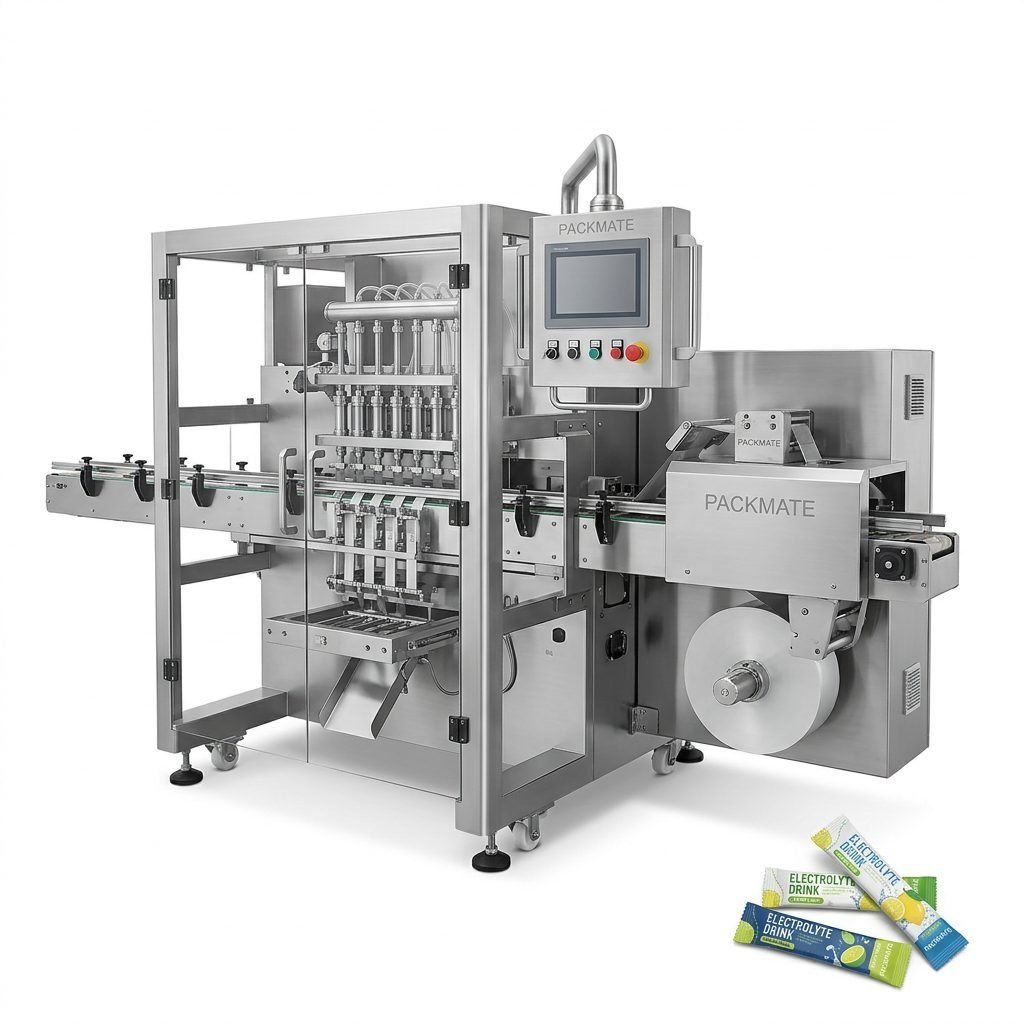
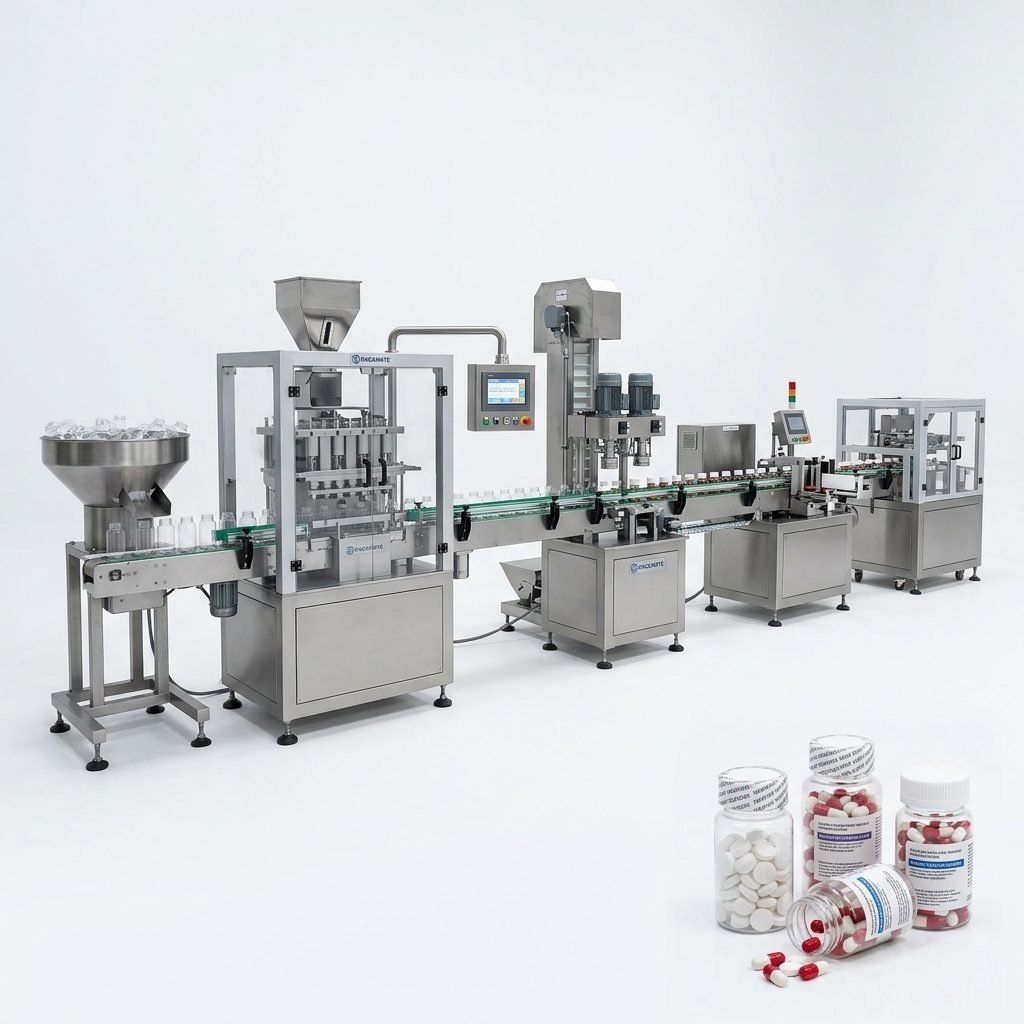
In today’s fast-paced consumer market, efficient and reliable packaging is crucial for product success. Premade pouch packaging machines have emerged as a vital solution for businesses looking to enhance their packaging operations, offering speed, consistency, and versatility. This comprehensive guide delves into the world of premade pouch packaging, exploring its mechanisms, benefits, applications, and key considerations for implementation.
Understanding Premade Pouch Packaging Machines
A premade pouch packaging machine is an automated system designed to fill and seal pre-formed, ready-to-use pouches. Unlike form-fill-seal (FFS) machines that create pouches from a roll of film, these machines utilize pouches that are manufactured separately. This process is ideal for products requiring specific pouch materials, complex shapes, or high-quality printed graphics that are pre-applied to the pouch.
Core Function: The primary function is to automate the sequence of pouch feeding, opening, precise filling, and hermetic sealing. This automation significantly reduces labor costs, minimizes human error, and ensures a hygienic packaging environment, which is paramount in industries like food and pharmaceuticals.
Key Components and Workflow
The operation of a standard premade pouch machine follows a meticulous sequence. It begins with a pouch feeder that orients and separates individual pouches from a stack. A pouch opener, often using suction cups or mechanical fingers, then gently opens the pouch mouth. The product is dispensed into the pouch via a filling system, which can be volumetric, auger-based, or liquid pump, depending on the product type.
Following filling, the pouch is transferred to the sealing station. Here, the open mouth of the pouch is cleaned (often with nitrogen gas flushing for freshness) and then sealed using heat or ultrasonic technology to create a strong, airtight closure. Finally, the finished pouch is discharged for collection or downstream processing, such as cartoning.
Advantages of Using Premade Pouch Machines
Choosing a premade pouch system offers distinct competitive advantages for modern production lines.
- Superior Print Quality: Since pouches are pre-printed offline using high-resolution techniques like gravure or flexographic printing, the graphic quality, color vibrancy, and brand presentation are far superior to typical on-the-bag printing done by FFS machines.
- Material Flexibility: These machines can handle a wider range of complex laminate structures, including those with aluminum foil layers for high barrier properties, stand-up pouches (SUPs), spouted pouches, and zipper pouches. Explore our range of capable Bag & Pouch Packaging Machines.
- Reduced Changeover Time: Switching between different pouch sizes or designs often only requires adjusting the feeder and guides, which is generally faster than changing the entire film reel and forming tools on an FFS machine.
- High Efficiency for Complex Pouches: They are exceptionally efficient for handling pre-made pouches with added features like spouts, caps, or zippers, which are difficult to form in-line at high speeds.
Industries and Applications
The versatility of premade pouches makes them suitable for a vast array of products. In the food and beverage industry, they are used for snacks, coffee, dried fruits, sauces, and liquid beverages. The pharmaceutical and healthcare sector relies on them for medical powders, saline solutions, and diagnostic kits due to the excellent barrier properties and sterility assurance. Other applications include pet food, cosmetics, hardware, and agricultural chemicals.
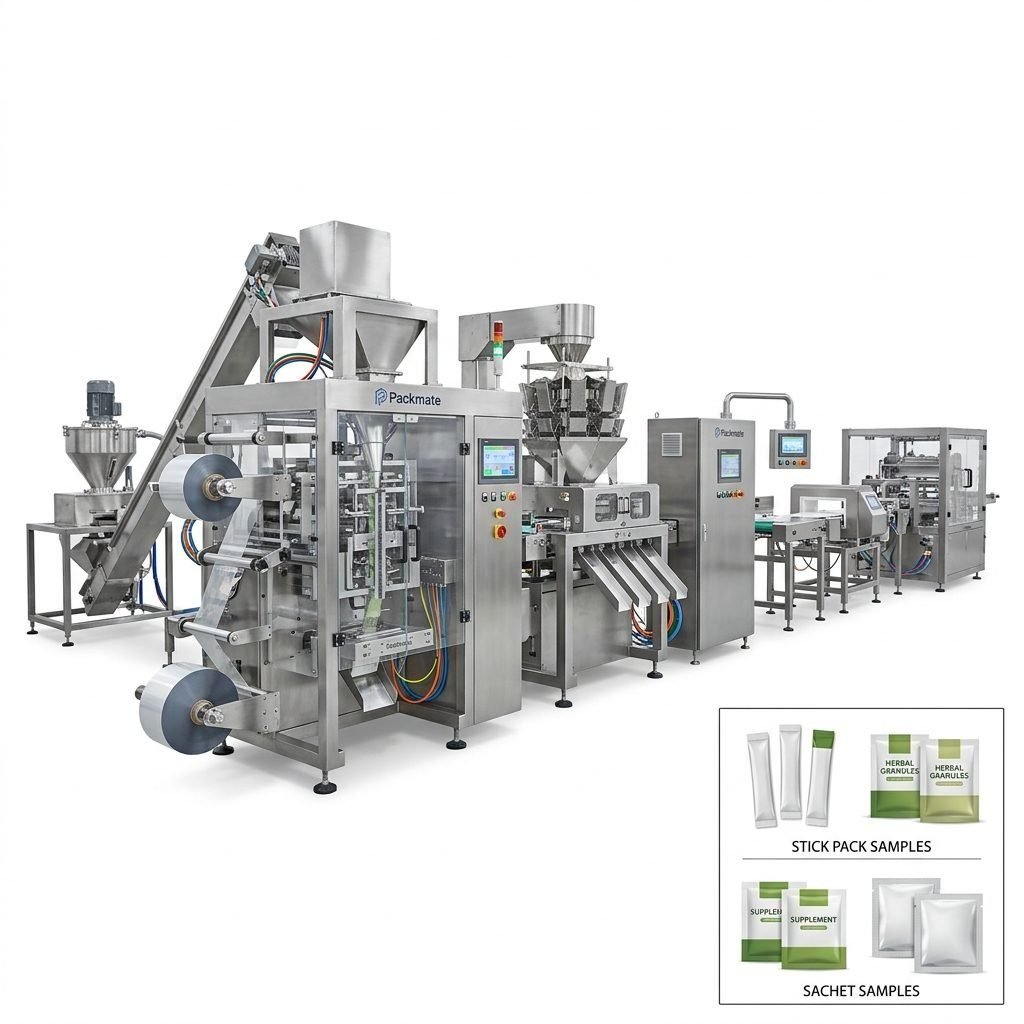
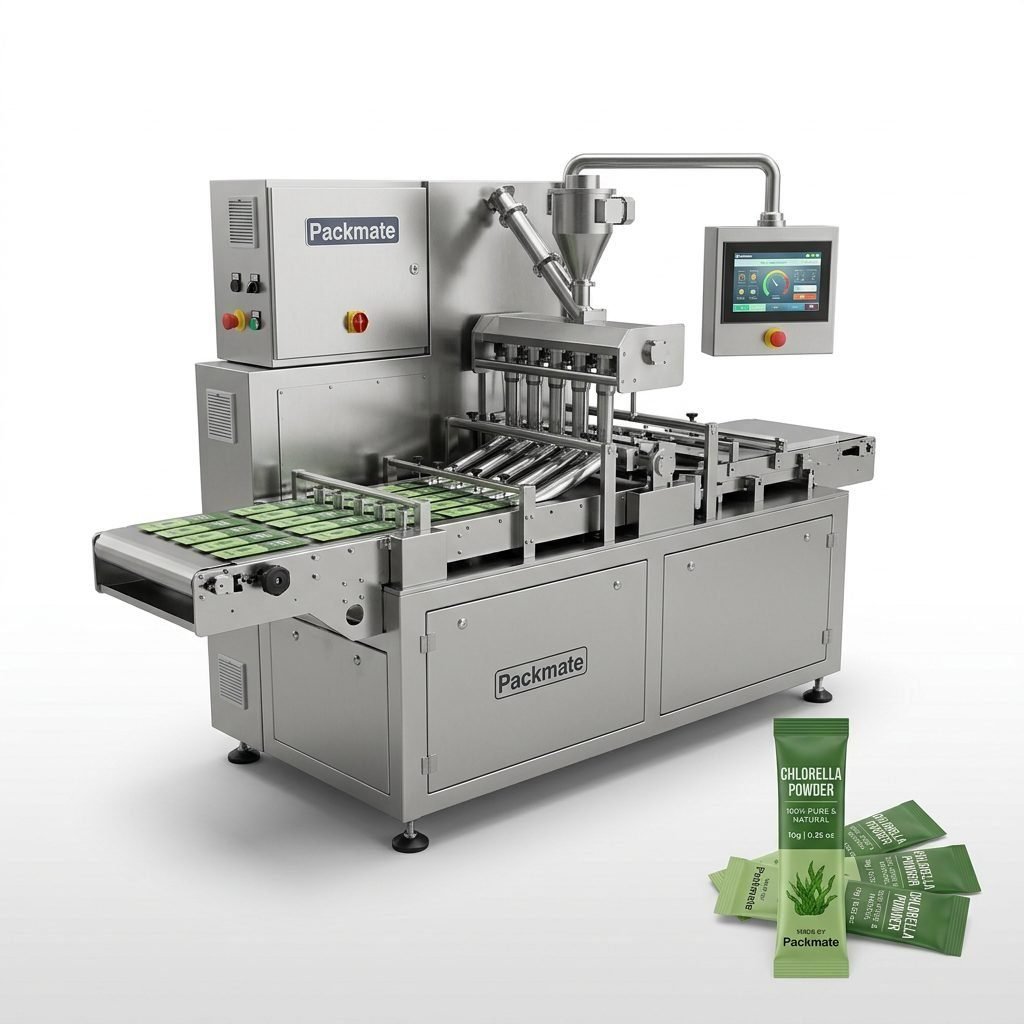
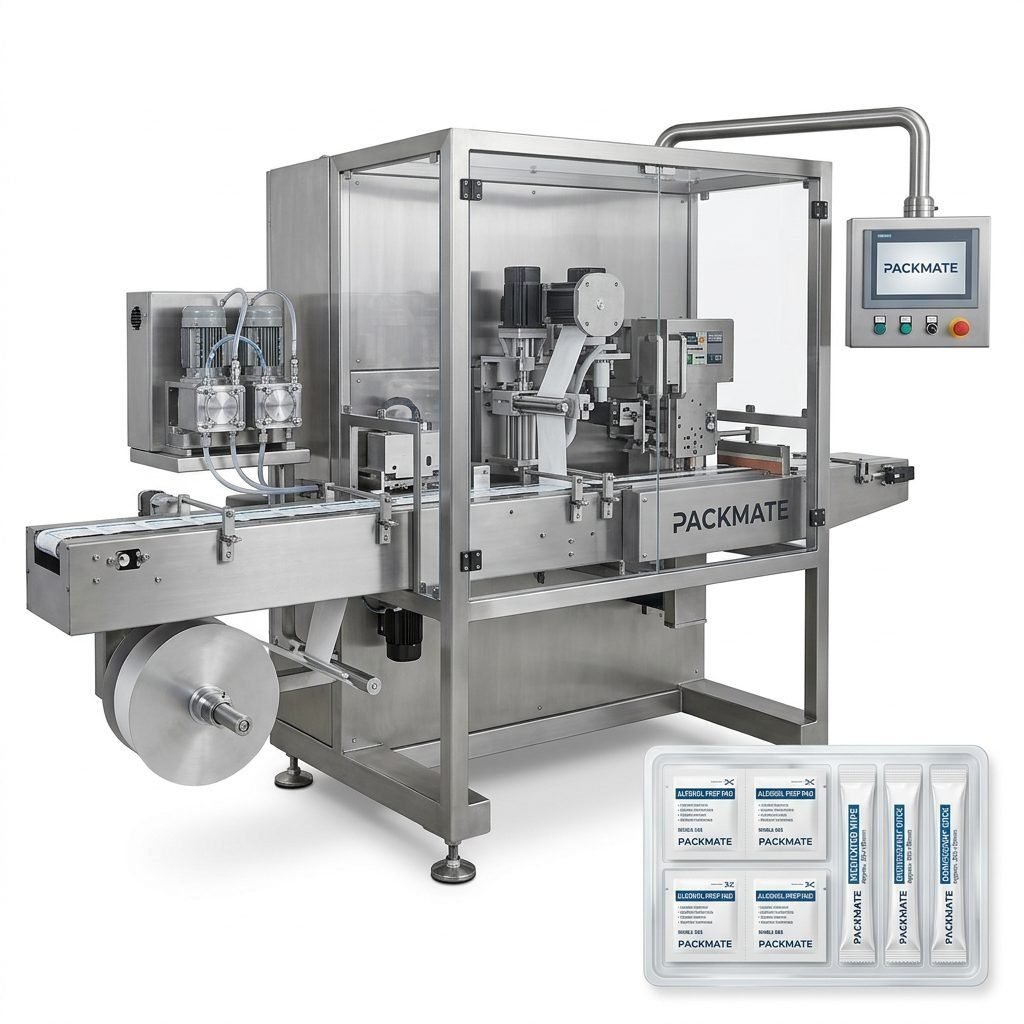
For businesses dealing with smaller unit doses, such as condiments, supplements, or pharmaceutical powders, integrating a sachet and stick pack machine into the production ecosystem can provide a complete packaging portfolio.
Selecting the Right Machine: Critical Factors
Investing in a premade pouch packaging machine requires careful analysis of your specific needs. Consider the following:
Pouch Specifications: Define the size range (length, width, gusset), material type (PET/AL/PE, CPP), and special features (spout, zipper) of your pouches.
Product Characteristics: The nature of your product—whether it’s a free-flowing powder, granule, viscous liquid, or solid piece—determines the type of filling system required (e.g., auger filler, pump filler, volumetric cup).
Production Speed (Output): Required output in pouches per minute (PPM) is a primary driver of machine selection and cost.
Automation Level: Decide between semi-automatic (manual pouch loading) and fully automatic (integrated with pouch unscramblers and cartoners) systems based on your labor and output goals.
Partnering with an experienced manufacturer like Packmate Machinery ensures you get a machine tailored to your exact requirements, backed by deep industry expertise.
Integration and Future Trends
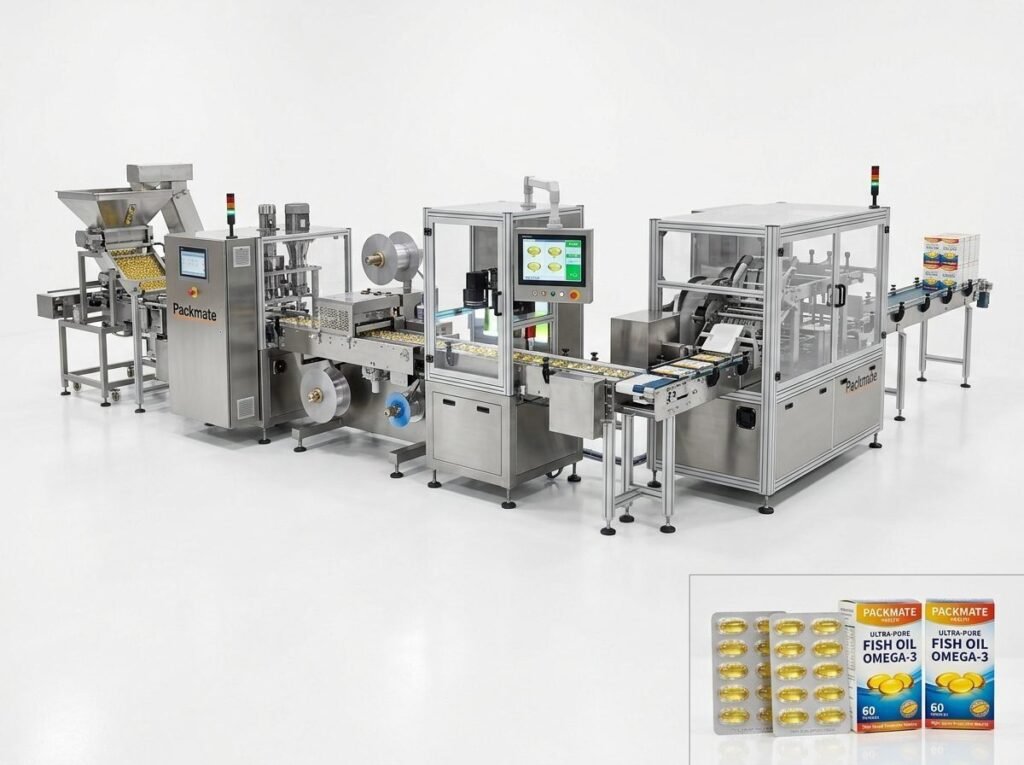
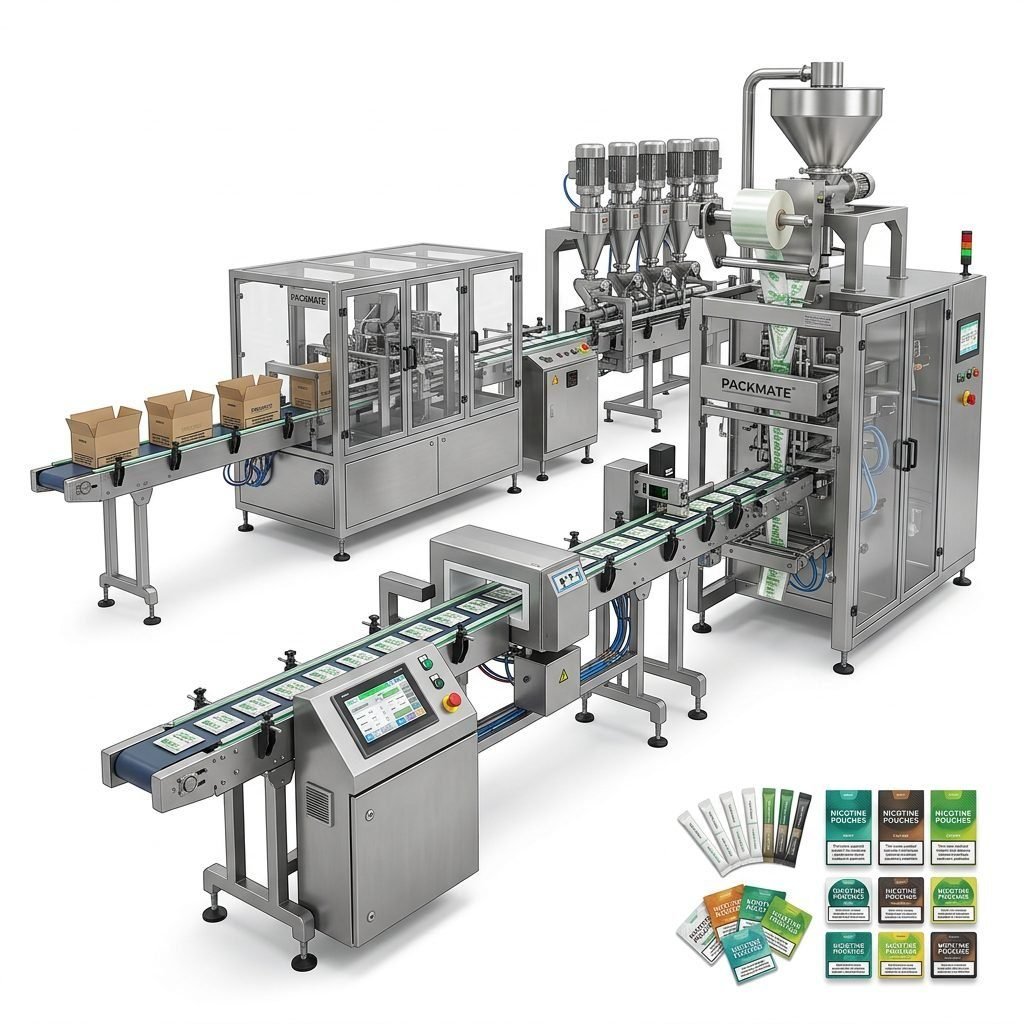
A premade pouch machine rarely operates in isolation. It is typically integrated into a complete packaging line, which may include upstream equipment like product conveyors and feeders, and downstream systems like checkweighers, metal detectors, and cartoning machines. This integration is crucial for achieving a seamless, high-throughput operation.
Looking ahead, trends are shaping the future of this technology. The integration of Industry 4.0 principles, such as IoT sensors for predictive maintenance and real-time production data monitoring, is becoming standard. There is also a strong push towards sustainability, with machines being adapted to handle recyclable or compostable mono-material pouch structures. Furthermore, demand for greater flexibility to handle smaller batch sizes and a wider variety of pouch styles on a single machine is on the rise.
For comprehensive solutions that encompass weighing, filling, and sealing, our Filling & Packaging Lines offer engineered systems for end-to-end efficiency.
Frequently Asked Questions (FAQ)
1. What is the main difference between a premade pouch machine and a form-fill-seal (FFS) machine?
The fundamental difference lies in the pouch source. A premade pouch machine uses already manufactured, pre-printed pouches. An FFS machine creates the pouch from a roll of flat film, forms it into a shape, fills it, and seals it—all in one continuous process. Premade pouch machines offer better print quality and handle complex materials, while FFS machines can be more cost-effective for simple, high-volume applications.
2. What types of products are NOT suitable for premade pouch packaging?
Products that are extremely bulky, heavy (typically over several kilograms), or require an entirely rigid container may not be suitable. Additionally, products that are highly abrasive and could damage the pouch material from the inside might pose a challenge. The economic feasibility for very low-cost, commodity products is also a consideration, as the cost of pre-made pouches can be higher than roll film.
3. How do I ensure the sealing integrity of my pouches?
Sealing integrity depends on three key factors: machine parameters (correct temperature, pressure, and dwell time), pouch material (having a compatible sealant layer), and cleanliness (ensuring the sealing jaws and pouch mouth are free of product contamination). Reputable manufacturers provide precise parameter settings and validation protocols. Regular maintenance and seal integrity testing (e.g., burst tests, dye tests) are essential.
4. Can one machine handle different sizes and styles of pouches?
Yes, most modern premade pouch machines are designed with changeover capabilities. By changing parts like the pouch feeder nest, guides, and sometimes the filling head, a single machine can accommodate a range of pouch sizes within its designed maximum and minimum dimensions. However, switching between vastly different styles (e.g., a flat pouch to a spouted pouch) may require more significant change parts and downtime.
5. What kind of support should I expect from the machine supplier?
A reliable supplier should offer comprehensive support, including detailed installation and training at your facility, thorough operational and maintenance documentation, readily available spare parts, and accessible technical support for troubleshooting. Many, like Packmate Machinery, also offer after-sales service contracts to ensure long-term machine performance and uptime.