The Indian packaging machinery market is experiencing a dynamic transformation, fueled by rapid economic growth, a burgeoning consumer class, and a deep-rooted cultural emphasis on presentation and preservation. In a country where festivals like Diwali see a massive exchange of beautifully packaged sweets and gifts, and where the tradition of ‘mithai’ (sweets) distribution relies heavily on secure and attractive packaging, the demand for efficient and versatile machinery is not just industrial—it’s cultural. This unique blend of ancient tradition and modern consumption is driving innovation and investment across the sector.
Current Market Landscape and Key Drivers
The market is characterized by a mix of established international players and a growing number of domestic manufacturers. Key drivers propelling growth include the expansion of the fast-moving consumer goods (FMCG), pharmaceutical, and food processing industries. Government initiatives like ‘Make in India’ and the Production Linked Incentive (PLI) scheme are also providing significant impetus, encouraging local manufacturing and reducing dependency on imports.
Furthermore, the rise of e-commerce has created an unprecedented need for durable, cost-effective, and scalable packaging solutions. The Indian consumer’s increasing awareness of hygiene, product safety, and sustainability is pushing brands to adopt advanced packaging technologies that ensure integrity and minimize waste.
Dominant Trends Shaping the Industry
Several powerful trends are defining the future trajectory of packaging machinery in India:
Automation and Smart Technology: There is a strong shift from semi-automatic to fully automatic machines. Integration of IoT (Internet of Things) for predictive maintenance, real-time monitoring, and data analytics is becoming a key differentiator. Manufacturers seek machinery that offers higher speed, precision, and lower downtime.
Sustainability and Flexible Packaging: In response to environmental concerns and stricter regulations, demand is soaring for machinery that can handle recyclable, biodegradable, and mono-material films. Machines capable of efficient pouch packaging for stand-up bags, spouted pouches, and other flexible formats are particularly sought after, as they reduce material usage and logistics costs.
Hybrid and Versatile Machines: To cater to India’s diverse and fragmented market, manufacturers value machinery that offers flexibility. Machines that can handle multiple product types (powders, granules, liquids) and quickly switch between package sizes or formats are gaining popularity, providing excellent return on investment for small and medium enterprises.
Segmentation and Growth Areas
The market can be segmented by machine type, with notable growth in specific areas:
Filling and Sealing Machines: This remains the largest segment, essential for industries like food, beverages, and pharmaceuticals. High-speed liquid fillers and powder fillers are in constant demand.
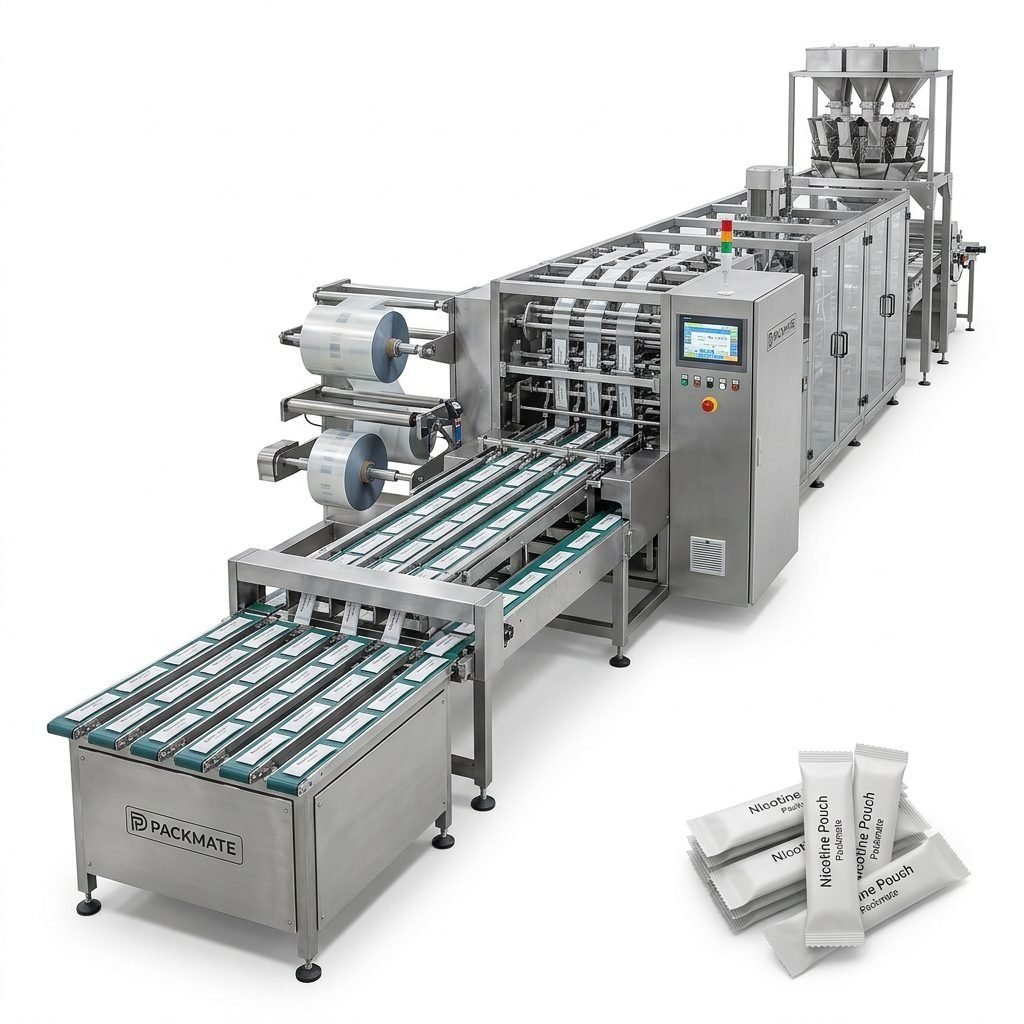
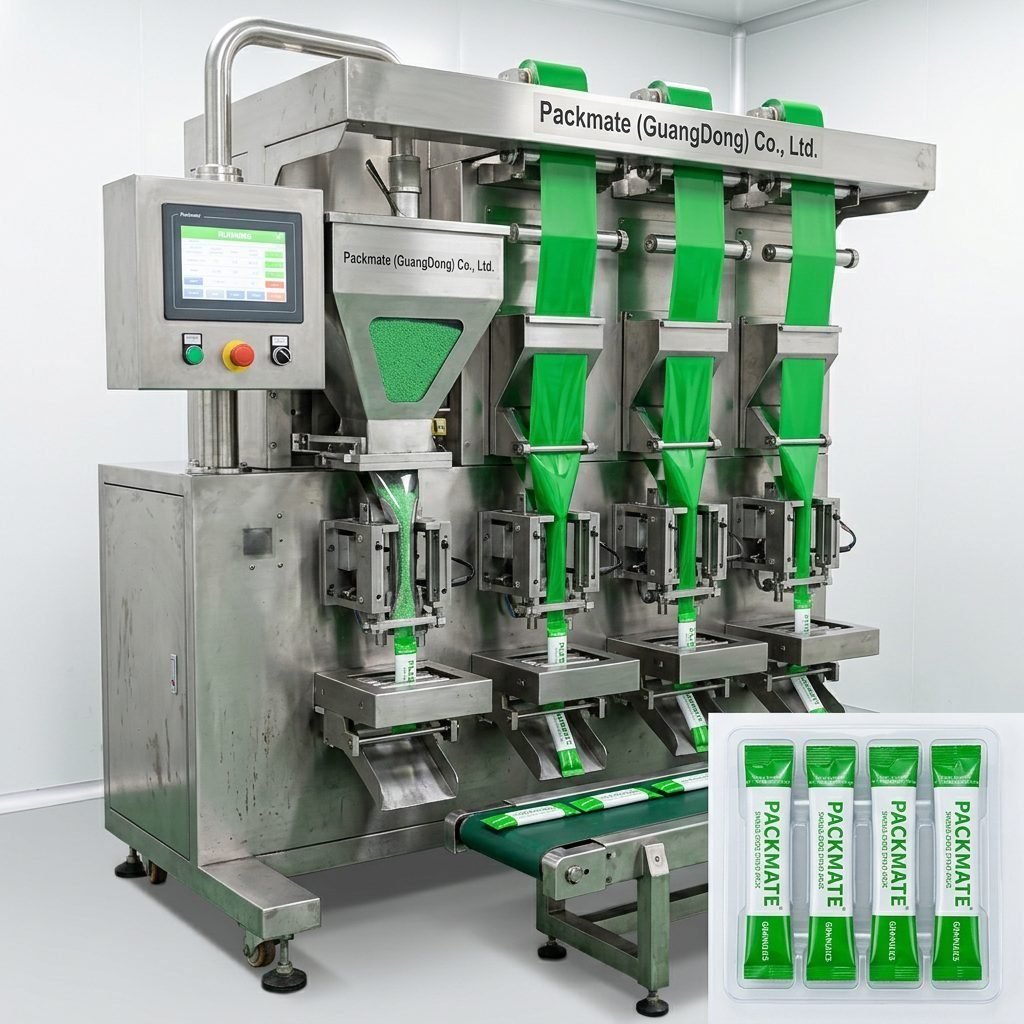
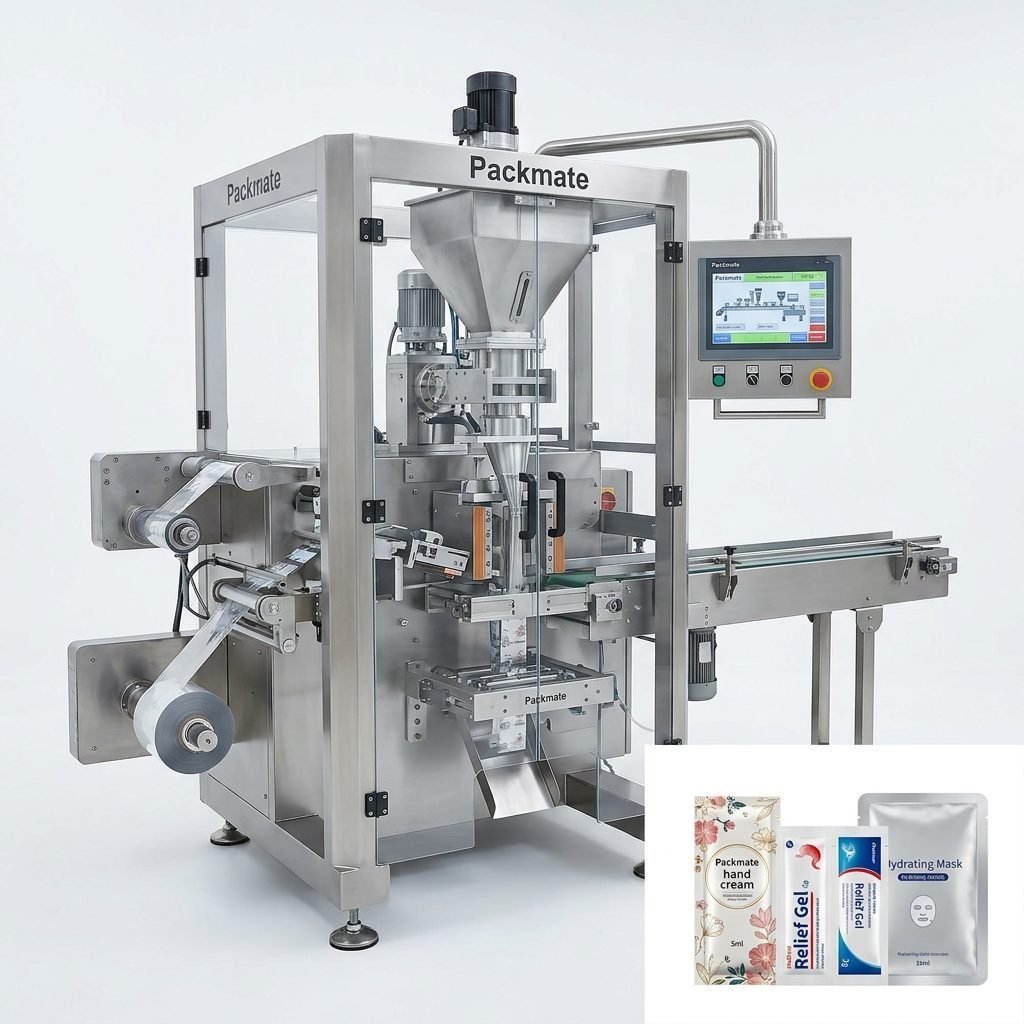
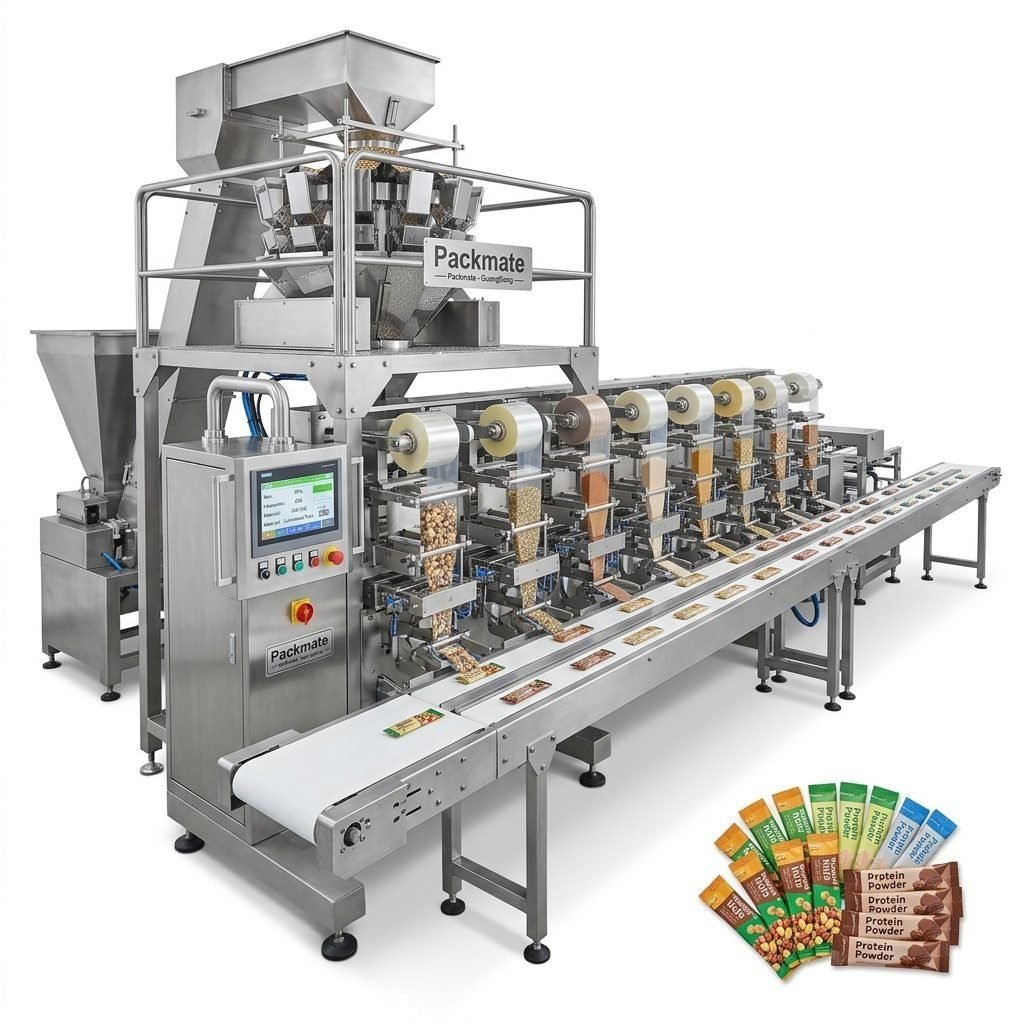
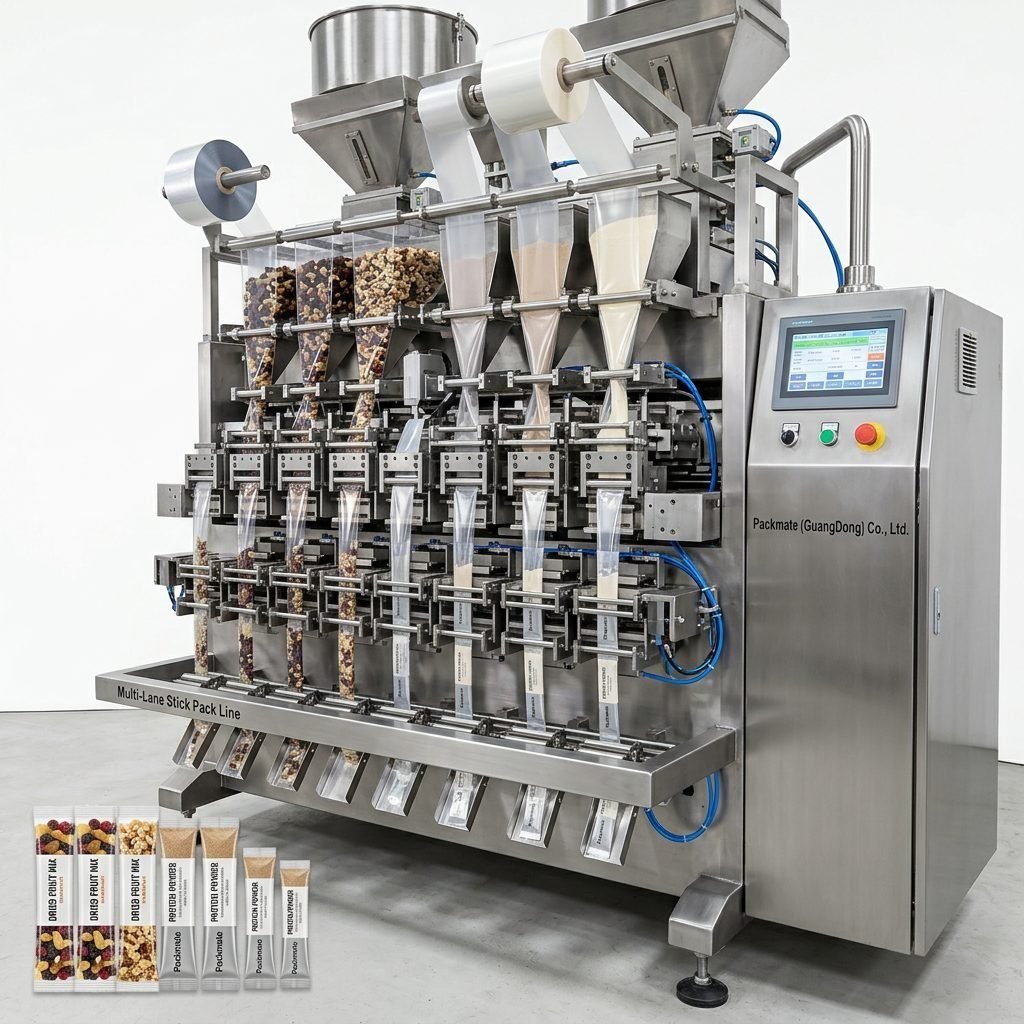
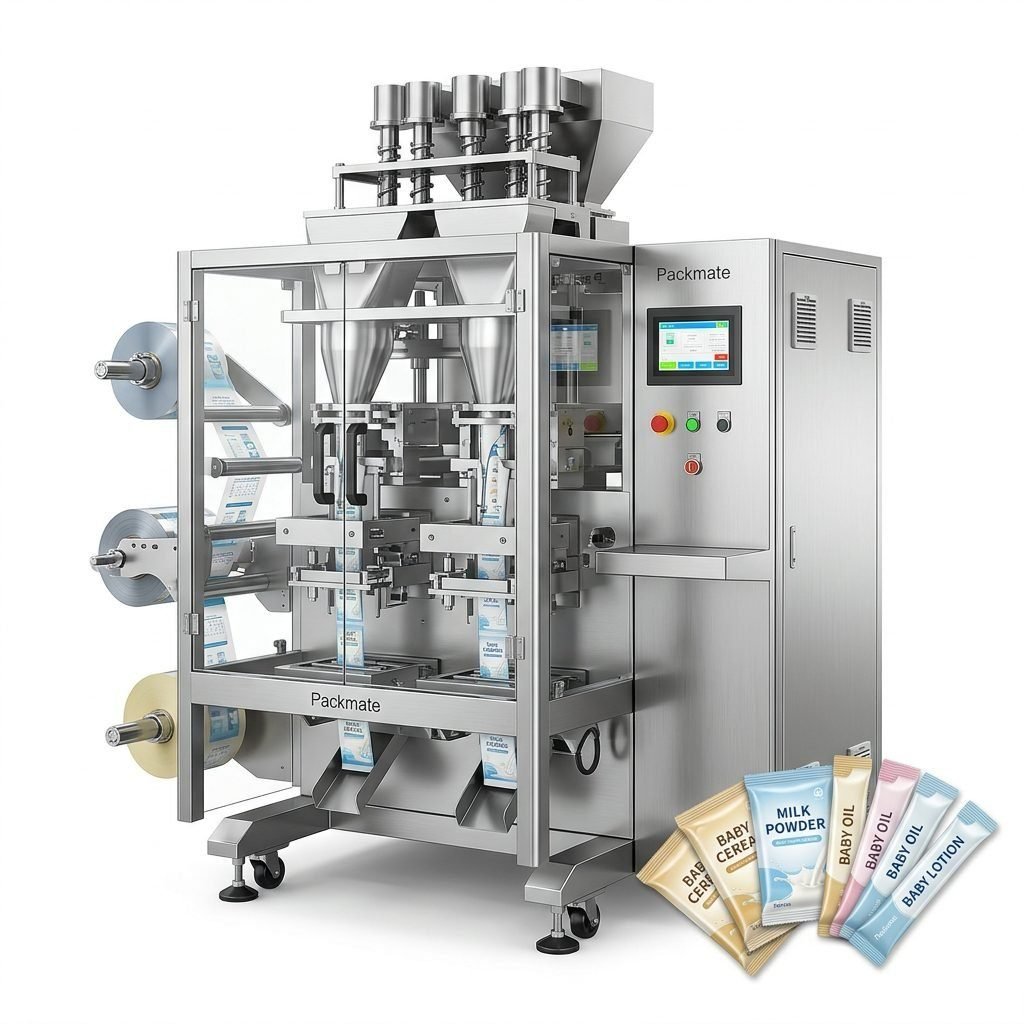
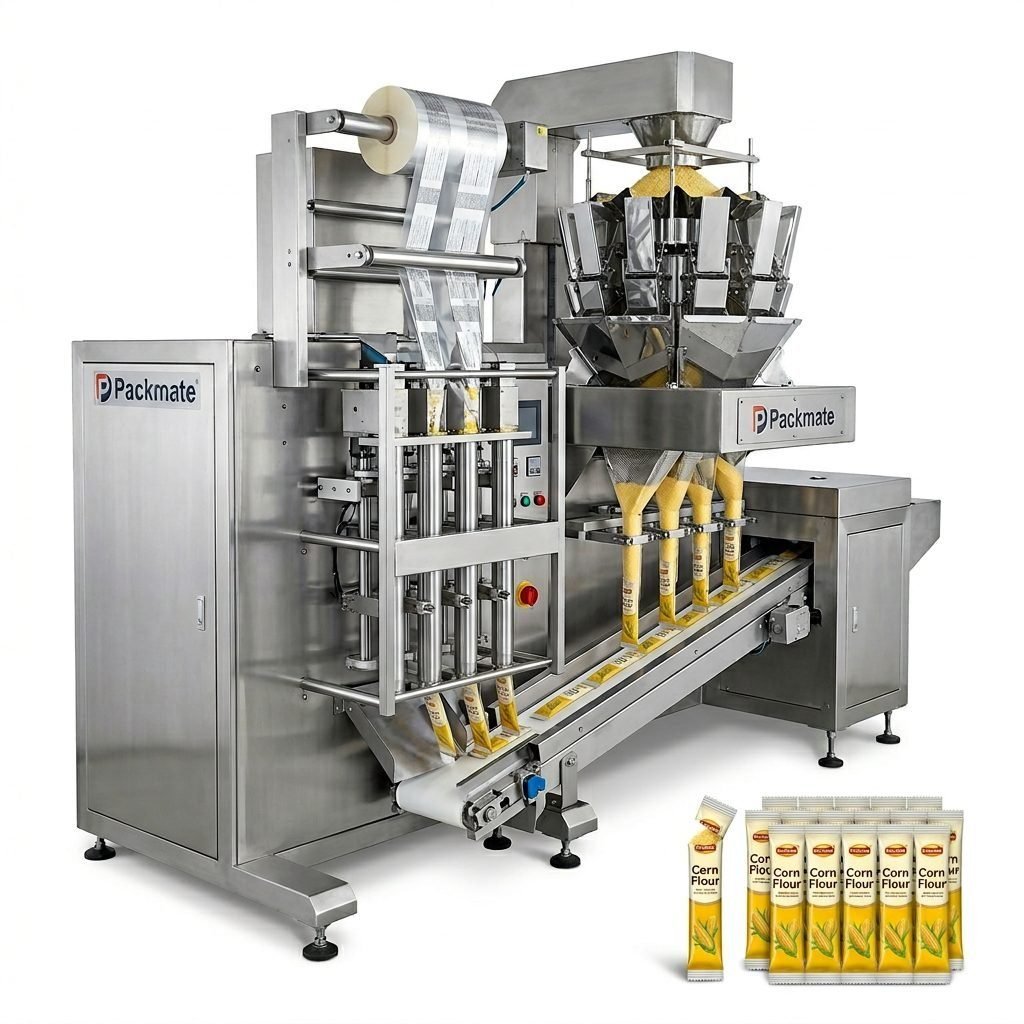
Form-Fill-Seal (FFS) Machines: The workhorses of modern packaging, especially vertical form-fill-seal (VFFS) machines, are crucial for producing a wide variety of sachets, stick packs, and pouches. The demand for affordable, single-serve packaging—a perfect fit for India’s price-sensitive market—makes sachet and stick pack machines a high-growth niche.
Labeling and Coding Equipment: With stringent regulations in pharma and food, and the need for traceability, automated labeling and high-resolution coding machines are becoming standard requirements in integrated packaging lines.
Challenges and the Road Ahead
Despite the optimistic outlook, the industry faces hurdles. The high initial capital investment for advanced machinery can be a barrier for small players. There is also a need for a more skilled workforce to operate and maintain sophisticated equipment. Furthermore, infrastructure gaps in power supply and logistics can affect operational efficiency in some regions.
However, the future is bright. The convergence of digitalization, sustainability, and customization will be the cornerstone of growth. Manufacturers who offer robust after-sales service, training, and adaptable solutions will thrive. The Indian market’s unique characteristic—serving both the premium, brand-conscious urban consumer and the vast, value-seeking rural population—requires a nuanced approach to machinery design and functionality.
The Role of Established Manufacturers
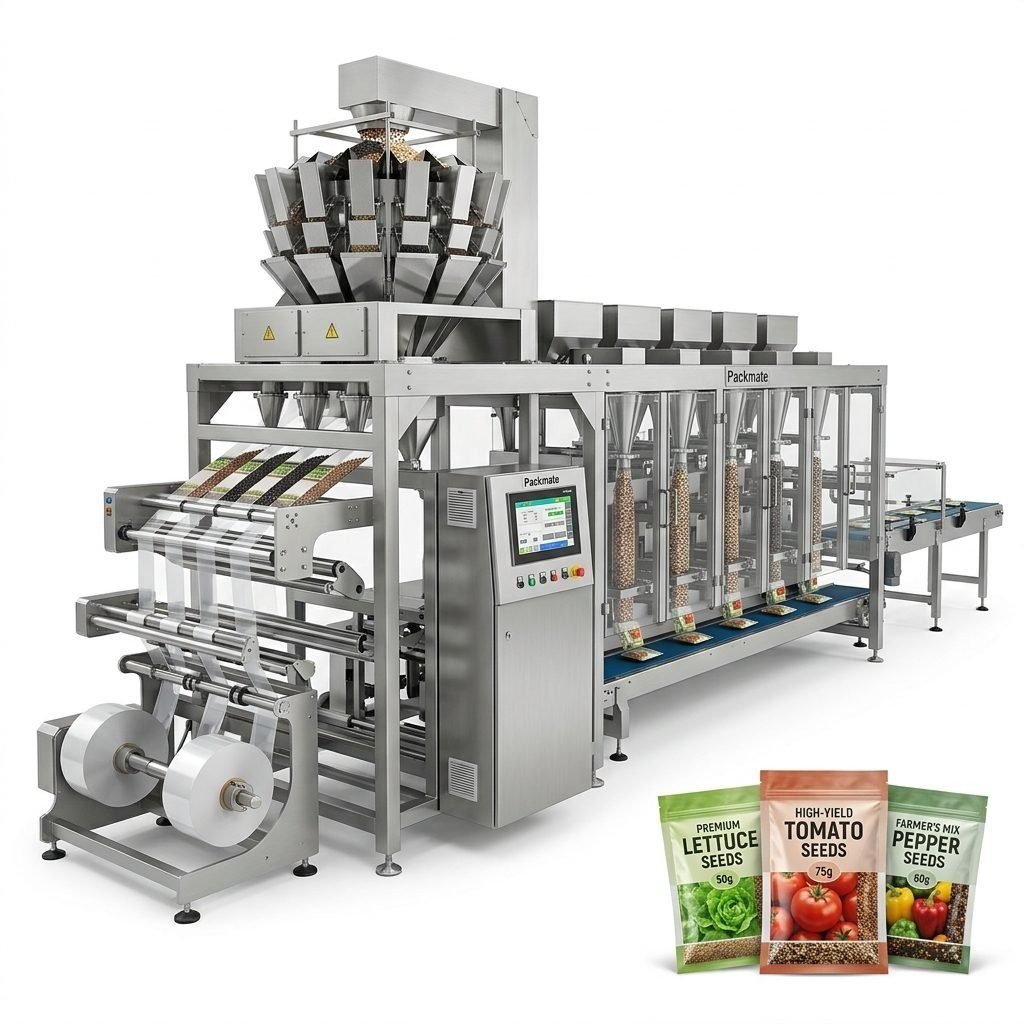
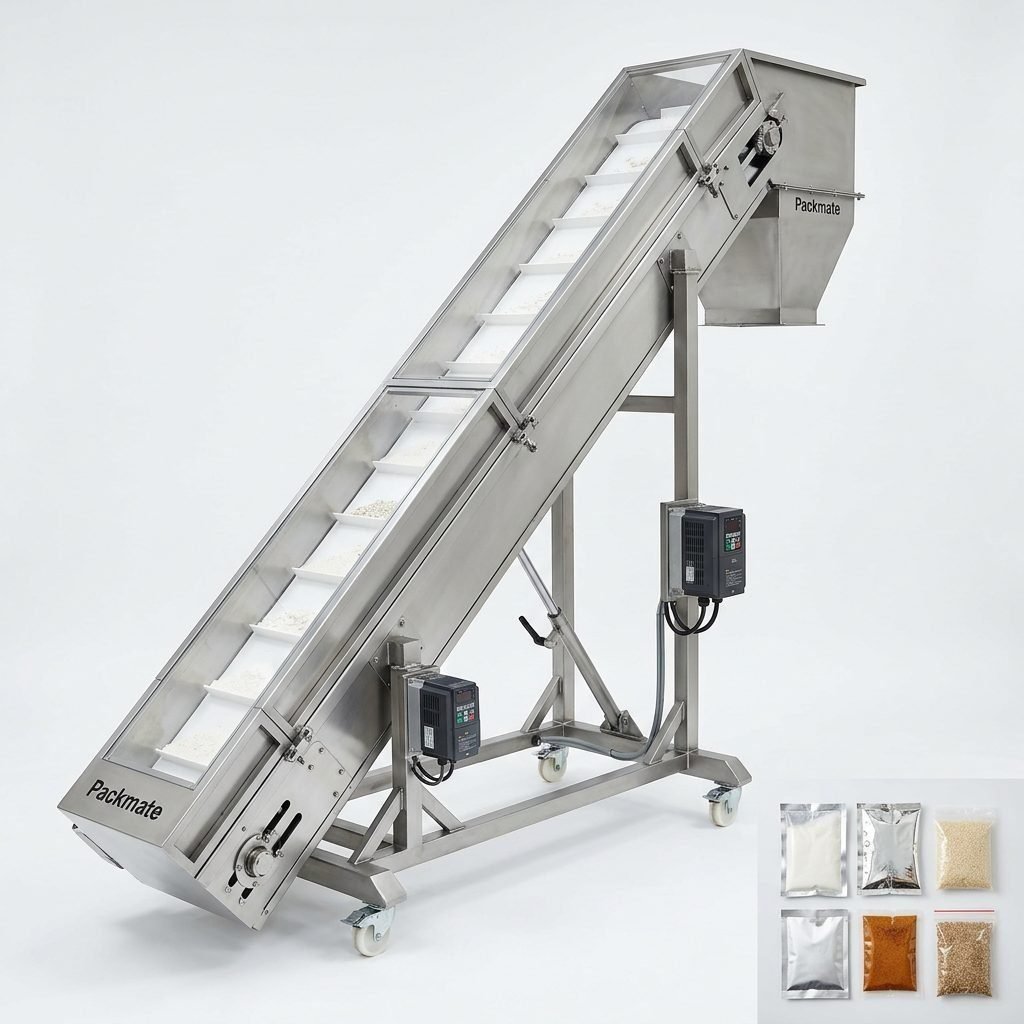
In this complex landscape, experienced manufacturers play a pivotal role. Companies with a deep understanding of global trends and local nuances can bridge the technology gap. For instance, a manufacturer like Packmate Machinery, with over two decades of experience, exemplifies how focused expertise can meet market demands. By offering a range from basic sachet machines to complete, intelligent weighing and packaging systems, such companies provide scalable solutions that grow with their clients’ businesses, ensuring reliability and innovation align with India’s packaging evolution.
Frequently Asked Questions (FAQs)
What are the most in-demand packaging machines in India currently?
Vertical Form-Fill-Seal (VFFS) machines for pouches and sachets, automatic liquid filling machines, and high-speed labeling equipment are among the most sought-after. The demand is particularly strong for machines that support sustainable flexible packaging and offer quick changeover for small batch production.
How is the ‘Make in India’ initiative affecting the packaging machinery sector?
The initiative is encouraging more domestic manufacturing of packaging machinery, reducing import costs and lead times. It is fostering collaborations and technology transfers, leading to more competitively priced and locally serviceable equipment tailored to Indian industry needs.
What should I consider when choosing a packaging machine supplier for the Indian market?
Key factors include: the supplier’s after-sales service and spare parts network within India, the machine’s adaptability to local power conditions and raw materials, compliance with Indian standards, and the availability of training for your operators. Proven experience in your specific industry segment is crucial.
Are sustainable packaging solutions a priority for Indian businesses now?
Yes, increasingly so. Consumer awareness, corporate social responsibility goals, and anticipated regulatory pressures are driving businesses to explore recyclable and reduced-plastic packaging. This is directly increasing demand for machinery that can efficiently run these newer, often more challenging, sustainable materials.
What is the future outlook for the Indian packaging machinery market?
The outlook is highly positive, with steady growth projected. The market will be driven by further automation, smart factory integration (Industry 4.0), and solutions that address the dual needs of premiumization in urban centers and affordability in rural markets. Innovation in speed, flexibility, and sustainability will define the next phase of growth.