In today’s competitive manufacturing landscape, optimizing operational costs without sacrificing productivity is a constant challenge. For businesses in the food, pharmaceutical, and health industries, packaging is a critical yet often capital-intensive part of the production line. Purchasing brand-new, state-of-the-art equipment represents a significant upfront investment. This is where the strategic decision to buy used packaging equipment becomes a powerful lever for financial and operational efficiency. It’s not merely a cost-cutting measure; it’s a smart business strategy that can accelerate your ROI, provide immediate capacity, and offer remarkable value.
The Compelling Case for Used Packaging Machinery
The primary and most obvious advantage is substantial cost savings. Used equipment is typically available at a fraction of the price of a new machine, often 30% to 70% less. This dramatically lowers the barrier to entry for startups or allows established companies to expand their production lines, enter new markets, or add secondary packaging capabilities without the heavy capital expenditure. The freed-up capital can be redirected towards marketing, R&D, or inventory.
Beyond the purchase price, used machinery can offer faster deployment. Lead times for custom-built new machines can stretch for months. A quality pre-owned machine is often available immediately or with a much shorter delivery time, allowing you to respond swiftly to market opportunities or urgent production needs. This agility is a competitive advantage in itself.
Key Benefits at a Glance
- Major Capital Cost Reduction: Invest a fraction of the price for similar performance.
- Immediate Availability & Quick ROI: Get production up and running faster, seeing returns sooner.
- Proven Reliability & Performance: The machine has a track record; its capabilities and quirks are known.
- Lower Depreciation: The steepest depreciation hit has already been taken by the first owner.
- Easier Budget Justification: A smaller, more manageable investment is easier to approve.
Maximizing Efficiency with Pre-Owned Equipment
Efficiency isn’t just about speed; it’s about reliability, uptime, and seamless integration. Many used packaging machines from reputable manufacturers are built to last for decades. Companies like Packmate Machinery engineer their equipment with durability and long service life in mind. When you source a used machine from a known brand with a strong support network, you’re acquiring a workhorse with proven performance.
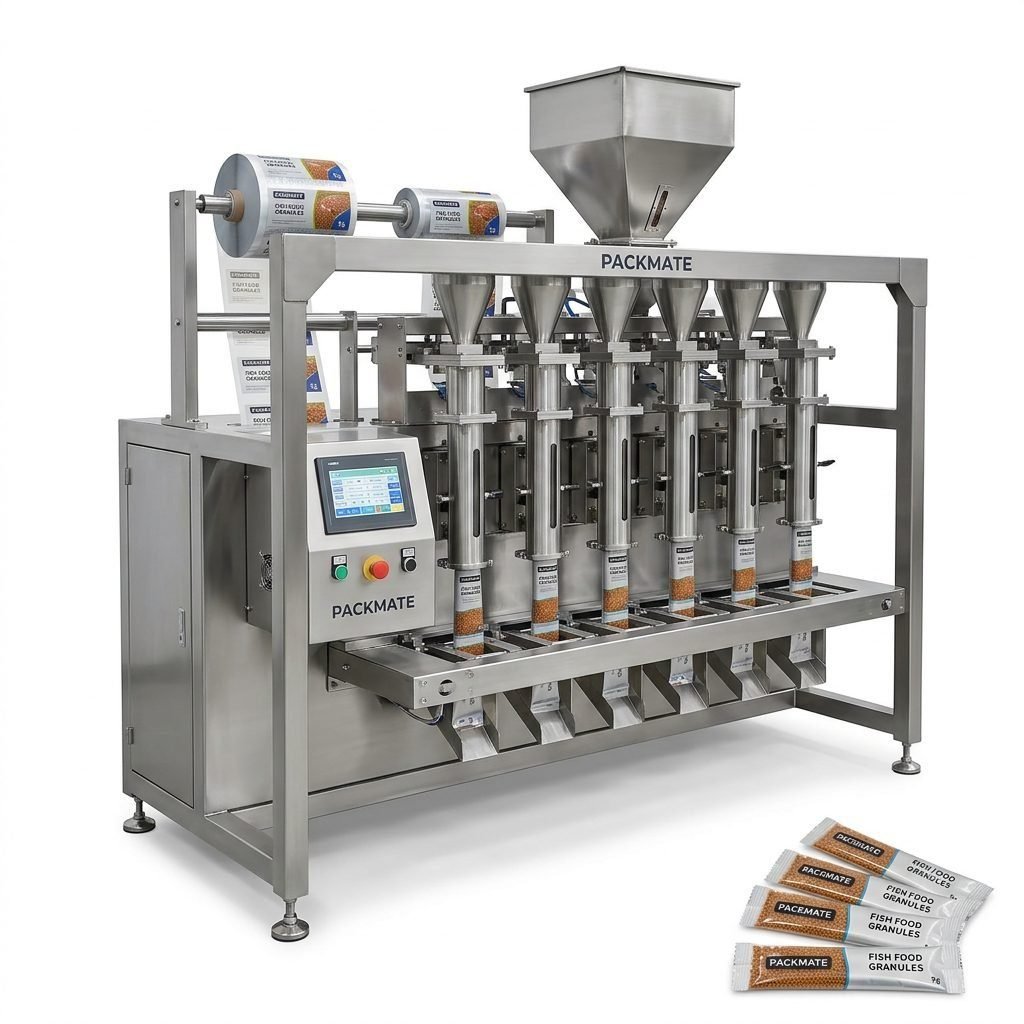
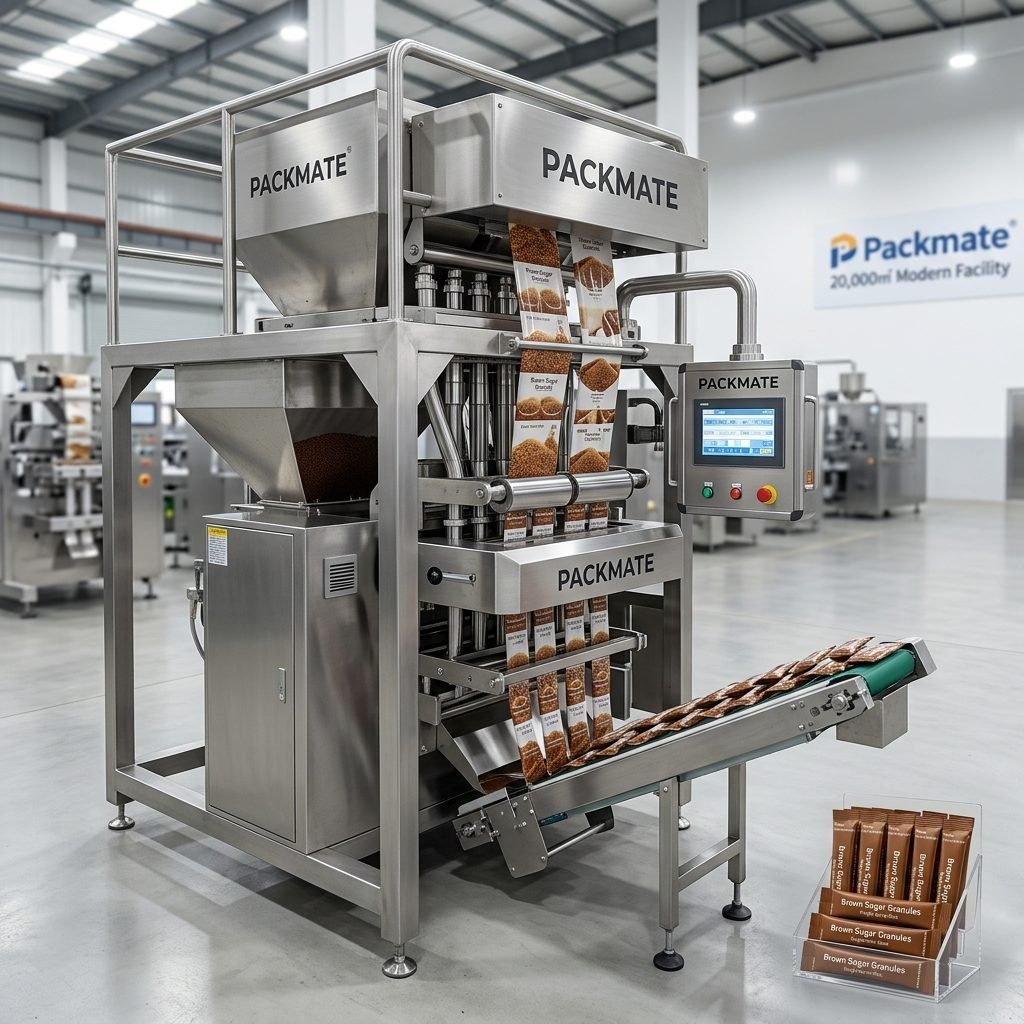
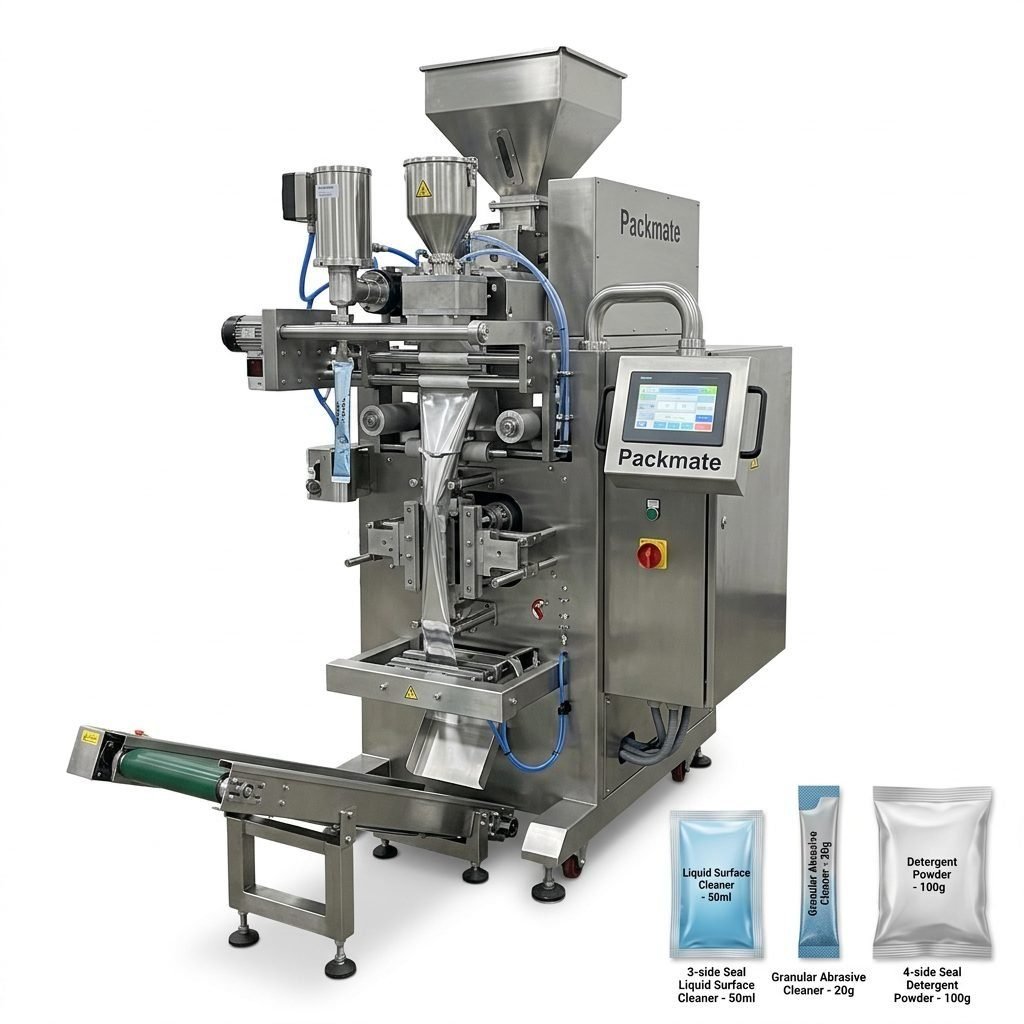
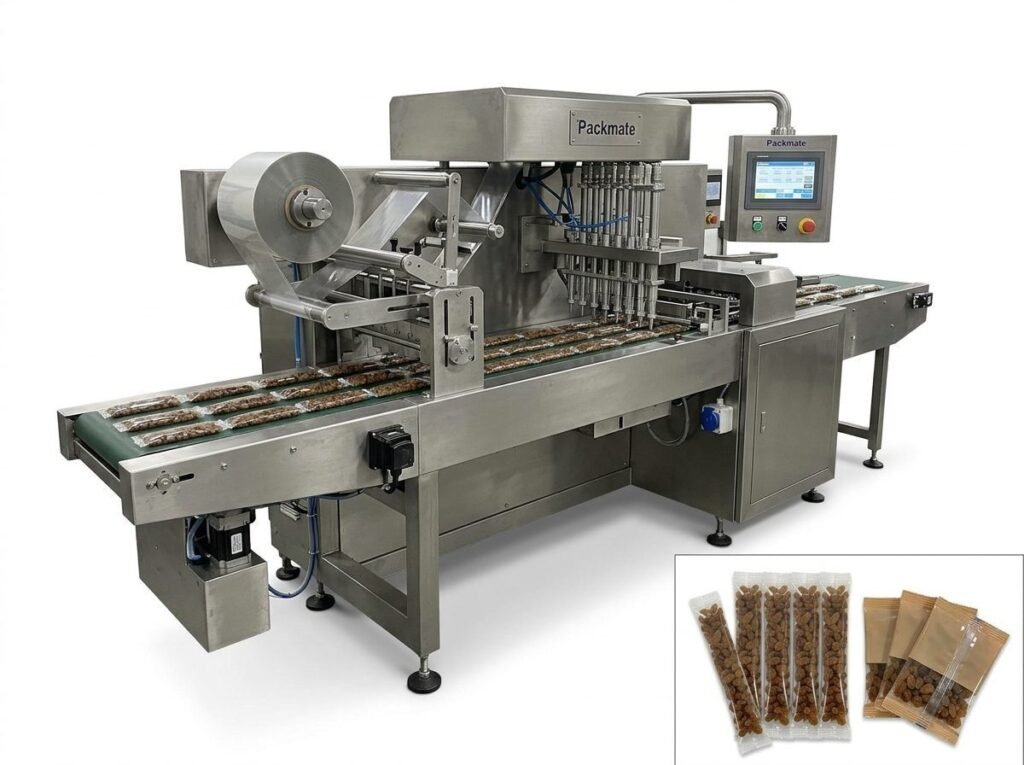
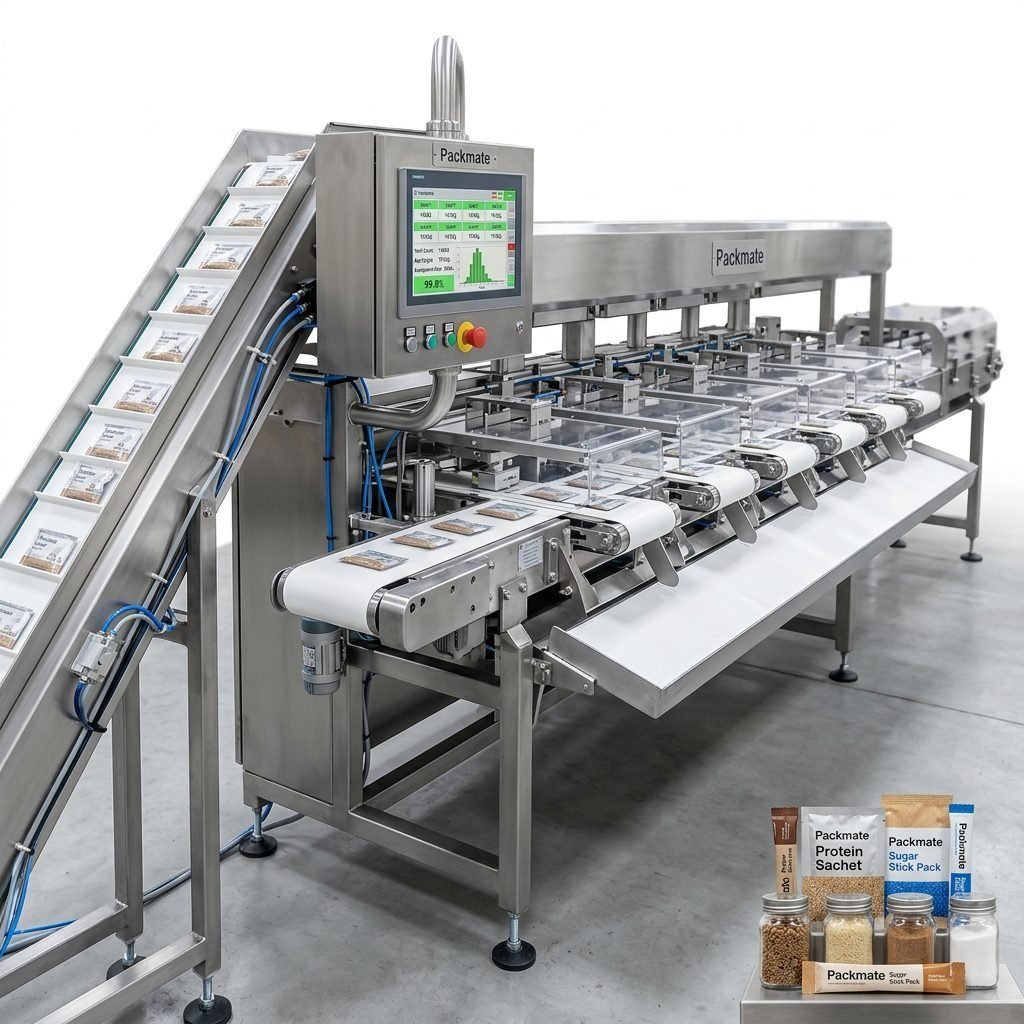
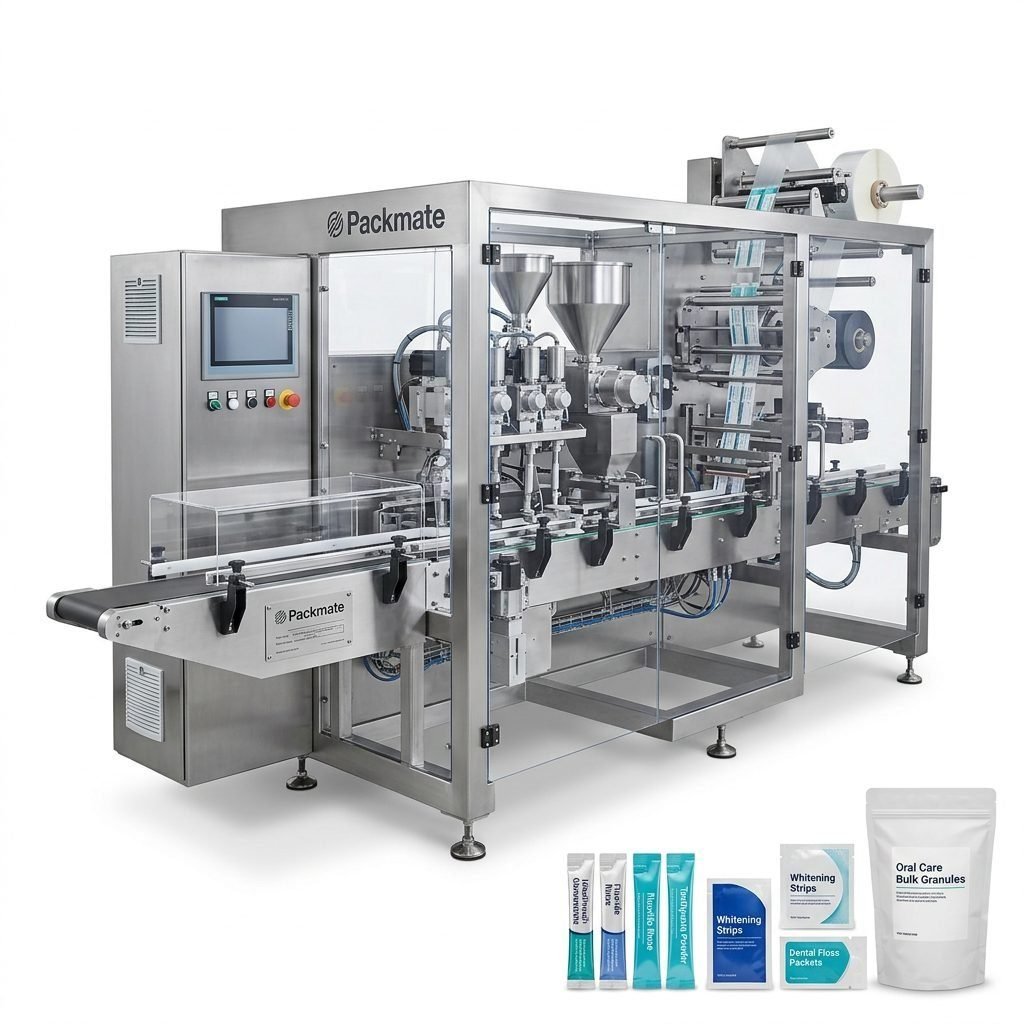
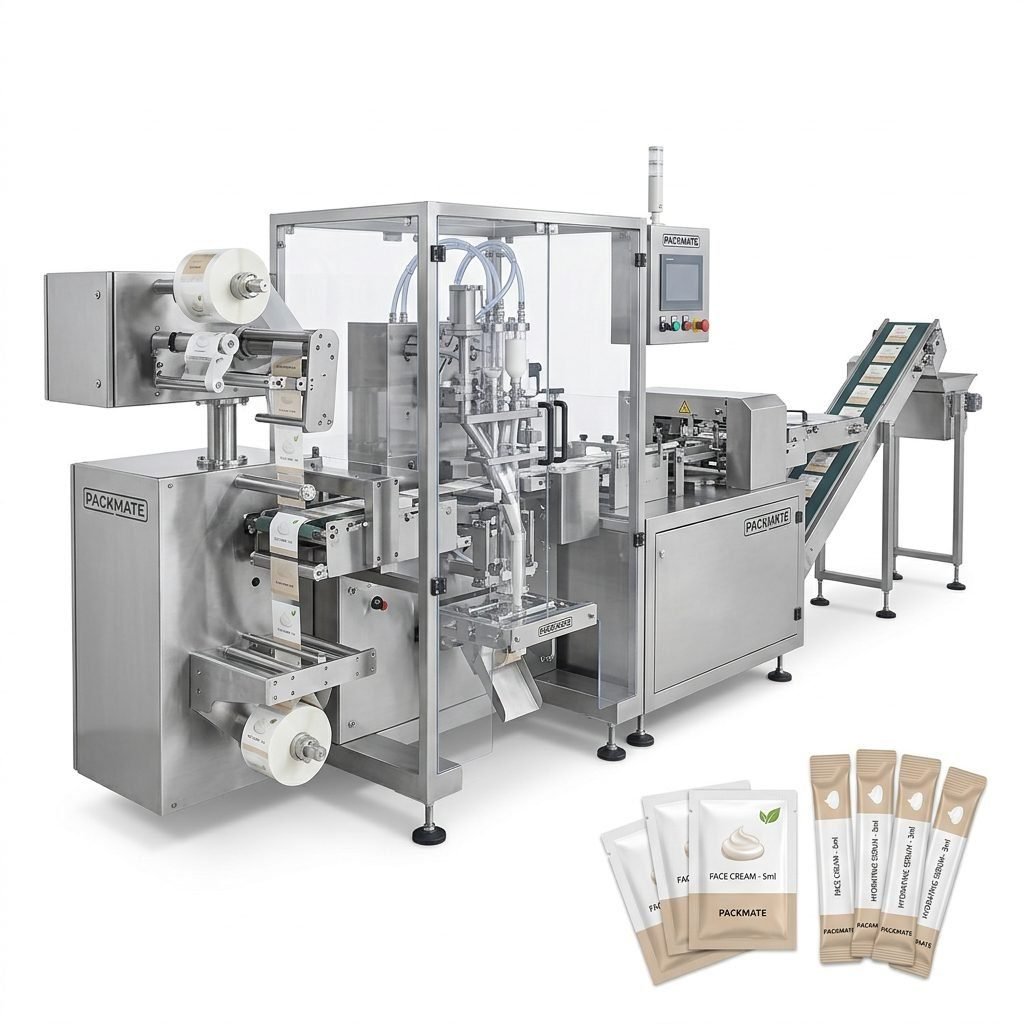
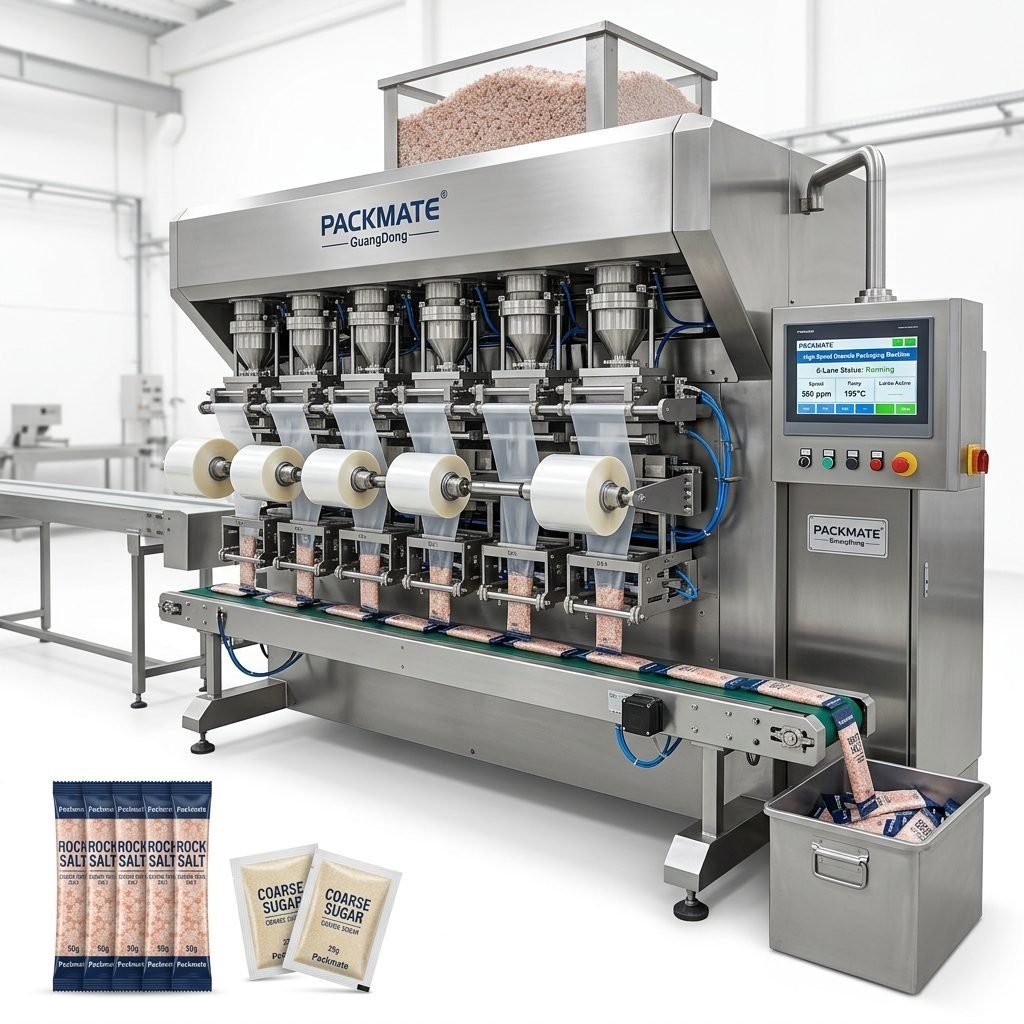
Boosting efficiency also means choosing the right type of machine for your specific product. The used market offers a vast selection, from versatile bag and pouch packaging machines to high-speed, precision sachet and stick pack machines. You can find equipment perfectly suited for your granules, powders, or liquids without paying for unnecessary customizations or the latest features you may not need.
Critical Considerations Before You Buy
To ensure your investment truly boosts efficiency, due diligence is paramount. Never buy blind. Start by thoroughly assessing the machine’s condition. Request detailed inspection reports, maintenance history, and hours of operation. If possible, arrange for a live test run with your own product or a suitable substitute to verify speed, accuracy, and seal integrity.
Investigate parts availability and technical support. A machine is only as good as the service behind it. Ensure that critical spare parts are still manufactured and that there are technicians familiar with the model. Reputable sellers, often the original manufacturers or their authorized dealers, are the safest source. For instance, exploring the product range of an established maker can give you confidence in the underlying engineering of their used models.
Where to Source Reliable Used Packaging Equipment
Finding the right machine requires knowing where to look. The best sources include:
- Original Equipment Manufacturers (OEMs): Many, like Packmate, offer certified pre-owned machines from trade-ins or demo units. These come with refurbishment, warranty, and full support, offering the best peace of mind.
- Specialized Industrial Auction Houses: Ideal for finding deals, especially on lots from plant closures. Requires high expertise to assess condition on-site.
- Reputable Machinery Dealers: Established dealers have networks, inspection capabilities, and often provide limited warranties.
- Direct from Other Companies: Sometimes companies sell equipment directly. This can be a good deal but places the full burden of inspection on you.
Tip: Always prioritize sellers who provide transparency, documentation, and after-sales support over the absolute lowest price.
Integrating Used Equipment into Your Operation
Once purchased, successful integration is key to realizing the promised efficiency gains. Plan for installation, which may require foundation work, utility hookups (electrical, air, gas), and integration with upstream and downstream equipment. Factor in the cost and time for this in your project plan.
Training your operators is non-negotiable. Even if the machine is similar to what you have, differences in control systems or maintenance procedures exist. Proper training ensures safe operation, minimizes downtime, and helps your team achieve optimal output quickly. Don’t overlook preventive maintenance. Start a rigorous PM schedule immediately based on the manufacturer’s guidelines to keep your “new” used machine running reliably for years to come.
The Packmate Assurance: A Legacy of Reliability
When considering used equipment, the manufacturer’s reputation is a huge factor. A company built on a foundation of quality and innovation, like Packmate (GuangDong) Co., Ltd., designs machines that stand the test of time. With over 30 years of expertise and a history that began with a passion for automation in a small workshop, Packmate’s equipment is engineered for durability. Their 20,000㎡ modern facility and development of over 50 machine models speak to a deep commitment to robust engineering. Choosing a used machine from such a lineage means you are investing in a platform known for reliability and performance, making it an excellent candidate for a second productive life in your facility.
Conclusion: A Strategic Path Forward
Buying used packaging equipment is a financially astute and operationally sound strategy for businesses aiming to save costs and boost efficiency. It allows for strategic capital allocation, rapid capacity expansion, and access to proven, reliable technology. By focusing on condition, support, and integration, you can mitigate risks and unlock tremendous value. In an era where agility and smart investment are paramount, the pre-owned machinery market offers a viable and powerful path to strengthening your packaging operations and enhancing your bottom line.
Frequently Asked Questions (FAQ)
1. Is used packaging equipment less reliable than new equipment?
Not necessarily. Reliability depends heavily on the machine’s original build quality, maintenance history, and current condition. A well-maintained used machine from a reputable manufacturer like Packmate can be just as reliable as a new one for many years. The key is thorough inspection and sourcing from a trusted supplier.
2. Can I get technical support and spare parts for a used machine?
This is a critical question to ask before purchasing. Always verify parts availability and support options. OEMs and authorized dealers are the best sources for this. For popular models from major manufacturers, parts are often readily available. For obsolete or niche models, support can be challenging.
3. What is the typical warranty on used packaging equipment?
Warranties vary widely. Private sellers may offer none. Reputable dealers may provide a 30-90 day warranty on critical components. The best coverage comes from OEM-certified pre-owned programs, which can offer warranties similar to new equipment, sometimes up to a year on major parts.
4. How do I ensure the used machine will work with my specific product?
Always request a product test. A credible seller should allow you to run your product (or a close substitute) through the machine to verify weight accuracy, filling consistency, seal quality, and overall performance. Reviewing the machine’s original specifications for compatible products is also essential.
5. Are there hidden costs when buying used equipment?
Potential additional costs can include: rigging and transportation, installation and utility hookup, necessary repairs or reconditioning discovered during inspection, replacement of wear parts (like seals and belts), and operator training. A thorough pre-purchase inspection and a detailed quote from the seller help uncover these costs upfront.