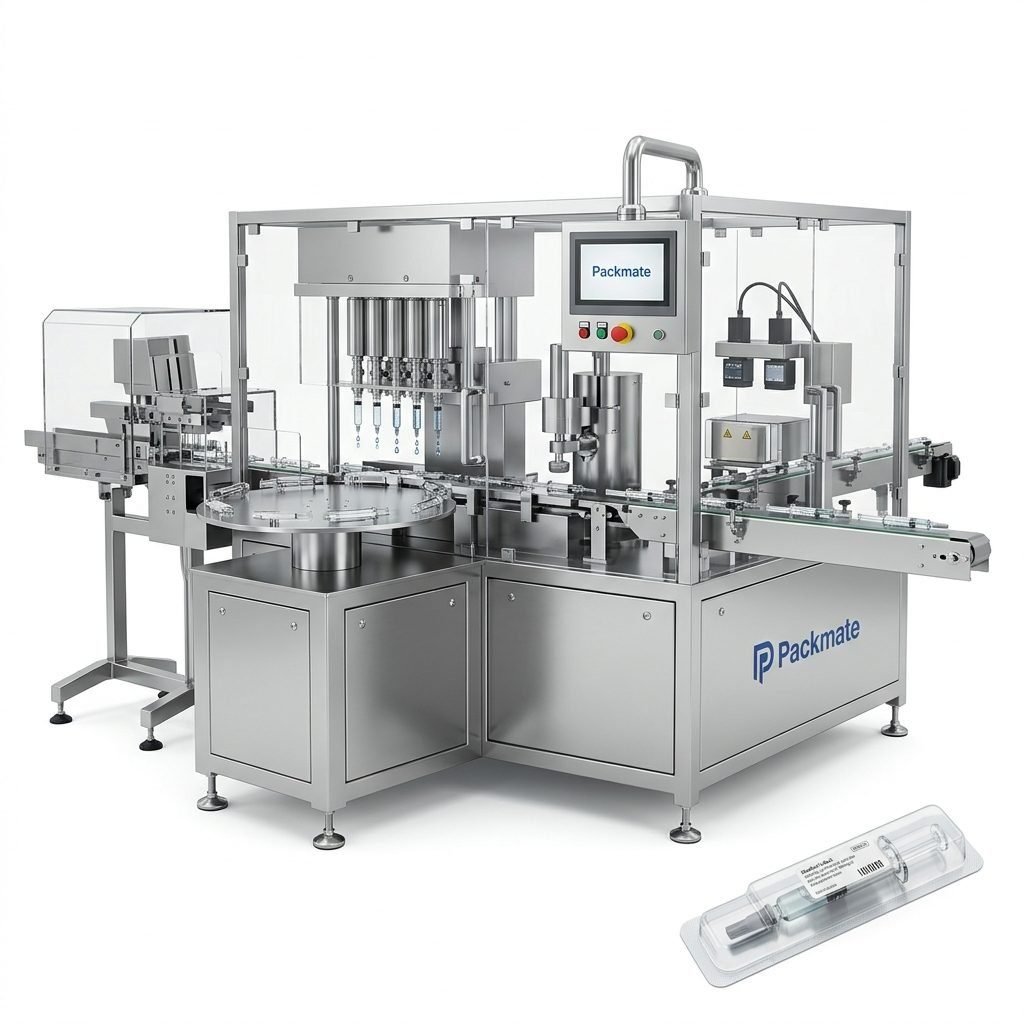
The packaging machinery industry in China is undergoing a profound transformation, driven by technological innovation, evolving consumer demands, and a strong cultural emphasis on efficiency and precision. As a global manufacturing powerhouse, China’s approach to packaging is deeply intertwined with its industrial ethos—seeking harmony between speed, reliability, and smart automation. This article explores the top trends shaping this dynamic sector.
The Rise of Intelligent and Connected Packaging Lines
One of the most significant shifts is the integration of Industry 4.0 principles into packaging machinery. Modern Chinese factories are moving beyond standalone machines to complete, interconnected production lines. This involves embedding IoT sensors for real-time monitoring of machine performance, predictive maintenance to prevent downtime, and data analytics for optimizing production efficiency. The goal is to create a “smart factory” ecosystem where every piece of equipment communicates, leading to unprecedented levels of control and waste reduction.
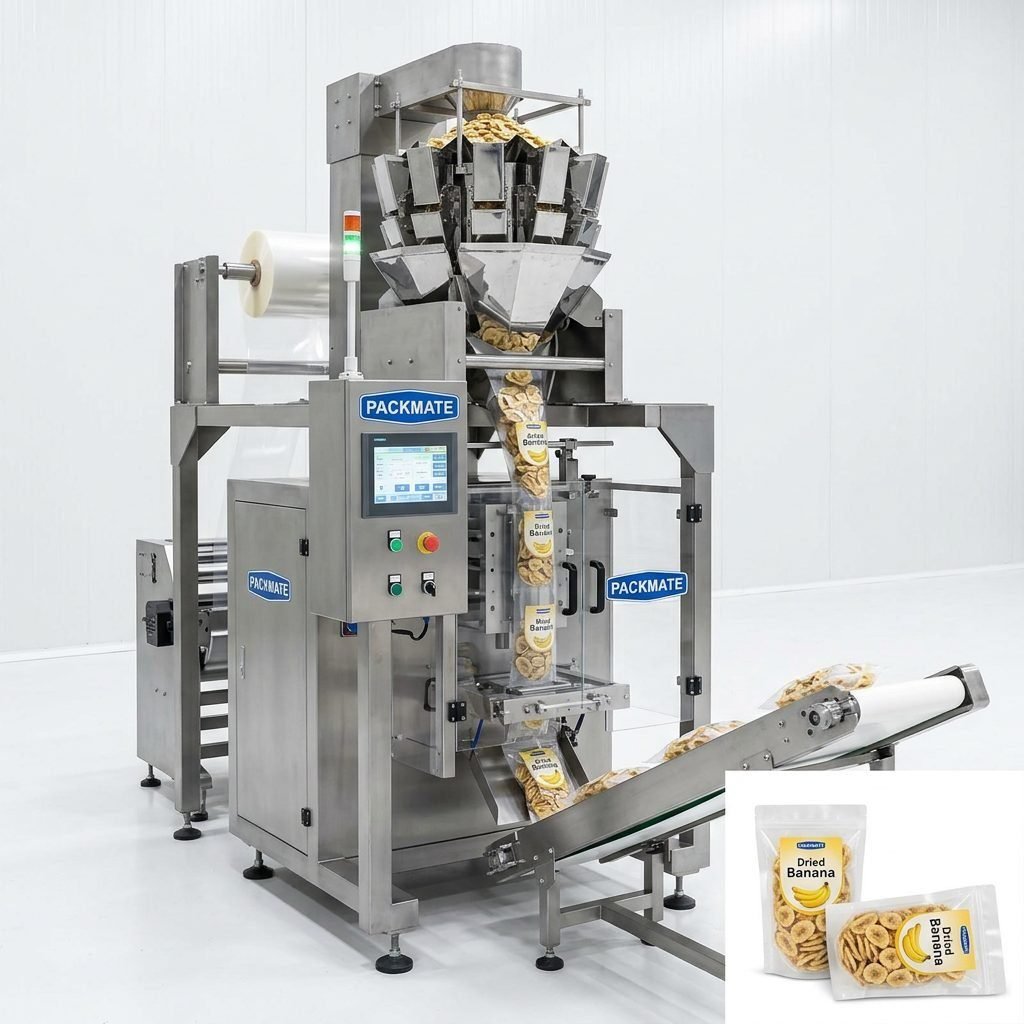
This trend is particularly resonant in China’s manufacturing culture, which values long-term planning and operational stability. By adopting intelligent systems, companies can ensure consistent output quality—a critical factor for both domestic brands and international exporters who rely on China’s manufacturing capabilities. Leaders in the field, like Packmate Machinery, exemplify this by developing turnkey solutions that integrate weighing, filling, and sealing into seamless, data-driven lines.
Sustainability: A Response to Global and Local Pressures
Sustainability is no longer a niche concern but a core driver of innovation. In China, this is fueled by both stringent government environmental policies and a growing consumer consciousness, especially among younger generations. The industry is responding with machinery designed for:
- Material Reduction: Developing machines that use thinner, yet stronger, recyclable or biodegradable films without compromising seal integrity.
- Energy Efficiency: Incorporating servo motors and optimized drive systems that significantly cut power consumption compared to traditional mechanical systems.
- Circular Economy Support: Enabling easier packaging disassembly and the use of mono-materials that are simpler to recycle.
The cultural concept of “天人合一” (harmony between humanity and nature) subtly underpins this shift, encouraging industries to seek balance between economic growth and ecological responsibility.
Hyper-Flexibility for Customization and Small Batches
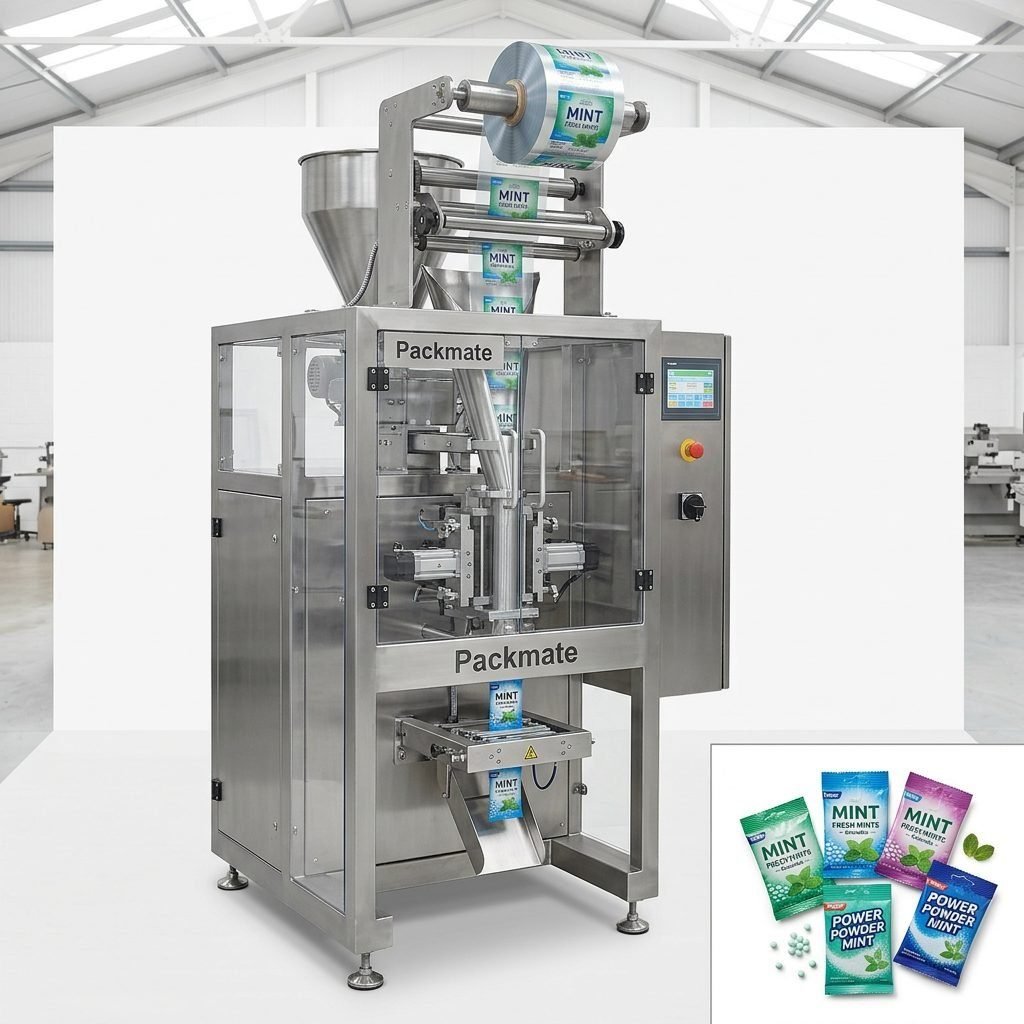
The explosive growth of e-commerce and direct-to-consumer brands, both within China and globally, demands packaging machinery that is incredibly agile. The trend is towards modular and quick-changeover systems. Machines must now handle frequent product switches, varying package sizes (from sample sachets to family-sized pouches), and diverse materials with minimal downtime for retooling.
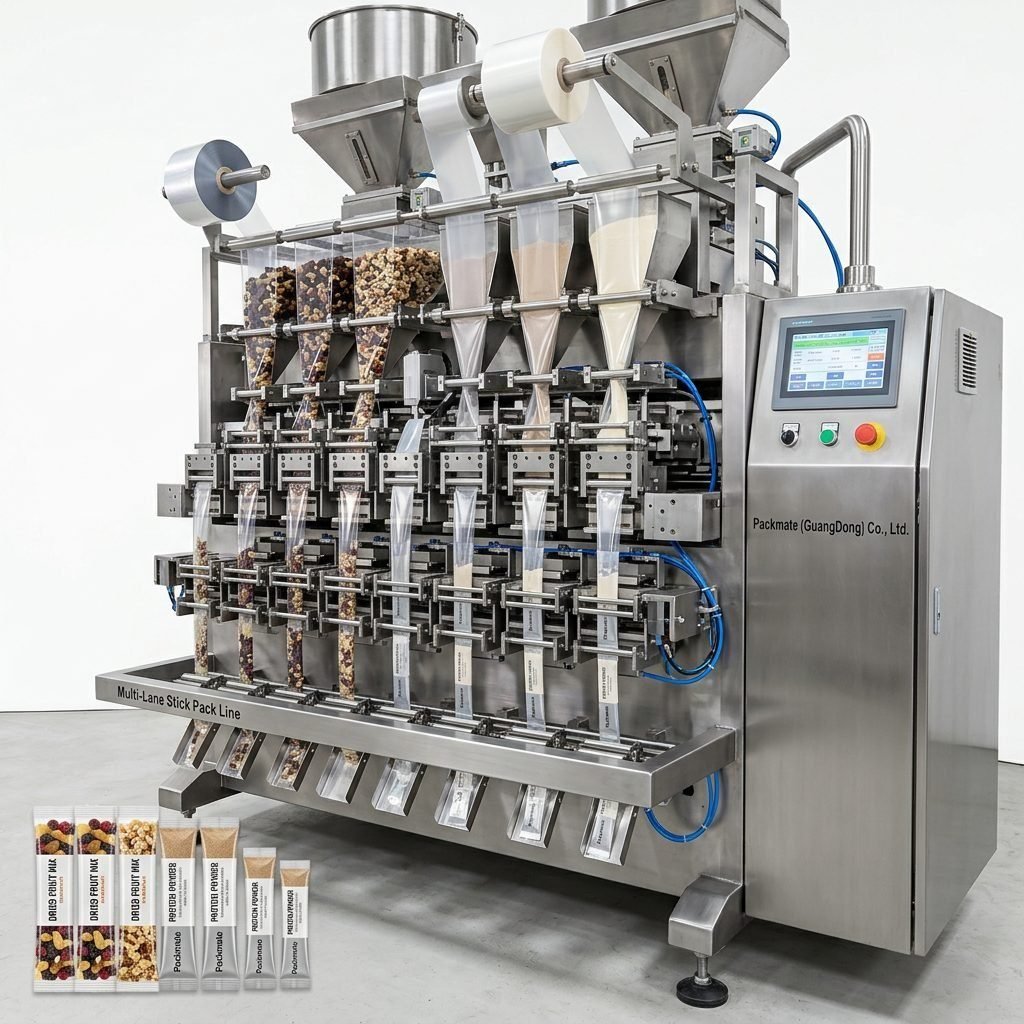
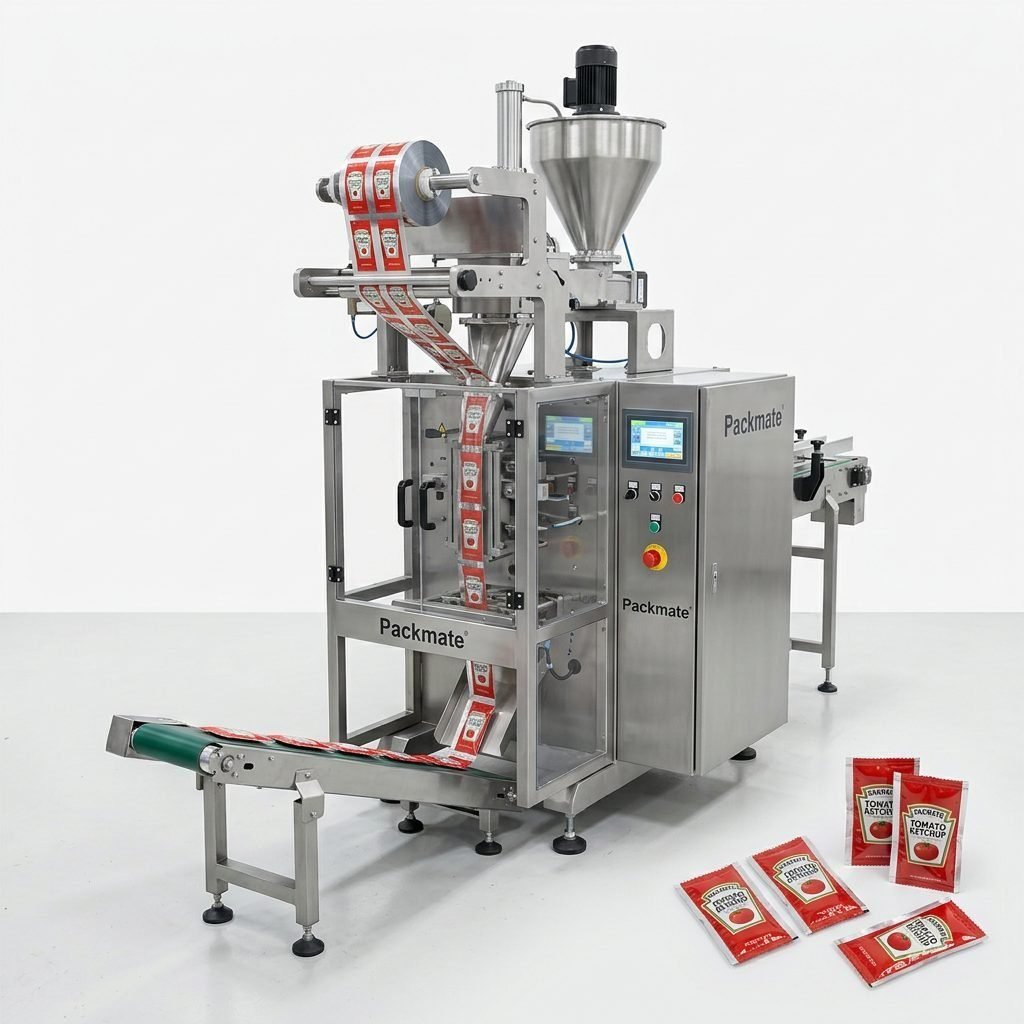
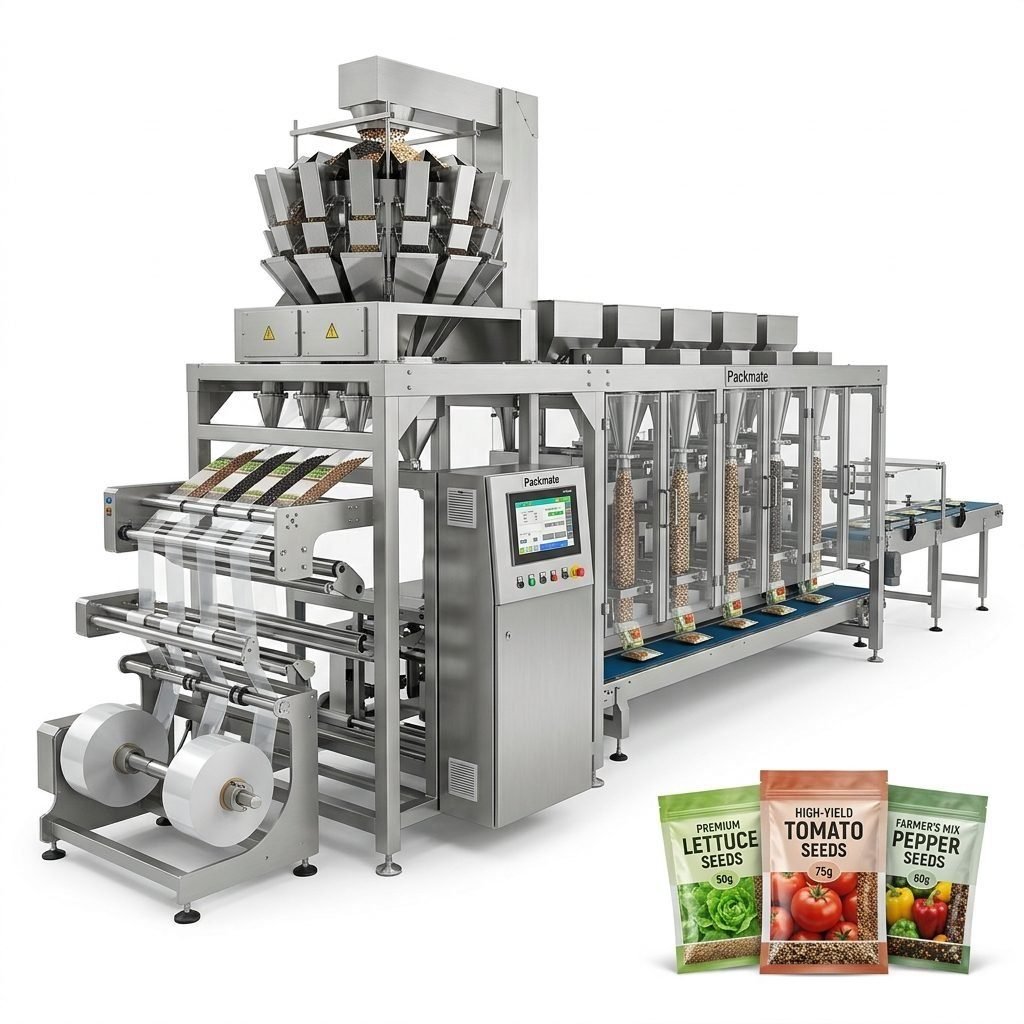
This aligns with the market’s need for personalized products and limited-edition runs. Equipment such as advanced sachet and stick pack machines are at the forefront, offering multi-lane configurations that can run different products simultaneously or be quickly reconfigured. This flexibility is crucial for companies looking to test markets or cater to niche segments with efficiency.
Advanced Integration for End-to-End Automation
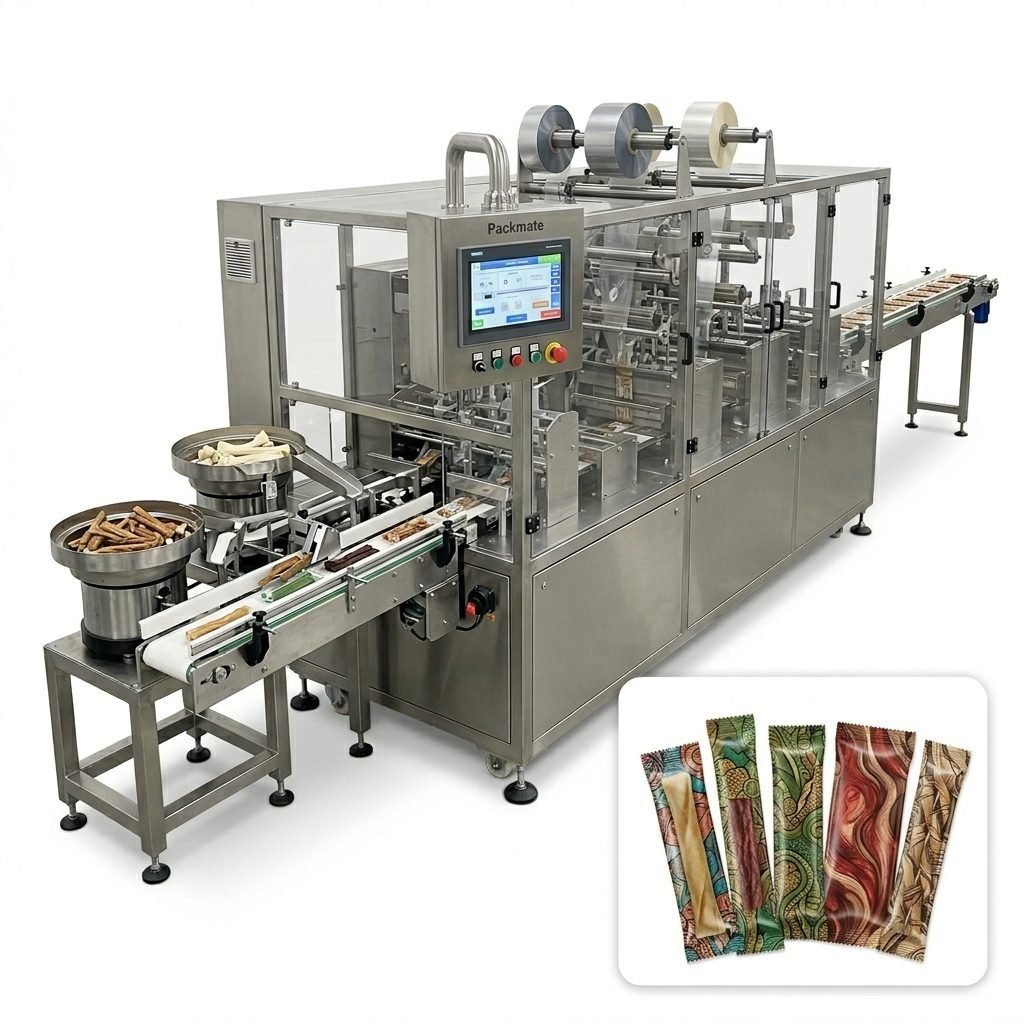
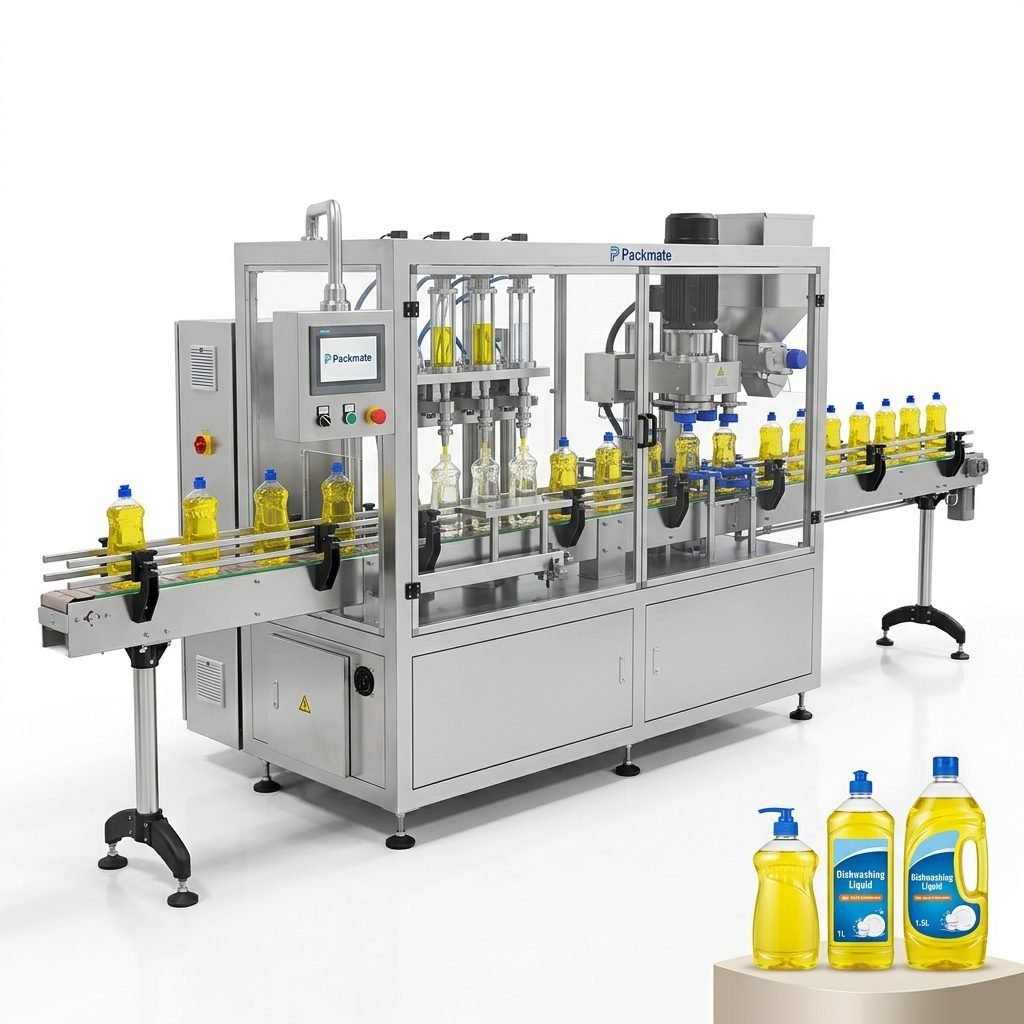
End-to-end automation is becoming the standard, not the exception. The focus is on creating fully integrated lines that handle everything from primary packaging (filling bags or pouches) to secondary packaging (cartoning, case packing, and palletizing). This holistic approach minimizes human intervention, reduces labor costs, and enhances hygiene—a paramount concern in the food and pharmaceutical sectors.
For instance, a complete filling and packaging line might seamlessly integrate a high-speed bag maker with precision weigh fillers, checkweighers, and vision inspection systems before automatically collating and boxing the finished products. This level of integration reflects the Chinese industrial value of comprehensiveness and leaving no weak link in the production chain.
Enhanced Hygiene and Aseptic Packaging Demands
Post-pandemic, hygiene standards have been permanently elevated. In the food, beverage, and pharmaceutical industries, there is a surging demand for machinery capable of aseptic or clean-room packaging. This involves designs with easy-clean surfaces, minimal crevices, and the use of stainless steel and other sanitary materials. Furthermore, machinery that can operate within controlled environments to prevent contamination is seeing increased investment.
This trend is amplified by cultural dining habits that emphasize freshness and safety. Packaging that extends shelf life without preservatives through advanced aseptic technology is highly valued in markets supplying both local and international consumers.
The Human-Machine Interface Revolution
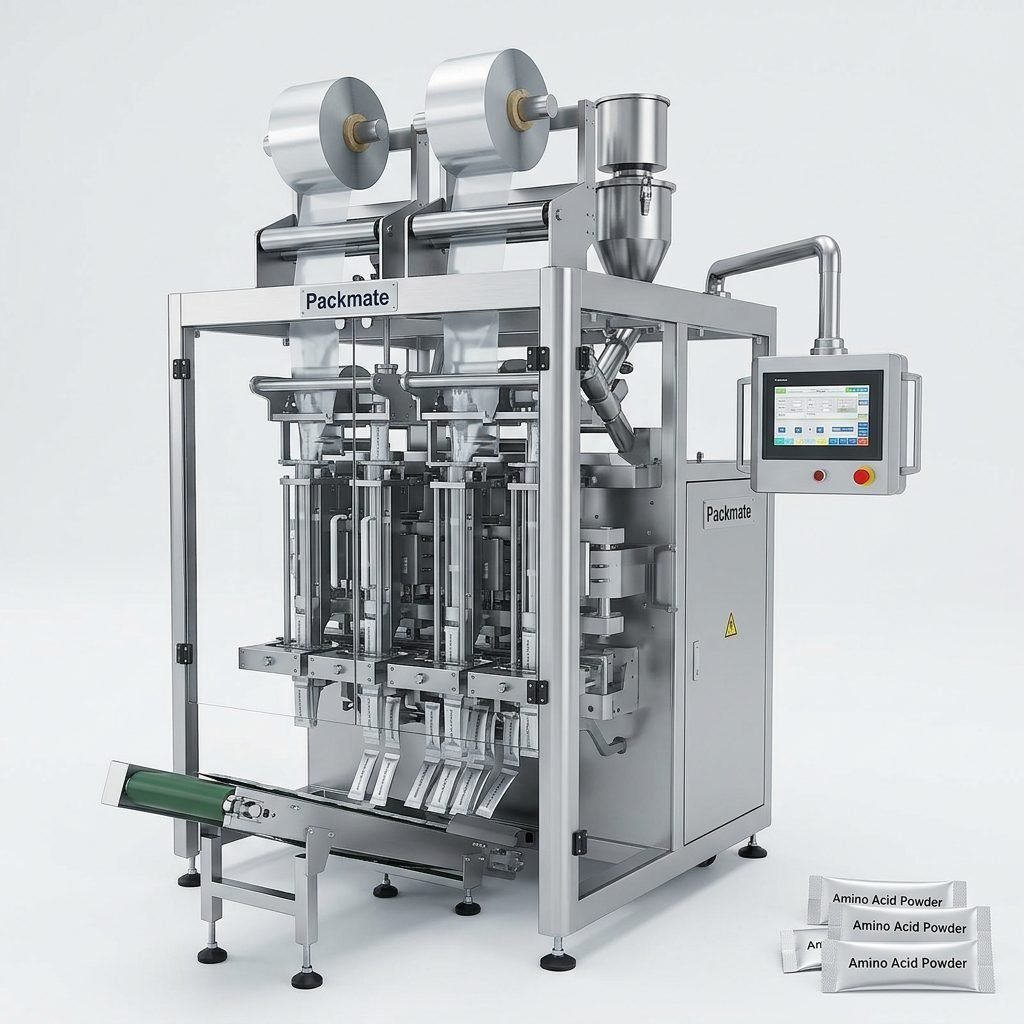
While automation advances, the role of the operator is evolving. Modern packaging machinery now features sophisticated Human-Machine Interfaces (HMIs)—often large, color touchscreens with intuitive, multilingual graphical interfaces. These panels allow for easier setup, recipe management, and troubleshooting. The trend is towards simplicity and accessibility, reducing the need for highly specialized technicians for routine operations and enabling faster training.
This democratization of machine control empowers a broader workforce and aligns with the skill development goals prevalent in China’s modern industrial strategy. It ensures that the benefits of advanced technology are accessible and manageable on the factory floor.
Conclusion: A Future Built on Smart, Sustainable Solutions
The trajectory of China’s packaging machinery industry is clear: a relentless march towards smarter, more sustainable, and supremely flexible automation. Companies that embrace these trends—intelligent connectivity, material innovation, and complete line integration—will lead the market. For businesses worldwide sourcing packaging solutions, understanding these dynamics is key to selecting partners who can deliver future-proof efficiency and reliability. The industry’s evolution continues to be a testament to its ability to blend cutting-edge technology with deep-rooted principles of quality and diligence.
Frequently Asked Questions (FAQs)
1. What are the key benefits of switching to an intelligent packaging line?
Intelligent lines offer real-time data monitoring, predictive maintenance to avoid unplanned stops, higher overall equipment effectiveness (OEE), and better traceability for quality control. They transform reactive operations into proactive, optimized production management.
2. How is the Chinese packaging machinery industry addressing sustainability?
Manufacturers are innovating in three main areas: 1) Creating machines compatible with recyclable/biodegradable materials, 2) Dramatically improving energy efficiency through servo technology, and 3) Designing for material minimization to reduce source waste.
3. Can modern packaging machines handle frequent product changeovers for small batches?
Yes. A major trend is the development of modular machinery with quick-change parts and digital recipe storage. This allows for rapid switching between different package sizes, shapes, and products, making small-batch production economically viable. Explore flexible options like bag and pouch packaging machines designed for this purpose.
4. Why is end-to-end automation becoming so important?
Full-line automation maximizes throughput, minimizes labor costs and human error, and ensures superior hygiene by reducing product handling. It creates a continuous, streamlined flow from raw material to palletized goods, which is essential for competitive large-scale production.
5. What should I look for in a reliable packaging machinery supplier from China?
Look for proven experience (like Packmate’s 30+ years), a strong R&D focus, the ability to provide complete turnkey solutions, adherence to international quality and safety standards, and comprehensive after-sales support with readily available spare parts.