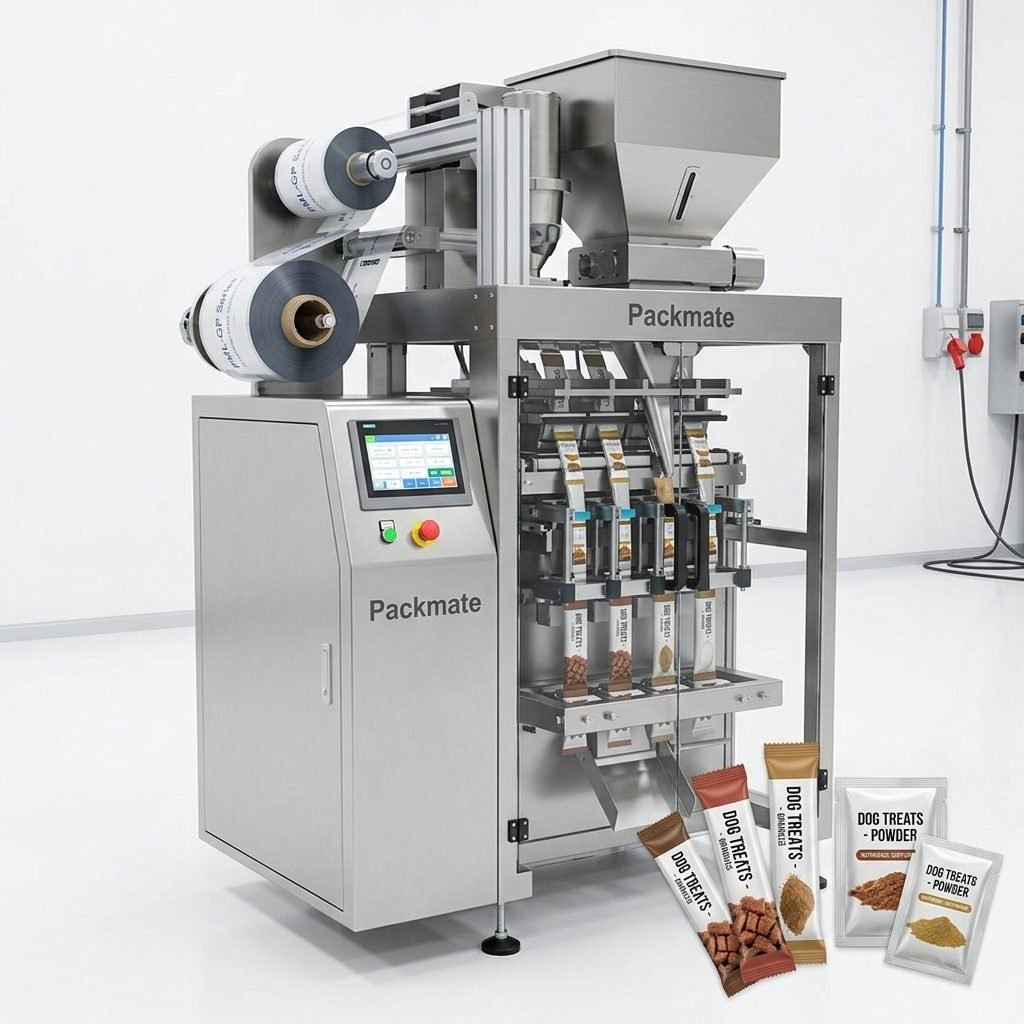
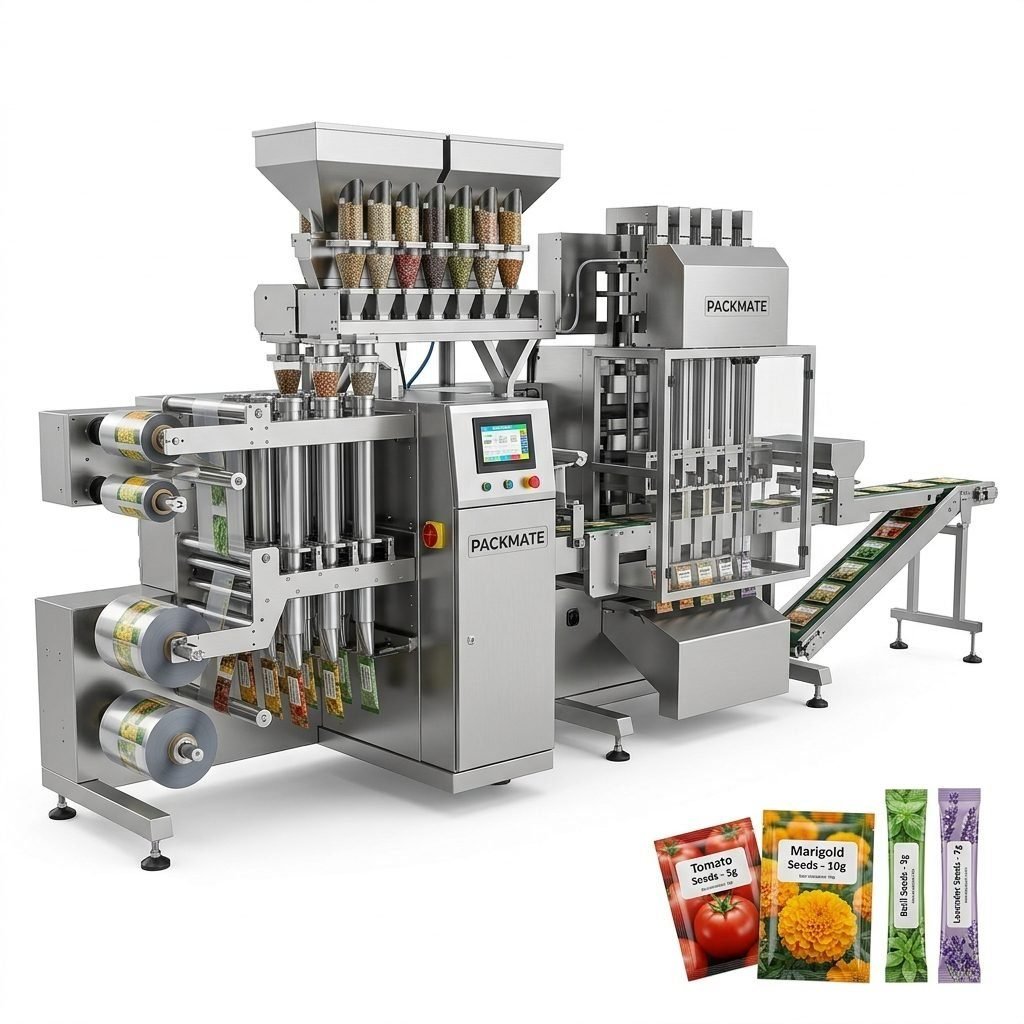
In today’s fast-paced manufacturing landscape, efficiency is not just a goal—it’s a necessity. For businesses handling granules, powders, and liquids in the food, pharmaceutical, and health sectors, the right packaging machinery can be the difference between meeting demand and falling behind. This is where advanced packaging solutions come into play, transforming production lines into models of speed, precision, and reliability.
The Core of Modern Production: Precision and Speed
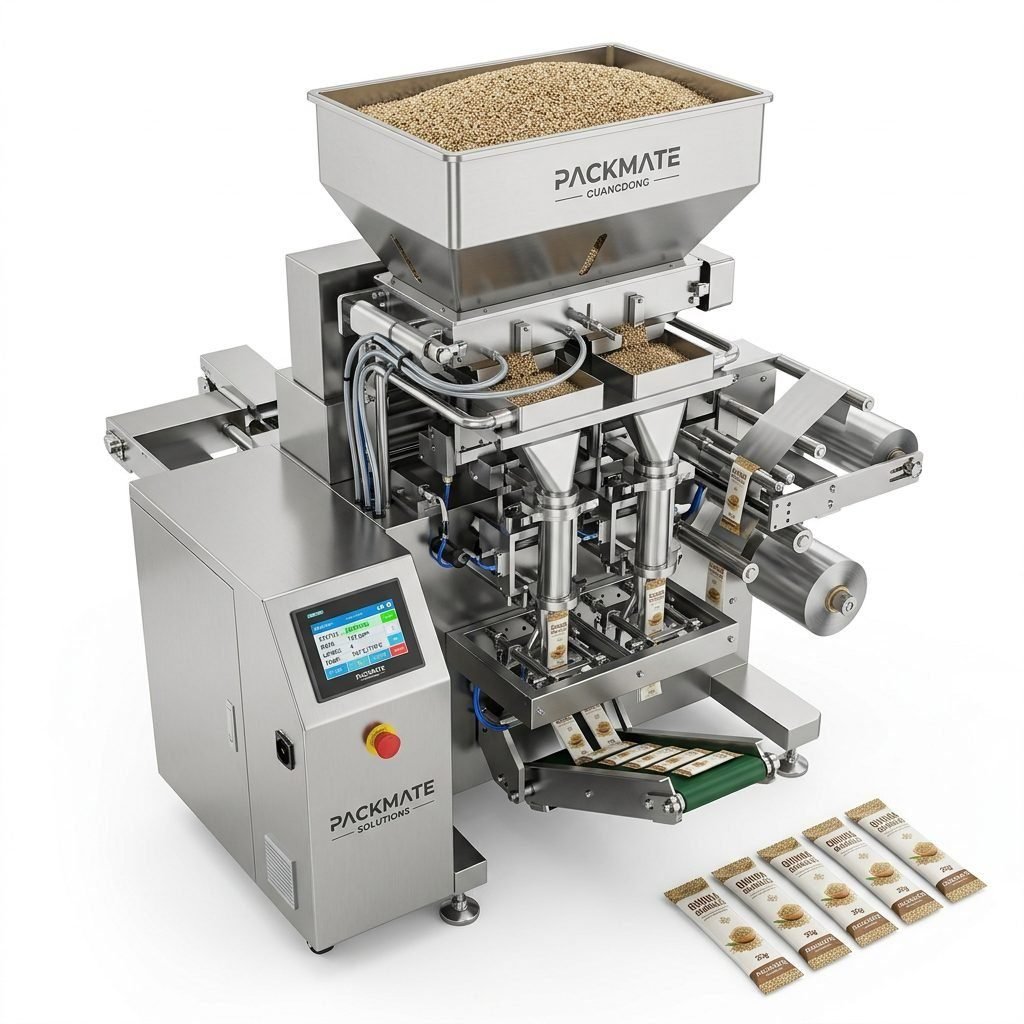
At the heart of efficient production lies the need for equipment that operates with unwavering accuracy at high speeds. Modern packaging lines must handle a variety of product forms—from fine pharmaceutical powders to granular food products—without compromising on weight consistency or seal integrity. Machines designed for this purpose integrate sophisticated weighing systems, precise filling mechanisms, and robust sealing technologies to ensure every single unit, whether a sachet or a stick pack, meets stringent quality standards.
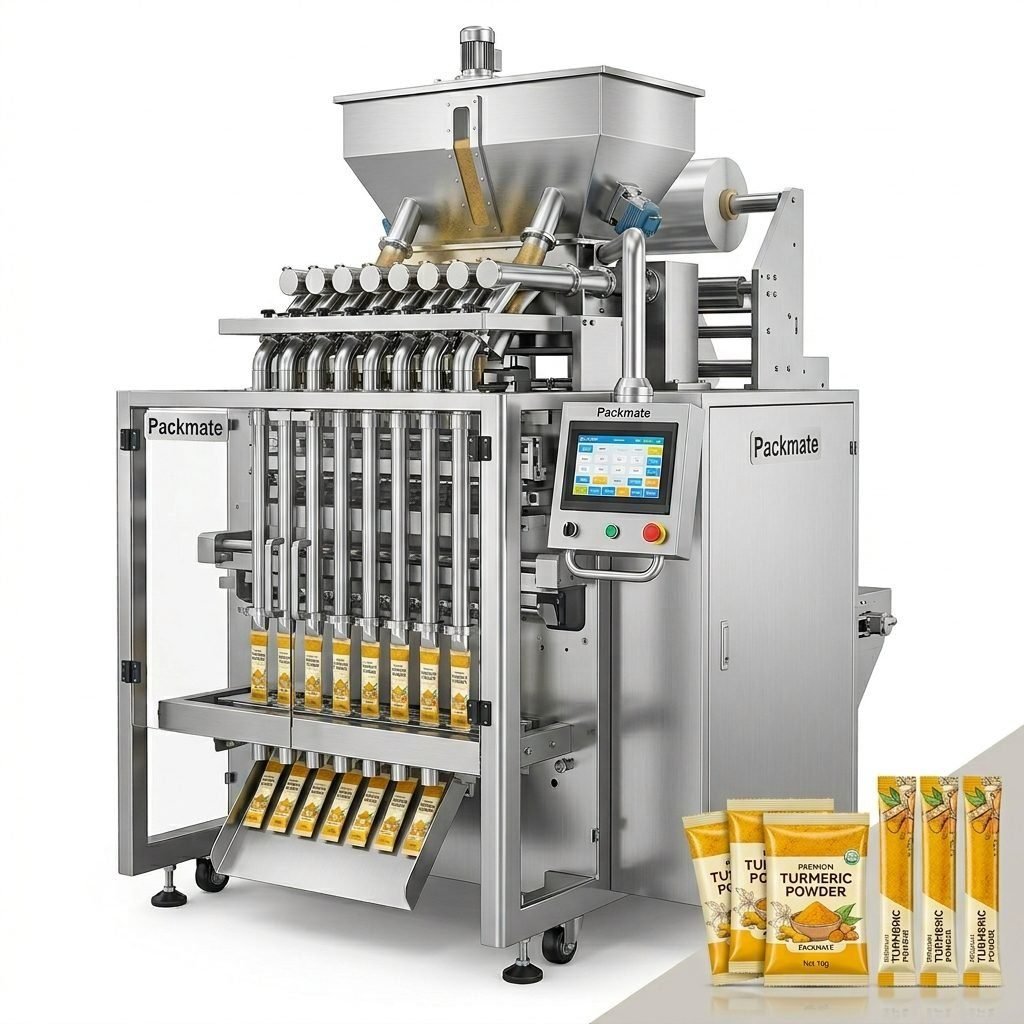
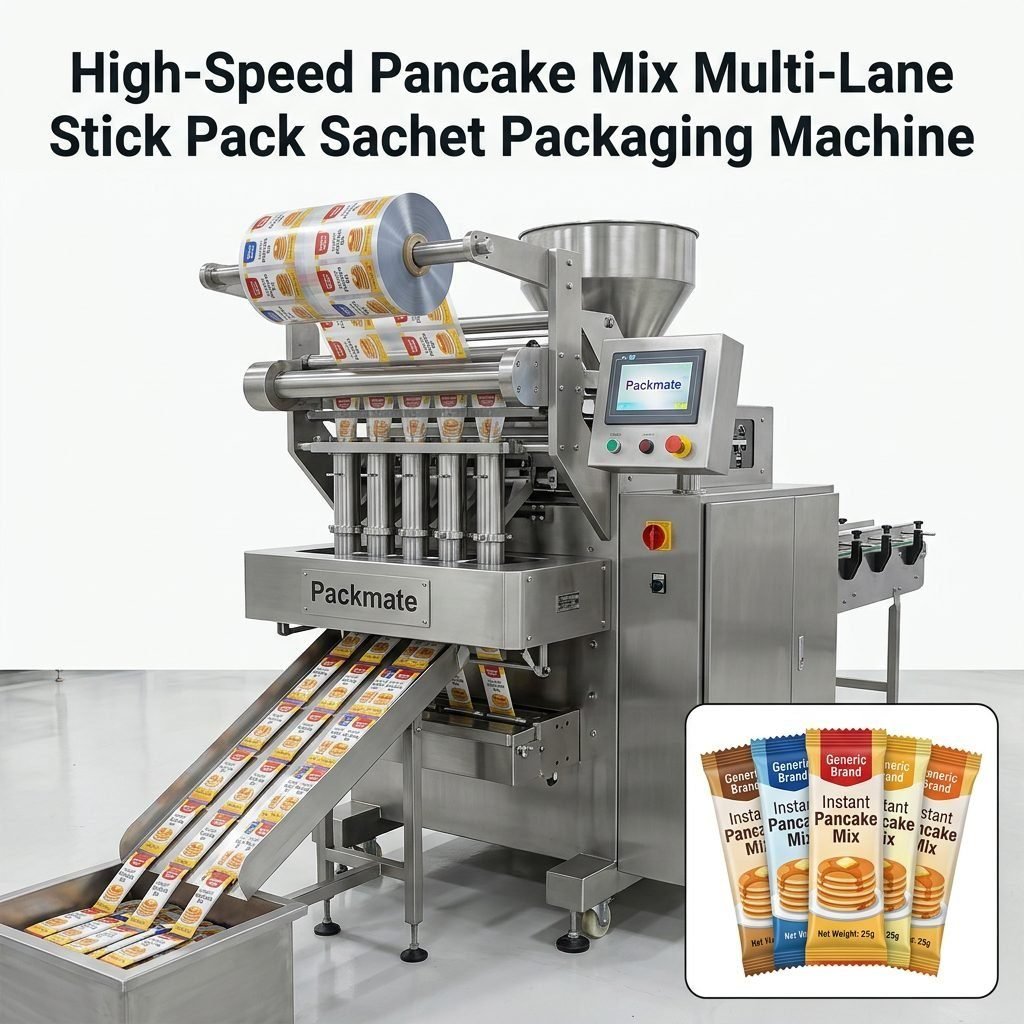
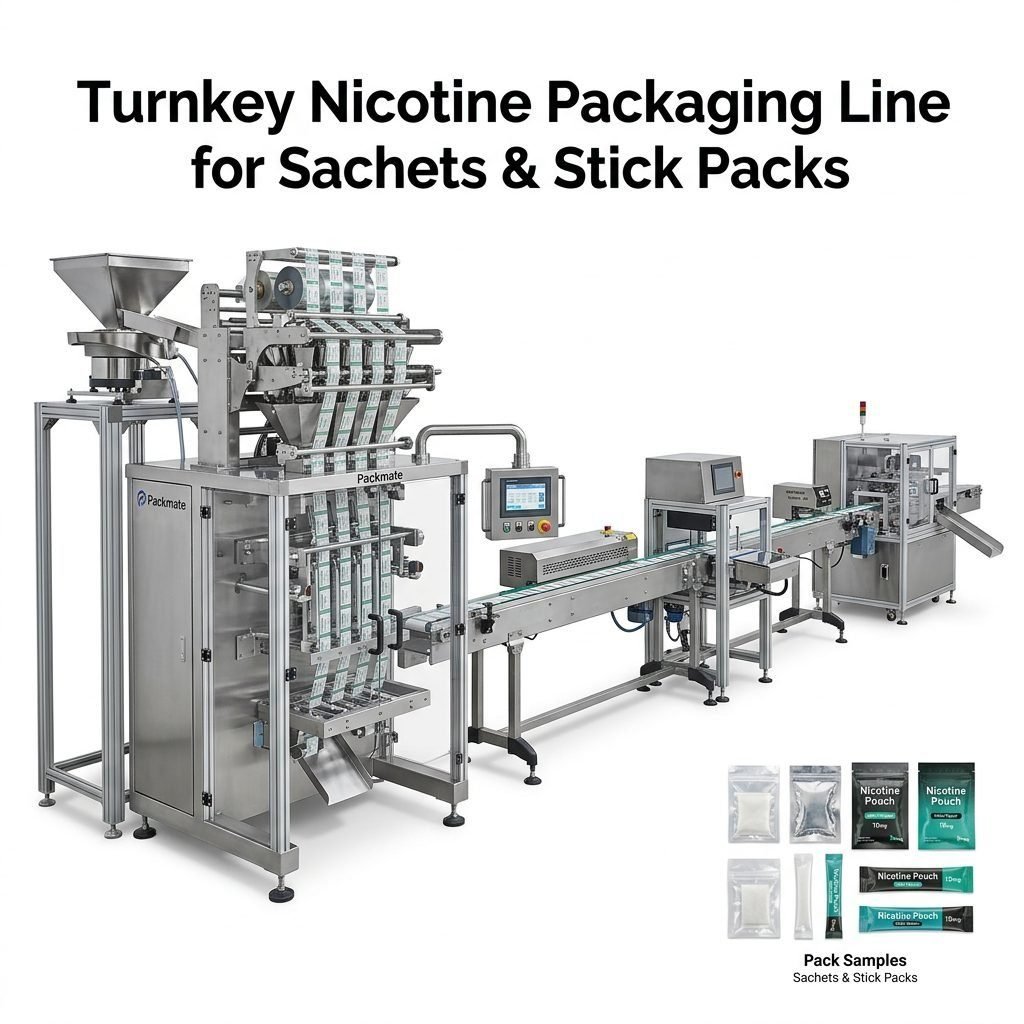
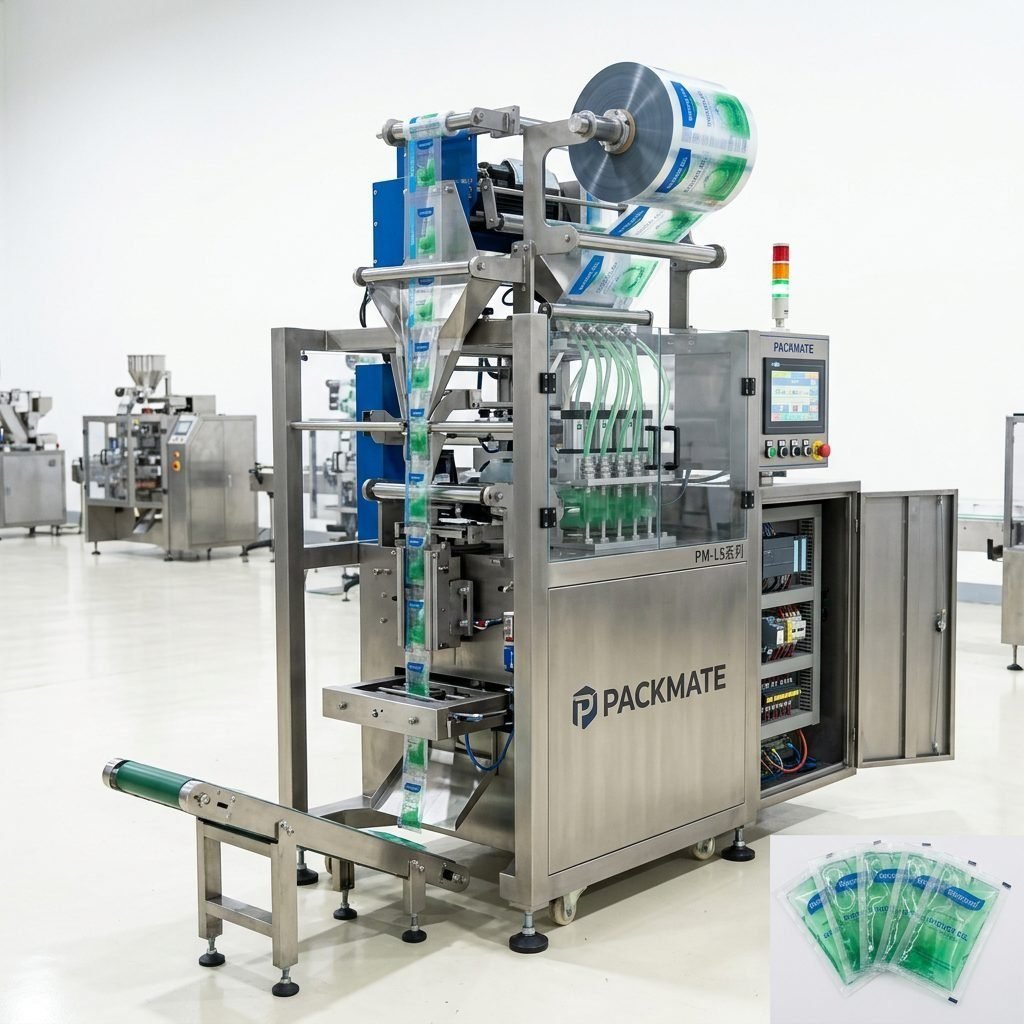
The evolution from single-lane to multi-lane stick pack and sachet packaging lines represents a significant leap in output. By running multiple packaging lanes simultaneously, production capacity can be multiplied without a proportional increase in floor space or operational complexity. This modular and scalable approach is crucial for businesses looking to grow their output flexibly.
Adapting to Diverse Product Requirements
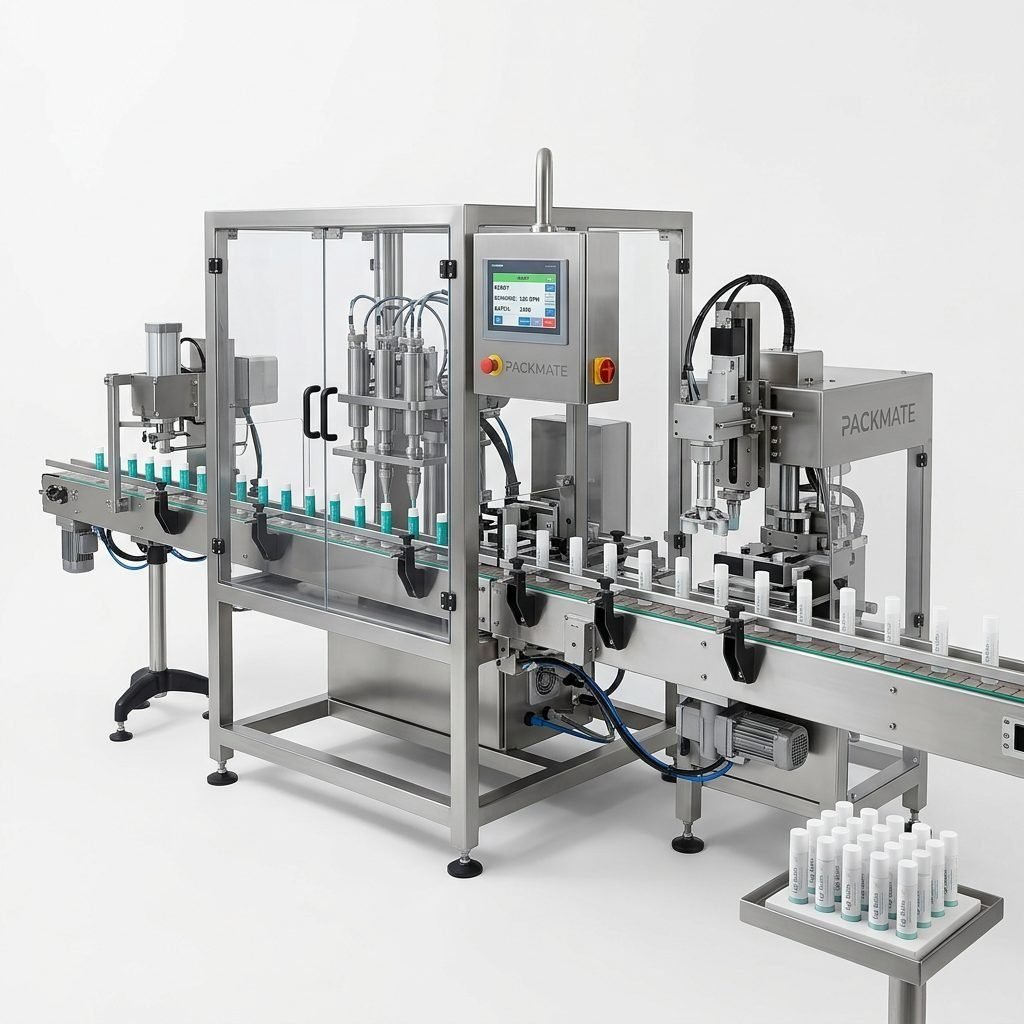
No two products are identical. A health supplement powder has different flow characteristics and packaging needs compared to a viscous liquid sauce or free-flowing tea granules. Therefore, versatility in machinery is paramount. Advanced packaging systems offer customizable features such as interchangeable auger fillers, piston pumps for liquids, and vibration-assisted feeding systems for powders. This adaptability ensures that a single production line can be reconfigured for different products, maximizing the return on investment and providing agility in a dynamic market.
The Role of Automation and Intelligent Control
Moving beyond mechanical precision, the true differentiator in modern packaging is intelligent control. Integrated PLC (Programmable Logic Controller) systems and user-friendly HMIs (Human-Machine Interfaces) allow for precise parameter setting, real-time monitoring, and data logging. Operators can save recipes for different products, drastically reducing changeover time and minimizing human error.
Key Benefits of Intelligent Packaging Systems:
- Reduced Downtime: Predictive maintenance alerts and easy-access design minimize unplanned stops.
- Enhanced Traceability: Production data tracking supports quality control and compliance, especially critical in the pharmaceutical and food industries.
- Optimized Material Use: Precision filling reduces product giveaway, and advanced film tracking systems minimize packaging material waste.
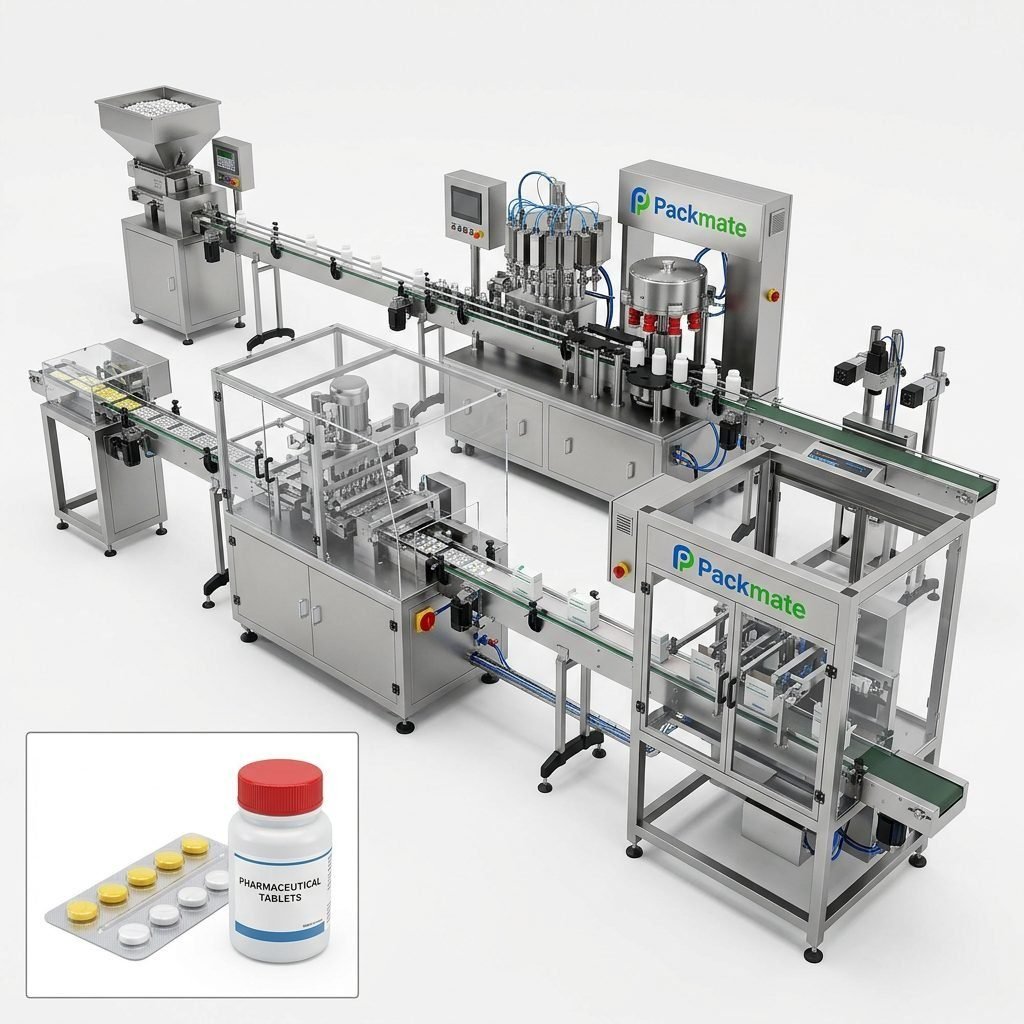
This level of automation extends to complete turnkey packaging lines, where machines for bag forming, filling, sealing, coding, and cartoning are seamlessly integrated and controlled from a central point. The result is a synchronized, efficient flow from raw product to ready-to-ship cartons.
Building on a Foundation of Expertise
The development of such sophisticated machinery doesn’t happen overnight. It is built upon decades of specialized engineering and a deep understanding of production floor challenges. Companies that lead in this field, like Packmate Machinery, often trace their origins to a core passion for innovation and problem-solving. For instance, the journey that began in a small workshop in 1993, driven by a vision to enhance automation and productivity, has evolved into a company with a 20,000㎡ modern manufacturing facility. This history underscores a commitment to transforming foundational engineering principles into practical, reliable solutions that stand the test of time in demanding production environments.
Ensuring Long-Term Reliability and Support
Investing in advanced packaging machinery is a significant decision. Beyond the initial specifications and performance metrics, long-term reliability and manufacturer support are critical factors. A robust machine is designed with high-quality components, undergoes rigorous testing before shipment, and is built within a quality management framework, often supported by international certifications.
Furthermore, comprehensive after-sales service—including installation supervision, operator training, readily available spare parts, and responsive technical support—ensures that the machinery continues to deliver value throughout its lifecycle. This holistic approach to partnership turns a equipment supplier into a strategic ally for a manufacturer’s growth.
Summary: The Path to Efficient Production
Choosing advanced packaging solutions is about investing in the future of your production line. It involves selecting equipment that offers:
- High-speed precision for maximum output and minimal waste.
- Intelligent automation for consistent quality, easy operation, and valuable production insights.
- Proven reliability and strong technical support to protect your investment and ensure continuous operation.
By focusing on these pillars, businesses can build a packaging operation that is not just efficient today but is also scalable and adaptable for the challenges and opportunities of tomorrow.
Frequently Asked Questions (FAQs)
1. What types of products are best suited for stick pack or sachet packaging machines?
These machines are exceptionally versatile and ideal for unit-dose or single-serve packaging of dry, free-flowing, or semi-liquid products. Common applications include instant coffee, sugar, salt, spices, pharmaceutical powders, drink mixes, condiments (like ketchup or sauce), shampoo samples, and health supplements. The key is matching the product’s characteristics (flowability, hygroscopicity, particle size) with the appropriate filling system (auger, volumetric cup, piston pump).
2. How can I increase the output of my existing packaging line?
Output can be increased through several strategies. Upgrading to a multi-lane machine is one of the most effective ways, as it packages multiple units simultaneously. Optimizing the upstream feeding and downstream handling processes to eliminate bottlenecks is another. Additionally, consulting with the machine manufacturer for a potential speed upgrade or retrofit for your specific model can yield significant improvements. Exploring our range of auxiliary packaging equipment might provide solutions for specific bottlenecks.
3. What should I consider when transitioning to a fully automated packaging line?
Transitioning to full automation requires careful planning. Key considerations include: a clear analysis of your current and future production volumes; the variety and physical properties of your products; available factory floor space and utilities (power, compressed air); the skill level of your operators and maintenance team; and, crucially, your budget for both capital investment and potential future expansion. A reputable supplier should offer a comprehensive consultation and feasibility study to guide this process.
4. How important is after-sales service and technical support when purchasing packaging machinery?
Extremely important. The quality of after-sales support directly impacts your machine’s uptime, longevity, and overall return on investment. Look for a supplier that offers detailed installation guidance or on-site supervision, thorough operator and maintenance training programs, a transparent and efficient spare parts supply chain, and accessible technical support (via phone, email, or remote diagnostics). This support network is essential for troubleshooting, performing preventive maintenance, and ensuring continuous, efficient production.
5. Can packaging machinery be customized for unique or non-standard products?
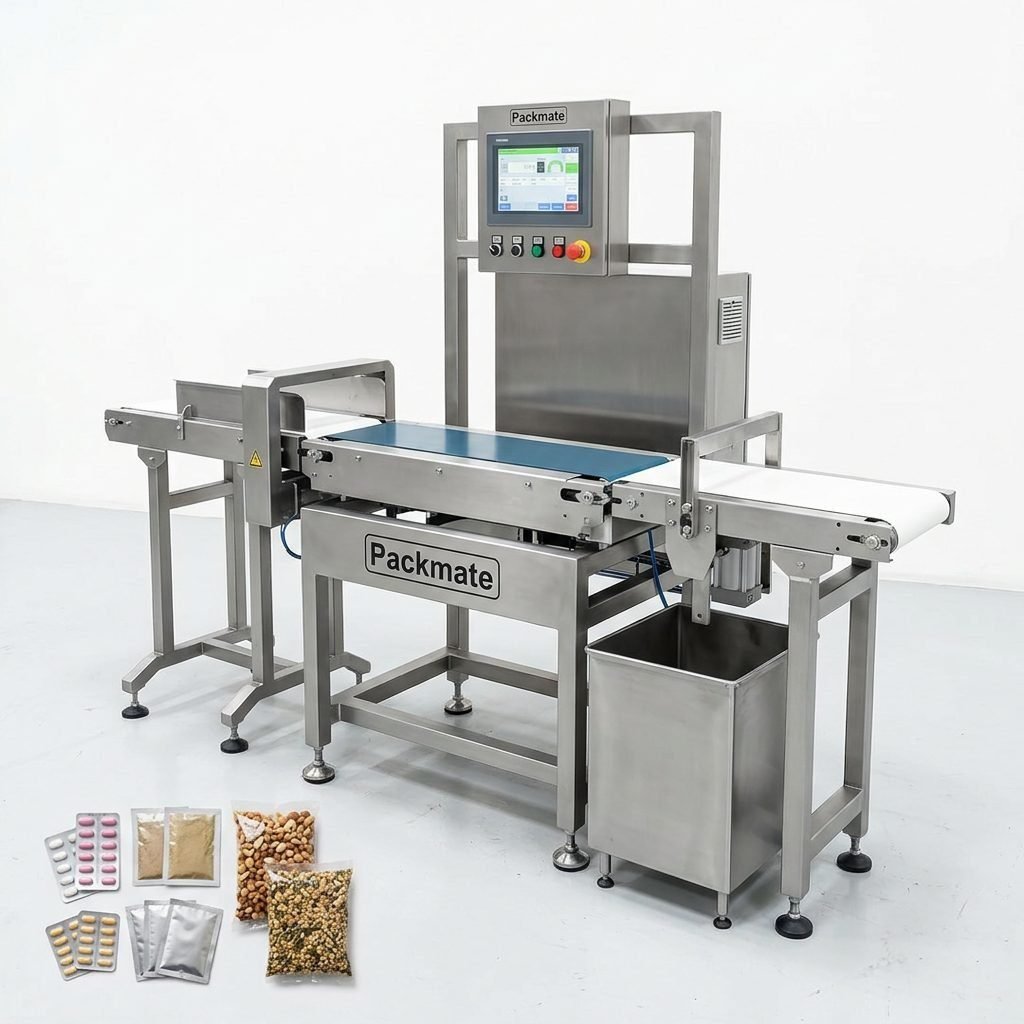
Yes, many leading manufacturers offer a high degree of customization. This can include special filling nozzles to handle abrasive or sticky materials, customized sealing jaw designs for unique film structures or seal patterns, integration with specific check-weighers or metal detectors, and modifications to accommodate unusual product shapes or sizes. The feasibility depends on the product’s specific requirements, and it’s best discussed in detail during the project planning phase with the engineering team.