Choosing the right packaging machinery is a critical decision for any manufacturing business. The efficiency of your packaging line directly impacts productivity, product quality, and overall operational costs. With a vast array of equipment types available, from simple sachet fillers to complex multi-lane integrated systems, making an informed selection can seem daunting. This comprehensive guide will walk you through the primary types of packaging machinery and provide a structured framework to help you select the ideal equipment for your specific needs, ensuring your investment drives growth and enhances your competitive edge.
Understanding Core Packaging Machinery Categories
Packaging equipment can be broadly classified based on its function within the production line. Understanding these categories is the first step toward building an efficient system.
Filling and Sealing Machines
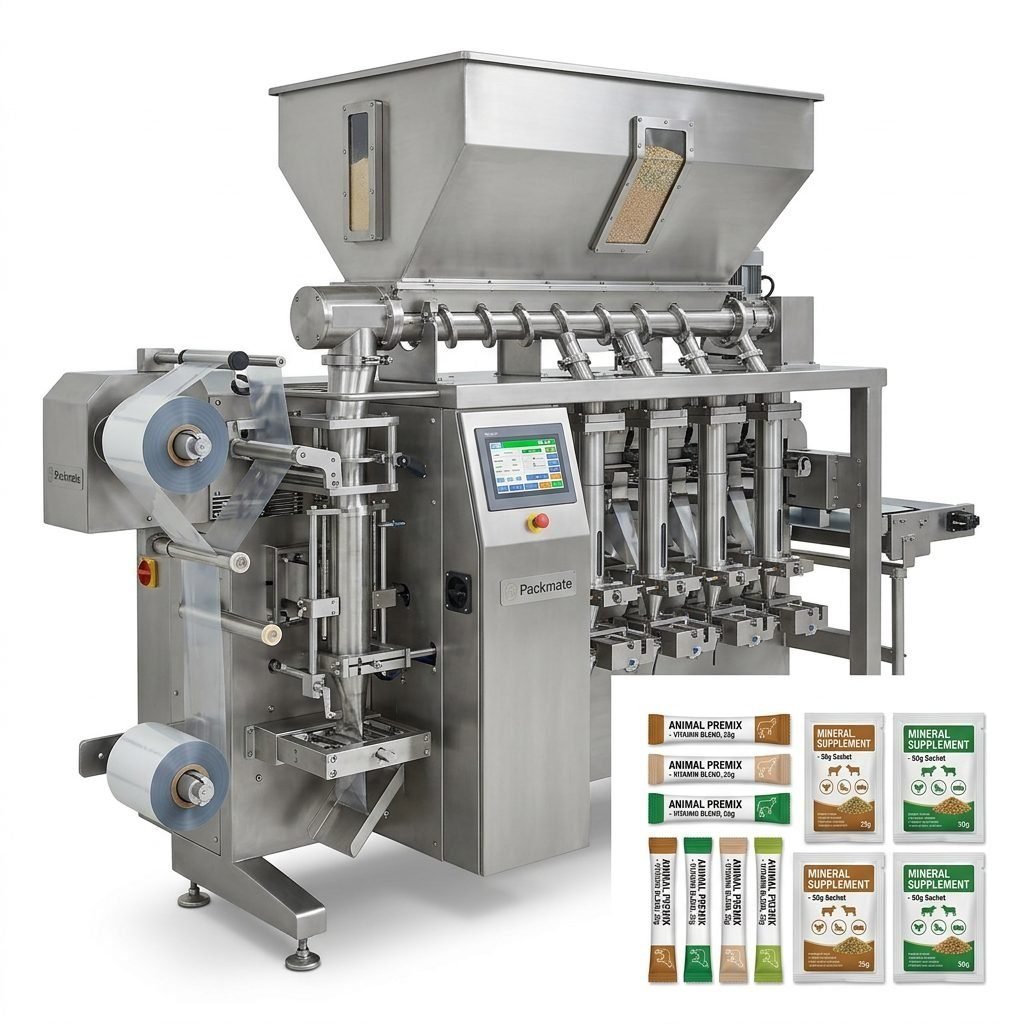
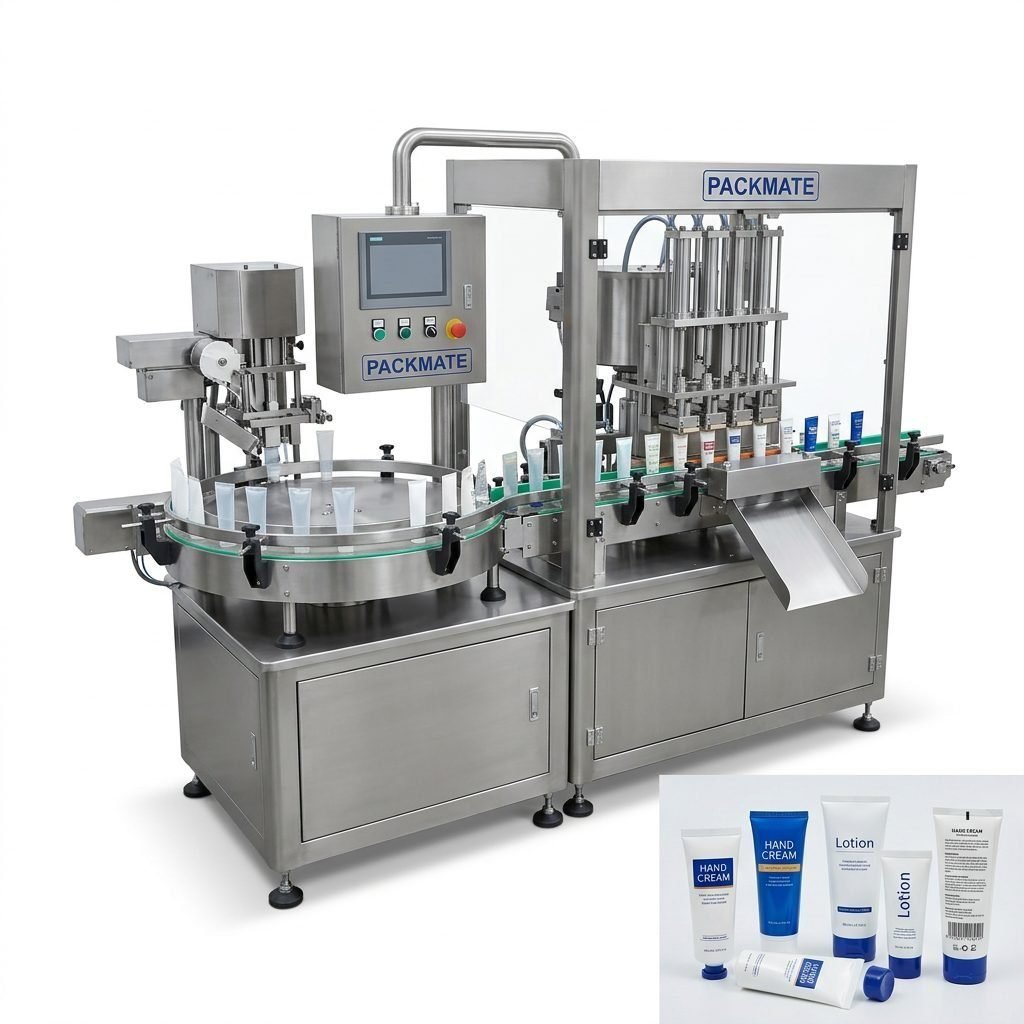
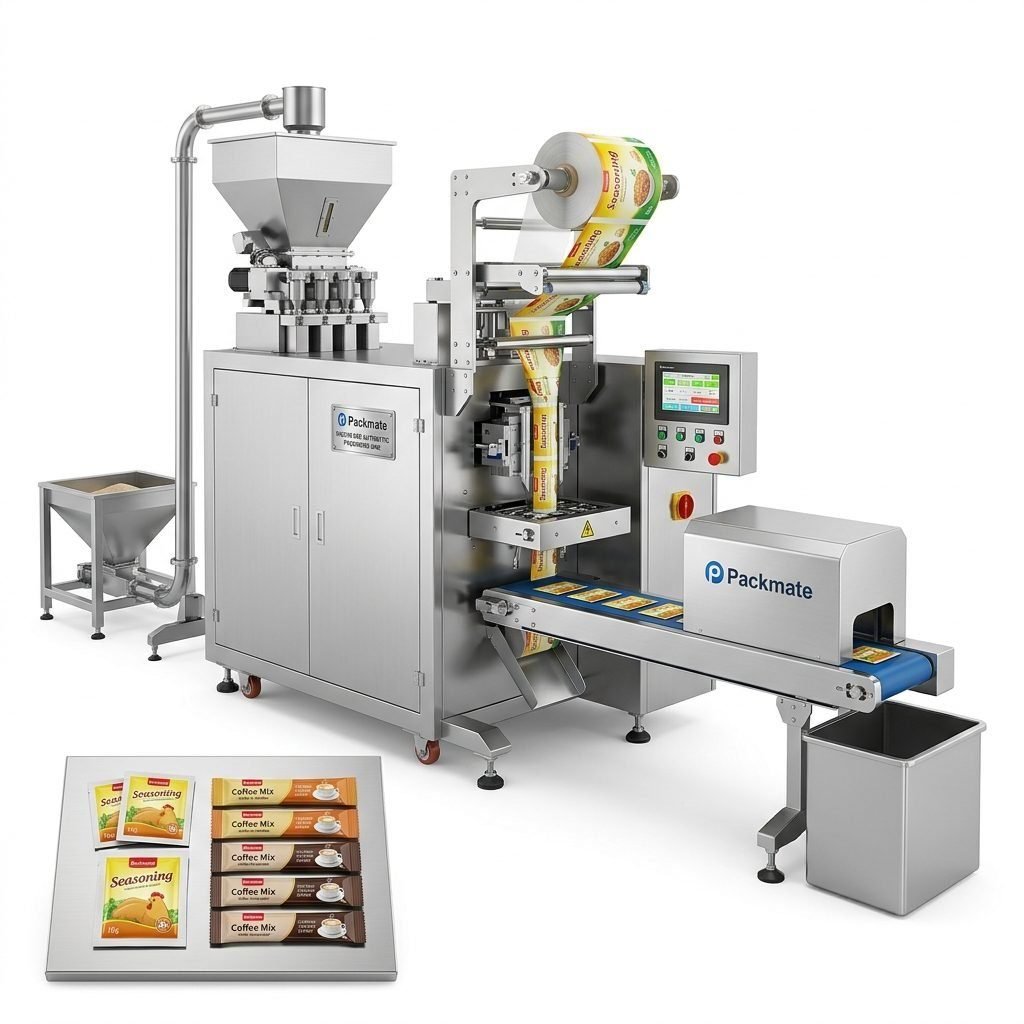
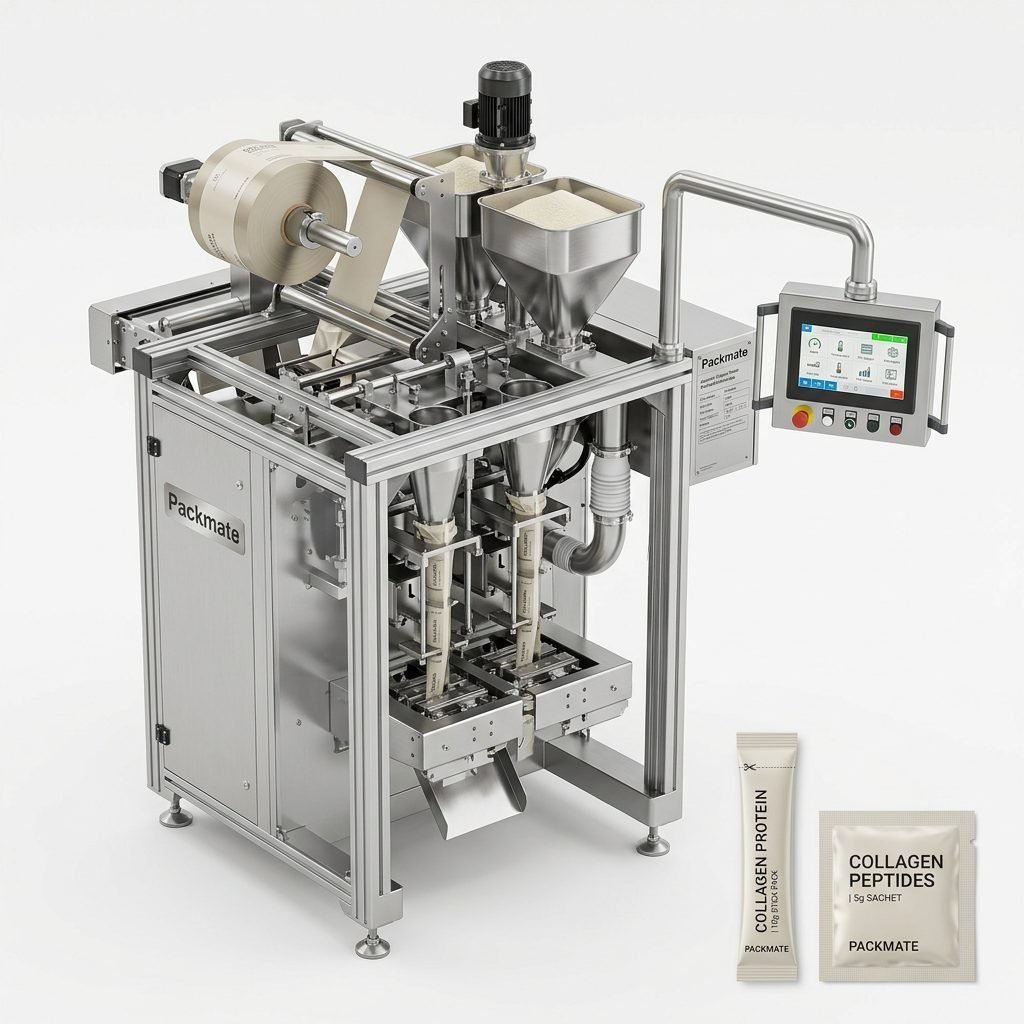
This category forms the heart of most primary packaging operations. These machines are designed to accurately measure a product and enclose it within its primary packaging material, such as a pouch, sachet, or stick pack. Key considerations here include filling accuracy, sealing integrity, and speed. For powdered supplements, granules like instant coffee, or liquid condiments, precision filling is non-negotiable to maintain consistent dosage and comply with regulatory standards.
Selection Tip: Always match the machine’s filling technology (e.g., auger, volumetric, net weight) to your product’s characteristics. A free-flowing granule has different requirements than a viscous paste or a micro-powder.
Form-Fill-Seal (FFS) Machines
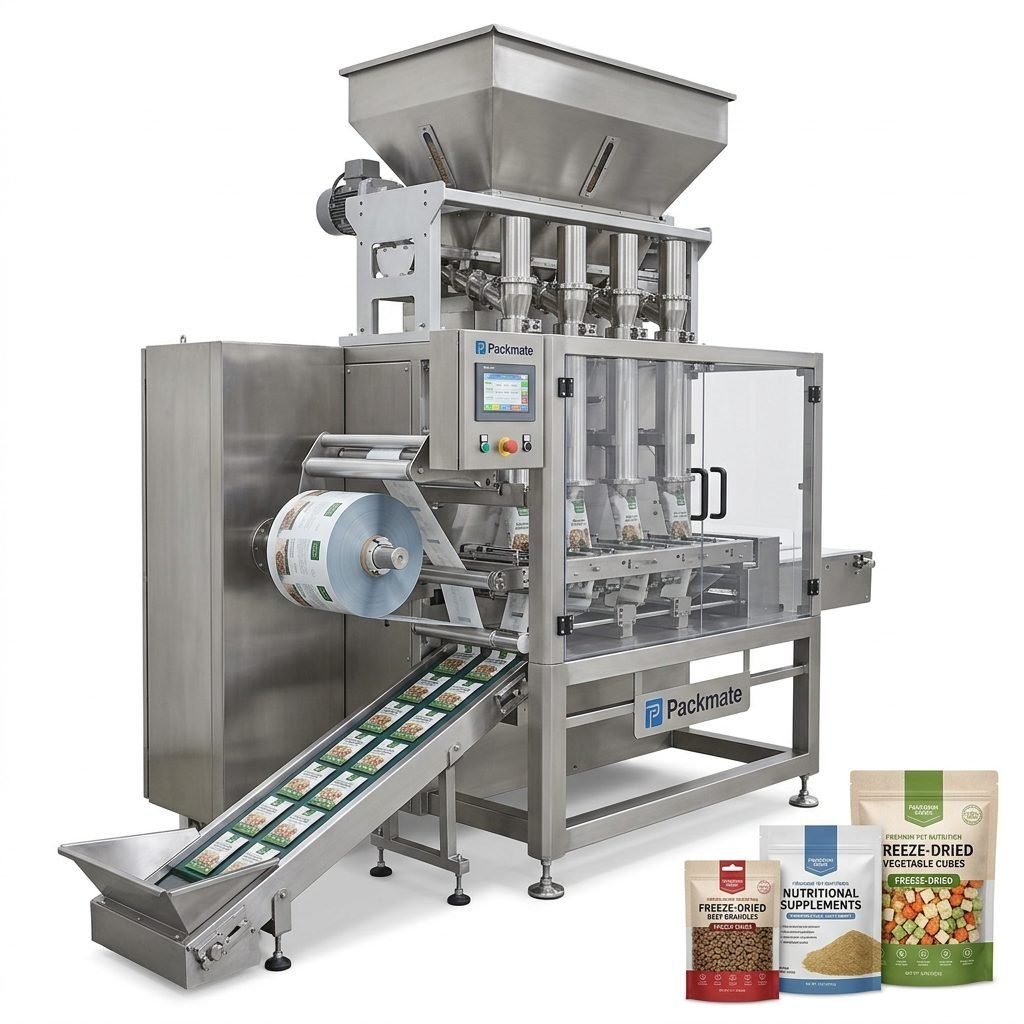
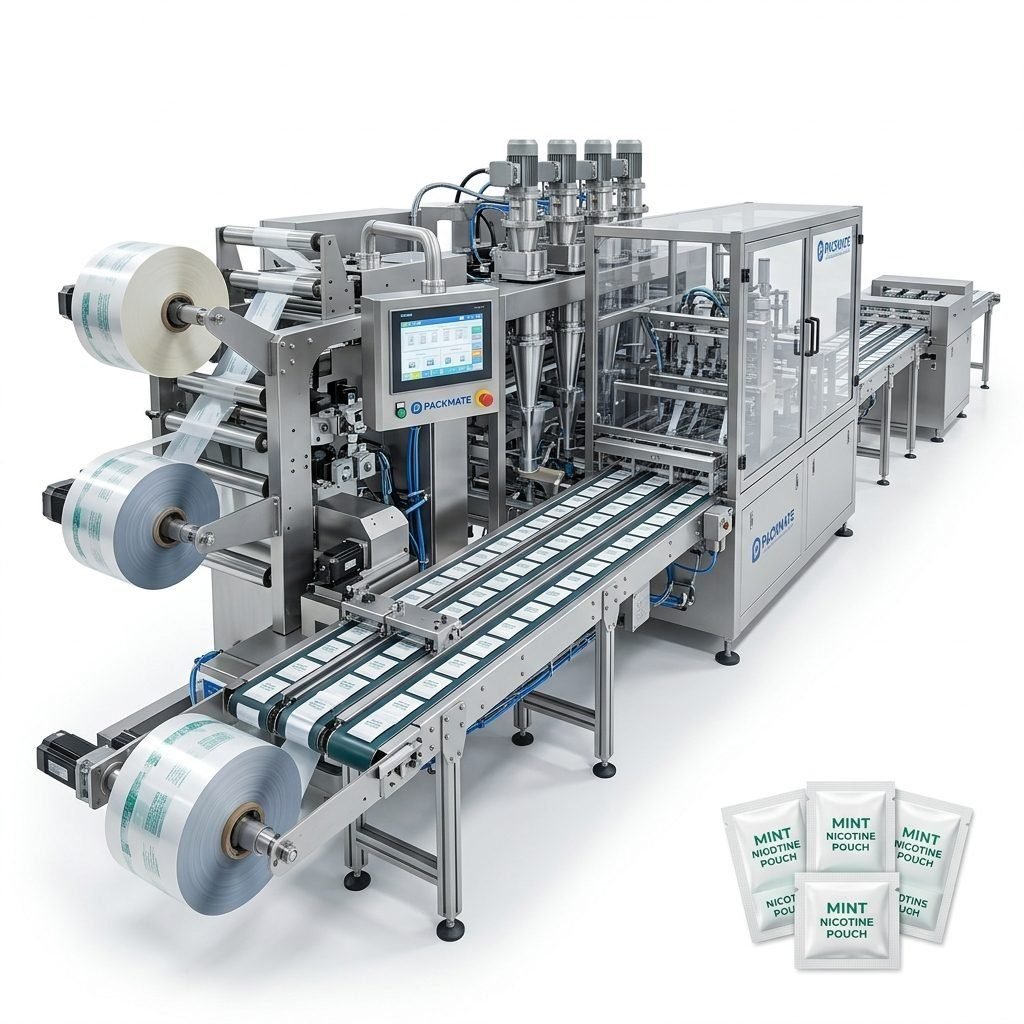
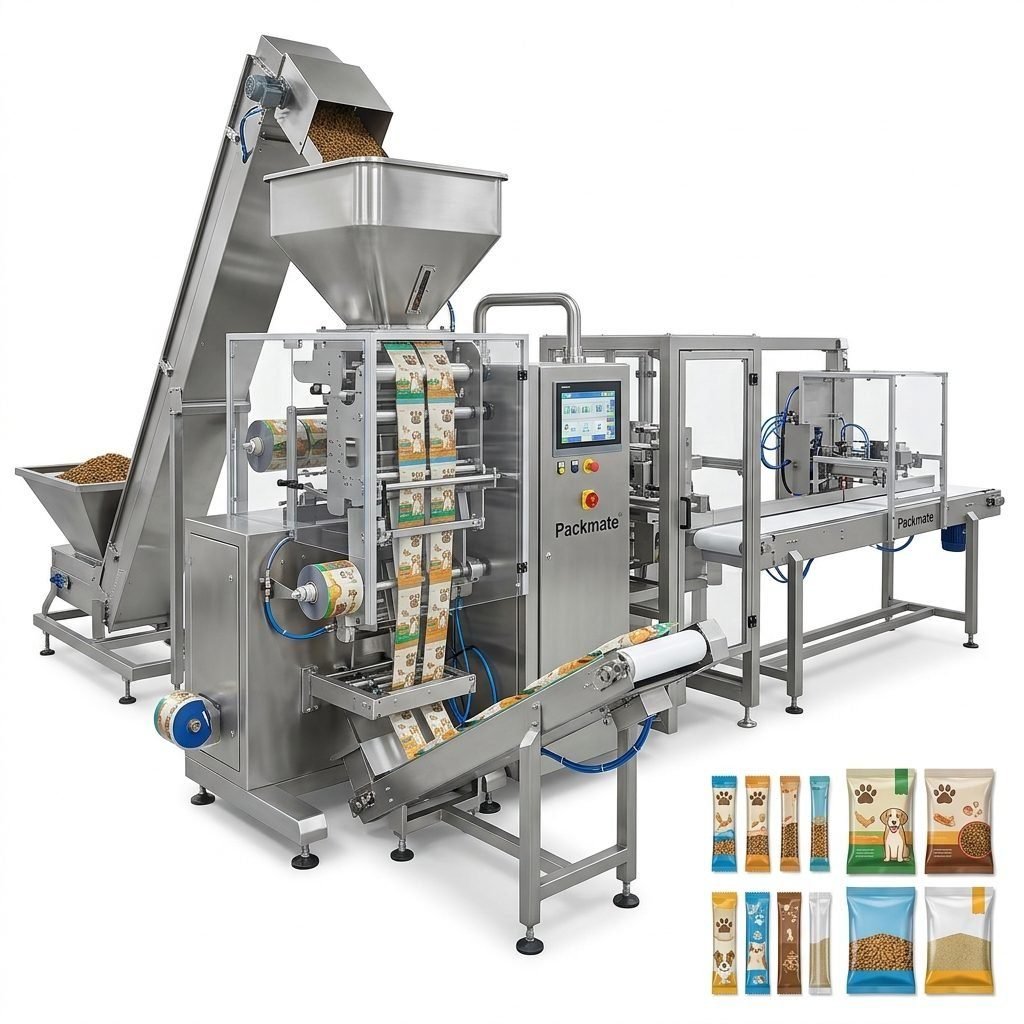
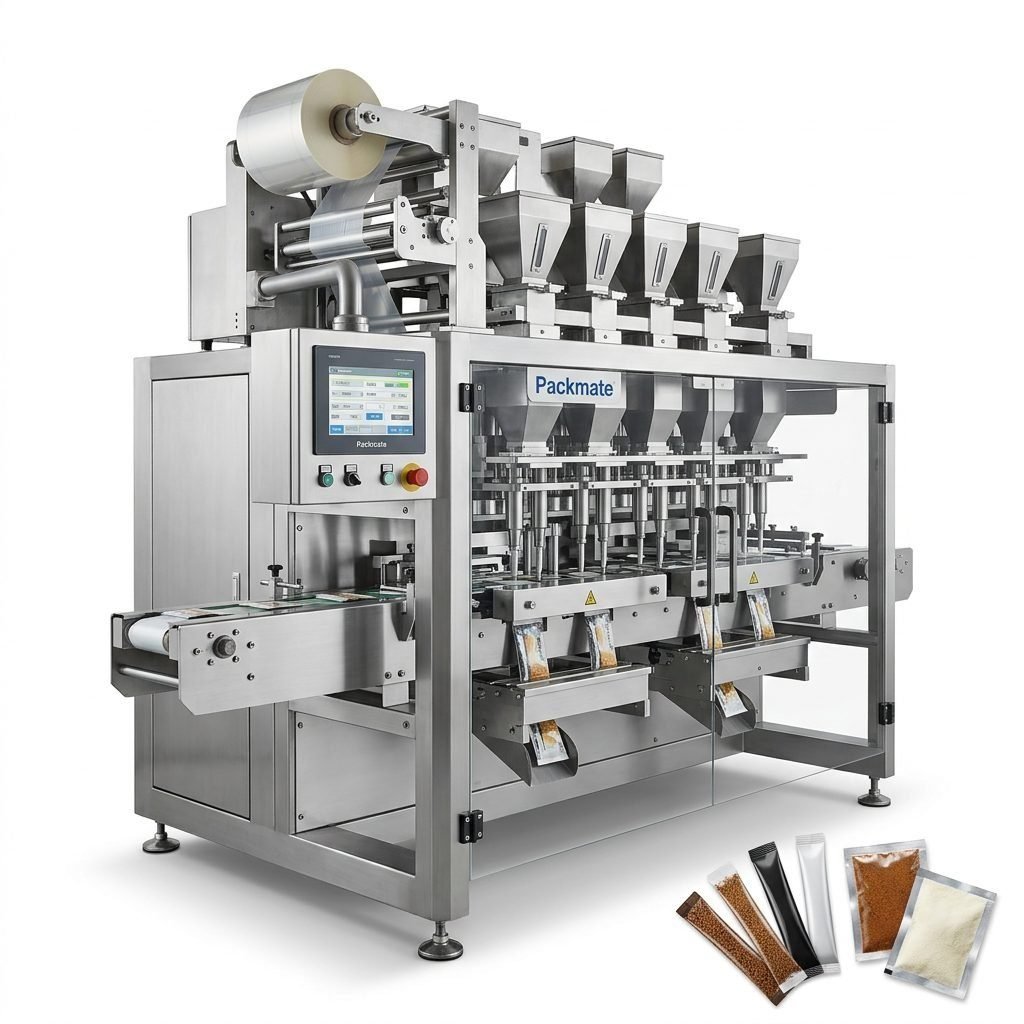
FFS machines represent a highly efficient, all-in-one solution. They form the packaging from a roll of film, fill it with the product, and seal it in a continuous process. This method is incredibly popular for its material efficiency, reduced storage space for pre-made bags, and high-speed capabilities. They are ideal for creating a wide variety of packages, including sachets for sauces, stick packs for pharmaceuticals, and stand-up pouches for snacks.
Cartoning and Case Packing Equipment
Once products are in their primary packaging, they often need to be organized into secondary packages like cartons or cases. Cartoning machines erect, load, and seal cartons, while case packers arrange multiple primary packages into shipping cases. Automation in this stage drastically reduces labor costs and minimizes handling damage. The choice between automatic and semi-automatic models often depends on your production volume and flexibility needs.
Key Factors for Selecting Your Packaging Machinery
Moving beyond equipment types, a successful selection process must evaluate several interconnected factors specific to your operation.
Product Characteristics: The Starting Point
Your product dictates the machine’s core functionality. Analyze its physical state (solid, granule, powder, liquid), abrasiveness, hygroscopicity, and fragility. For instance, packaging delicate tea leaves requires gentle handling systems, while packaging abrasive ceramic powder demands wear-resistant components. Furthermore, consider any special requirements like nitrogen flushing for coffee or aseptic filling for dairy products.
Production Volume and Speed Requirements
Your output goals are paramount. Are you a startup needing flexible, low-to-medium output, or an established brand requiring high-speed, 24/7 production? Calculate your required cycles per minute (CPM) or packs per hour (PPH). It’s often wiser to select a machine that can handle a 20-30% higher capacity than your current needs to accommodate future growth without an immediate reinvestment.
Budgeting Beyond the Purchase Price
While the initial machine cost is important, the Total Cost of Ownership (TCO) is a more critical metric. This includes:
• Installation & Training: Costs for technicians and operator training.
• Maintenance & Spare Parts: Regular upkeep and availability of critical components.
• Energy Consumption: The machine’s power efficiency over its lifespan.
• Material Waste: How efficiently the machine uses packaging film or causes product giveaway.
Partnering with a manufacturer known for reliability and strong after-sales service can significantly reduce long-term TCO.
Integration and Future-Proofing
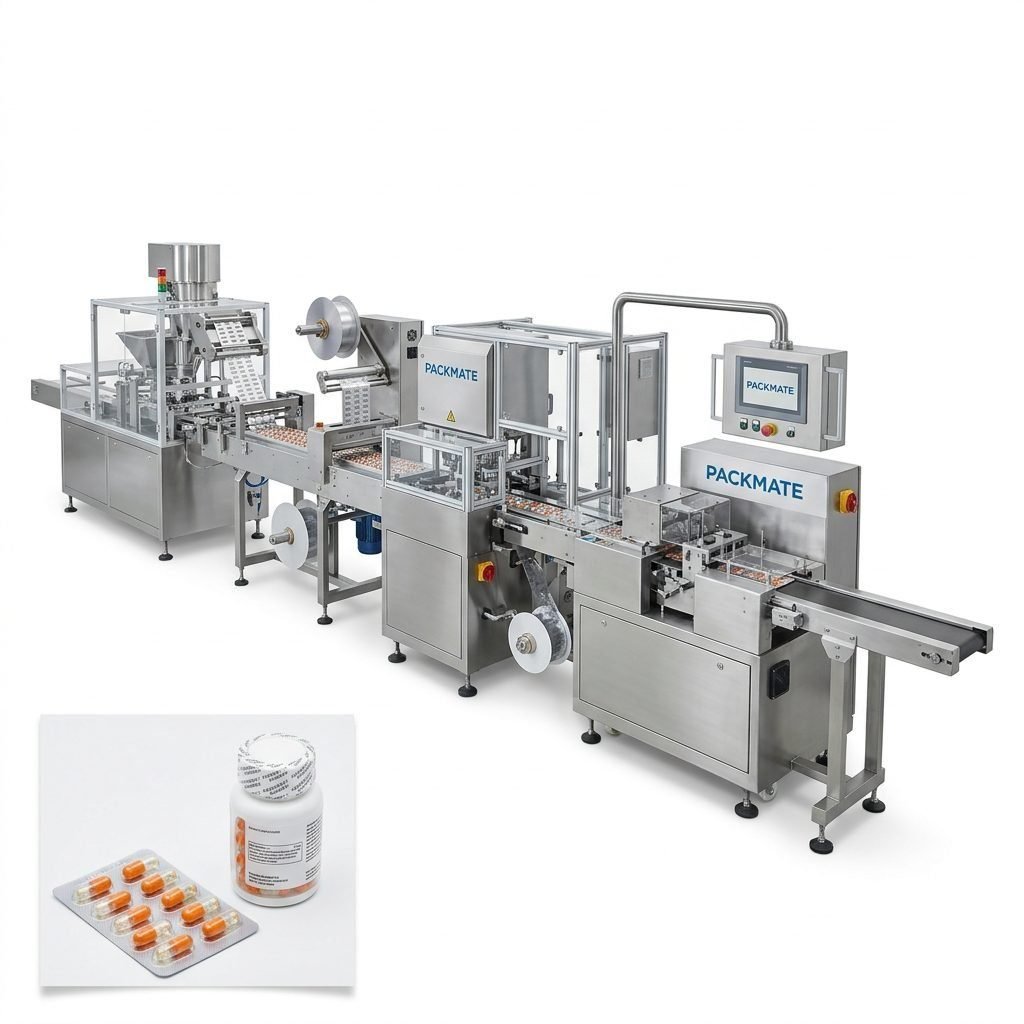
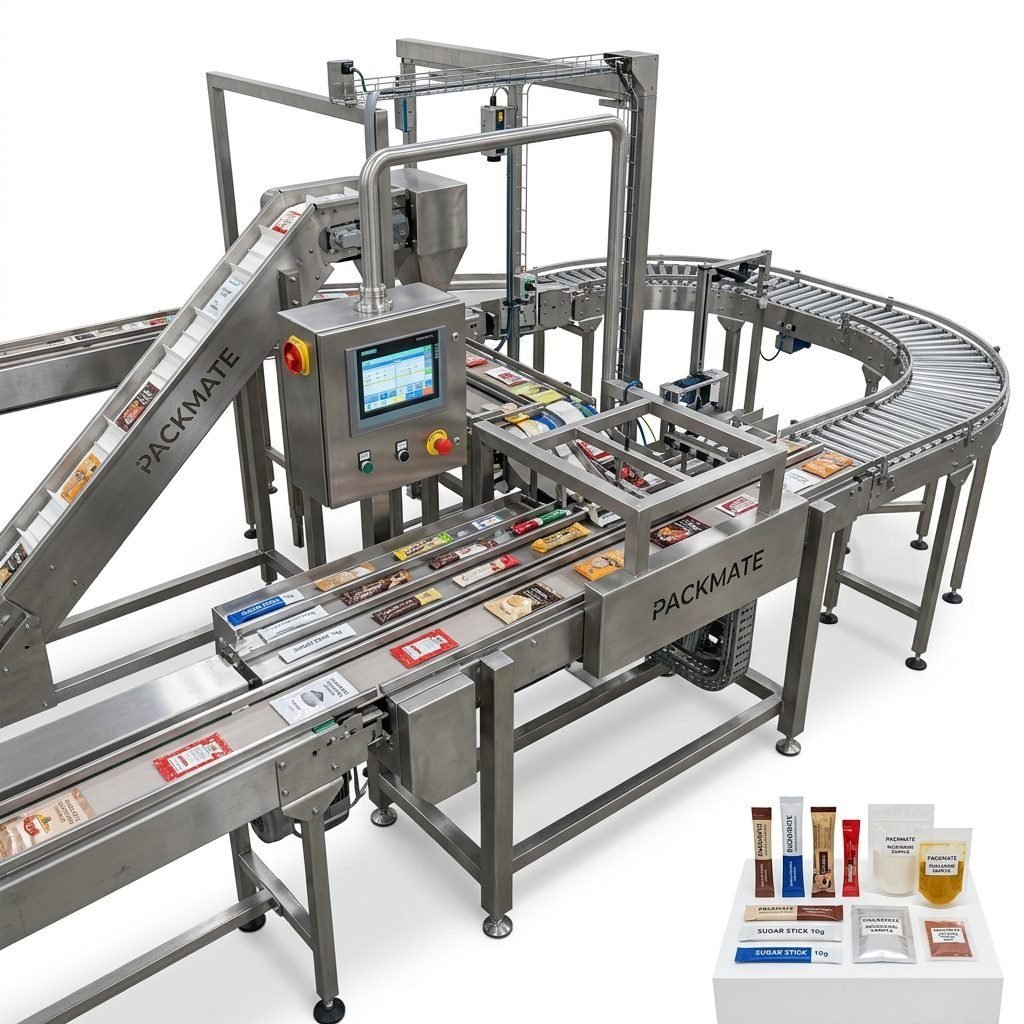
Will the machine work in isolation, or does it need to integrate with existing upstream (e.g., mixing tanks) and downstream (e.g., labeling robots) equipment? Compatibility in terms of communication protocols (e.g., PLC, IoT readiness), physical footprint, and material handling is essential. Furthermore, consider the supplier’s ability to provide a complete packaging line solution, which ensures seamless integration from the start.
The Role of the Manufacturer: Quality and Support
The machine builder is as important as the machine itself. A reputable manufacturer brings invaluable expertise and peace of mind.
Look for a company with a proven track record in your industry. For example, Packmate (GuangDong) Co., Ltd., with over 30 years of expertise, specializes in intelligent packaging for food, pharmaceuticals, and health products. Their journey from a small workshop in 1993 to a modern 20,000㎡ facility today underscores a commitment to evolution and quality. Such a manufacturer understands the nuanced challenges of packaging different product types and can offer proven, reliable solutions.
Evaluate their testing and R&D capabilities. Can they run trials with your actual product? Do they have a portfolio of over 50 machine models, like Packmate’s range of multi-lane stick pack and sachet lines, indicating deep engineering knowledge? Finally, assess their global support network. Access to timely technical support, training, and genuine spare parts is crucial for minimizing downtime. Reviewing a manufacturer’s project case studies can provide concrete evidence of their capability and experience.
Finalizing Your Decision: A Step-by-Step Checklist
- Define Specifications: Document all product details, required output, package dimensions, and desired features.
- Research Suppliers: Shortlist 3-5 manufacturers with strong reputations in your sector.
- Request Demonstrations: Always insist on a live or recorded test using your product (or a close substitute).
- Analyze Quotes Comprehensively: Compare not just price, but warranty, delivery time, and service terms.
- Check References: Speak to existing clients of the manufacturer about machine performance and support.
- Plan for Implementation: Coordinate installation, utility connections, and operator training in advance.
Investing in packaging machinery is a strategic move. By methodically analyzing your product, throughput, and operational goals, and by partnering with an experienced and supportive manufacturer, you can select equipment that becomes a cornerstone of your efficiency and quality for years to come. The right machine is not just a cost; it’s a catalyst for scalability and market responsiveness.
Frequently Asked Questions (FAQs)
What is the most important factor when choosing a packaging machine?
While all factors are interconnected, your specific product characteristics are the absolute foundation. The machine must be capable of handling your product’s form, density, and flow properties with consistent accuracy and without degradation. A machine perfect for lentils may fail completely with flour.
How do I decide between a stand-alone machine and a full packaging line?
This depends on your production scale, labor costs, and future plans. A stand-alone machine is suitable for lower volumes or when adding automation to one step. A full, integrated packaging line is more efficient for high-volume production, offering better speed consistency, lower labor dependency, and often a smaller overall footprint.
What kind of maintenance should I expect?
Regular preventative maintenance is essential. This typically includes daily cleaning, lubrication of moving parts as per the manual, and inspection of seals and wear parts. Expect to schedule more thorough servicing annually. Choosing a supplier that offers clear maintenance manuals, training, and readily available spare parts is critical for uptime.
Can one machine package different products?
Many machines offer good flexibility through quick-change parts like different sized augers, funnels, or sealing jaws. However, there are always limits. A machine designed for vast differences (e.g., switching from fine powder to large granules) may require significant changeover time and part swaps. Discuss your product range with the supplier during the testing phase.
How long does it typically take from purchase to operation?
The timeline varies. For standard machines, delivery might take 8-12 weeks after order confirmation. Installation and commissioning can take from a few days to two weeks, depending on complexity. Factor in additional time for operator training, production trials, and any necessary facility modifications (electrical, compressed air) before the machine can run at full capacity.