In the fast-paced world of product manufacturing, efficient and reliable packaging is a cornerstone of success. For countless industries—from food and pharmaceuticals to health supplements and beyond—hot melt packaging equipment provides the essential adhesive bond that ensures product integrity, security, and a professional appearance. This guide delves into the various types of hot melt packaging machinery, their diverse applications, and crucial tips for making an informed purchase decision.
Understanding Hot Melt Packaging Equipment
Hot melt packaging equipment refers to systems designed to apply a thermoplastic adhesive, known as hot melt, to seal various packaging materials. The adhesive is solid at room temperature but melts upon heating, allowing for rapid application and an almost instantaneous bond as it cools. This technology is prized for its speed, clean application, and strong bond strength, making it superior to many liquid adhesives or tapes in high-speed production environments.
The core principle involves melting adhesive pellets or slugs in a heated tank or chamber. The molten adhesive is then precisely dispensed—via nozzles, wheels, or extrusion heads—onto the packaging material. The two surfaces to be sealed are pressed together, and the adhesive sets within seconds as it solidifies, creating a durable seal.
Key Components of a Hot Melt System
A typical system consists of several integrated parts:
Melting Unit/Tank: Heats and maintains the adhesive at the optimal application temperature.
Pump & Hosing: Transports the molten adhesive from the tank to the application head under controlled pressure.
Application Head/Nozzle: The point where adhesive is dispensed onto the substrate. Designs vary widely (e.g., slot coating, spiral, dot patterns) depending on the seal required.
Control System: The electronic brain that manages temperature, pump speed, and application timing for precision and consistency.
Primary Types of Hot Melt Packaging Machines
The market offers a range of equipment tailored to different production scales, package types, and automation levels. Choosing the right type is the first critical step.
1. Manual & Semi-Automatic Applicators
Ideal for low-volume production, prototyping, or repair stations. These are handheld or bench-mounted units where an operator triggers the adhesive flow. They offer flexibility and a lower initial investment but are not suitable for high-speed, continuous lines. They are perfect for businesses like small bakeries or specialty goods producers.
2. Automatic Case & Carton Sealers
These are workhorses in logistics and shipping departments. They automatically apply hot melt adhesive to the flaps of corrugated boxes, replacing traditional tape. Options range from semi-automatic (operator places the box) to fully automatic inline systems that integrate with conveyor belts. They ensure consistent, tamper-evident seals that are often stronger than taped seams. For robust sealing solutions, exploring dedicated bag and pouch packaging machines can also be beneficial for flexible packaging needs.
3. Tray Forming & Sealing Machines
Common in the food industry for packaging fresh produce, meats, or ready meals. These machines form a plastic or cardboard blank into a tray, fill it with product, and then apply a hot melt adhesive to secure a clear film or lidding material. The seal is clean, secure, and can be designed for easy peeling.
4. High-Speed Labeling & Pouch Making Systems
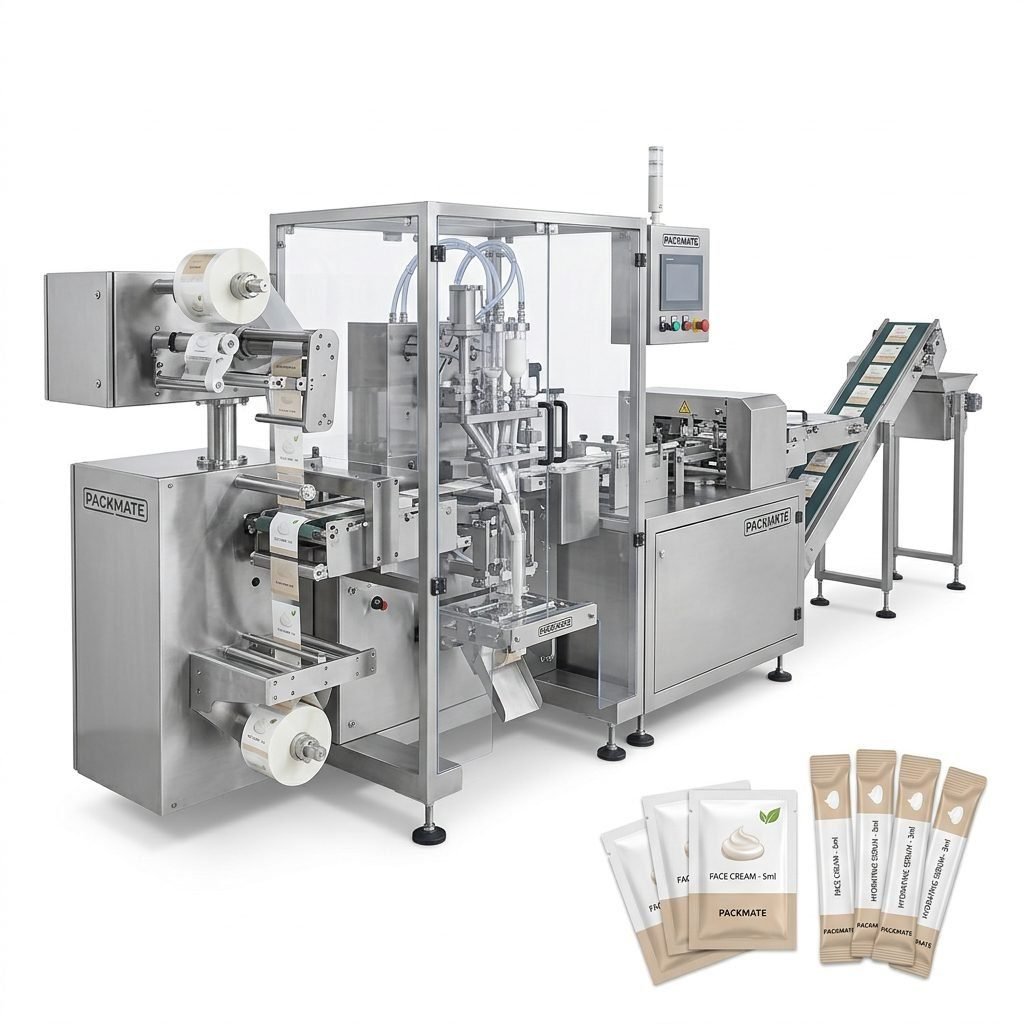
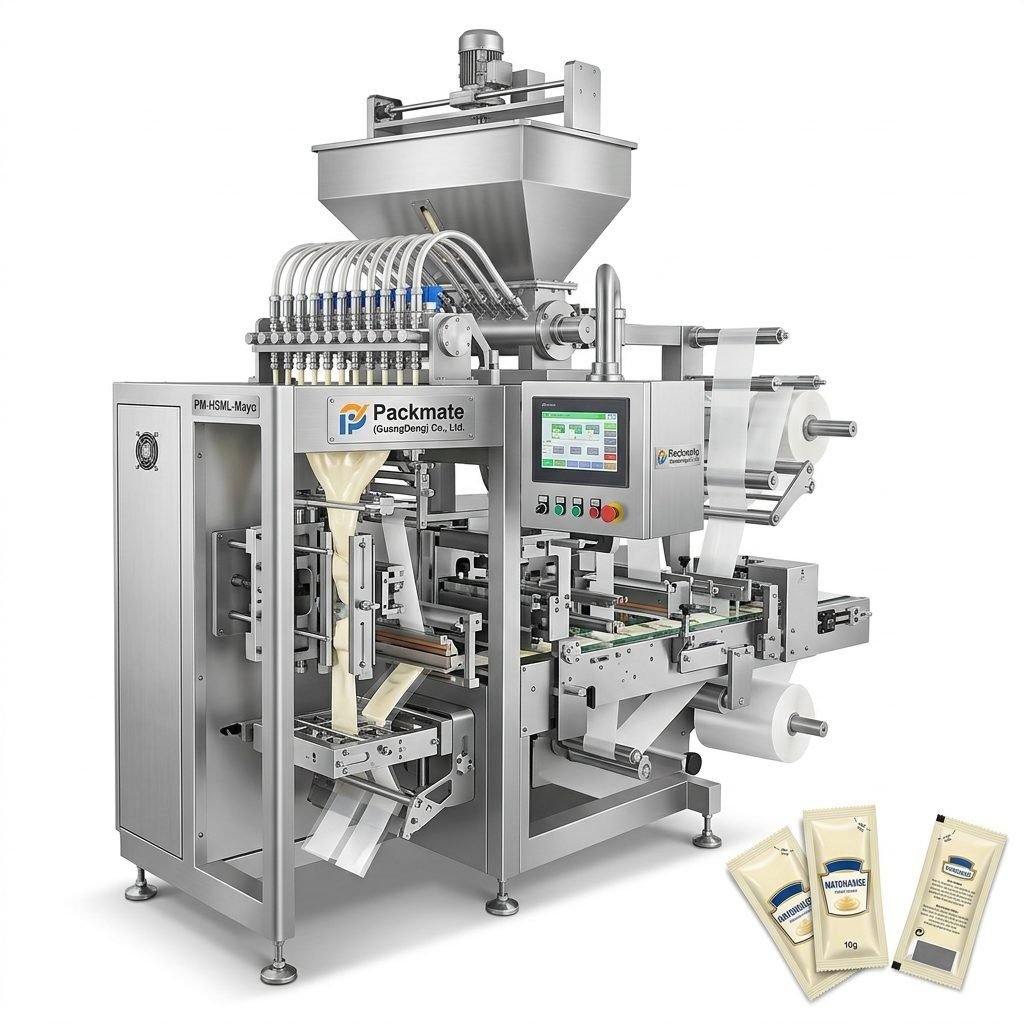
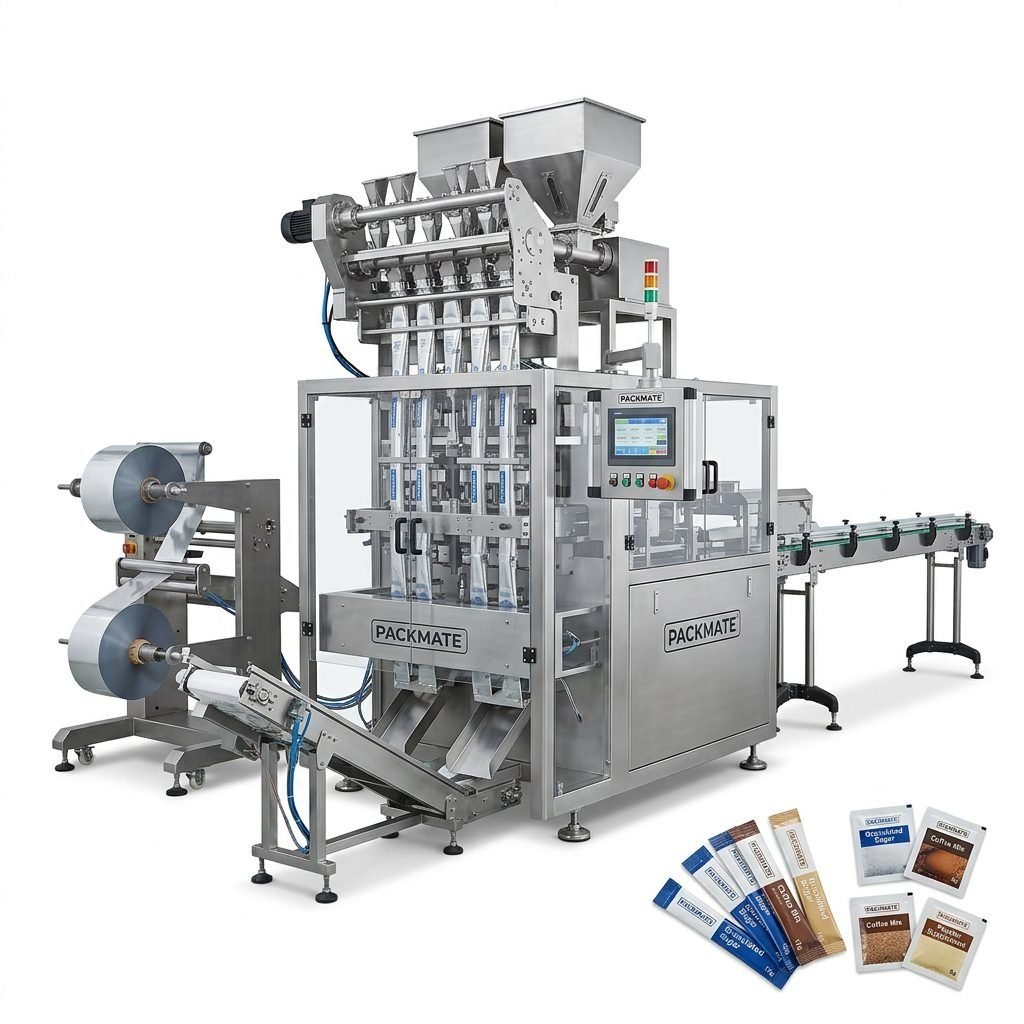
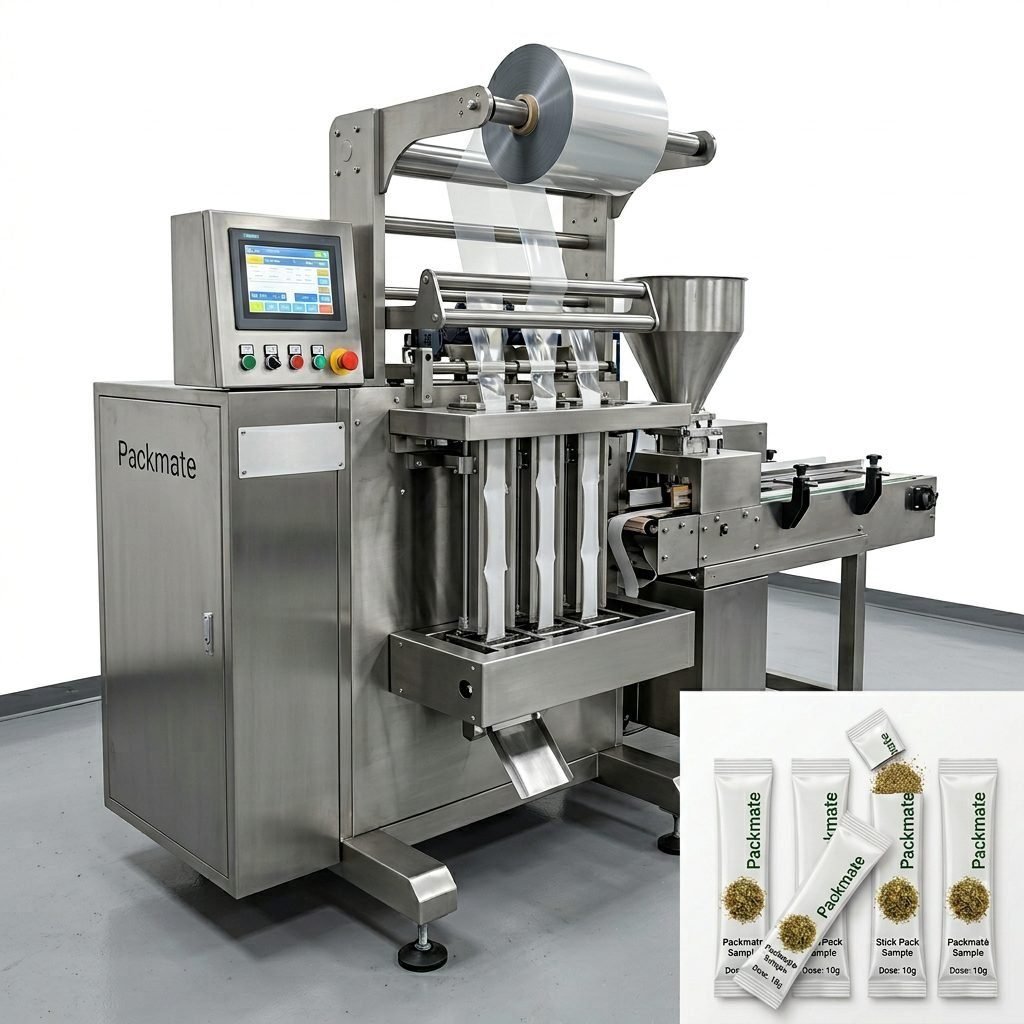
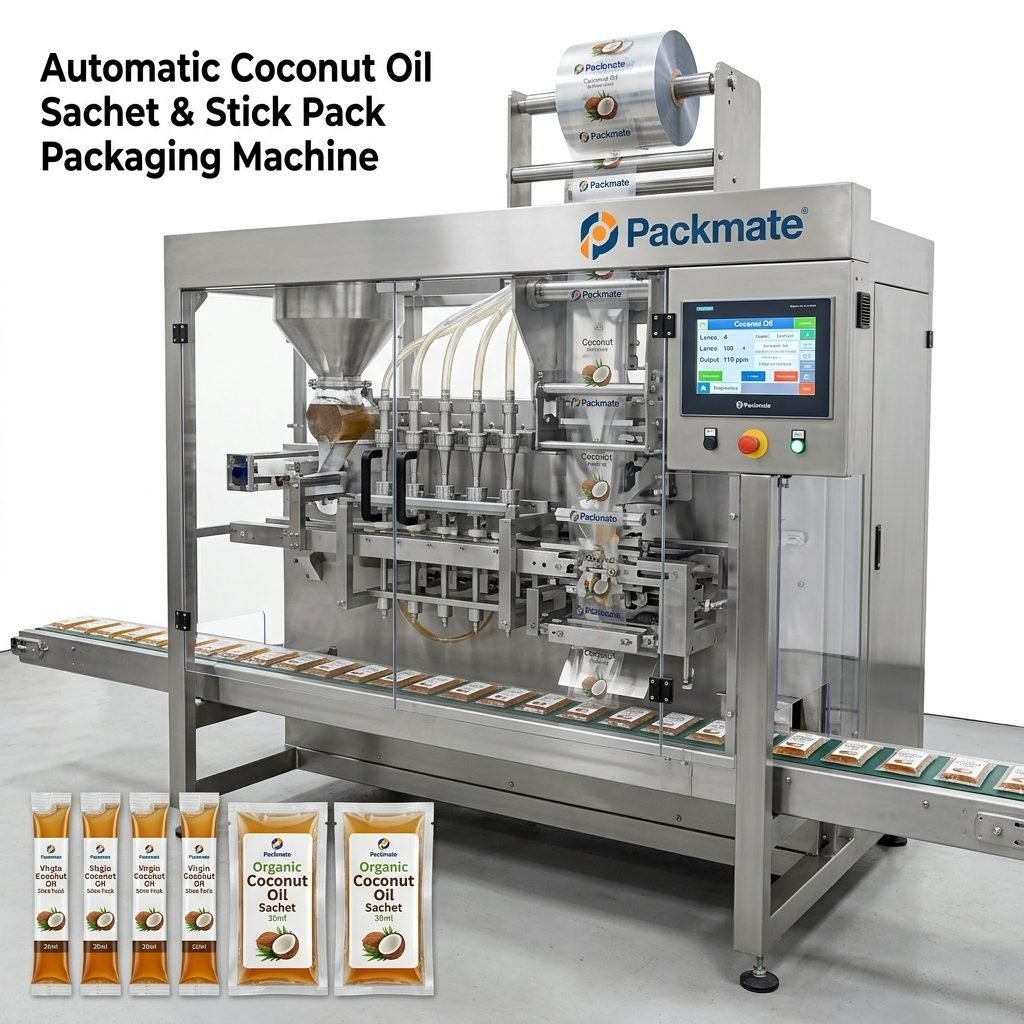
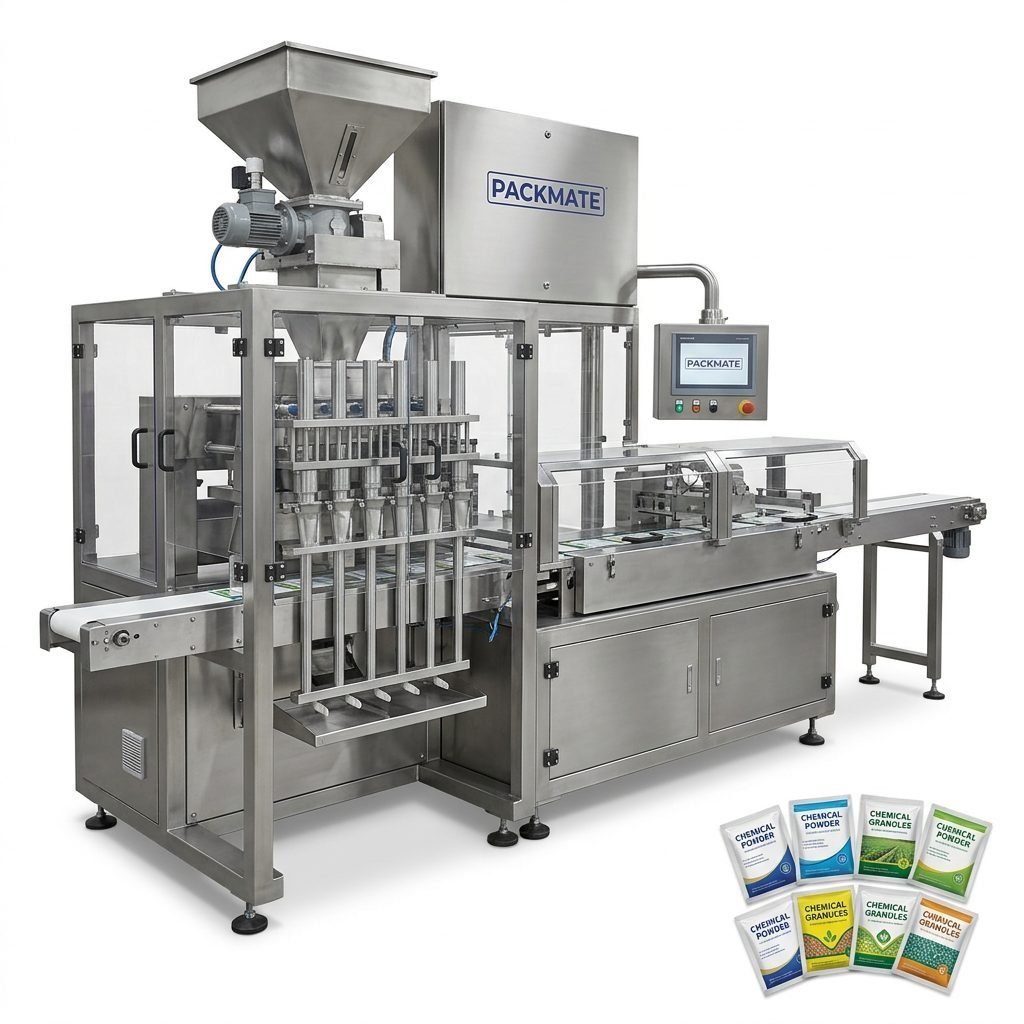
Hot melt is extensively used in labeling applications where a permanent bond is required on challenging surfaces. It’s also critical in form-fill-seal (FFS) operations for creating pouches and sachets from a roll of film, where the longitudinal and end seals are often made with hot melt. For high-precision sachet and stick pack production, specialized sachet & stick pack machines from experienced manufacturers like Packmate offer integrated, turnkey solutions.
5. Integrated Filling and Sealing Lines
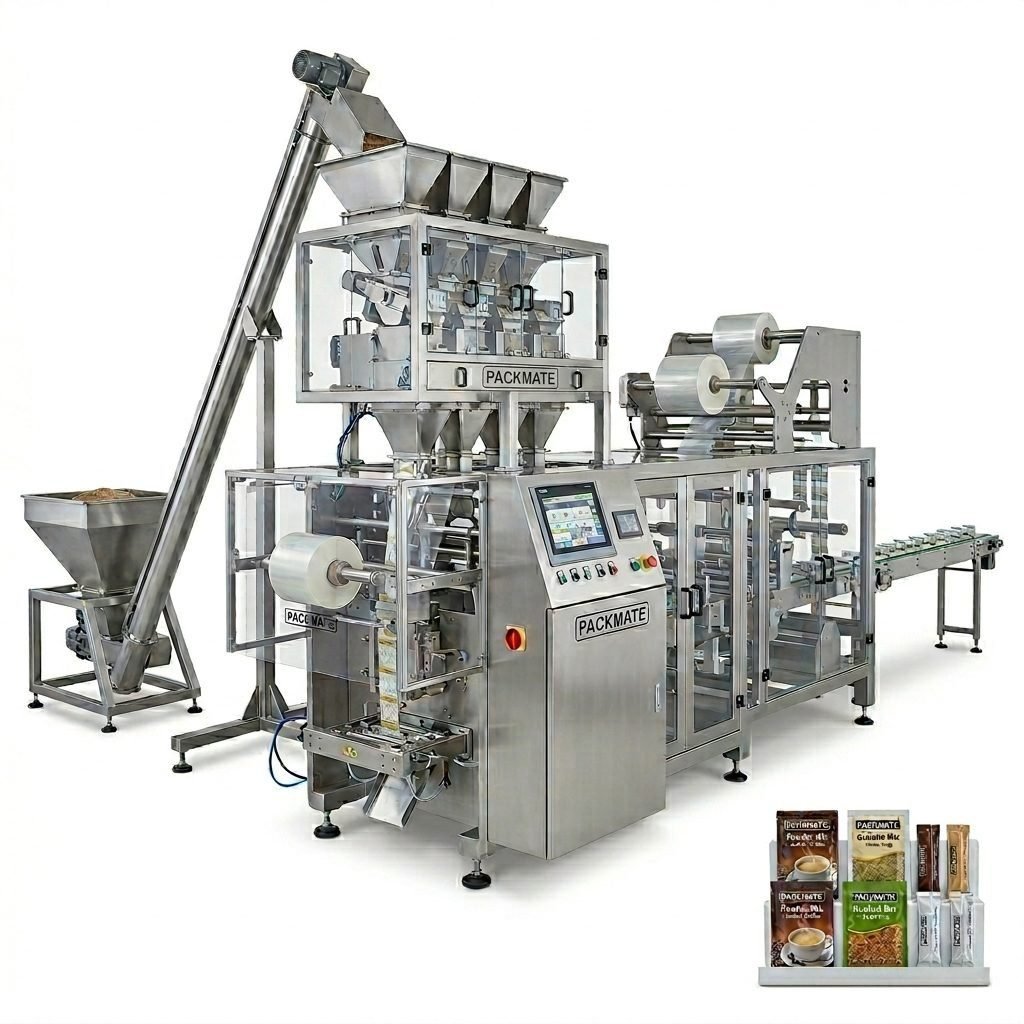
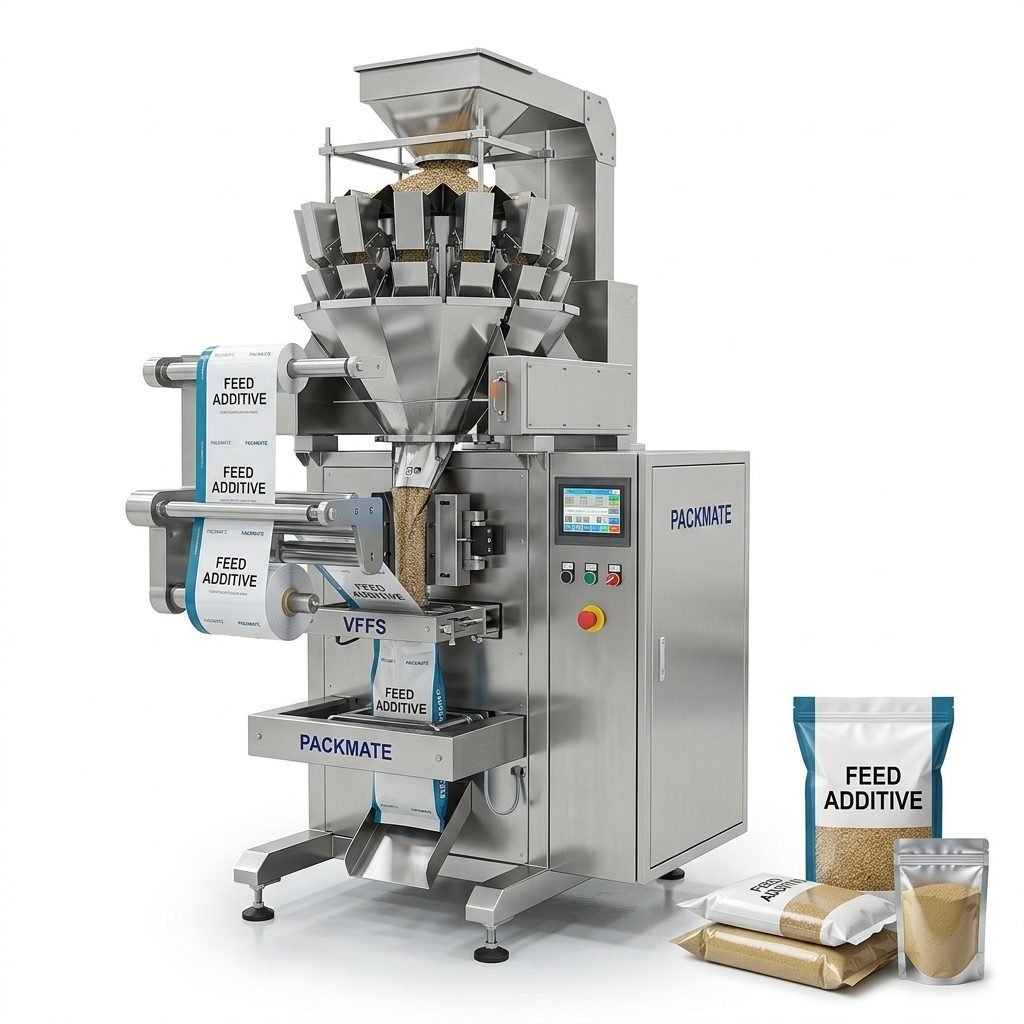
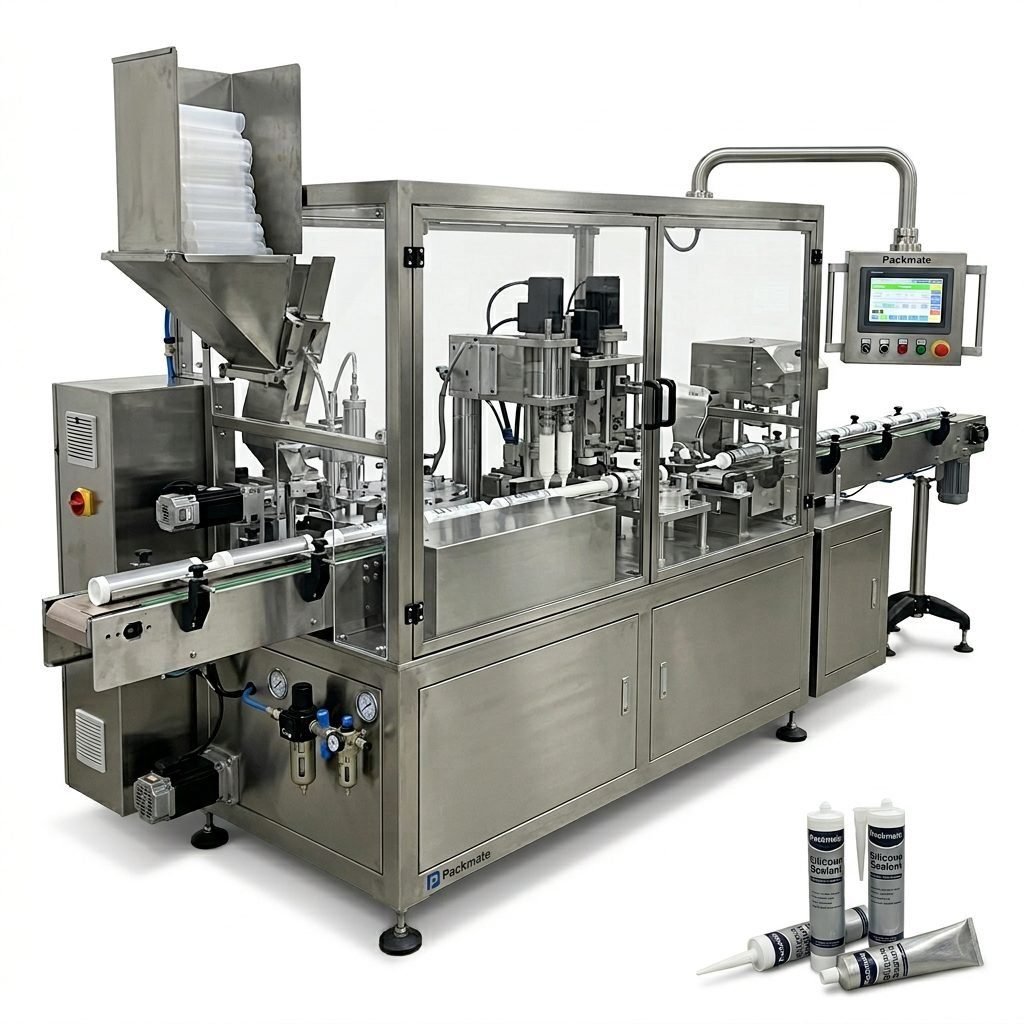
The most advanced application involves hot melt systems seamlessly integrated into complete packaging lines. These lines automatically form the package, fill it with product (be it powder, granules, or liquid), and then seal it using hot melt technology. This is the domain of large-scale manufacturers seeking maximum efficiency. Companies providing complete filling & packaging lines often design the hot melt application as a core, optimized component of the entire system.
Wide-Ranging Uses Across Industries
The versatility of hot melt adhesives allows this equipment to serve a multitude of sectors.
Food & Beverage: Sealing cereal boxes, cartons, trays, multi-packs, and labels. The adhesives are often FDA-compliant for indirect food contact.
Pharmaceuticals & Healthcare: Securing sterile packaging for medical devices, sealing cartons for medicine boxes, and assembling diagnostic kits where a reliable, contaminant-free bond is paramount.
E-commerce & Logistics: The explosion of online retail has made automatic case sealing indispensable for fulfillment centers, ensuring products arrive securely.
Consumer Goods: From sealing detergent pouches and toy packaging to assembling furniture and electronics, hot melt provides a clean, strong bond for various materials.
Essential Buying Tips for Your Business
Investing in hot melt packaging equipment is a significant decision. Here are key factors to consider to ensure you select the right machine for your needs.
1. Assess Your Production Requirements
Begin by analyzing your current and projected output. What is your required speed (packages per minute)? What are the dimensions and materials of your packages? A low-volume operation may thrive with a semi-automatic machine, while a high-speed production line demands a fully automated, integrated system. Understanding your throughput is non-negotiable.
2. Define Your Application & Adhesive Needs
Not all hot melts are the same. The substrate (cardboard, coated paper, plastic film, etc.), required open time, set time, and bond strength will determine the adhesive formulation. Consult with both the equipment supplier and adhesive manufacturer to ensure compatibility. The machine must be capable of melting and applying your chosen adhesive at the correct viscosity and temperature.
3. Prioritize Ease of Use and Maintenance
Look for equipment with an intuitive control interface (often a touchscreen HMI). Easy access for cleaning, nozzle changes, and routine maintenance minimizes downtime. Machines with self-diagnostic features and clear error messages can save valuable time and reduce reliance on specialized technicians.
4. Evaluate Build Quality and Supplier Reputation
The machine should be robustly constructed from durable materials (e.g., stainless steel in critical areas) to withstand a 24/7 production environment. The reputation of the manufacturer is crucial. A supplier with a long history, like Packmate Machinery, which brings over 30 years of expertise in intelligent packaging solutions, is more likely to provide reliable equipment, comprehensive technical support, and readily available spare parts.
5. Consider Total Cost of Ownership (TCO)
Look beyond the initial purchase price. Factor in energy consumption, adhesive usage efficiency, maintenance costs, and potential downtime. A slightly more expensive machine that is more efficient and reliable will often have a lower TCO over its lifespan. Always inquire about warranty terms, training, and after-sales service availability.
6. Plan for Integration and Future Growth
If the machine needs to connect to existing conveyors, fillers, or labelers, ensure compatibility. Furthermore, consider if the equipment can be upgraded or modified to handle different package sizes or increased speeds in the future, protecting your investment as your business grows.
Frequently Asked Questions (FAQs)
What are the main advantages of hot melt over other adhesives like tape or cold glue?
Hot melt offers several key benefits: Extremely fast setting times enabling higher production speeds; a clean, invisible seam for better aesthetics; excellent bond strength on a variety of materials; and generally lower material consumption compared to tape. It also eliminates the drying time required for cold glue.
Is hot melt adhesive safe for food packaging?
Yes, but specific formulations must be used. FDA-compliant hot melt adhesives are designed for indirect food contact, meaning they are safe for sealing the exterior of packages like cartons and boxes. Always verify the adhesive’s compliance certificates with your supplier for your specific application.
How do I maintain my hot melt packaging equipment?
Regular maintenance is vital. Key tasks include daily purging of the system (if not in continuous use) to prevent adhesive charring, regular cleaning of nozzles and filters, checking hoses for wear, and calibrating temperature sensors. Always follow the manufacturer’s detailed maintenance schedule provided in the manual.
Can one machine handle multiple different adhesive types or colors?
It is generally not recommended to frequently switch between fundamentally different adhesive formulations (e.g., from a standard EVA to a high-performance PA) in the same tank without a thorough purge, as cross-contamination can occur. Switching colors within the same adhesive family is possible but requires a complete purge of the system, which can be time-consuming and wasteful. For frequent changes, dedicated units or systems with quick-change cartridges are better options.
What should I do if the adhesive isn’t bonding properly?
First, check the basics: Is the adhesive at the correct application temperature? Is the substrate clean, dry, and free of dust or release agents? Is the application pattern sufficient and in the right location? Then, verify the adhesive itself—has it been stored properly and is it within its shelf life? If problems persist, consult your equipment and adhesive suppliers for troubleshooting, as the issue could be related to open time, compression time, or material compatibility.