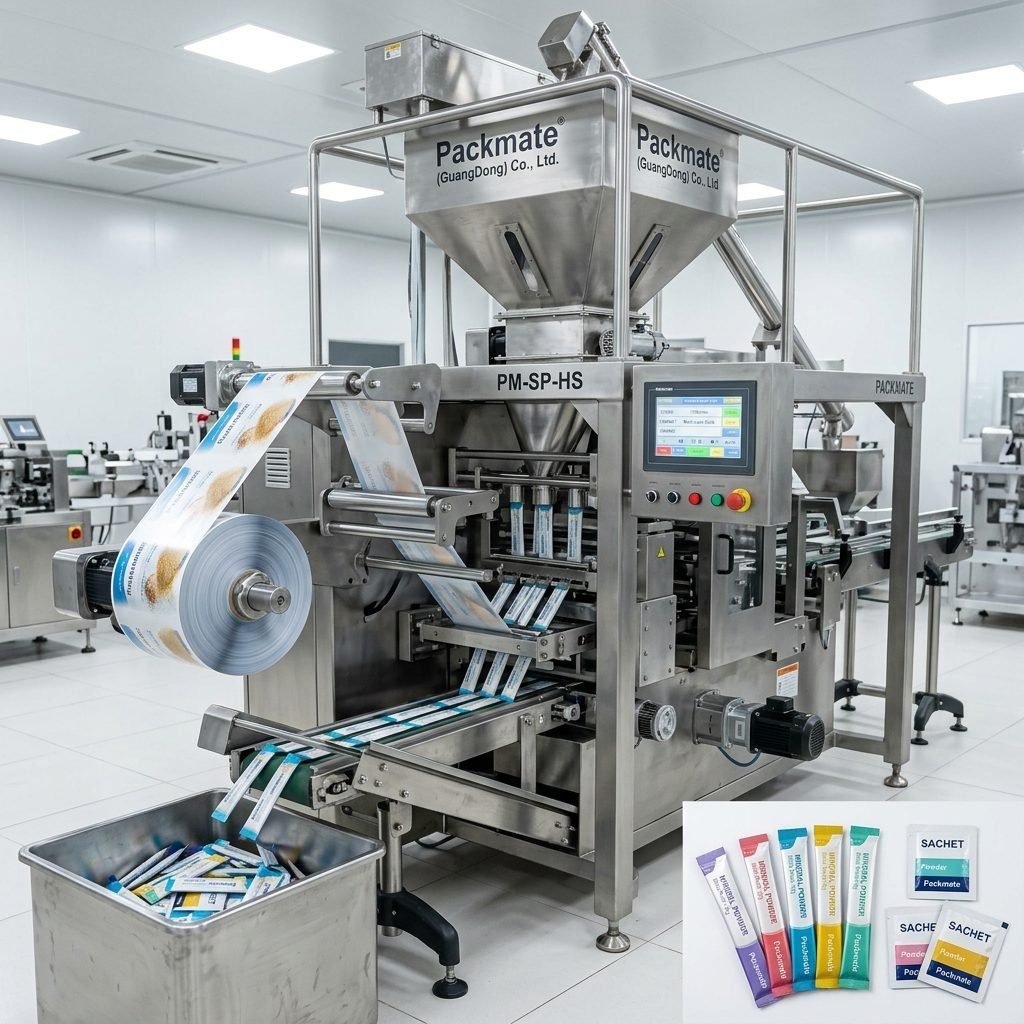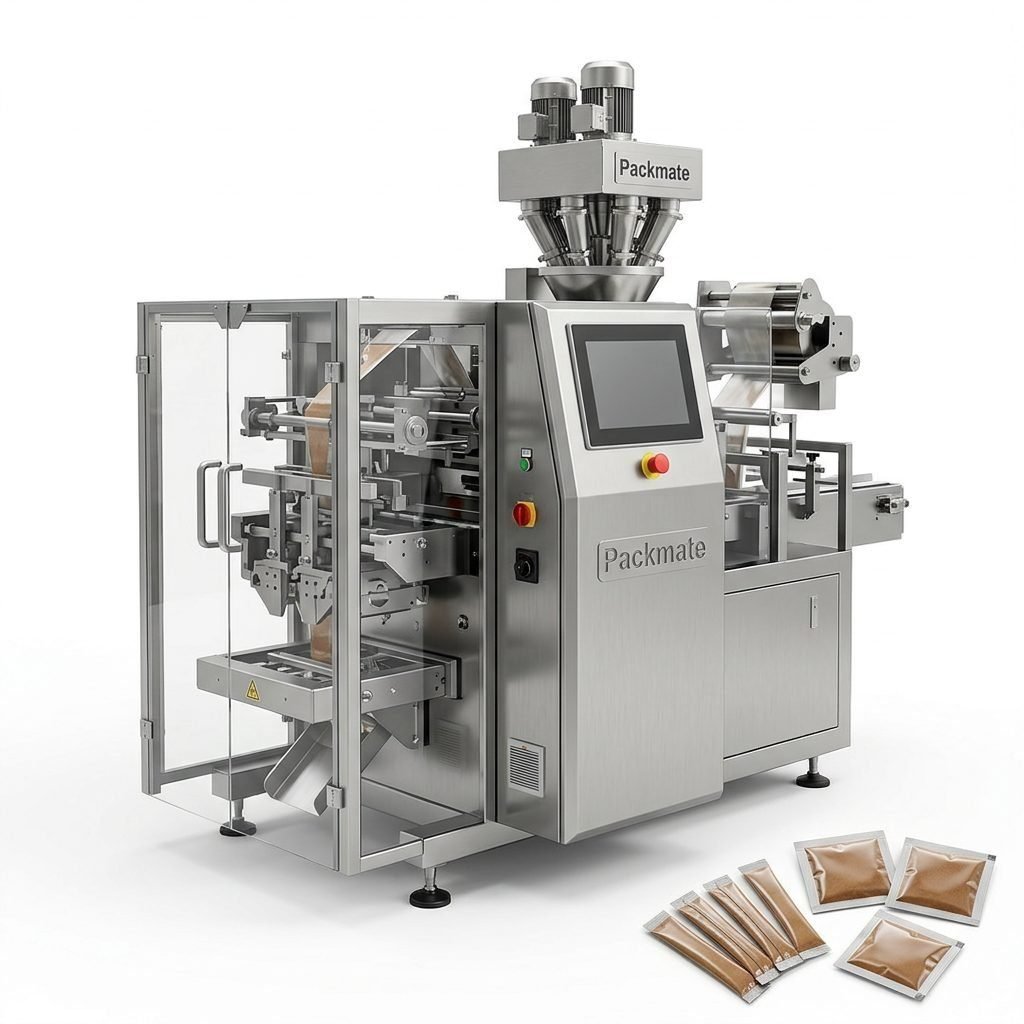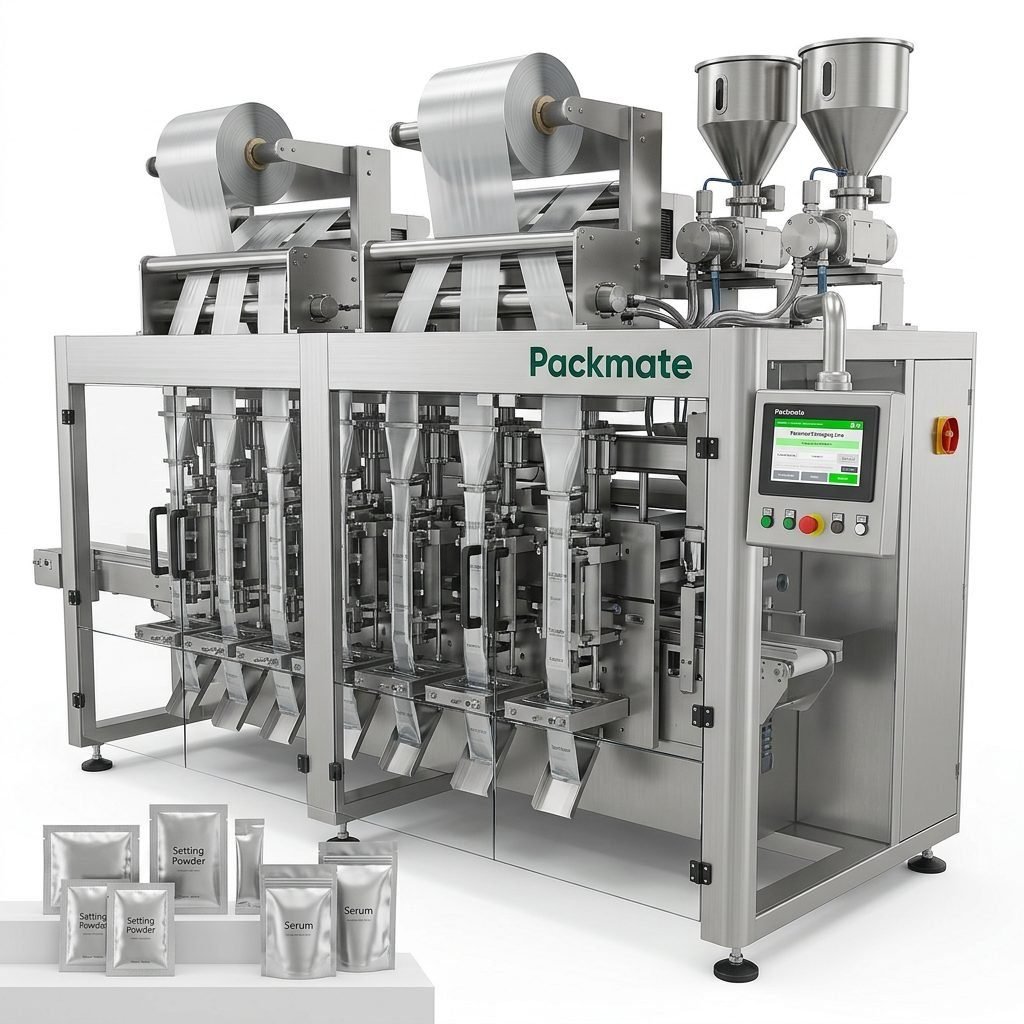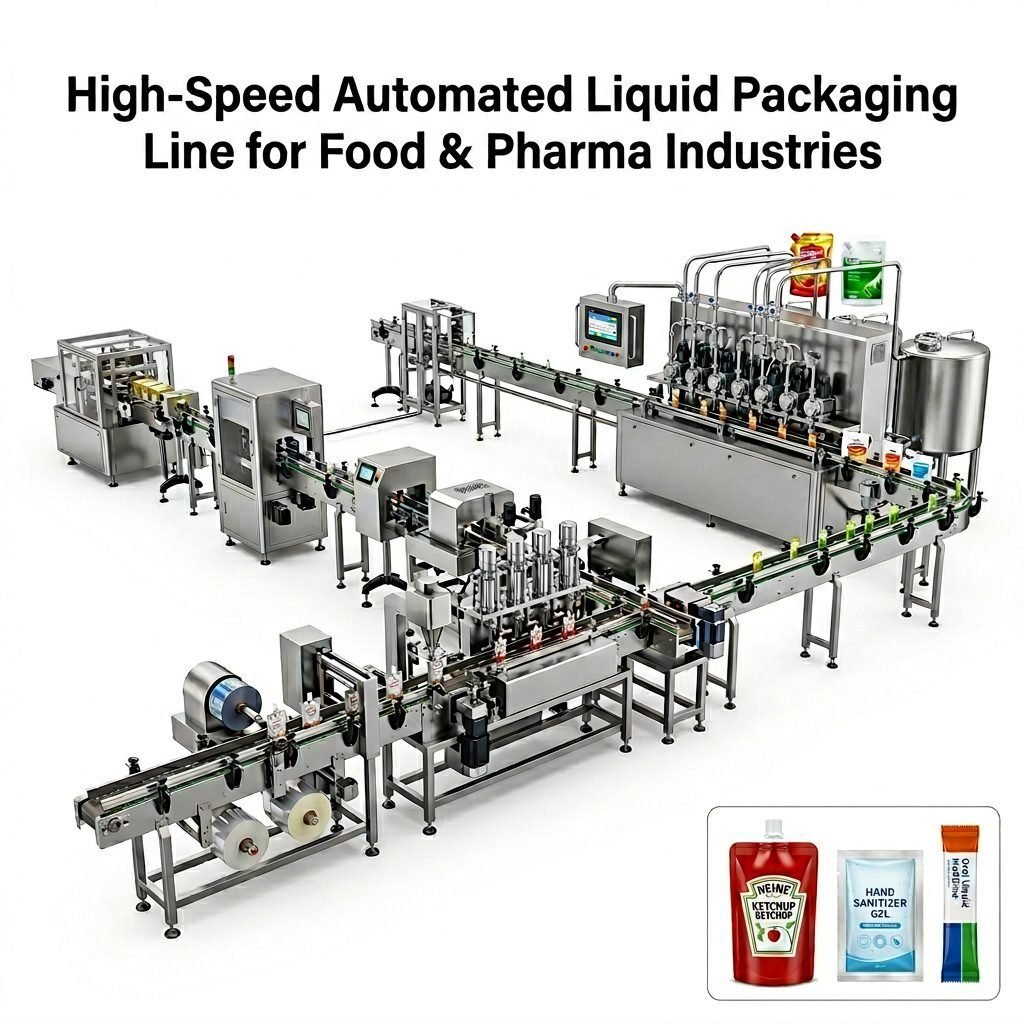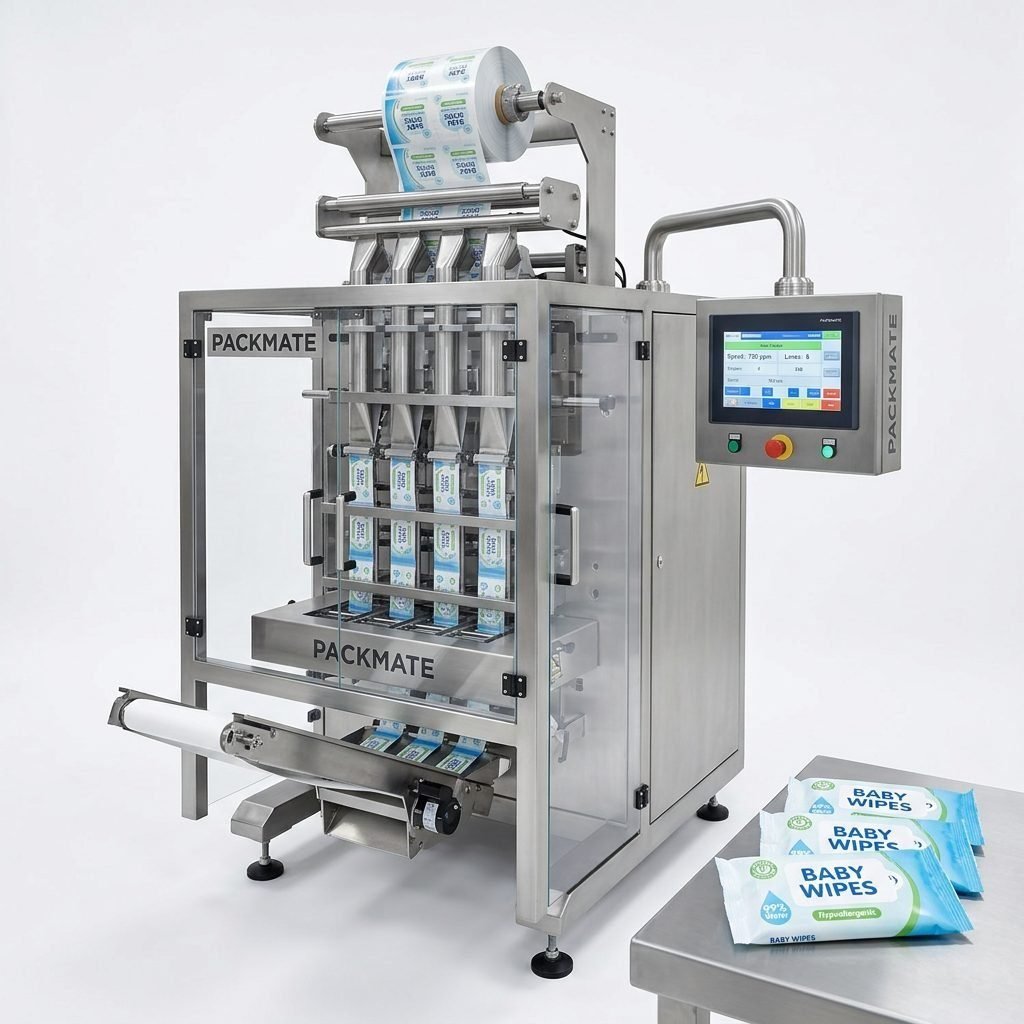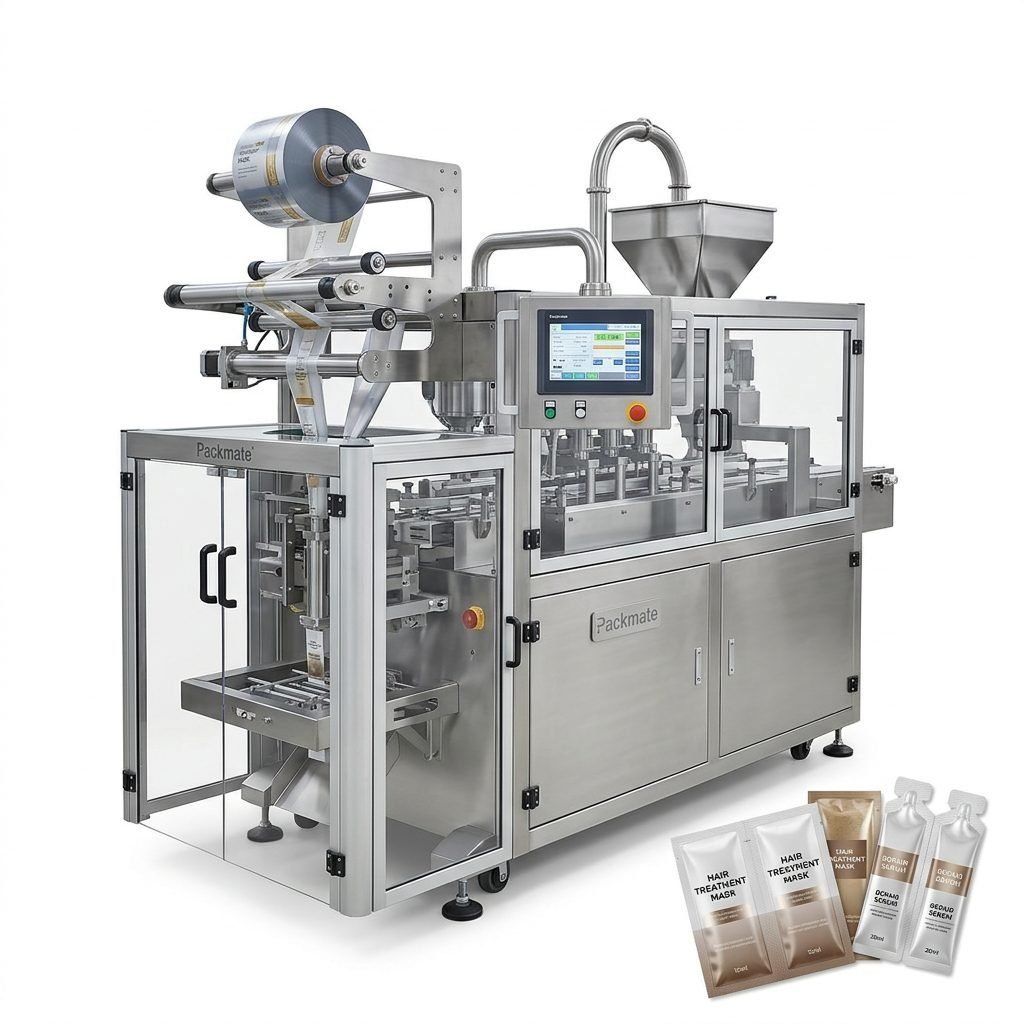
Selecting the right packaging machinery supplier is a critical decision that impacts your production efficiency, product quality, and overall operational costs. This guide delves into the essential factors to consider when choosing a supplier and the immense value of professional installation services, ensuring your investment delivers maximum return.
Key Criteria for Selecting a Packaging Machinery Supplier
Not all suppliers are created equal. A thorough evaluation based on the following pillars will lead you to a reliable partner.
Technical Expertise and Industry Experience
The foundation of a great supplier lies in their depth of knowledge. Look for a company with a proven track record in your specific sector, whether it’s food, pharmaceuticals, or health products. Experience translates into an understanding of regulatory requirements, material compatibility, and the unique challenges of packaging different product forms like granules, powders, and liquids. A supplier like Packmate Machinery, with over 30 years in the industry, embodies this level of seasoned expertise.
Range and Customization of Equipment
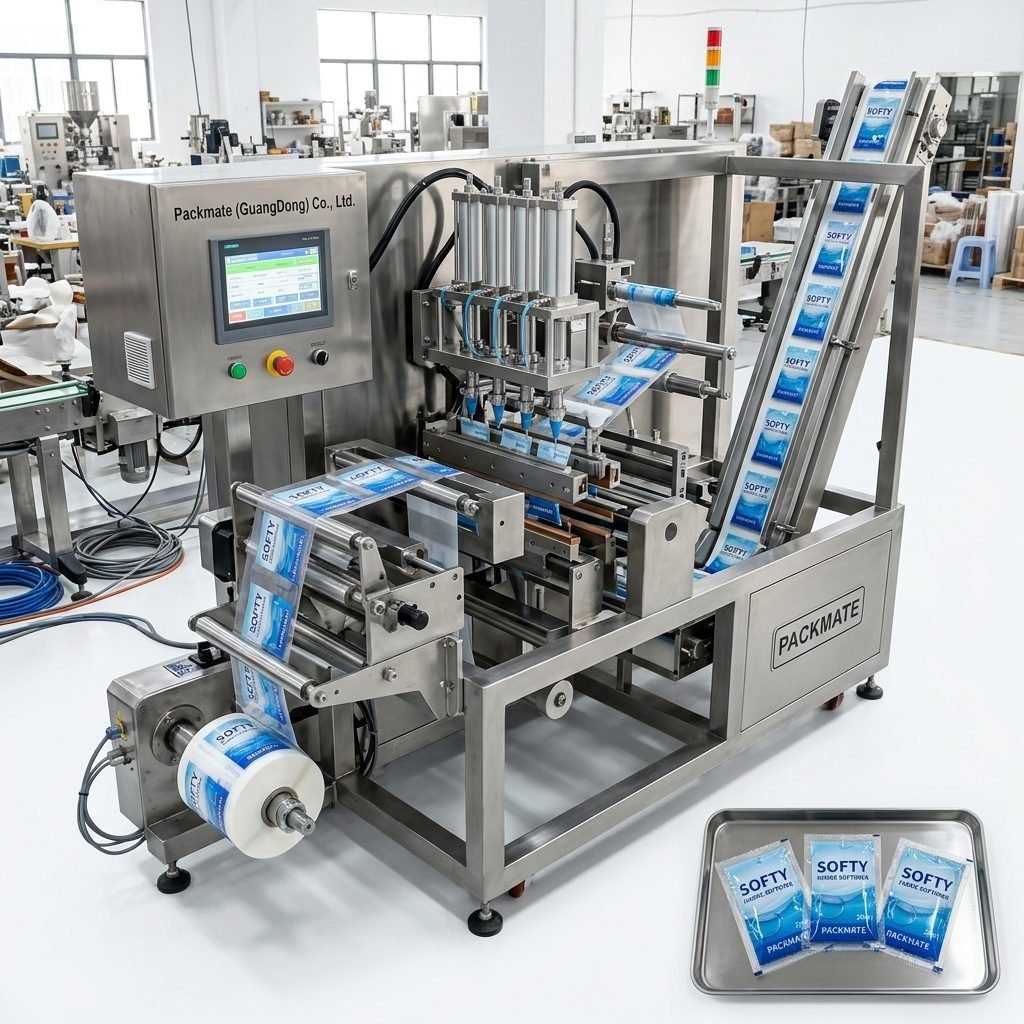
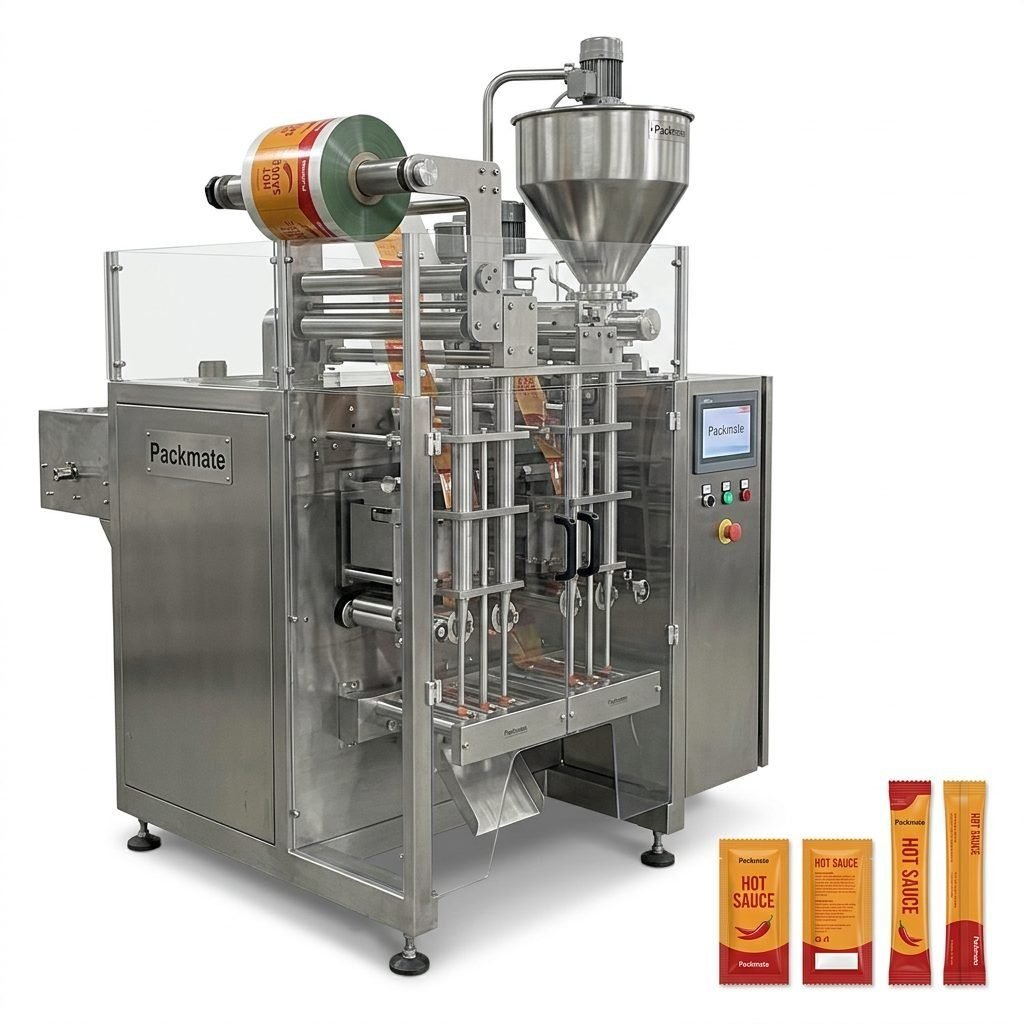
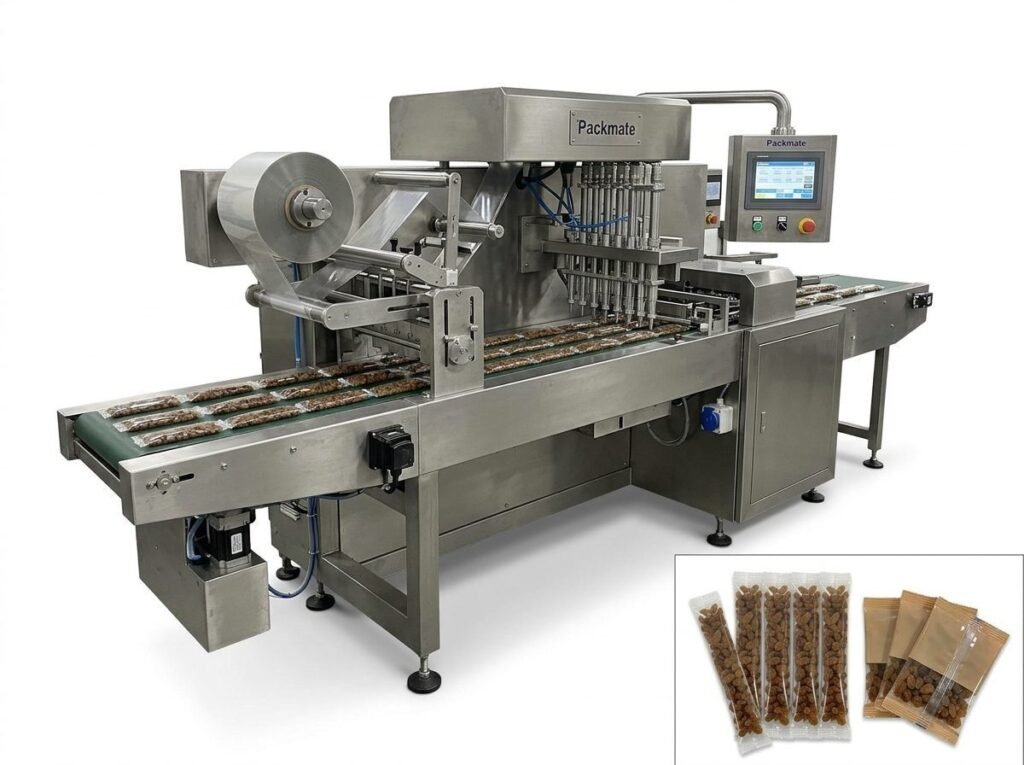
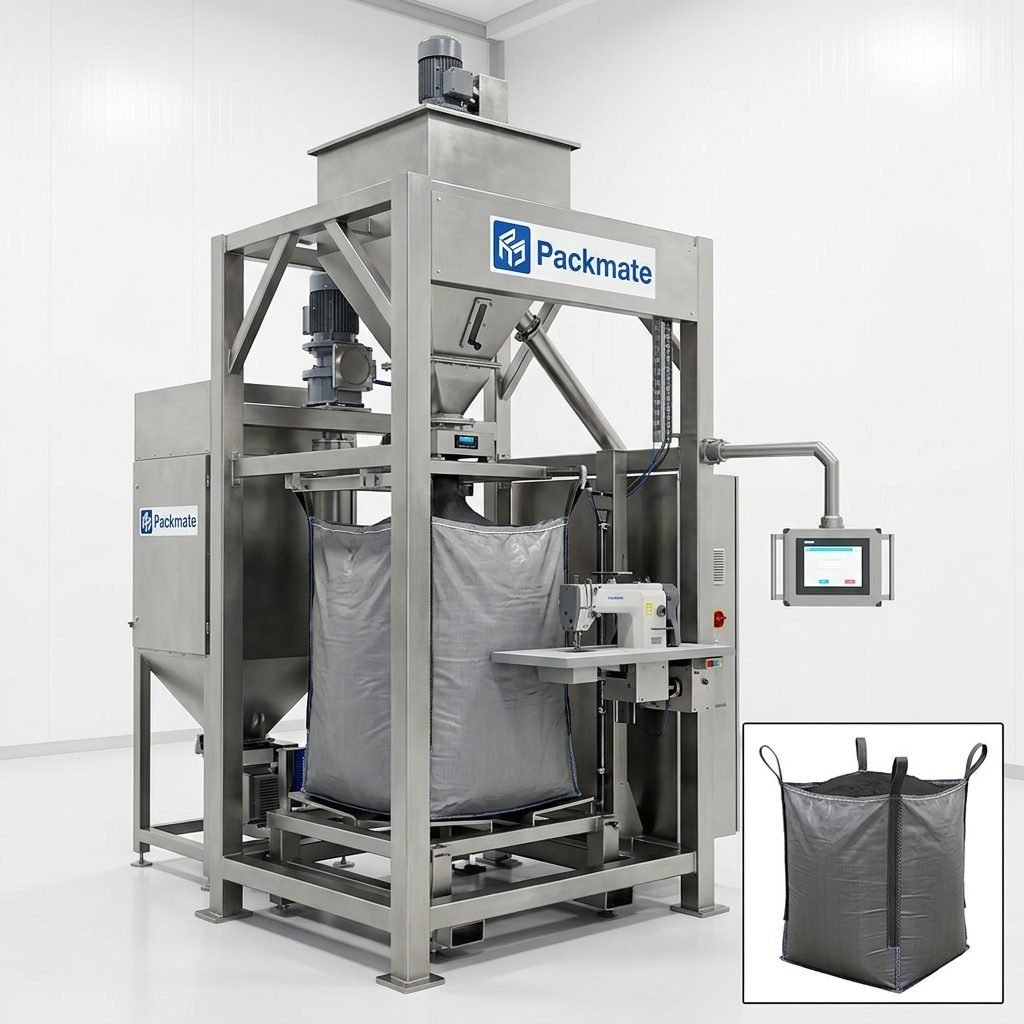
Your production needs are unique. A top-tier supplier should offer a comprehensive portfolio, from sachet and stick pack machines to complete filling and packaging lines. More importantly, they must demonstrate the capability to customize solutions. The ability to adapt a standard machine to your specific pouch size, output speed, or integration needs is a hallmark of a true partner, not just a vendor.
Manufacturing Capability and Quality Control
Always investigate where and how the equipment is built. An in-house, modern manufacturing facility is a significant advantage. It ensures direct control over quality, materials, and production timelines. For instance, operating from a 20,000㎡ factory with over 100 pieces of advanced production equipment allows for rigorous testing and quality assurance at every stage, resulting in machinery known for its reliability and durability.
The Turnkey Solution Advantage
Leading suppliers go beyond selling machines. They provide complete turnkey packaging solutions. This means they take responsibility for the entire project: from initial consultation and machine design to manufacturing, installation, commissioning, and operator training. This holistic approach minimizes your project risk, ensures seamless system integration, and dramatically shortens the time from purchase to productive operation.
The Critical Role of Professional Installation Services
Purchasing a high-performance machine is only half the battle. Professional installation is what unlocks its full potential and safeguards your investment.
Ensuring Optimal Performance and Efficiency
Factory-trained technicians perform precise calibration and setup according to the manufacturer’s exact specifications. This is crucial for achieving the advertised speed, accuracy, and minimal product waste. Improper installation can lead to chronic underperformance, increased downtime, and higher operational costs, negating the benefits of your new equipment.
Safety Compliance and Risk Mitigation
Packaging machinery involves moving parts, electrical systems, and sometimes pneumatic components. Professional installers ensure all safety guards, interlocks, and emergency stops are correctly configured and compliant with local and international safety standards. This protects your personnel from injury and your facility from potential liability.
Warranty Validation and Long-Term Support
Most machinery warranties are contingent upon proper installation by authorized personnel. Using uncertified technicians can void your warranty, leaving you uncovered for costly repairs. Furthermore, a professional installation includes comprehensive documentation and handover, creating a clear baseline for future service and support.
Case Study: The Value of a Partner
Consider a mid-sized health supplement company expanding its line of powder stick packs. They chose a supplier based not just on the machine specs, but on the supplier’s offer of full installation and line integration. The supplier’s team handled the floor planning, utility connections, integration with existing conveyors, and thorough staff training. The line was operational at 95% efficiency within a week of installation, with immediate high-quality output. This partnership approach, as opposed to a simple transaction, ensured a rapid and successful launch.
Integrating Supplier Selection with Installation Planning
The best outcomes arise when you evaluate the supplier and their installation services as a single package. During your sourcing process, ask detailed questions:
- Is installation included in the proposal, or is it a separate cost?
- What is the qualification and training process for your installation engineers?
- Can you provide a detailed installation timeline and site preparation checklist?
- What does the post-installation commissioning and training process entail?
Choosing a supplier with a strong, structured installation program means you are selecting a partner committed to your long-term success. It transforms the daunting process of bringing new equipment online into a managed, predictable project. For a closer look at real-world applications, exploring a supplier’s project case studies can provide invaluable insight.
Frequently Asked Questions (FAQ)
1. Why can’t we use our own maintenance team to install the packaging machine?
While your team may be skilled, packaging machinery requires specific calibration, software configuration, and integration knowledge that only factory-trained technicians possess. Self-installation risks improper setup, which can cause poor performance, frequent breakdowns, and most critically, void the manufacturer’s warranty. The initial savings are far outweighed by potential long-term costs and production losses.
2. How long does a typical professional installation take?
The timeline varies significantly based on machine complexity and line integration needs. A single standalone machine might be installed and commissioned in 3-5 days. A complete turnkey line with multiple interconnected units (filler, sealer, cartoner) could require 2-3 weeks. A reputable supplier will provide a detailed project plan during the quotation phase.
3. What should we prepare at our facility before the installation team arrives?
Your supplier should provide a comprehensive site preparation guide. This typically includes ensuring the floor space is level and clear, all necessary electrical power (voltage, phase, amperage) and compressed air lines are run to the correct locations, and that the ambient environment (temperature, humidity, dust control) meets the machine’s requirements. Having this ready avoids costly delays.
4. Does professional installation include training for our operators?
Yes, comprehensive training for your operators and maintenance staff is a standard and critical component of professional installation. This includes hands-on operation, routine maintenance procedures, basic troubleshooting, and safety protocols. Proper training is essential for achieving optimal productivity and ensuring operator safety from day one.
5. How do we evaluate the credibility of a packaging machinery supplier’s claims?
Look for tangible proof. Request to visit their manufacturing facility, either in person or via a virtual tour. Ask for detailed client references and case studies from your industry. Check for relevant international quality and safety certifications. Review their company history and stability—a supplier with decades of experience, like Packmate Machinery which formalized in 2003 from a foundation laid in 1993, demonstrates resilience and commitment to the market.