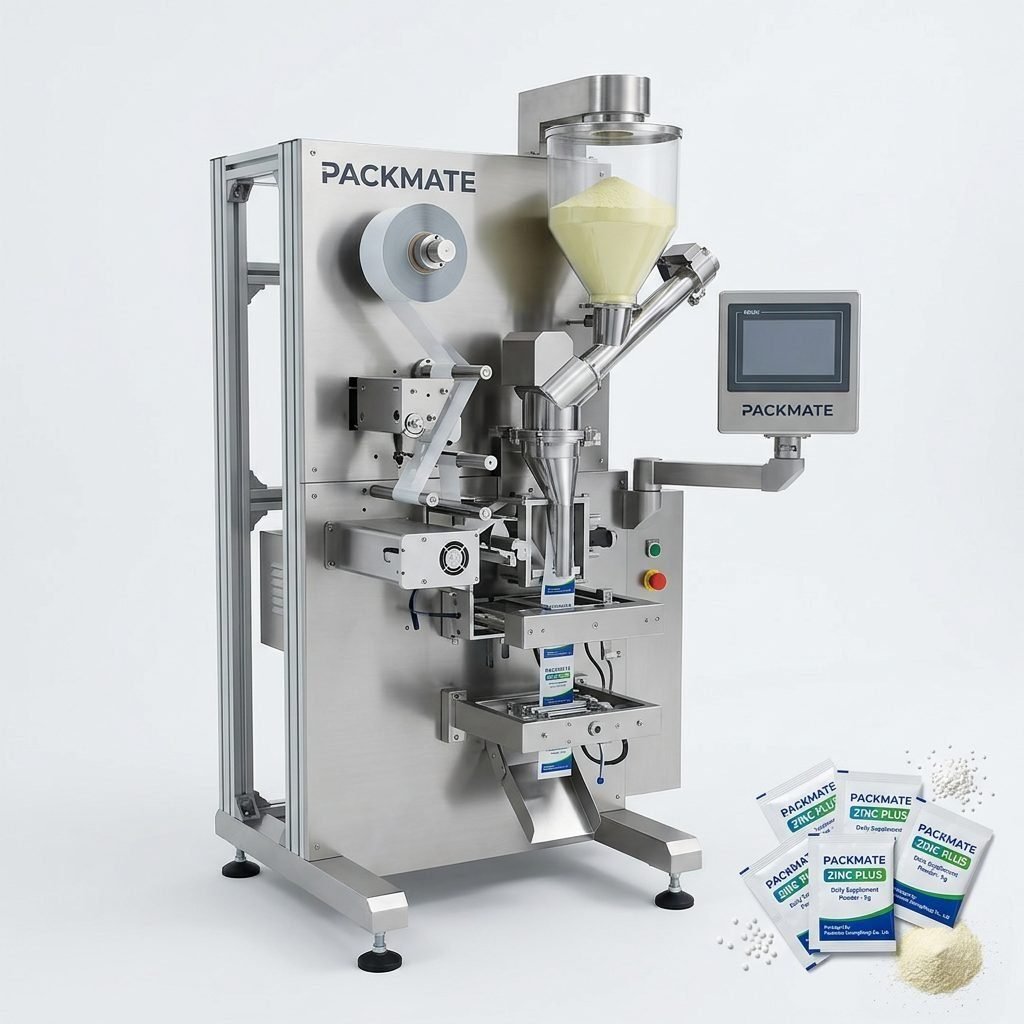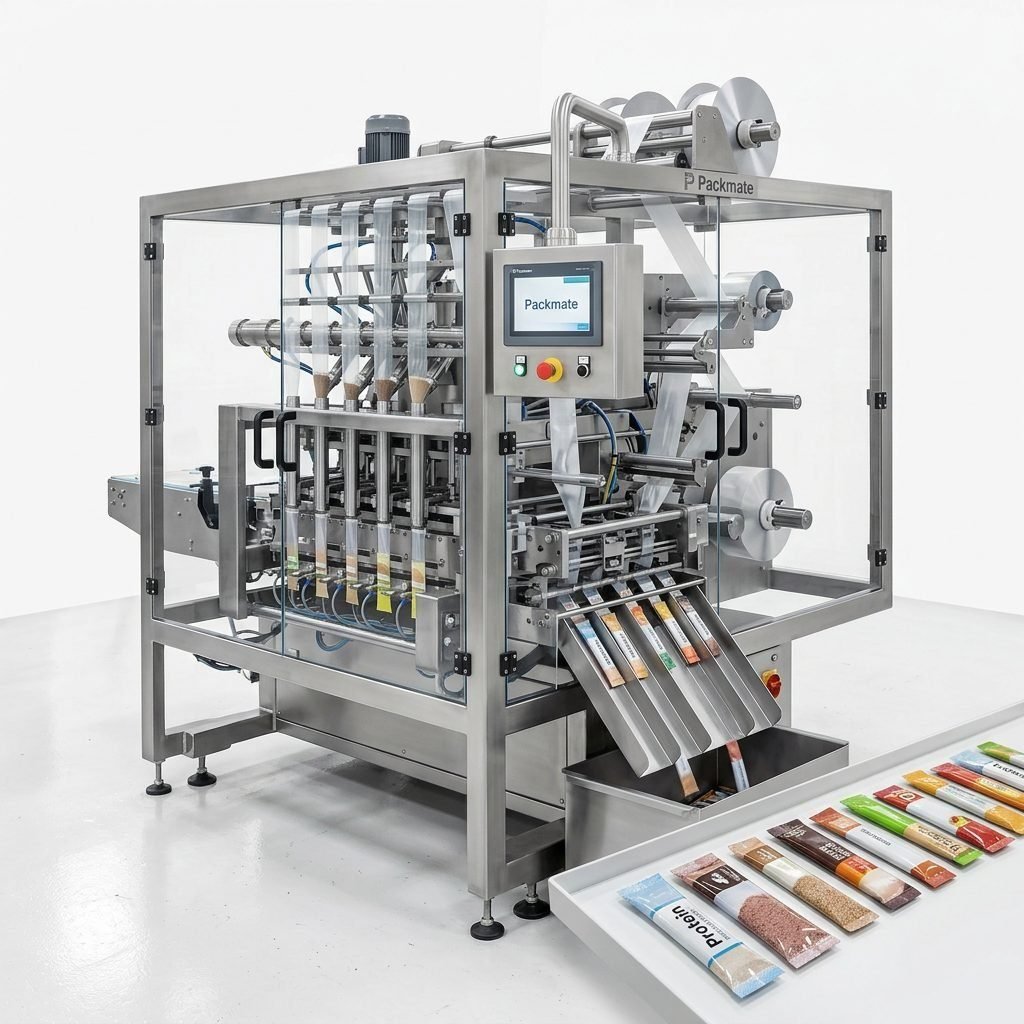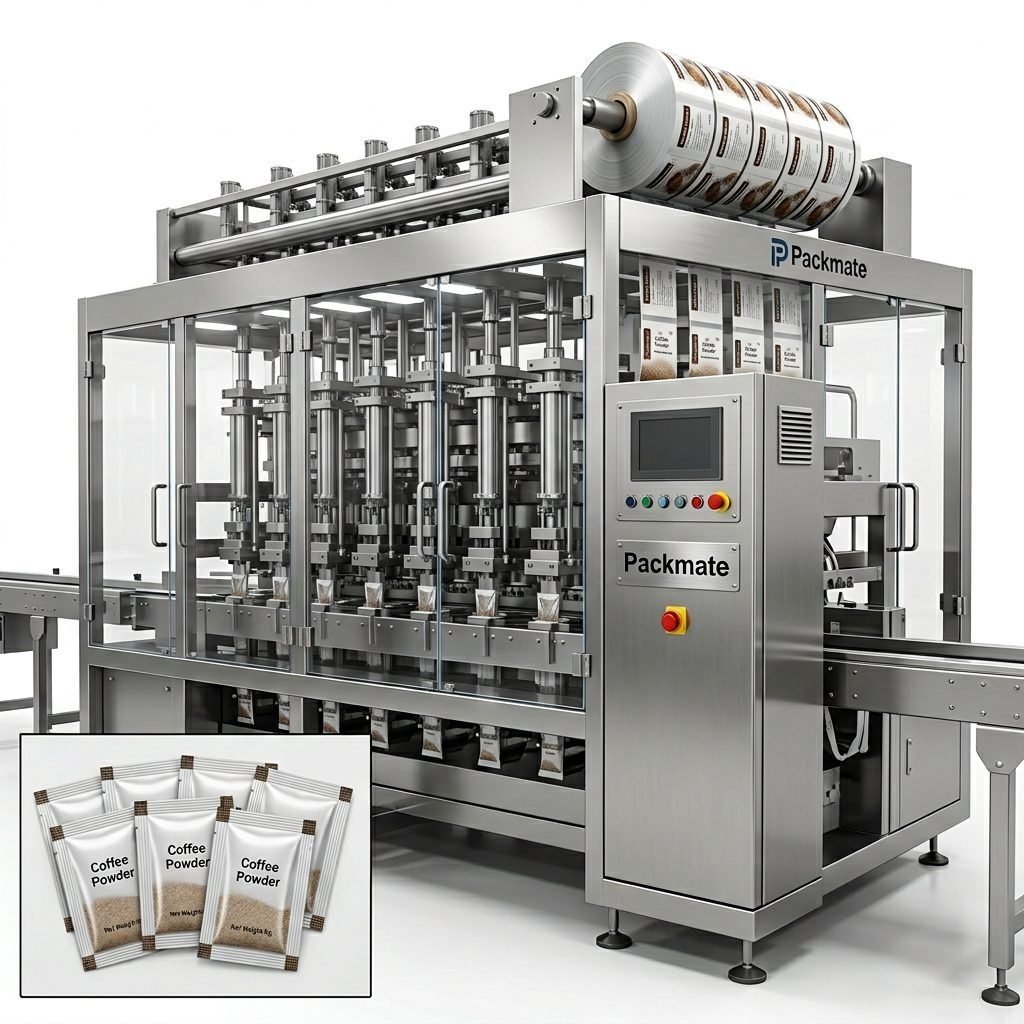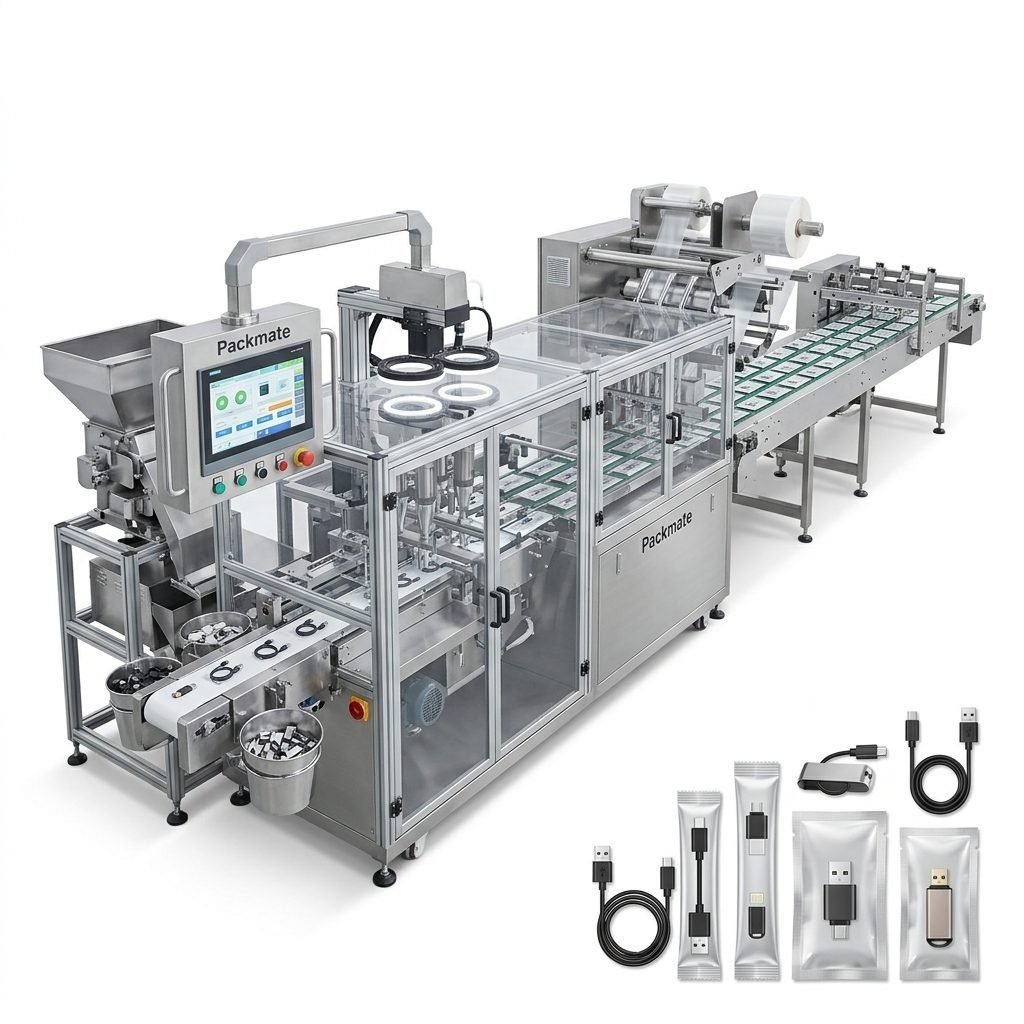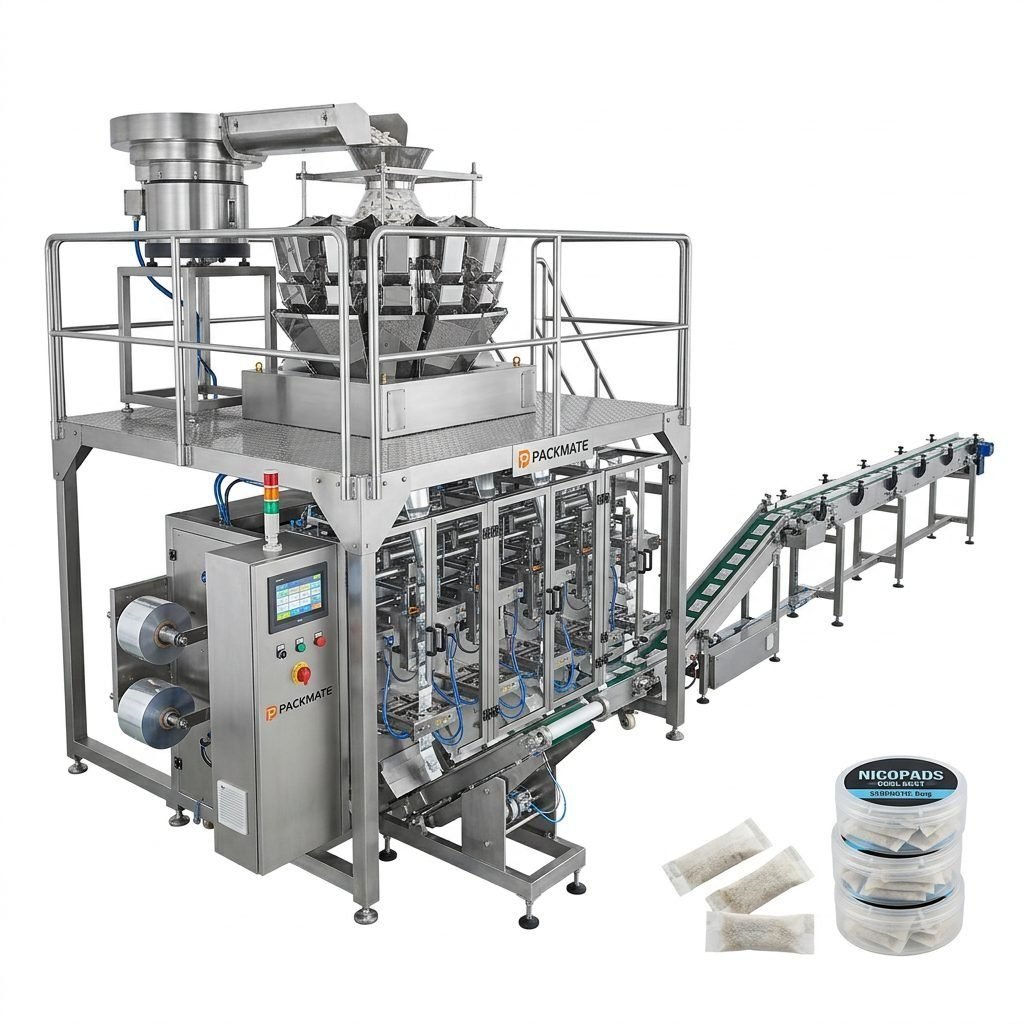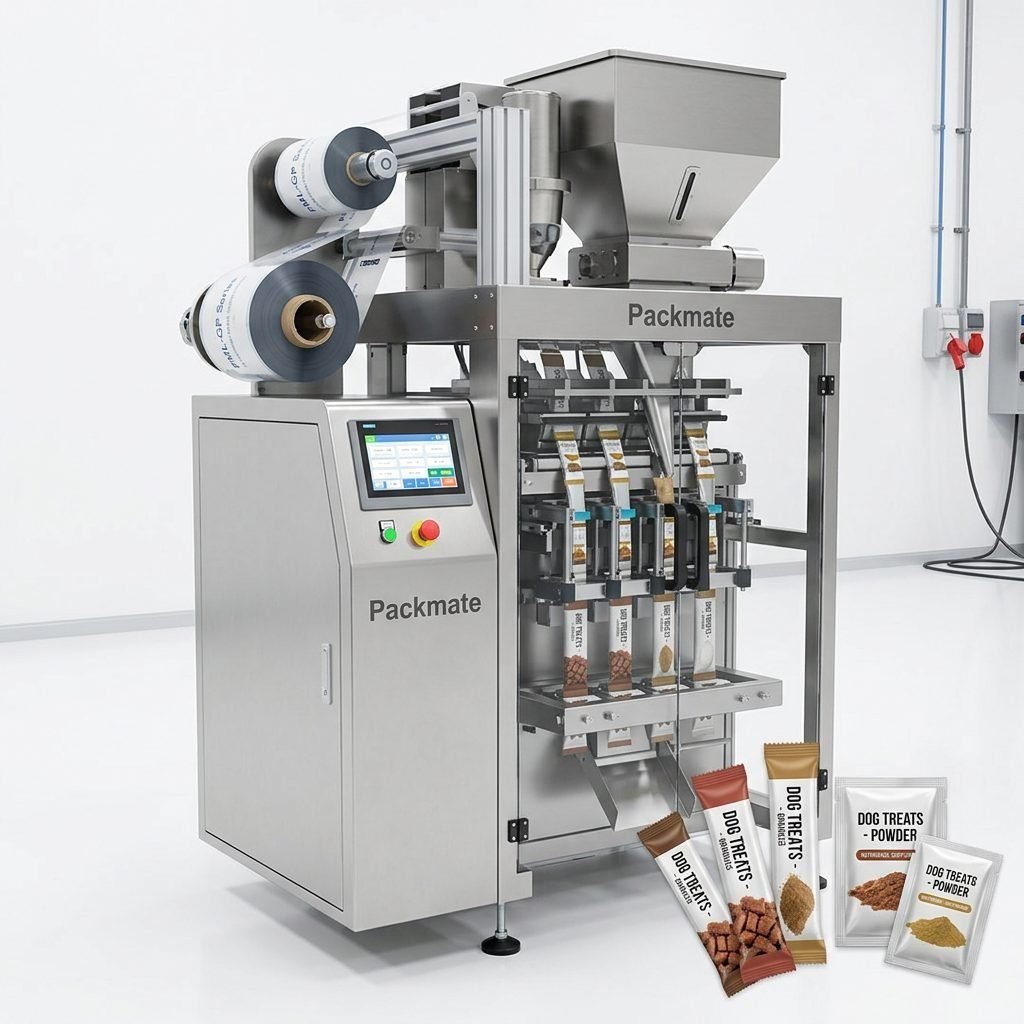
The packaging machinery industry is undergoing a profound transformation, driven by technological innovation, evolving consumer demands, and global sustainability imperatives. For manufacturers and brands, staying ahead of these trends is no longer optional—it’s a critical component of maintaining competitiveness, efficiency, and market relevance. From the integration of smart technologies to the push for eco-friendly solutions, the landscape is being reshaped by forces that promise to redefine production floors and end-user experiences alike.
The Rise of Smart, Connected Machinery (Industry 4.0 Integration)
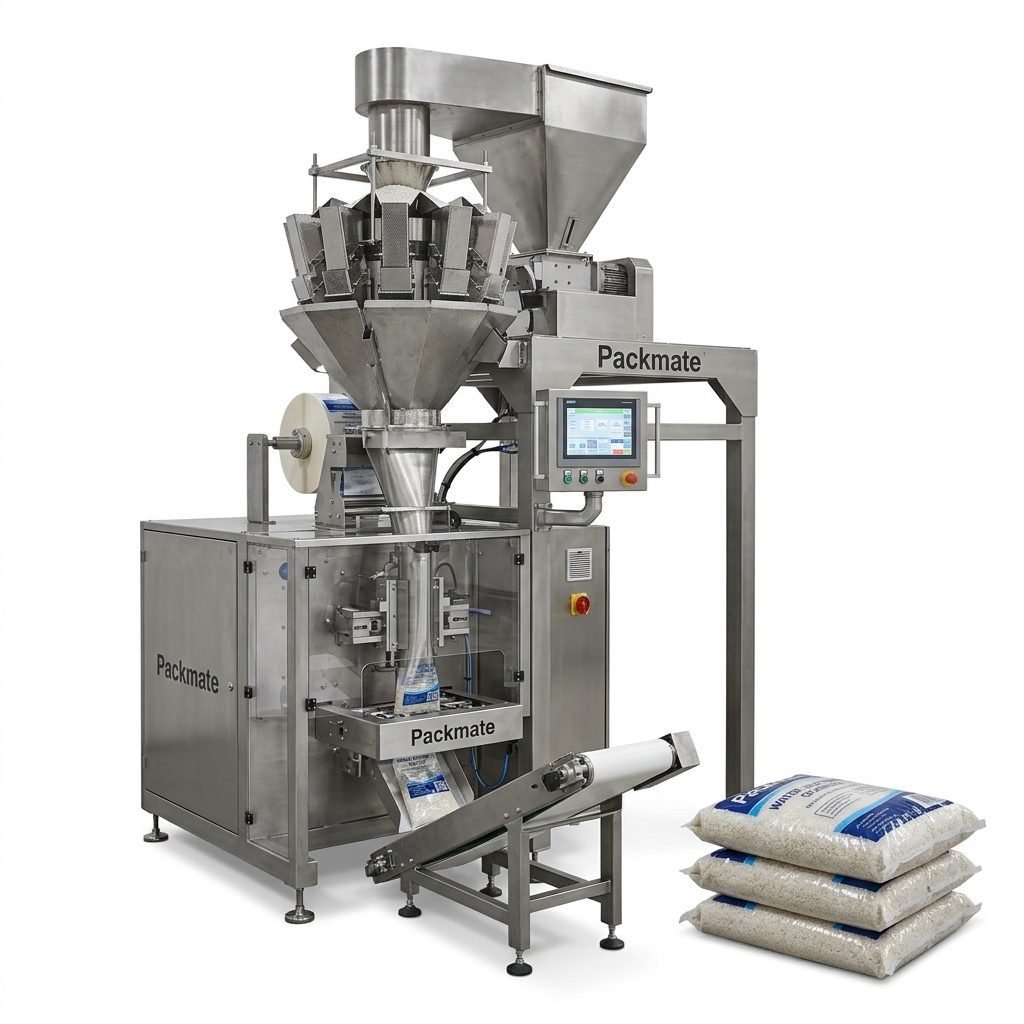
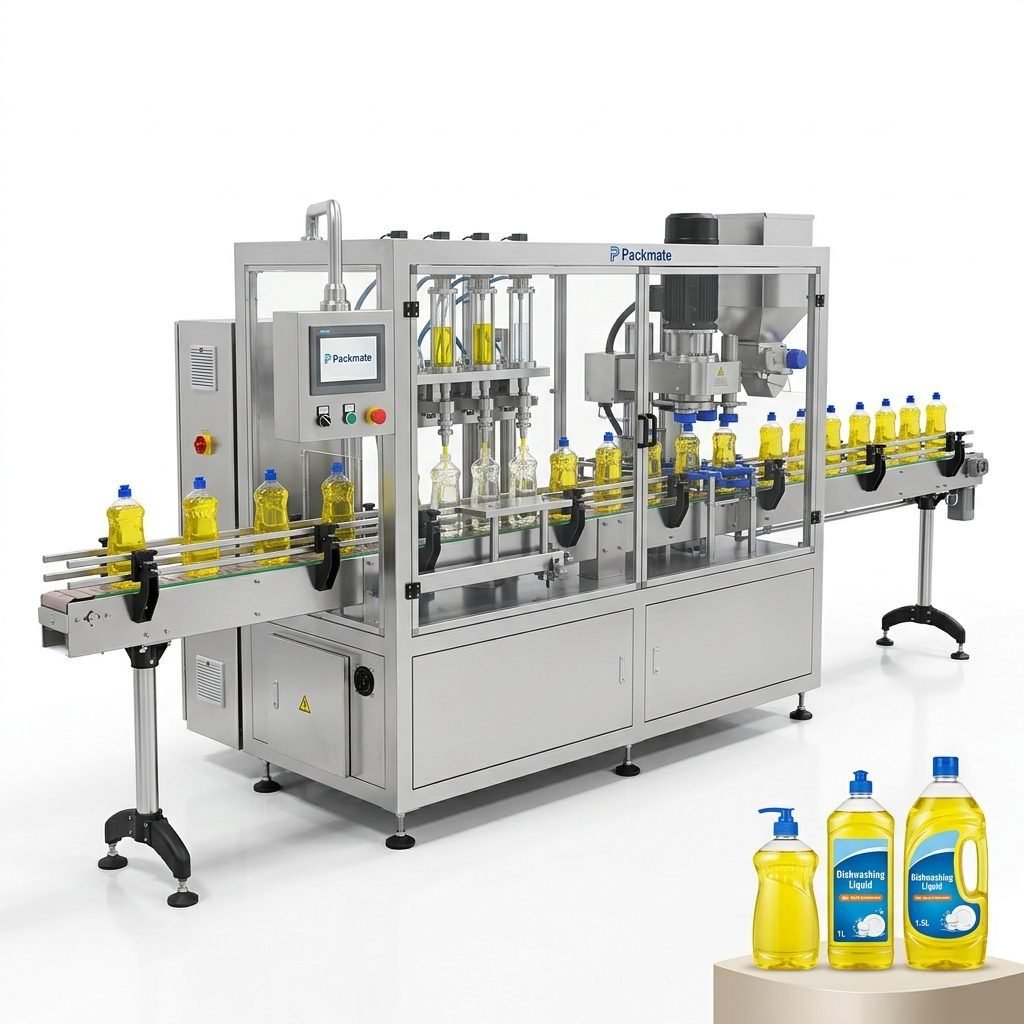
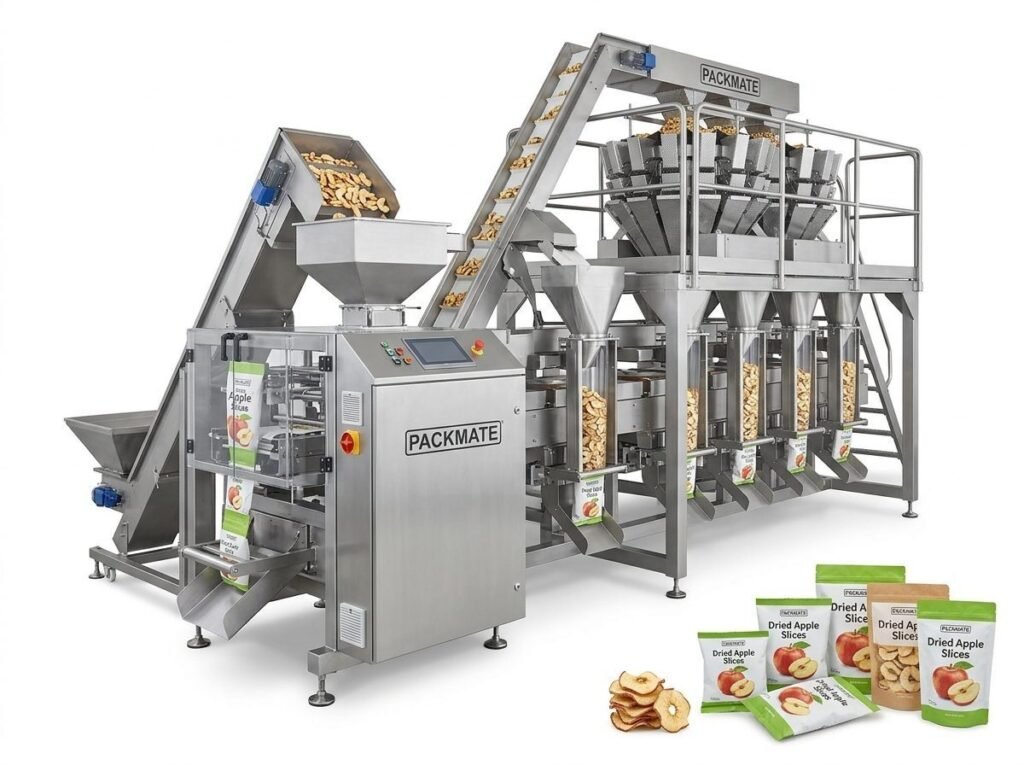
The most significant shift is the full embrace of Industry 4.0 principles. Modern packaging lines are no longer isolated units but interconnected nodes in a smart factory ecosystem. This involves the integration of Internet of Things (IoT) sensors, cloud computing, and real-time data analytics directly into equipment like weighing & packaging systems and complete filling & packaging lines.
These smart machines continuously monitor their own performance, tracking metrics such as output speed, downtime causes, maintenance cycles, and even energy consumption. The data is fed to central dashboards, enabling predictive maintenance. Instead of reacting to a breakdown, engineers can receive alerts about a potential bearing failure or calibration drift days in advance, scheduling repairs during planned downtime. This connectivity minimizes unplanned stoppages, optimizes Overall Equipment Effectiveness (OEE), and provides unprecedented transparency into the production process for managers.
Enhanced Flexibility and Quick Changeover
Market fragmentation and the demand for personalized products require packaging machinery that is highly adaptable. The trend is moving strongly toward modular designs and machines capable of rapid changeovers. A single line might need to handle multiple package sizes, shapes, or materials within a short timeframe—switching from sachets to stick packs, or from one flavor variant to another, with minimal manual intervention.
Advanced servo-motor technology is key here, allowing for precise, programmable adjustments. Operators can recall pre-set configurations for different products from a touchscreen HMI (Human-Machine Interface), and the machine automatically adjusts film tension, filling volume, sealing parameters, and cutting dimensions. This flexibility is crucial for manufacturers serving diverse markets or operating high-mix, low-volume production models, allowing them to respond swiftly to consumer trends without investing in multiple dedicated lines.
Sustainability: From Buzzword to Core Engineering Principle
Sustainability is fundamentally altering machinery design and functionality. The focus extends beyond just using recyclable materials to enabling their efficient use. Machinery is now engineered to support:
- Lightweighting: Advanced form-fill-seal (FFS) machines are designed to work with thinner, yet stronger, mono-material films, reducing plastic consumption per unit without compromising package integrity.
- Material Efficiency: Precision dosing and filling systems, like those in high-accuracy sachet & stick pack machines, minimize product giveaway. Enhanced sealing technologies reduce waste from mis-cuts or seal failures.
- Circular Economy Support: Equipment is being developed to handle post-consumer recycled (PCR) content and bio-based polymers, which can have different processing characteristics than virgin materials.
Furthermore, energy efficiency is a major selling point. New generations of machines incorporate variable frequency drives (VFDs) on motors, high-efficiency servo systems, and heat recovery in sealing processes, significantly lowering the carbon footprint of the packaging operation itself.
Robotics and Advanced Automation
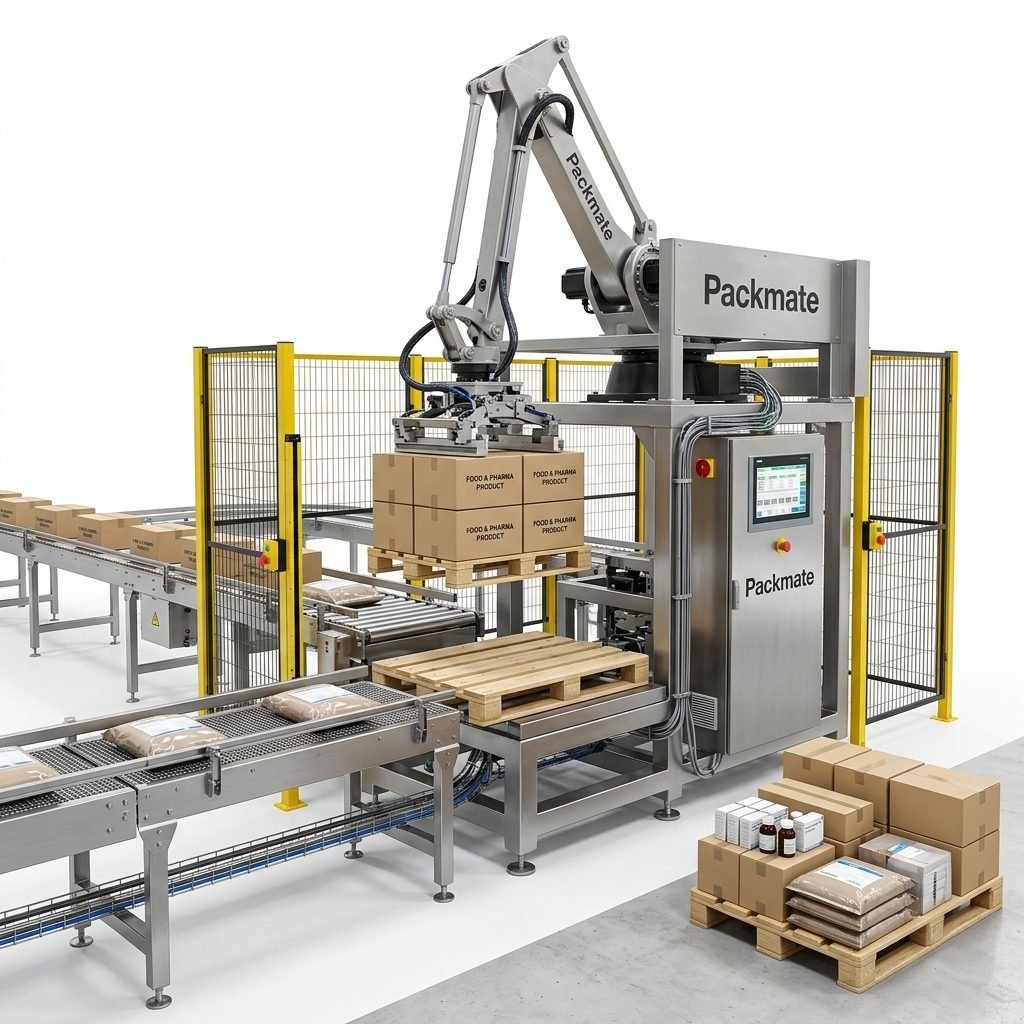
Robotic integration is moving from heavy palletizing tasks to more delicate, precise operations within the packaging line. Collaborative robots (cobots) are increasingly common for tasks like primary packaging loading, secondary packaging assembly, and quality inspection.
These cobots work safely alongside human operators, taking over repetitive, ergonomically challenging tasks. Vision-guided robots can perform intricate pick-and-place operations for irregularly shaped items or conduct 100% visual inspection for label placement, seal quality, and fill levels at high speeds. This not only boosts productivity and consistency but also addresses labor shortages and allows human workers to focus on supervision, quality control, and more complex problem-solving activities.
Focus on Hygiene and Aseptic Packaging
Heightened consumer awareness of food safety and the growth of the pharmaceutical and nutraceutical sectors have made hygiene a top priority. The demand for aseptic and clean-room compatible packaging machinery is soaring. This trend features designs with smooth, crevice-free surfaces, easy-clean access points, and the use of stainless steel and other sanitizable materials.
Machinery for sensitive products often incorporates advanced sterilization technologies such as hydrogen peroxide (H₂O₂) vapor tunnels or ultra-high-temperature (UHT) processing modules integrated directly into the filling section. These systems ensure the product and packaging material are sterilized separately and then brought together in a sterile environment, enabling shelf-stable products without preservatives. This is particularly critical for dairy, baby food, liquid pharmaceuticals, and functional health beverages.
Data Security and Cybersecurity
As packaging machinery becomes more connected, it also becomes a potential target for cyber threats. A breach could lead to production sabotage, theft of proprietary formulas or production data, or ransomware attacks. Consequently, robust cybersecurity measures are now a critical trend in machine design.
Leading manufacturers are building security into their control systems from the ground up, featuring encrypted data communication, secure user authentication with role-based access controls, regular security patch management, and network segmentation to isolate critical machine control networks from general business IT networks. Protecting the integrity and availability of the packaging line is as important as its physical performance.
User-Centric Design and Enhanced Operator Experience
The final trend revolves around the human operator. Modern machinery prioritizes intuitive operation through large, graphical touchscreen interfaces that offer multi-language support, animated troubleshooting guides, and step-by-step changeover instructions. Augmented Reality (AR) is emerging as a powerful tool for maintenance and training, allowing technicians to see virtual overlays of part names or repair procedures through smart glasses.
Ergonomics are also paramount. Machines are designed for easier access to frequently serviced parts, with tool-less covers and safety interlocks that simplify routine tasks. This focus on the operator experience reduces training time, minimizes human error, and improves overall job satisfaction and safety on the factory floor. Companies with deep experience, like Packmate Machinery, understand that a machine is only as good as the people who operate it, and design their comprehensive range of equipment with this principle in mind.
In conclusion, the top trends shaping packaging machinery—smart connectivity, sustainability, flexibility, hygiene, security, and human-centered design—are converging to create a new generation of intelligent, responsible, and highly efficient production systems. For businesses, investing in these advanced technologies is an investment in future-proofing their operations, reducing their environmental impact, and meeting the sophisticated demands of the modern global market.
Frequently Asked Questions (FAQs)
Q1: How does smart packaging machinery actually improve my bottom line?
A: Smart machinery improves profitability through predictive maintenance (reducing costly unplanned downtime), higher OEE (more output with the same resources), reduced material waste from precise control, and data-driven optimization of your entire production process.
Q2: Is sustainable packaging machinery more expensive to purchase and operate?
A: While the initial investment can be higher, the total cost of ownership is often lower. Savings come from reduced energy consumption, lower material usage (lightweighting), less waste disposal, and potential compliance with environmental regulations or taxes. It also future-proofs your brand as consumer preference shifts toward eco-friendly products.
Q3: Can I upgrade my existing packaging line with these new technologies, or do I need a completely new line?
A: Many trends, like adding IoT sensors, upgrading to servo-driven modules, or integrating a collaborative robot, can be retrofitted to compatible existing lines. A full assessment by a machinery provider is needed. However, for core shifts like moving to full aseptic processing, a new, integrated line is typically required.
Q4: What is the most important trend for a small to medium-sized enterprise (SME) to consider first?
A: Flexibility and quick changeover capability is often the highest-impact trend for SMEs. It allows you to serve a diverse customer base, run smaller batches economically, and adapt quickly to new market opportunities without the capital burden of multiple single-purpose machines.
Q5: How critical is cybersecurity for a packaging machine on my factory floor?
A: Extremely critical. As machines connect to networks for data reporting and remote support, they become endpoints that need protection. A breach can halt production, corrupt recipes, or steal sensitive data. Ensure your supplier incorporates modern security protocols into their machine’s software and network interfaces.