In today’s fast-paced manufacturing landscape, the efficiency and reliability of your packaging line are paramount. Modern production demands more than just standalone machines; it requires cohesive, intelligent, and seamlessly integrated systems. This is where specialized packaging equipment design and integration solutions become the cornerstone of competitive advantage. A well-designed system synchronizes every component—from filling and weighing to sealing and cartoning—into a single, high-performance unit that maximizes output, minimizes waste, and ensures consistent product quality.
The Critical Role of Strategic Packaging Line Design
The initial design phase sets the foundation for your entire operation. It involves a deep analysis of your product characteristics, desired output, factory footprint, and future scalability needs. For producers of granules, powders, and liquids—common in the food, pharmaceutical, and health sectors—this step is even more crucial. The design must account for material flow, hygiene standards, and the precise handling required by different consistencies. A strategic design avoids the costly pitfalls of a mismatched system, where bottlenecks at one stage cripple the productivity of the entire line. It transforms a collection of machines into a unified production asset.
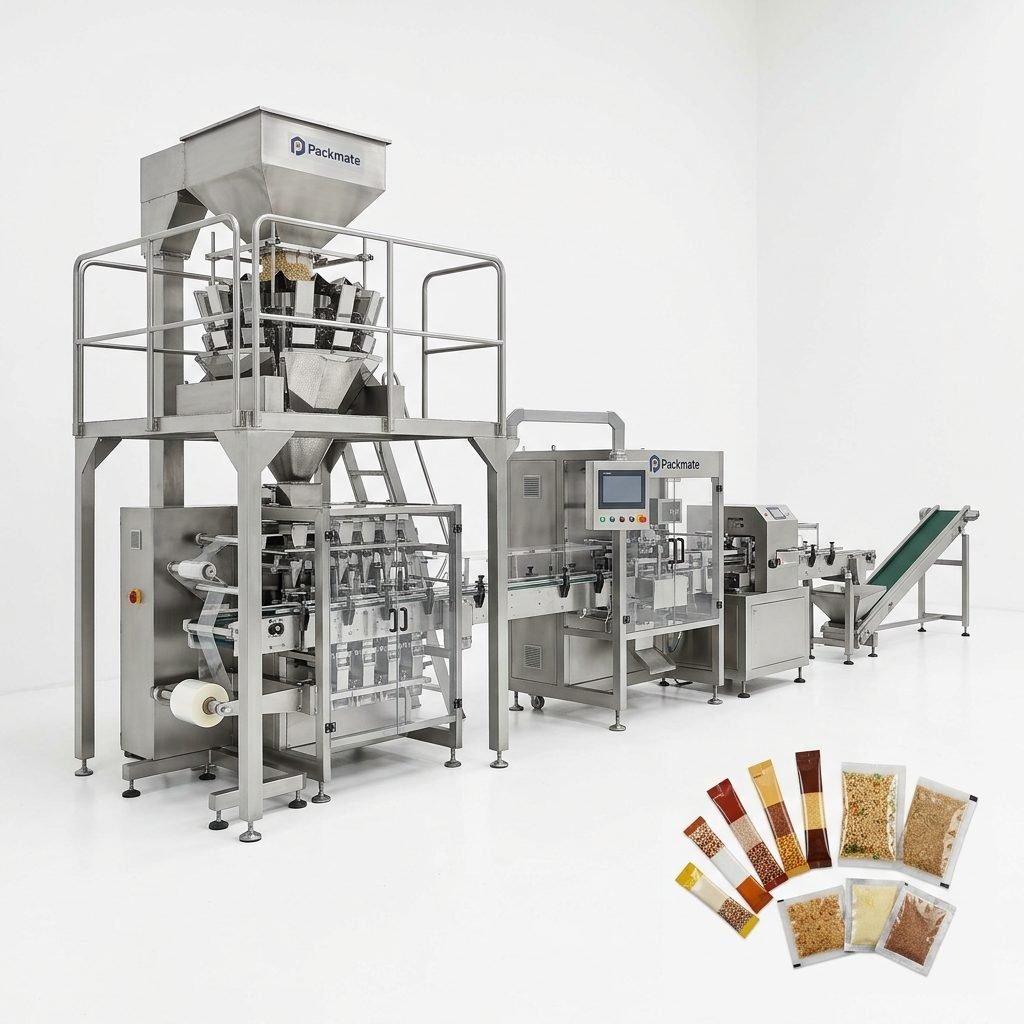
Effective integration is not merely about connecting machines with conveyors. It is about creating a smart communication network where sensors, programmable logic controllers (PLCs), and human-machine interfaces (HMIs) work in concert. This enables real-time monitoring, predictive maintenance alerts, and quick changeovers between product formats. For businesses looking to upgrade, exploring comprehensive filling & packaging lines can be the first step toward this level of operational intelligence.
Key Components of a Modern Integrated Packaging System
A robust integrated system comprises several core modules, each performing a specialized function while feeding data to a central control unit.
1. Precision Weighing and Feeding Systems
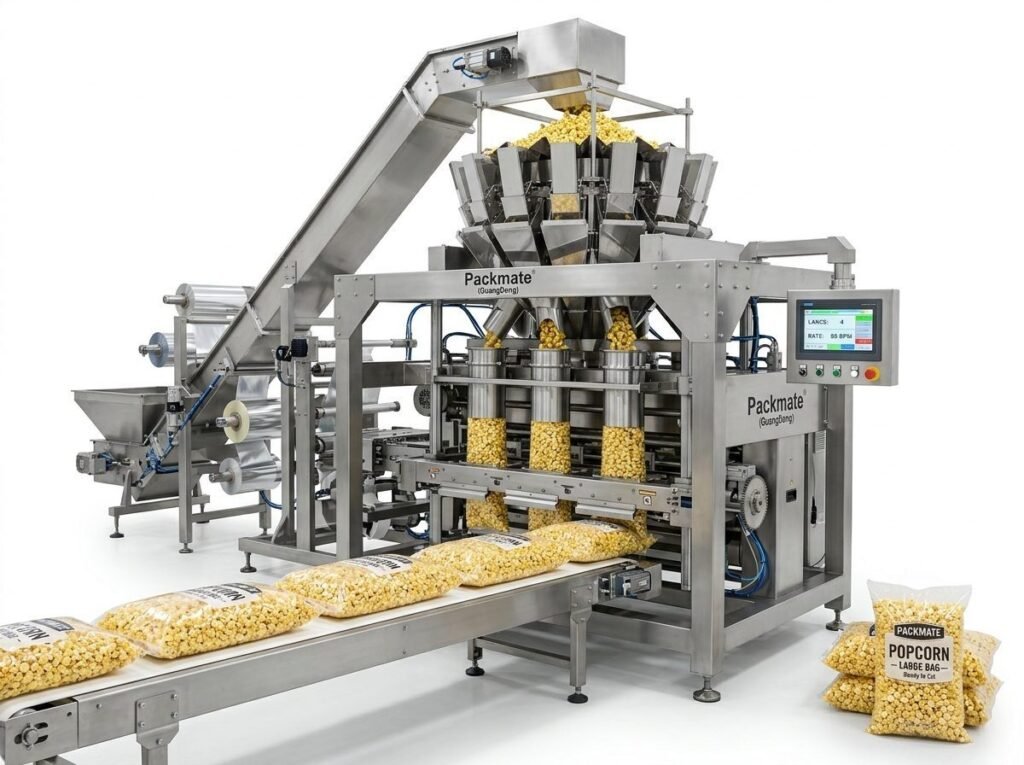
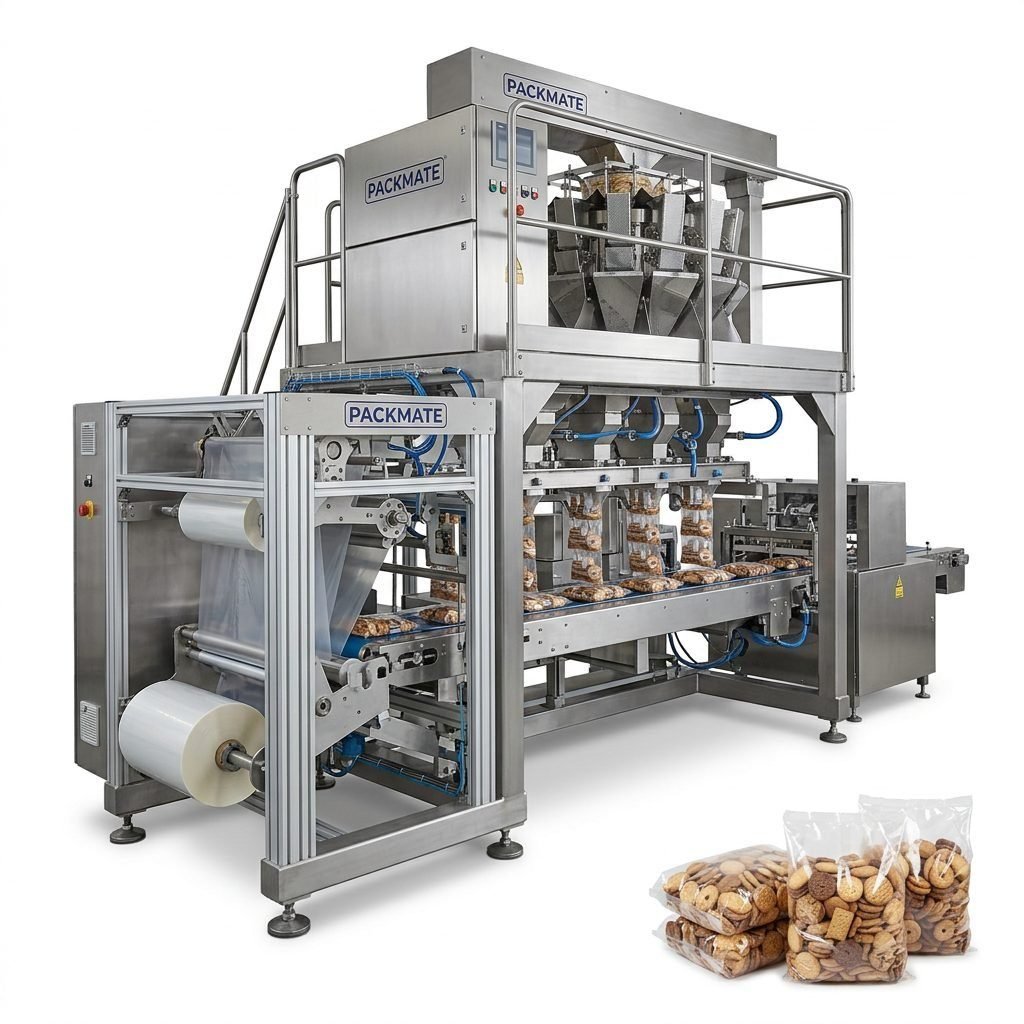
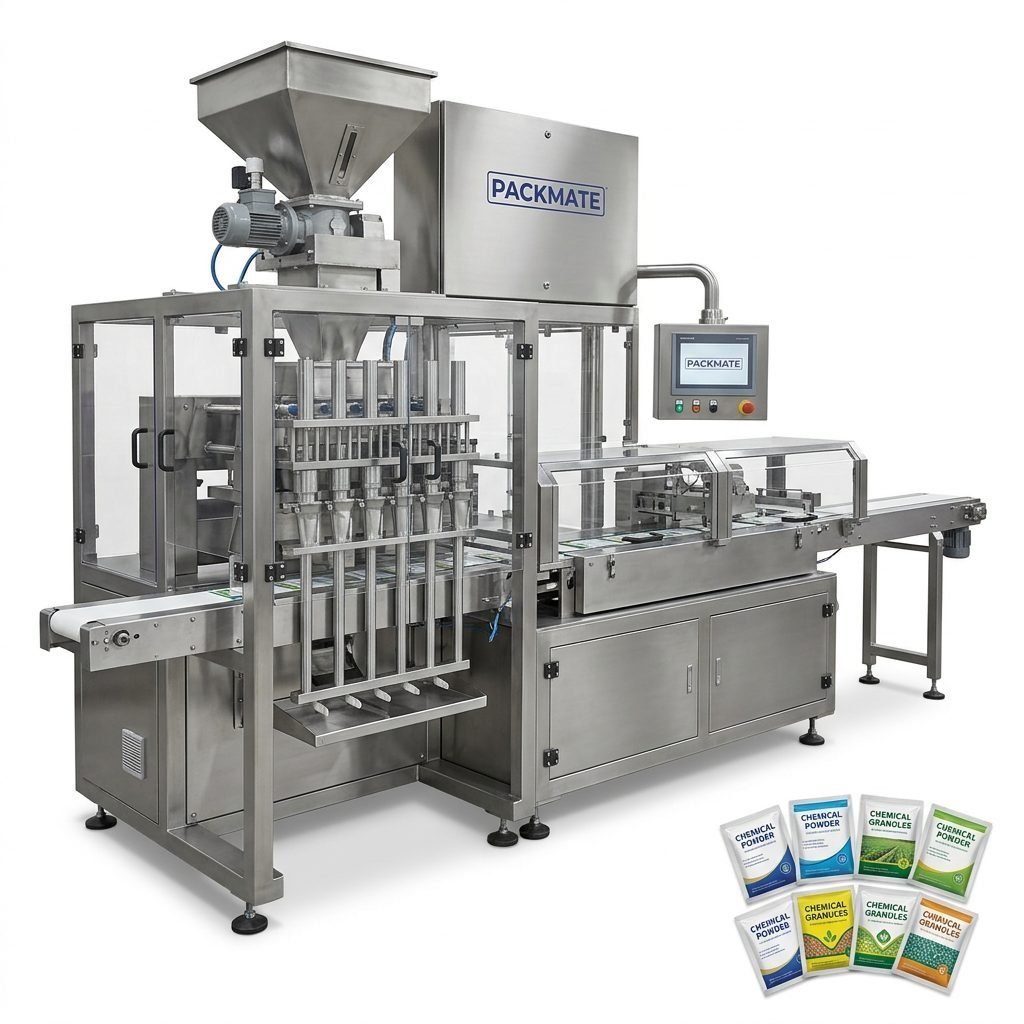
Accuracy begins here. Advanced multi-head weighers and volumetric feeders ensure each pouch, sachet, or stick pack contains the exact specified amount. This is vital for cost control, regulatory compliance, and consumer trust. Integration with upstream supply hoppers and downstream packaging machines must be flawless to maintain a steady, uninterrupted flow.
2. High-Speed Form-Fill-Seal (FFS) Units
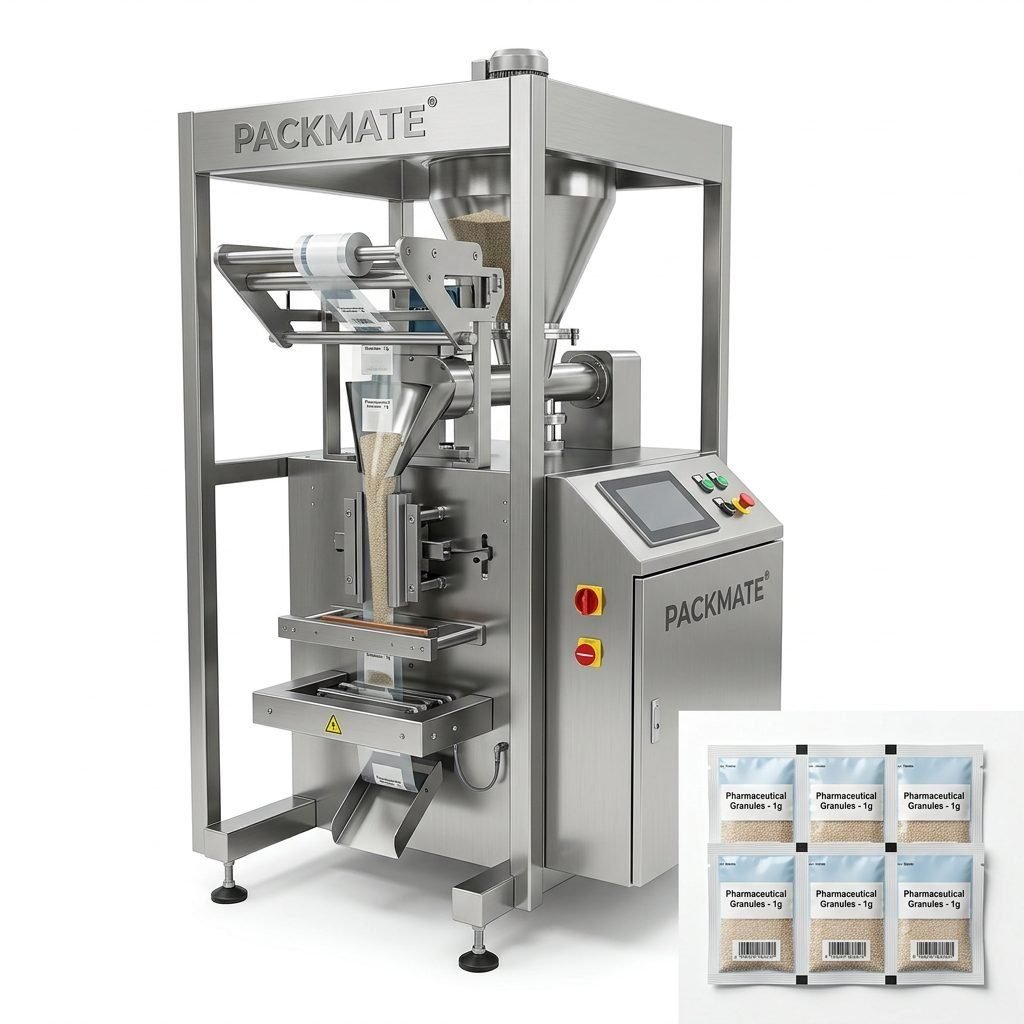
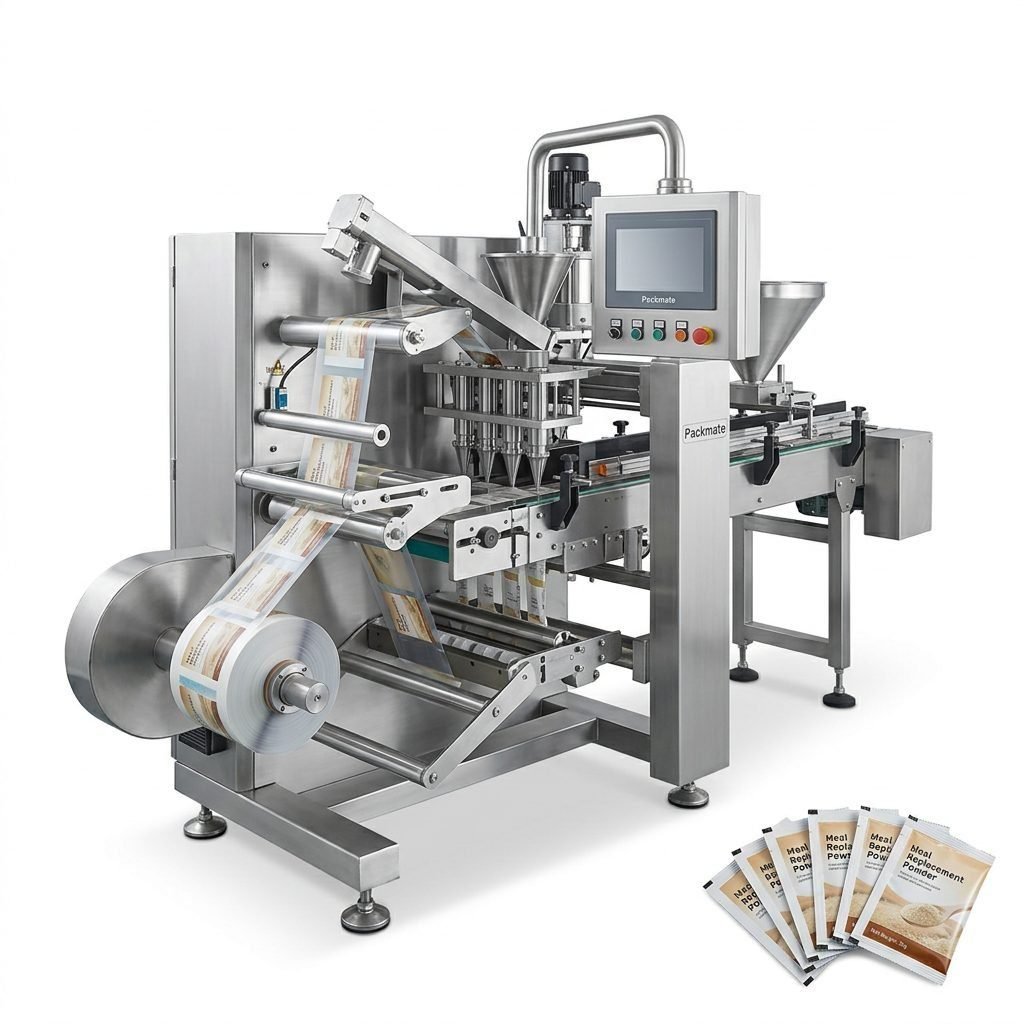
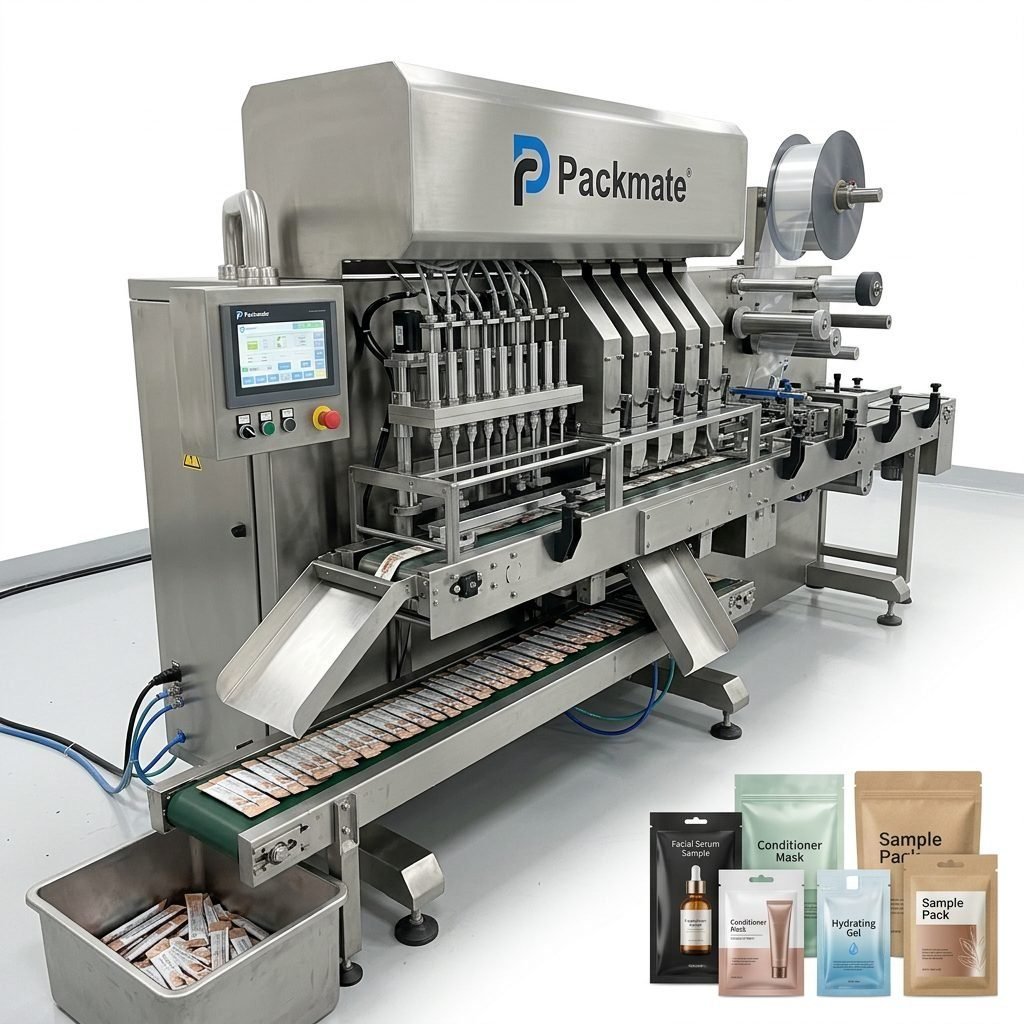
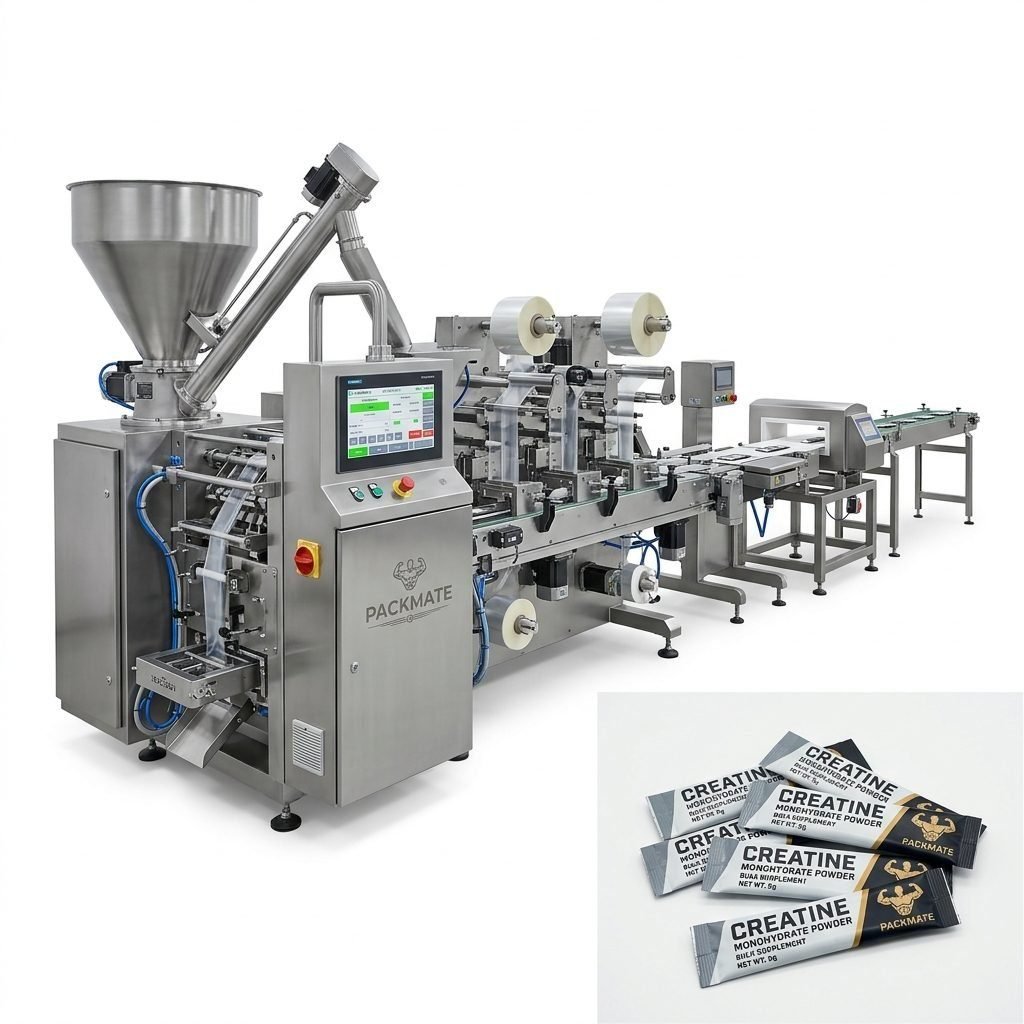
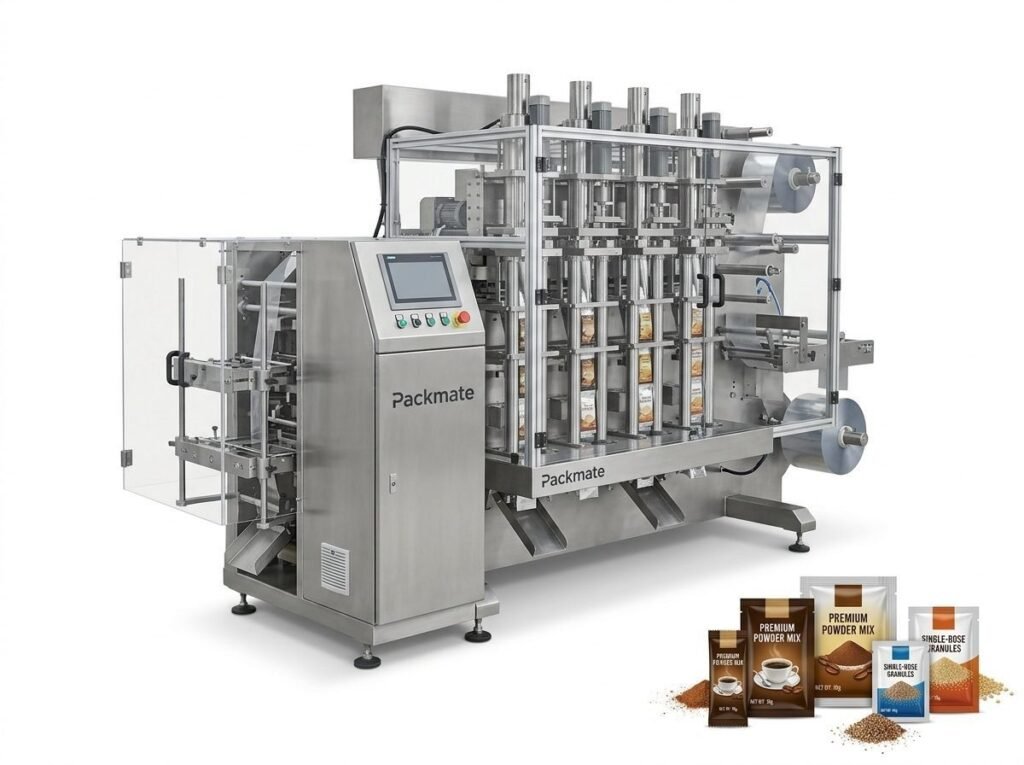
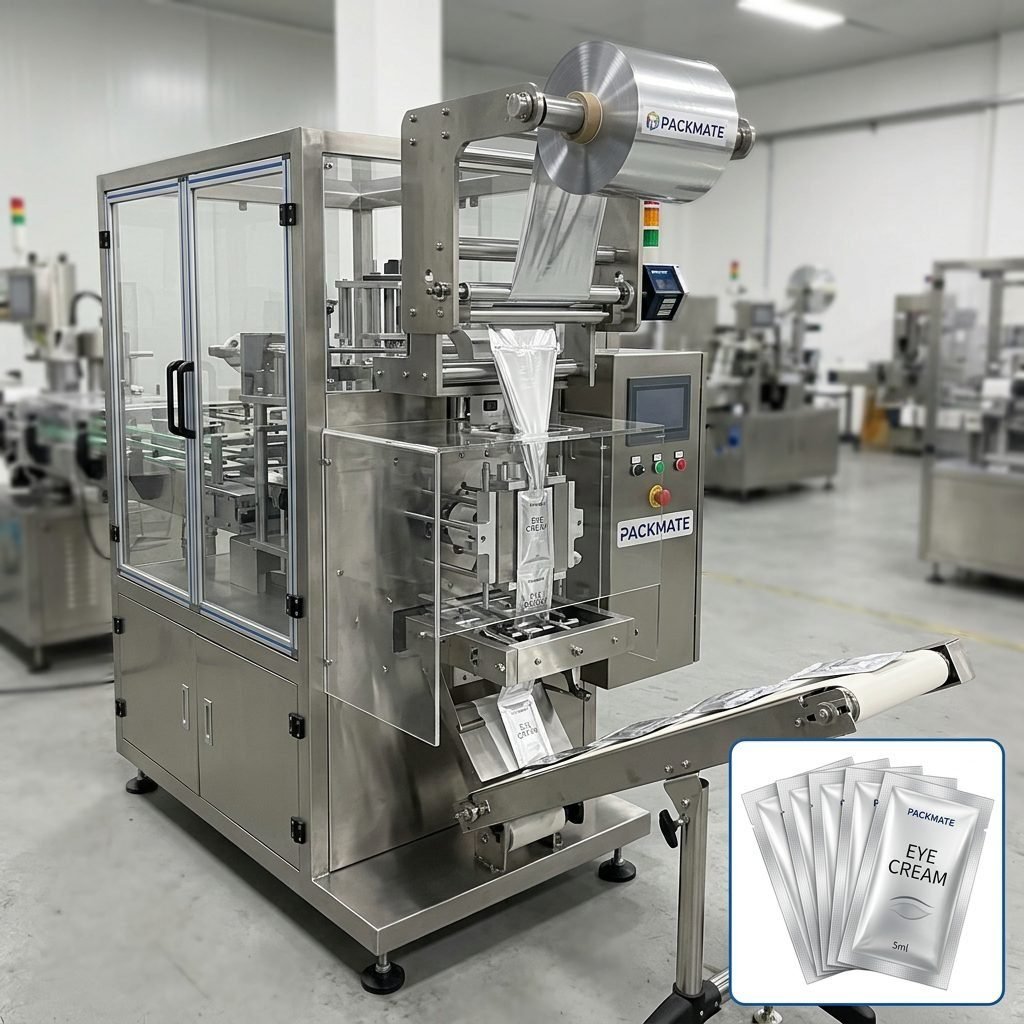
The heart of many packaging lines, FFS machines form the package from a roll of film, fill it with product, and seal it—all in one continuous motion. Modern designs offer incredible flexibility, capable of producing various pouch styles, including stand-up, gusseted, or flat-bottom bags. For specific applications like portion-control condiments or pharmaceutical samples, sachet & stick pack machines represent a specialized and highly efficient segment of FFS technology.
3. Secondary Packaging and Robotic Handling
Once primary packaging is complete, products are collated, counted, and placed into cartons, trays, or multipacks. Robotic pick-and-place arms and automated cartoners provide speed and precision that manual operations cannot match, while also reducing labor costs and physical strain on workers.
4. Centralized Control and Data Acquisition
The “brain” of the operation. A centralized control panel with an intuitive HMI allows operators to manage the entire line, track Overall Equipment Effectiveness (OEE), monitor production counts, and diagnose faults instantly. This data is invaluable for continuous improvement and lean manufacturing initiatives.
The Packmate Approach: From Design to Turnkey Solution
With over 30 years of expertise in the field, Packmate (GuangDong) Co., Ltd. embodies the principles of holistic packaging solution provision. The company’s journey, beginning in a small workshop in 1993 and evolving into a leader with a 20,000㎡ modern facility, is built on solving real-world production challenges. This experience directly informs their approach to design and integration.
Packmate doesn’t just sell machines; they engineer complete turnkey packaging solutions. This process starts with a thorough consultation to understand the client’s unique needs. Their team of over 125 professionals then designs a system that optimally selects from their portfolio of 50+ machine models, ensuring perfect compatibility. The integration is performed with meticulous care, followed by comprehensive testing and operator training. This end-to-end service ensures the client receives a production-ready line that delivers from day one. Learn more about their foundational philosophy on their Company Profile page.
Benefits of a Professionally Integrated Packaging Line
- Maximized Productivity & Uptime: Synchronized components eliminate bottlenecks, pushing the line to its optimal speed. Predictive diagnostics prevent unexpected downtime.
- Enhanced Product Quality & Consistency: Precise control over every parameter, from fill weight to seal integrity, guarantees uniform, high-quality output.
- Reduced Operational Costs: Lower labor requirements, minimized material waste (give-away), and improved energy efficiency contribute directly to the bottom line.
- Unmatched Flexibility & Scalability: A well-designed system can accommodate new products, package sizes, and higher volumes with minimal reconfiguration, protecting your investment for the future.
- Comprehensive Data & Traceability: Meet stringent industry regulations with full batch tracking, production reports, and quality control data at your fingertips.
Navigating the Future: Smart Manufacturing and Sustainability
The future of packaging integration is inextricably linked to Industry 4.0 and sustainable practices. Smart lines will feature even greater connectivity through the Industrial Internet of Things (IIoT), enabling remote monitoring, advanced analytics, and self-optimizing processes. Simultaneously, design priorities are shifting toward sustainability. This includes integrating equipment that handles recyclable or compostable films efficiently, designing for lightweighting to reduce material use, and optimizing energy consumption across the entire system. For manufacturers aiming to stay ahead, investing in adaptable and intelligent weighing & packaging systems is a strategic move toward this future.
Ultimately, selecting the right partner for your packaging equipment design and integration is as critical as the technology itself. It requires a vendor with proven experience, a broad technological portfolio, and a commitment to partnership beyond the sale. The goal is to create a packaging line that is not just a cost center, but a dynamic, value-driving engine for modern production.
Frequently Asked Questions (FAQs)
1. What is the main advantage of an integrated packaging line over individual machines?
The primary advantage is seamless synchronization and optimized workflow. An integrated line is designed as a cohesive system where all machines communicate, eliminating bottlenecks and manual transfer points. This results in significantly higher overall efficiency, consistent product quality, and lower operational costs compared to a collection of disparate, standalone machines.
2. How long does it typically take to design and install a custom integrated packaging system?
The timeline varies greatly based on the system’s complexity and the required level of customization. A standard line integration may take several weeks to a few months from final design approval to installation and commissioning. For large, fully custom turnkey solutions, the process from initial consultation to full production can extend over several months. A reputable provider like Packmate will provide a detailed project timeline after the initial assessment.
3. Can my existing packaging machines be integrated into a new automated line?
Often, yes. A key part of the design process is auditing existing equipment. If your current machines are in good condition, compatible with modern control systems, and fit the new production goals, they can frequently be retrofitted and integrated. This can be a cost-effective strategy to upgrade capabilities. A professional assessment is necessary to determine feasibility.
4. What kind of support and training can we expect after the line is installed?
Comprehensive post-installation support is crucial. This should include thorough on-site training for your operators and maintenance technicians, detailed documentation (manuals, schematics), and a clear warranty period. Reliable suppliers also offer ongoing technical support, remote diagnostics, and access to spare parts. You can review the support structure offered by checking a provider’s service commitments.
5. How do we ensure the packaging line design is future-proof and scalable?
Future-proofing starts during the initial design phase. Discuss your long-term business goals with your integration partner. A scalable design will consider potential increases in speed, the addition of new product lines, and compatibility with emerging technologies (like IoT connectivity). Choosing modular equipment and control systems that allow for relatively easy expansion or reconfiguration is a fundamental strategy for protecting your investment.