In the fast-paced world of telecommunications, where innovation cycles are measured in months and global supply chains are the norm, the role of packaging is often underestimated. Yet, it is a critical component that directly impacts product protection, logistics efficiency, brand perception, and ultimately, customer satisfaction. Telecom equipment, ranging from delicate fiber optic connectors and semiconductor chips to robust routers and tower hardware, presents a unique set of packaging challenges. Selecting the essential packaging equipment is not merely about boxing a product; it’s about engineering a solution that ensures integrity from the factory floor to the end-user’s hands.
The Unique Packaging Demands of Telecom Products
Telecom industry solutions involve a diverse product portfolio. This diversity dictates a need for equally diverse packaging approaches. Sensitive electronic components require anti-static (ESD) protection to prevent damage from electrostatic discharge, a threat that can render a microchip useless instantly. Larger hardware units demand robust corrugated solutions that can withstand stacking and rough handling during long-distance shipping. Furthermore, the industry’s drive for miniaturization means packaging must be precise and space-efficient, while also allowing for clear labeling of serial numbers, compliance markings, and installation instructions.
Key Challenges Addressed by Specialized Equipment:
Static Control: Essential for PCBs, chips, and modules.
Moisture Barrier: Critical for equipment destined for varied climatic conditions.
Physical Protection: Against shock, vibration, and compression during transit.
Traceability: High-resolution coding and labeling for inventory and logistics management.
Efficiency: High-speed handling to match production volumes of high-demand components.
Core Packaging Equipment for Telecom Solutions
Building an effective packaging line for telecom products requires a strategic integration of several key machinery types. These systems work in concert to create a seamless, reliable, and efficient operation.
1. Automated Cartoning Systems
For finished goods like set-top boxes, modems, or handheld devices, automated cartoners are indispensable. They erect, load, and seal corrugated boxes with consistent precision. Advanced models can integrate automatic leaflet insertion for manuals and warranty cards, and void fill dispensing to immobilize the product inside the box, preventing in-transit damage. This equipment ensures a professional, secure outer package ready for palletization.
2. Form-Fill-Seal (FFS) Machines for Internal Cushioning
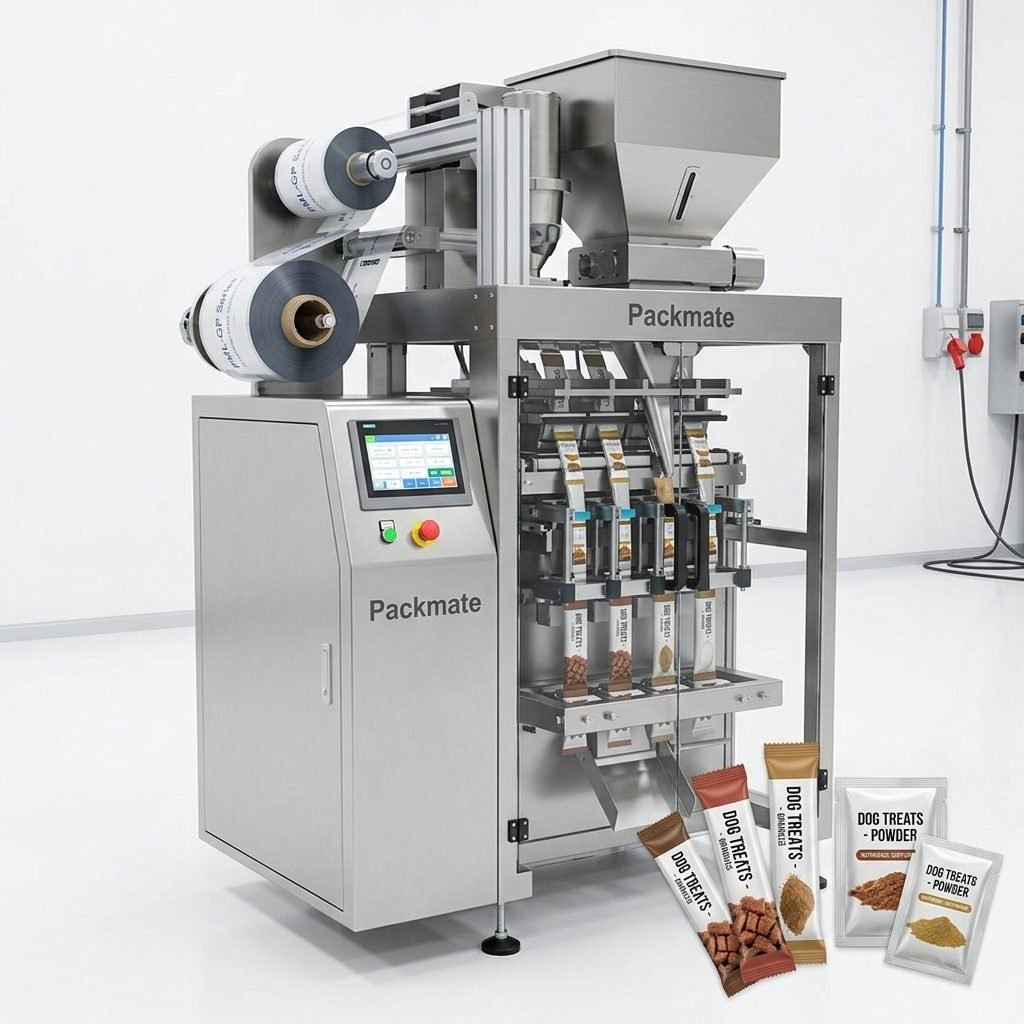
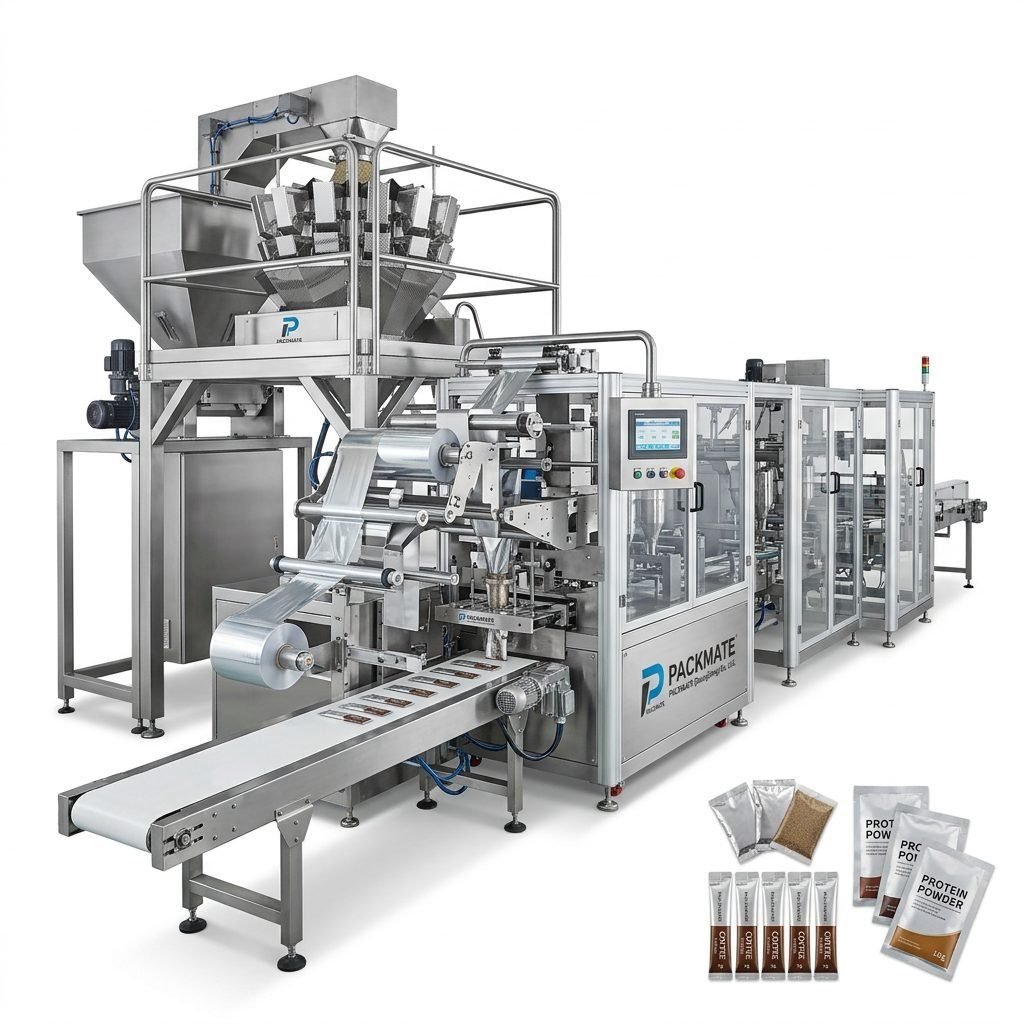
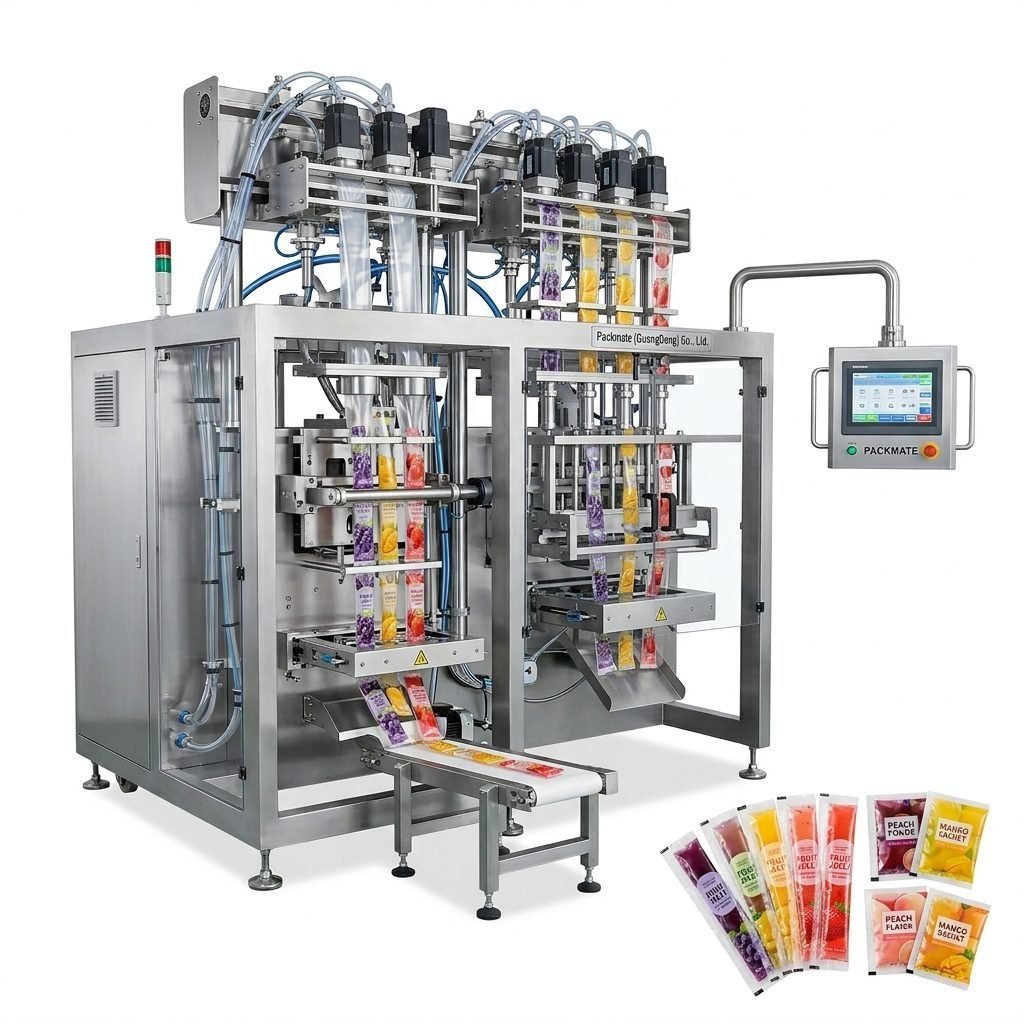
Beyond the outer box, internal protection is paramount. Bag and pouch packaging machines, particularly vertical form-fill-seal (VFFS) systems, are perfect for creating custom-sized air pillows, foam pouches, or loose-fill bags on demand. This on-site cushioning generation reduces storage space for bulky pre-made materials and allows for flexibility in protecting differently shaped items within the same production run.
3. Shrink Wrapping and Bundling Equipment
Shrink wrapping serves multiple purposes in telecom packaging. It can be used to bundle multiple cables or small accessories together into a single retail-ready unit. For larger shipments, it secures multiple boxes onto a single pallet, providing stability and protection from dust and moisture. A tight shrink wrap also acts as a tamper-evident seal, adding a layer of security for high-value goods.
4. Advanced Coding, Marking, and Labeling Systems
Traceability and compliance are non-negotiable. High-resolution inkjet printers, laser coders, and automatic label applicators are used to mark cartons and components with unique serial numbers (UID), barcodes (1D/2D), QR codes, lot numbers, date codes, and compliance symbols (CE, FCC, RoHS). This equipment must offer high-speed, permanent marking on various surfaces like corrugated cardboard, plastic bags, and metalized film, integrating seamlessly with enterprise resource planning (ERP) systems for data accuracy. For precise application of labels on products or manuals, specialized auxiliary packaging equipment is often integrated into the line.
5. ESD-Safe Packaging Systems
This is a specialized and critical category. Equipment designed to handle static-sensitive components uses conductive or dissipative materials. This includes machines that form and seal ESD-safe bags, trays, and clamshells. The entire process, from the machine’s contact surfaces to the packaging material itself, is engineered to safely ground any static charge, protecting the sensitive electronics within throughout the packaging process.
Integrating Equipment into a Cohesive Line
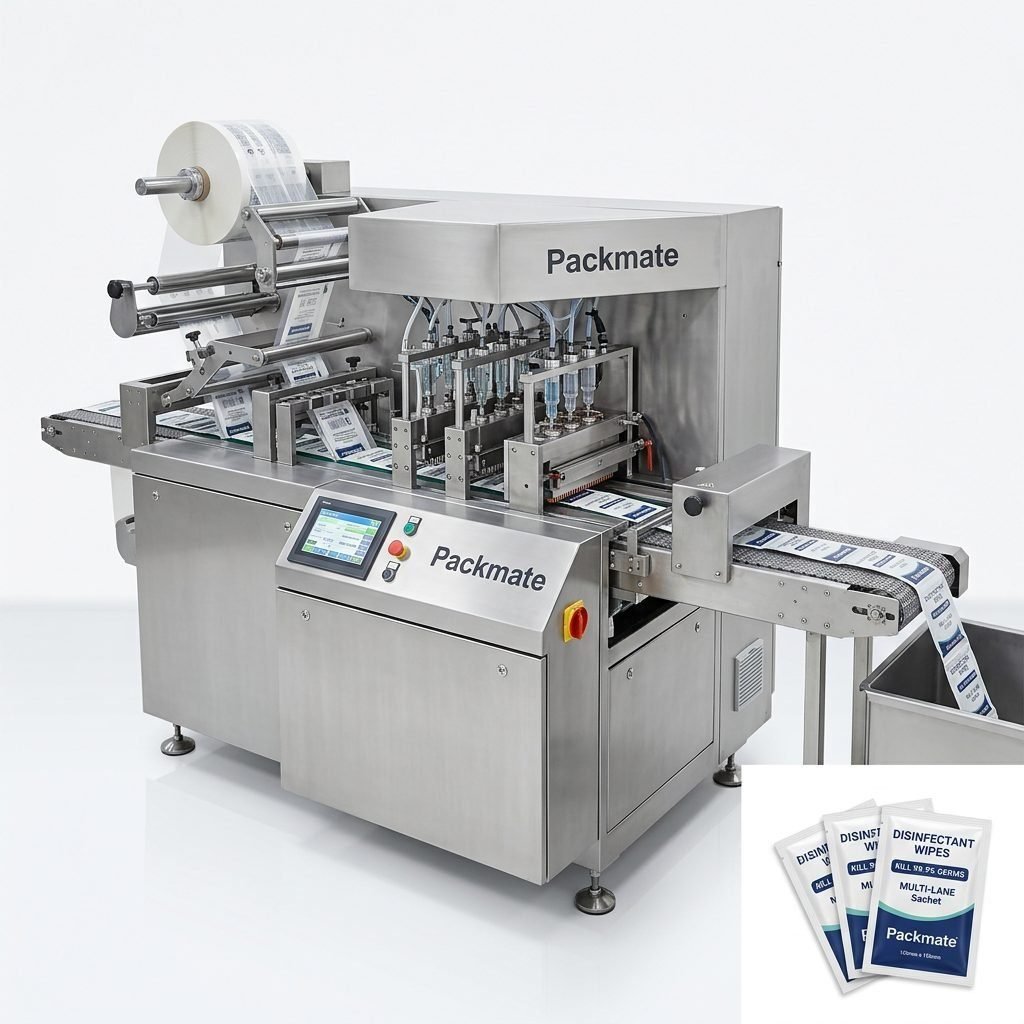
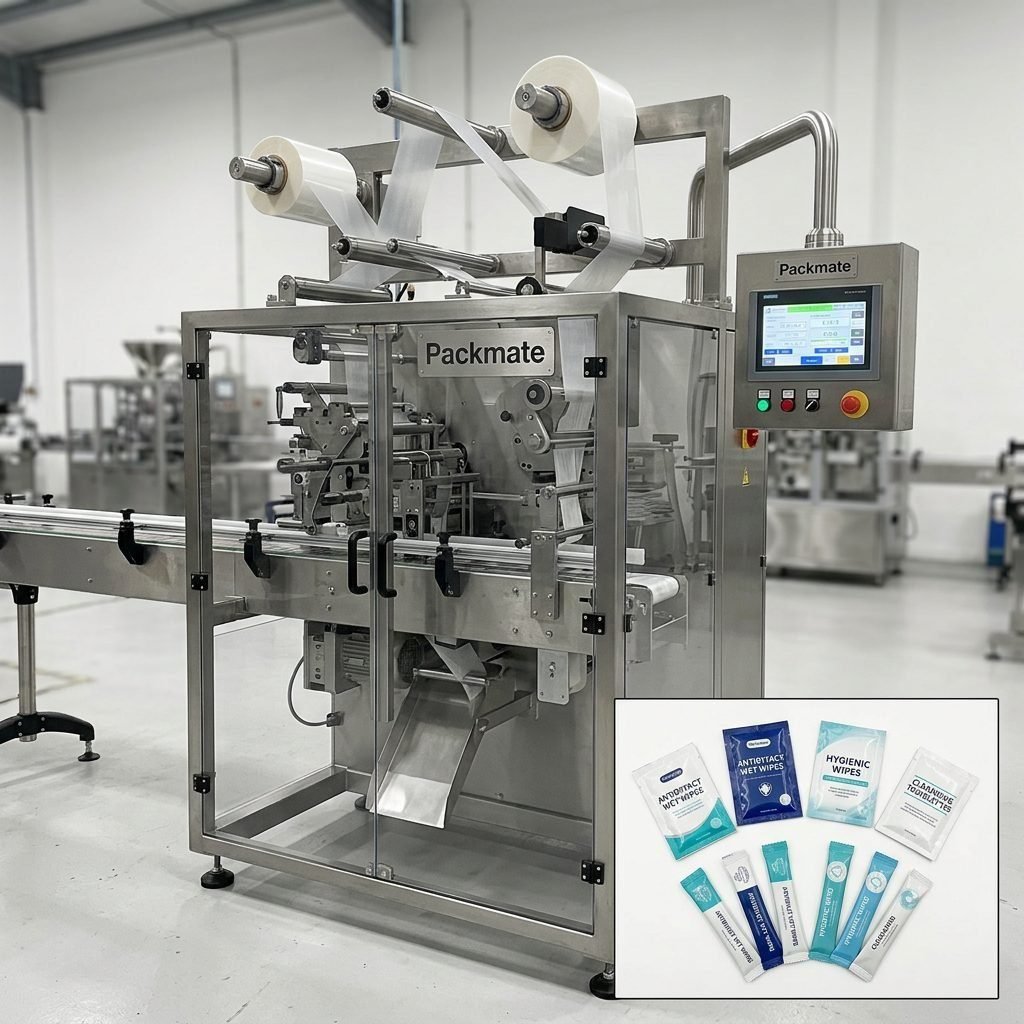
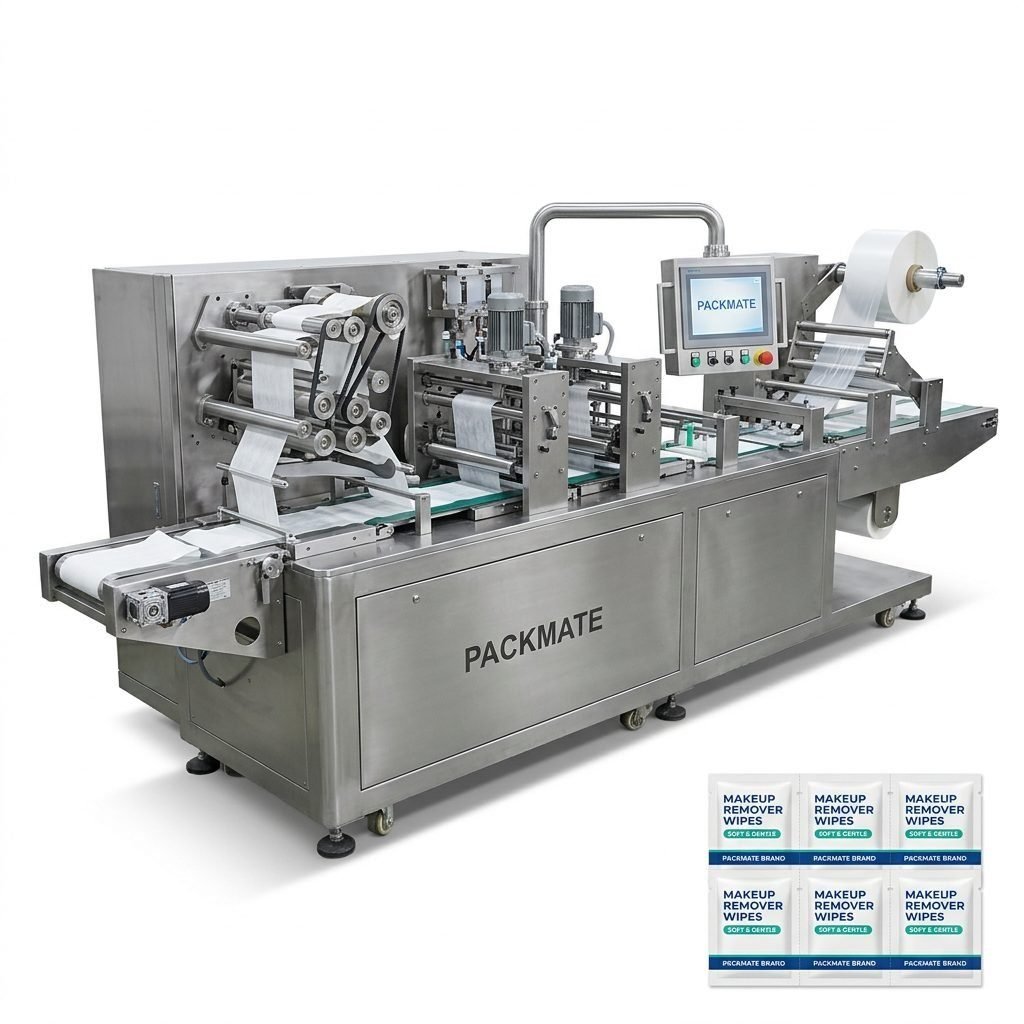
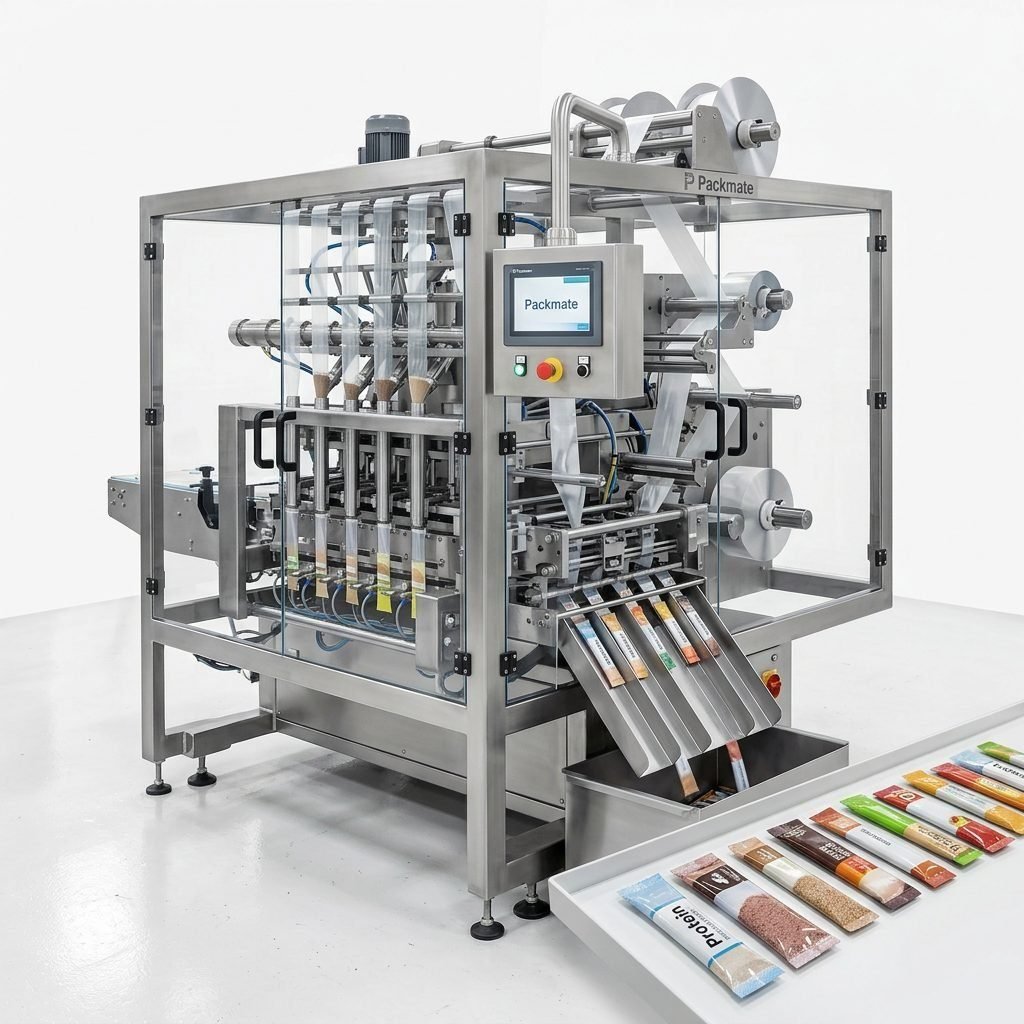
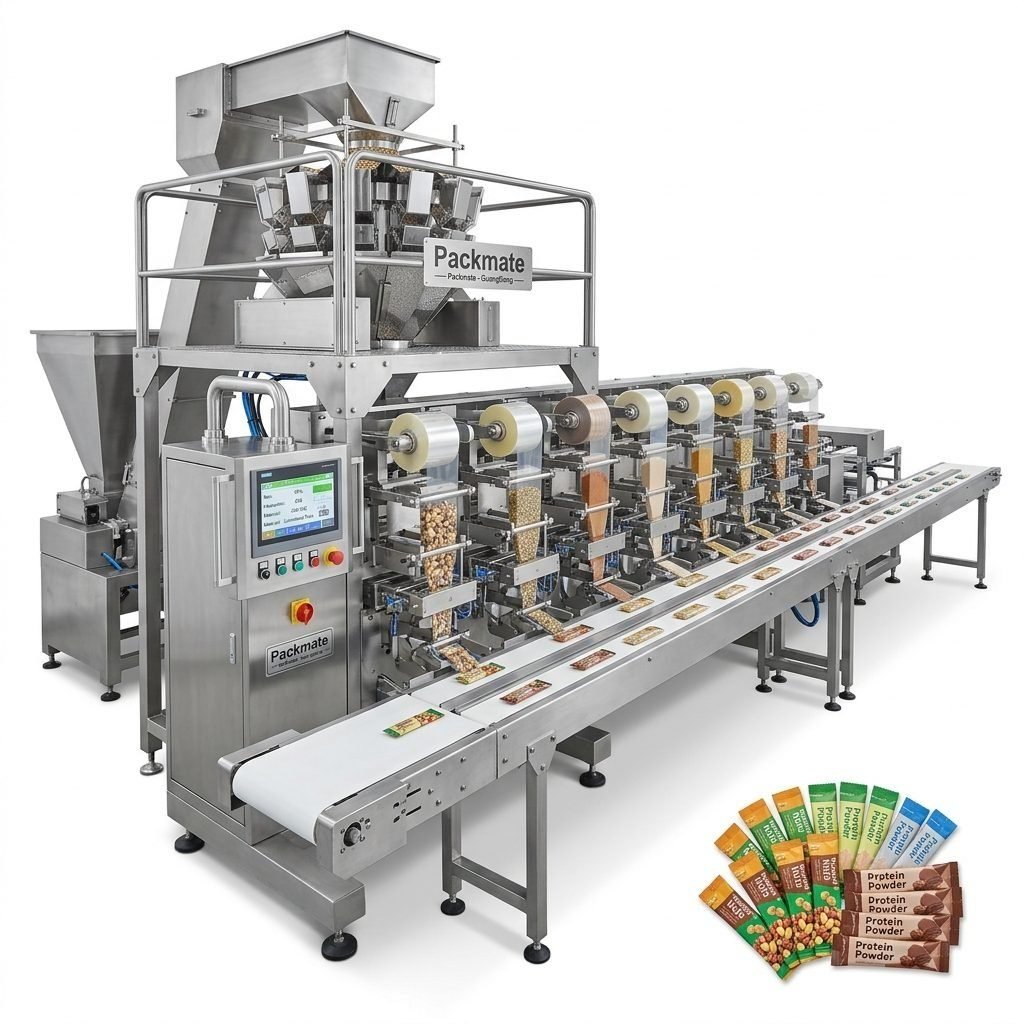
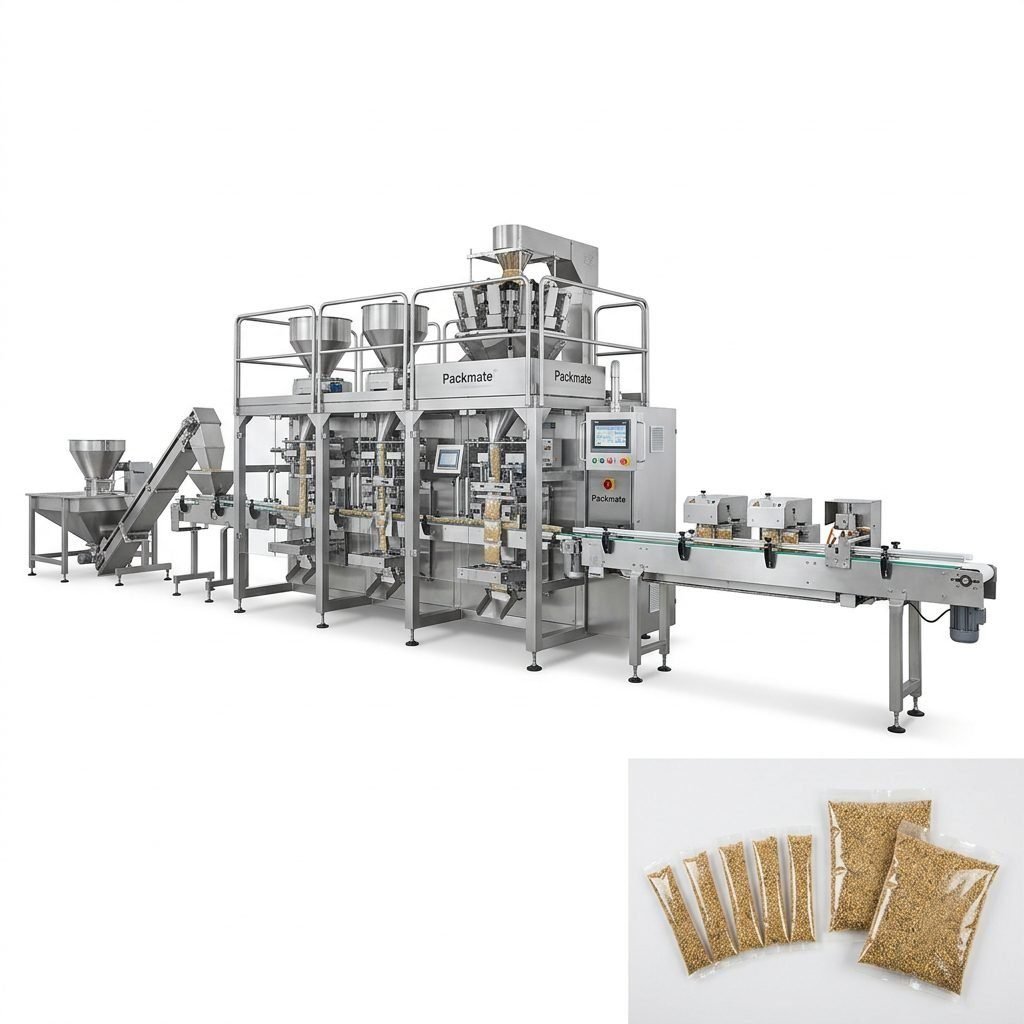
The true power of this equipment is realized when it is integrated into a complete, automated line. A turnkey packaging solution might start with an ESD-safe pouch for a circuit board, place it into a labeled carton with automatically dispensed cushioning, seal the carton, apply a shipping label, and then group multiple cartons for palletizing and stretch wrapping—all with minimal manual intervention. This level of integration, offered by experienced manufacturers like Packmate Machinery, maximizes throughput, minimizes labor costs, and drastically reduces the risk of human error or damage during handling.
The Packmate Advantage in Industrial Packaging
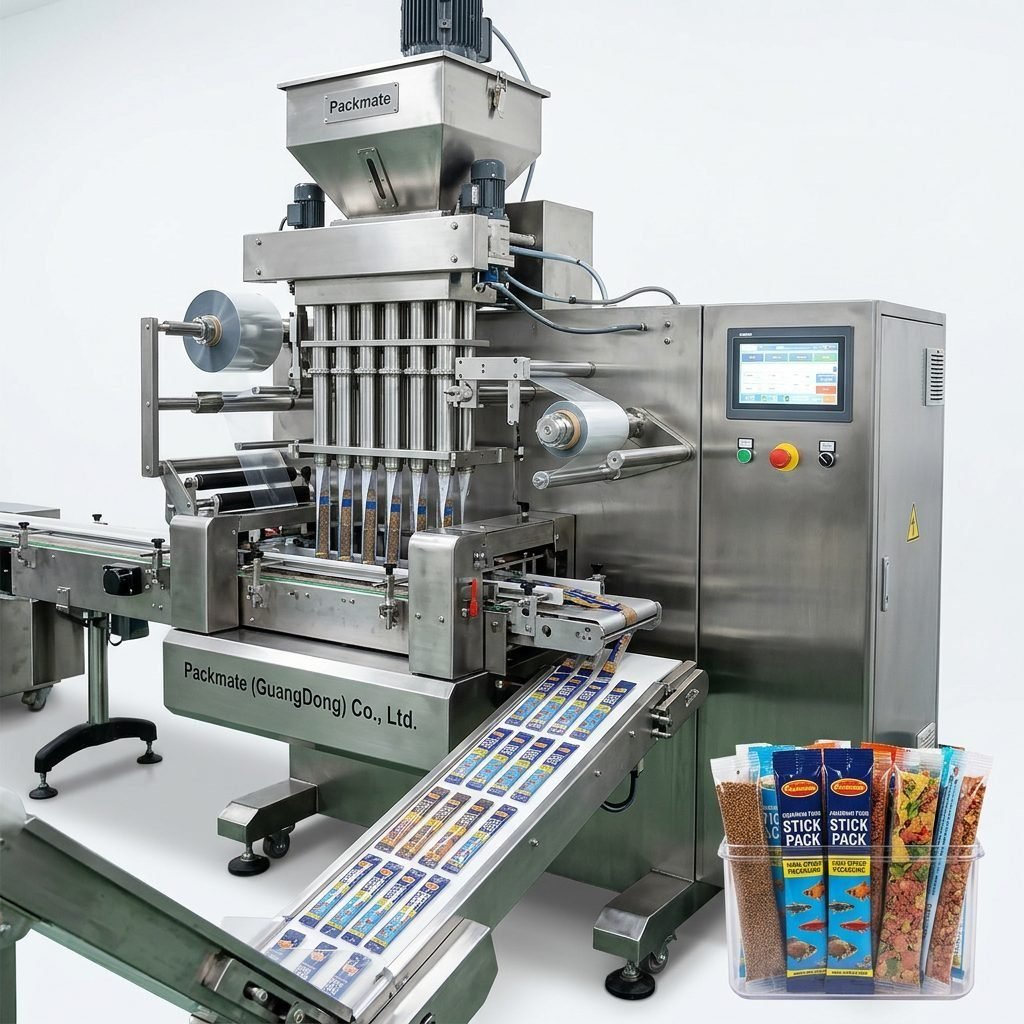
With over 22 years of development and a modern 20,000㎡ facility, Packmate (GuangDong) Co., Ltd. embodies the expertise needed for complex industrial packaging challenges. While renowned for solutions in food and pharma, their core principles of precision engineering, reliability, and innovation translate directly to the demanding telecom sector. Their portfolio of over 50 machine models and expertise in creating complete filling and packaging lines provides a strong foundation for customizing equipment to handle the specific needs of telecom components, from small sachets of desiccant to the automated boxing of finished devices.
Conclusion: Packaging as a Strategic Asset
For telecom companies, investing in the right packaging equipment is an investment in supply chain resilience, brand equity, and total cost of ownership. It moves packaging from a mere cost center to a strategic function that safeguards product quality, enables efficient logistics, and supports sustainability goals through material optimization. By partnering with a knowledgeable equipment provider and implementing a tailored mix of the essential machines outlined above, telecom firms can build a packaging operation that is as advanced and reliable as the technology it protects.
Frequently Asked Questions (FAQs)
1. Why is ESD protection so critical in telecom packaging?
Telecom equipment is built with highly sensitive microelectronics. Electrostatic discharge (ESD), which is invisible and can occur from simple human contact, can instantly damage or degrade these components, leading to field failures. ESD-safe packaging equipment and materials provide a controlled path to ground, neutralizing static charges throughout the packaging process.
2. Can the same packaging line handle both small components and large finished products?
It is challenging for a single, rigid line to handle vastly different product sizes efficiently. A more effective strategy is to design modular lines or dedicate separate lines for different product families (e.g., component line vs. finished goods line). However, flexible equipment like adjustable cartoners and multi-head weigh cells can provide some range within a defined product spectrum.
3. How important is automation in telecom packaging?
Extremely important. Automation ensures consistency, increases throughput to match high-volume production, reduces labor costs, and minimizes the risk of damage caused by manual handling. It also enables precise integration with tracking systems for full traceability, which is crucial for quality control and recall management.
4. What should I look for in a packaging equipment supplier for the telecom industry?
Look for a supplier with a proven track record in precision engineering and industrial applications. They should understand the need for clean, static-controlled environments and offer robust, reliable machinery with high uptime. The ability to provide custom solutions and integrate different machines into a cohesive line is a significant advantage. Review their case studies and service support capabilities.
5. How can packaging contribute to sustainability goals in the telecom sector?
Modern packaging equipment optimizes material usage, reducing waste through precise sizing of cartons and on-demand generation of cushioning. It can also facilitate the use of recycled and recyclable materials. Furthermore, efficient, right-sized packaging reduces shipping volume, lowering fuel consumption and carbon emissions across the logistics network.