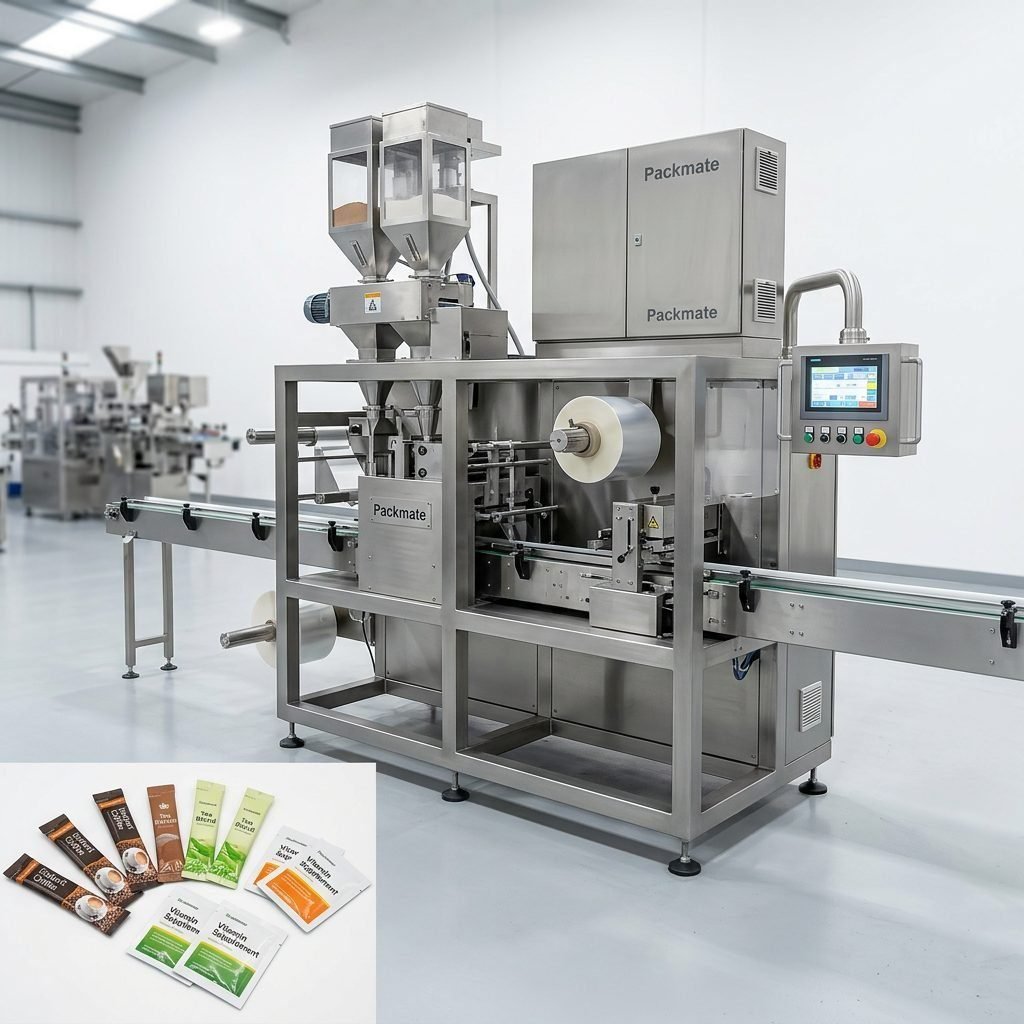
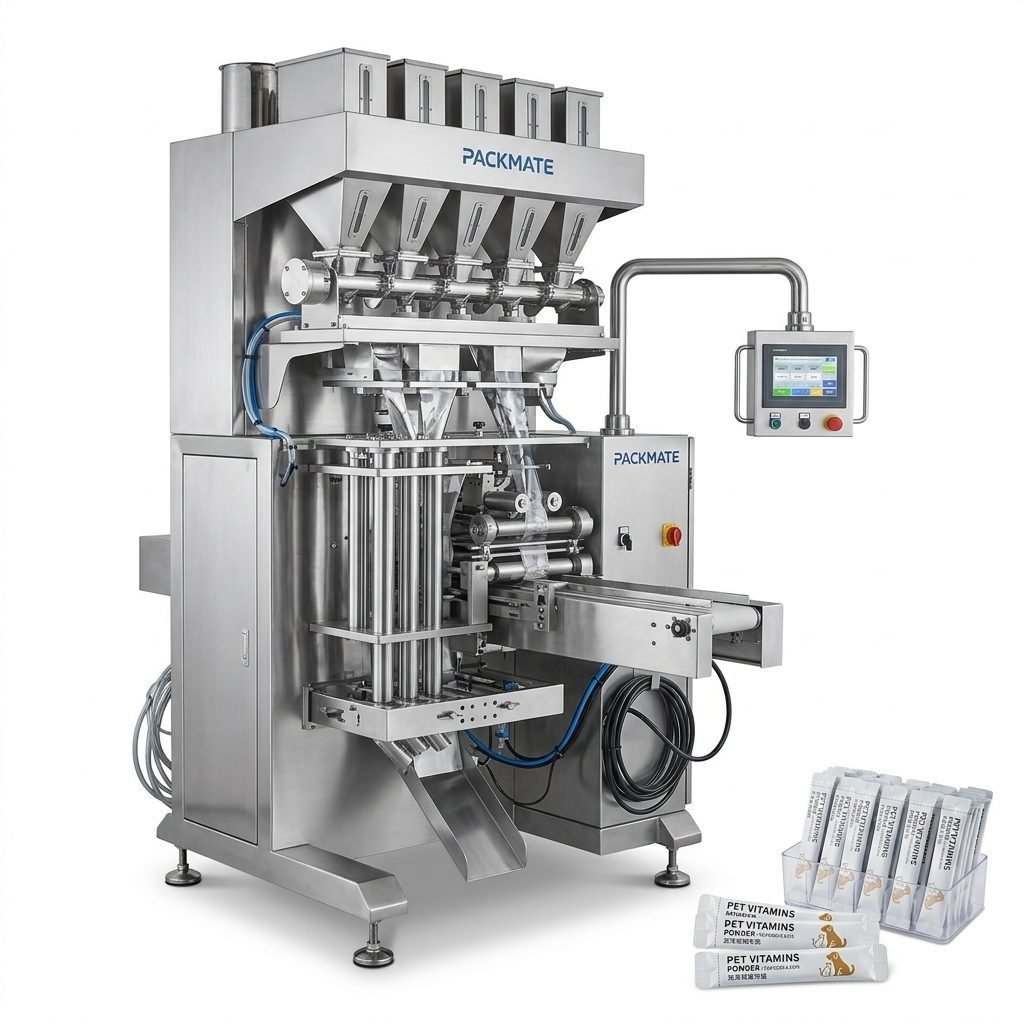
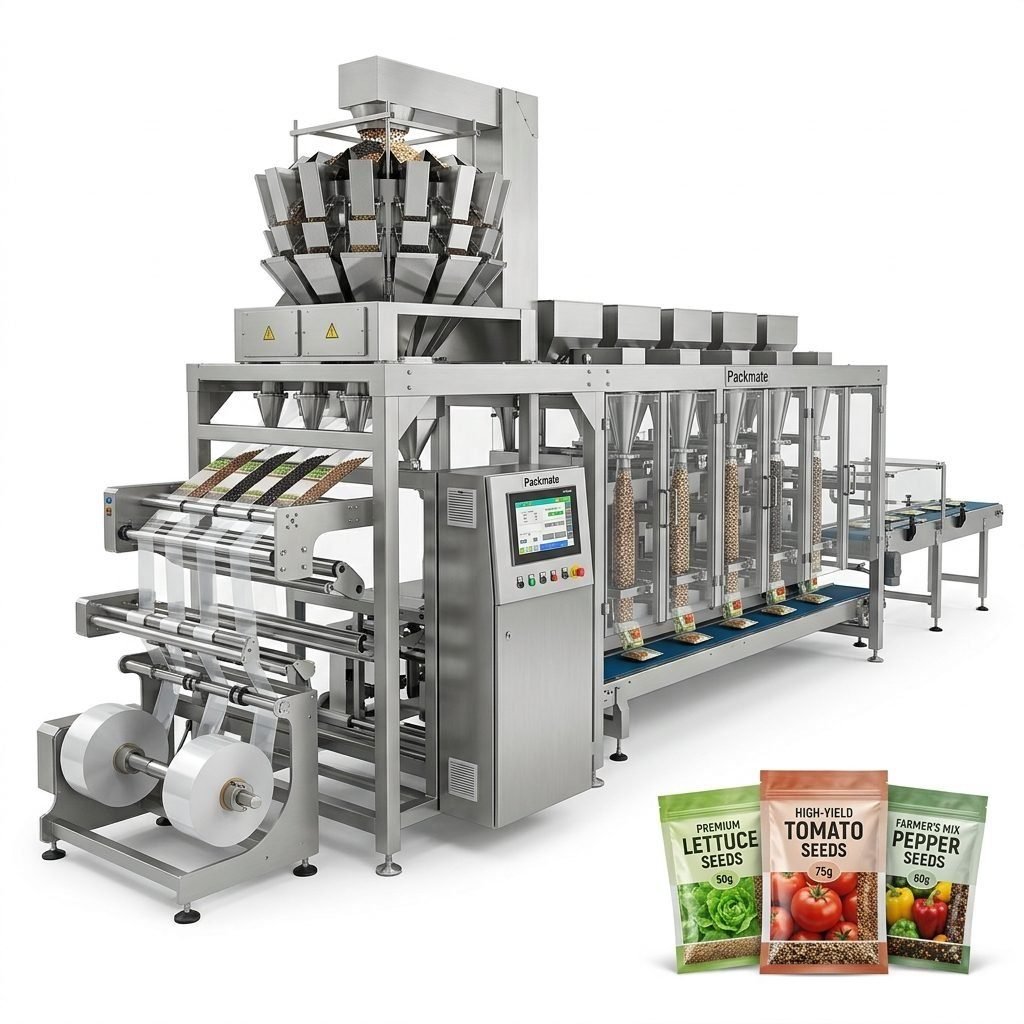
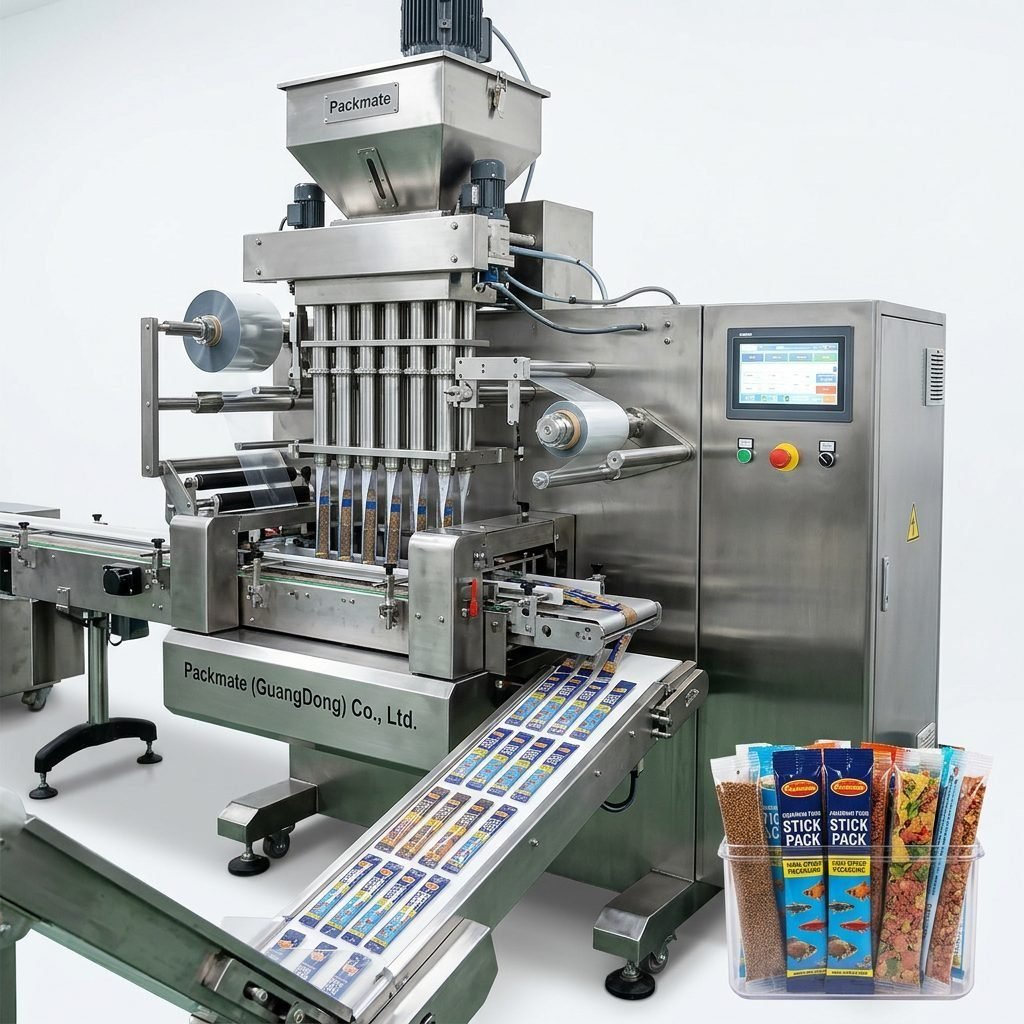
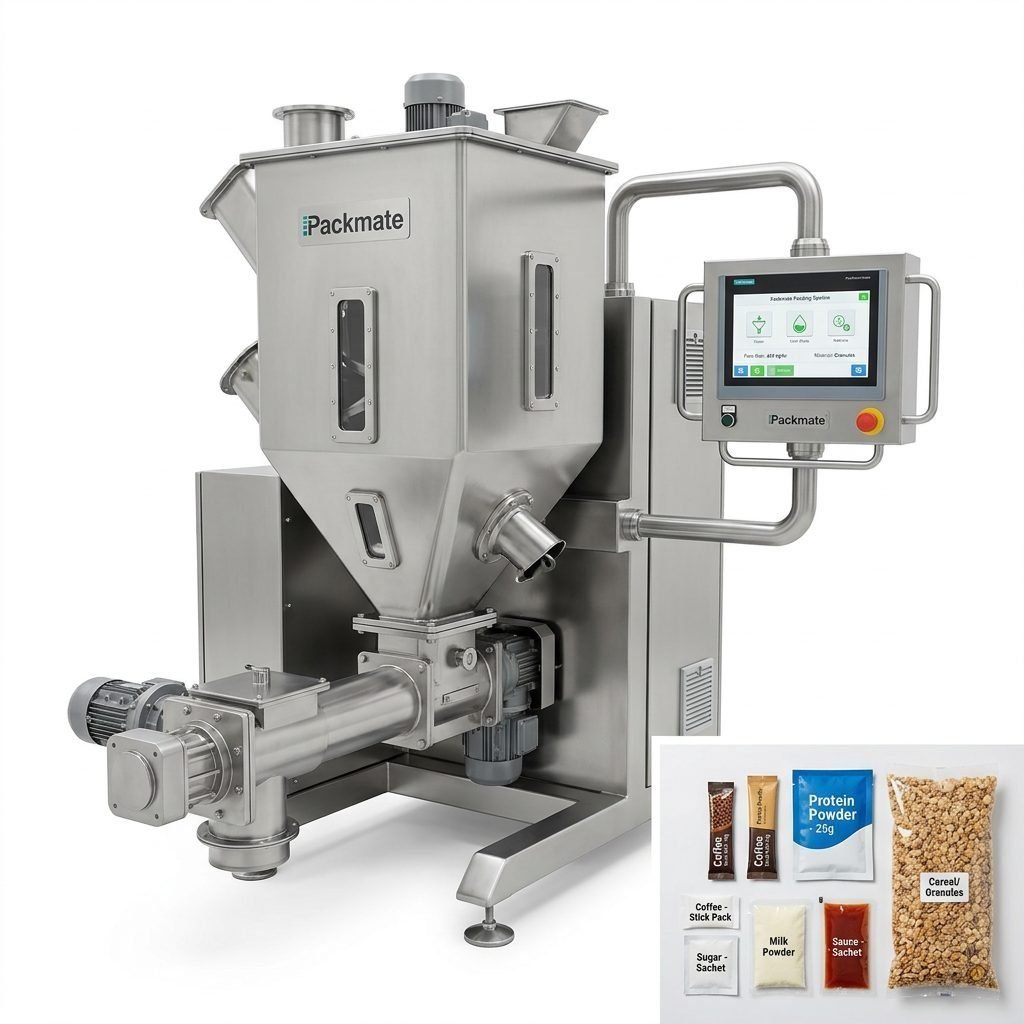
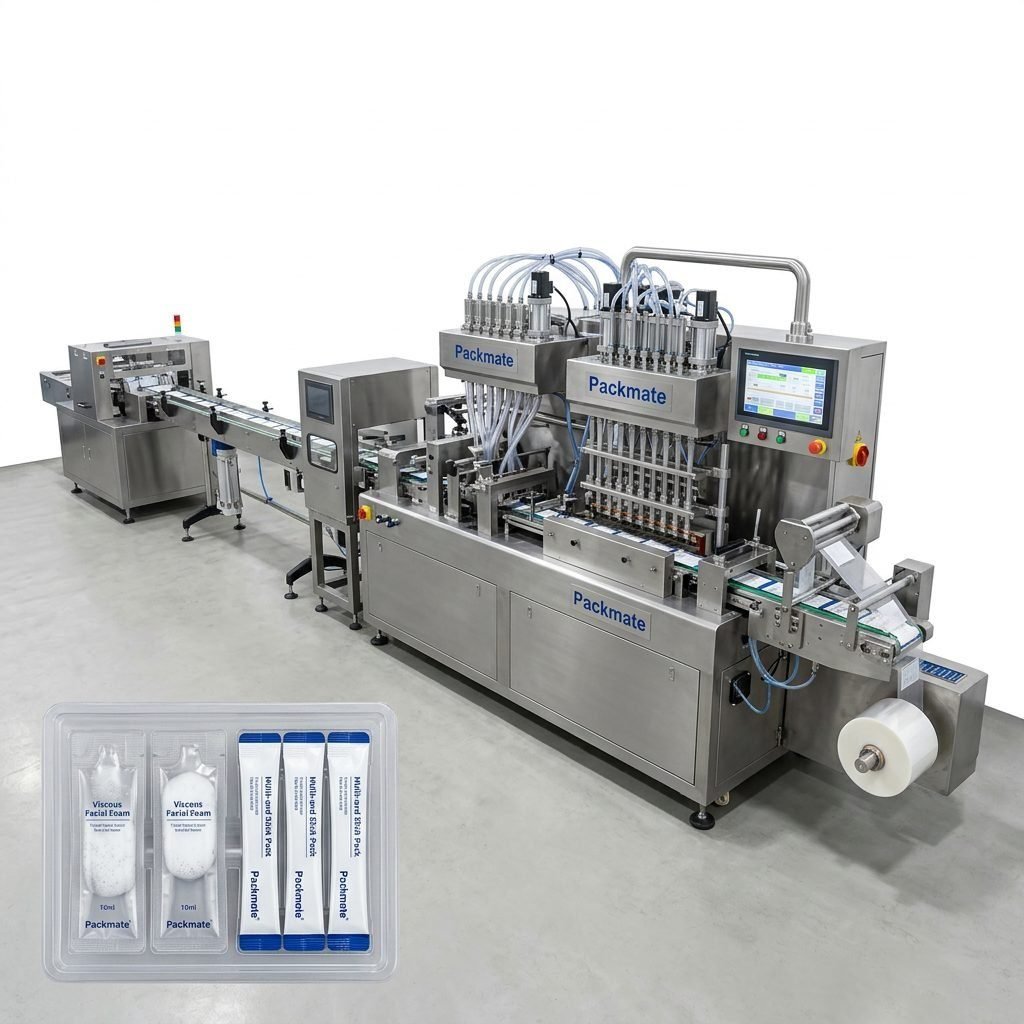
In today’s fast-paced consumer markets, efficiency and precision in packaging are paramount. Single dose packaging equipment has emerged as a critical solution for industries ranging from pharmaceuticals and nutraceuticals to food and beverage. This specialized machinery automates the process of filling and sealing individual, pre-measured portions, ensuring product integrity, accurate dosing, and enhanced user convenience. For businesses, investing in the right single dose packaging system can lead to significant improvements in production speed, material savings, and brand consistency.
Understanding the Core Types of Single Dose Packaging Equipment
The landscape of single dose packaging machinery is diverse, designed to handle various product forms and packaging styles. Understanding the primary types is the first step in selecting the right solution for your production line.
Vertical Form-Fill-Seal (VFFS) Machines
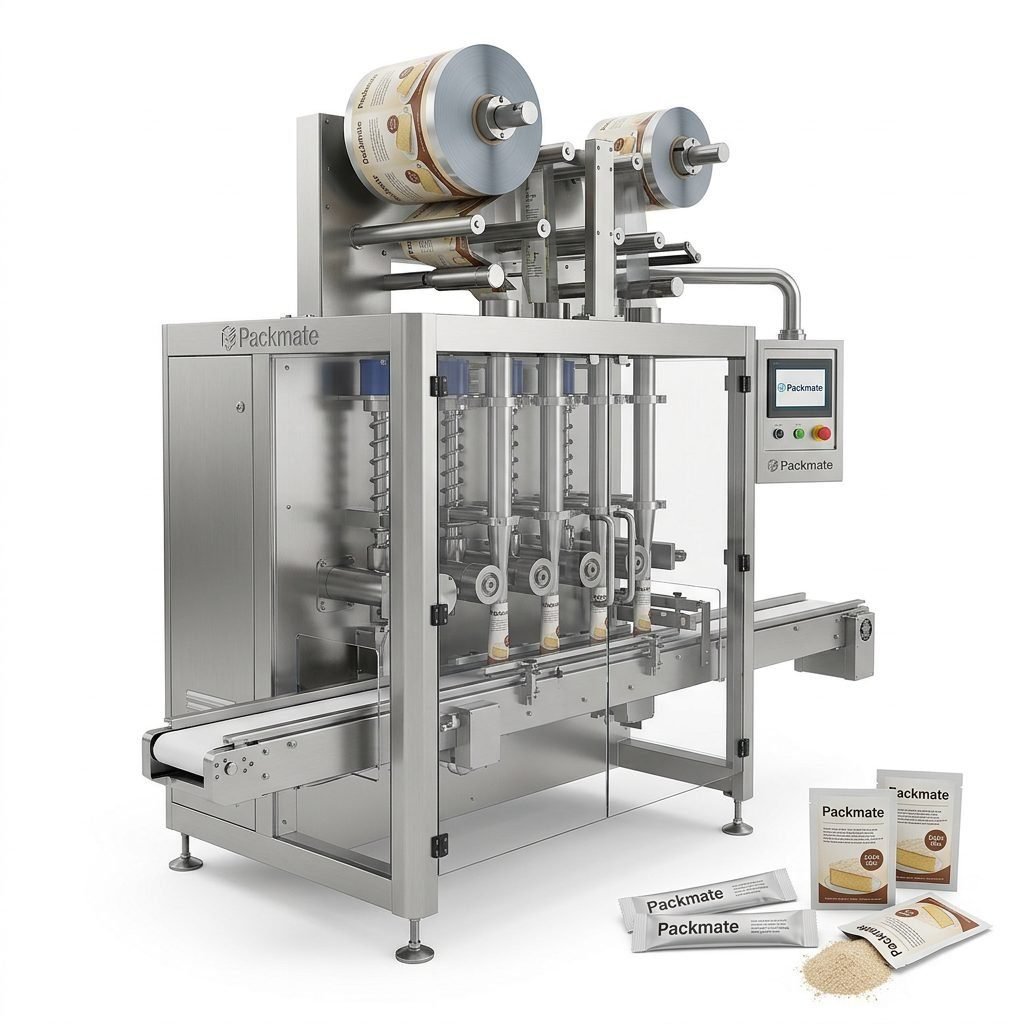
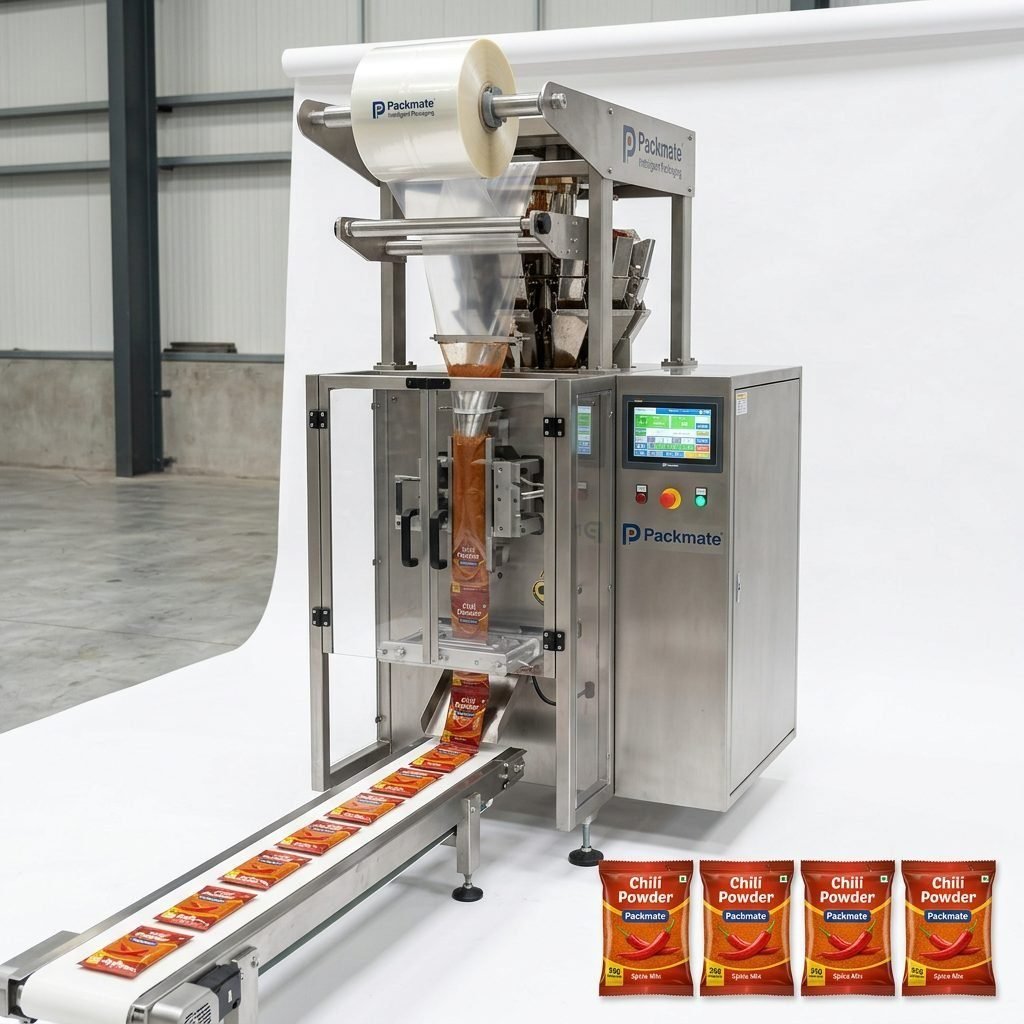
These are among the most versatile and commonly used systems. VFFS machines form a roll of packaging film into a tube, fill it with a pre-measured dose of product—be it powder, granules, or small solids—and then seal and cut it into individual sachets or pouches. They are highly efficient for high-volume production of items like instant coffee, sugar, or pharmaceutical powders.
Horizontal Form-Fill-Seal (HFFS) Machines
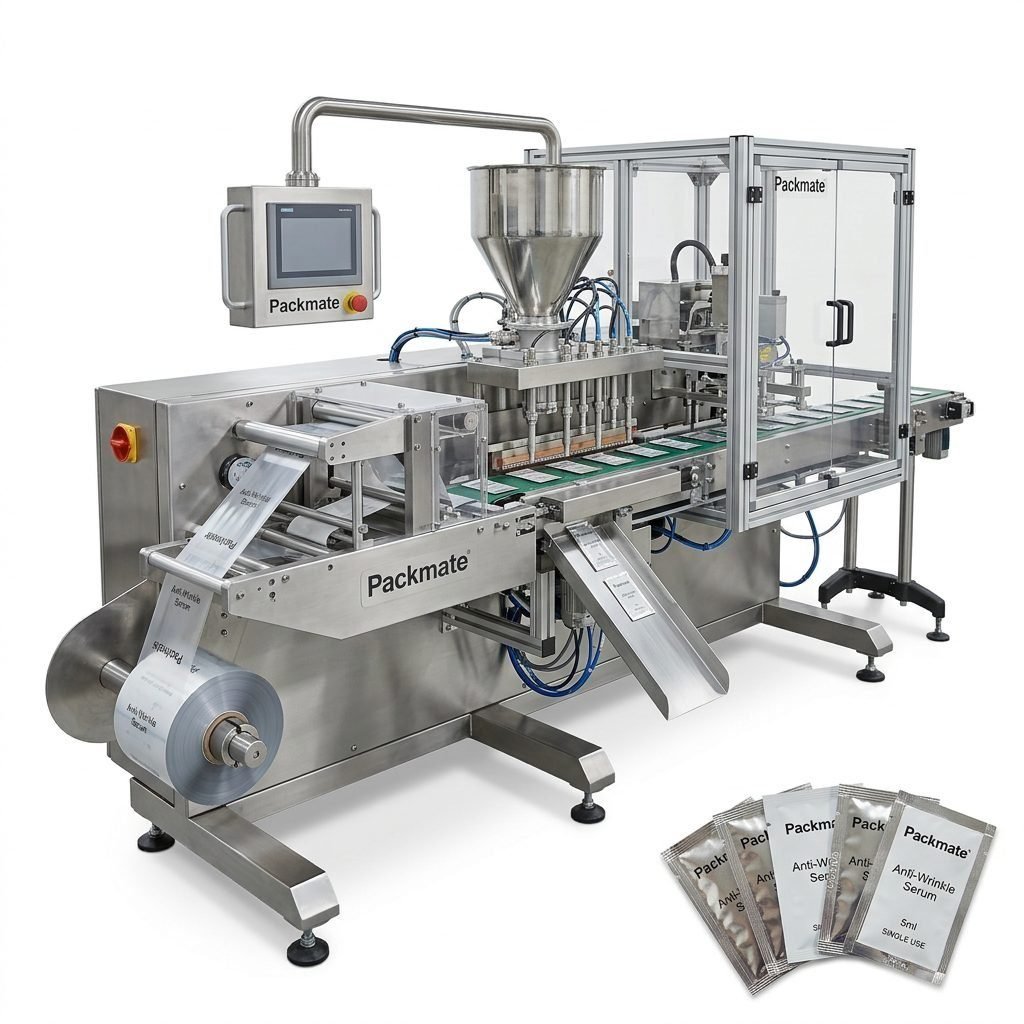
Ideal for more complex packaging shapes and multi-lane production, HFFS machines are often used for stick packs, condiment sachets, and single-serve liquid pouches. The film is fed horizontally, and the machine forms, fills, and seals the packages in a continuous motion. This type is excellent for products requiring a sleek, modern presentation.
Liquid & Viscous Product Fillers
Designed specifically for sauces, oils, creams, and pharmaceutical syrups, these machines use precise piston or pump filling systems to dispense liquids into pre-formed sachets, stick packs, or ampoules. Accuracy is critical here to prevent leakage and ensure consistent volume in every dose.
Stick Pack Machines
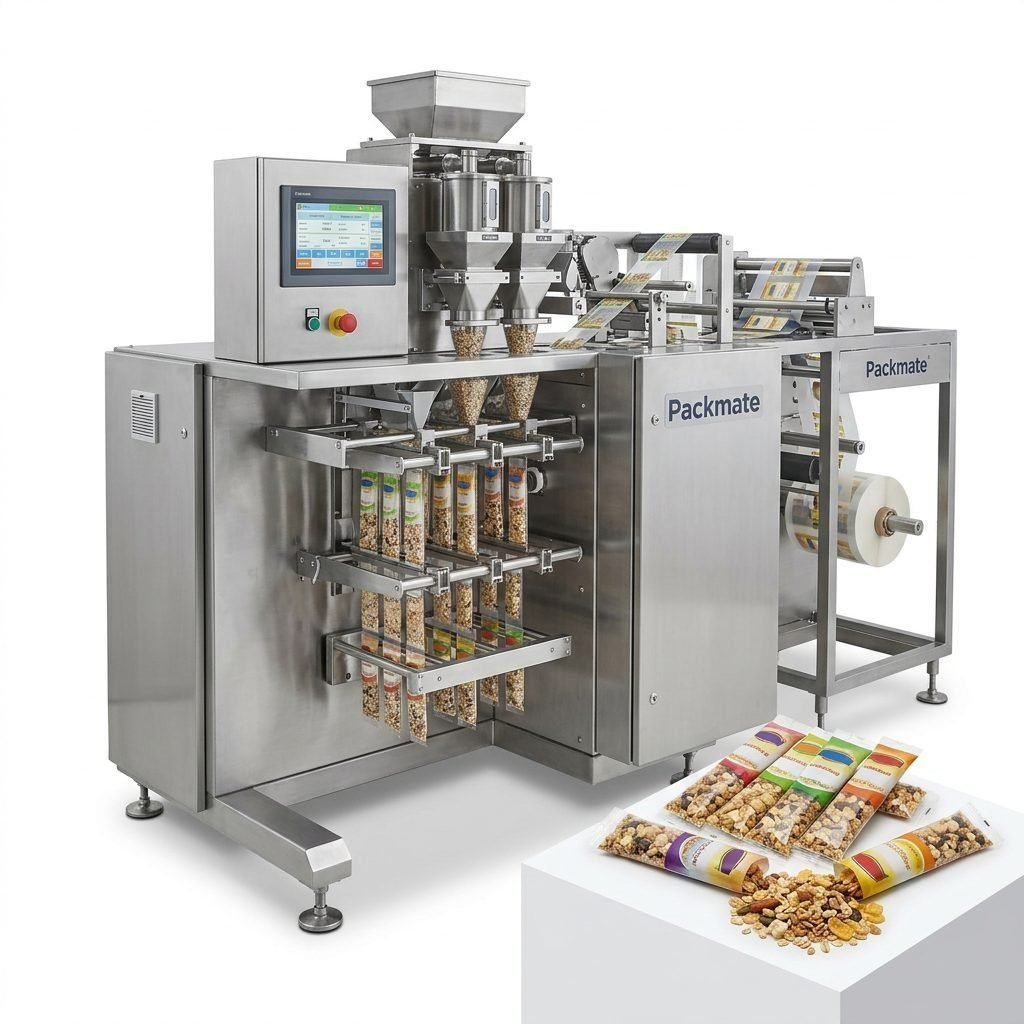
A subset of single dose packaging, stick pack machines create long, slender packets that are easy to tear and use. They are extremely popular for powdered drink mixes, supplements, and single-serve condiments. Modern multi-lane stick pack machines can produce dozens of units per minute, offering exceptional output for their compact footprint.
The Multifaceted Benefits of Automation
Transitioning from manual filling or semi-automated processes to fully integrated single dose packaging lines delivers a compelling return on investment through several key advantages.
Enhanced Product Protection & Shelf Life
Each dose is hermetically sealed in a protective barrier, shielding it from moisture, oxygen, and contaminants. This is vital for hygroscopic powders, sensitive pharmaceuticals, and perishable food ingredients, directly extending product shelf life and maintaining efficacy.
Unmatched Dosing Accuracy & Consistency
Manual dosing is prone to human error, leading to product giveaway or underfilling, which can cause regulatory non-compliance. Automated equipment with precision weighing and filling systems guarantees that every single unit contains the exact specified amount, protecting your profit margins and brand reputation.
Dramatically Improved Hygiene and Safety: By minimizing human contact with the product, automated packaging significantly reduces the risk of contamination. This is a non-negotiable requirement in GMP-certified environments like pharmaceutical and food production facilities.
Substantial Labor and Material Savings: A single automated line can replace multiple manual workstations, reducing labor costs and associated human resource management. Furthermore, advanced machines optimize film usage and minimize waste, contributing to lower material costs and a more sustainable operation.
A Practical Guide to Selecting Your Equipment
Choosing the right single dose packaging machine is a strategic decision. Here is a structured guide to help you navigate the selection process.
Step 1: Define Your Product and Packaging Specifications
Start with the basics. What is the physical form of your product (free-flowing powder, cohesive granules, viscous liquid)? What are its characteristics (hygroscopic, abrasive, volatile)? Determine your desired package type (sachet, stick pack, pouch), size range, and the required production speed (packs per minute). This forms your core requirement brief.
Step 2: Evaluate Machine Capabilities and Flexibility
Look beyond your current needs. Can the machine handle a range of package sizes with quick changeovers? Is it compatible with different packaging materials (laminates, films)? Consider a machine that offers some degree of future-proofing for potential new product lines. For comprehensive solutions, explore integrated filling and packaging lines.
Step 3: Assess Build Quality, Precision, and Ease of Use
The machine’s construction determines its longevity and reliability. Prioritize manufacturers known for robust engineering and high-quality components. Examine the precision of the dosing system—this is the heart of the machine. A user-friendly HMI (Human-Machine Interface) and accessible design for cleaning and maintenance are crucial for operational efficiency.
Step 4: Consider Integration and After-Sales Support
Will the machine integrate seamlessly with your existing upstream and downstream equipment, like conveyors or cartoners? Most importantly, investigate the manufacturer’s support network. Reliable technical support, availability of spare parts, and comprehensive training are essential for minimizing downtime. A partner with a strong track record, like Packmate Machinery with over two decades of experience, provides invaluable peace of mind.
Step 5: Analyze Total Cost of Ownership (TCO)
Do not make a decision based on the purchase price alone. Calculate the TCO, which includes energy consumption, maintenance costs, expected lifespan, and potential costs associated with downtime. A slightly higher initial investment in a more reliable and efficient machine often results in significantly lower long-term costs.
Conclusion: Investing in Precision and Efficiency
Single dose packaging equipment represents more than just a machinery purchase; it is an investment in product quality, operational efficiency, and market competitiveness. By automating the packaging of precise individual servings, businesses can achieve remarkable consistency, enhance safety, reduce waste, and meet the growing consumer demand for convenience. The key to success lies in a thorough selection process that matches robust, reliable, and flexible equipment with your specific product and production goals.
Frequently Asked Questions (FAQs)
What types of products are best suited for single dose packaging?
This packaging format is ideal for any product that benefits from precise dosing, portion control, or single-use convenience. Common applications include pharmaceutical powders and granules, dietary supplements, instant beverage mixes, condiments (ketchup, mayo), coffee creamers, sugar, and liquid flavorings. It is also widely used for samples and promotional items.
How fast can a typical single dose packaging machine operate?
Production speeds vary greatly depending on the machine type and package size. Standard vertical sachet machines can range from 60 to 120 packs per minute. High-speed, multi-lane stick pack machines can achieve outputs of 200 to over 600 sticks per minute by running multiple lanes simultaneously. The required speed should be based on your total daily or weekly production volume.
What is the difference between a sachet machine and a stick pack machine?
The primary difference is the shape and orientation of the final package. A sachet machine typically produces rectangular or square pouches. A stick pack machine creates long, narrow, tube-like packets. Stick packs often use a different forming mechanism and are favored for their ergonomic, easy-to-open design and efficient use of shelf space.
Can one machine handle both powders and liquids?
Some advanced machines are designed with interchangeable filling systems, allowing them to switch between product types. However, this often requires a significant changeover involving cleaning and part replacement. For dedicated, high-volume production of different product forms, most manufacturers recommend separate, specialized machines to maintain optimal hygiene, accuracy, and efficiency.
What should I look for in a machinery supplier?
Prioritize suppliers with a proven industry reputation, strong technical expertise, and a comprehensive support system. Look for a company that offers detailed machine documentation, operator training, readily available spare parts, and responsive after-sales service. Reviewing their project case studies and customer testimonials can provide valuable insights into their reliability and capability.