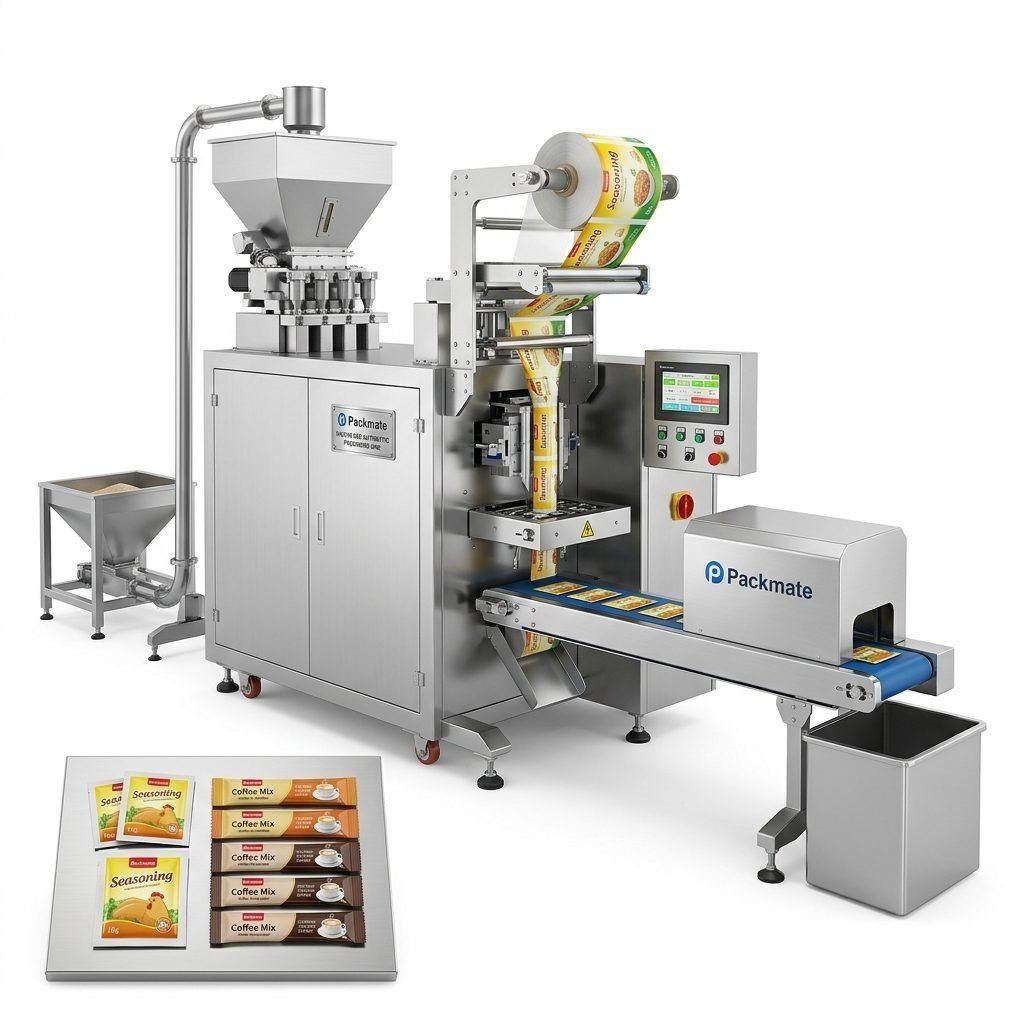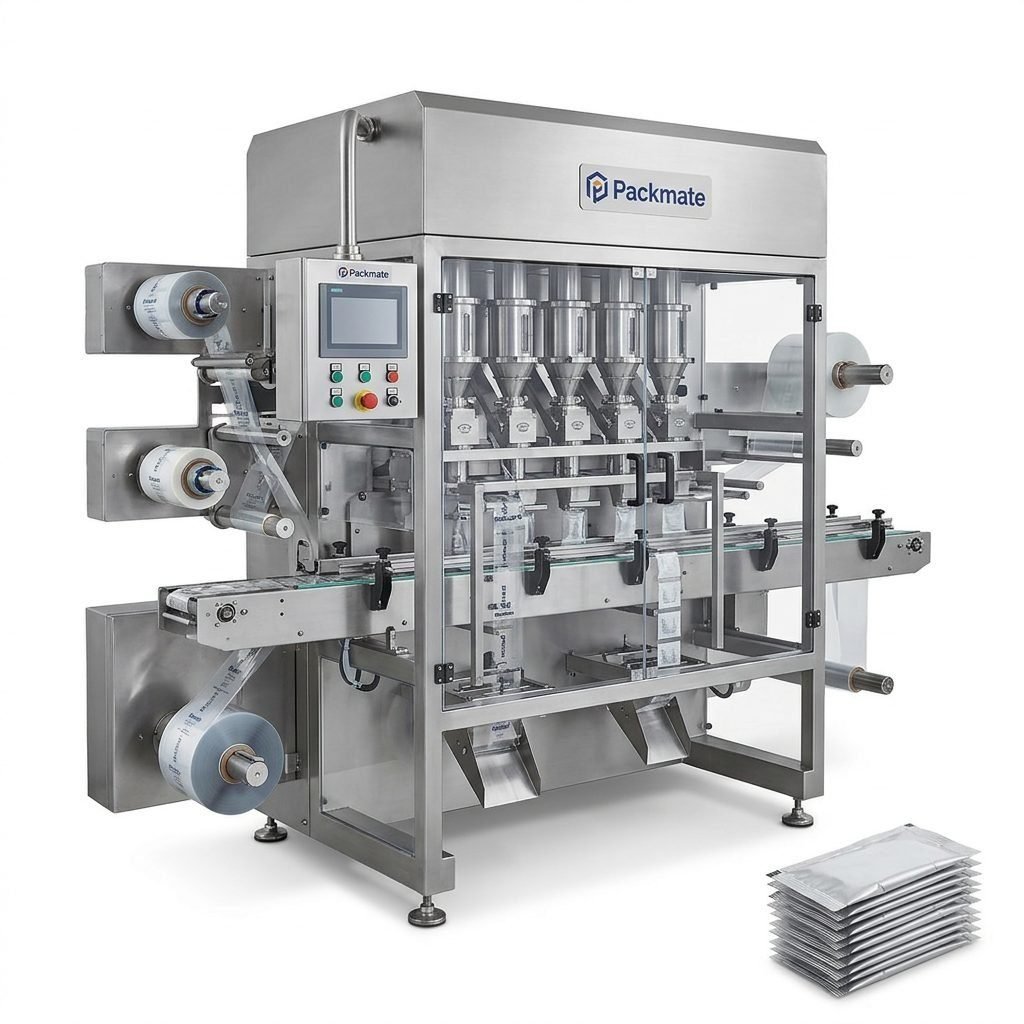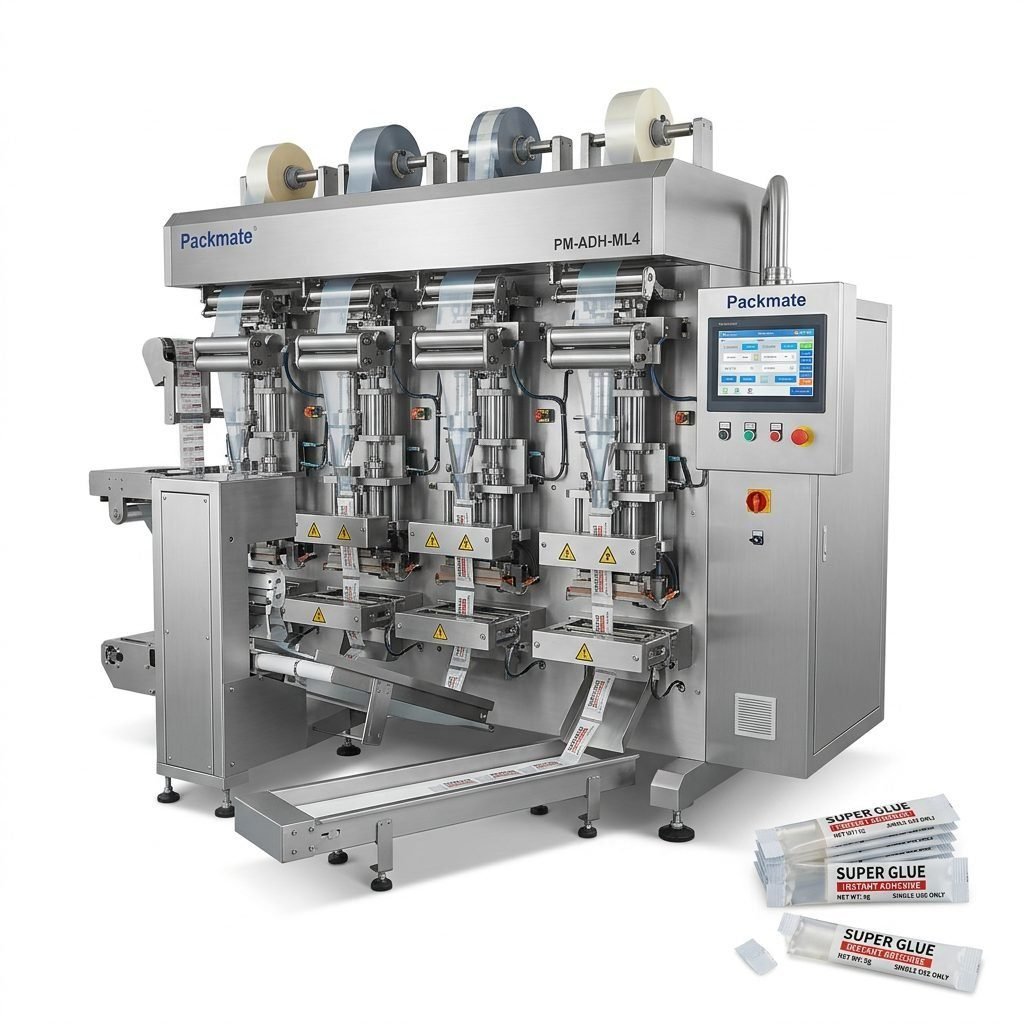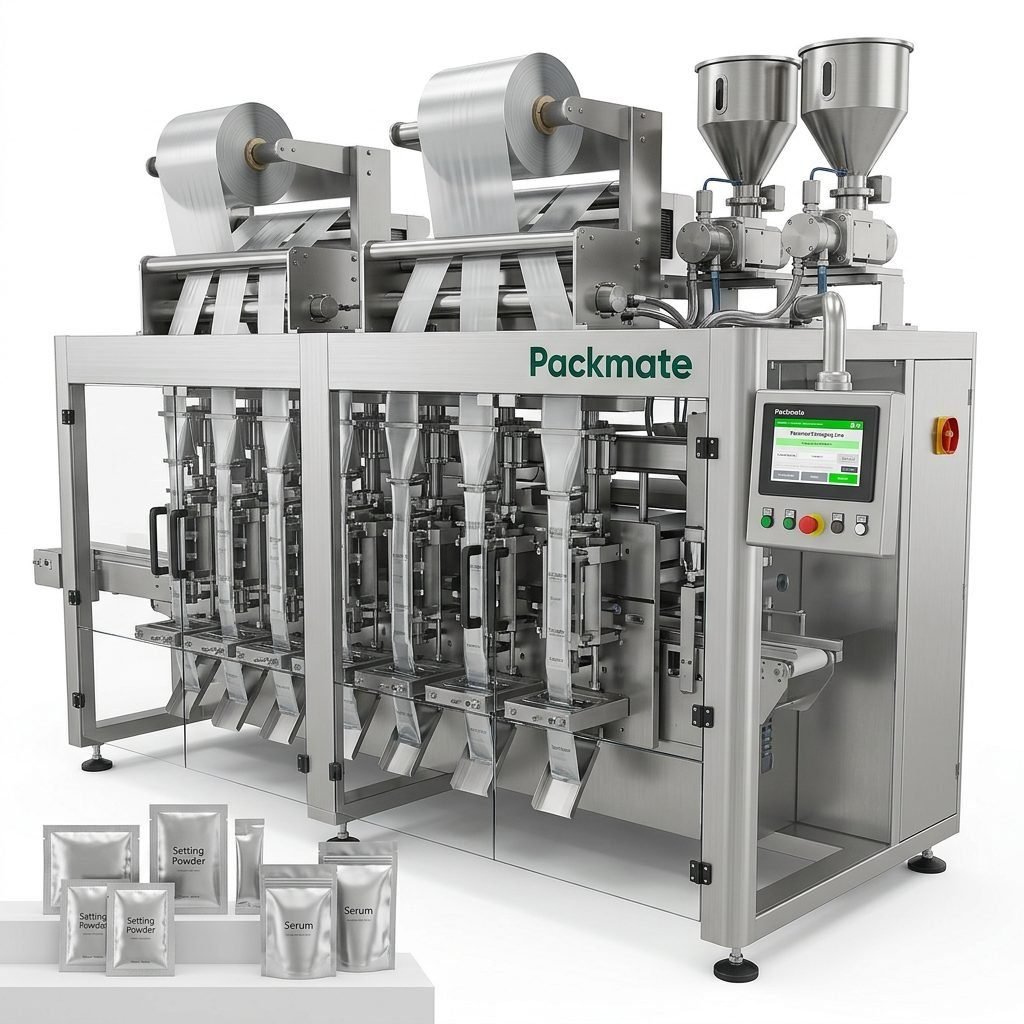
In today’s fast-paced beverage industry, efficient and reliable packaging is paramount for brand success and market competitiveness. Beverage carton packaging machinery stands as a critical component in production lines, ensuring products are sealed, protected, and presented attractively to consumers. This comprehensive guide delves into the world of beverage carton packaging solutions, exploring the essential equipment, technological innovations, and strategic considerations for businesses aiming to optimize their operations.
Understanding Beverage Carton Packaging Machinery
Beverage carton packaging machinery encompasses a range of automated systems designed to form, fill, and seal cartons for liquid products like juice, milk, plant-based beverages, and liquid nutritional supplements. These machines handle various carton materials, including paperboard laminates with plastic or aluminum foil barriers, to ensure product freshness and longevity. The primary goal is to achieve high-speed, hygienic, and cost-effective packaging that meets stringent industry standards.
Key Takeaway: Modern carton packaging is not just about containment; it’s a sophisticated process involving aseptic filling, precise dosing, and secure sealing to preserve taste and nutritional value from production to consumption.
Core Components of a Packaging Line
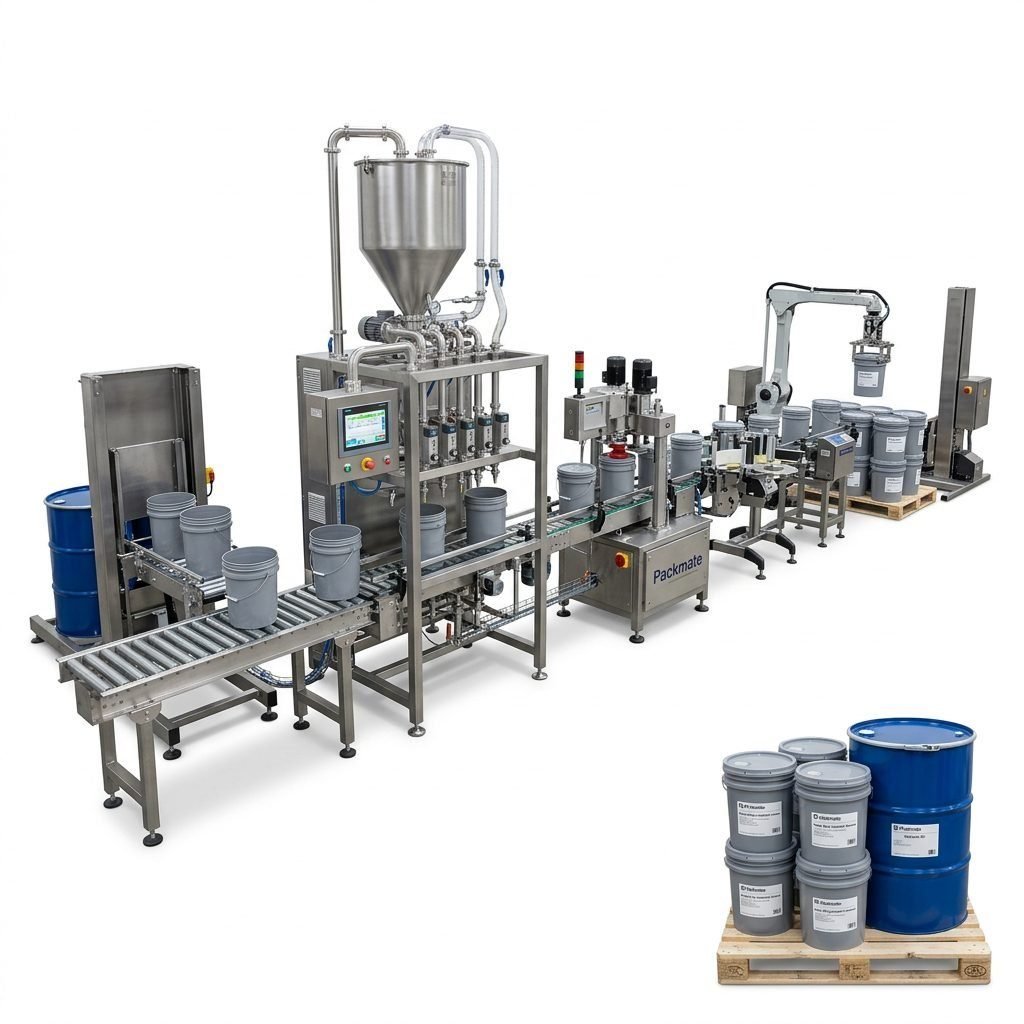
A complete beverage carton packaging line is an integrated system. It typically starts with an unwinding unit that feeds the roll of packaging material. This is followed by a forming section where the flat material is shaped into a tube. The heart of the system is the filling machine, which can be of several types (discussed below). Finally, a sealing and cutting unit creates the individual, finished cartons. Ancillary equipment like coders, date printers, and case packers are often integrated for a complete turnkey packaging solution.
Types of Beverage Carton Filling Machines
The filling technology is the most critical differentiation in carton packaging machinery. The choice depends on the product’s characteristics and the required shelf life.
1. Aseptic Filling Machines
These machines sterilize both the packaging material and the product separately before filling in a sterile environment. This process allows beverages to be stored for months without refrigeration. It’s ideal for milk, juices, and dairy alternatives destined for global distribution.
2. Hot-Fill Machines
Here, the product is heated to a high temperature (typically 85-95°C) to eliminate microorganisms and then filled into pre-sterilized cartons. The hot product also helps sterilize the carton’s inner surface. This method is common for high-acid products like fruit juices and teas.
3. Cold-Fill (Gable-Top) Machines
Used primarily for fresh, refrigerated products like milk and cream. The product is filled at a low temperature, and the cartons are not commercially sterile. These have a shorter shelf life and require continuous cold chain logistics.
Choosing the Right Technology: Your selection between aseptic, hot-fill, and cold-fill will fundamentally impact your product’s market positioning, distribution network, and capital investment. Consulting with an experienced manufacturer like Packmate Machinery can provide invaluable guidance tailored to your specific product portfolio.
Advanced Features in Modern Machinery
Technological integration has transformed packaging lines into smart, connected systems. Look for equipment with:
Precision Servo Drives: For accurate positioning, reduced mechanical wear, and energy savings.
Integrated CIP/SIP Systems: Clean-in-Place and Sterilize-in-Place systems automate cleaning, reducing downtime and ensuring hygiene.
Vision Inspection Systems: Automatically check for fill level accuracy, seal integrity, and print quality, rejecting faulty packages.
Industry 4.0 Connectivity: Machines equipped with IoT sensors and data interfaces for real-time monitoring of OEE (Overall Equipment Effectiveness), predictive maintenance, and production analytics.
The Role of Material Handling & Ancillary Equipment
Efficiency extends beyond the primary filler. A robust line includes automatic carton erectors, high-speed straw applicators (for drink boxes), and robotic case packers and palletizers. These systems, often part of a broader auxiliary equipment suite, minimize manual handling, boost line speed, and reduce labor costs.
Selecting Your Packaging Machinery Partner
Investing in beverage carton machinery is a significant decision. Partnering with the right manufacturer is crucial for long-term success. Key evaluation criteria include:
Proven Expertise & Experience: Look for a supplier with a deep history in liquid packaging. Companies with decades of experience, like Packmate Machinery, bring invaluable knowledge of technical challenges and market trends.
Technical Support & Service: Ensure global after-sales support, availability of spare parts, and comprehensive training for your operators and maintenance teams.
Flexibility & Customization: Can the supplier adapt standard machines to your unique carton size, shape, or product viscosity? A partner that offers customized solutions is a major asset.
Commitment to Quality: Verify international certifications (e.g., CE, ISO) and the robustness of their manufacturing and testing processes, as detailed in their company certifications.
Strategic Insight: The most successful packaging investments are those viewed as partnerships. A reliable machinery partner becomes an extension of your engineering team, helping you navigate future production challenges, scale your operations, and implement new packaging innovations.
Future Trends in Carton Packaging
The industry is evolving towards greater sustainability and intelligence. Expect increased demand for machinery capable of handling mono-material and recyclable cartons to reduce environmental impact. Furthermore, the integration of Artificial Intelligence (AI) for quality control and augmented reality (AR) for maintenance guidance will become more prevalent, driving unprecedented levels of efficiency and uptime.
In conclusion, selecting and implementing the right beverage carton packaging machinery is a complex but rewarding endeavor that directly impacts product quality, operational cost, and brand reputation. By understanding the different technologies, prioritizing key features, and choosing a capable and reliable partner, beverage producers can build a packaging operation that is not only efficient today but also adaptable for the future.
Frequently Asked Questions (FAQs)
What is the main difference between aseptic and hot-fill carton packaging?
Aseptic filling involves sterilizing the product and packaging material separately before combining them in a sterile chamber, allowing for ambient shelf storage. Hot-fill involves filling a hot product into a container, using the heat to sterilize the container’s interior; it’s generally used for high-acid products and may result in a slightly different taste profile compared to aseptic treatment.
How do I determine the right machine speed (output) for my needs?
Machine speed, measured in cartons per hour (CPH), should be based on your current and projected production volumes. Consider factors like peak demand periods, planned future expansion, and available factory space and utilities. It’s often advisable to choose a machine with a 15-20% higher capacity than your current peak need to accommodate growth without immediate reinvestment.
Can one packaging line handle different carton sizes?
Yes, most modern machines are designed with quick-changeover features. This allows operators to switch between different pre-configured carton sizes (e.g., 200ml, 250ml, 1L) within minutes by changing forming mandrels, fill volume settings, and other tooling, maximizing line flexibility for multi-SKU production.
What kind of maintenance do these machines require?
Regular maintenance is vital. This includes daily cleaning (CIP cycles), weekly lubrication of mechanical parts, and periodic inspection of seals, sensors, and cutting blades. Partnering with a supplier that offers comprehensive technical service and support, including training and spare parts supply, is essential for minimizing unplanned downtime.
Are there sustainable options for beverage carton packaging machinery?
Absolutely. The focus is on two fronts: First, machinery that can efficiently run newer, more sustainable packaging materials like cartons with higher renewable content or designed for easier recycling. Second, the machines themselves are becoming more sustainable through energy-efficient servo motors, reduced water consumption in cleaning systems, and designs that minimize material waste during startup and operation.