In the fast-paced world of food production, efficiency, consistency, and hygiene are paramount. This is where automatic food packaging machines become indispensable assets. These sophisticated systems handle everything from precise weighing and filling to sealing and coding, transforming bulk products into retail-ready packages with minimal human intervention. For businesses looking to scale, improve product safety, and reduce operational costs, understanding this technology is the first critical step.
Understanding the Core Types of Automatic Food Packaging Machines
The market offers a diverse range of automatic packaging equipment, each designed for specific product forms and packaging styles. Selecting the right type is crucial for optimal performance.
Vertical Form-Fill-Seal (VFFS) Machines
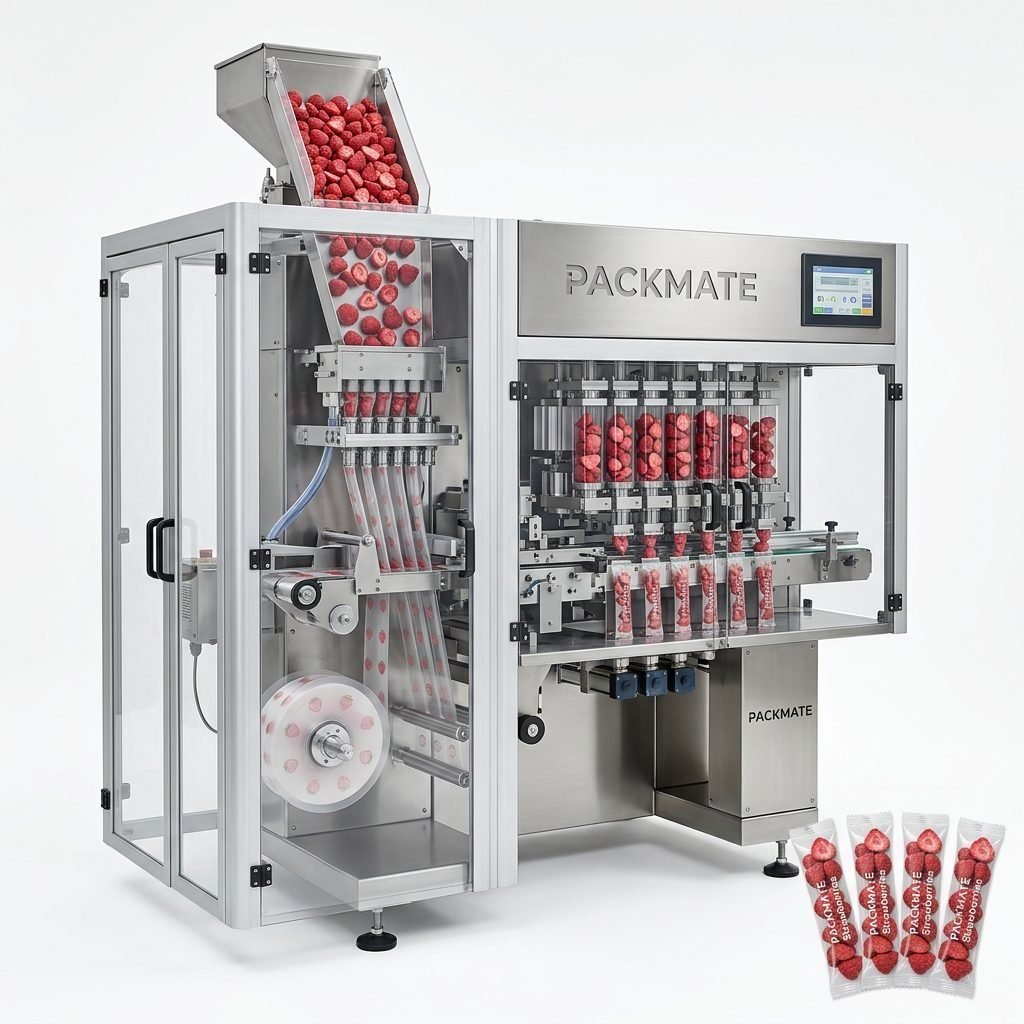
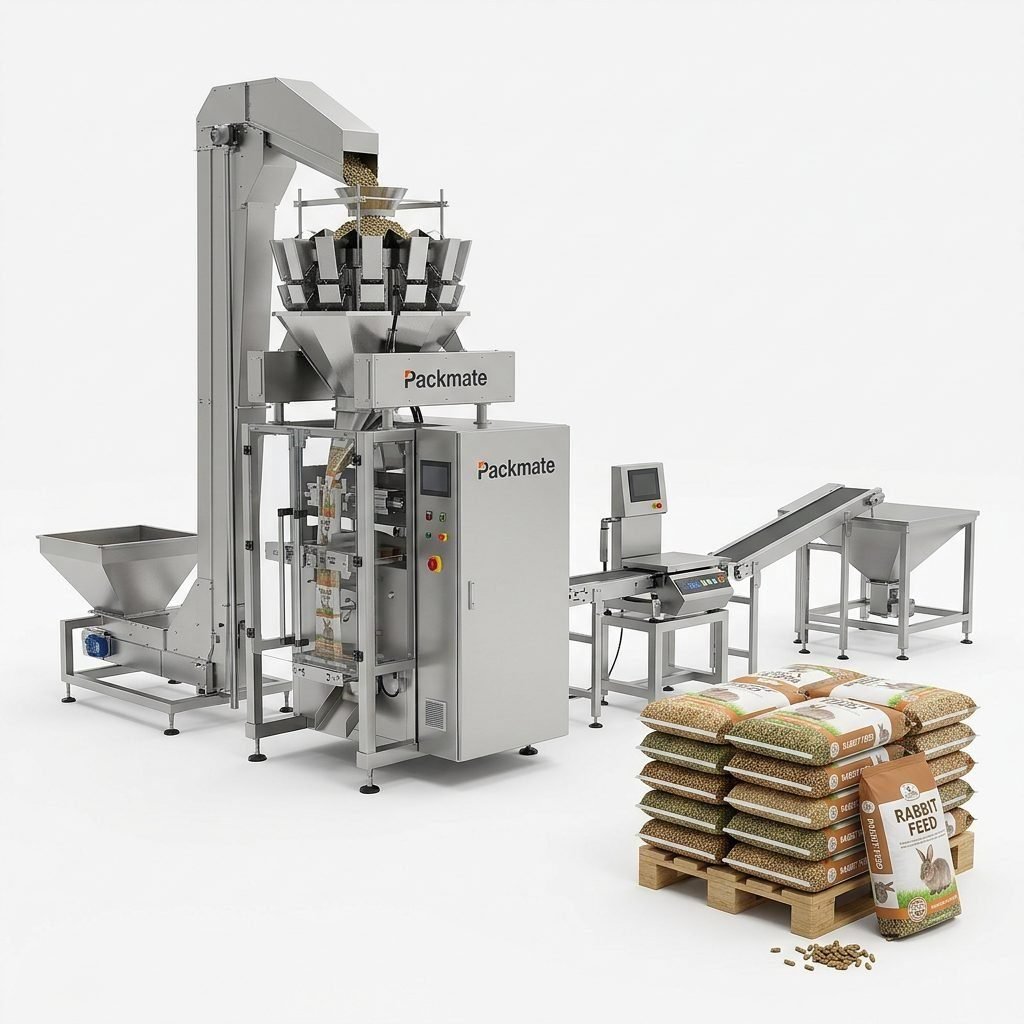
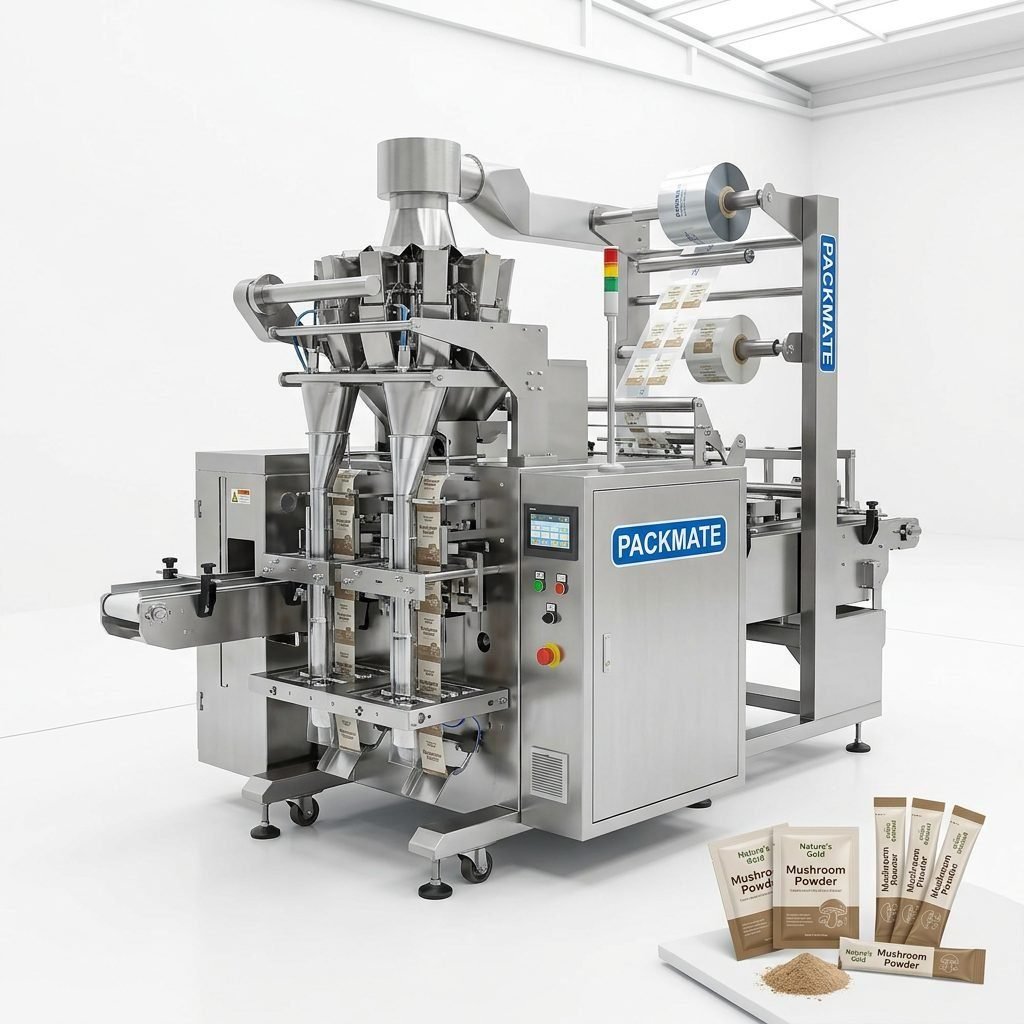
These are among the most common and versatile machines. A VFFS machine forms a bag from a roll of flat packaging film, fills it with the product—be it granules, powders, or liquids—and then seals it. They are ideal for snacks, coffee, frozen foods, and pet food. Their flexibility in bag size and format makes them a cornerstone of modern packaging lines.
Horizontal Form-Fill-Seal (HFFS) Machines
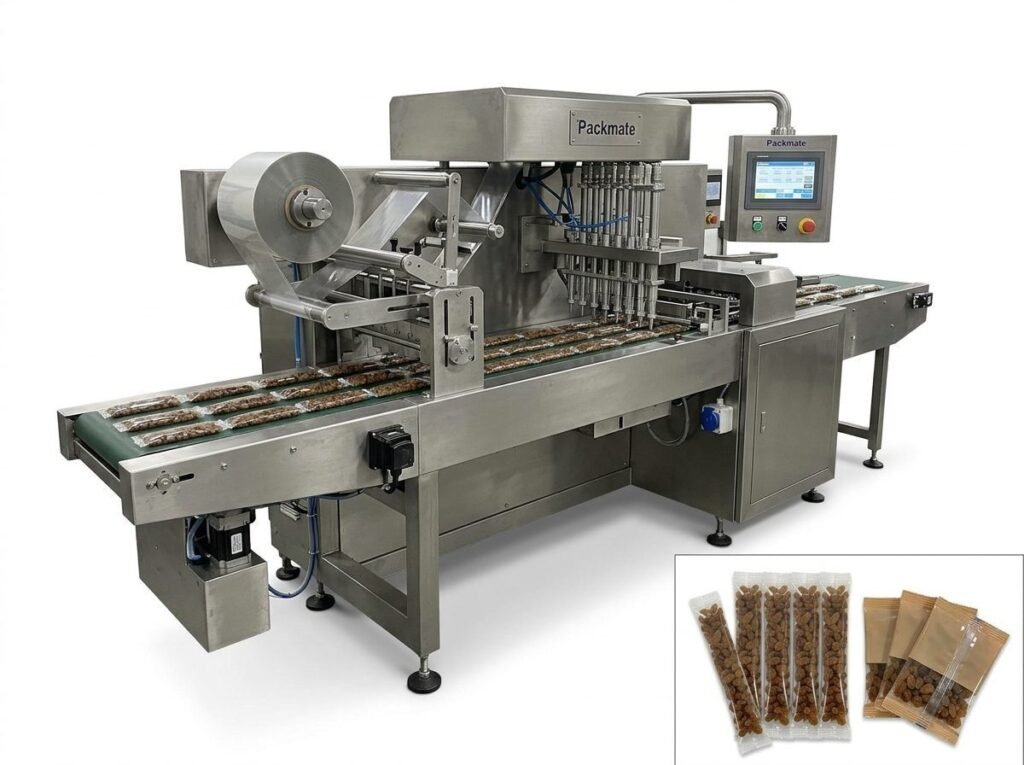
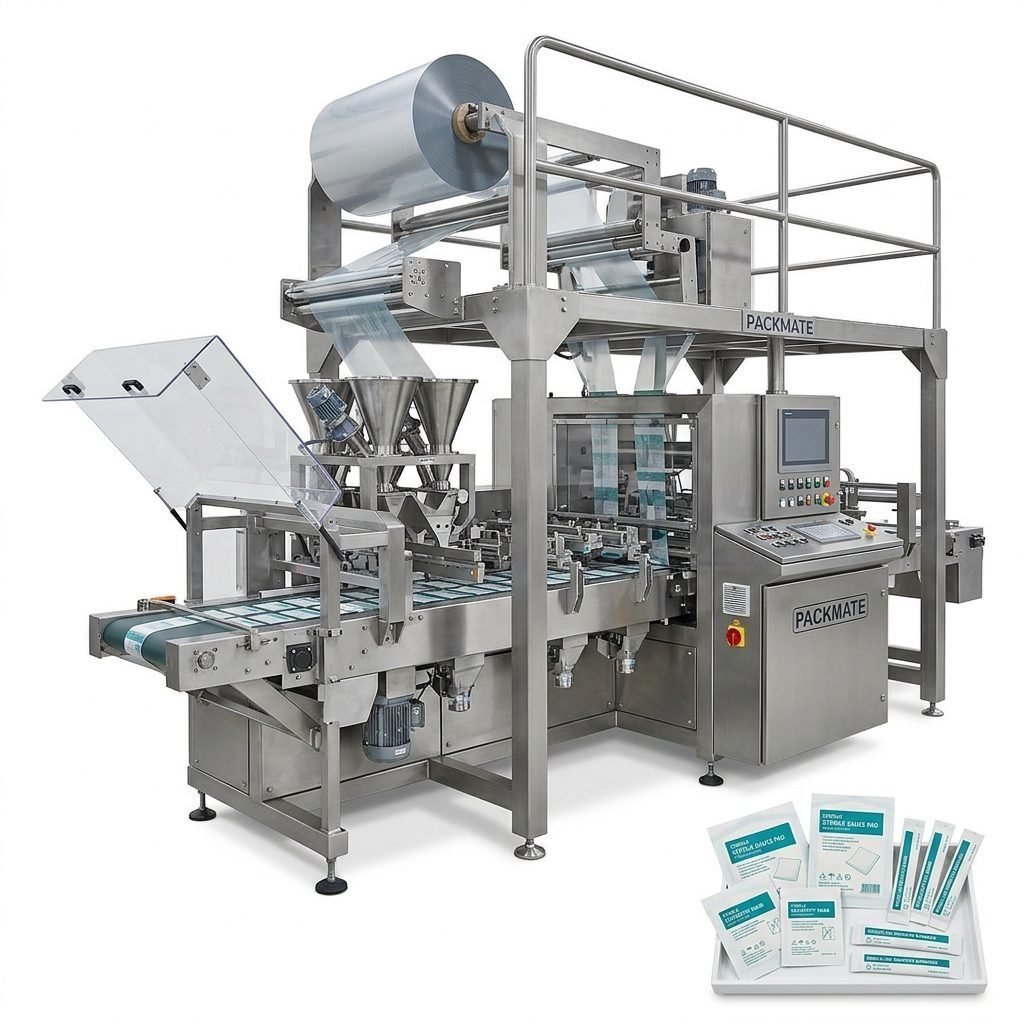
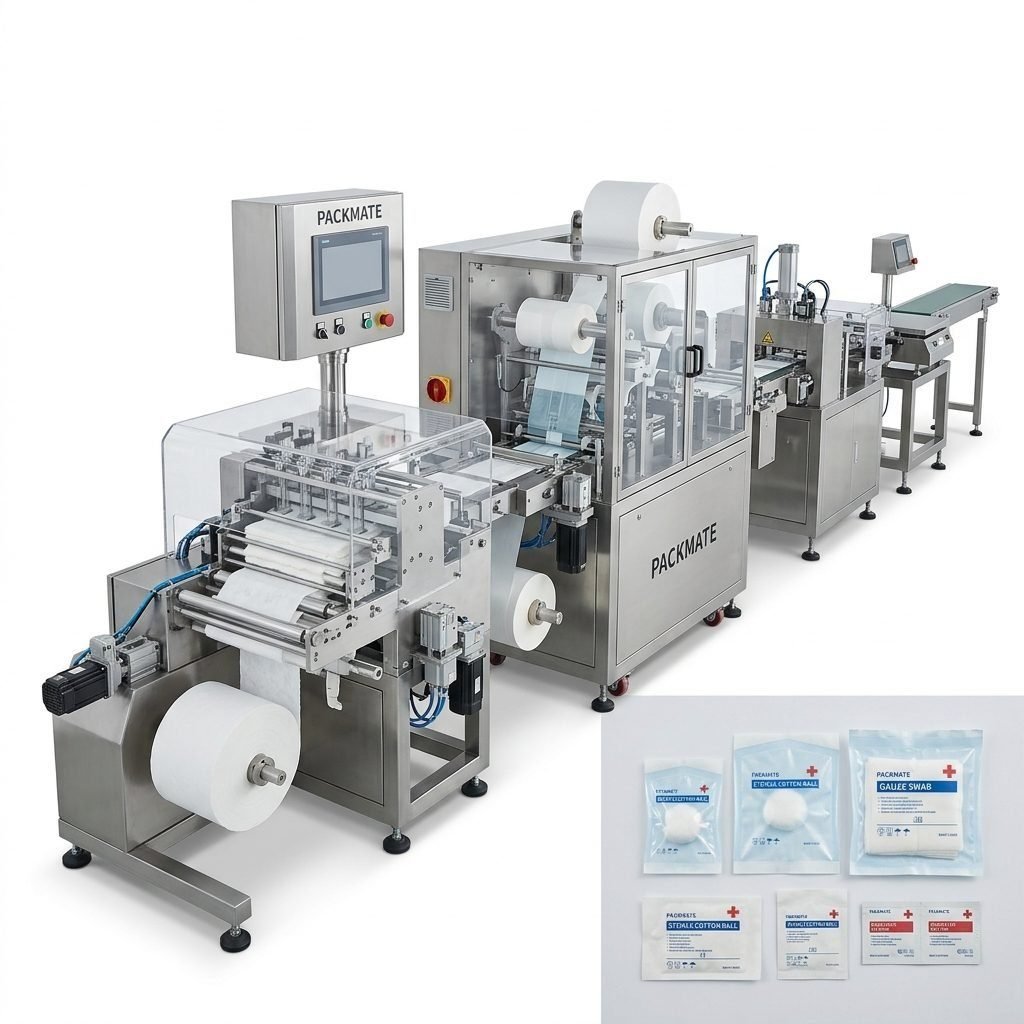
HFFS machines are typically used for more rigid structures or when a product needs to be presented in a specific tray or carton. They form packages horizontally, often using pre-printed roll stock, and are perfect for items like cookies, candy bars, and medical or pharmaceutical sachets where high-quality graphics and precise portioning are required.
Sachet and Stick Pack Machines
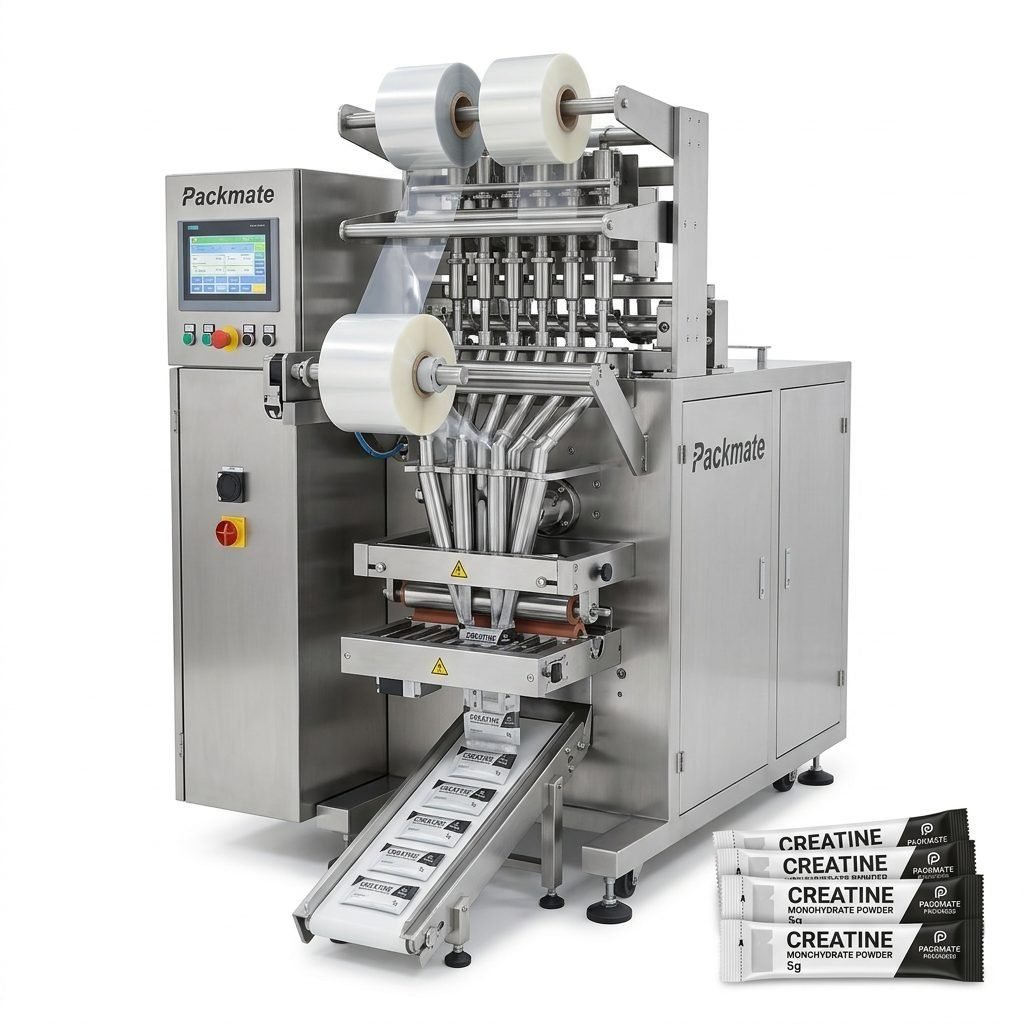
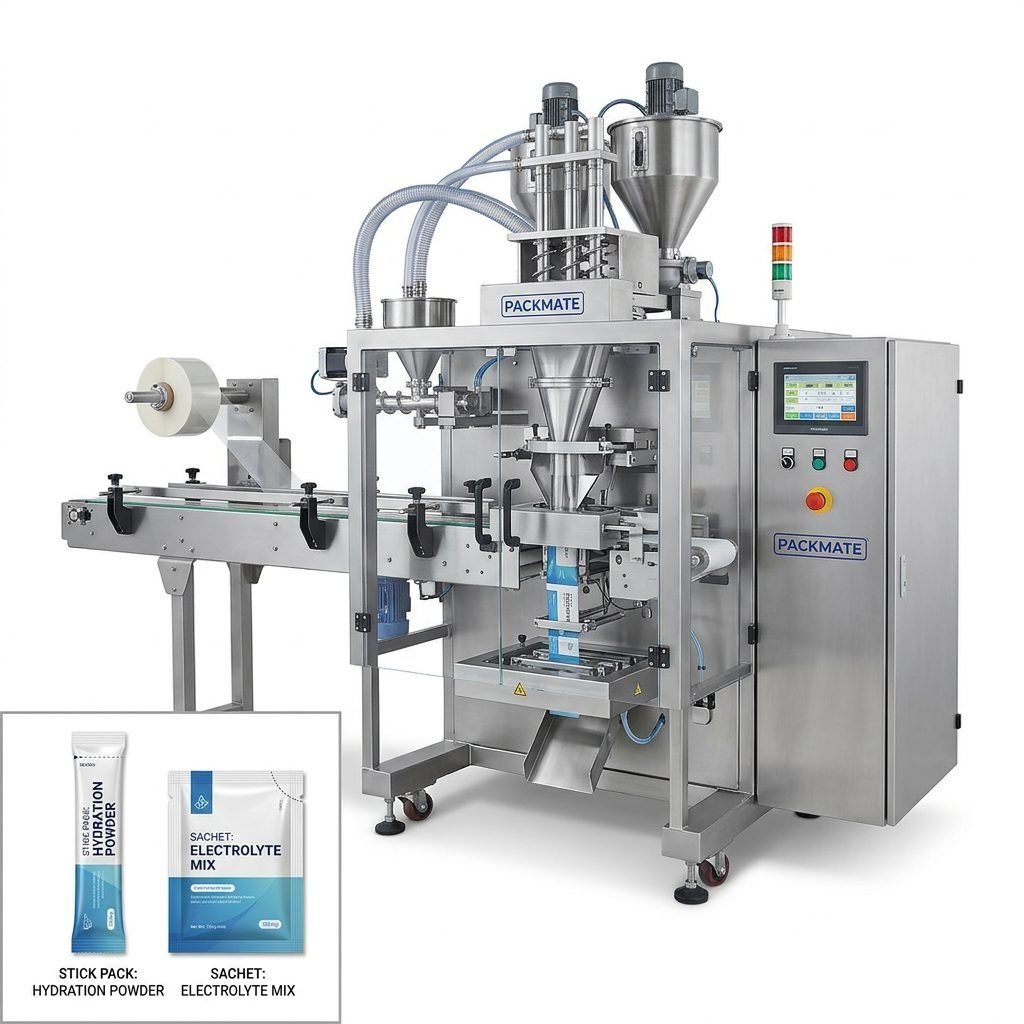
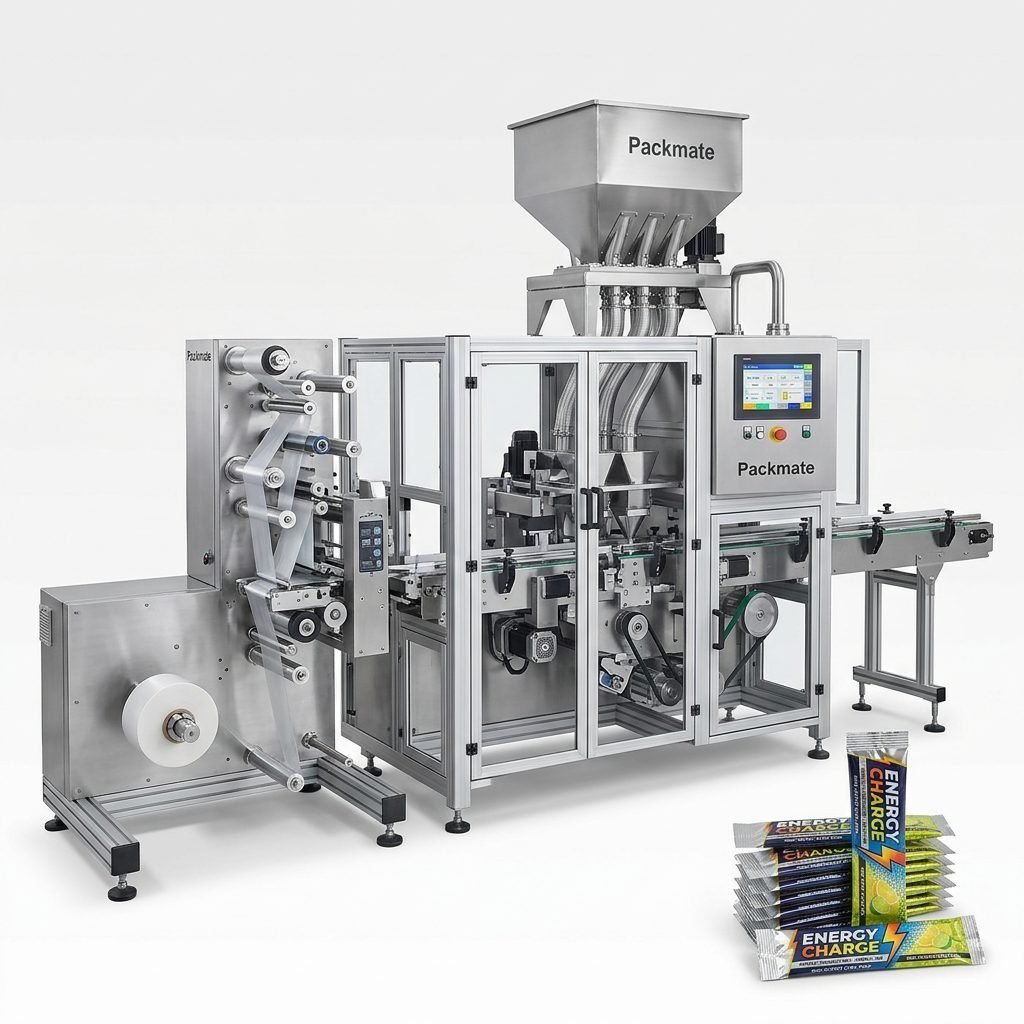
Designed for single-serve or small-quantity products, these machines create small, sealed pouches. They are exceptionally popular for sauces, condiments, instant beverages, and supplements. Multi-lane versions can produce dozens of sachets per minute, offering incredible output for small-format packaging. Companies like Packmate Machinery specialize in high-speed, multi-lane solutions for this demanding segment.
Liquid and Piston Filling Machines
For products like oils, sauces, dairy, and beverages, precision liquid filling is non-negotiable. Piston fillers use a cylinder and piston mechanism to draw and dispense an exact volume of product into bottles, jars, or pouches. This technology ensures remarkable accuracy and minimizes product waste, which is critical for high-value liquids.
Key Takeaway:
The choice between VFFS, HFFS, sachet, or liquid filling machinery hinges entirely on your product’s physical form (solid, powder, liquid) and your desired final package style (bag, pouch, sachet, bottle). A thorough product analysis is the best starting point.
The Multifaceted Benefits of Automating Your Packaging Line
Investing in automatic packaging machinery delivers a compelling return on investment across several key business areas.
Dramatically Increased Productivity and Output: Automatic machines operate continuously at high speeds, far surpassing manual packaging. They can run 24/7 with minimal breaks, drastically increasing your production capacity and allowing you to meet larger orders and tight deadlines.
Unmatched Consistency and Quality Control: Human operators can tire, leading to variations in fill weight, seal integrity, and package appearance. Automated systems perform the same action with robotic precision every time, ensuring every package leaving your line meets the exact same high standard. This consistency protects your brand reputation and reduces customer complaints.
Significant Reduction in Labor Costs and Material Waste: While the initial investment is substantial, automation reduces long-term reliance on large manual packaging teams. Furthermore, precise weighing and filling mechanisms minimize product giveaway (overfilling) and packaging film waste, translating directly to cost savings on your raw materials.
Enhanced Hygiene and Food Safety: Automated systems limit direct human contact with the food product. When integrated with features like stainless-steel construction, CIP (Clean-in-Place) systems, and enclosed designs, they significantly lower the risk of contamination, helping you comply with stringent global food safety standards like HACCP, FDA, and GMP.
Improved Operational Flexibility: Modern machines are designed for quick changeovers. With programmable settings, you can switch between different package sizes or products with minimal downtime, making your production line more responsive to market demands and smaller batch production runs.
Essential Buying Tips for Your Packaging Machine Investment
Purchasing an automatic packaging machine is a major decision. Here’s a structured approach to ensure you make the right choice.
1. Conduct a Thorough Product and Output Analysis
Begin by defining your needs with absolute clarity. What is your product’s characteristics (abrasive, oily, sticky)? What is your required packaging speed (packs per minute)? What are your target package dimensions and materials? Accurate answers here will narrow down your machine options immediately.
2. Prioritize Machine Quality and Durability
Look for robust construction—stainless steel frames and food-grade contact parts are industry standards for durability and hygiene. Investigate the reputation of the manufacturer. A company with decades of experience, like Packmate Machinery with over 30 years in the industry, is more likely to deliver reliable, well-engineered equipment backed by proven performance.
3. Evaluate Technology and Ease of Use
A user-friendly Human-Machine Interface (HMI) with touchscreen controls is essential for efficient operation and changeovers. Consider machines with PLC (Programmable Logic Controller) systems for reliability and precise control. Features like automatic film tracking, self-diagnostic alarms, and recipe storage can greatly simplify daily operations.
4. Scrutinize After-Sales Support and Service
The machine’s value is heavily dependent on the support behind it. Before purchasing, confirm the availability of installation, training, technical support, and spare parts. A strong global service network is crucial, especially if you are an exporter. Review the warranty terms in detail. Reliable manufacturers stand firmly behind their products.
5. Consider Future-Proofing and Integration
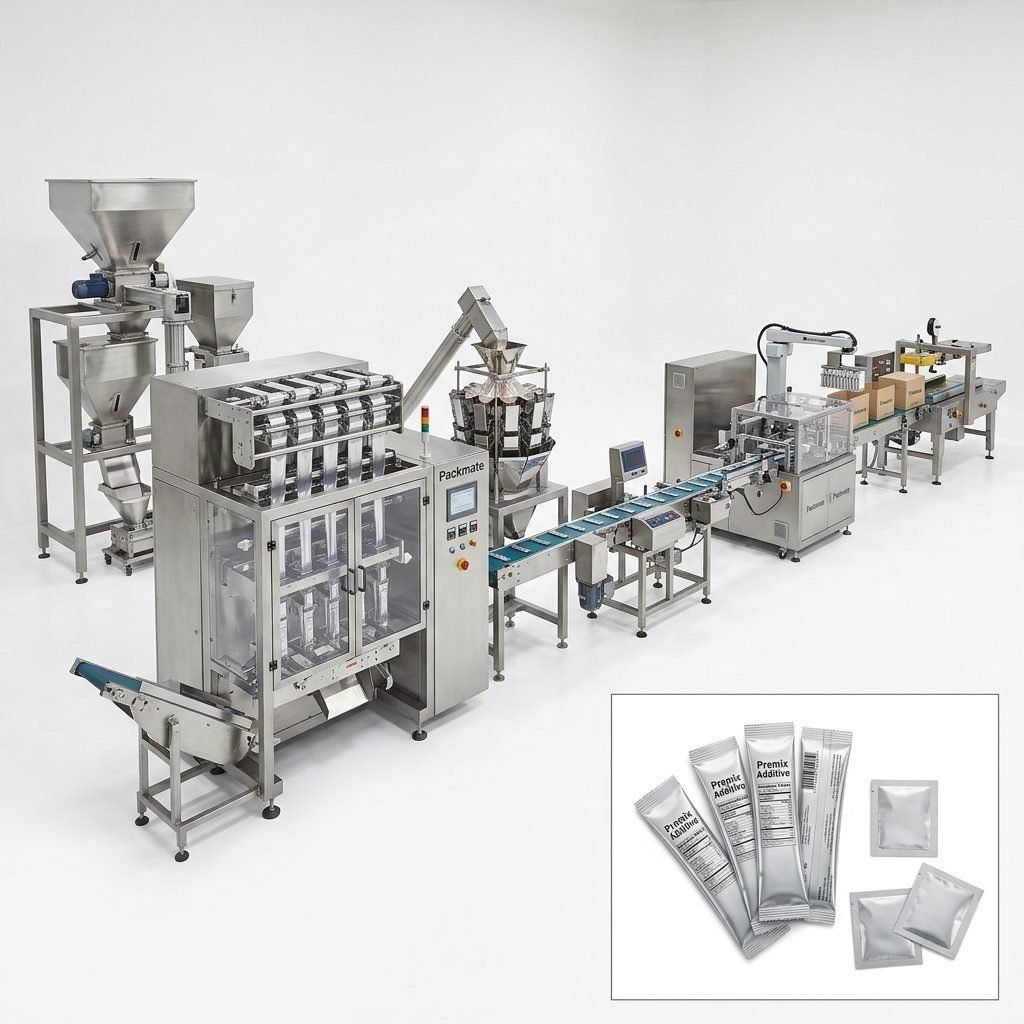
Think beyond your immediate needs. Can the machine be easily integrated with upstream (e.g., conveyors, mixers) and downstream (e.g., cartoners, case packers) equipment for a complete packaging line? Does the supplier offer scalable solutions or modular designs that allow for future upgrades as your business grows?
The Packmate Advantage
Choosing a partner like Packmate Machinery brings additional assurance. Operating from a modern 20,000㎡ facility with over 100 advanced production equipment units, they offer more than 50 machine models. Their commitment extends beyond selling a machine to providing complete turnkey packaging solutions, from initial consultation and factory layout design to installation and lifelong support. This holistic approach, rooted in a 22+ year company history of innovation, ensures your investment is supported for the long term.
Frequently Asked Questions (FAQs)
What is the typical lead time for receiving an automatic packaging machine?
Lead times vary significantly based on machine complexity, customization, and manufacturer backlog. For standard models, it can range from 8 to 16 weeks. Custom or fully integrated line solutions may take 20 weeks or more. Always confirm the detailed production and delivery schedule with your supplier during the quotation process.
How much maintenance does an automatic packaging machine require?
Regular preventive maintenance is key to longevity and uptime. Daily cleaning and lubrication of specific parts are essential. More thorough inspections and part replacements (like seals and cutting blades) should be performed weekly, monthly, and annually as per the manufacturer’s manual. A well-maintained machine can operate efficiently for 10-15 years or longer.
Can one machine handle different package sizes and products?
Yes, most modern machines are designed for quick changeovers. This is achieved through interchangeable forming tubes, filling heads, and sealing jaws, along with saved digital recipes on the PLC. The time and complexity of a changeover depend on the machine design and the difference between the two package formats.
What are the most common operational challenges with these machines?
Common issues include film web breaks or misalignment, inconsistent sealing due to temperature fluctuations or contaminated sealing jaws, and minor fill weight inaccuracies. Most challenges are resolved through proper operator training, routine maintenance, and using high-quality, specification-compliant packaging materials.
Where can I see these machines in operation before buying?
Reputable manufacturers often have demonstration facilities or running production lines in their factories. They also frequently participate in major global packaging exhibitions. Requesting a live video demonstration or, ideally, visiting the factory to see the machine running with a product similar to yours is highly recommended before finalizing any purchase.