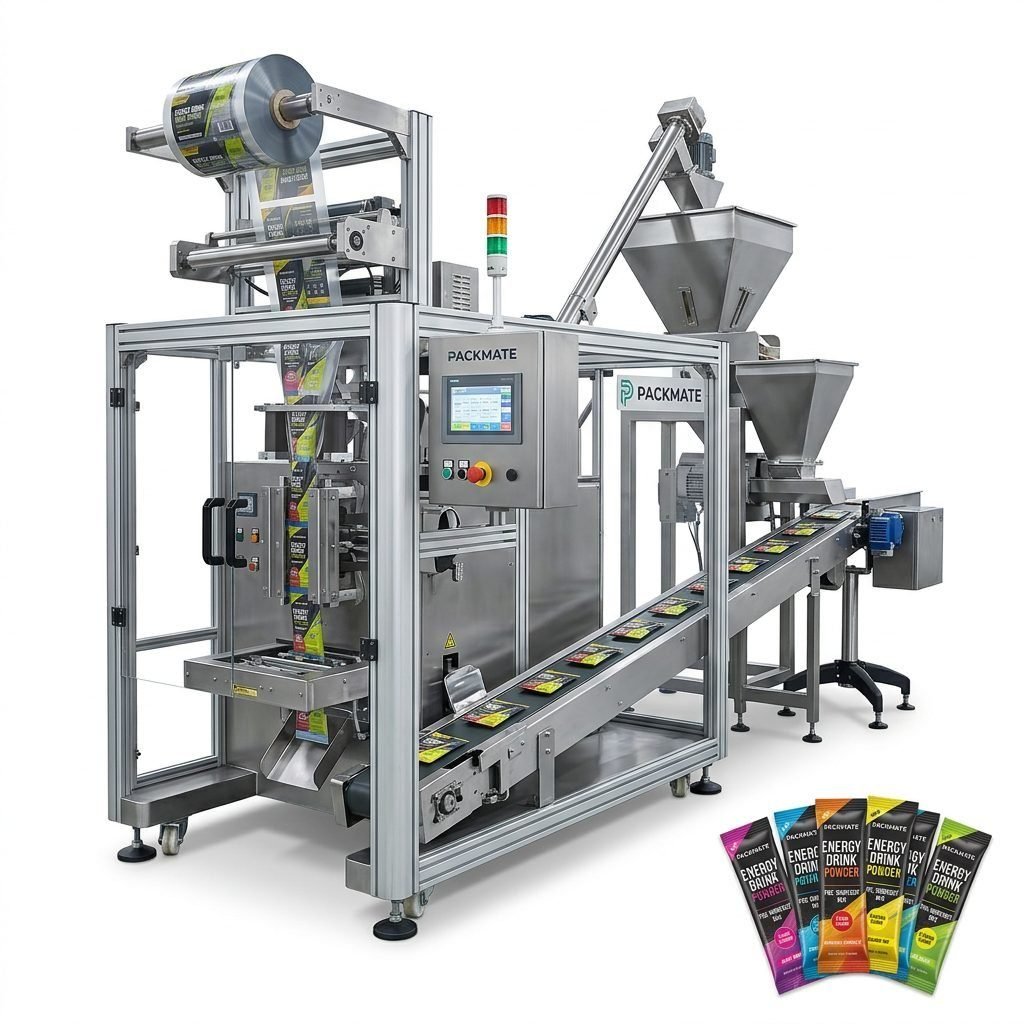
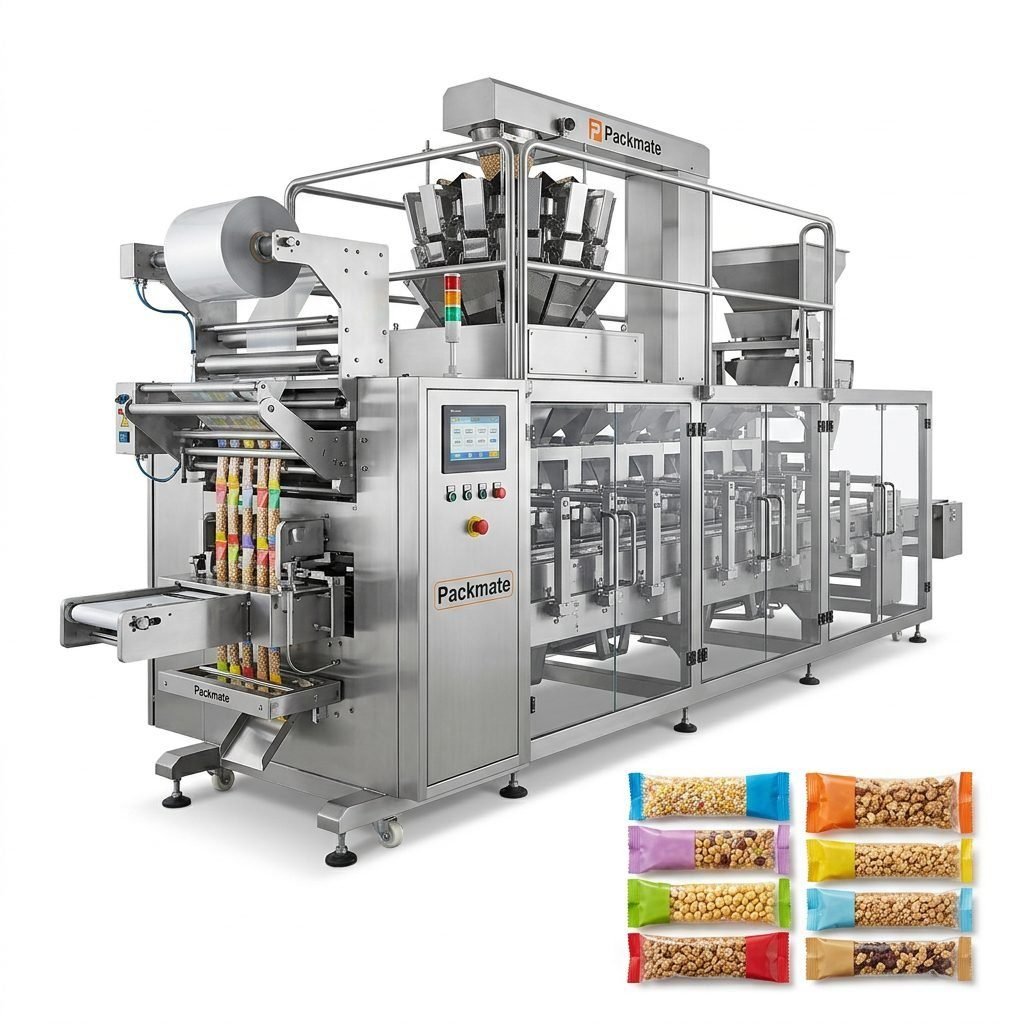
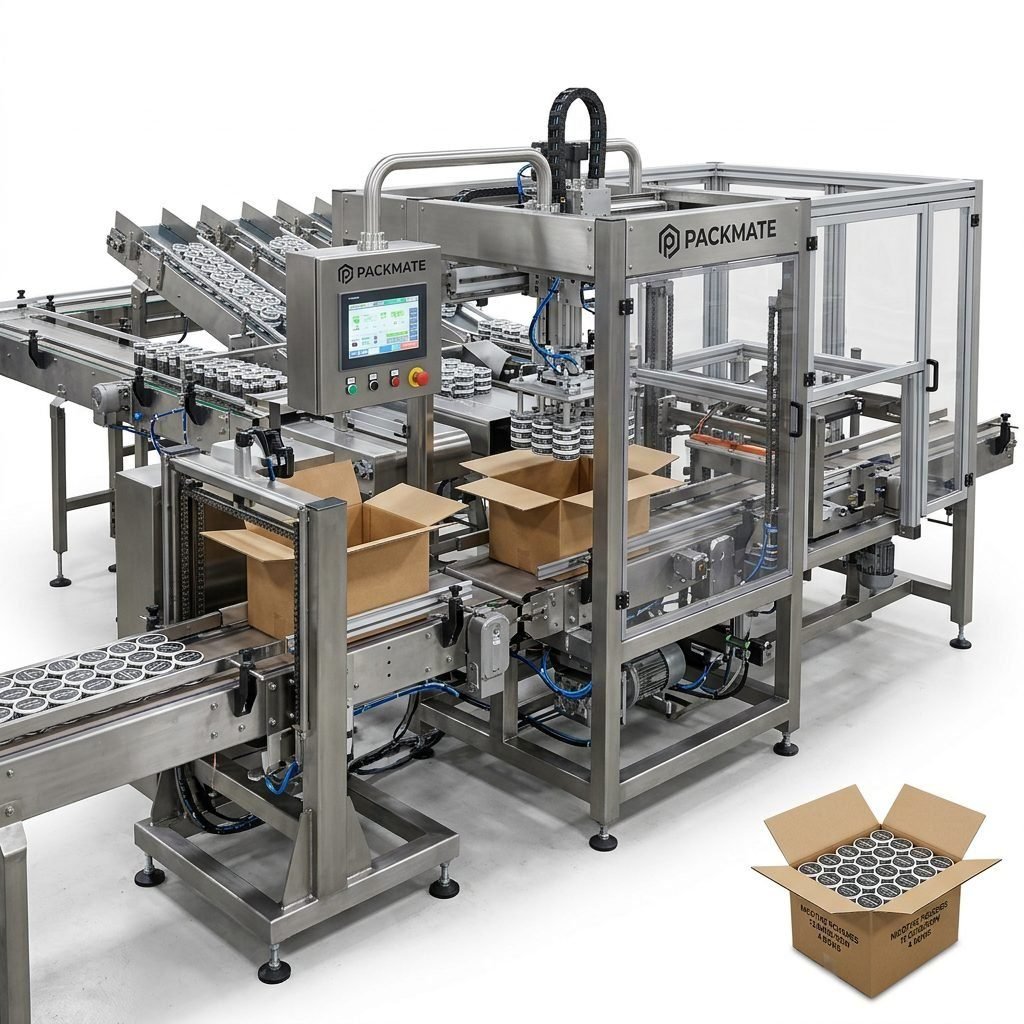
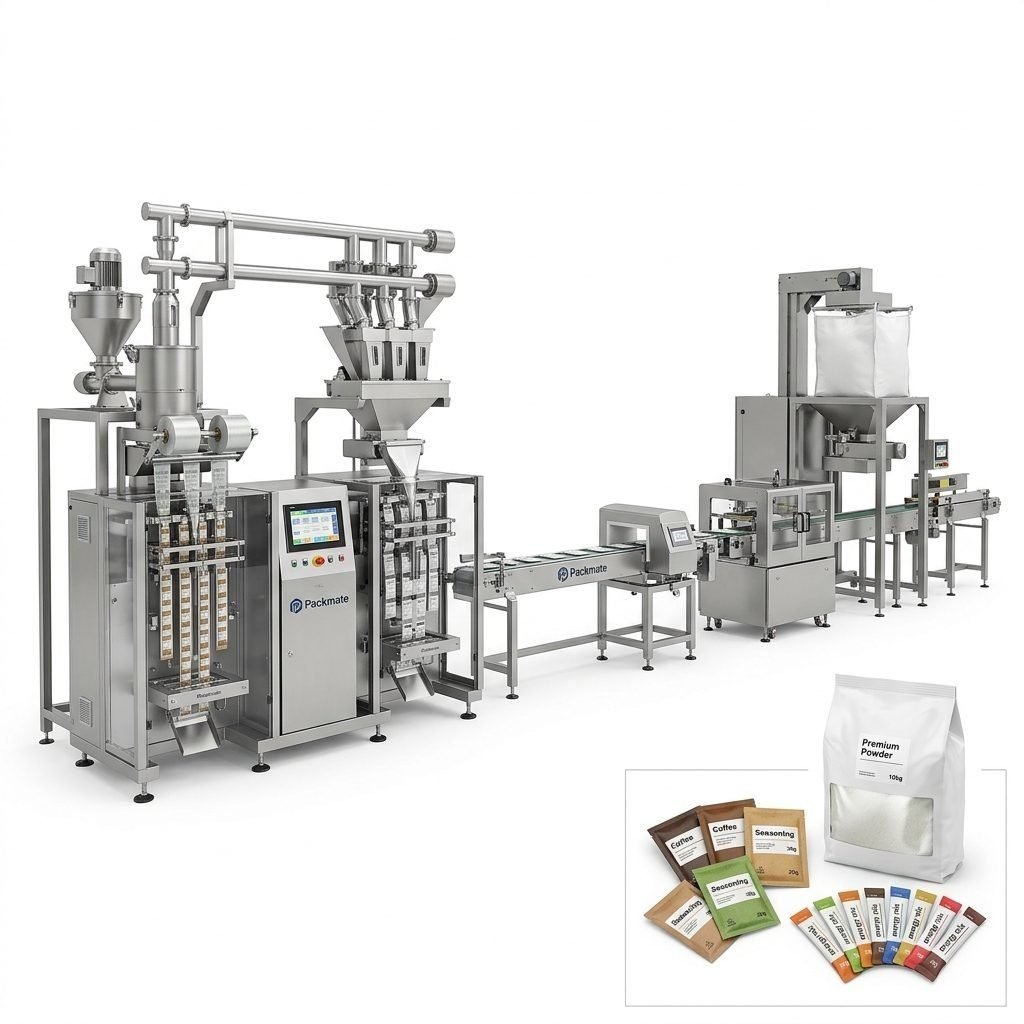
In the fast-paced world of product manufacturing, efficiency, hygiene, and presentation are paramount. For industries dealing with pharmaceuticals, nutraceuticals, and small consumer goods, capsule blister packaging stands as a critical process. This comprehensive guide delves into the world of capsule blister packaging machines and solutions, exploring their functionality, benefits, and how to select the right system for your production needs.
Understanding Capsule Blister Packaging
Capsule blister packaging involves sealing individual product units—such as pills, capsules, or tablets—between a formed plastic cavity (the blister) and a backing material, typically foil or card. This method offers superior product protection against moisture, contamination, and physical damage compared to traditional bottle packaging. The process is largely automated by specialized machinery, ensuring high-speed, precise, and consistent output, which is essential for meeting stringent industry regulations and consumer expectations.
Key Advantage: Blister packaging provides excellent barrier properties, extending shelf life and enhancing product safety. It also allows for unit-dose packaging, which improves patient compliance in pharmaceutical applications.
Core Components of a Blister Packaging Line
A complete capsule blister packaging solution is more than just a single machine; it’s an integrated system. Understanding its components is the first step toward optimization.
1. The Blister Forming Machine
This is the heart of the line. It heats a roll of thermoplastic film (like PVC, PVDC, or Aclar) and uses a forming mold to create the pockets or blisters that will hold the capsules. Precision here is critical to ensure each pocket perfectly fits the product dimension.
2. The Product Feeding & Loading System
Capsules are accurately counted and fed into the formed blisters. Systems range from simple vibratory feeders to sophisticated vision-guided robotic placers, especially for delicate or irregularly shaped products.
3. The Sealing Machine
A lidding material (usually aluminum foil with a heat-seal coating) is placed over the filled blisters. Heat and pressure are applied to create a hermetic seal, securing the product inside.
4. The Perforating and Cutting Unit
The continuous blister sheet is then perforated (for easy pill pushing) and cut into individual blister cards or strips of the required size and configuration.
5. Auxiliary Systems: Checkweighers & Vision Inspection
Modern lines integrate checkweighers and optical inspection systems to verify fill weight, detect missing or broken capsules, and ensure seal integrity, guaranteeing 100% quality control.
Types of Capsule Blister Packaging Machines
Selecting the right machine depends on your production volume, capsule type, and required features.
Thermoform-Fill-Seal (TFS) Machines: The most common type. They perform all three primary functions—forming, filling, and sealing—in one continuous, automated process. Ideal for high-volume production of standard-shaped capsules.
Cold-Forming Blister Machines: These use aluminum-based laminate films that are pressed into shape at room temperature. They offer an even higher barrier against moisture and oxygen, crucial for highly sensitive pharmaceuticals. The process is often paired with separate filling and sealing stations.
Horizontal vs. Vertical Machines: Horizontal machines are typically used for solid dosage forms and offer easy integration into full packaging lines. Vertical machines are more compact and may be suitable for smaller operations or specific product types.
Pro Tip for Selection: Beyond speed, consider changeover time. Machines that allow for quick mold and format changes significantly reduce downtime when switching between different capsule products or blister card designs.
Critical Factors for Choosing Your Solution
Investing in a blister packaging line is a significant decision. Here are the essential factors to evaluate:
Production Speed & Output: Measured in blisters per minute (BPM) or cards per minute. Match the machine’s capacity to your current and projected future needs.
Capsule Compatibility: Ensure the machine can handle your specific capsule size, shape (round, oval), and material (gelatin, vegetable) without causing damage.
Film & Material Versatility: Can the machine process the specific forming and lidding films you plan to use? Flexibility here future-proofs your investment.
Regulatory Compliance: For pharmaceutical use, the machine must be designed for easy cleaning and validation, often requiring construction with cGMP (current Good Manufacturing Practice) standards in mind.
Automation & Integration Level: Determine how much manual intervention is acceptable. Fully automated lines with integrated auxiliary equipment maximize efficiency and minimize human error.
Supplier Expertise & Support: Partner with a manufacturer known for reliability and strong after-sales service. A company like Packmate Machinery, with over 30 years of expertise in intelligent packaging solutions, can provide not just a machine, but a complete, reliable turnkey system backed by deep technical knowledge.
Maximizing Efficiency with Integrated Solutions
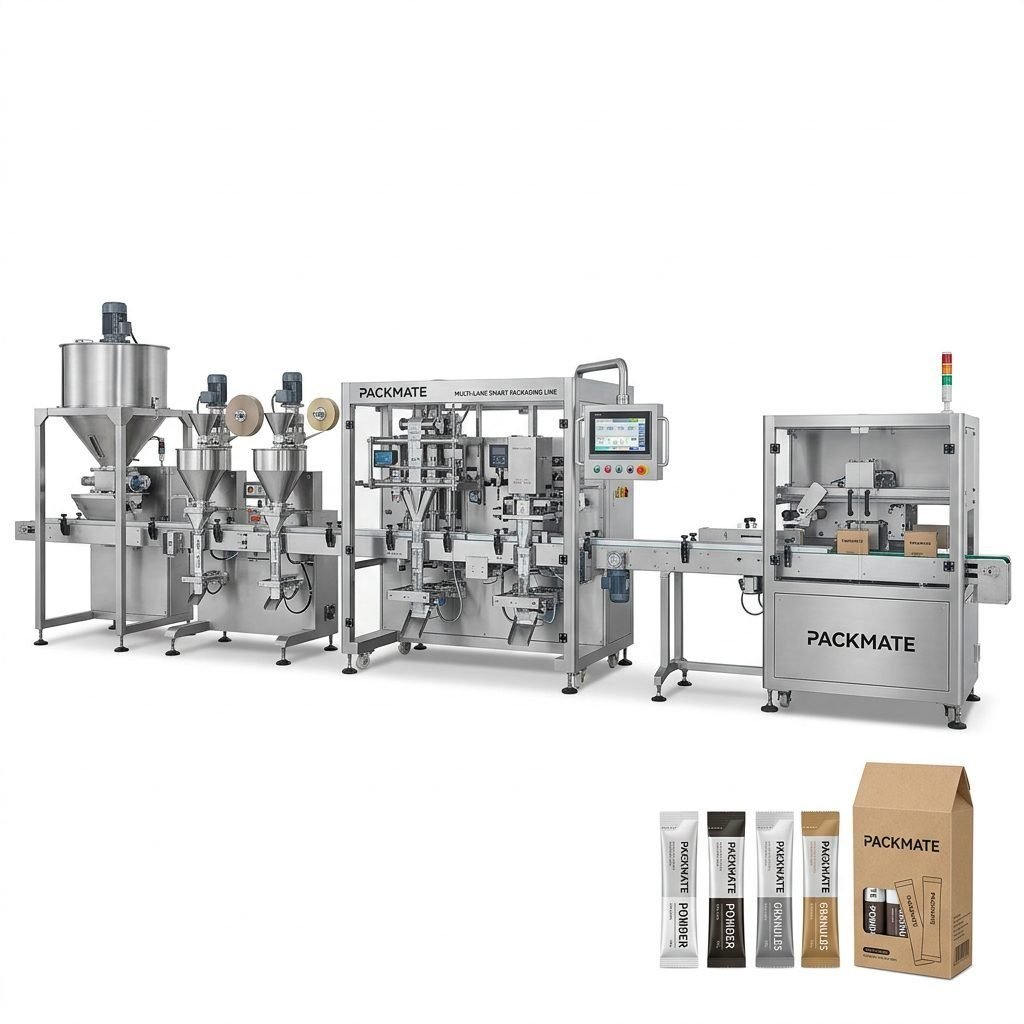
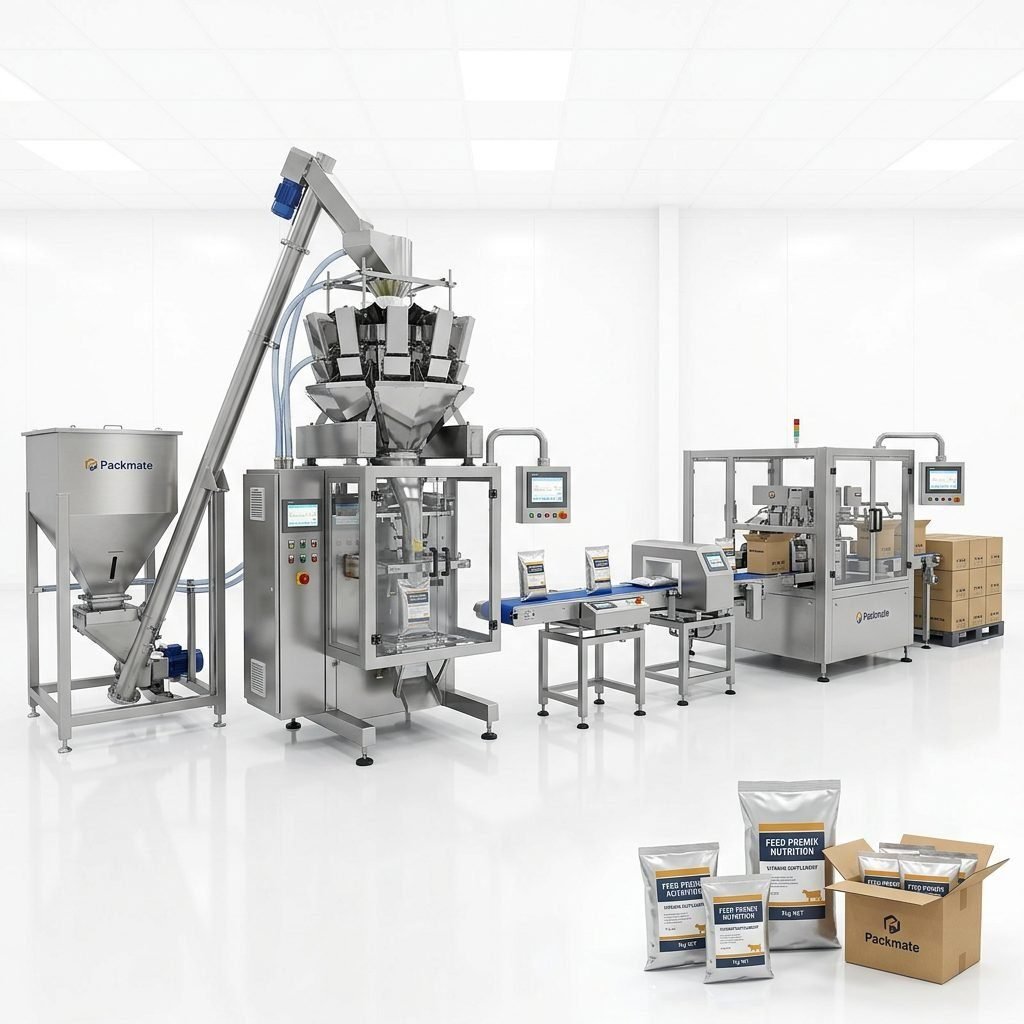
The true power of modern packaging lies in integration. A standalone blister machine is effective, but connecting it to upstream and downstream processes creates a seamless production flow.
Upstream Integration: This involves connecting the blister line directly to capsule filling or manufacturing equipment, creating a continuous process from empty capsule to packaged product.
Downstream Integration: The output blister cards can be automatically fed into cartoners, bundlers, or case packers. For ultimate efficiency, consider a line that includes a bag or pouch packaging machine to bundle multiple blister cards for shipment.
Data & Control Integration: Modern machines feature PLC controls and HMI interfaces that collect production data (OEE, downtime reasons, output counts), enabling real-time monitoring and data-driven decision-making for continuous improvement.
Remember: The goal is a balanced line. The speed of your blister machine should be matched by the capabilities of your feeding, inspection, and secondary packaging equipment to avoid bottlenecks.
Future Trends in Blister Packaging Technology
The industry is constantly evolving. Staying ahead means being aware of emerging trends:
Smart & Connected Packaging: Integration of NFC chips, QR codes, or RFID tags into blister packs for anti-counterfeiting, supply chain tracking, and patient engagement.
Sustainability Focus: Increased demand for recyclable or biodegradable blister films (e.g., mono-material PP or PE structures) is driving innovation in machine design to handle these new materials effectively.
Advanced Vision Systems: AI-powered inspection cameras that go beyond simple presence/absence checks to detect subtle defects in capsules, printing, or sealing with incredible accuracy.
Flexibility & Modularity: Machines designed for rapid changeover and reconfiguration to accommodate smaller batch sizes and a wider variety of personalized medicine formats.
Frequently Asked Questions (FAQs)
Q1: What is the main difference between thermoforming and cold-forming blister packaging?
A: Thermoforming uses heat to soften plastic film before forming the blisters. It’s cost-effective and common. Cold-forming uses pressure on aluminum laminates at room temperature, offering superior barrier properties (especially against moisture and oxygen) but at a higher material cost. The choice depends on your product’s sensitivity.
Q2: How do I determine the right production speed for my business?
A: Calculate your average and peak daily/weekly output requirements. Add a 20-30% growth buffer for future demand. Choose a machine that meets your peak requirements comfortably without consistently running at its maximum speed, which can increase wear and maintenance needs.
Q3: Can one blister machine handle different sizes and shapes of capsules?
A: Yes, but it requires a quick-changeover system. This involves interchangeable forming molds, feeding parts, and sealing dies. When evaluating machines, inquire about the tooling changeover process and time—this is crucial for manufacturers producing multiple products.
Q4: What kind of maintenance do blister packaging machines require?
A: Regular preventive maintenance is key. This includes daily cleaning of forming, sealing, and cutting areas to prevent film residue buildup, periodic lubrication of moving parts, and calibration of sensors and heaters. Always follow the manufacturer’s maintenance schedule and use recommended spare parts.
Q5: Why is supplier support so important when purchasing this equipment?
A: Blister packaging machines are complex. Strong supplier support ensures proper installation, comprehensive operator training, access to genuine spare parts, and timely technical assistance. A partner with a proven track record, like Packmate Machinery, provides peace of mind and helps maximize your machine’s uptime and lifespan over many years of operation.