In the fast-paced world of product manufacturing and distribution, packaging plays a pivotal role in product protection, shelf appeal, and operational efficiency. Among the various packaging technologies available, the horizontal form fill seal (HFFS) packaging machine stands out as a cornerstone of modern, high-volume production lines. This comprehensive guide delves into the intricacies of HFFS machines, exploring their operation, benefits, applications, and key considerations for selection.
Understanding the Horizontal Form Fill Seal Process
The core principle of an HFFS machine is its ability to create a package from a flat roll of flexible film, fill it with product, and seal it—all in a continuous horizontal motion. The process typically involves several synchronized stages. First, the packaging film is fed from a roll and formed over a horizontal tube, creating a continuous tube of film. The longitudinal seal is made along the bottom of this tube. Next, the end seal jaws close to create the leading seal of the pouch. The product is then precisely dosed or weighed into the formed tube. Finally, the end seal jaws close again to create the trailing seal of the finished pouch while simultaneously cutting it from the film web, resulting in a complete, individual package.
Key Advantage: This continuous, in-line process allows for exceptionally high speeds, making HFFS machines ideal for mass production of items like snacks, confectionery, hardware, and pharmaceuticals. The efficiency gained from forming, filling, and sealing in one integrated system is a primary driver for its widespread adoption.
Core Components and Technological Features
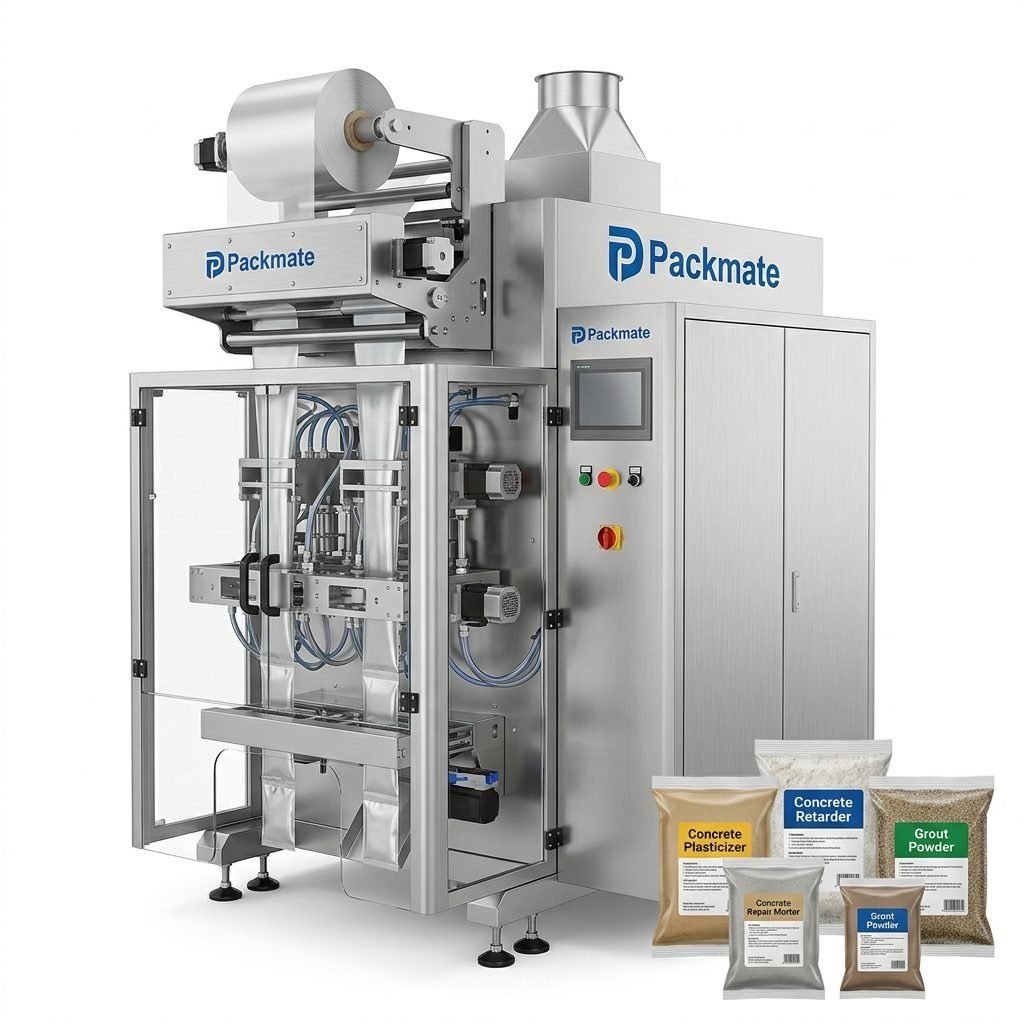
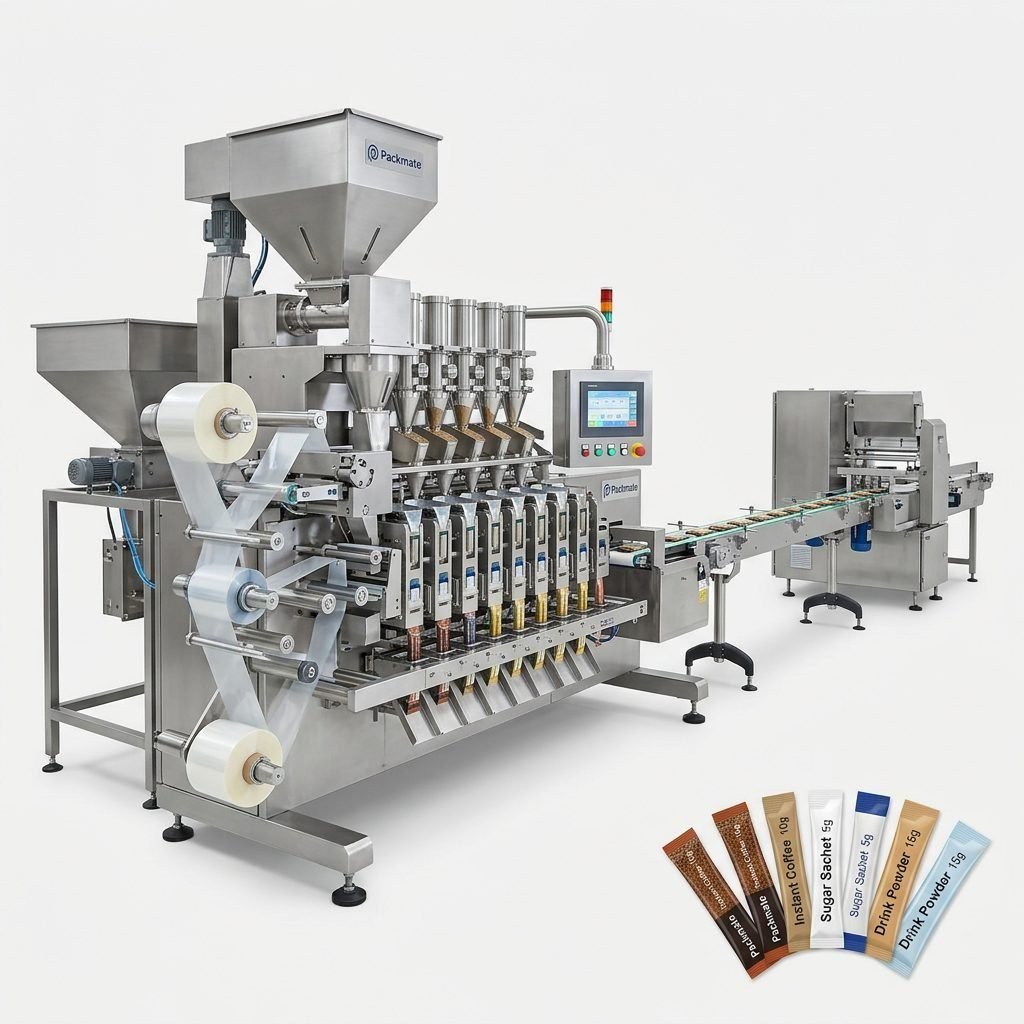
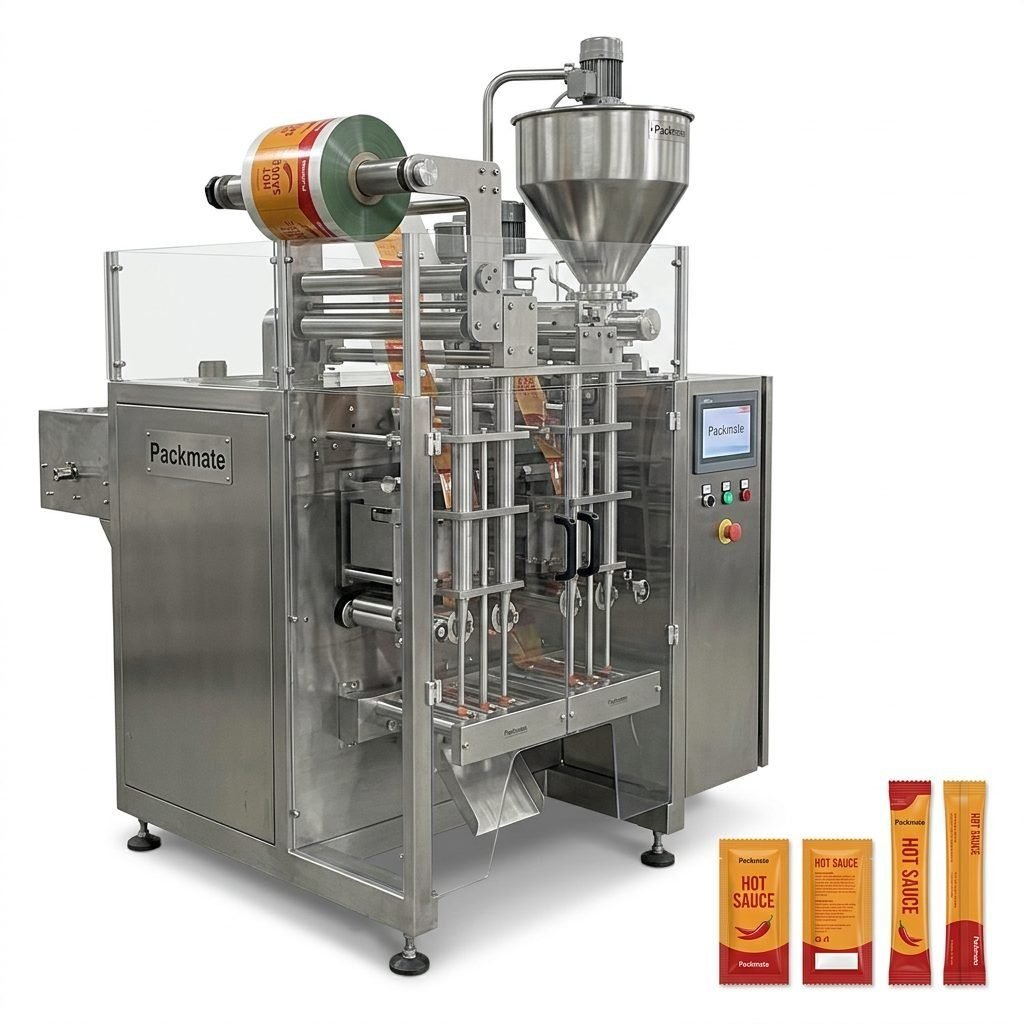
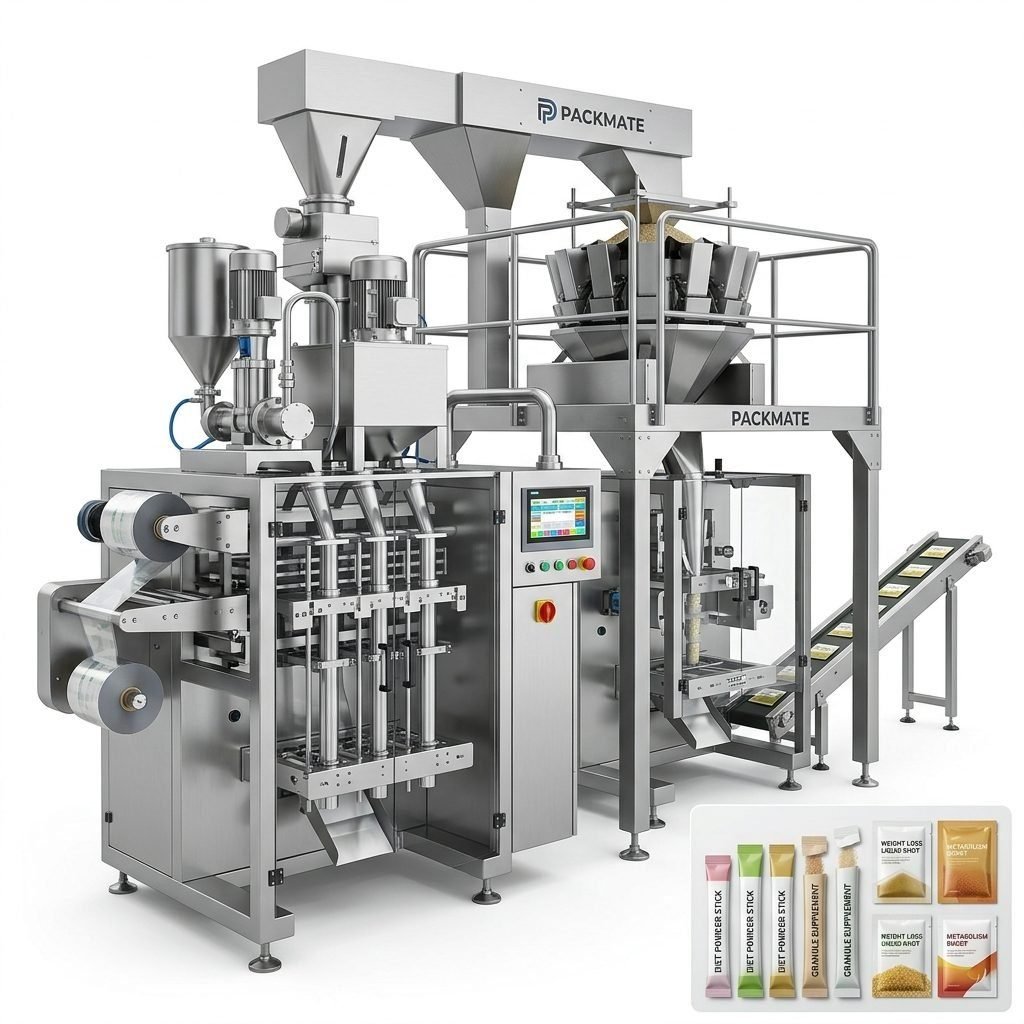
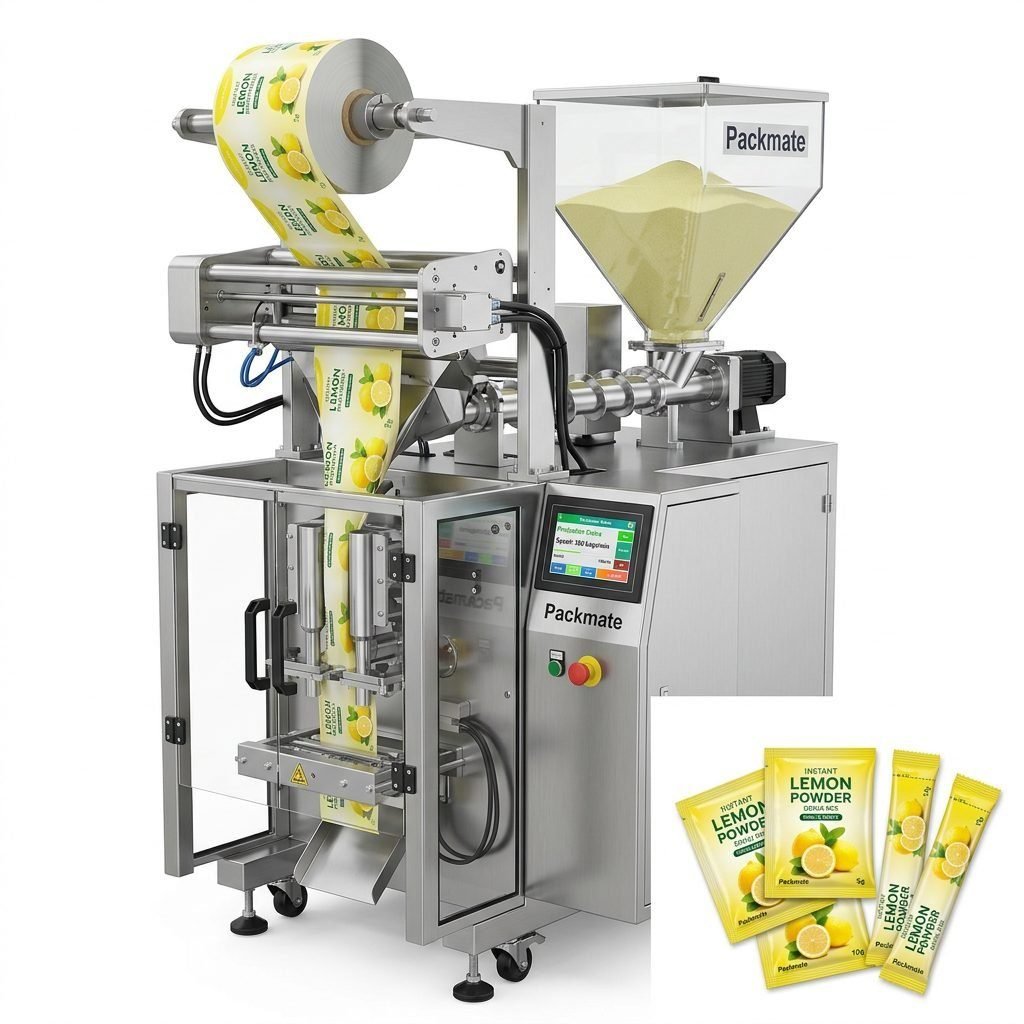
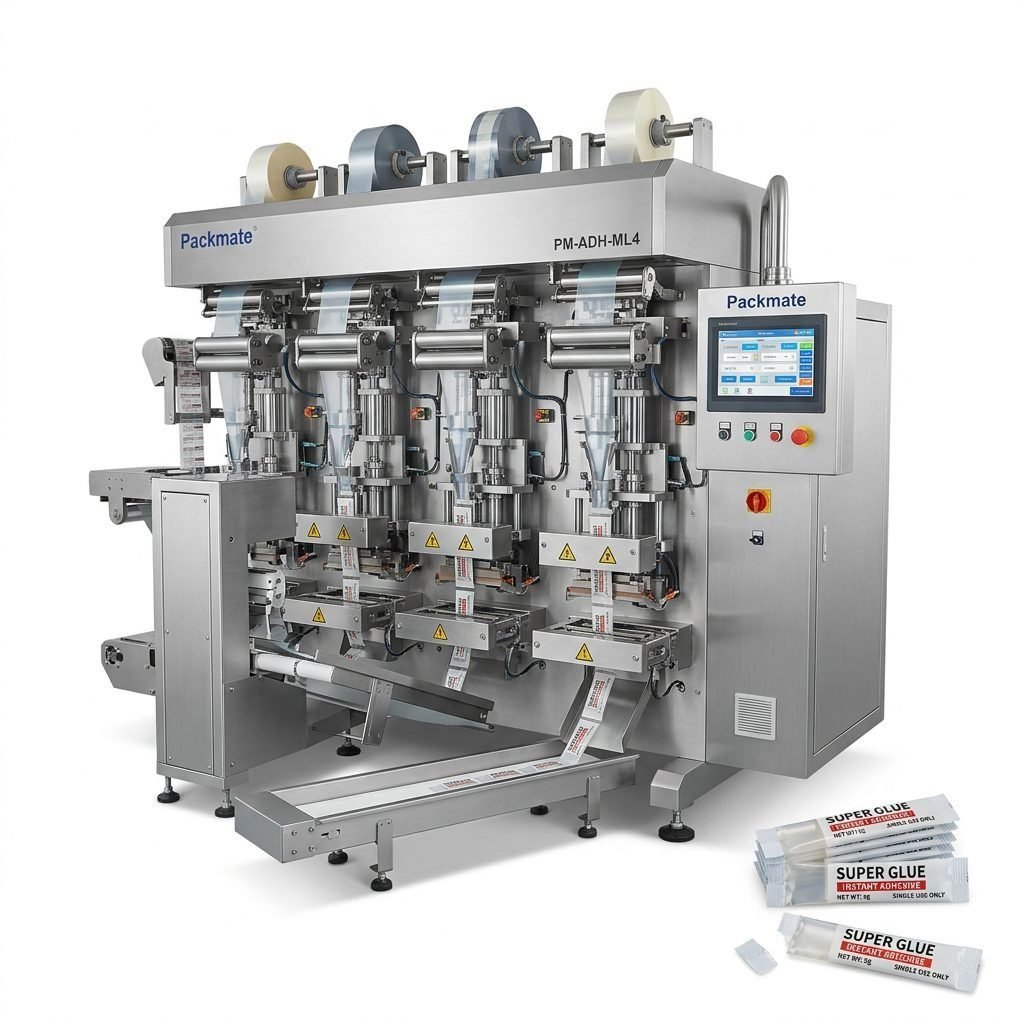
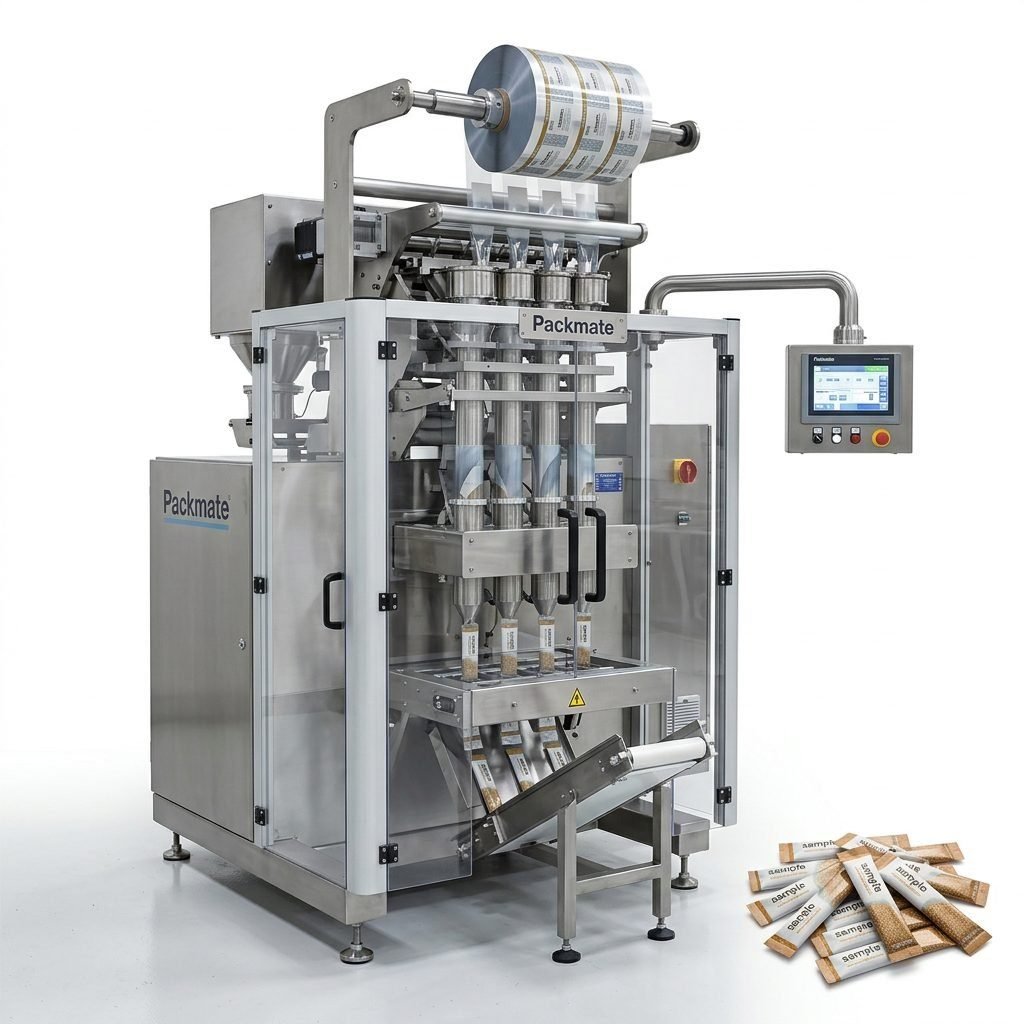
A modern HFFS machine is an assembly of precision-engineered components. The film unwinding system ensures consistent tension and alignment of the packaging material. The forming shoulder and tube gently shape the flat film into the desired pouch profile. High-quality heat sealing jaws, often with adjustable temperature and pressure, are critical for creating strong, hermetic seals. The filling system varies widely and can include auger fillers for powders, volumetric cup fillers for granules, or liquid pumps, often integrated with multi-head weighers for supreme accuracy. Advanced machines feature Programmable Logic Controllers (PLCs) and touch-screen HMIs for easy operation, recipe management, and diagnostics.
Primary Applications Across Industries
The versatility of HFFS technology makes it indispensable across numerous sectors. In the food industry, it is the go-to solution for packaging chips, nuts, cookies, candies, and frozen vegetables. The pharmaceutical and nutraceutical sectors rely on HFFS machines for their ability to handle powders and tablets in a hygienic, controlled environment, often within cleanrooms. For non-food items, these machines efficiently package hardware (screws, nails), pet food, and agricultural products like seeds and fertilizers. The adaptability in pouch size, shape (such as pillow, gusseted, or block-bottom), and film material allows brands to create distinctive, shelf-ready packaging.
Companies like Packmate Machinery have leveraged decades of expertise to refine HFFS solutions, offering robust machines that cater to these diverse market needs with reliability and innovation.
Critical Factors for Machine Selection
Choosing the right HFFS machine requires a careful analysis of your specific production needs. The type of product (solid, granular, powder, liquid) dictates the necessary filling technology. Required production speed (pouches per minute) will determine the machine’s model and configuration. Pouch dimensions and style must be within the machine’s forming capabilities. Compatibility with different packaging materials (laminates, co-extrusions, recyclable films) is increasingly important. Finally, considerations for hygienic design (easy-clean surfaces, stainless steel construction) and future scalability are vital for long-term investment value.
Operational Benefits and ROI
Investing in an HFFS system offers a compelling return on investment through multiple channels. The most significant is increased production efficiency, reducing labor costs and minimizing downtime. Material savings are achieved through precise film usage and reduced waste from seal errors. Consistent, high-quality seals enhance product shelf life and reduce spoilage. Furthermore, the flexibility to run different products and pouch sizes on one machine allows for quick changeovers and responsiveness to market demands. Exploring a manufacturer’s full range, such as their Filling & Packaging Lines, can provide insights into integrated solutions that maximize these benefits.
Integration and The Future of HFFS Packaging
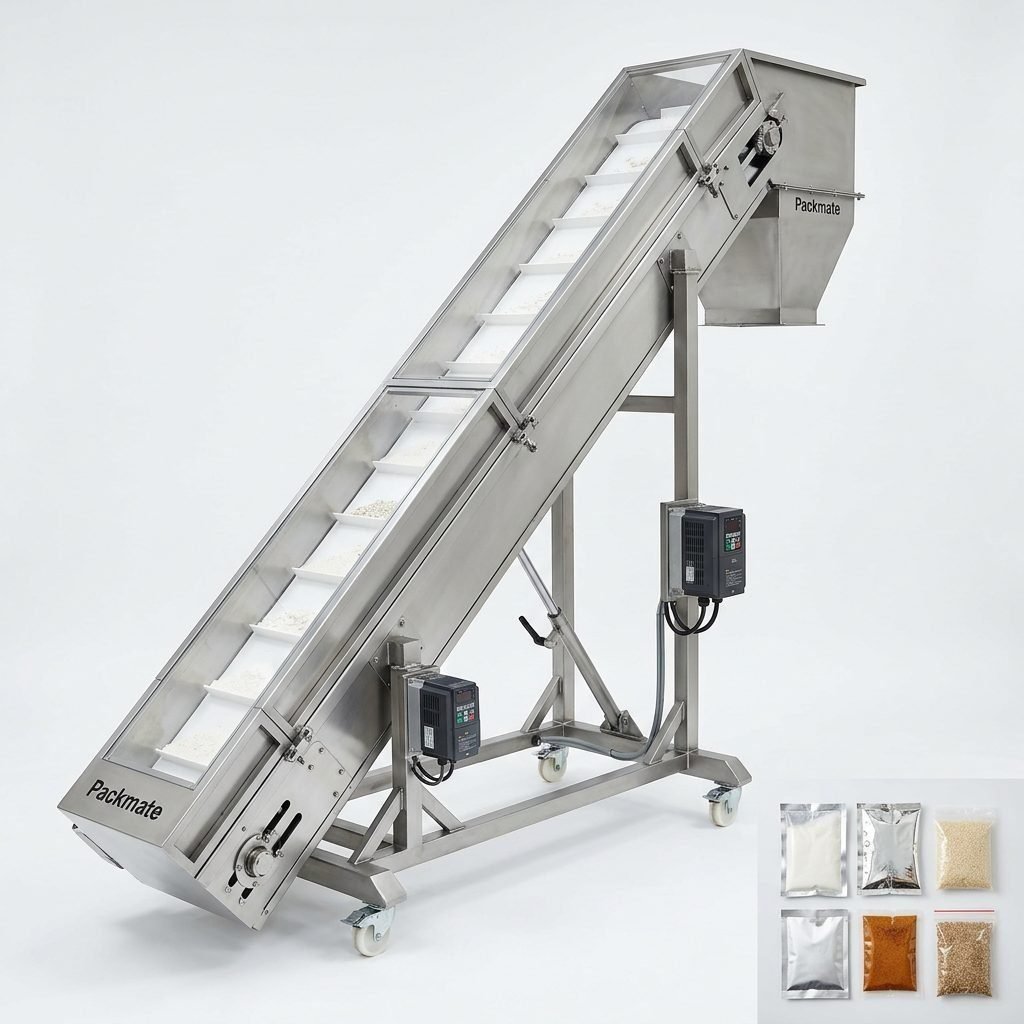
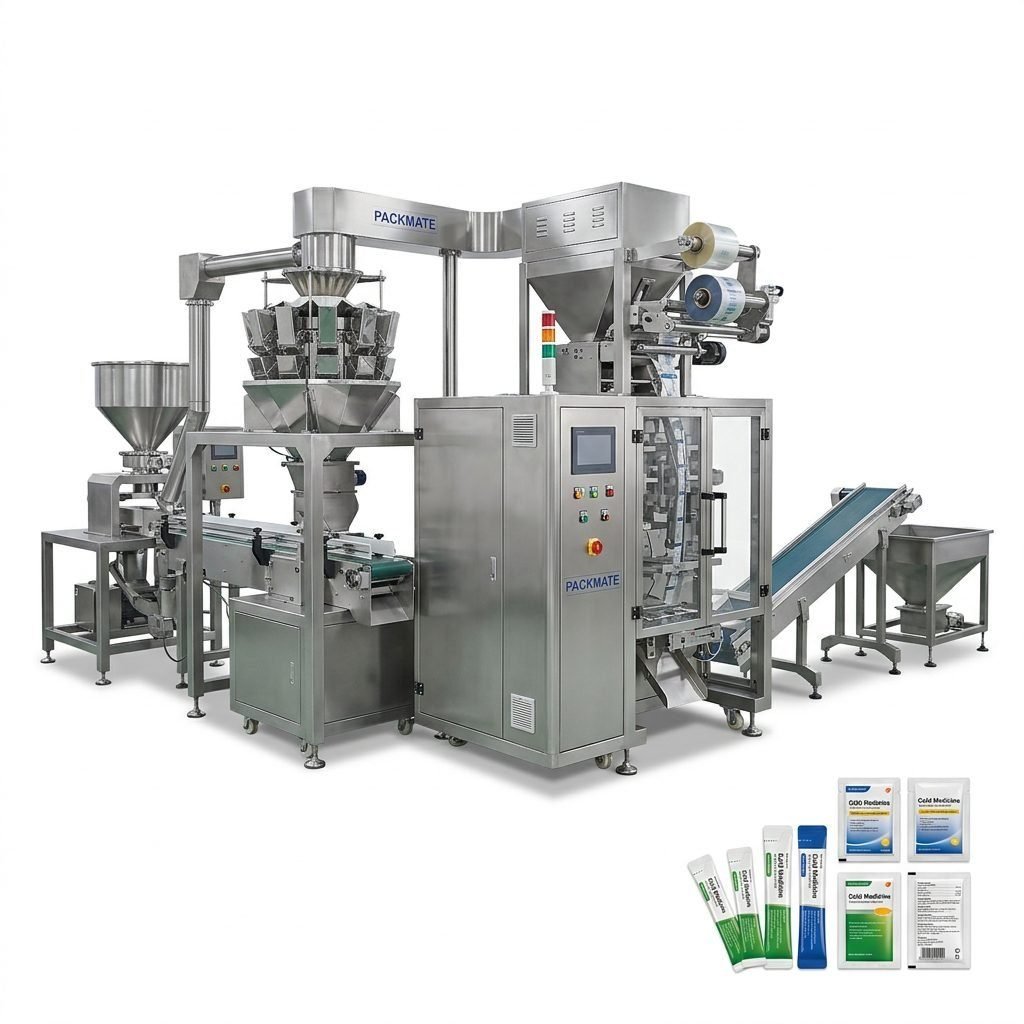
The true power of an HFFS machine is realized when it is integrated into a complete packaging line. This can include upstream equipment like product conveyors and multi-head weighers, and downstream systems like cartoners, case packers, and palletizers. This level of integration, often offered as a turnkey solution, creates a seamless, automated workflow from raw product to shipping pallet.
The future of HFFS technology is being shaped by trends towards sustainability (compatibility with mono-material and compostable films), Industry 4.0 (IoT connectivity for predictive maintenance and data analytics), and enhanced flexibility to handle smaller batch sizes and personalized packaging. Manufacturers committed to innovation and quality are at the forefront of developing these next-generation machines.
Conclusion
The horizontal form fill seal packaging machine is more than just a piece of equipment; it is a strategic asset that drives productivity, ensures product integrity, and enables brand differentiation through packaging. From snack foods to life-saving pharmaceuticals, its role is fundamental. By understanding its operation, applications, and selection criteria, businesses can make informed decisions that enhance their competitive edge and operational bottom line.
Frequently Asked Questions (FAQs)
What types of products can be packaged with an HFFS machine?
HFFS machines are highly versatile and can handle a wide range of solid, granular, powdered, and liquid products. Common applications include snack foods (chips, nuts), confectionery, frozen vegetables, pharmaceuticals (tablets, powders), hardware items, pet food, and coffee. The key is matching the product characteristics with the appropriate filling system on the machine.
How fast can a horizontal form fill seal machine operate?
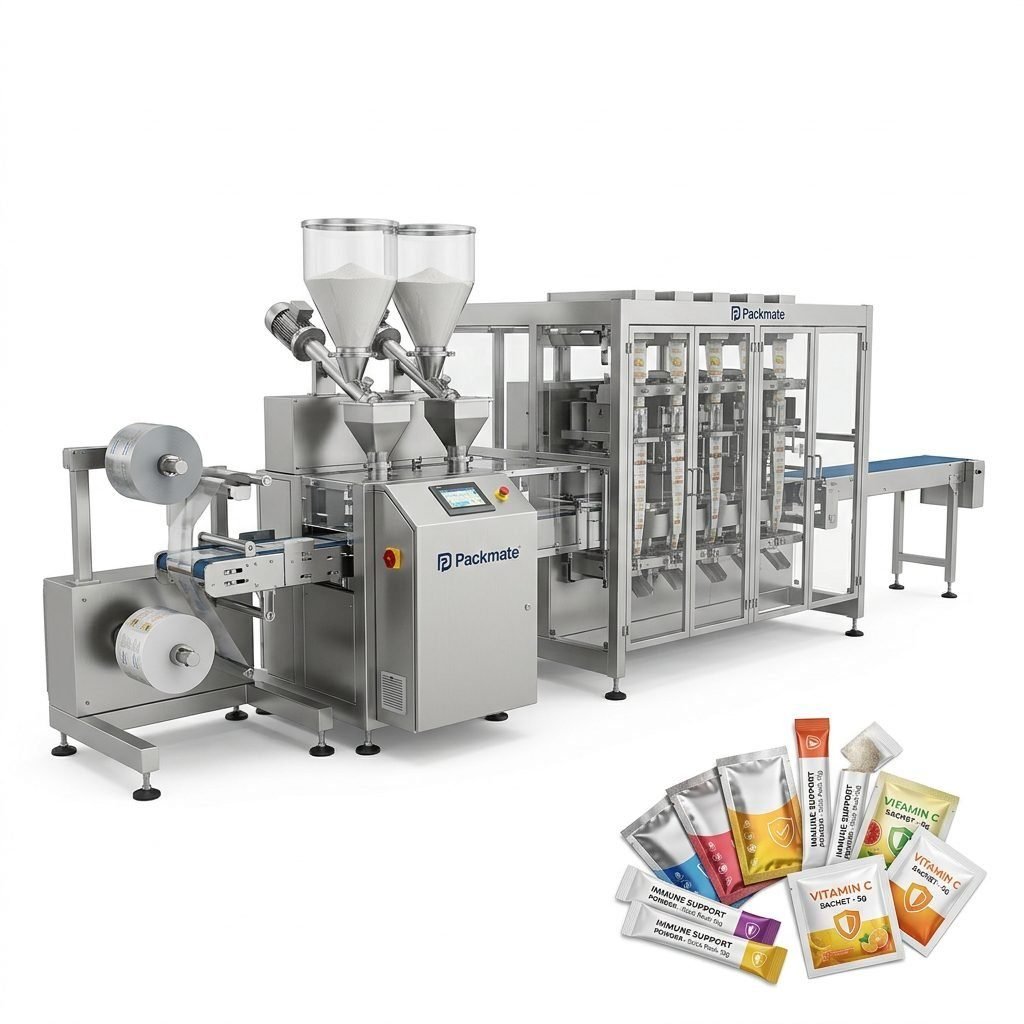
Production speeds vary significantly based on the machine model, pouch size, and product. Standard machines can range from 40 to over 200 pouches per minute. High-speed multi-lane configurations, like some sachet and stick pack machines, can achieve even higher outputs. It’s crucial to discuss your specific speed requirements with the equipment supplier.
What packaging materials are compatible with HFFS technology?
HFFS machines primarily use heat-sealable flexible films supplied on rolls. This includes laminates (e.g., PET/PE, OPP/CPP), co-extruded films, and increasingly, sustainable options like recyclable mono-material plastics (e.g., PE or PP) and compostable films. The machine’s sealing system must be calibrated for the specific material’s melting point and thickness.
What is the difference between vertical (VFFS) and horizontal (HFFS) form fill seal machines?
The primary difference is the orientation of the package formation and product filling. VFFS machines form a bag vertically, with product dropped down into it from above, and are often used for free-flowing granules and powders where gravity assist is beneficial. HFFS machines form the bag horizontally, which is better suited for delicate, non-free-flowing, or larger products that require gentle handling or precise placement within the pouch.
What support and services should I expect from the machine manufacturer?
A reputable manufacturer should provide comprehensive support. This includes detailed installation and commissioning, thorough operator and maintenance training, readily available spare parts, and responsive technical service. Many, like Packmate Machinery, also offer ongoing service plans and remote diagnostics to ensure maximum machine uptime and longevity.