In the industrial manufacturing landscape, the packaging of metal parts presents unique challenges. These components, ranging from precision screws and bolts to intricate automotive or aerospace parts, require protection from corrosion, physical damage, and contamination during storage and transit. A specialized metal parts packaging machine is the engineered solution, automating the process of wrapping, sealing, and preparing these items for distribution. This article delves into the various types of these machines, outlines their significant benefits, and provides a comprehensive guide for making an informed purchase.
Understanding Different Types of Metal Parts Packaging Machines
The term “metal parts packaging machine” encompasses a range of equipment designed for different packaging formats and production scales. Selecting the right type is the first critical step toward optimizing your packaging line.
1. Shrink Wrapping Machines
These are among the most common solutions for bundling multiple parts or protecting individual items. The process involves loosely wrapping the parts or a tray of parts with a plastic film and then applying heat. The film shrinks tightly around the contents, creating a secure, transparent, and tamper-evident seal. This method is excellent for creating retail-ready bundles or protecting parts from dust and moisture.
2. Vacuum Sealing Machines
For metal parts highly susceptible to oxidation and corrosion, such as precision-machined steel or untreated alloys, vacuum sealing is paramount. These machines remove air from a specialized barrier bag before sealing it shut. The absence of oxygen drastically slows down the corrosion process, making this method ideal for long-term storage or international shipping in humid environments.
3. Blister and Clamshell Packaging Machines
Often used for retail display and small, high-value items like electronic components or tool bits, these machines form a clear plastic cavity (blister) around the part and seal it to a cardboard backing. This provides excellent product visibility, security, and protection from handling, while also allowing for easy hanging on retail pegs.
4. Bagging and Pouch Packaging Machines
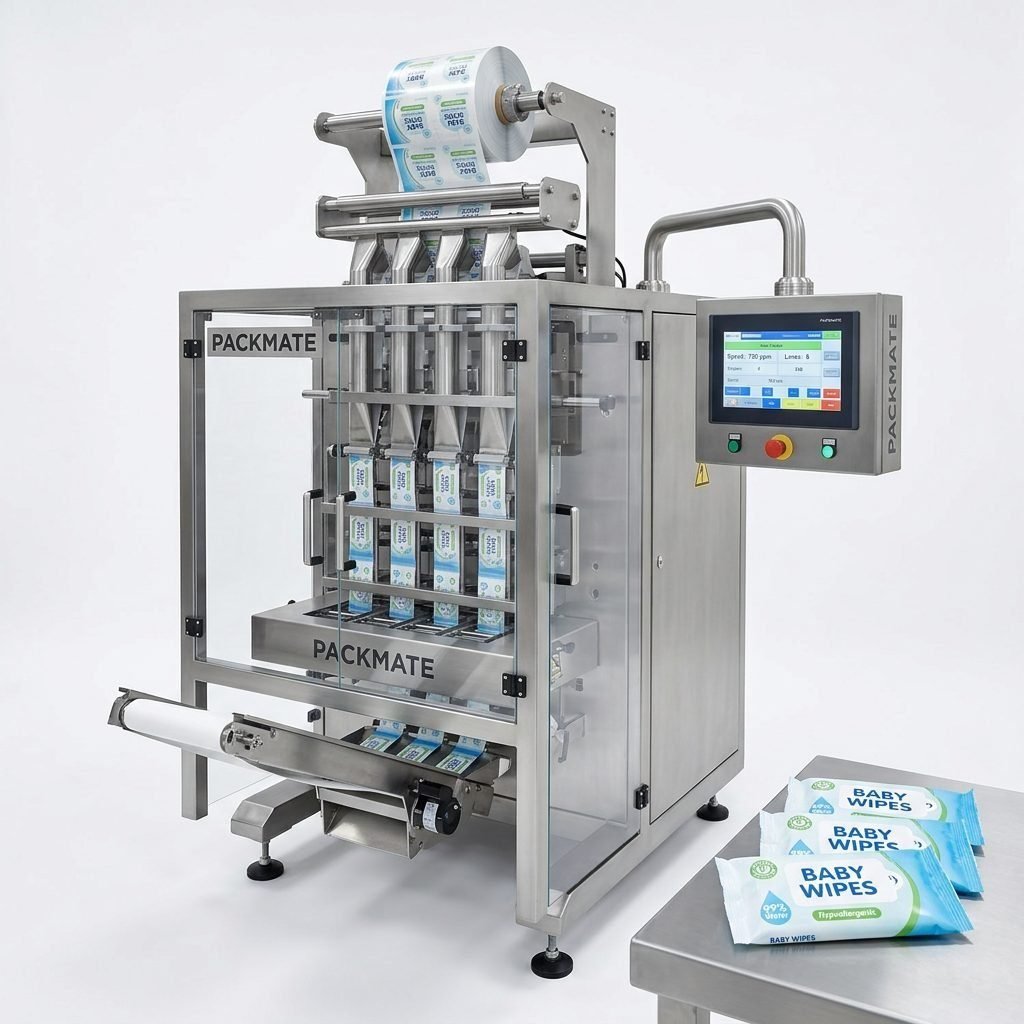
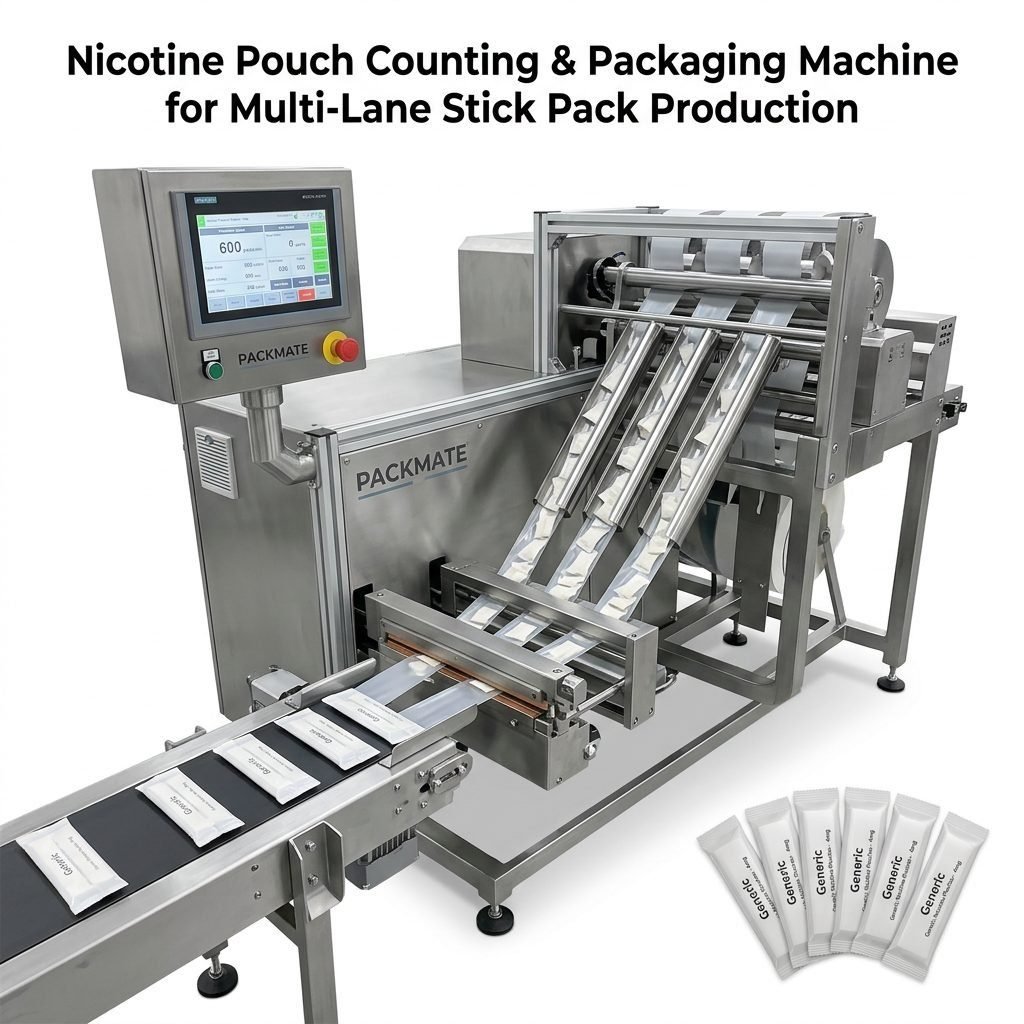
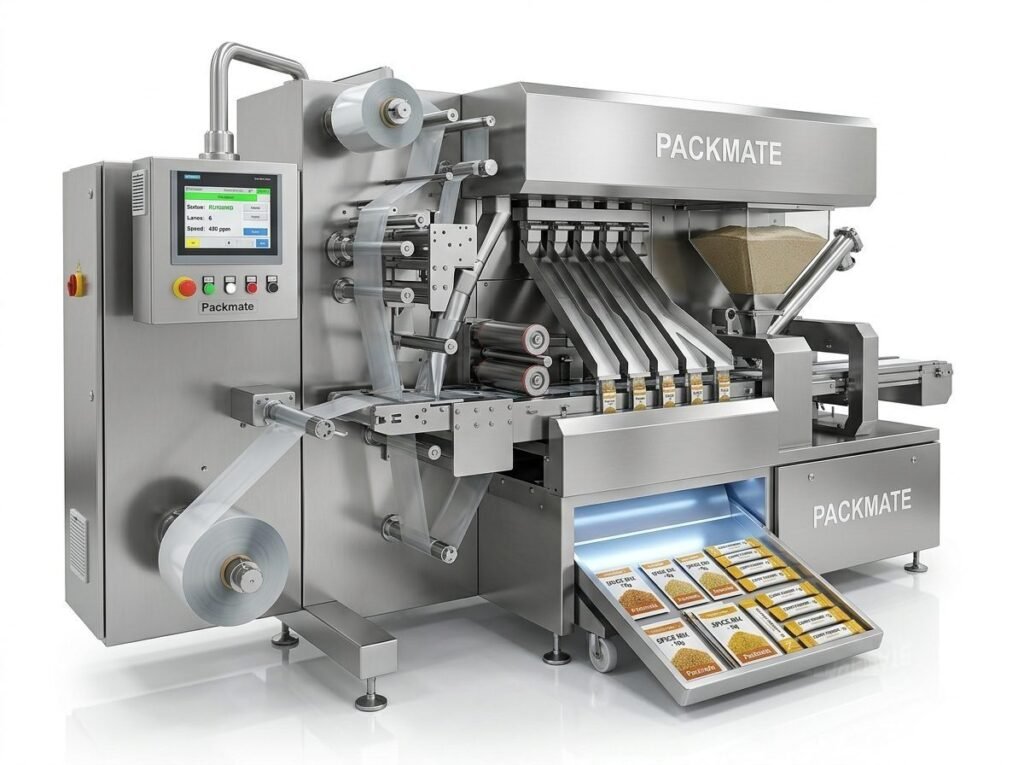
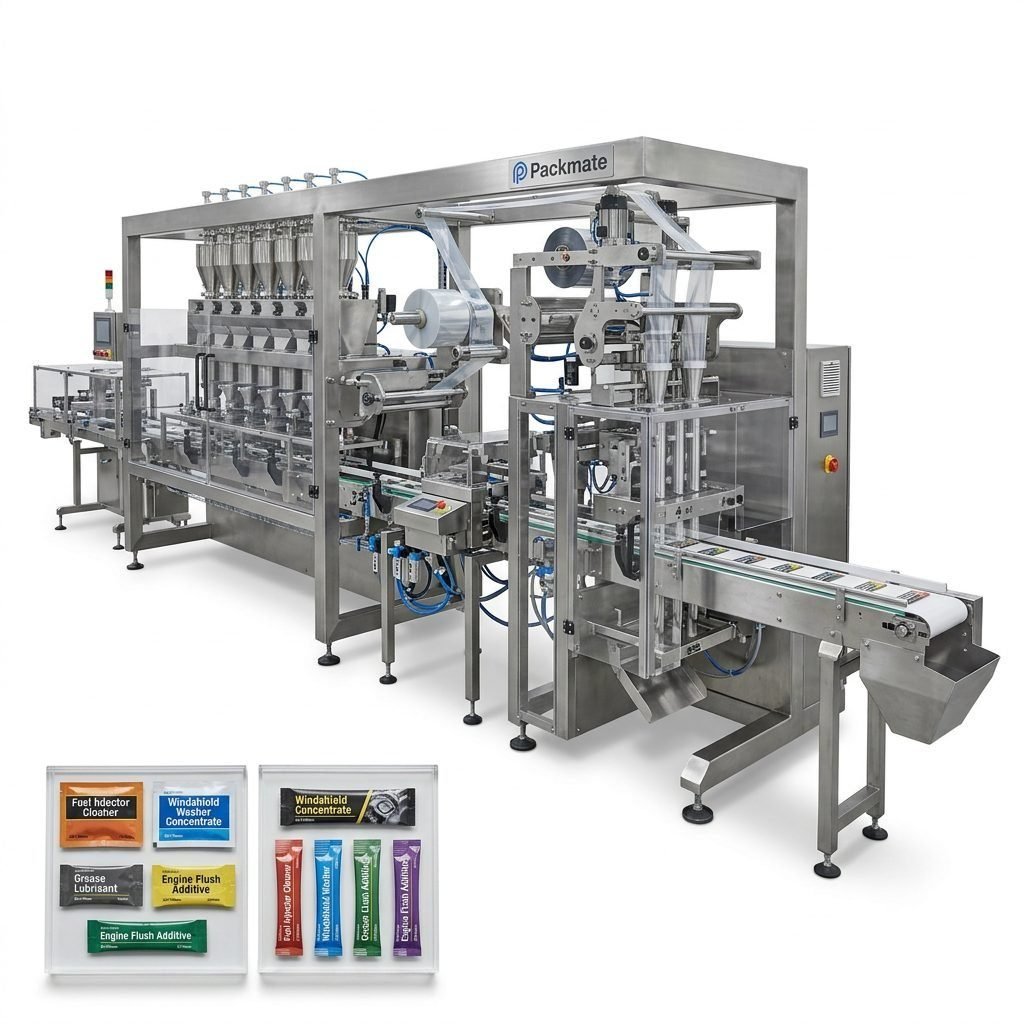
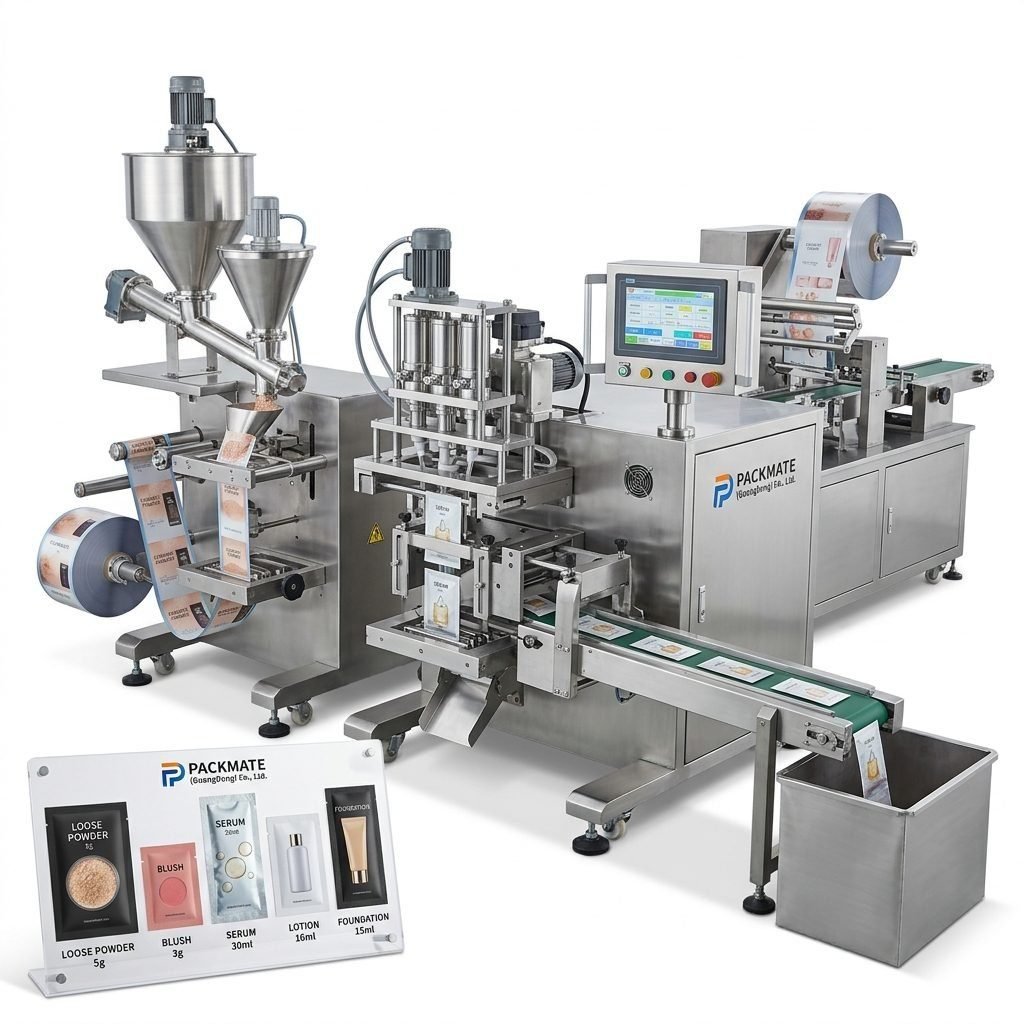
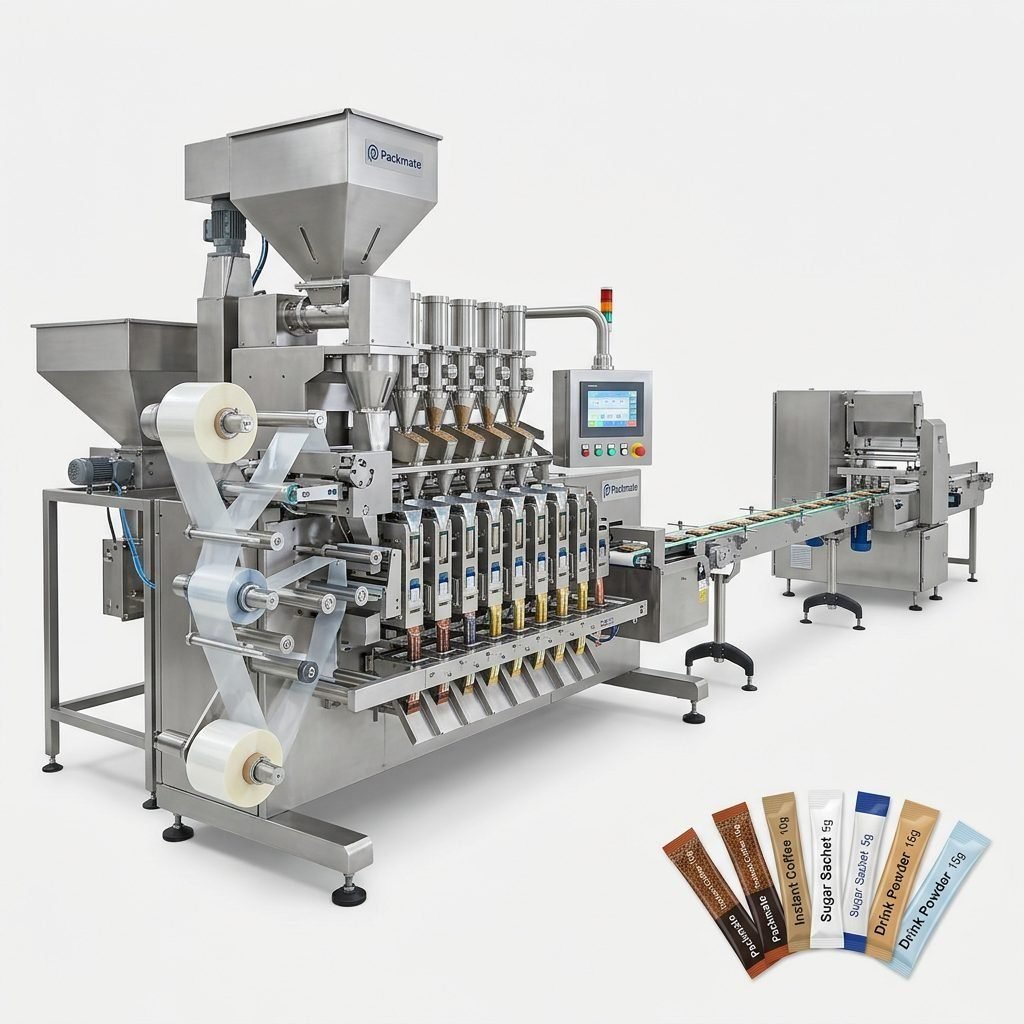
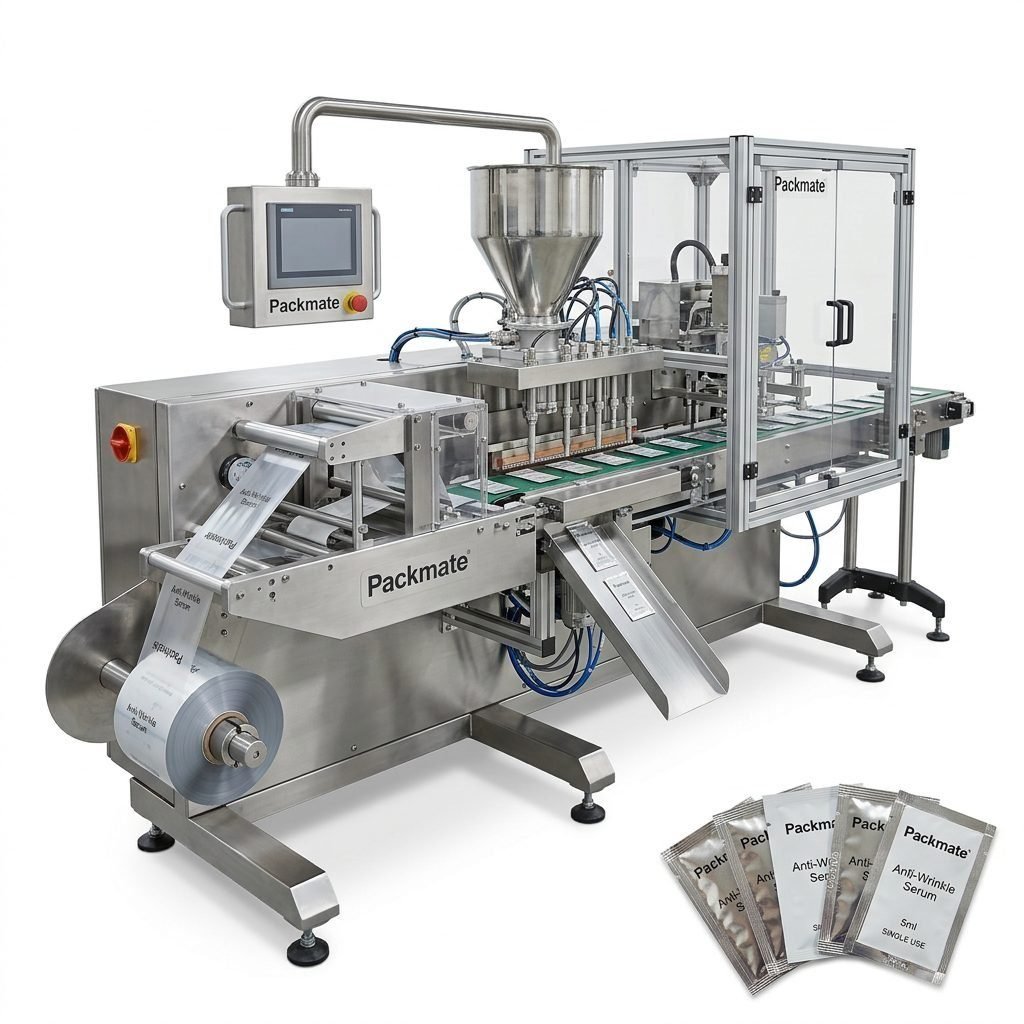
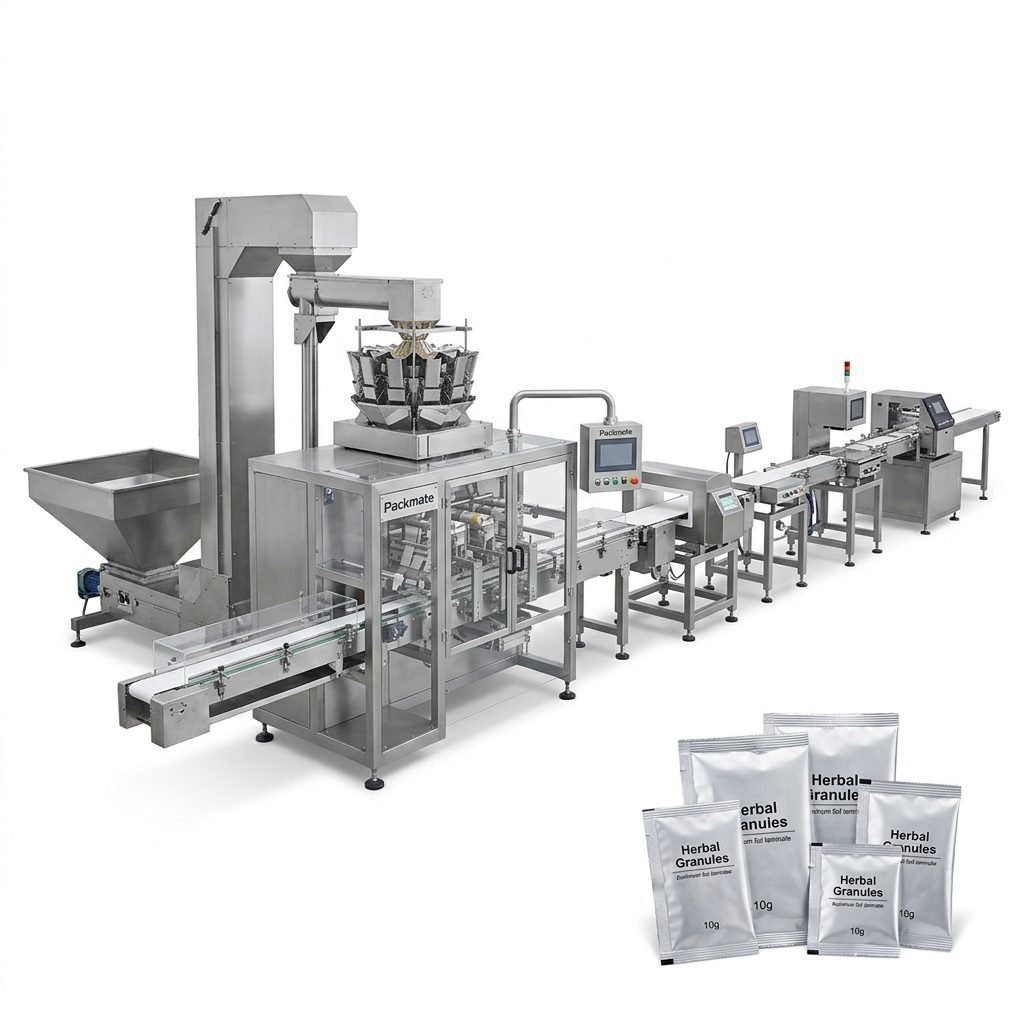
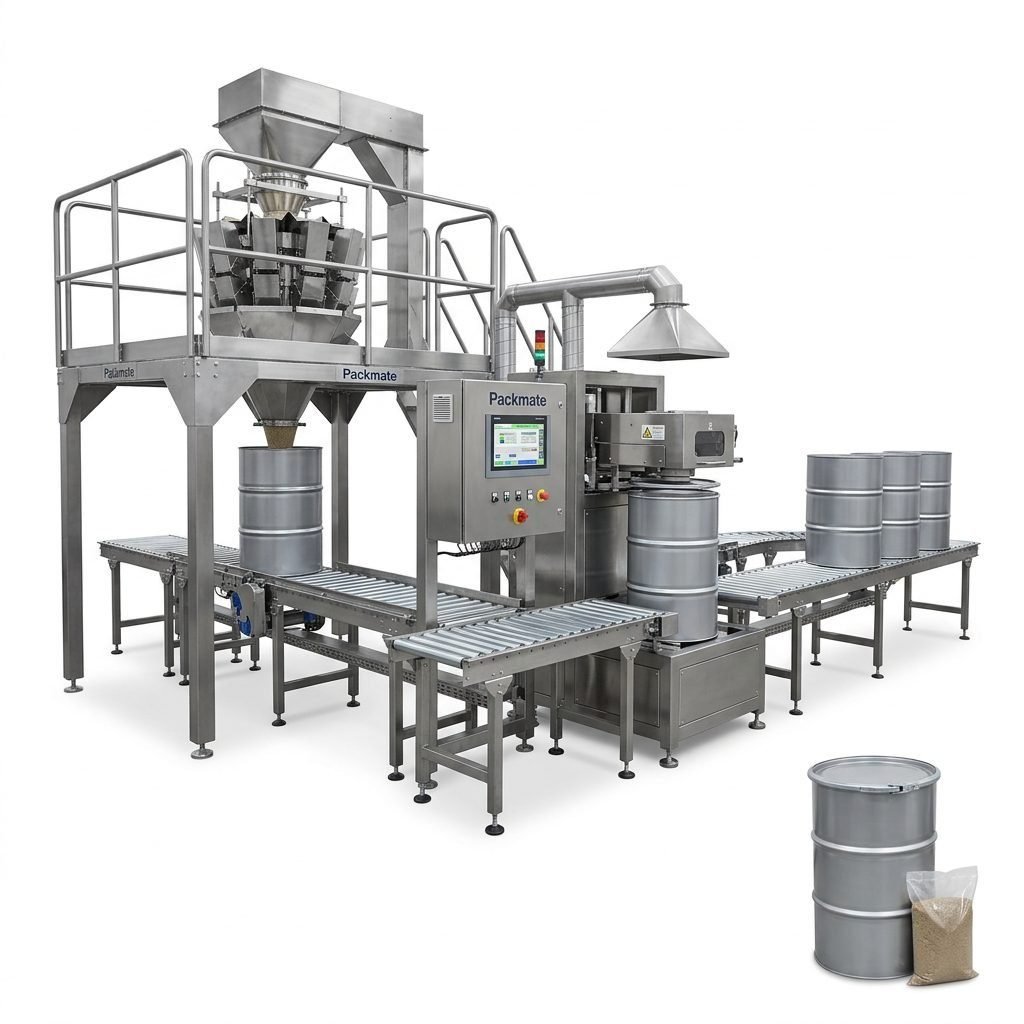
For bulk quantities of smaller parts like nuts, washers, or screws, automated bagging systems are highly efficient. Machines can fill pre-made bags or form-fill-seal (FFS) pouches from a roll of film. This can be combined with multi-head weighers for precise weight control, which is crucial for inventory and sales. Companies like Packmate Machinery offer advanced bag and pouch packaging lines that can be adapted for industrial part counting and bagging.
Key Benefits of Automating Your Metal Parts Packaging
Investing in an automated packaging system for metal components delivers tangible returns across several operational facets.
Enhanced Protection and Quality Assurance: Automated systems apply consistent tension, seal integrity, and environmental controls (like vacuum). This uniformity drastically reduces the risk of in-transit damage or corrosion compared to manual packing, preserving part quality and reducing customer returns.
Substantial Increase in Efficiency and Output: Machines operate at speeds far beyond human capability, dramatically increasing your packaging throughput. This allows you to scale production to meet demand spikes without proportionally increasing labor costs.
Significant Reduction in Labor Costs and Errors: Automation minimizes the need for manual packing labor, reallocating human resources to more value-added tasks. It also eliminates variability and errors common in manual processes, such as incorrect counts or insecure seals.
Improved Workplace Safety: Packaging machines handle repetitive motions and can manage sharp or heavy metal parts, reducing the risk of repetitive strain injuries (RSIs) and accidents for your workforce.
Professional and Consistent Brand Presentation: A machine-produced package looks uniform and professional. Whether it’s a tightly shrunk bundle or a neatly sealed pouch, consistent packaging enhances your brand’s reputation for quality and attention to detail in the eyes of distributors and end-users.
Essential Buying Guide: How to Choose the Right Machine
Selecting the ideal metal parts packaging machine requires a careful analysis of your specific needs. Here is a structured guide to help you navigate the decision.
Step 1: Analyze Your Product and Requirements
Part Characteristics: Consider the size, shape, weight, and surface finish of your parts. Delicate or threaded items may need gentler handling or non-abrasive film.
Packaging Format: Determine the end goal. Is it for bulk shipment (bags/boxes), retail display (blisters), or corrosion prevention (vacuum bags)?
Production Volume: Estimate your daily/weekly output. This will dictate whether you need a semi-automatic, fully automatic, or integrated packaging line.
Step 2: Evaluate Machine Features and Specifications
Look beyond the basic type. Key specifications include:
- Speed (Packages Per Minute): Ensure it matches your production targets.
- Material Compatibility: Verify the machine works with the films or bags you plan to use (e.g., polyethylene, polypropylene, barrier films for vacuum).
- Footprint and Integration: Measure your available floor space. Check how easily the machine can integrate with upstream (part feeding, counting) and downstream (labeling, cartoning) equipment. Explore options for auxiliary equipment to create a complete system.
- Control System and Ease of Use: A user-friendly PLC/HMI interface simplifies changeovers and operation, reducing downtime.
Step 3: Assess the Manufacturer’s Credibility
The machine is only as good as the company behind it. Partnering with a reputable manufacturer like Packmate Machinery is crucial. With over 30 years of expertise and a 20,000㎡ modern facility, they embody the stability and innovation needed for industrial equipment. Review their company history and commitment to R&D. A strong track record, like developing over 50 machine models, indicates deep industry knowledge and the ability to provide reliable, turnkey packaging solutions. Always check for client testimonials and after-sales service support, including training, spare parts availability, and technical assistance.
Step 4: Consider Total Cost of Ownership (TCO)
Look at the long-term picture. The purchase price is just one component. Factor in:
– Operational Costs: Energy consumption, required consumables (film, bags).
– Maintenance Costs: Ease of access for cleaning, routine maintenance schedules, and cost of wear parts.
– Return on Investment (ROI): Calculate savings from reduced labor, lower material waste (from precise sealing), and decreased product damage/warranty claims.
Frequently Asked Questions (FAQs)
1. Can one machine handle different sizes and shapes of metal parts?
Many modern machines are designed with changeover flexibility. Look for models with adjustable sealing jaws, programmable settings for different product dimensions, and quick-change part feed systems. The level of ease varies, so discuss your specific mix of parts with the manufacturer.
2. What is the most cost-effective packaging method for small, bulk metal parts?
For items like screws or nails, automated vertical form-fill-seal (VFFS) bagging machines are typically the most cost-effective. They create bags from a roll of film, fill them by weight or count, and seal them in one continuous, high-speed operation, minimizing material and labor costs.
3. How important is corrosion inhibition (VCI) packaging, and can machines handle it?
It is critical for ferrous metals prone to rust. Volatile Corrosion Inhibitor (VCI) films or papers emit a protective vapor. Many standard shrink wrappers or baggers can handle VCI films, but you must ensure the machine’s heat settings are compatible with the specific film to avoid degrading the inhibitor.
4. What maintenance does a metal parts packaging machine require?
Regular maintenance is key to longevity. Daily cleaning to remove metal dust or debris, weekly inspection of sealing elements and moving parts, and periodic lubrication as per the manufacturer’s manual are standard. Choosing a supplier with readily available spare parts is essential.
5. Where can I see these machines in action or get a custom solution quote?
Reputable manufacturers often have case studies or videos showcasing their equipment. The best approach is to contact them directly with your specific parts and requirements. Companies with extensive global exhibition participation and a professional service team, like Packmate, can often arrange live demonstrations or provide detailed proposals for tailored solutions.