Maintaining the sharpness of your packaging machine blades is not just a routine task—it’s a critical component of operational efficiency, product quality, and cost management. When blades become dull, the consequences ripple through your entire production line: increased material waste, compromised seal integrity, unplanned downtime, and ultimately, higher operational costs. For businesses relying on precision packaging, such as those in the food, pharmaceutical, and health industries, finding reliable, expert packaging machine blade sharpening services near you is a strategic necessity. This guide will help you understand why professional sharpening is essential, what to look for in a local service provider, and how to ensure your equipment maintains peak performance.
The Critical Role of Sharp Blades in Packaging Operations
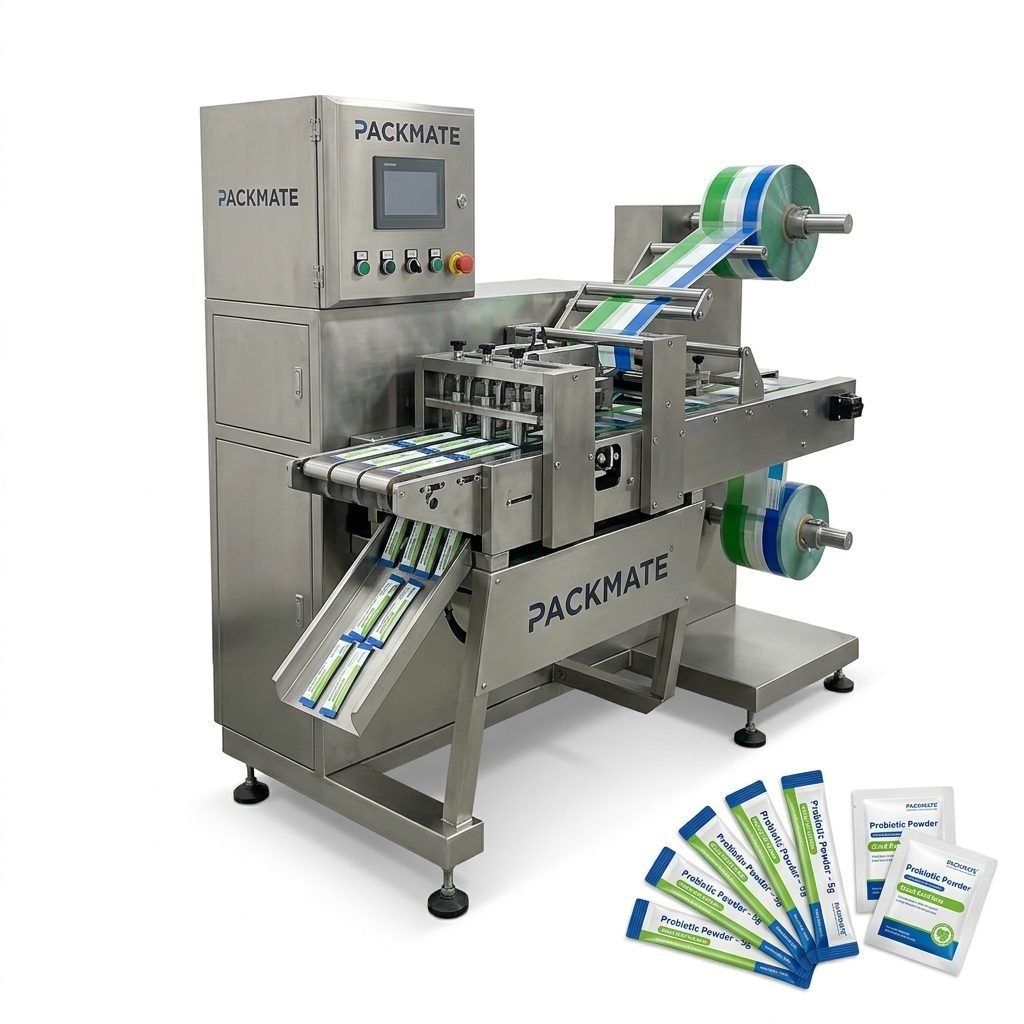
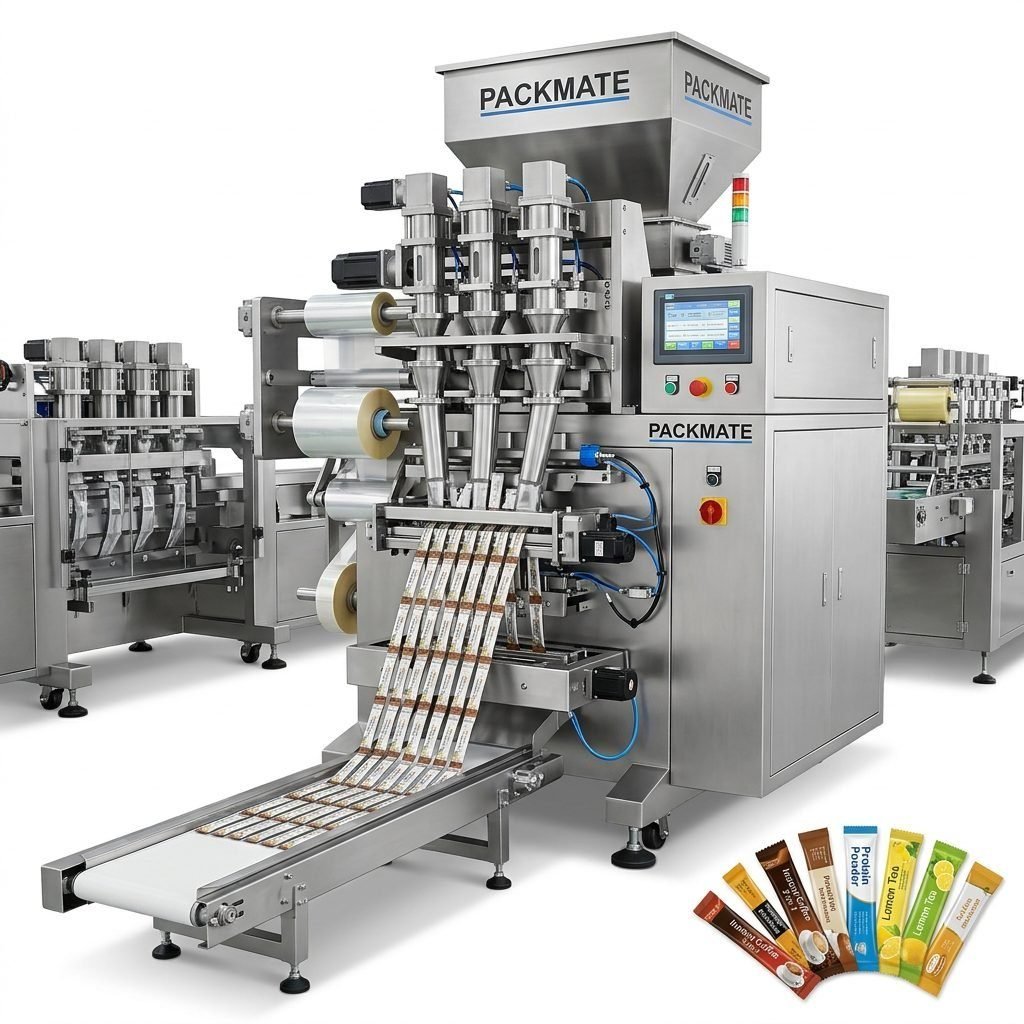
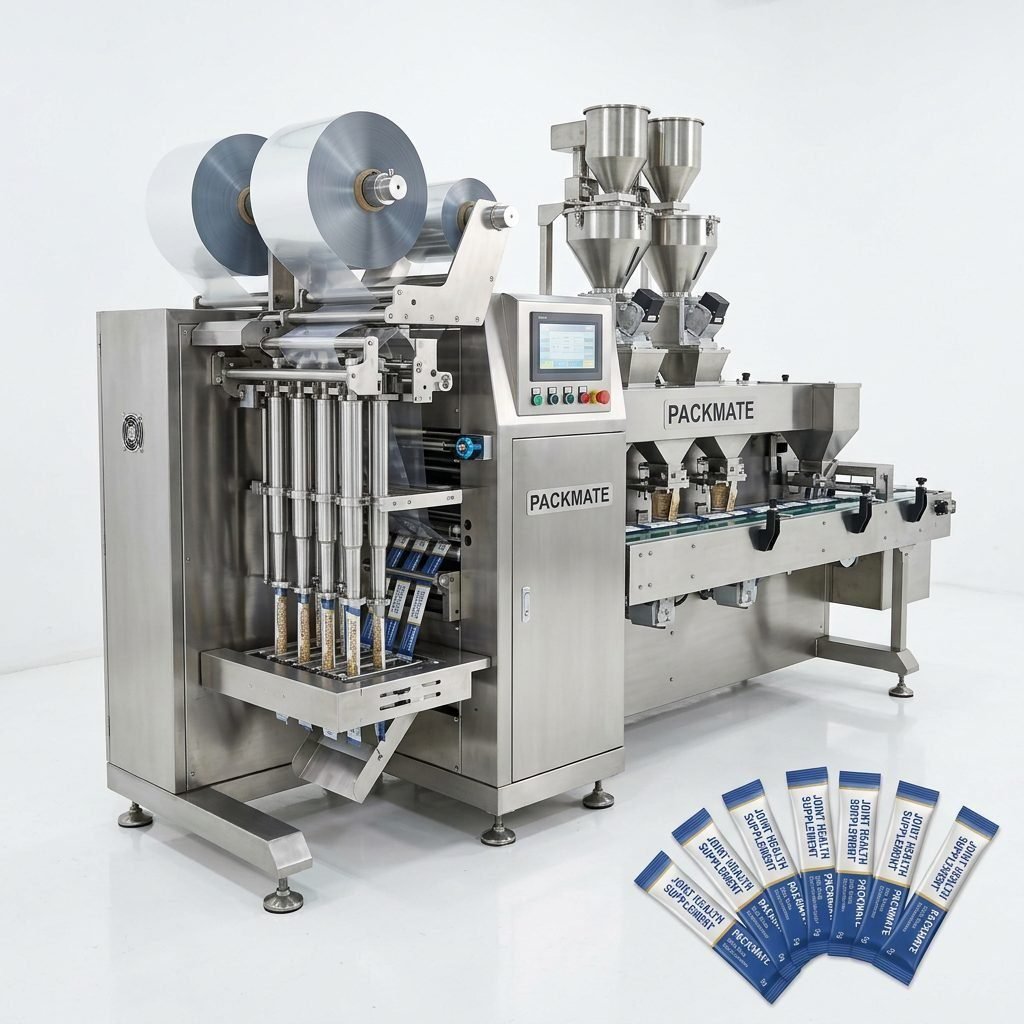
Every cut and seal made by your packaging machine depends on the condition of its blades. Whether you operate sachet and stick pack machines, bag and pouch packaging machines, or complex filling lines, blade sharpness directly impacts:
Seal Quality & Product Integrity: Dull blades can crush or tear packaging film instead of making a clean cut, leading to weak seals. This compromises the barrier protection crucial for moisture-sensitive, sterile, or perishable goods.
Material Efficiency & Waste Reduction: A sharp blade ensures clean, precise cuts with minimal film drag. Dull blades cause excessive film waste, jagged edges, and increase the risk of jams, directly hitting your material budget.
Machine Uptime & Productivity: Blunt blades force the machine to work harder, increasing wear on other components like motors and gears. This can lead to more frequent breakdowns and unscheduled stops, disrupting your production schedule.
Consistency & Speed: For high-speed operations, only perfectly sharpened blades can maintain consistent cut quality at rated speeds. Dull blades often necessitate running machines slower to avoid faults, reducing overall output.
Why “Local Experts” Make a Significant Difference
Searching for “packaging machine blade sharpening services near you” emphasizes the value of proximity and specialization. Local experts offer distinct advantages that generic machine shops cannot match:
Rapid Response & Minimized Downtime: A local service can often provide quicker assessment, pickup, and return of your blades. In critical situations, some providers may offer on-site sharpening or emergency service, getting your line back up in hours instead of days.
Understanding of Local Industry Needs: A sharpening service familiar with the dominant industries in your area (e.g., food processing, pharmaceuticals, nutraceuticals) will understand the specific material types (laminates, foils, co-extruded films) and hygiene standards required for your blades.
Personalized Service & Relationship Building: Working locally fosters a direct relationship. Experts get to know your specific machines, usage patterns, and quality expectations, allowing them to provide tailored advice on maintenance schedules and blade care.
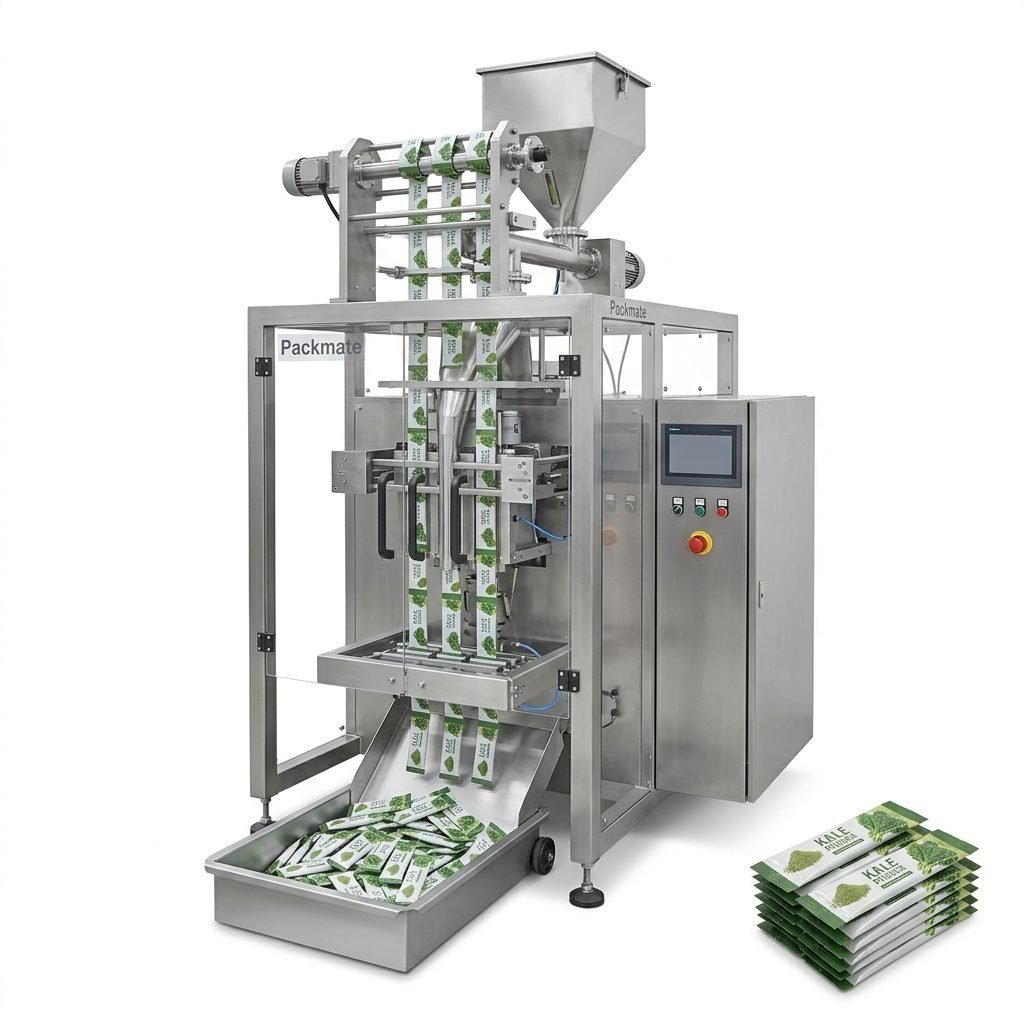
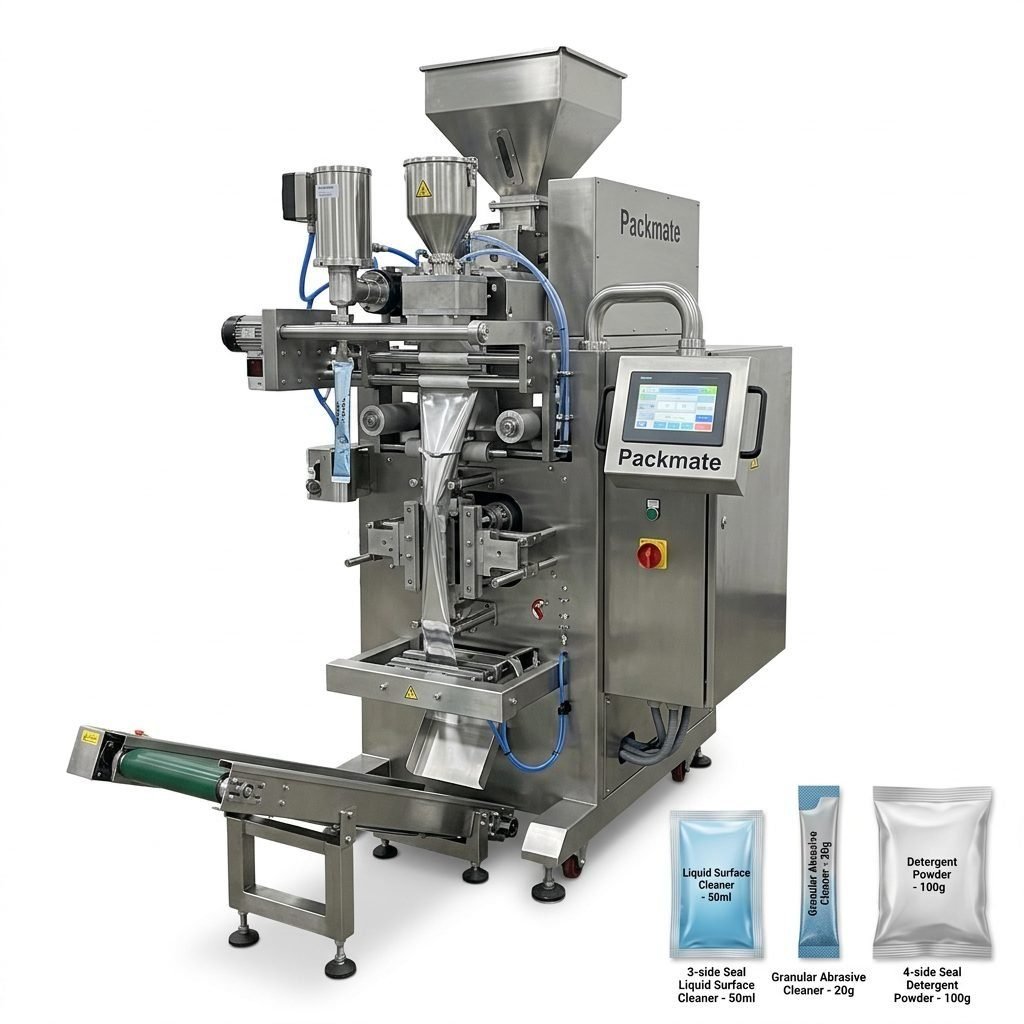
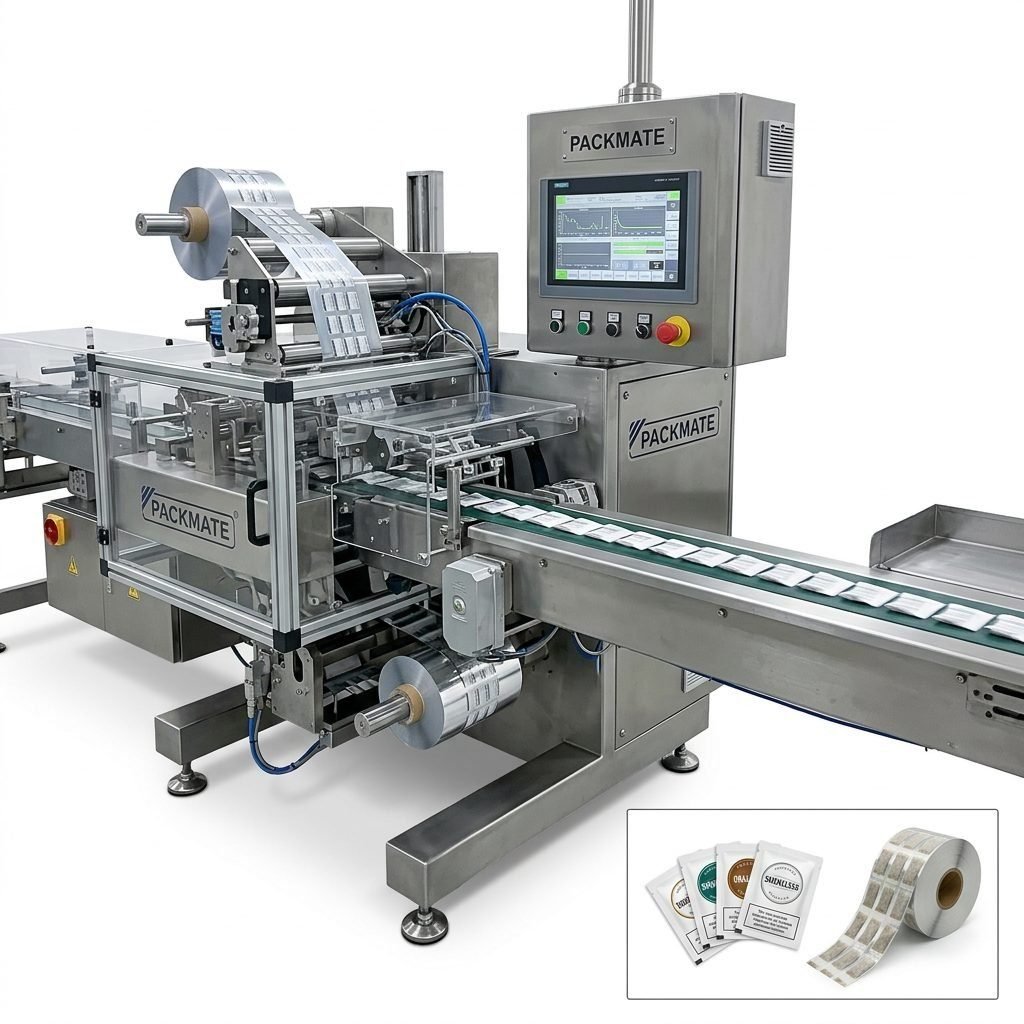
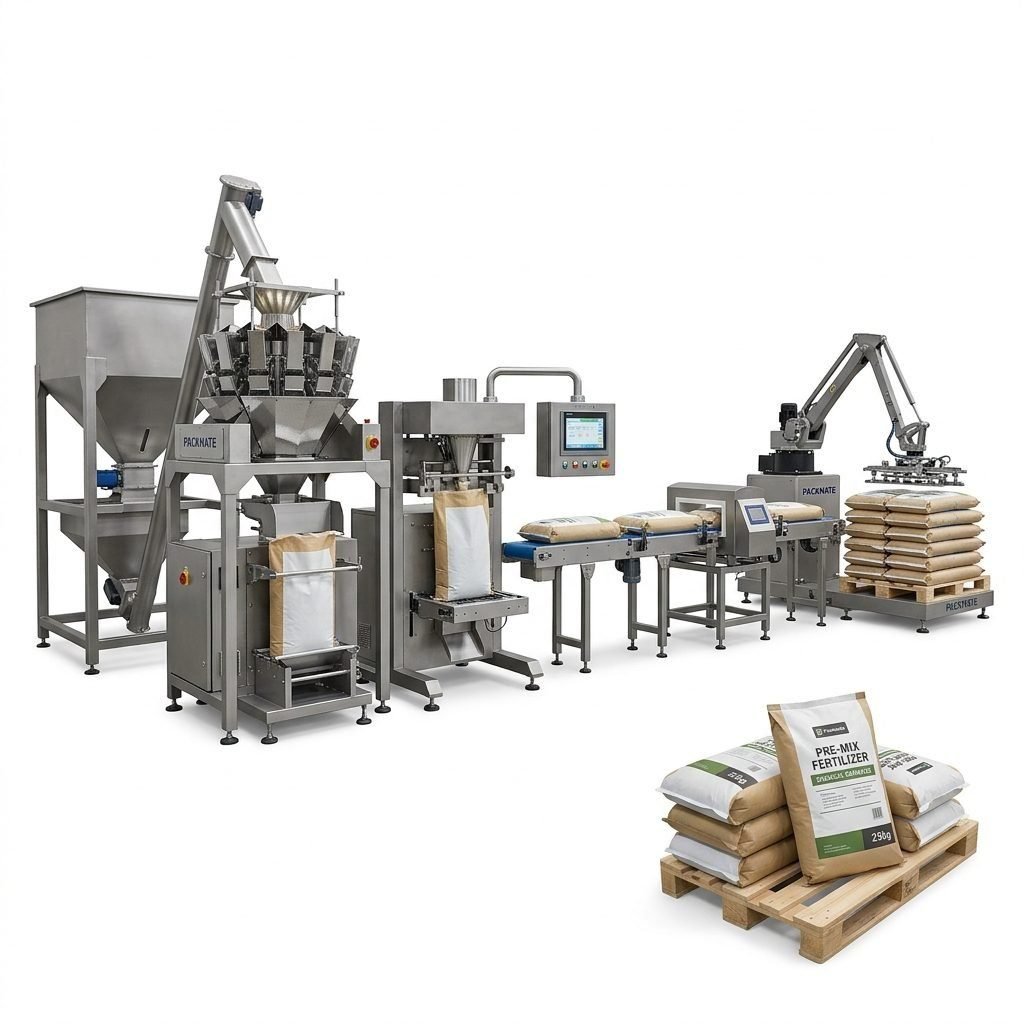
Knowledge of Specific Machine Brands: Reputable local sharpeners often specialize in blades for major machinery brands. For instance, a service experienced with blades from manufacturers like Packmate Machinery will understand the precise angles, tolerances, and metallurgy needed for optimal performance in their weighing and packaging systems or high-speed stick pack lines.
How to Identify and Vet a Qualified Local Sharpening Service
Not all sharpening services are created equal. When evaluating potential “local experts,” consider these critical factors to ensure you partner with a provider who can protect your investment.
Key Selection Criteria
Specialization in Packaging Blades: The service should explicitly mention packaging machinery (e.g., vertical form-fill-seal, horizontal flow wrappers, pouch machines) as a core competency. General industrial blade sharpening may not achieve the razor-edge finish and precise edge geometry required for thin films.
Advanced Equipment & Process: Inquire about their technology. Professional services use CNC grinding machines, laser measurement systems, and polishing equipment to ensure consistency and preserve the blade’s original factory profile and heat treatment.
Quality Assurance & Inspection: A reliable provider will have a documented inspection process. They should check for edge straightness, burrs, micro-chips, and edge angle accuracy before returning the blades to you.
Experience with Your Material: Describe the primary packaging materials you use. An expert will understand how to sharpen a blade differently for cutting abrasive laminated paper versus delicate medical-grade foil.
Turnaround Time & Service Guarantee: Clear communication on standard and rush turnaround times is essential. Look for a service that offers a performance guarantee on their work.
Integrating Blade Maintenance with Overall Machine Care
Blade sharpening should not be an isolated activity. It is one pillar of a comprehensive preventative maintenance program. A holistic approach ensures all components of your packaging line work in harmony.
Scheduled Sharpening vs. Reactive Sharpening: Implement a schedule based on machine runtime or material throughput, not just when problems arise. This prevents the cascade of issues caused by dull blades and allows for planning downtime.
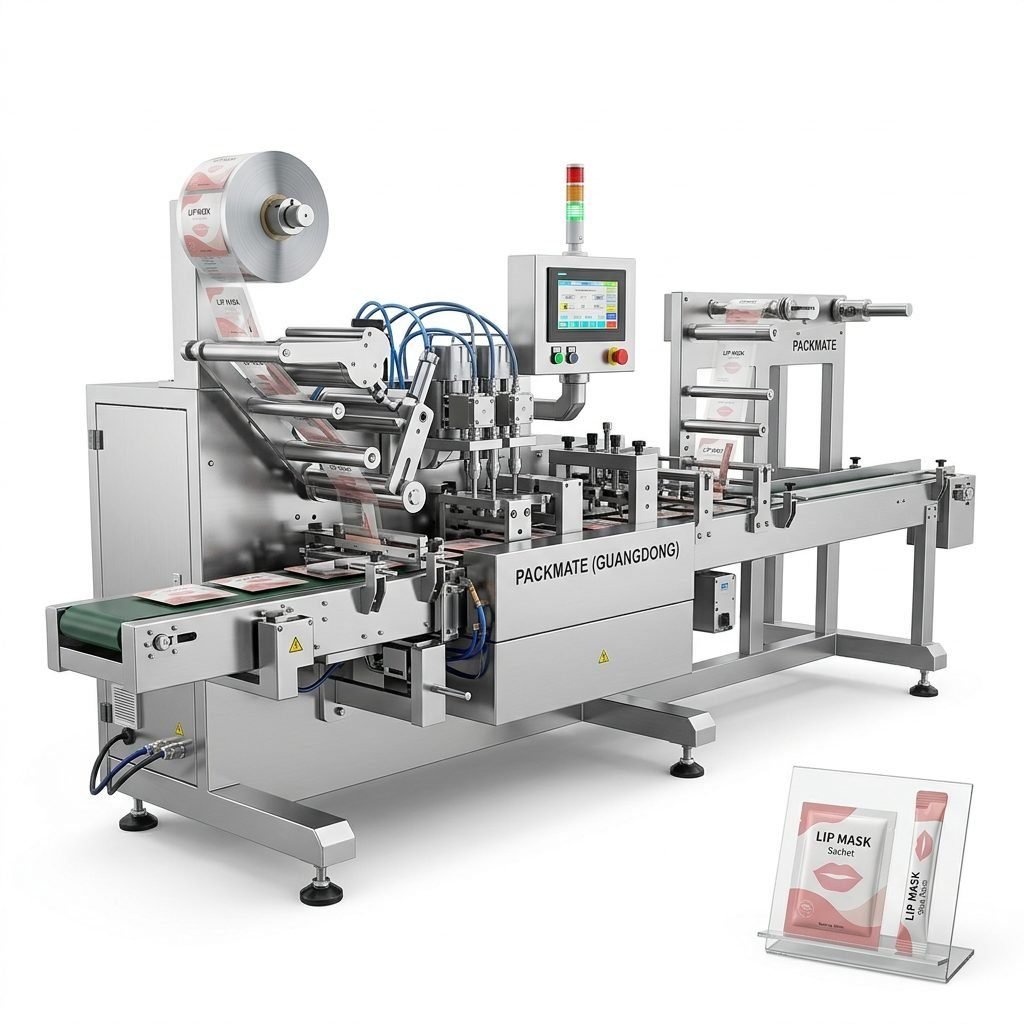
Partner with Your Machine Manufacturer: Many OEMs, including Packmate (GuangDong) Co., Ltd., offer or can recommend certified service partners for blade maintenance and other spare parts. Leveraging the manufacturer’s network ensures compatibility and preserves your machine’s warranty. You can explore their full range of support through their official service page.
Operator Training: Train machine operators to recognize early signs of blade dullness, such as increased film dust, uneven seals, or slight increases in cutting force. Early detection allows for proactive scheduling of sharpening.
Proper Blade Handling & Storage: Between sharpenings, ensure blades are handled carefully, cleaned properly (especially in food/pharma applications), and stored in protective cases to prevent nicks and corrosion.
The Economic Sense: Cost of Sharpening vs. Cost of Dull Blades
Viewing professional sharpening as an expense is a short-sighted perspective. It is, in fact, a high-return investment. Let’s break down the economics:
The Hidden Costs of Dull Blades:
- Material Waste: Even a 1-2% increase in film waste due to poor cuts can amount to thousands of dollars annually.
- Product Rejects & Rework: Leaky or poorly sealed packages lead to product loss, customer returns, and potential brand damage.
- Unplanned Downtime: Emergency stoppages for blade-related jams or failures cost hundreds to thousands per hour in lost production.
- Accelerated Wear: Dull blades strain other machine parts, leading to more frequent and costly repairs beyond the blade itself.
The Return on Professional Sharpening:
- Extended Blade Life: Proper sharpening removes the minimum amount of material, allowing a blade to be serviced many more times before replacement is needed.
- Consistent Quality & Output: Maintains rated machine speed and First-Time-Right packaging quality, maximizing revenue generation.
- Predictable Maintenance Costs: Scheduled sharpening is a known, manageable cost compared to the unpredictable losses from downtime and waste.
For companies investing in high-quality machinery from innovators like Packmate Machinery, which boasts over 30 years of expertise and a 20,000㎡ modern facility, protecting that investment with同等 quality maintenance is a logical step. Their journey from a small workshop in 1993 to a leading provider of complete filling and packaging lines underscores the importance of precision and care at every stage of the packaging process.
Conclusion: Sharp Blades, Sharp Business
Finding the right packaging machine blade sharpening service near you is a decision that directly affects your bottom line, product quality, and operational smoothness. By prioritizing local expertise, specialized knowledge, and integrating blade care into a broader maintenance strategy, you transform a routine service into a competitive advantage. Don’t wait for a drop in quality or a machine halt to act. Proactively seek out and partner with a qualified local expert to keep your packaging line cutting cleanly, sealing perfectly, and running profitably.
Frequently Asked Questions (FAQs)
1. How often should I sharpen my packaging machine blades?
There’s no universal interval. Frequency depends on the machine runtime, packaging material abrasiveness (e.g., fiber-reinforced laminates dull blades faster than plain polyethylene), and the product being packaged. A qualified service provider can analyze your specific operation and recommend a data-based schedule, which could range from every few weeks to several months.
2. Can I sharpen the blades myself with a manual grinder or file?
It is strongly discouraged. Packaging blades require precise edge geometry, angle consistency, and a polished finish to cleanly cut thin films without dragging. Manual methods cannot achieve this precision, often create uneven edges and micro-burrs that worsen performance, and can overheat the blade, destroying its temper and making it brittle. This leads to faster wear and potential chipping.
3. What is the typical turnaround time for professional blade sharpening?
For local experts, standard turnaround is often 24-48 hours. Many offer same-day or emergency services for an additional fee. The key is clear communication with your provider about your production schedule to plan the service during planned downtime.
4. How can I tell if my blades need sharpening before product quality suffers?
Watch for these early warning signs: a slight increase in fine film dust around the cutting area, a less crisp “cutting” sound, the machine requiring more frequent adjustments to maintain seal integrity, or a visual inspection revealing a rounded edge instead of a sharp apex under magnification.
5. Is it better to sharpen blades or replace them?
Professional sharpening is almost always more cost-effective than replacement, as it can extend a blade’s life through multiple service cycles. Replacement is necessary only when the blade is damaged (e.g., major chips, cracks), has been sharpened down to its minimum usable width, or is severely worn on non-cutting surfaces. A reputable sharpening service will advise you honestly on whether sharpening is viable or if replacement is the better option.