Selecting the right plastic container packaging machine is a critical decision for any manufacturing operation. The efficiency, reliability, and output quality of your packaging line directly impact your bottom line and brand reputation. This comprehensive guide explores the various types of machines available and provides essential buying tips to help you make an informed investment.
Understanding Plastic Container Packaging Machines
At its core, a plastic container packaging machine automates the process of filling, sealing, capping, and labeling pre-formed plastic containers. These containers can range from small bottles and jars for pharmaceuticals to larger tubs and pails for food or industrial products. The primary goal is to achieve high-speed, consistent, and hygienic packaging with minimal waste.
The automation level can vary significantly. Semi-automatic machines require some manual intervention, such as placing containers on the conveyor, and are ideal for lower-volume production or pilot lines. Fully automatic machines integrate seamlessly into a production line, handling everything from container unscrambling to case packing, making them essential for high-volume operations.
Key Components of a Packaging Line
A complete turnkey solution often involves more than just a filler. A typical integrated line may include:
- Unscrambler: Orients and feeds empty containers from a bulk hopper onto the conveyor.
- Cleaning/Ionizing Unit: Removes dust and static to ensure a clean surface for labeling.
- Filling Machine: Precisely doses the product (liquid, powder, or granules) into the container.
- Capping or Sealing Machine: Applies screw caps, snap-on lids, or induction seals.
- Labeling Machine: Applies product labels accurately.
- Checkweigher: Verifies fill weight to ensure compliance and reduce giveaway.
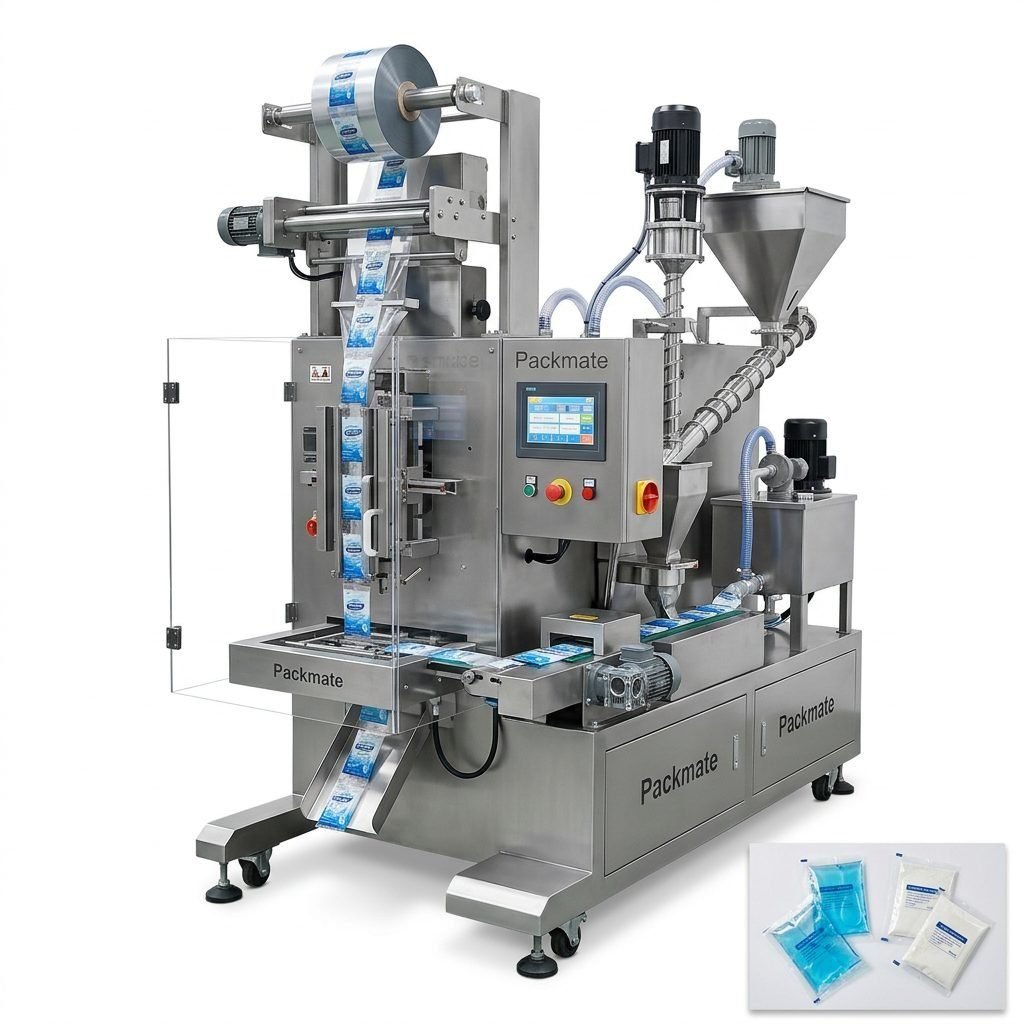
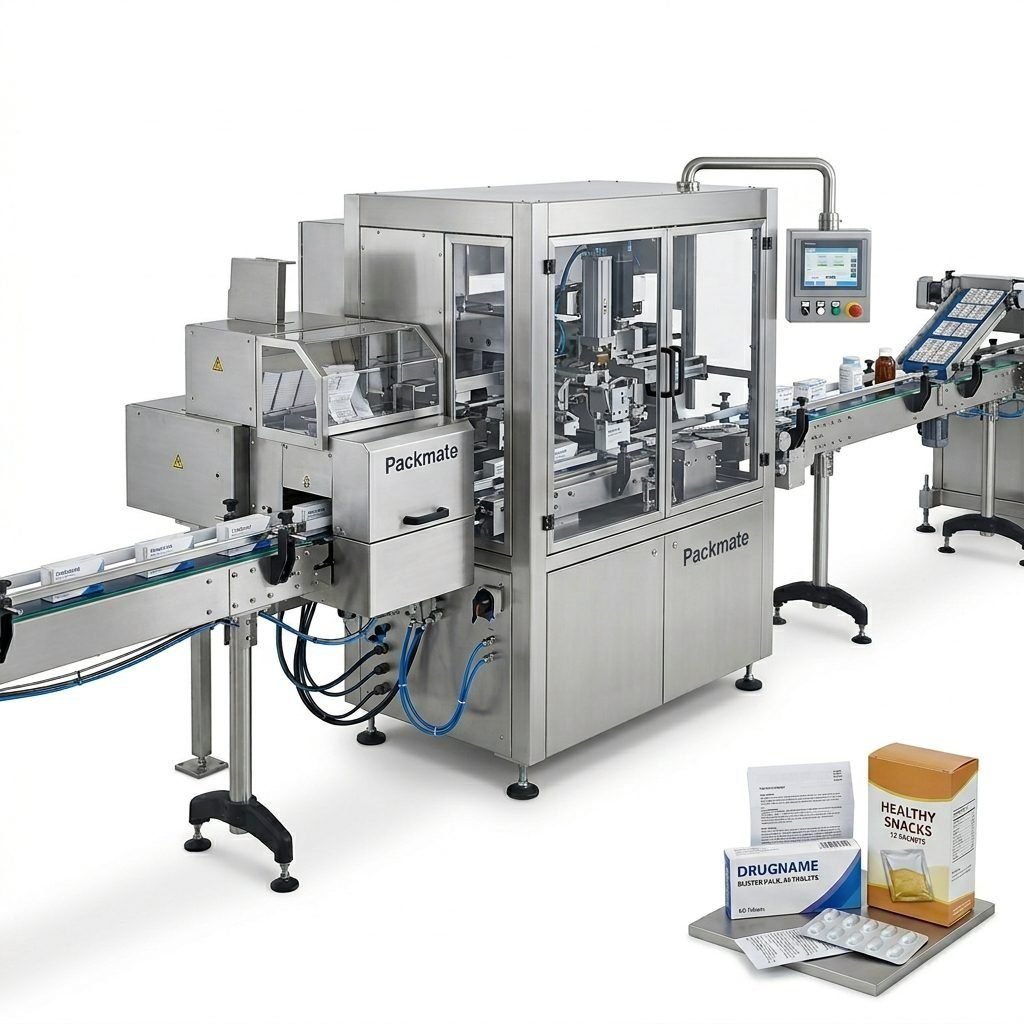
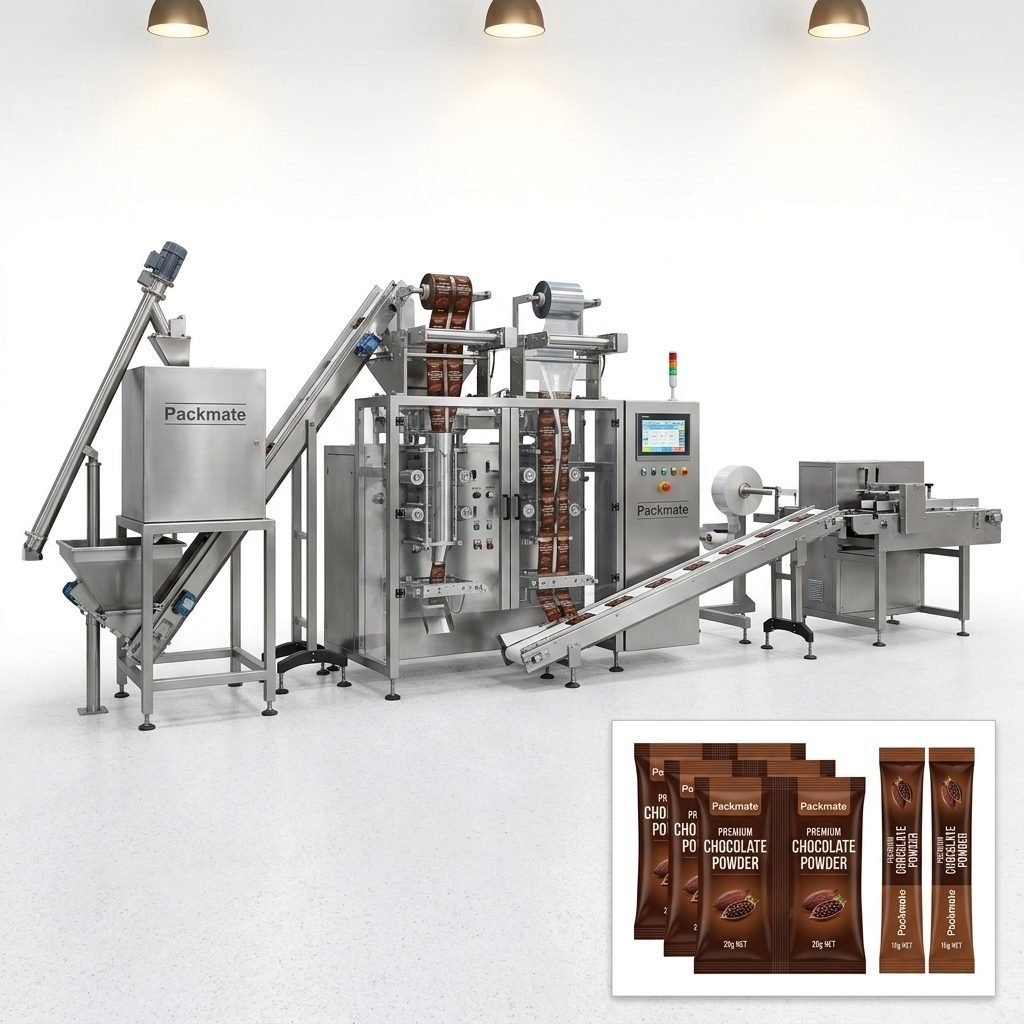
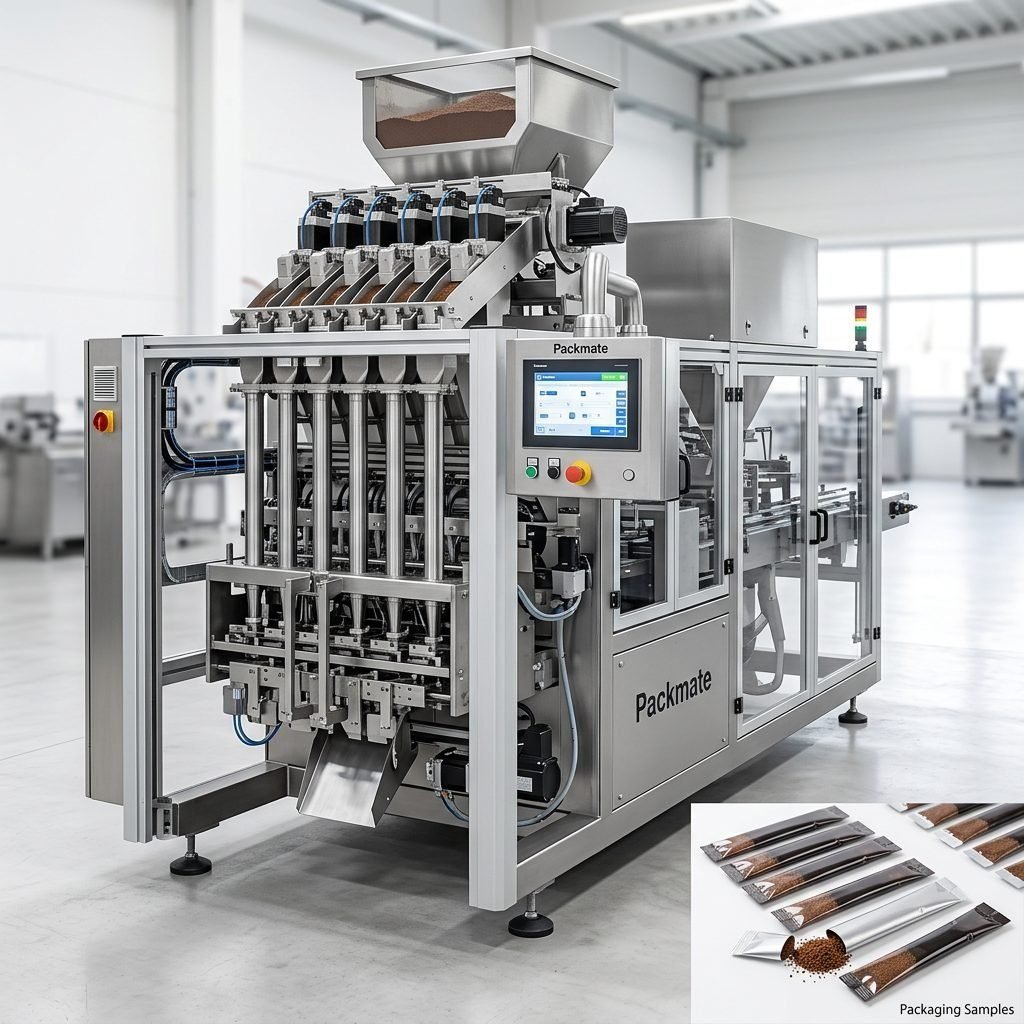
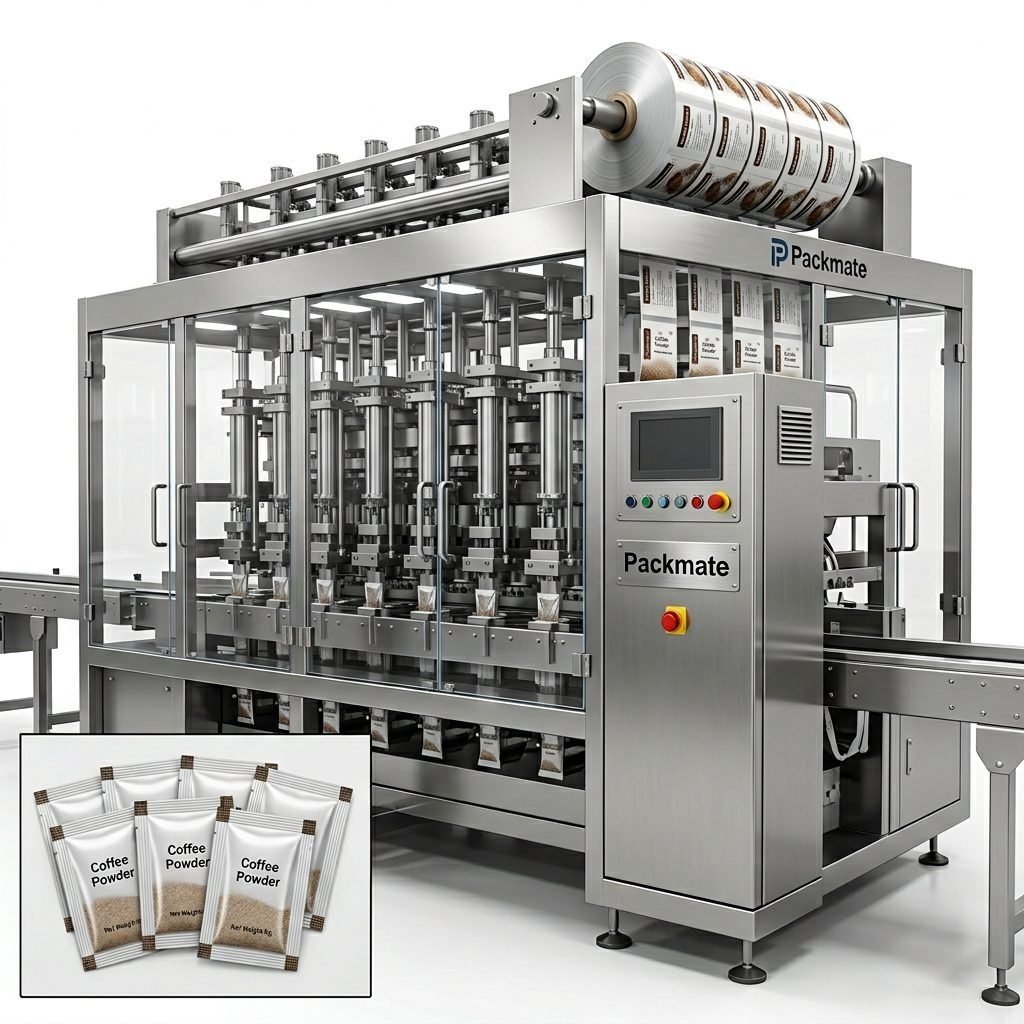
Leading manufacturers like Packmate Machinery specialize in providing such integrated filling & packaging lines, ensuring all components work in perfect harmony.
Main Types of Plastic Container Packaging Machines
The choice of machine depends heavily on your product’s physical form and container type. Here’s a breakdown of the primary categories.
1. Liquid Filling Machines
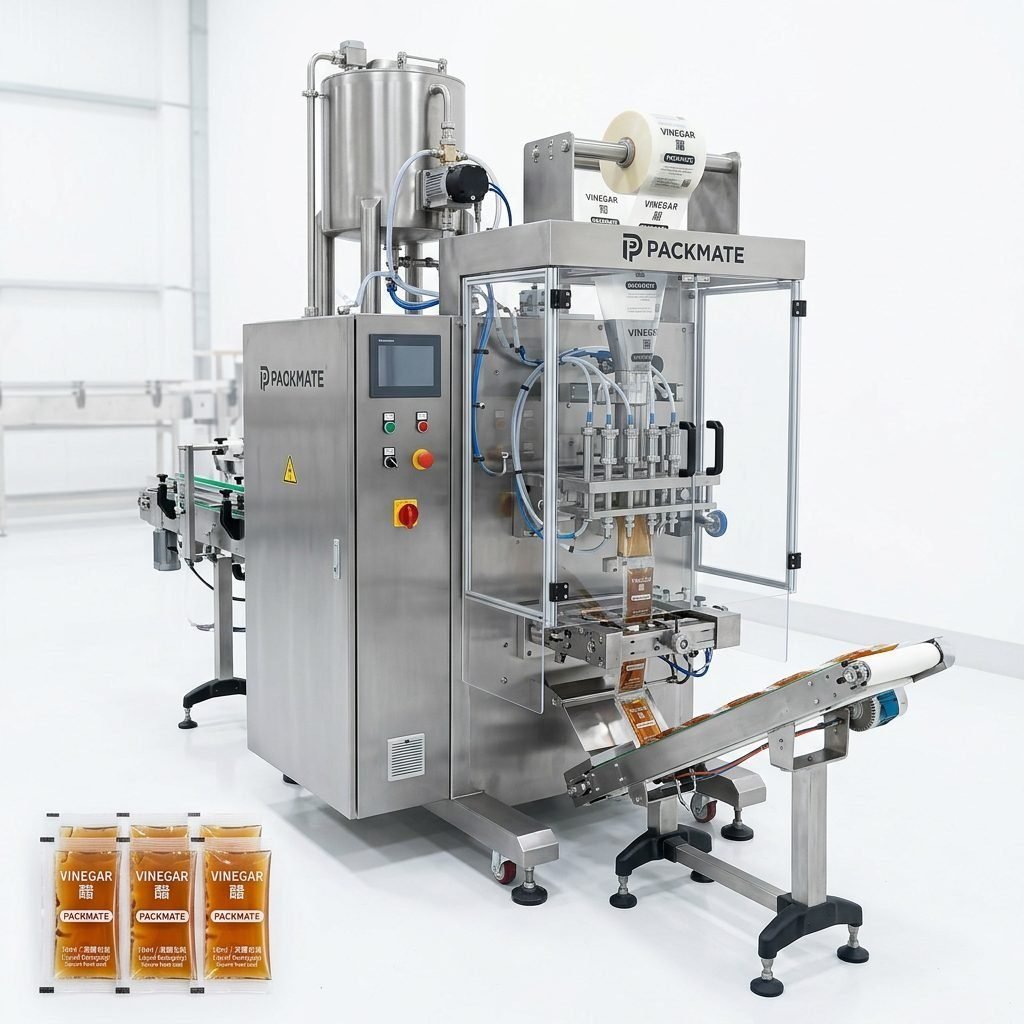
Designed for water-based, viscous, or foamy liquids like beverages, sauces, oils, and chemicals. Common technologies include:
- Gravity Fillers: Simple and cost-effective for free-flowing liquids.
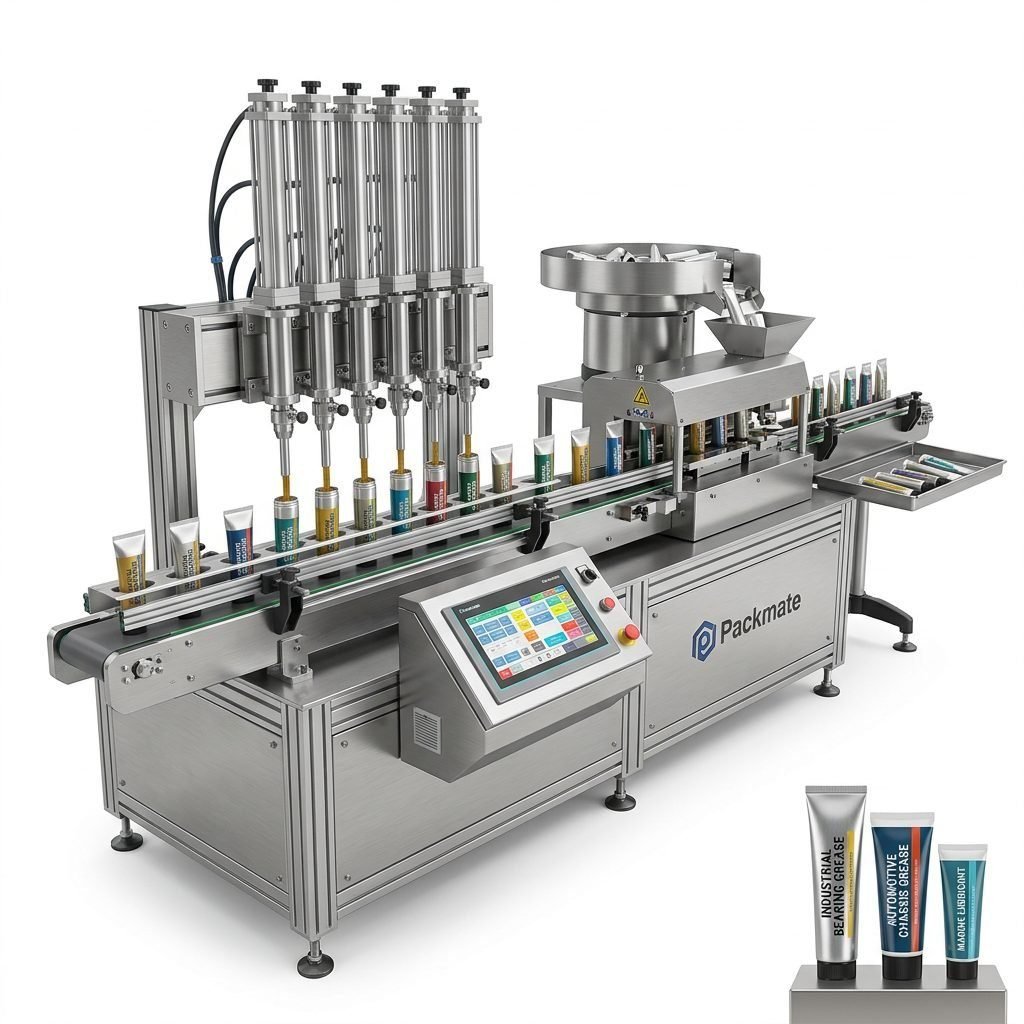
- Piston Fillers: Highly accurate for viscous products like pastes, sauces, and creams.
- Pump Fillers: Versatile for a wide range of liquid viscosities.
- Volumetric Cup Fillers: Suitable for oils and certain chemicals.
2. Powder & Granule Filling Machines
Used for products like spices, protein powder, instant coffee, and pharmaceuticals. Accuracy is paramount to prevent underfills or costly overfills.
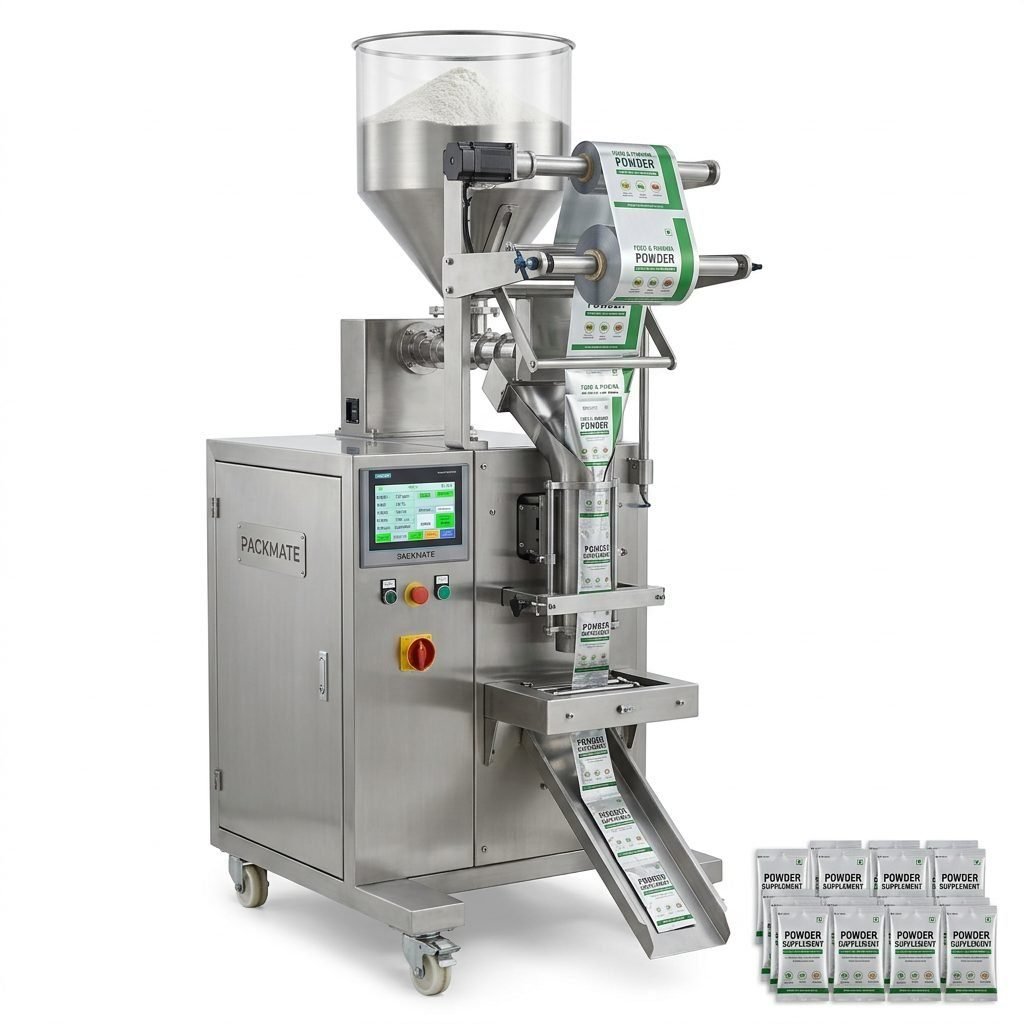
- Auger Fillers: The most common type, using a rotating screw to dispense a precise volume. Ideal for fine powders to small granules.
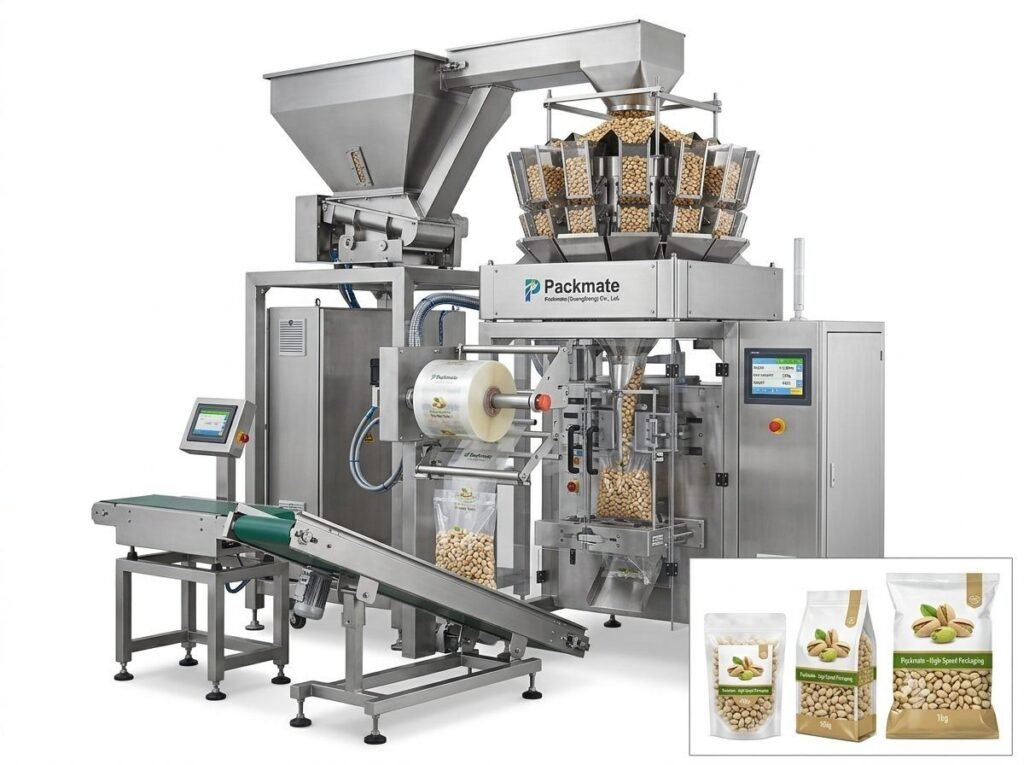
- Weighing Fillers: Utilize precision scales (net or gross weight) for ultimate accuracy, often used for high-value products.
- Volumetric Fillers: Use cups or chambers for consistent volume filling of uniform granules.
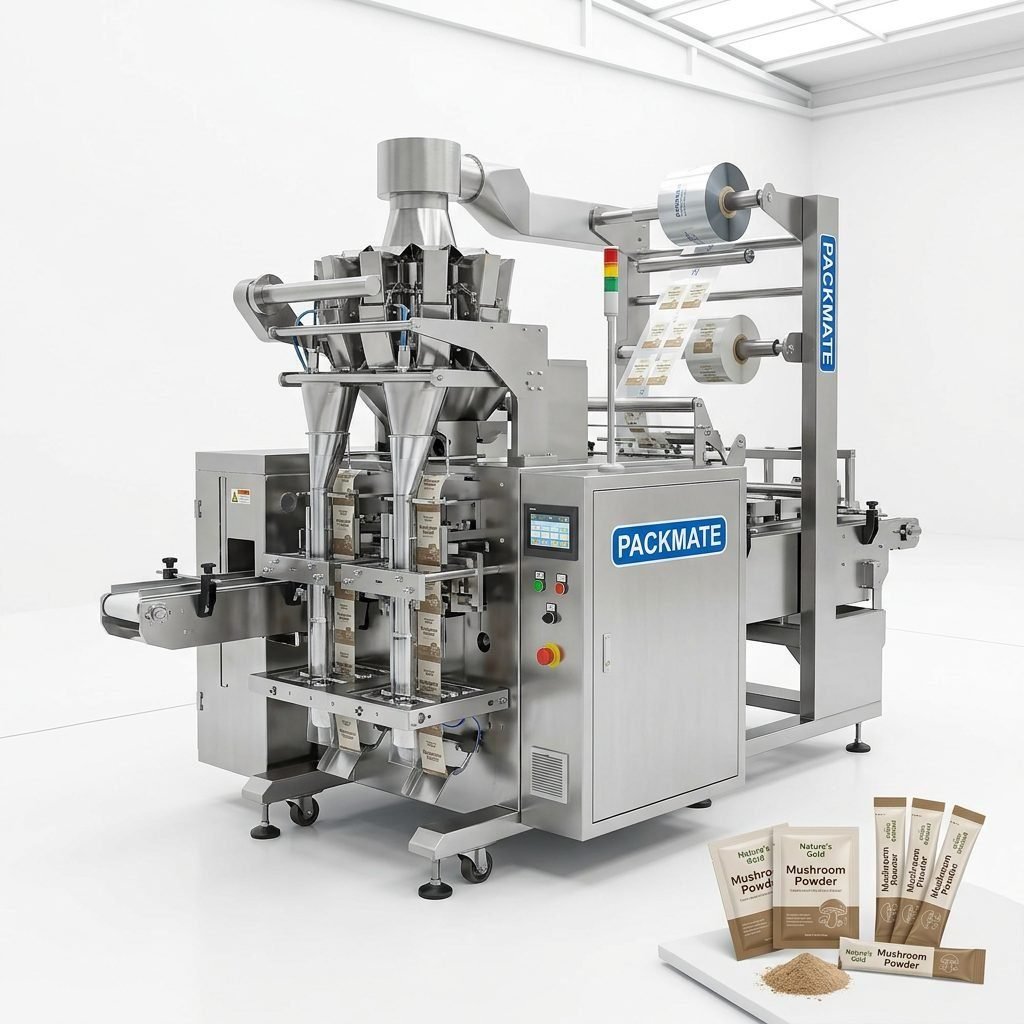
For businesses packaging dry goods in flexible formats, exploring sachet & stick pack machines might also be relevant for portion-control applications.
3. Capping and Sealing Machines
This is a crucial step for product integrity and tamper evidence.
- Screw Cappers: Apply and torque screw-on caps (plastic or metal).
- Snap Cappers: Press fit snap-on lids onto containers.
- Induction Sealers: Create a hermetic, tamper-evident foil seal under a plastic cap, essential for pharmaceuticals and food safety.
4. Auxiliary and Support Equipment
To build a complete line, consider auxiliary packaging equipment like labelers, coders, and case packers. These machines enhance functionality, traceability, and readiness for distribution.
Essential Buying Tips for Your Investment
Purchasing a packaging machine is a significant capital expenditure. Follow these steps to ensure you select the right partner and equipment.
1. Define Your Requirements Precisely
Start with a clear specification sheet. Key parameters include:
- Product Characteristics: Viscosity, density, flowability, abrasiveness, sensitivity (to heat, air, light).
- Container Details: Material (PET, HDPE, etc.), shape, size range, opening size.
- Production Speed: Required output in containers per minute (CPM) or per hour.
- Accuracy Tolerance: Acceptable fill weight/volume variation.
- Factory Environment: Space constraints, required utilities (air, power), and hygiene standards (e.g., washdown needs).
2. Prioritize Machine Flexibility and Changeover
If you run multiple products or container sizes, quick changeover is vital for minimizing downtime. Look for machines with tool-less adjustments, digital recall of settings for different SKUs, and easy-to-clean designs. Flexibility future-proofs your investment.
3. Evaluate Build Quality and Technology
Inspect the construction. Machines with frames made from stainless steel (especially food-grade 304 or 316 for food/pharma) offer durability and corrosion resistance. Examine the quality of key components like motors, drives, sensors, and seals. Modern machines with PLC controls and HMI touchscreens offer better precision, diagnostics, and ease of use.
4. Assess the Manufacturer’s Expertise and Support
The machine is only as good as the company behind it. Choose a manufacturer with a proven track record. For instance, Packmate Machinery brings over 30 years of expertise in building intelligent packaging solutions, with a modern 20,000㎡ facility. Key factors to consider:
Industry Experience: Do they have specific experience with your product type (food, pharma, chemical)?
Testing Capability: Can they run trials with your actual product and containers before purchase?
After-Sales Service: What is the warranty period? How responsive is their technical support? Is local spare parts inventory available?
Training: Do they provide comprehensive operational and maintenance training for your staff?
5. Consider Total Cost of Ownership (TCO)
Look beyond the initial purchase price. Calculate the TCO by factoring in:
- Energy and Compressed Air Consumption: Efficient machines lower operational costs.
- Material Waste: High-accuracy fillers reduce product giveaway.
- Maintenance Costs: Robustly built machines with accessible parts have lower long-term maintenance costs.
- Uptime/Downtime: A reliable machine from a reputable supplier minimizes costly production stoppages.
Conclusion
Investing in a plastic container packaging machine requires careful analysis of your product needs, production goals, and the long-term partnership with the equipment supplier. By understanding the different machine types—from liquid fillers and auger systems to cappers and complete integrated lines—and rigorously applying the buying tips outlined, you can select a system that boosts your efficiency, ensures consistent quality, and scales with your business growth. Partnering with an experienced manufacturer with a strong support network is the final, critical step to securing a return on your investment for years to come.
Frequently Asked Questions (FAQs)
1. What is the main difference between a semi-automatic and a fully automatic packaging machine?
Semi-automatic machines require manual placement of containers onto the filling station or conveyor. They are operated by a foot pedal or button for each cycle. They are suitable for low to medium production volumes, pilot runs, or products with very high value where manual oversight is preferred. Fully automatic machines are integrated systems that automatically handle container feeding, filling, capping, and labeling with minimal human intervention, designed for high-speed, high-volume production lines.
2. How do I determine the required speed (CPM) for my machine?
Calculate your required output based on your daily/weekly production targets. For example, if you need 20,000 bottles per 8-hour shift, that’s 2,500 bottles per hour, or approximately 42 bottles per minute (CPM). Always add a 10-20% buffer to your target CPM when specifying machine speed to account for potential future growth and minor inefficiencies.
3. Can one machine handle different container shapes and sizes?
Yes, but with limitations. Most machines are designed to handle a range of sizes (e.g., bottle heights from 50mm to 200mm). Switching between vastly different sizes or shapes typically requires a changeover, which involves replacing parts like container guides, filling nozzles, and capping heads. The ease and speed of this changeover is a key feature to evaluate if you have multiple SKUs.
4. What hygiene considerations are important for food or pharmaceutical packaging?
For food and pharma, machines should have a hygienic design: constructed with food-grade stainless steel (304 or 316), with smooth, crevice-free surfaces that are easy to clean and disinfect. Features like CIP (Clean-in-Place) systems, protective covers, and compatibility with washdown procedures are critical. Always verify that the machine supplier has relevant experience and can meet industry-specific standards.
5. What kind of after-sales support should I expect from the manufacturer?
Comprehensive support should include: a clear warranty (typically 12-24 months), availability of detailed operation and maintenance manuals, on-site or remote installation and commissioning, thorough operator training, access to technical support via phone/email, and a reliable supply chain for genuine spare parts. Reputable manufacturers often have a dedicated service team and global service partners.