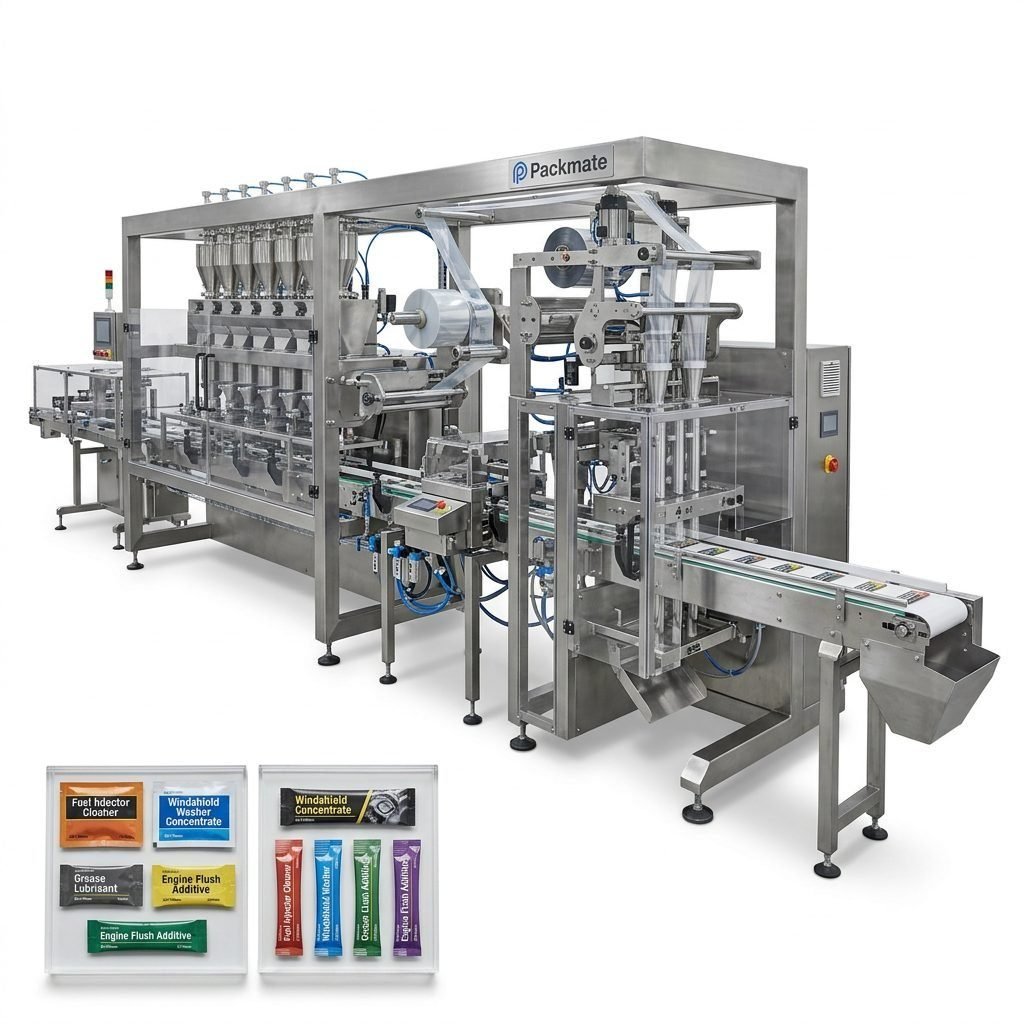
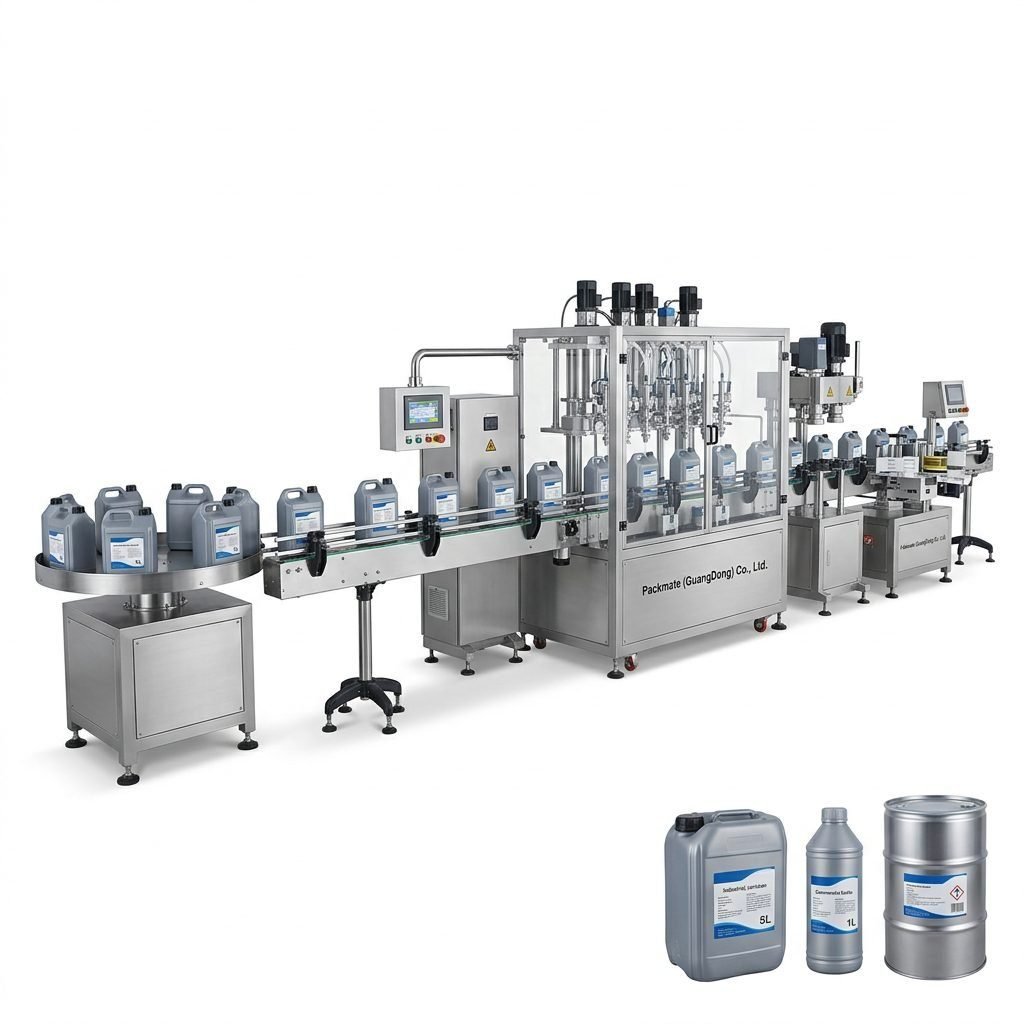
In the fast-paced world of manufacturing, efficiency and product protection are paramount. A wrap around case packing machine stands as a critical component in the packaging line, automating the process of placing products into cases or cartons. This guide delves into the types, significant benefits, and key considerations for selecting the right machine for your operation, ensuring your products are securely packed and ready for distribution.
Understanding Wrap Around Case Packers
A wrap around case packing machine is a type of secondary packaging equipment. Unlike a traditional case erector and packer that uses pre-formed boxes, this machine forms a flat corrugated blank directly around a product or product group. It creates a custom-fit case in a continuous motion: the blank is fed, folded around the product, and then glued or sealed. This method is highly efficient and reduces material waste.
Core Working Principle
The process typically involves several synchronized stages. First, products are collated into the desired pattern (e.g., 2×3, 3×4) by an infeed conveyor. Simultaneously, a flat corrugated sheet is fed from a magazine. The product group is then pushed onto the waiting blank. Mechanical fingers and folding plates precisely wrap the blank’s flaps around the product. Finally, the case is sealed using hot melt adhesive, tape, or a combination, resulting in a robust, ready-to-ship package.
Primary Types of Wrap Around Case Packing Machines
Choosing the right type depends on your product characteristics, speed requirements, and floor space. The main configurations are distinguished by the direction of case formation relative to the product flow.
Horizontal Wrap Around
This is the most common design. The case is formed horizontally, with the product moving in the same plane. It is ideal for bottles, cans, jars, and rigid containers that are stable and can be easily pushed. Horizontal machines are known for their high speed and reliability, making them a staple in beverage and food industries.
Vertical Wrap Around
In this configuration, the case is formed vertically. Products are typically lifted or lowered into the forming area. This type is excellent for bagged products (like snacks or frozen vegetables), pouches, or items that are not self-supporting. Vertical packing helps maintain the product’s shape and is often used where gentle handling is crucial.
Continuous Motion vs. Intermittent Motion
Beyond orientation, machines differ in their drive mechanics. Continuous motion machines operate without stopping, offering very high speeds and smoother product handling, perfect for high-volume lines. Intermittent motion machines stop briefly at each station (loading, folding, sealing). While slightly slower, they offer high precision and are often more adaptable to complex pack patterns or fragile products.
Tangible Benefits for Your Production Line
Investing in an automated wrap around case packer delivers a strong return on investment through multiple channels, impacting both operational costs and product quality.
Enhanced Efficiency & Labor Savings: Automating the case packing process drastically reduces manual labor, minimizing ergonomic risks and reallocating personnel to more value-added tasks. Speeds can reach dozens of cases per minute, far surpassing manual capabilities.
Superior Product Protection & Stability: The wrap-around method creates a tight, custom-fit case that minimizes internal movement during transit. This significantly reduces the risk of damage, abrasion, and crushing, leading to fewer customer returns and enhanced brand reputation.
Material Savings & Sustainability: By forming cases from flat blanks, these machines use up to 15-20% less corrugated material compared to using pre-formed slotted containers (RSCs). This not only cuts material costs but also supports sustainability goals by reducing waste and optimizing shipping space (cube utilization).
Operational Flexibility: Modern machines from leading manufacturers like Packmate Machinery offer quick changeover capabilities. With adjustable forming heads and programmable logic controllers (PLCs), switching between different product sizes or case patterns can often be done in minutes, supporting low-to-medium volume, high-mix production.
How to Choose the Right Machine: A Strategic Guide
Selecting a wrap around case packer is a significant decision. A systematic evaluation of your specific needs will guide you to the optimal solution.
1. Analyze Your Product Profile
Start with a thorough analysis of what you’re packing. Consider the dimensions, weight, shape, and fragility of your primary containers (bottles, pouches, etc.). The product’s stability will determine whether a horizontal or vertical machine is more suitable. Also, assess if your products have any special features, like loose lids or flexible bags, that require custom handling solutions.
2. Define Your Output Requirements
Calculate your required cases per minute (CPM) or packs per hour (PPH). Be sure to factor in future growth projections. This speed requirement will narrow down your choices between intermittent and continuous motion models. Remember, the machine’s speed must be synchronized with your upstream filler/capper and downstream palletizer for a seamless line.
3. Evaluate Packaging Materials
The type of corrugated board you use (e.g., B-flute, E-flute, kraft) and its coating can affect machine performance. Ensure the machine can handle your board’s caliper (thickness) and quality consistently. Also, decide on the sealing method: hot melt glue provides a strong, clean bond, while tape is a simpler, cooler option. Some machines offer both.
4. Consider Footprint and Integration
Measure your available floor space. Wrap around packers vary in length and width. Consider the entire line layout, including infeed conveyors and discharge. Choose a machine designed for easy integration with your existing filling and packaging lines to avoid costly modifications.
5. Prioritize Ease of Use and Support
A user-friendly human-machine interface (HMI) is crucial for operator efficiency and quick changeovers. Look for clear diagnostics and maintenance alerts. Perhaps most importantly, investigate the manufacturer’s reputation for service and support. Reliable technical support, available spare parts, and comprehensive training are essential for minimizing downtime. Companies with a long history, such as Packmate, which brings over 30 years of expertise in packaging machinery, often provide more dependable long-term partnerships.
Partnering with an Expert Manufacturer
The choice of manufacturer is as critical as the machine specifications. A partner like Packmate Machinery, with its 20,000㎡ modern facility and over 50 machine models of experience, offers more than just equipment. They provide turnkey solutions, from initial consultation and factory testing to installation and after-sales service. Their deep knowledge across industries—from food and pharmaceuticals to granular and liquid products—ensures they can address unique challenges and recommend the most robust auxiliary packaging equipment for a complete system.
Frequently Asked Questions (FAQs)
What is the main difference between a wrap around case packer and a traditional case erector?
The fundamental difference is the starting material. A traditional case erector uses pre-formed, slotted containers (RSCs) that are squared up, bottom-sealed, then loaded. A wrap around machine uses a flat corrugated blank and forms the complete case directly around the product, offering material savings and a tighter pack.
Can wrap around machines handle multiple product sizes?
Yes, most modern machines are designed for flexibility. Through quick-change tooling kits and programmable settings on the HMI, operators can switch between different product and case sizes. The changeover time can range from a few minutes to under 30 minutes, depending on the complexity.
How does a wrap around packer contribute to sustainability?
It contributes in two key ways: material reduction (using less corrugated board) and improved cube efficiency. The tight pack reduces the overall case size and wasted air space, allowing more cases to fit on a pallet and in a shipping container, reducing transportation emissions.
What kind of maintenance do these machines require?
Regular preventive maintenance is vital. This typically includes daily cleaning, checking and lubricating moving parts, inspecting seals and glue nozzles, and ensuring sensors are clean and aligned. A good manufacturer will provide a detailed maintenance schedule and training for your team.
Are these machines suitable for fragile or irregularly shaped products?
Absolutely. With custom-designed infeed systems, gentle handling belts, and precise vertical wrapping motions, these machines can be expertly configured to pack delicate items like glassware, bags of chips, or irregularly shaped cosmetic containers without damage. Discussing your specific product with the manufacturer is key to designing the right solution.