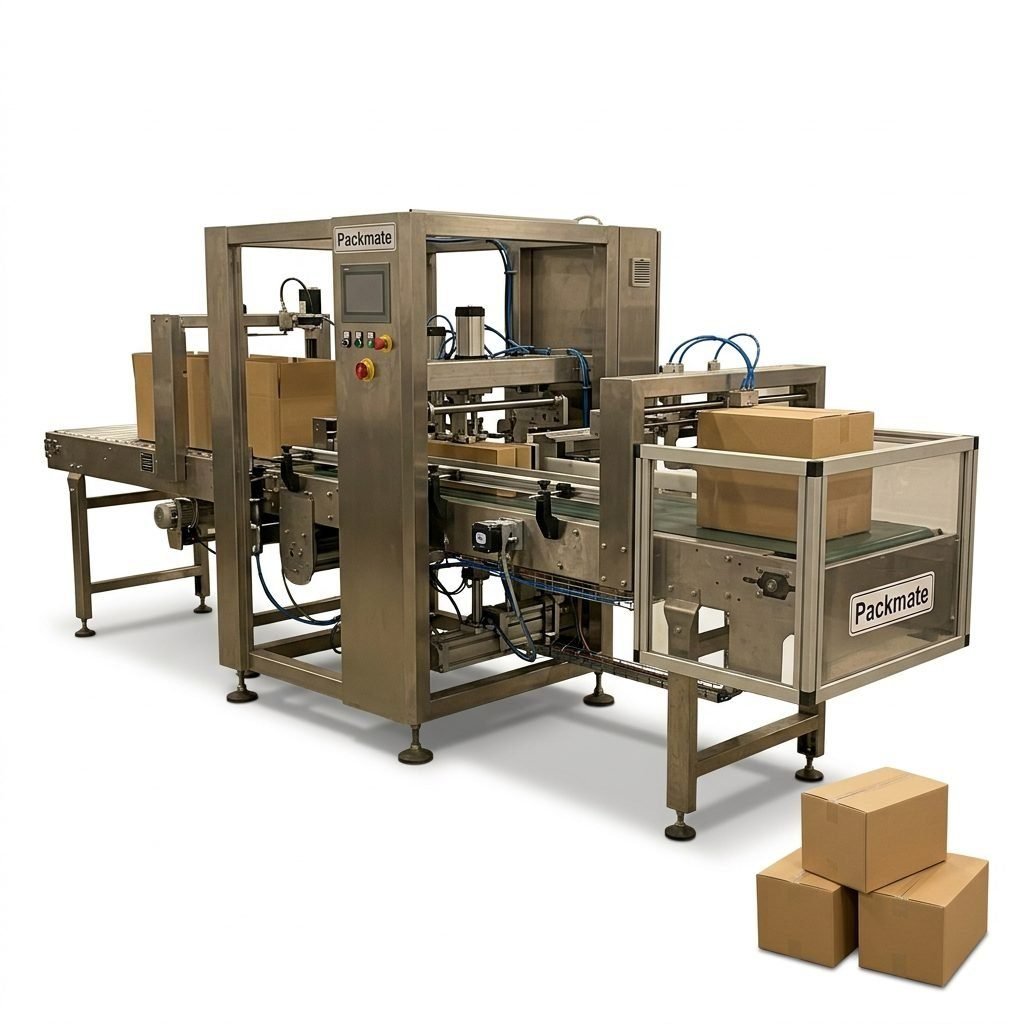
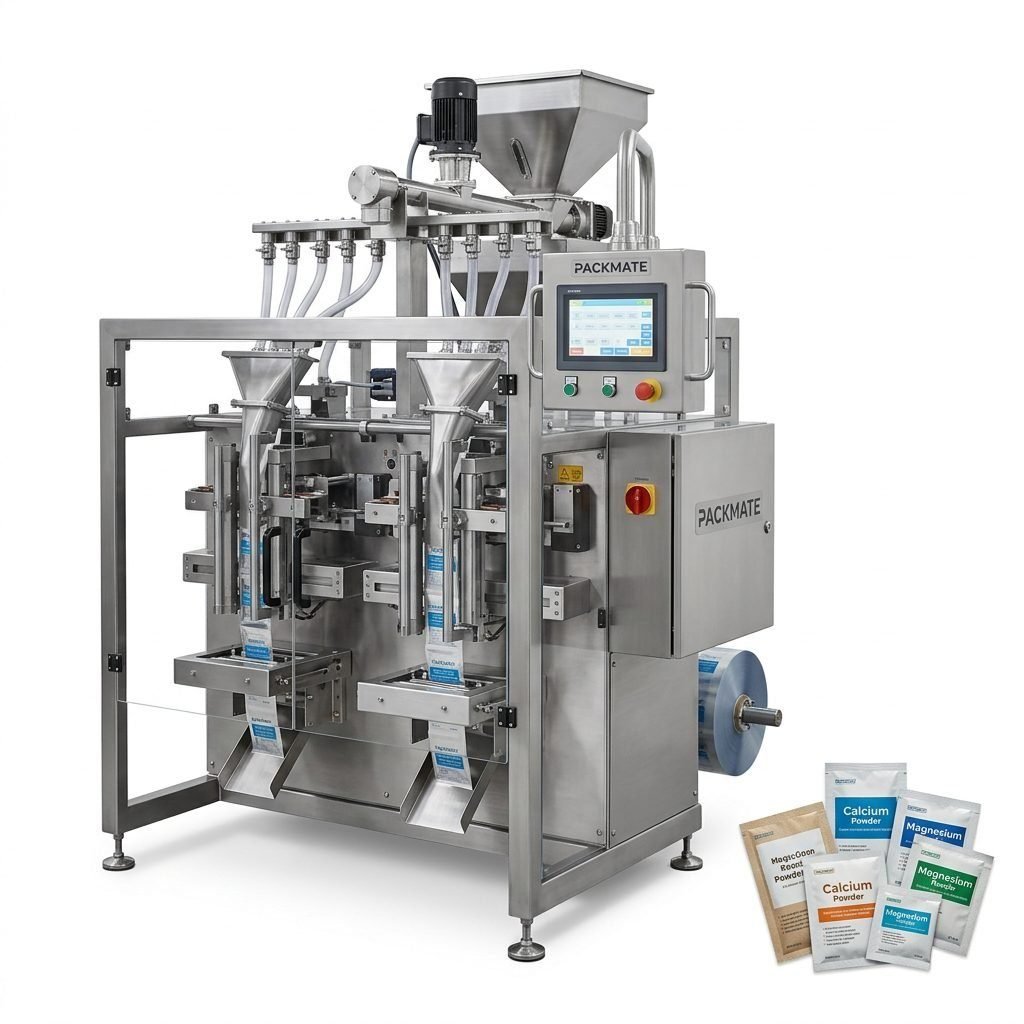
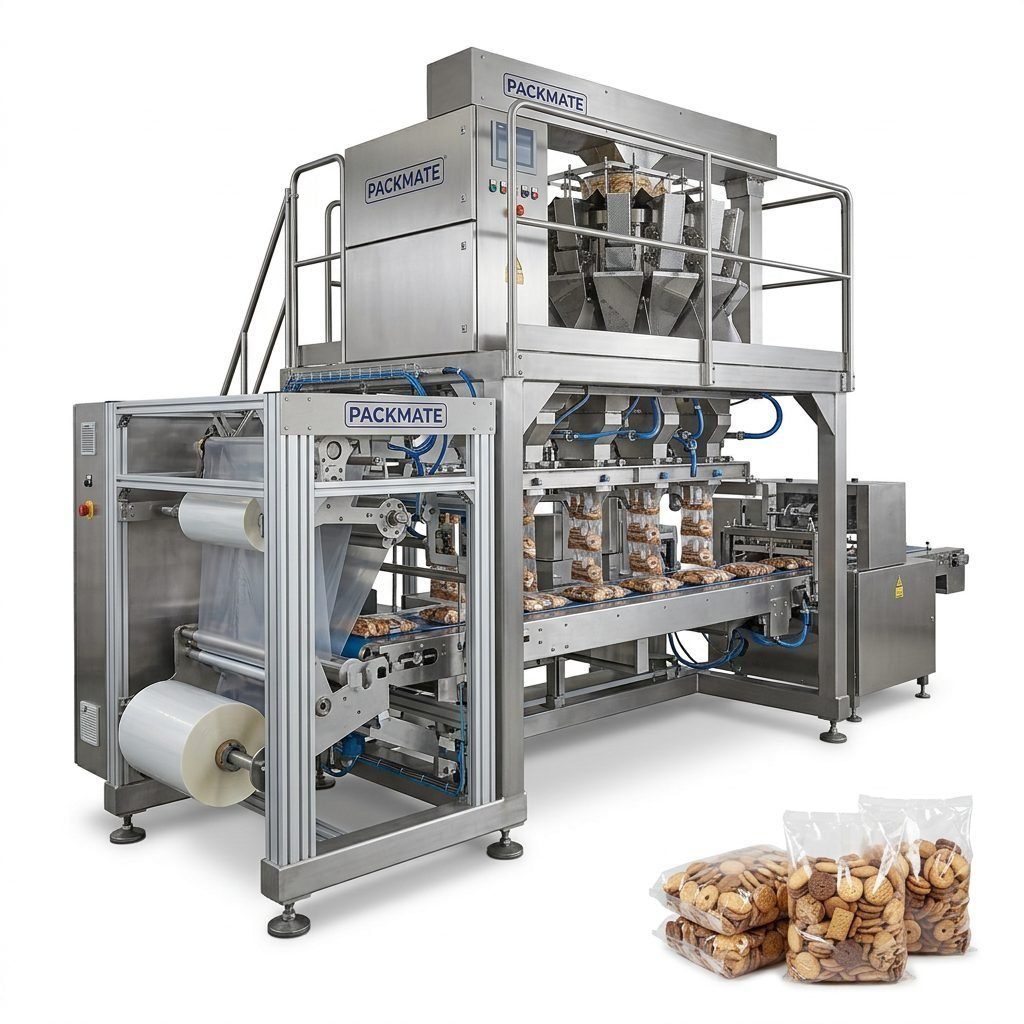
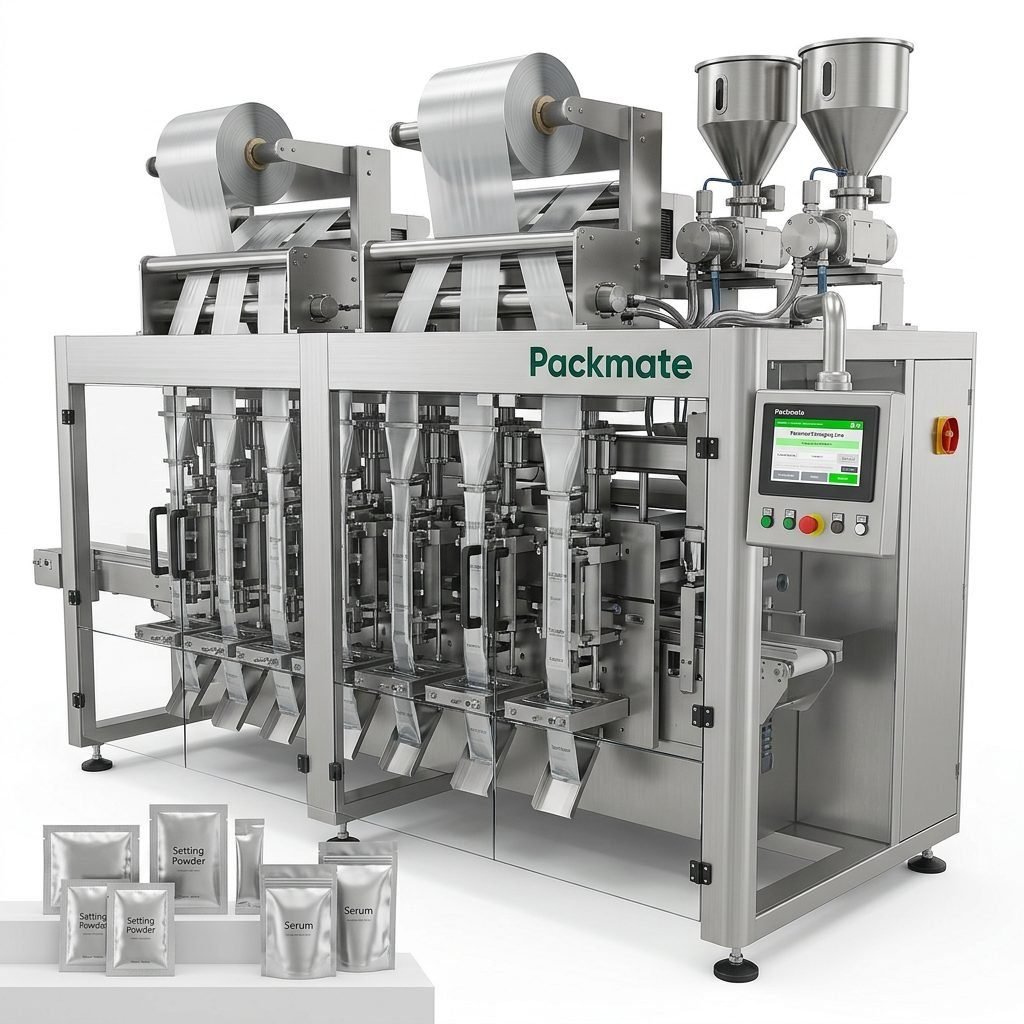
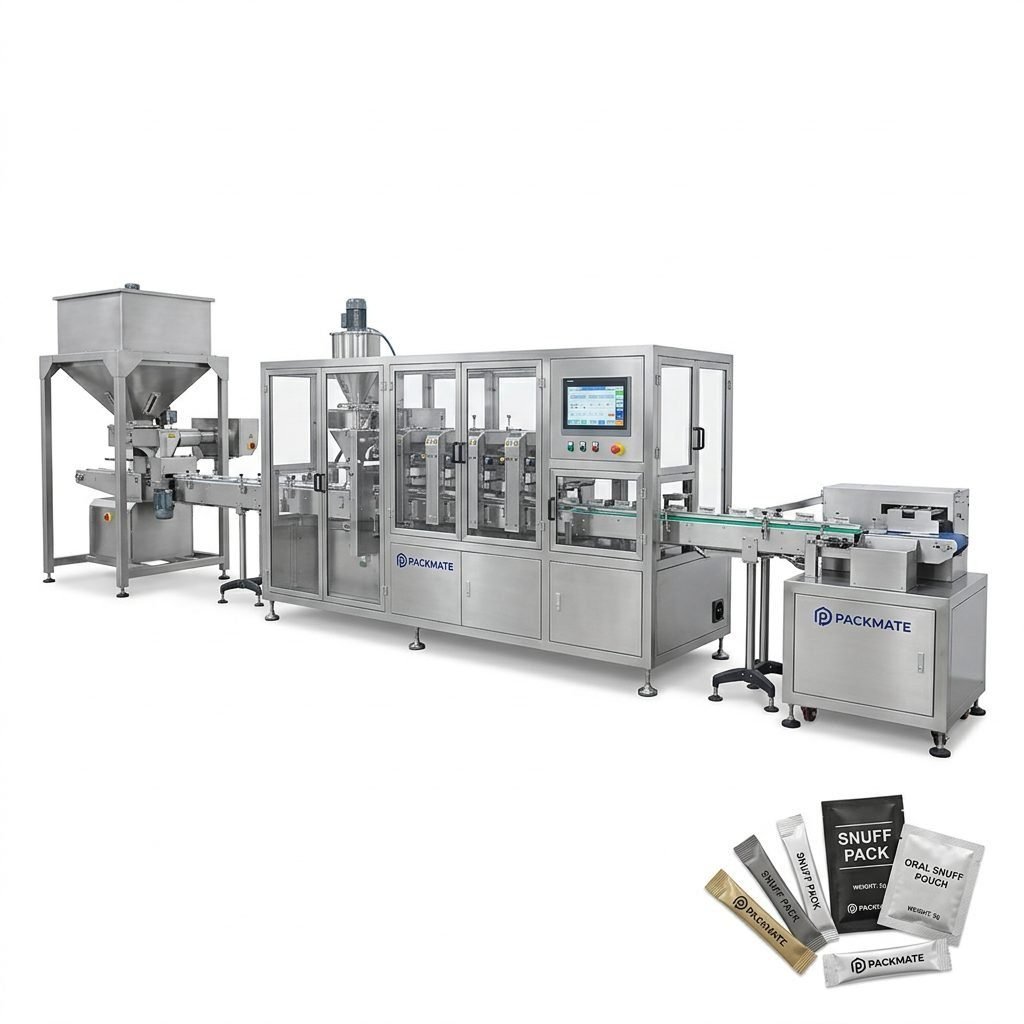
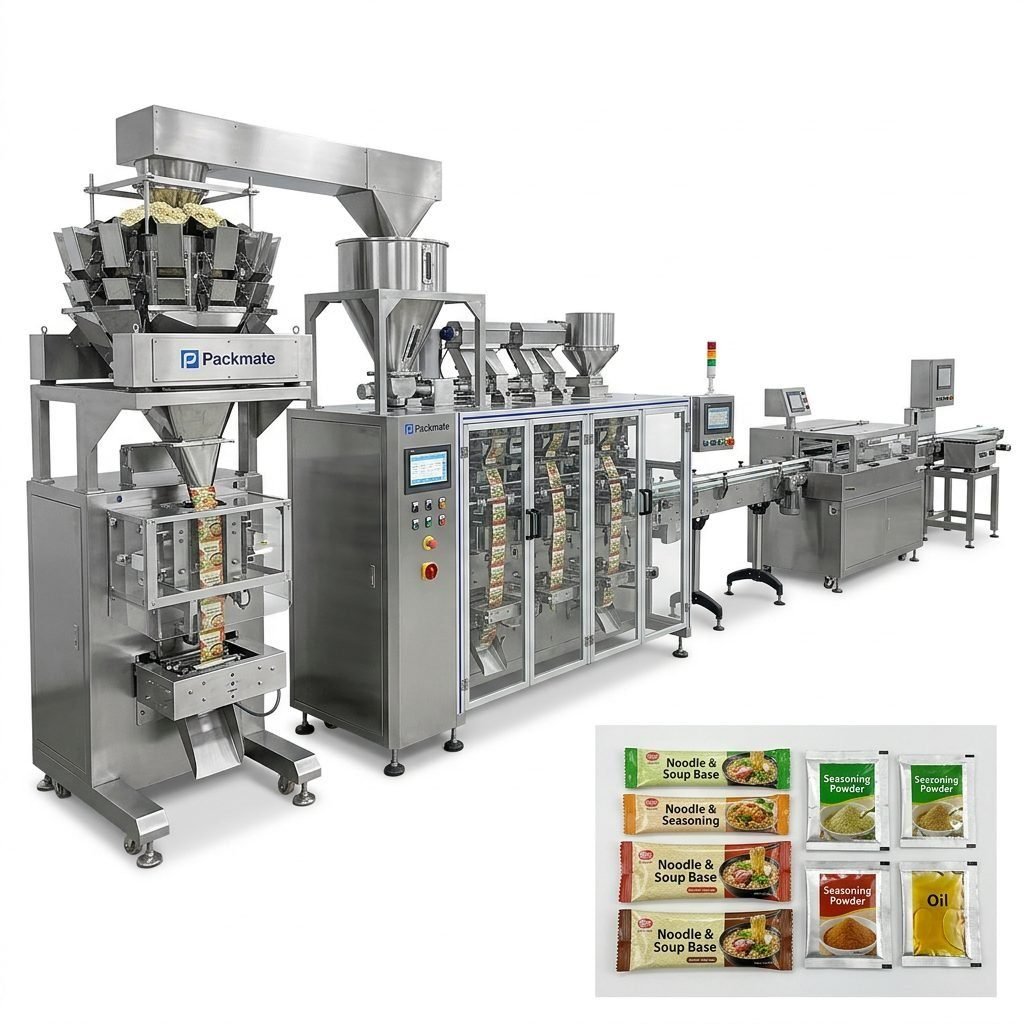
In today’s fast-paced manufacturing landscape, efficiency is not just a goal—it’s a necessity for survival and growth. Commercial packaging machinery stands at the heart of this pursuit, transforming raw materials into market-ready products with speed, precision, and reliability. For businesses handling granules, powders, and liquids, investing in the right packaging solutions is a critical step toward optimizing production lines, reducing waste, and meeting ever-increasing consumer demands.
The Role of Advanced Packaging Machinery in Modern Production
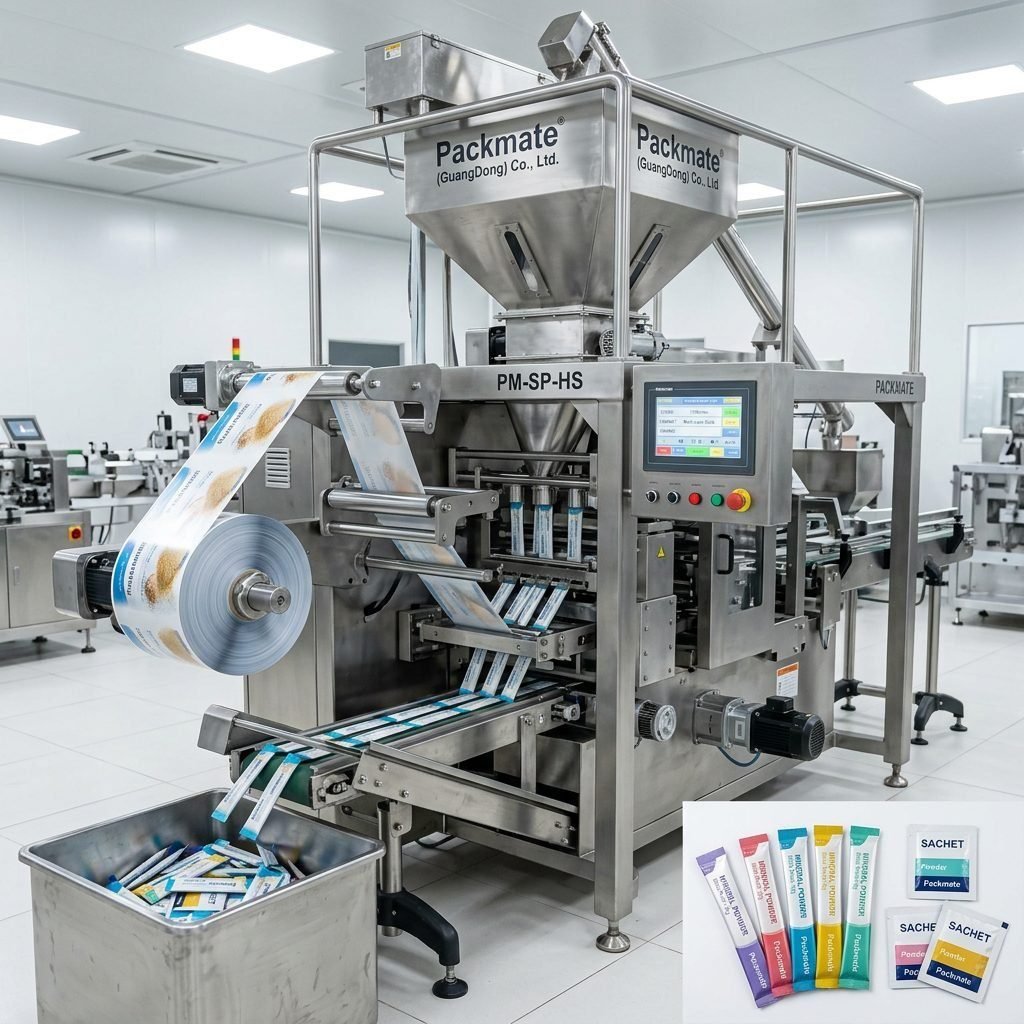
The evolution from manual packing to automated systems represents one of the most significant leaps in industrial productivity. Modern commercial packaging machinery does more than just seal products; it integrates weighing, filling, sealing, and coding into seamless, high-speed operations. This automation minimizes human error, ensures consistent package quality, and dramatically increases output rates. For industries like food, pharmaceuticals, and health products—where hygiene and accuracy are paramount—these machines provide the controlled environment necessary to maintain stringent quality standards.
Key Takeaway: The transition to automated packaging isn’t merely about replacing labor; it’s about enhancing precision, scalability, and compliance in production processes that directly impact product safety and brand reputation.
Core Components of Efficient Packaging Solutions
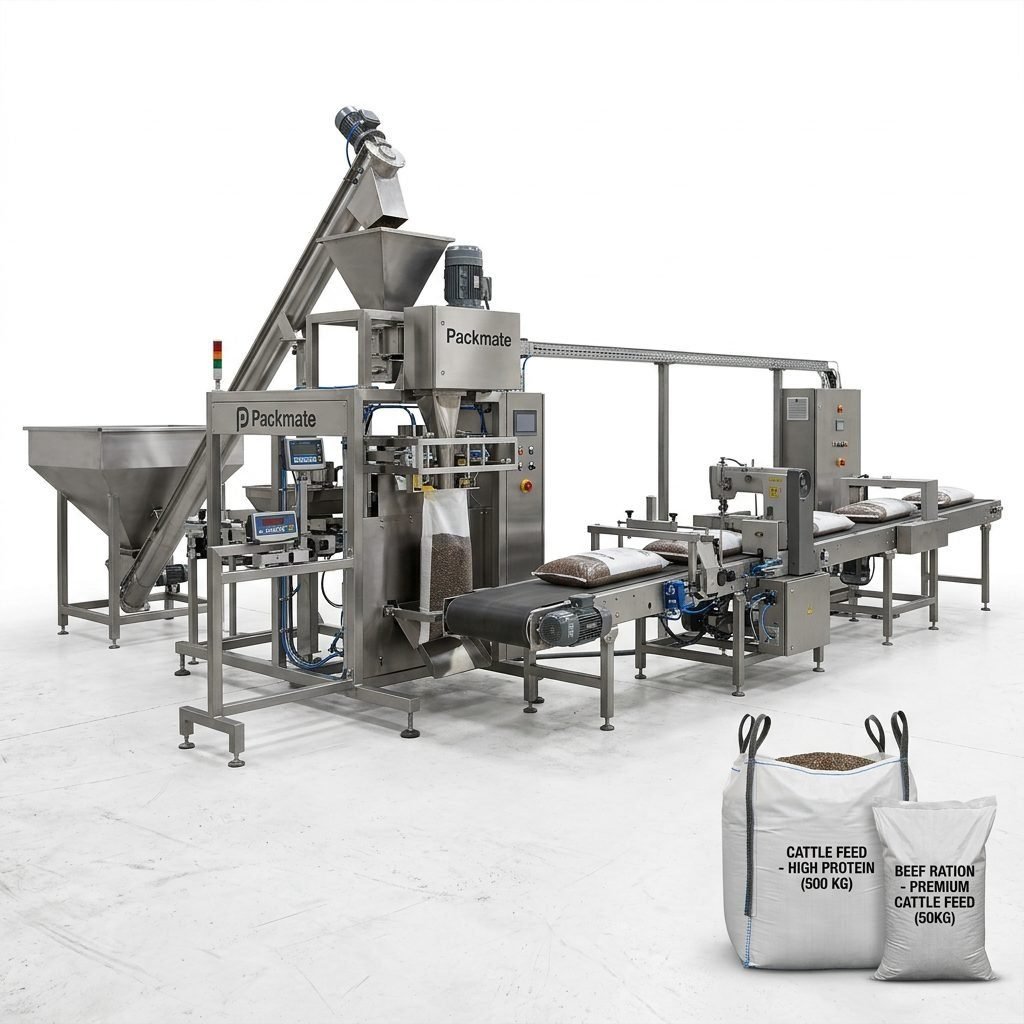
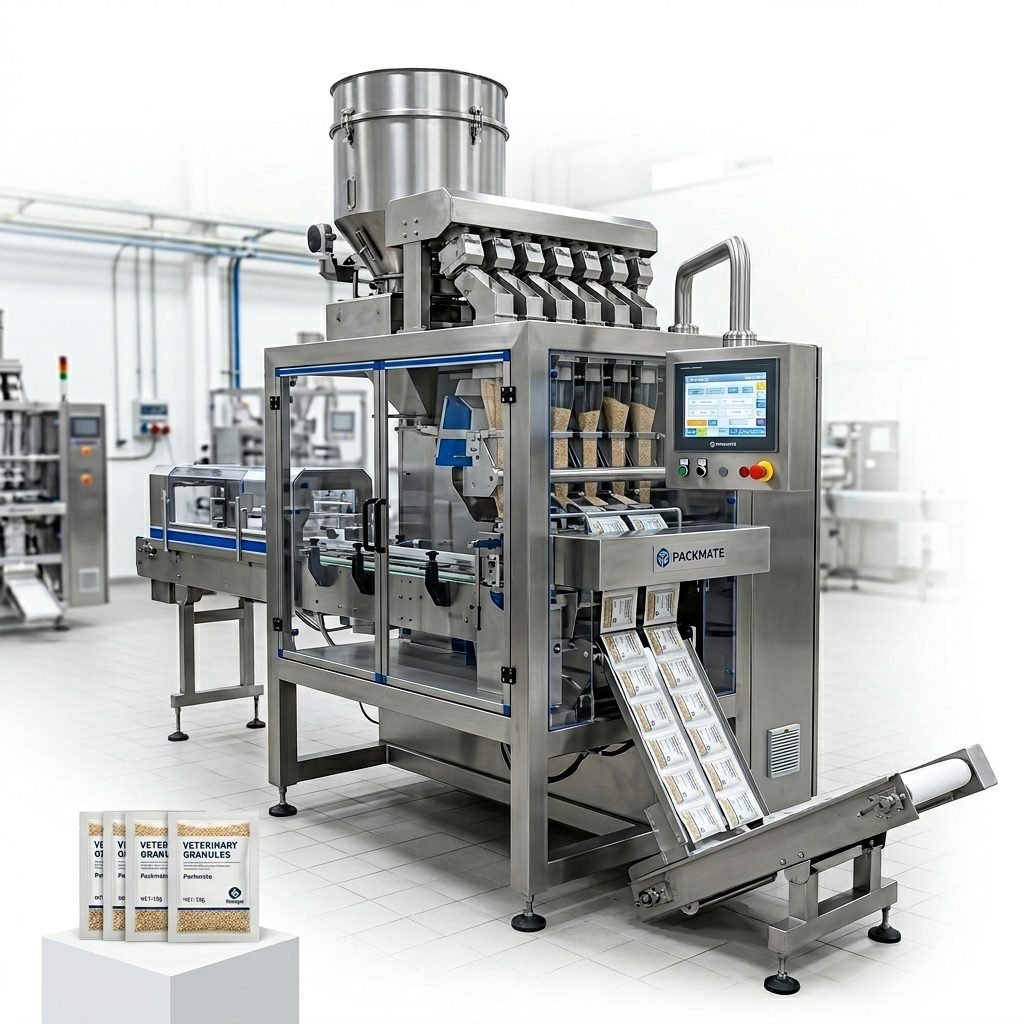
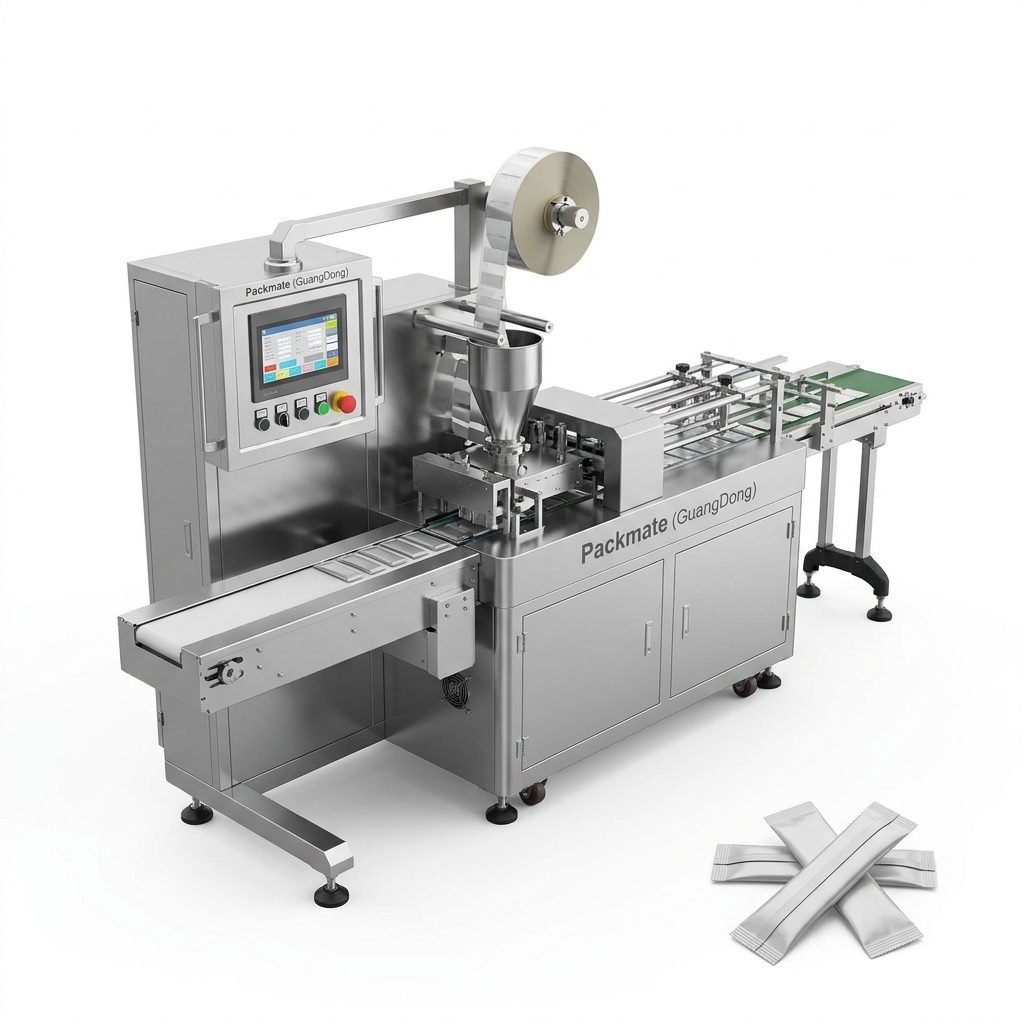
An effective packaging line comprises several integrated systems, each performing a specialized function. Weighing systems ensure exact portion control, crucial for cost management and regulatory compliance. Filling mechanisms, whether volumetric, auger, or liquid pumps, deliver consistent product amounts into pouches, sachets, or stick packs. The sealing unit then creates airtight, tamper-evident closures that protect product integrity. Finally, coding and marking systems apply batch numbers, expiry dates, and branding, completing the package ready for distribution.
When these components are designed to work in harmony, the result is a turnkey packaging solution that can be easily operated, maintained, and scaled. Leading manufacturers like Packmate Machinery develop such integrated lines, drawing on decades of engineering expertise to ensure each machine complements the others, minimizing bottlenecks and maximizing throughput.
Selecting Machinery for Specific Product Types
Not all products are created equal, and neither are their packaging needs. Granular items like coffee, sugar, or seeds require gentle handling and precise weight measurement. Powdered products, such as milk powder, spices, or pharmaceuticals, demand dust-free filling and excellent sealing to prevent clumping or contamination. Liquids, from sauces to shampoos, need leak-proof pouches or stick packs with high sanitation standards.
Matching Machine to Material
For granules and powders, auger fillers with anti-bridging technology are ideal. For liquids and pastes, piston or pump fillers with nozzle drip prevention are essential. The packaging format—whether it’s a stand-up pouch, a flat sachet, or a sleek stick pack—also dictates the machine type. Exploring a manufacturer’s full range, such as their sachet and stick pack machines, is crucial to finding the perfect fit.
Driving Factors for Investment in Packaging Automation
Several compelling reasons push businesses toward automated packaging machinery. First is the relentless pressure to reduce operational costs. Automated lines lower labor expenses per unit, decrease material waste through precise dosing, and reduce energy consumption via optimized machine cycles. Second is the need for speed and scalability. As market opportunities arise, production must ramp up quickly without compromising quality—a feat only achievable with reliable, high-speed equipment.
Third, and increasingly important, is traceability and compliance. Modern machinery often includes software for tracking production data, essential for adhering to food safety standards (like HACCP, GMP) or pharmaceutical regulations. This data-driven approach not only satisfies auditors but also provides valuable insights for continuous process improvement.
The Packmate Example: A Legacy of Innovation
The journey of Packmate Machinery illustrates how deep industry expertise translates into effective solutions. Founded on a vision to enhance automation and productivity, the company has grown from a small workshop to operating a 20,000㎡ modern manufacturing facility. With over 30 years of focused development, they have created a portfolio of more than 50 machine models. This evolution, from simple sachet machines to complex multi-lane stick pack lines and complete filling and packaging lines, mirrors the industry’s own advancement toward integrated, intelligent systems.
Their story underscores a critical point: the best packaging machinery providers are not just equipment sellers. They are partners who understand the entire production lifecycle, offering solutions that grow with your business and adapt to new market challenges.
Future Trends in Packaging Machinery
The future of commercial packaging is intelligent and connected. Industry 4.0 principles are bringing the Internet of Things (IoT) to the factory floor. Machines equipped with sensors can now predict maintenance needs, preventing costly unplanned downtime. They can self-adjust to minor variations in packaging material or product viscosity, ensuring consistent output. Furthermore, data analytics from these connected lines can optimize overall equipment effectiveness (OEE), providing a clear roadmap for boosting productivity.
Sustainability as a Design Imperative
Another dominant trend is sustainability. Next-generation machinery is being designed to handle biodegradable or recyclable films efficiently. Features like reduced energy consumption, minimal film waste through advanced cutting systems, and the ability to run thinner, lighter materials are becoming standard selling points. Choosing a machinery partner committed to innovation in this area is an investment in both operational efficiency and environmental responsibility.
Ultimately, selecting commercial packaging machinery is a strategic decision. It requires balancing current needs with future growth, evaluating not just the machine’s price but its total cost of ownership, and partnering with a provider whose reliability and support are as robust as their equipment. The right solution becomes the silent, efficient engine of your production, delivering packages that protect your product and represent your brand perfectly, one after another.
Frequently Asked Questions (FAQs)
1. What are the main benefits of switching from manual to automated packaging?
Automated packaging delivers significantly higher speed and output consistency, drastically reduces labor costs and human error, ensures precise dosing for less material waste, and improves hygiene and traceability for compliance with industry regulations.
2. How do I choose between a sachet, stick pack, or pouch packaging machine?
The choice depends on your product form, target market, and brand image. Sachets are cost-effective for single-use powders or liquids. Stick packs offer a sleek, portable format for on-the-go consumers. Pouches provide greater volume and stand-out shelf presence. Reviewing real-world application cases from your machinery provider can offer valuable insights.
3. What should I look for in a packaging machinery supplier?
Prioritize suppliers with proven industry experience, a strong portfolio of reliable machines, and comprehensive after-sales service. Evaluate their manufacturing quality, availability of spare parts, training programs, and their ability to provide a complete, integrated solution rather than just isolated machines.
4. Can one packaging line handle multiple different products or package sizes?
Many modern machines offer quick-changeover features for different pouch sizes or products. However, the feasibility depends on the machine’s design. For frequent changeovers, look for models with tool-less adjustments and digital parameter storage to minimize downtime between production runs.
5. How important is after-sales service and technical support?
Extremely important. Reliable technical support, readily available spare parts, and thorough operator training are critical for maximizing uptime and the longevity of your investment. A machine is only as good as the support behind it. Ensure your supplier has a robust service network, especially if you are operating internationally.