In the high-stakes world of financial services, the secure handling of sensitive documents is not just an operational requirement—it is a fundamental pillar of trust and regulatory compliance. From bank statements and loan agreements to confidential client reports and transaction records, every piece of paper represents data that must be protected from loss, damage, and unauthorized access. This is where specialized financial services packaging equipment becomes a critical investment, transforming document management from a vulnerable manual process into a streamlined, secure, and efficient automated system.
The Critical Need for Secure Document Handling
The financial sector operates under intense scrutiny. Regulations like GDPR, SOX, and various national data protection laws impose strict mandates on how client information is stored, processed, and disposed of. A single breach or instance of mishandling can lead to severe financial penalties, legal action, and irreparable damage to a firm’s reputation. Beyond compliance, there is a direct business imperative: operational efficiency. Manual folding, stuffing, sealing, and labeling of envelopes are time-consuming, prone to human error, and difficult to scale during peak periods like statement cycles or tax season. Specialized packaging solutions address these challenges head-on, ensuring that security and speed are not mutually exclusive goals.
Core Security Challenges in Financial Document Packaging:
Data Privacy Breaches: Incorrect recipient addressing or insecure packaging can lead to confidential information being sent to the wrong person.
Tampering and Fraud: Documents that are not properly sealed are vulnerable to interception and alteration.
Operational Inefficiency: Manual processes drain staff resources and create bottlenecks, delaying critical communications.
Lack of Audit Trail: Difficulty in tracking which documents were processed, when, and by which system for compliance reporting.
Components of a Financial Services Packaging Line
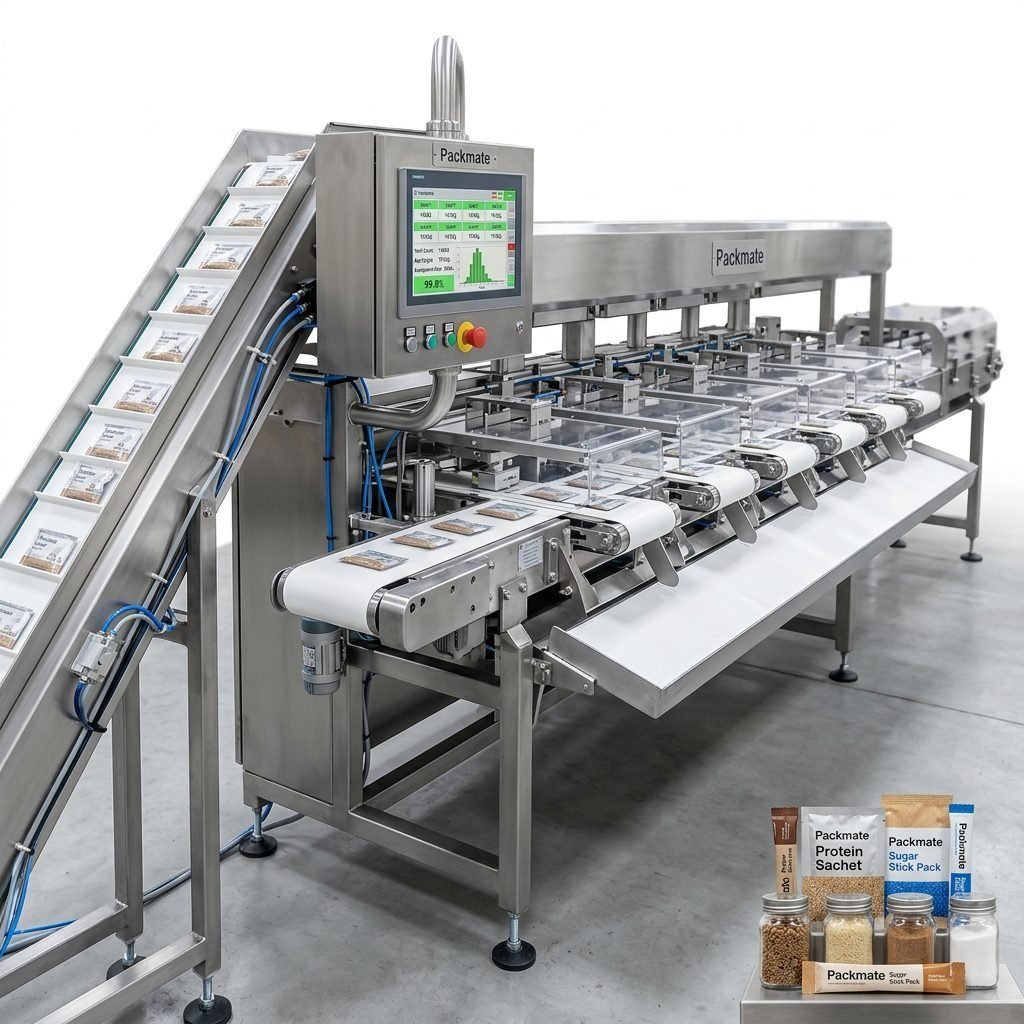
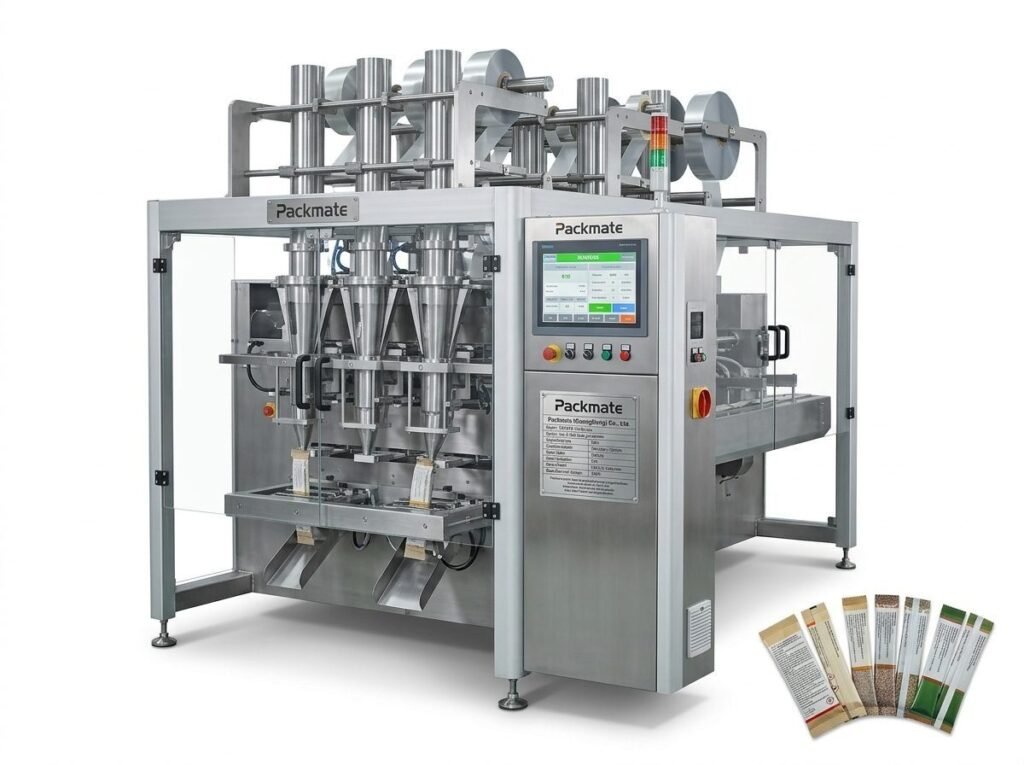
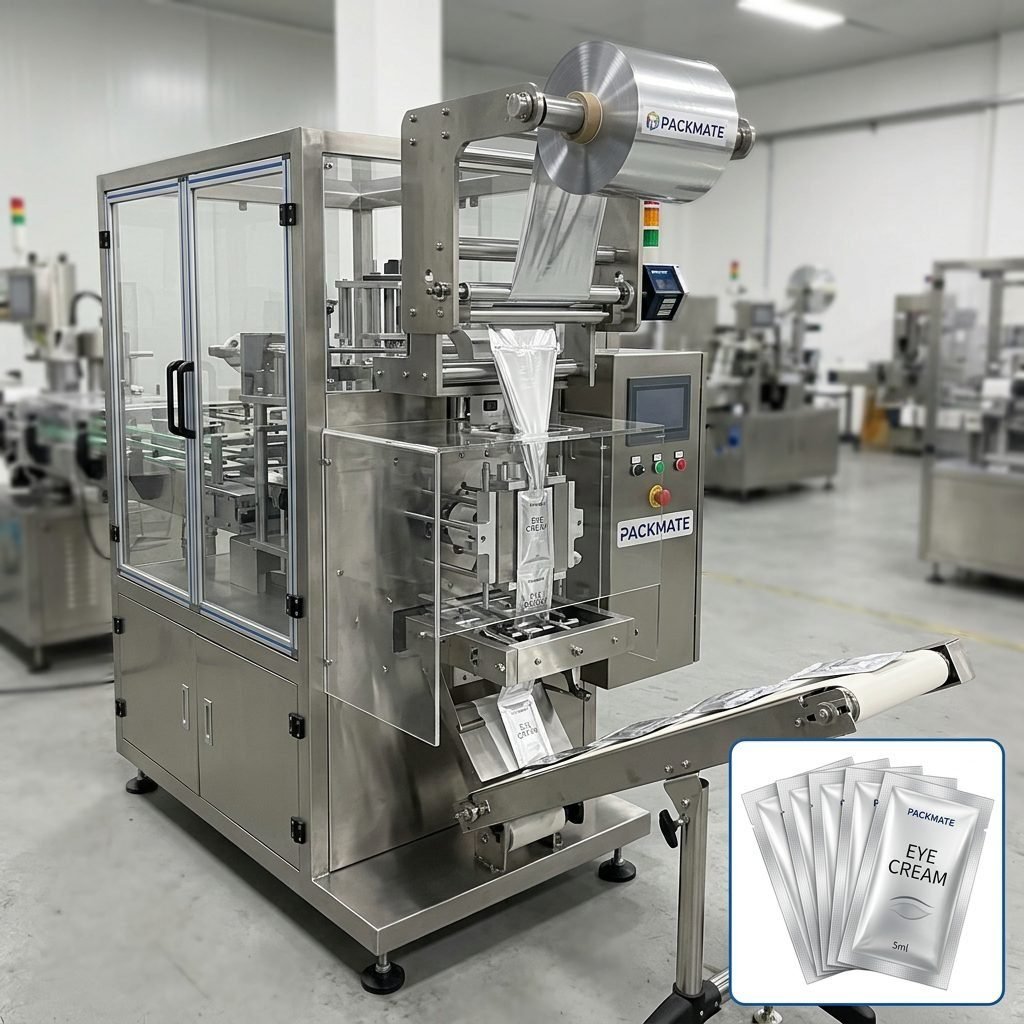
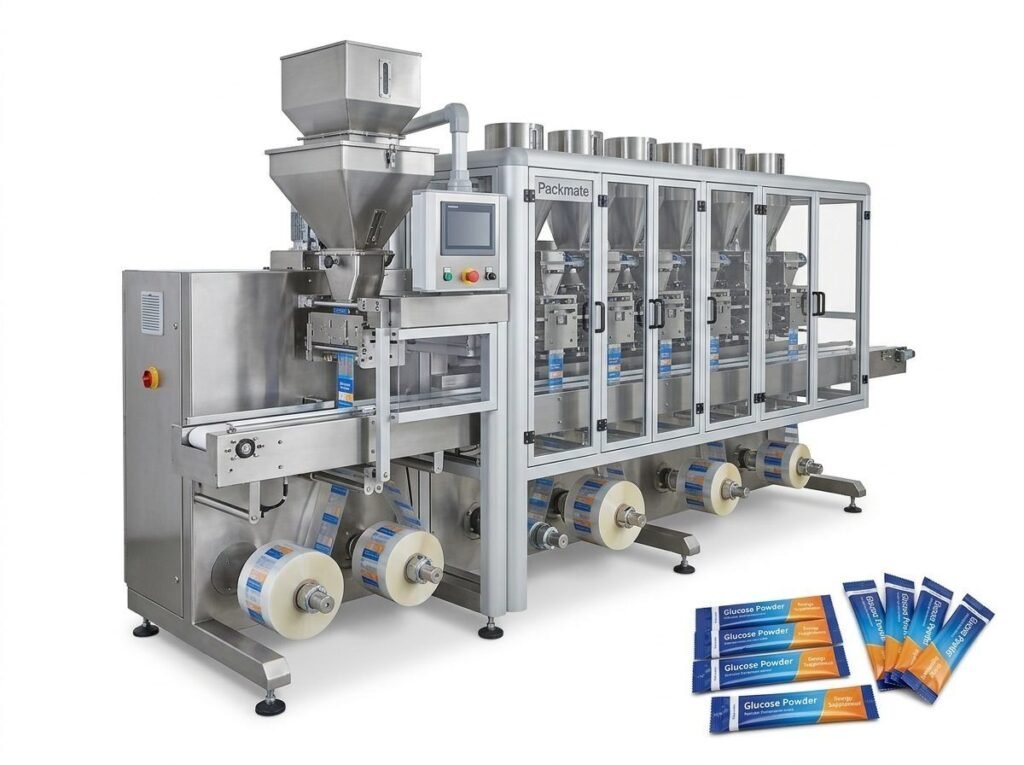
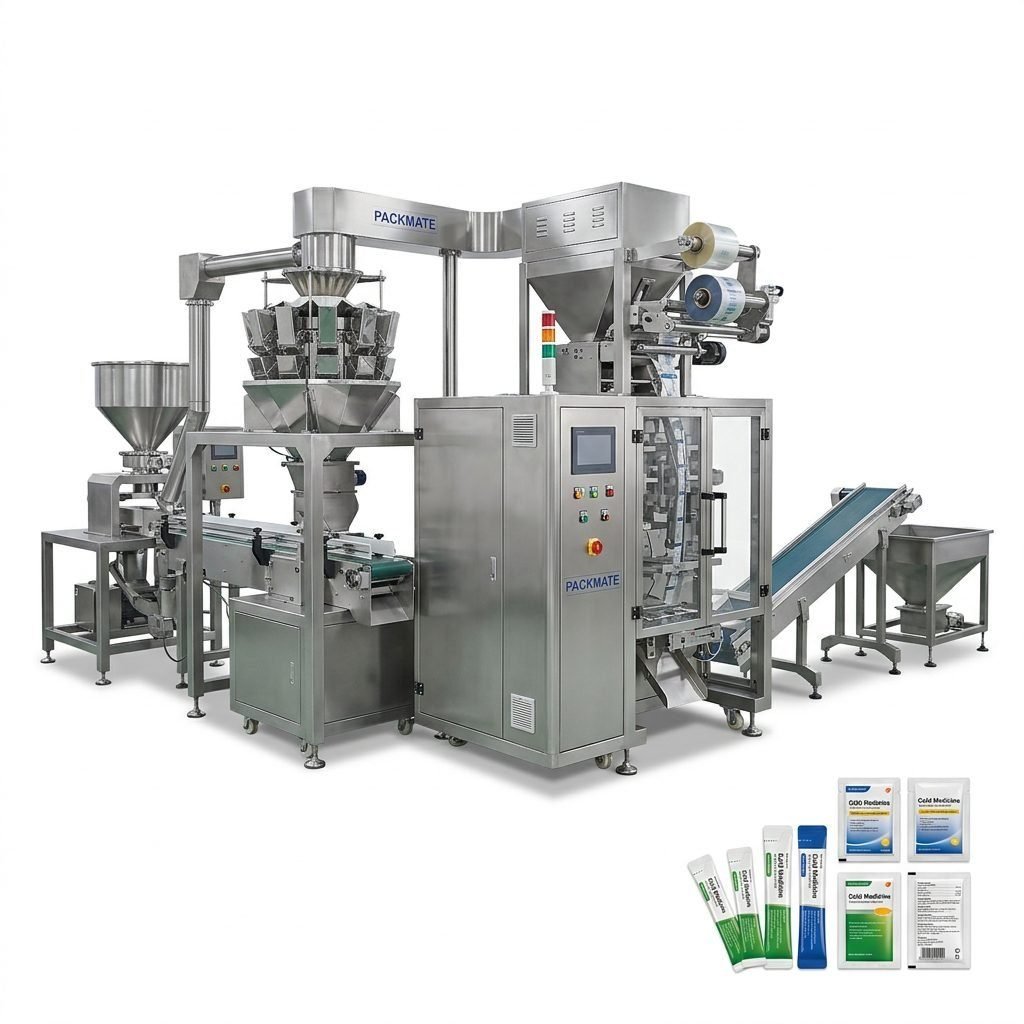
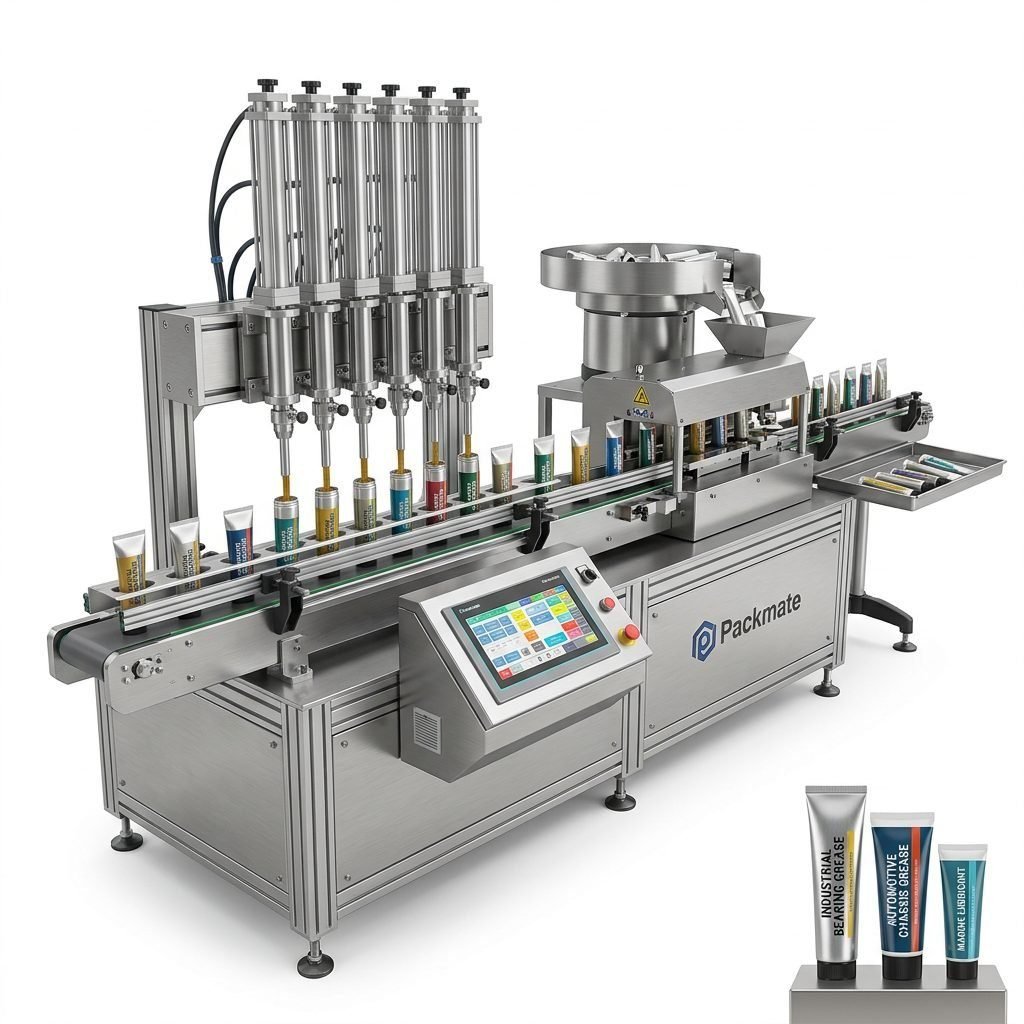
A complete, secure document handling solution is more than just a single machine; it is an integrated system. Leading manufacturers, such as Packmate Machinery, design these lines with modularity in mind, allowing financial institutions to build a workflow that matches their specific volume and security needs.
1. Automated Insertion Systems
These are the workhorses of the packaging line. They precisely collate multiple documents—such as a statement, a return envelope, and marketing flyers—into a single set. Advanced systems use intelligent scanning to match documents to the correct recipient batch, virtually eliminating misfiling. The insertion process is gentle yet precise, preventing paper jams and ensuring every document is accounted for before sealing.
2. Secure Sealing & Moistening Solutions
Security begins with a proper seal. Automated sealers apply moisture to envelope flaps for a secure, tamper-evident closure. For higher-security applications, such as legal documents or checks, patch sealing or tape sealing systems provide an extra layer of protection, making any attempt to open the envelope immediately visible. This physical barrier is a simple yet highly effective deterrent against fraud.
3. Integrated Weighing & Postage Systems
Accuracy in postage is crucial for cost control. Integrated scales automatically weigh each sealed mailpiece and communicate with postage meters or software to apply the exact postage amount. This eliminates overpayment and ensures every item meets postal service regulations, preventing delays or returns. The system can seamlessly handle various envelope sizes and weights within a single job run.
4. Labeling & Personalization Units
Modern customers expect personalization. Beyond just printing an address, these systems can print variable data directly onto the envelope or a label, including personalized messages, barcodes for tracking, and even marketing content. This not only enhances the professional appearance of the communication but also enables track-and-trace capabilities, providing both the sender and the recipient with peace of mind.
5. Sorting & Batch Handling
For large-scale operations, sorted output is essential. Packaging lines can be configured to sort finished mailpieces by ZIP code, carrier route, or mail class, preparing them directly for dispatch. This final stage of automation streamlines the handoff to postal services, further reducing manual handling and accelerating delivery times.
Key Benefits of an Automated Packaging Line:
Enhanced Security: Minimizes human contact with sensitive documents, provides tamper-evident sealing, and ensures accurate recipient matching.
Superior Accuracy: Drastically reduces errors in document collation, addressing, and postage compared to manual methods.
Significant Cost Reduction: Lowers labor costs, optimizes postage spend, and reduces waste from errors and reprints.
Scalable Productivity: Processes thousands of mailpieces per hour with consistent quality, easily handling peak volumes.
Robust Compliance: Creates a clear, automated audit trail for every processed document, simplifying regulatory reporting.
Selecting the Right Equipment Partner
Choosing a packaging equipment provider is a strategic decision. Financial institutions should look for partners with proven expertise in secure document handling and a deep understanding of the sector’s regulatory landscape. A provider like Packmate Machinery, with over 30 years of experience in precision automation, brings valuable insight. Their journey from a specialized workshop to a company with a 20,000㎡ modern facility demonstrates a commitment to innovation and reliability—qualities essential for mission-critical financial operations. It is advisable to seek partners who offer comprehensive support, from custom system design and integration to training and after-sales service, ensuring the solution delivers value long after installation.
Integration with Digital Workflows
The most forward-thinking financial services packaging solutions do not operate in a silo. They are integrated with the institution’s broader digital ecosystem. Through software interfaces, the packaging line can receive job data directly from document composition platforms or core banking systems. This seamless flow of information from digital creation to physical dispatch closes the loop on data security and provides end-to-end process visibility. It represents the convergence of physical and cyber security, creating a holistic defense for sensitive client information.
Conclusion
Investing in specialized packaging equipment solutions for secure document handling is no longer a luxury for financial services firms; it is a operational necessity and a strategic advantage. In an era defined by data sensitivity and regulatory complexity, these automated systems provide the dual benefits of ironclad security and remarkable efficiency. They protect the institution’s reputation, ensure compliance, reduce costs, and ultimately, safeguard the client trust that is the foundation of the financial industry. By automating this critical touchpoint, firms can reallocate human expertise to higher-value tasks, confident that their confidential communications are managed with precision and care.
Frequently Asked Questions (FAQs)
1. What types of financial documents are these packaging systems designed for?
These systems are versatile and designed to handle a wide array of sensitive documents, including monthly bank or brokerage statements, credit card bills, loan agreements, mortgage documents, tax forms (like 1099s), insurance policies, confidential client reports, and checks. They can typically process various paper sizes, weights, and insert configurations within a single job.
2. How does automated packaging improve security compared to manual methods?
Automation drastically reduces the number of staff who physically handle confidential documents, limiting exposure points. It ensures 100% accuracy in matching documents to the correct recipient envelope. Furthermore, it applies consistent, tamper-evident seals on every mailpiece. The entire process is logged electronically, creating a reliable audit trail for compliance, which is difficult to achieve with manual stuffing.
3. Can these systems integrate with our existing data and print management software?
Yes, modern financial packaging equipment is designed for integration. Most systems use standard data formats and communication protocols (like XML, CSV, or direct API calls) to receive job instructions—including address data, document indices, and print streams—directly from your existing document composition, customer communication management (CCM), or core banking platforms. It’s crucial to discuss integration requirements with your equipment provider during the planning stage.
4. What is the typical ROI for implementing an automated document packaging line?
Return on Investment is often realized within 12-24 months. The primary savings come from a significant reduction in labor hours dedicated to manual folding and stuffing, elimination of postage overpayment through precise weighing, and a near-zero rate of costly errors (e.g., mis-sent statements requiring reprints and apology mailings). Additional savings are found in reduced physical space needs and improved staff productivity.
5. How scalable are these solutions for a growing business or seasonal peaks?
Modular packaging systems are inherently scalable. You can start with a core insertion and sealing system and later add modules for weighing, labeling, or sorting as your volume grows. The equipment itself is engineered for high-duty cycles and can process thousands of pieces per hour, allowing a small team to handle volumes that would otherwise require a large temporary staff during peak statement or tax seasons, providing excellent operational flexibility.