In today’s fast-paced industrial landscape, achieving operational efficiency is not just a goal; it’s a necessity for survival and growth. At the heart of streamlined production lines lies a critical component: industrial packaging equipment. The right packaging solutions can dramatically reduce downtime, minimize waste, and enhance overall productivity, directly impacting your bottom line. This article explores how investing in advanced packaging machinery is a strategic move for any business seeking to optimize its operations.
The Core of Efficient Operations: Why Packaging Matters
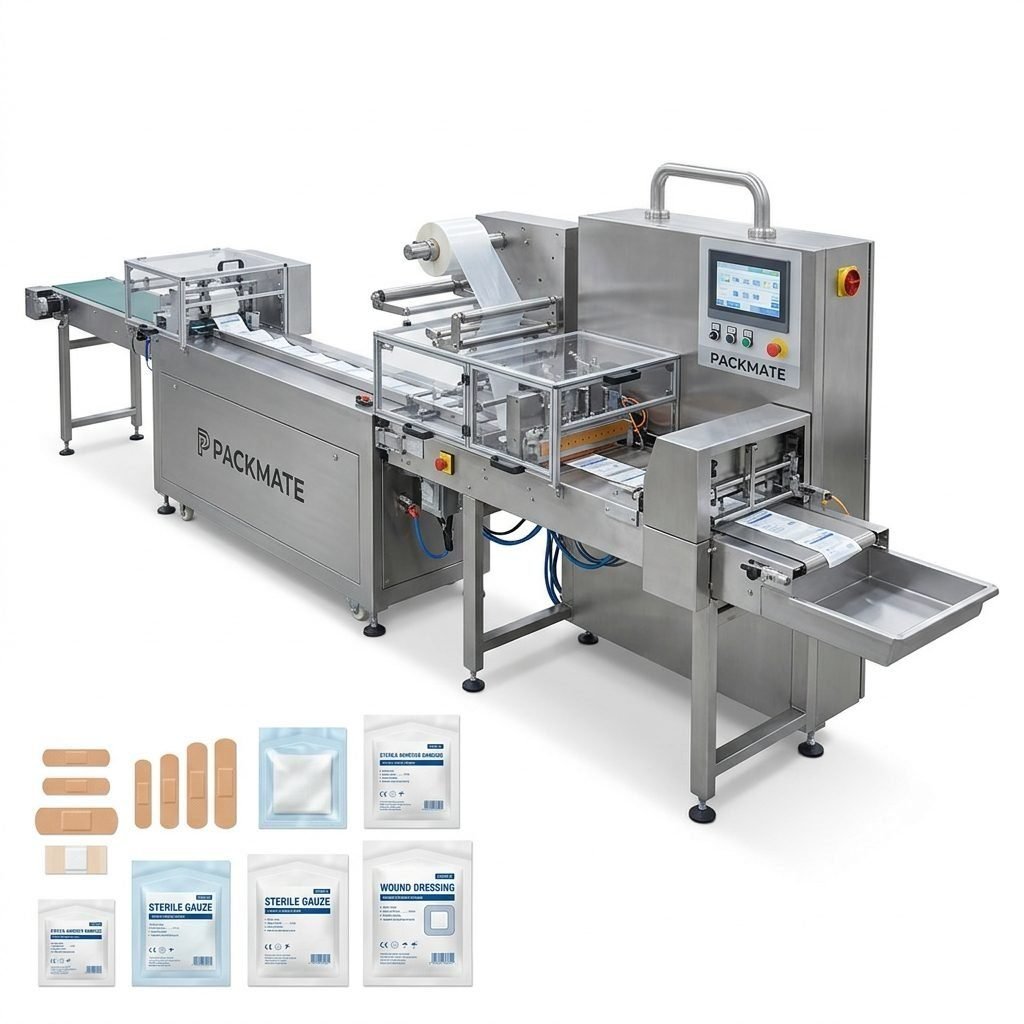
Packaging is often the final step in the manufacturing process, but its impact resonates throughout the entire operation. Inefficient packaging can create bottlenecks, leading to delays in order fulfillment and increased labor costs. Conversely, a well-designed packaging system acts as a seamless extension of your production line. It ensures products are protected, consistently presented, and ready for distribution with minimal manual intervention. For industries handling granules, powders, or liquids—common in food, pharmaceuticals, and health products—precision and reliability in packaging are non-negotiable. This is where specialized equipment from experienced manufacturers like Packmate Machinery becomes invaluable, transforming packaging from a potential hurdle into a driver of efficiency.
Key Benefits of Optimized Packaging Equipment:
- Speed and Throughput: Automated systems can operate at significantly higher speeds than manual packing, handling hundreds or even thousands of units per minute.
- Consistency and Accuracy: Machines provide precise filling, sealing, and labeling, ensuring every product meets quality standards and reduces giveaway.
- Labor Optimization: Automating repetitive tasks allows your workforce to focus on higher-value activities like quality control and process management.
- Enhanced Safety: Reducing manual handling minimizes the risk of workplace injuries and ensures hygienic packaging, crucial for food and pharmaceutical sectors.
- Data and Traceability: Modern equipment often integrates with software systems, providing valuable data on production rates, downtime, and material usage for informed decision-making.
Tailoring Solutions to Your Needs: From Sachets to Full Lines
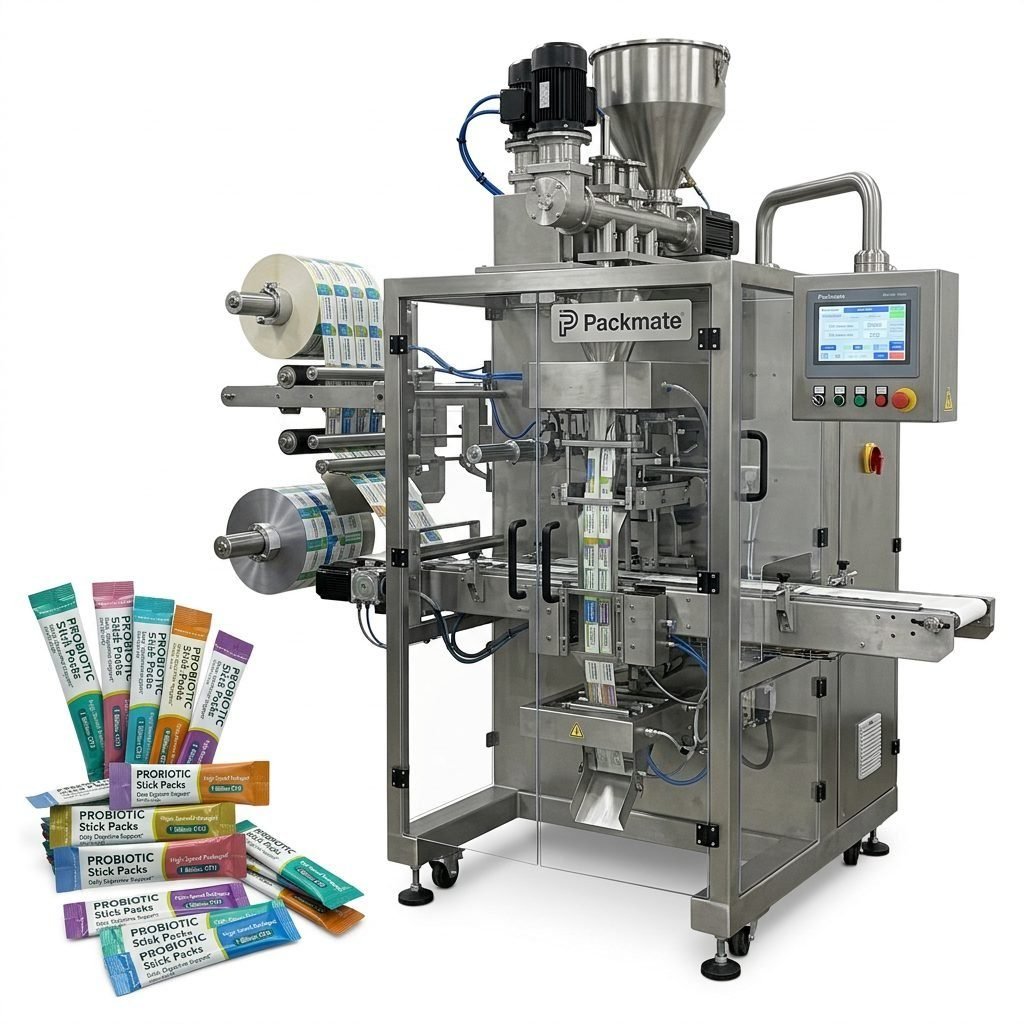
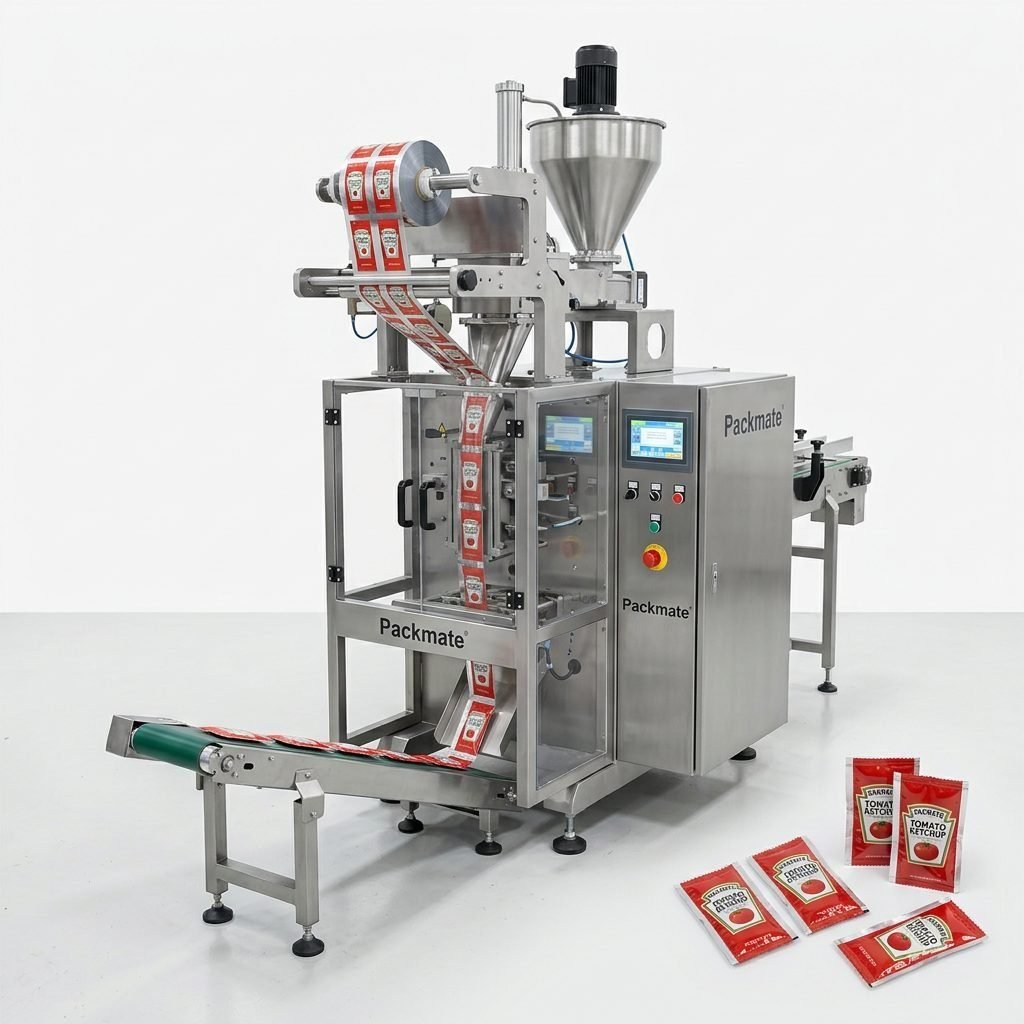
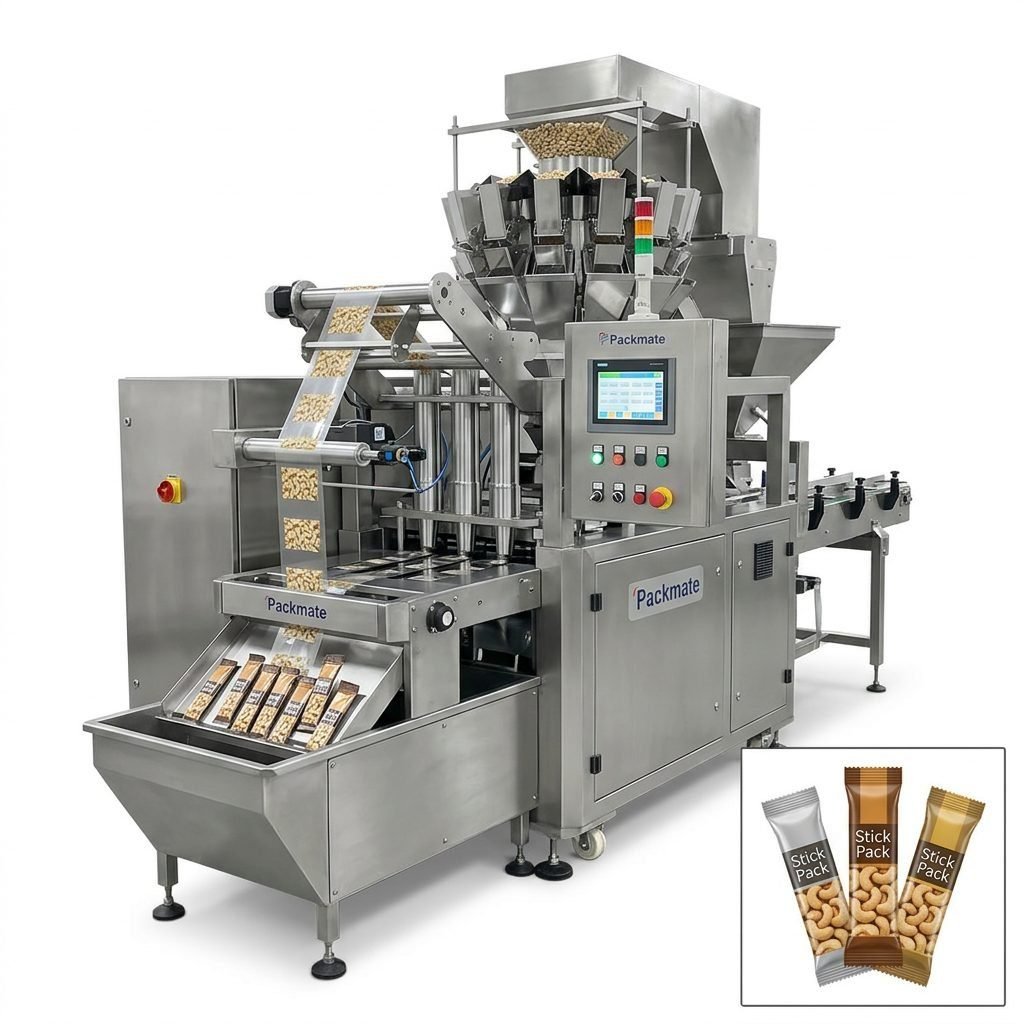
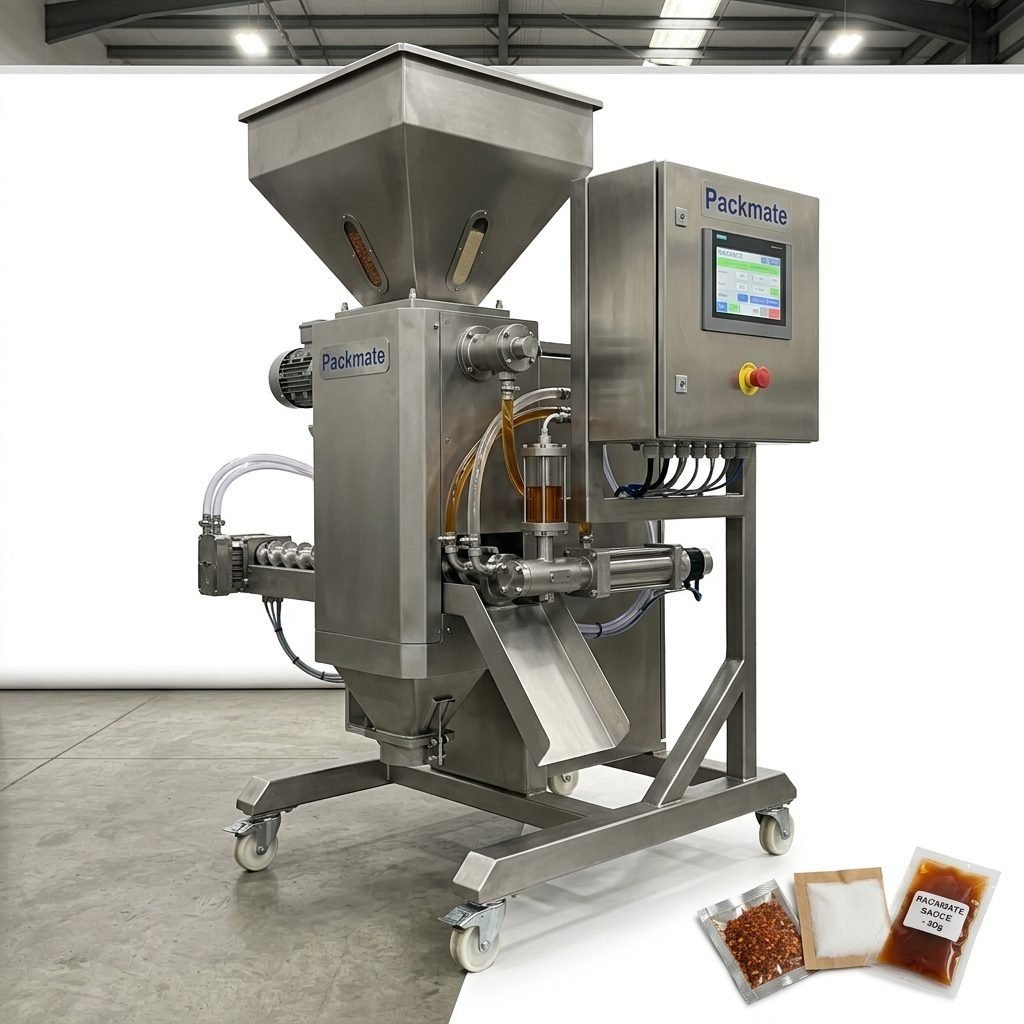
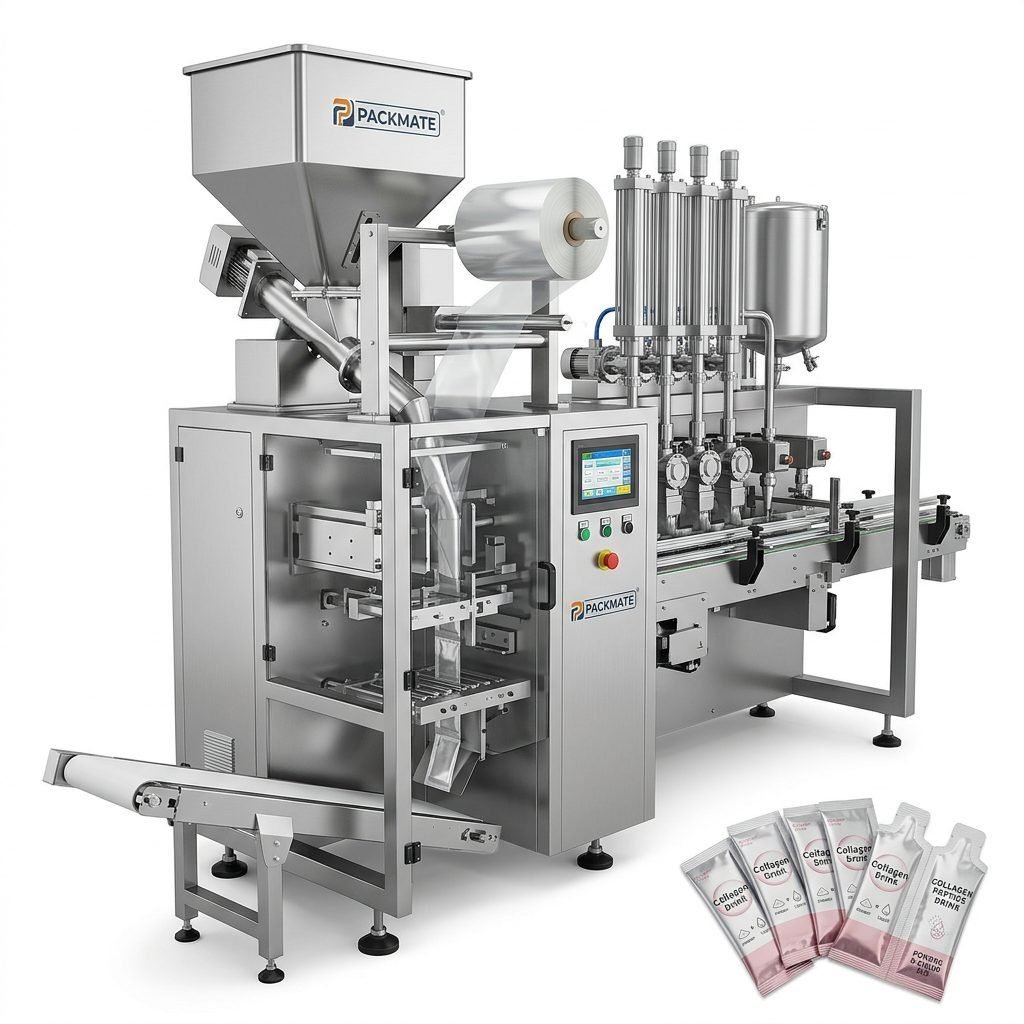
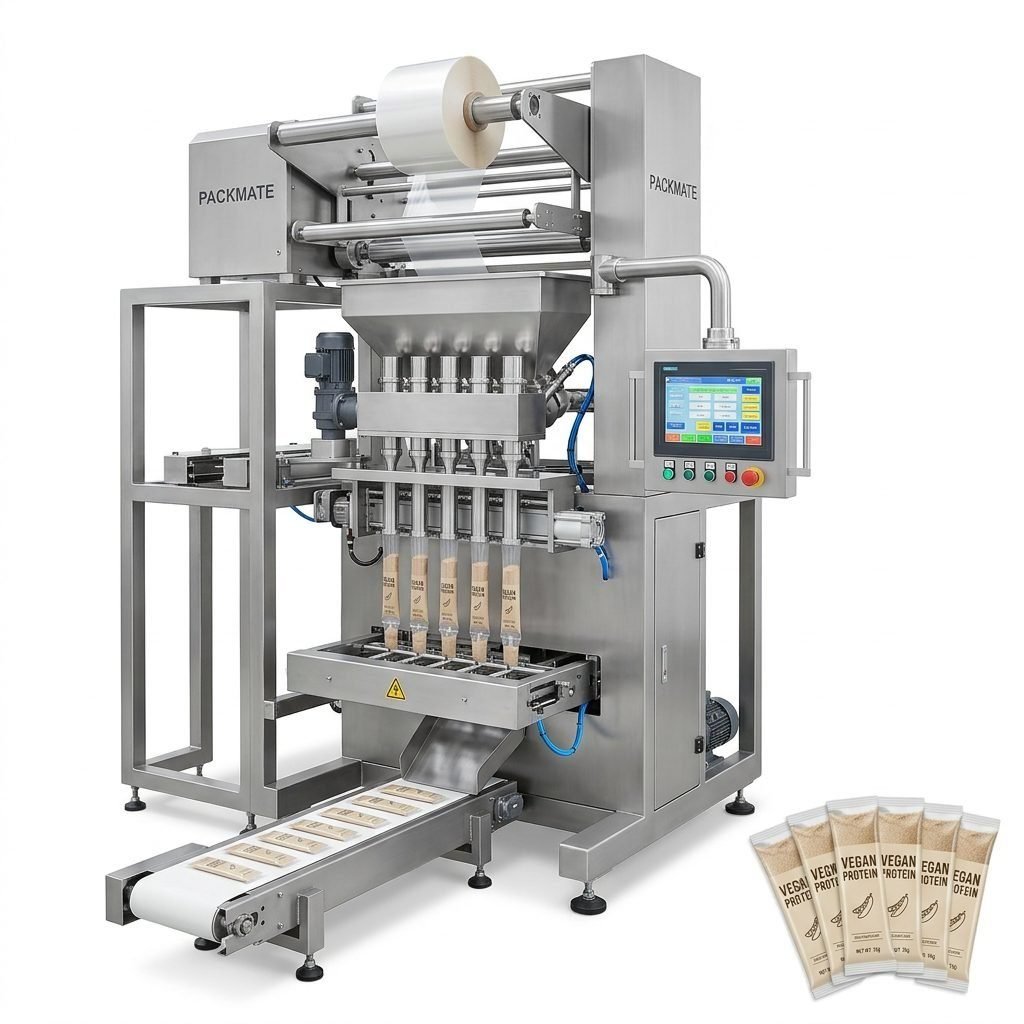
There is no one-size-fits-all solution in industrial packaging. The most efficient system is one tailored to your specific products, volumes, and goals. For businesses requiring small, portable portions, sachet and stick pack machines offer perfect, sealed doses for products like condiments, supplements, or pharmaceuticals. These machines can be configured for single or multi-lane operation, dramatically scaling output. For larger volumes or bulkier items, robust bag and pouch packaging machines provide durable and versatile packaging options.
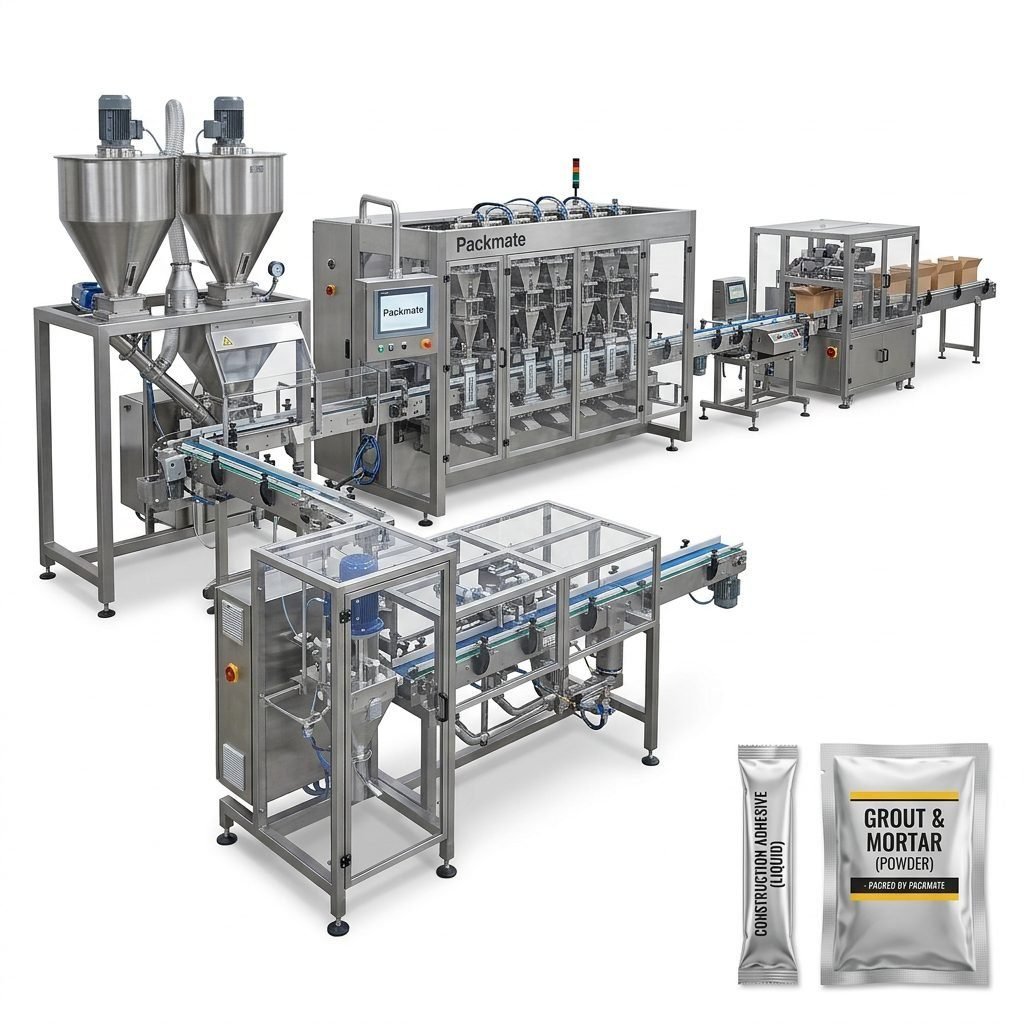
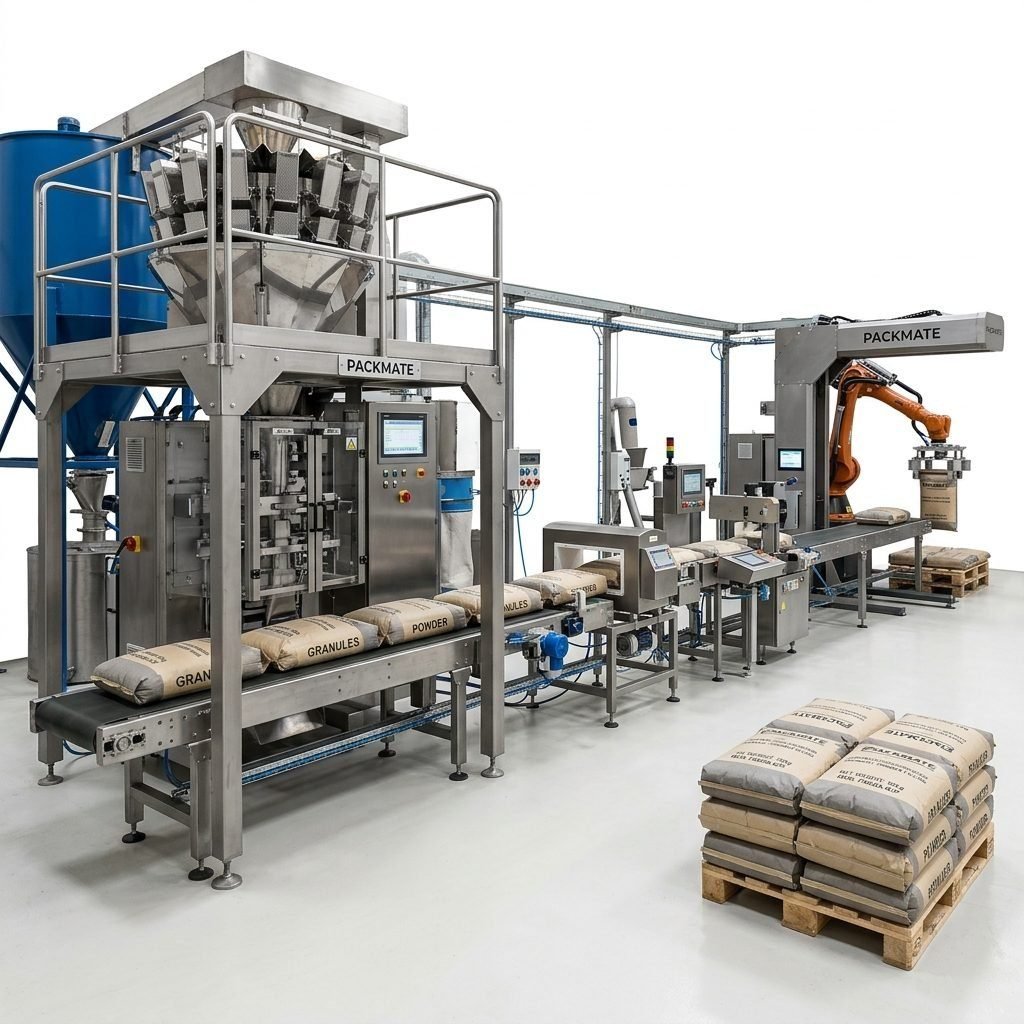
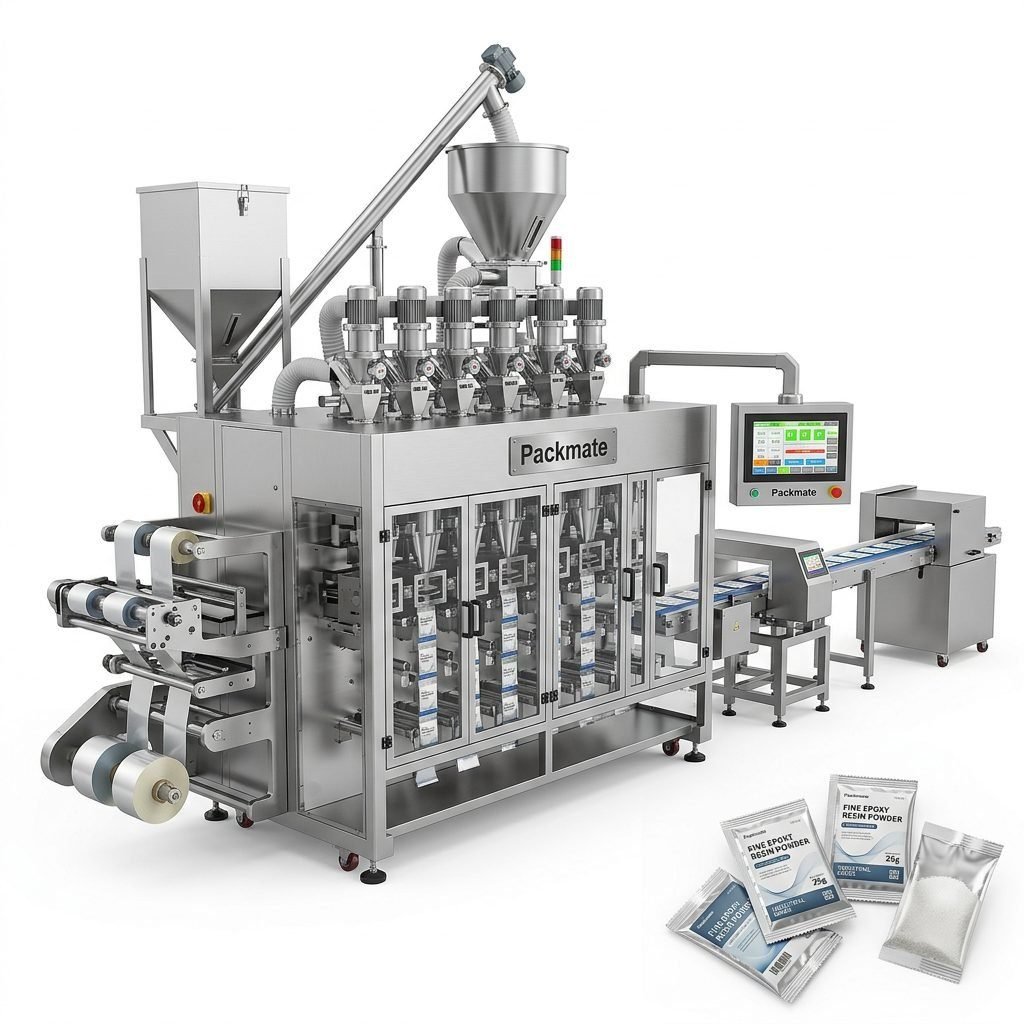
True operational efficiency, however, is achieved through integration. A standalone packaging machine is powerful, but a synchronized complete packaging line is transformative. This involves seamlessly connecting various equipment—such as filling machines, conveyors, checkweighers, and cartoners—into a single, automated workflow. Companies like Packmate Machinery, with over 30 years of expertise, specialize in delivering these complete turnkey packaging solutions. They assess your entire process and provide an integrated system that eliminates hand-off points, reduces product handling, and creates a continuous, high-speed production flow from start to finish.
The Role of Innovation and Reliability
Investing in packaging equipment is a long-term decision. The machinery must be not only innovative to meet current demands but also exceptionally reliable to ensure years of uninterrupted service. This reliability stems from robust engineering, quality components, and thorough testing. Manufacturers with extensive in-house capabilities, such as a 20,000㎡ manufacturing facility equipped with advanced production and testing lines, are better positioned to build durable machines. Furthermore, a broad portfolio of over 50 machine models indicates a deep understanding of diverse packaging challenges across different industries, from food and beverage to specialized niches requiring snus and nicotine packaging machines.
Maximizing Your Investment: Considerations Before Purchase
Selecting the right equipment partner is crucial. Look for a provider with a proven track record and a commitment to after-sales support. Key considerations should include:
Machine flexibility and changeover time for different product sizes or materials, the availability of comprehensive training for your operators, and the accessibility of spare parts and technical service. A partner that offers extensive global service support ensures that help is available when you need it, minimizing potential disruptions to your efficient operations.
Driving Future-Ready Operations
Implementing advanced industrial packaging equipment is a definitive step toward building a resilient and competitive operation. It goes beyond mere automation; it’s about creating a smarter, faster, and more adaptable production environment. By partnering with a seasoned solutions provider, you gain more than machinery—you gain a strategic ally dedicated to optimizing your packaging process. This collaboration ensures your operations are not just efficient today but are also scalable and ready to meet the challenges and opportunities of tomorrow.
Frequently Asked Questions (FAQs)
1. What types of products are suitable for stick pack or sachet packaging machines?
These machines are ideal for packaging single-serve portions of free-flowing granules, fine powders, and non-viscous liquids. Common applications include instant coffee, sugar, salt, spices, powdered milk, drink mixes, pharmaceutical powders, and liquid condiments like ketchup or soy sauce.
2. How can I determine if I need a single machine or a complete turnkey packaging line?
The choice depends on your production volume, product complexity, and labor goals. A single machine is suitable for lower volumes or a specific packaging step. A complete turnkey line is recommended for high-volume production where integrating multiple processes (filling, sealing, coding, cartoning) into one automated system will significantly boost efficiency, reduce labor, and improve consistency.
3. What kind of after-sales support should I expect from a packaging equipment manufacturer?
Comprehensive support is essential. You should expect detailed installation supervision, thorough operator and maintenance training, readily available spare parts, and access to remote or on-site technical service. A reliable manufacturer will offer a clear warranty and have a responsive service team to minimize downtime.
4. How important is machine flexibility for future business growth?
Extremely important. Opting for equipment with easy changeover capabilities allows you to package different product sizes, shapes, or types with minimal downtime. This flexibility lets you adapt to new market trends, launch new products, and scale your operations without needing to invest in entirely new machinery.
5. Can packaging equipment handle different packaging materials?
Yes, most modern machines are designed to work with a range of materials, such as various laminates (metallized, transparent), paper, and biodegradable films. It’s crucial to discuss your specific material requirements with the manufacturer during the planning phase to ensure the machine is configured with the appropriate sealing jaws, film tension controls, and feeding systems.