In the dynamic world of product packaging, blister packaging stands out for its ability to offer superior product protection, visibility, and consumer appeal. For industries ranging from pharmaceuticals and electronics to food and consumer goods, the choice of blister packaging machinery is a critical investment. This guide delves deep into the world of Alloyd blister packaging machines and solutions, providing a comprehensive overview for businesses seeking efficiency, reliability, and innovation.
Understanding Blister Packaging Technology
Blister packaging involves forming a cavity (or blister) from a thermoplastic sheet, placing the product inside, and sealing it with a backing material, often a lidding foil or card. This method creates a secure, tamper-evident, and visually accessible package. The machinery to accomplish this is complex, integrating processes like thermoforming, filling, sealing, and die-cutting. Modern packaging machines have evolved to handle these steps with high precision and speed, making them indispensable for high-volume production lines.
Key Advantage: The primary benefit of blister packaging is its excellent barrier properties. It protects products from moisture, oxygen, and physical damage, significantly extending shelf life—a non-negotiable factor in the pharmaceutical and food sectors.
Core Components of a Blister Packaging Line
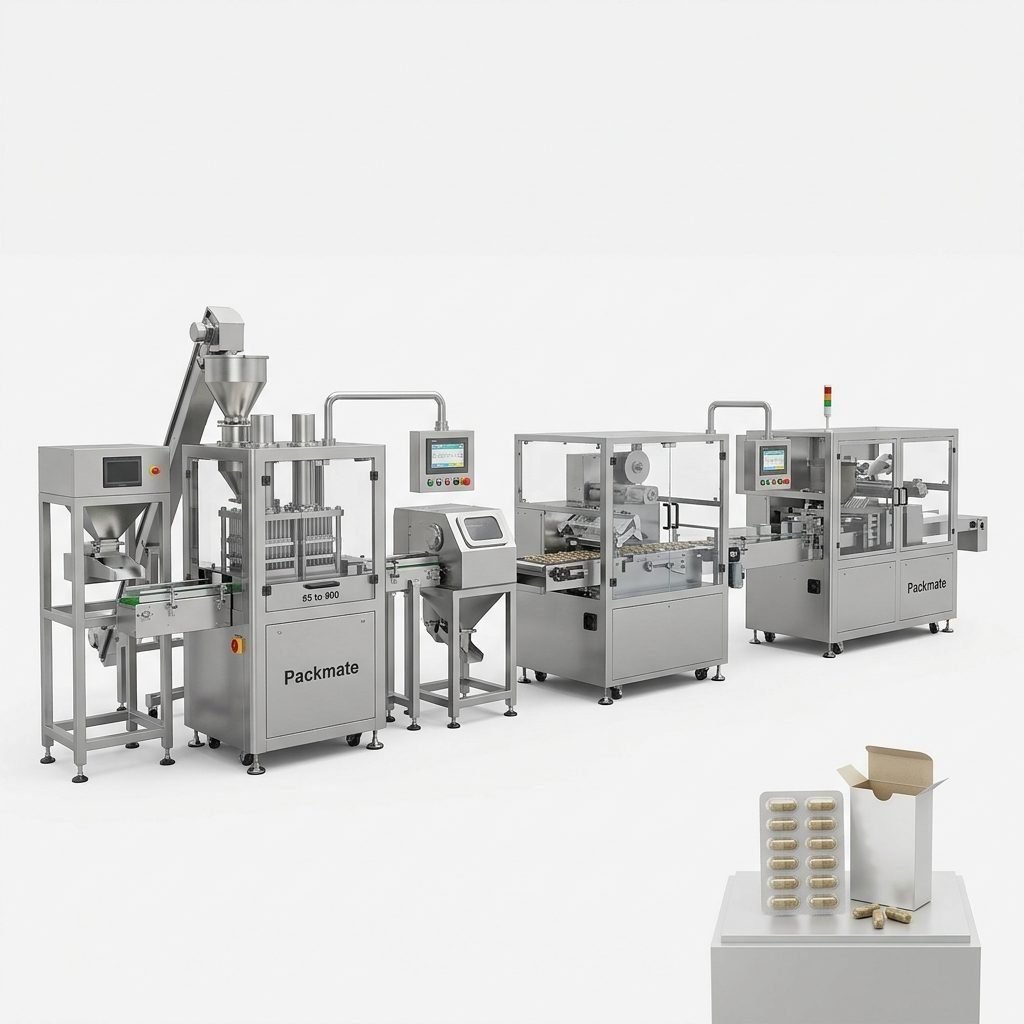
A complete blister packaging solution is more than just a single machine; it’s a synchronized system. The main components typically include:
- Unwinding Station: Feeds the roll of forming film (e.g., PVC, Aclar, PET) into the machine.
- Thermoforming Unit: Heats the plastic film and uses a mold to form the blisters. The quality of this unit determines the blister’s shape consistency and depth.
- Product Feeding System: Accurately places tablets, capsules, or other items into each blister cavity. This can involve vibratory feeders, robotic pick-and-place systems, or manual loading stations for low-volume runs.
- Sealing Station: Applies heat and pressure to bond the lidding material (foil or paper) to the formed blister web, creating a hermetic seal.
- Punching & Die-Cutting Unit: Cuts the sealed blister web into individual strips or cards. Modern machines often integrate precision auxiliary equipment for this final step.
Types of Alloyd Blister Packaging Machines
Alloyd, a recognized name in the industry, offers a range of machines tailored to different production needs. Selecting the right type is crucial for operational success.
Intermittent Motion Blister Machines
Ideal for medium-speed production and applications requiring high flexibility. The web moves in a stop-start cycle, allowing for precise forming and filling. These machines are often preferred for clinical trials, small batches, or products with complex shapes where changeover time is a key consideration.
Continuous Motion Blister Machines
Designed for high-speed, high-volume production of standard products like over-the-counter pills. The web moves continuously, enabling faster outputs—often exceeding 1,000 blisters per minute. They are the backbone of large-scale pharmaceutical manufacturing.
Choosing Between Intermittent and Continuous
The choice hinges on your production volume, product variability, and budget. For businesses with diverse SKUs and frequent changeovers, an intermittent machine offers greater agility. For dedicated, mass production of a single product, a continuous motion machine delivers unmatched efficiency. Companies like Packmate Machinery, with decades of experience in automated systems, understand that the right machinery is the foundation of a profitable packaging line.
Critical Features for Modern Blister Solutions
Today’s blister packaging machines are marvels of engineering, incorporating features that ensure quality, compliance, and ease of use.
- Advanced PLC Control & HMI: User-friendly touchscreen interfaces allow for easy parameter setting, recipe storage, and real-time monitoring of machine performance.
- Integrated Vision Inspection Systems: Automatically check for defects like missing products, misformed blisters, or improper sealing, ensuring 100% quality control and compliance with stringent regulations.
- Quick-Change Tooling: Reduces downtime during product changeovers, a vital feature for contract packagers or companies with diverse product portfolios.
- Material Efficiency Mechanisms: Features like servo-driven film indexing minimize waste, reducing material costs and environmental impact.
Integrating Blister Packaging into Your Production Line
A blister machine rarely operates in isolation. Its true potential is unlocked when integrated into a complete filling and packaging line. This can include upstream equipment like tablet presses or product feeders, and downstream systems like cartoners, case packers, and palletizers. A seamless, turnkey solution minimizes bottlenecks, optimizes labor, and maximizes overall equipment effectiveness (OEE).
When planning integration, consider factors like line speed synchronization, material handling logistics, and future scalability. Partnering with a manufacturer that provides comprehensive solutions—from single machines to full lines—is advantageous. For instance, exploring a manufacturer’s project case studies can provide valuable insights into successful integrations across different industries.
The Role of Innovation and Support
The blister packaging landscape is not static. Innovations in sustainable materials (like recyclable mono-material films), Industry 4.0 connectivity for predictive maintenance, and even more compact machine designs are shaping the future. Beyond the machine itself, robust after-sales support, readily available spare parts, and thorough operator training are critical for long-term, trouble-free operation. This holistic approach to machinery and service is what separates leading suppliers from the rest.
Frequently Asked Questions (FAQs)
What is the typical output speed of a standard blister packaging machine?
Speeds vary widely based on the machine type and product. Intermittent motion machines may range from 40 to 150 cycles per minute, while continuous motion machines can achieve speeds from 200 to over 1,000 blisters per minute. The specific output depends on blister size, number of cavities per strip, and product characteristics.
What types of forming films and lidding materials are compatible?
Modern machines are versatile. Common forming films include PVC, PET, PP, and Aclar for high-barrier applications. Lidding materials are typically aluminum foil (cold-form or push-through) or paper-based laminates. The machine must be configured with the appropriate heating and sealing systems for the chosen materials.
How important is regulatory compliance (e.g., cGMP, FDA) for these machines?
It is paramount, especially for pharmaceutical, medical device, and food packaging. Machines should be constructed with easy-to-clean, sanitary designs (e.g., stainless steel contact parts), and their control systems must provide comprehensive data logging and audit trails to meet cGMP and FDA 21 CFR Part 11 requirements.
Can blister machines handle non-pharmaceutical products?
Absolutely. While dominant in pharma, blister packaging is extensively used for electronics components, hardware, batteries, confectionery, and single-serve food portions. The machine principle remains the same, though tooling and material specifications change according to the product.
What is the average lead time for acquiring and installing a new blister line?
Lead times can range from 4 to 9 months or more, depending on the machine’s complexity, customization level, and the manufacturer’s order backlog. It involves design, manufacturing, factory acceptance testing (FAT), shipping, and site installation & commissioning. Clear communication with your supplier is essential for accurate timeline planning.