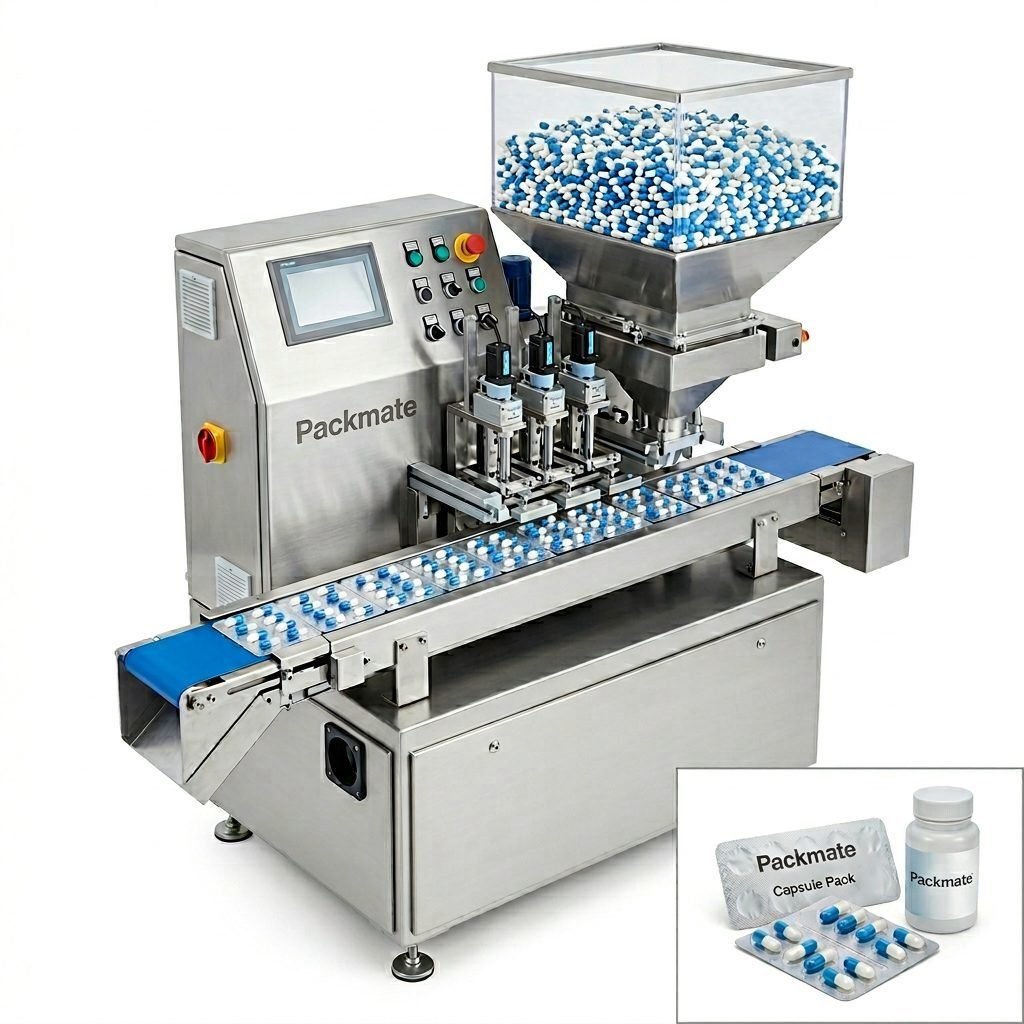
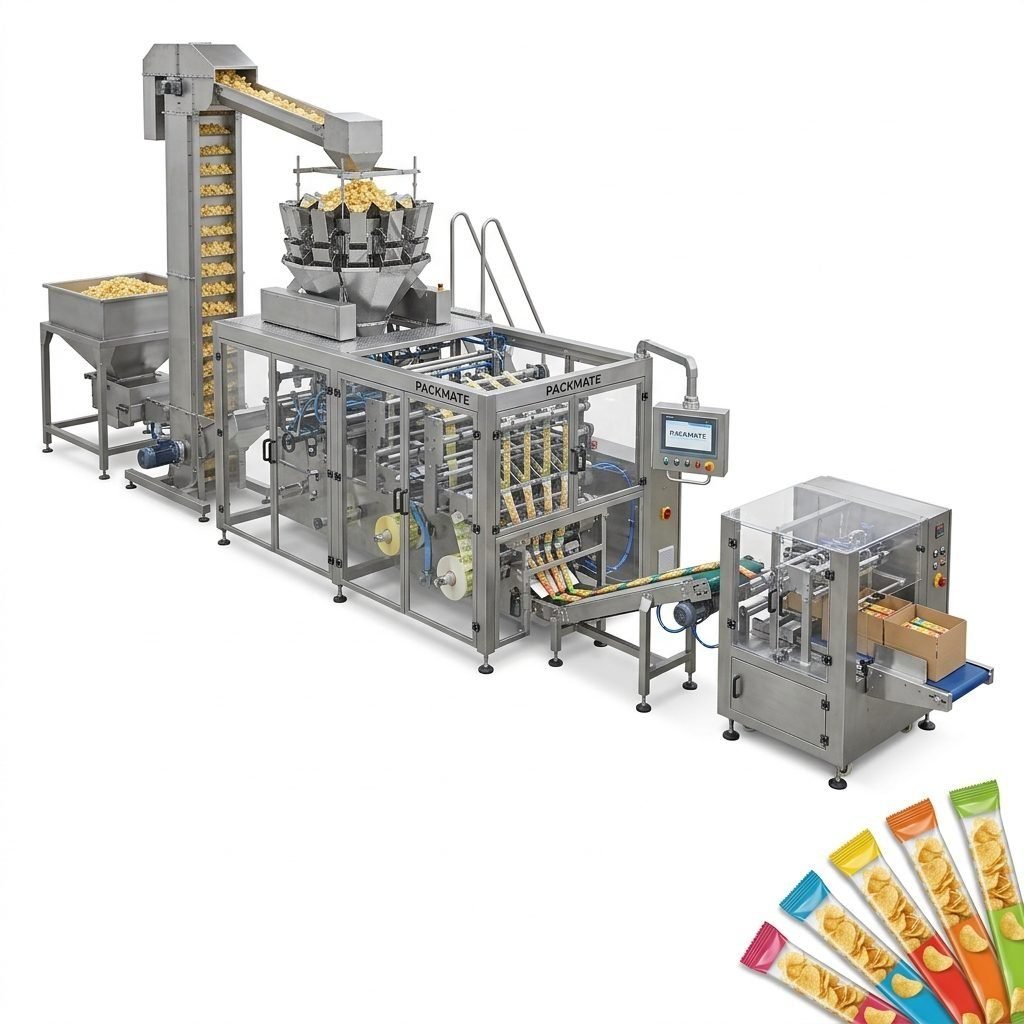
The world of spice packaging has undergone a remarkable transformation, driven by the need for efficiency, hygiene, and brand consistency. An automatic spice packaging machine is no longer a luxury but a critical investment for producers aiming to scale operations and meet modern market demands. This guide delves into the types, key features, and essential buying considerations to help you select the perfect system for your needs.
Understanding the Different Types of Automatic Spice Packaging Machines
Choosing the right machine starts with understanding the available technologies. The primary distinction lies in the packaging format and the method of product handling.
Volumetric Cup Fillers
These are among the most common and cost-effective solutions for pre-ground spices. They use rotating cups of a fixed volume to measure product. Ideal for free-flowing powders like chili powder or turmeric, they offer good speed and simplicity but may lack the precision needed for very expensive or inconsistent-density blends.
Auger Fillers
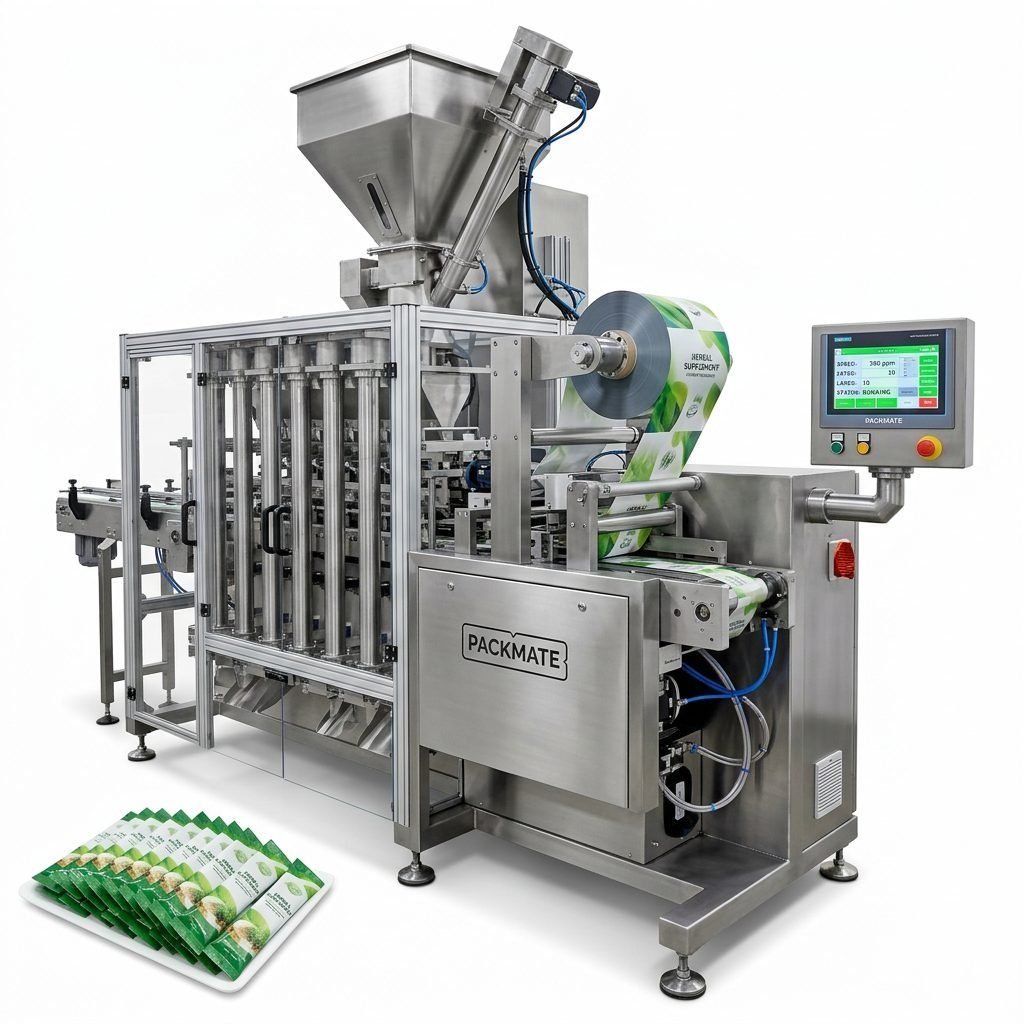
Auger fillers provide superior accuracy for a wide range of spice consistencies, from fine powders to small granules. A rotating screw (auger) within a hopper dispenses a precise amount of product. This system is highly versatile and allows for easy changeover between different spices by swapping augers and hoppers, making it perfect for operations running multiple SKUs.
Weighing & Packaging Systems
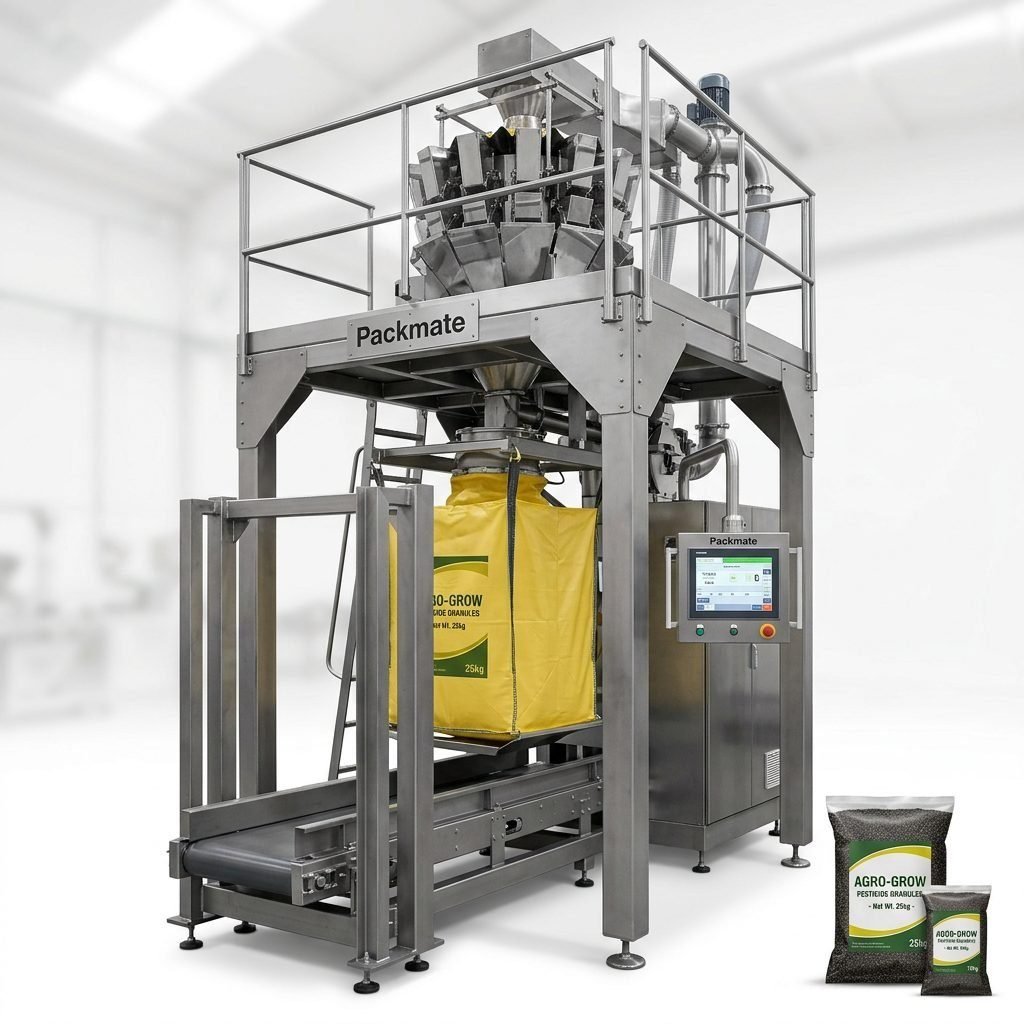
For the ultimate in precision, especially for high-value spices or mixed blends, multi-head weighers are the gold standard. These systems use multiple weigh buckets to combine small, precise amounts to reach a target weight instantly. They are faster and more accurate than linear scales. Companies like Packmate Machinery offer advanced weighing systems that integrate seamlessly with bag form-fill-seal machines, creating a complete, high-speed line.
Form-Fill-Seal (FFS) Machines
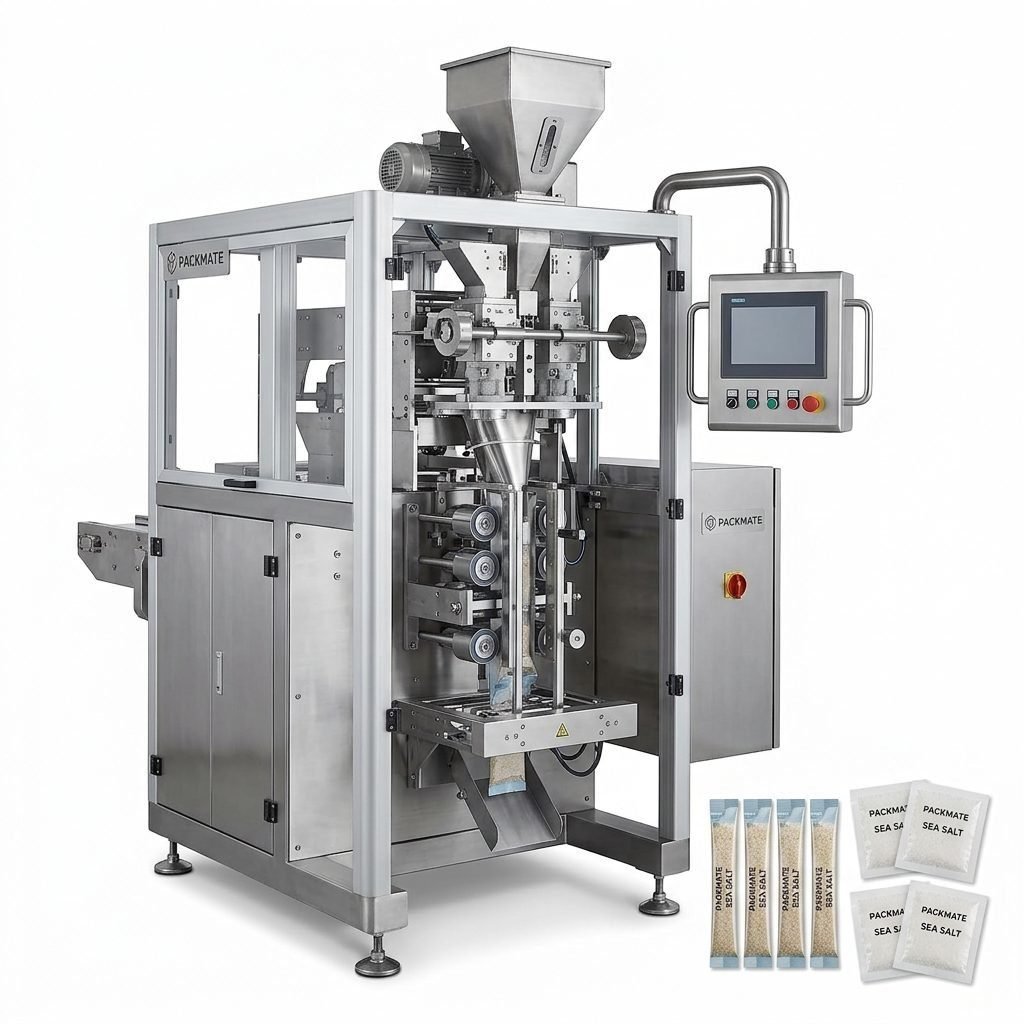
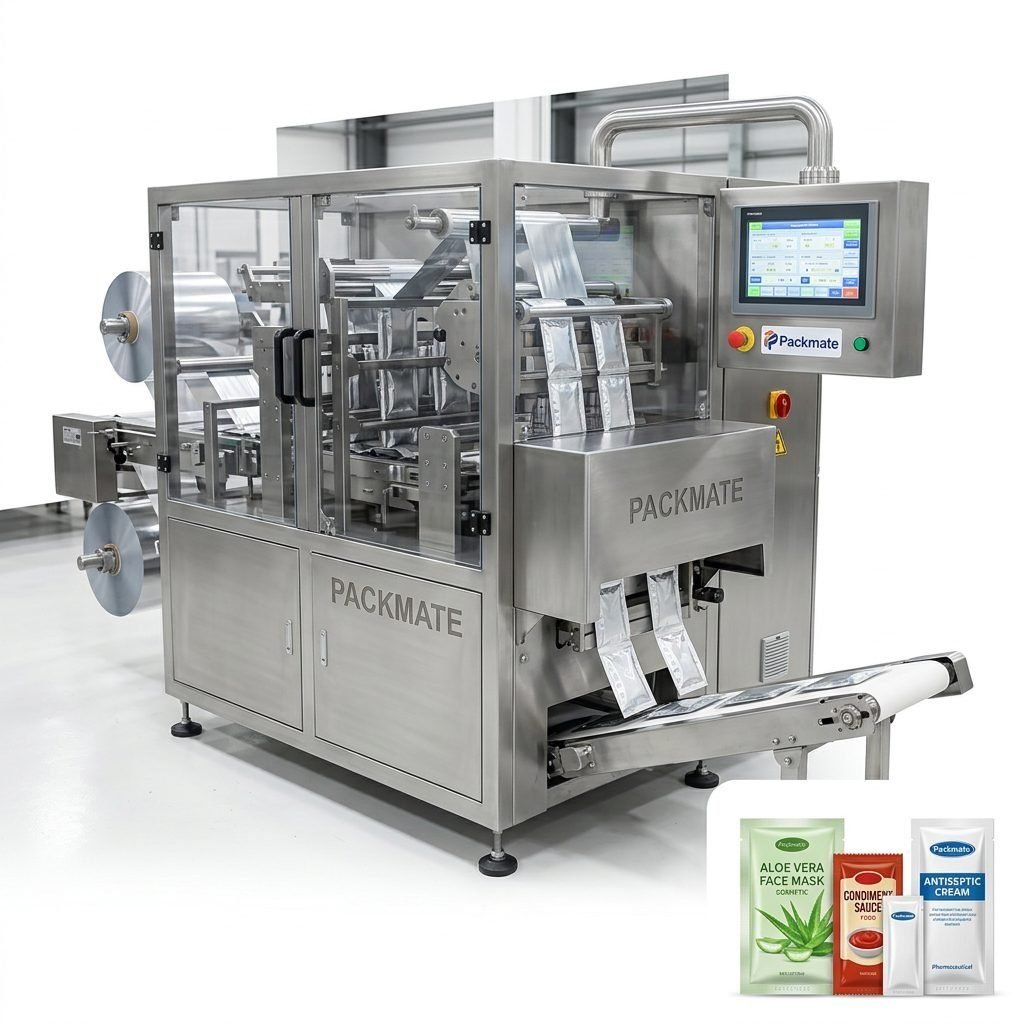
This is the heart of automated packaging. FFS machines form bags from a roll of film, fill them with the measured product, and then seal them—all in one continuous operation. They are categorized by the bag style they produce:
- Vertical Form-Fill-Seal (VFFS): The most common type for spices, creating pillow bags or gusseted bags. Perfect for high-volume production of single-serve sachets or retail-sized bags.
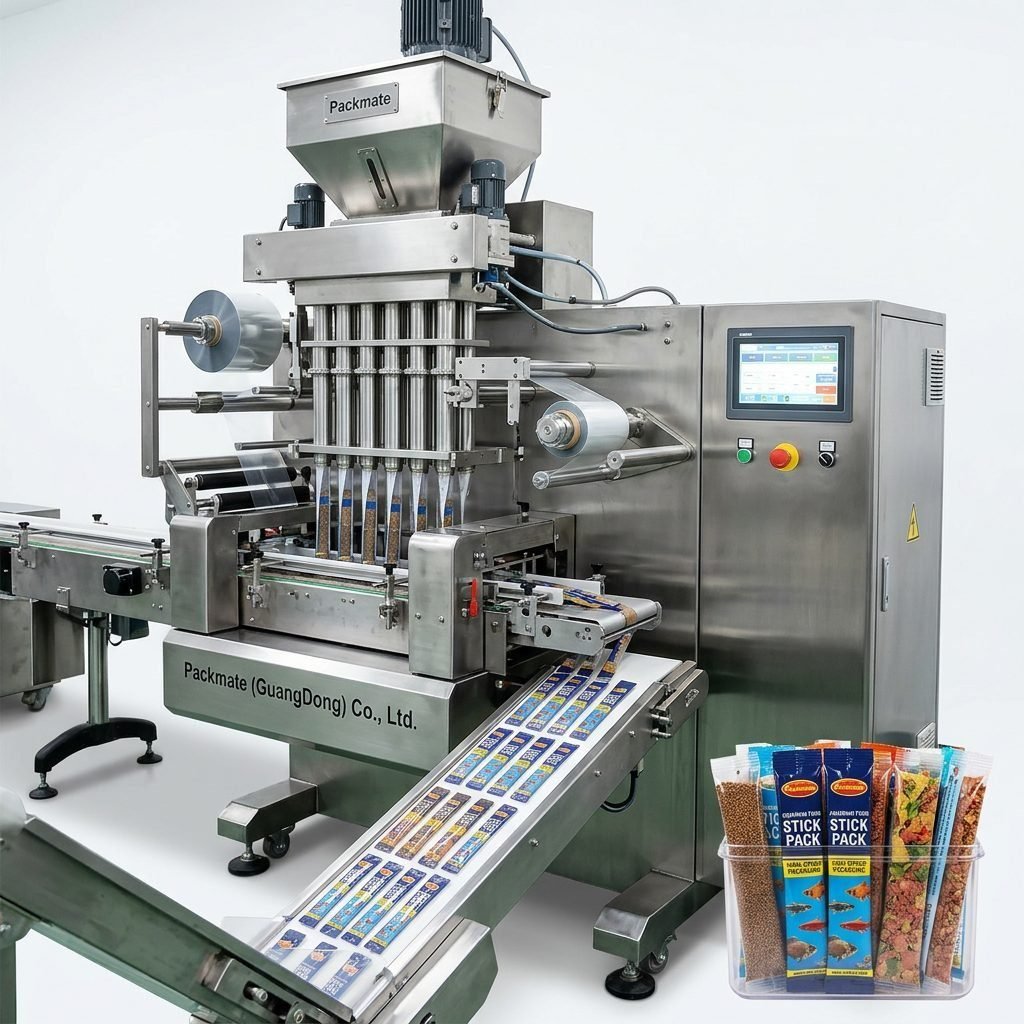
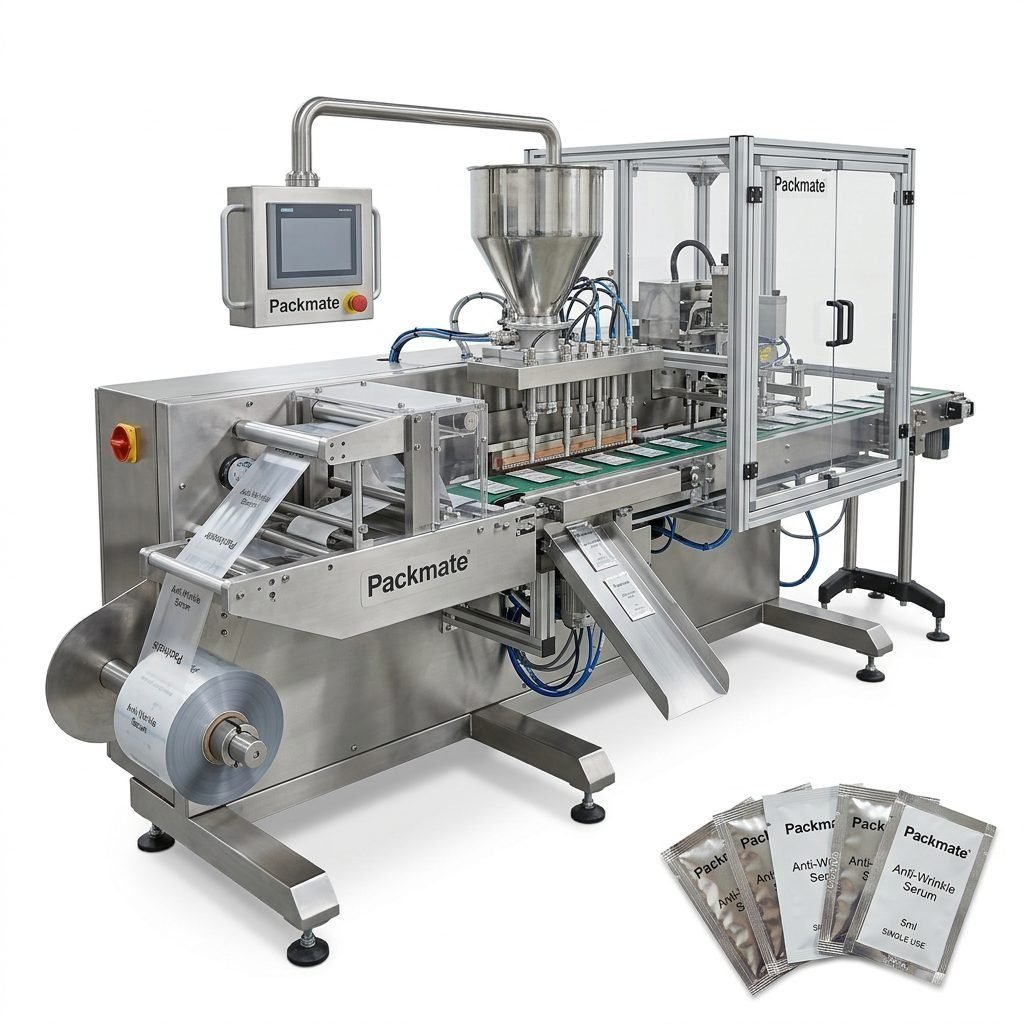
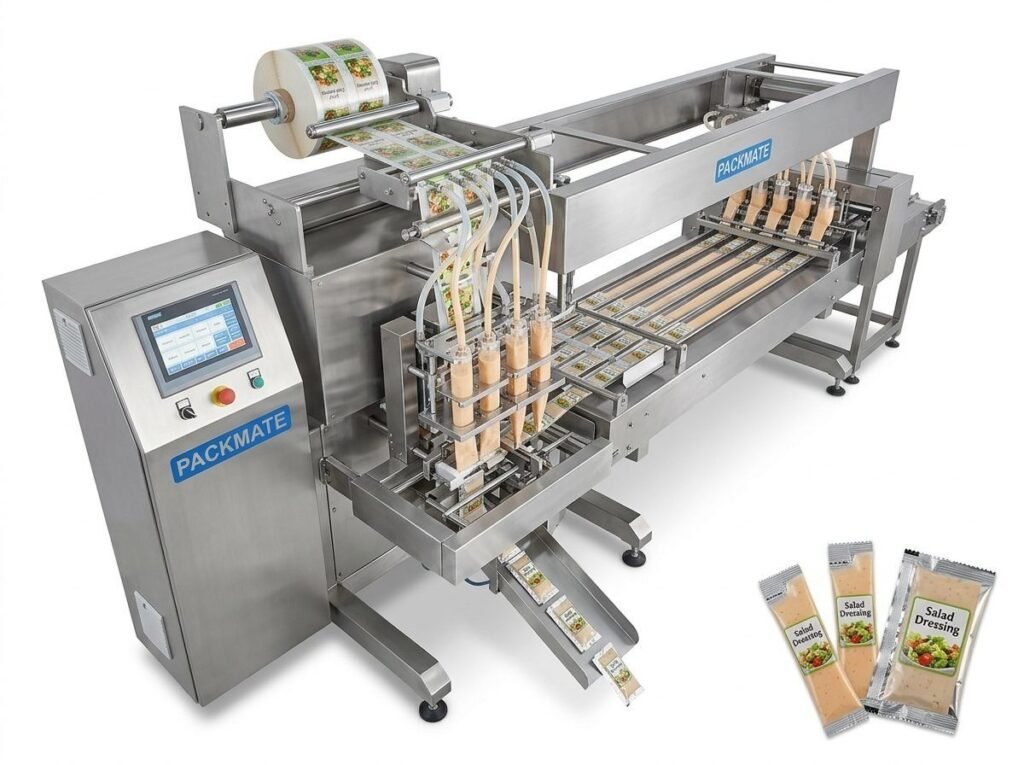
- Horizontal Form-Fill-Seal (HFFS): Often used for more complex packaging like stick packs or four-side-seal sachets, which are popular for recipe kits or premium offerings. Explore options for sachet and stick pack machines to see this technology in action.
Essential Features to Look for in a Spice Packaging Machine
Beyond the basic type, several features critically impact performance, hygiene, and total cost of ownership.
1. Construction & Hygiene Design: Spices are food products. Machines must be built with food-grade stainless steel (especially contact parts) and designed for easy cleaning without tool disassembly (e.g., hinged doors, quick-release parts). A smooth, crevice-free surface prevents cross-contamination and pest harborage.
2. Precision & Accuracy: This directly affects your profitability. Look for machines with high-resolution servo motors for fillers and advanced control systems that can maintain weight accuracy within +/- 0.5-1% consistently, even at high speeds.
3. Speed & Production Capacity: Match the machine’s output (bags/minute) to your current and near-future production goals. A versatile packaging machine that can handle a range of speeds offers more flexibility as your business grows.
4. Changeover Flexibility:
If you package multiple spice varieties or bag sizes, quick changeover is vital. Features like recipe memory on the HMI (Human-Machine Interface), adjustable forming tubes, and tool-less adjustments can reduce downtime from hours to minutes, maximizing your line’s uptime.
5. Integrated Nitrogen Flushing: Oxygen is the enemy of spice freshness, causing flavor loss and color degradation. Machines equipped with nitrogen flushing capability displace oxygen inside the bag before sealing, dramatically extending shelf life and preserving product quality.
6. User-Friendly Control System: A modern, intuitive touchscreen HMI allows operators to set parameters, monitor production, and diagnose issues easily. Look for systems with multi-language support and clear fault indicators.
Key Buying Tips for Your Investment
Purchasing an automatic packaging line is a significant decision. A methodical approach ensures you get the right return on investment.
1. Define Your Requirements Precisely
Before talking to suppliers, document everything: your spice types (powder, whole, blended), target bag sizes and materials (laminate, PET/PE), required output speed, available factory space, and utility connections (power, air).
2. Prioritize Total Cost of Ownership (TCO), Not Just Price
The initial machine price is only part of the cost. Consider energy consumption, spare part costs and availability, expected maintenance downtime, and the machine’s lifespan. A slightly more expensive, robust machine from a reputable manufacturer like Packmate Machinery often has a lower TCO due to higher reliability and better support.
3. Demand a Live Product Test
Never buy based on specifications alone. Always insist on a factory acceptance test using your actual spice product and packaging material. This is the only way to verify accuracy, speed, seal integrity, and overall performance. Reputable manufacturers will encourage this.
4. Evaluate After-Sales Support & Training
The machine will need maintenance. Investigate the supplier’s service network, warranty terms, availability of technical documentation, and operator training programs. Strong after-sales support is invaluable for minimizing production disruptions.
5. Consider Future-Proofing & Scalability
Think about your business in 3-5 years. Can the machine handle new bag shapes or slightly different products? Choosing a modular system or a supplier with a broad portfolio of filling and packaging lines makes future expansion easier and more cost-effective.
Frequently Asked Questions (FAQs)
Q1: What is the typical accuracy range for a spice packaging machine?
A: For auger fillers on spices, expect weight accuracy within ±0.5 grams for smaller bags (5-50g) and within ±1% for larger bags. High-precision multi-head weighers can achieve even tighter tolerances, crucial for expensive ingredients.
Q2: How important is nitrogen flushing for spice packaging?
A: Extremely important for quality preservation. Nitrogen flushing removes oxygen, which slows oxidation, preserves volatile oils (flavor/aroma), prevents clumping caused by moisture, and inhibits microbial growth, leading to a significantly longer and more stable shelf life.
Q3: Can one machine handle both powder and whole spices (like peppercorns)?
A: It depends. A versatile auger filler with appropriate screw design may handle both, but performance may be optimized for one type. For vastly different products (fine powder vs. large flakes), dedicated systems or quick-change tooling are often recommended for maximum efficiency and accuracy.
Q4: What are the main maintenance requirements?
A: Daily cleaning is paramount. Regular maintenance includes lubricating moving parts (with food-grade lubricant), checking seal jaw temperatures and integrity, inspecting and replacing worn parts like augers or forming tubes, and ensuring sensors are clean and calibrated. Follow the manufacturer’s preventative maintenance schedule closely.
Q5: How do I choose between a volumetric and an auger filler?
A: Choose a volumetric cup filler for high-speed, low-cost packaging of consistent, free-flowing powders where extreme precision is less critical. Opt for an auger filler when you need higher accuracy, handle a variety of spice densities, package valuable products, or require frequent product changeovers.