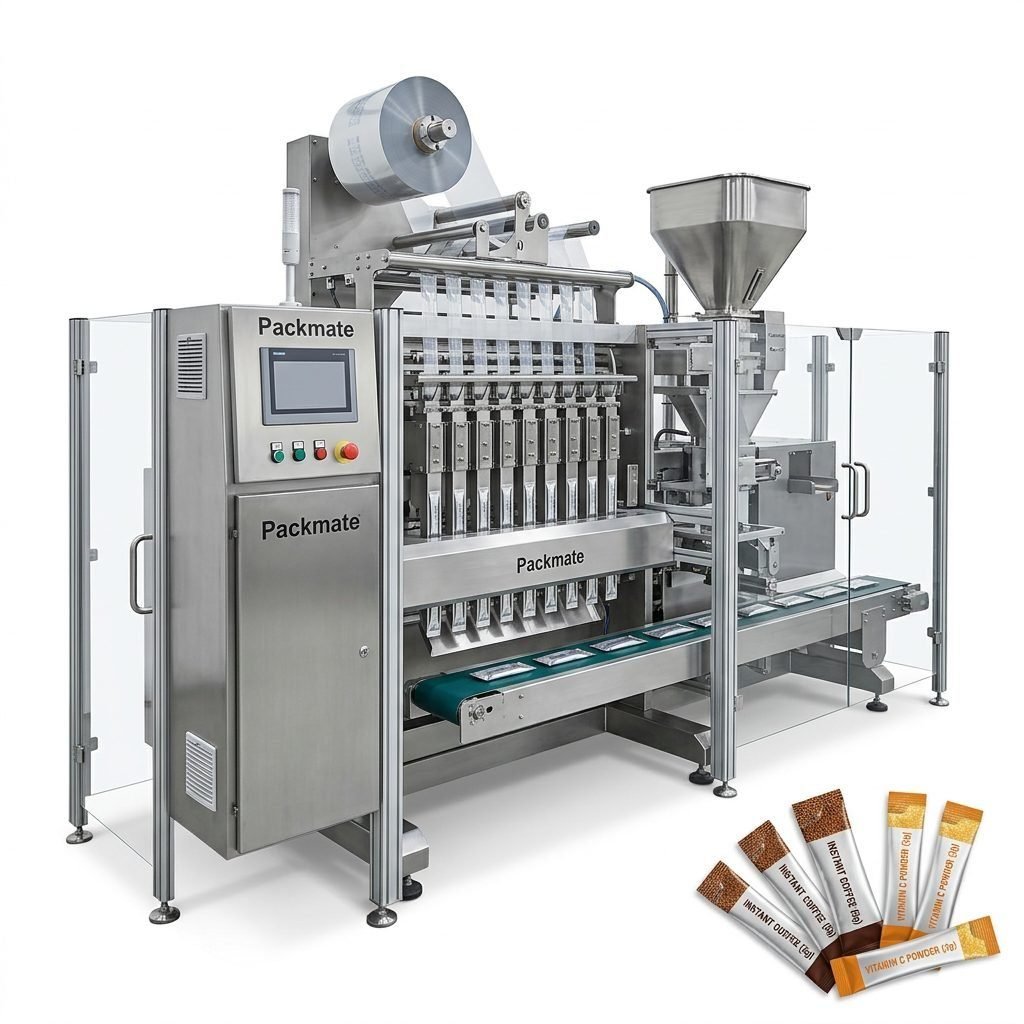
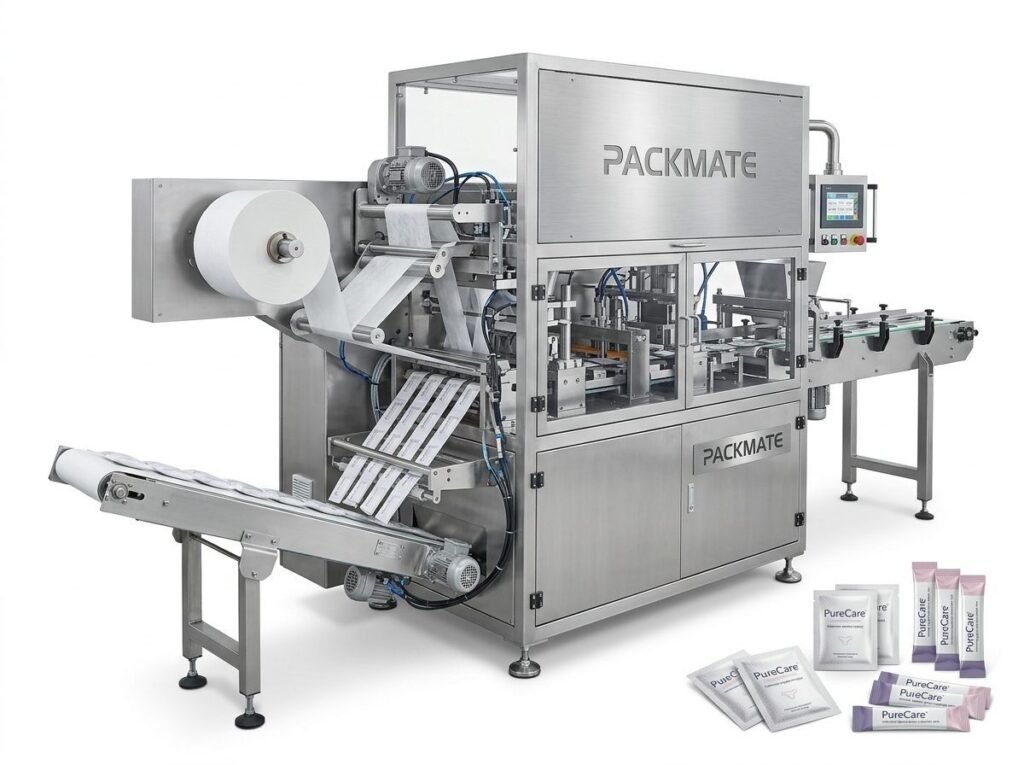
In the fast-paced world of manufacturing and product distribution, the efficiency and reliability of your packaging line are non-negotiable. Choosing the best packaging machine is a critical investment that impacts productivity, product integrity, and ultimately, your bottom line. Whether you’re handling delicate food powders, pharmaceutical granules, or viscous liquids, the right equipment streamlines operations, reduces waste, and ensures consistent, high-quality output. This guide delves into the essential factors for selecting top-tier packaging solutions and highlights key considerations for businesses seeking to optimize their packaging processes.
Core Criteria for Selecting the Best Packaging Machine
Identifying the best packaging machine goes beyond just the initial price tag. It requires a holistic evaluation of several performance and operational factors.
1. Uncompromising Reliability and Uptime
For any production facility, machine downtime translates directly to lost revenue. The best packaging machines are engineered for durability and consistent performance under continuous operation. Look for robust construction, high-quality components, and a design philosophy that prioritizes minimal maintenance. A reliable machine ensures your production schedule remains uninterrupted, safeguarding your supply chain commitments.
2. Operational Efficiency and Speed
Speed is a key driver of output, but it must be balanced with precision. Modern high-speed packaging lines can dramatically increase throughput. Efficiency also encompasses quick changeover times between different product formats or packaging materials, allowing for greater flexibility in production runs without significant delays.
3. Precision and Product Integrity
Accuracy in filling, sealing, and counting is paramount. Inaccurate doses can lead to product giveaway, regulatory non-compliance, or customer dissatisfaction. The best machines incorporate advanced weighing and dosing systems to ensure each package meets exact specifications, protecting both your product and your brand’s reputation.
4. Versatility and Adaptability
Market demands evolve. A machine that can handle a range of packaging formats—from small sachets and stick packs to larger pouches—offers a significant strategic advantage. This adaptability future-proofs your investment and allows you to respond quickly to new product launches or changing consumer preferences.
5. Integration and Smart Features
The era of Industry 4.0 demands connectivity. The best packaging solutions offer seamless integration into broader packaging lines and provide data on performance metrics. Features like touch-screen HMIs, recipe storage, and diagnostic alerts contribute to smarter, more manageable operations.
Why Manufacturer Expertise Matters
Behind every great machine is a great manufacturer. A company with deep industry experience, like Packmate Machinery, brings invaluable expertise to the table. With over 30 years in designing packaging equipment for food, pharmaceutical, and health products, such a partner understands the nuanced challenges of different industries. They don’t just sell a machine; they provide a comprehensive, reliable solution backed by R&D, rigorous testing, and proven support. Their journey from a focused workshop to a company with a 20,000㎡ modern facility underscores a commitment to innovation and quality that directly benefits the end-user.
Top Packaging Solutions for Different Needs
The “best” machine is inherently tied to your specific application. Here’s a breakdown of top-performing solutions for common packaging formats.
For Sachets and Stick Packs
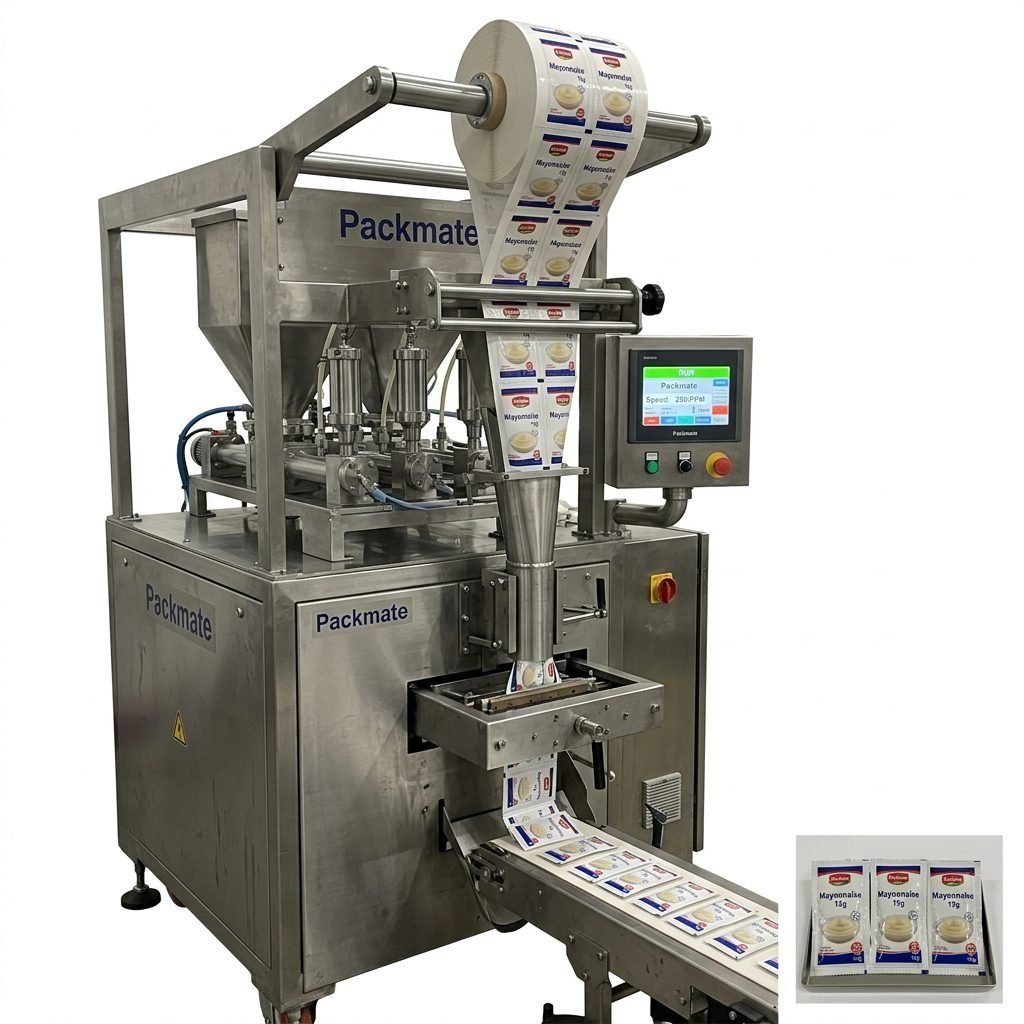
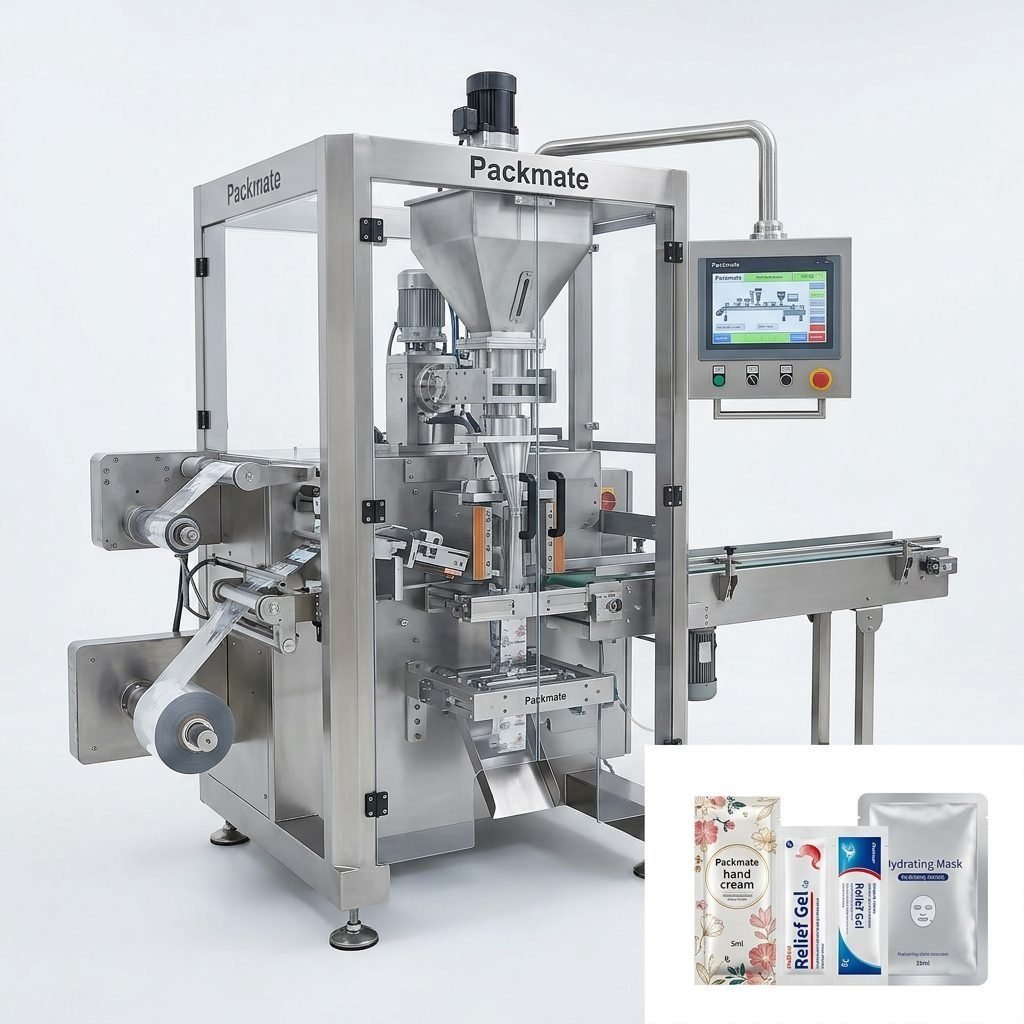
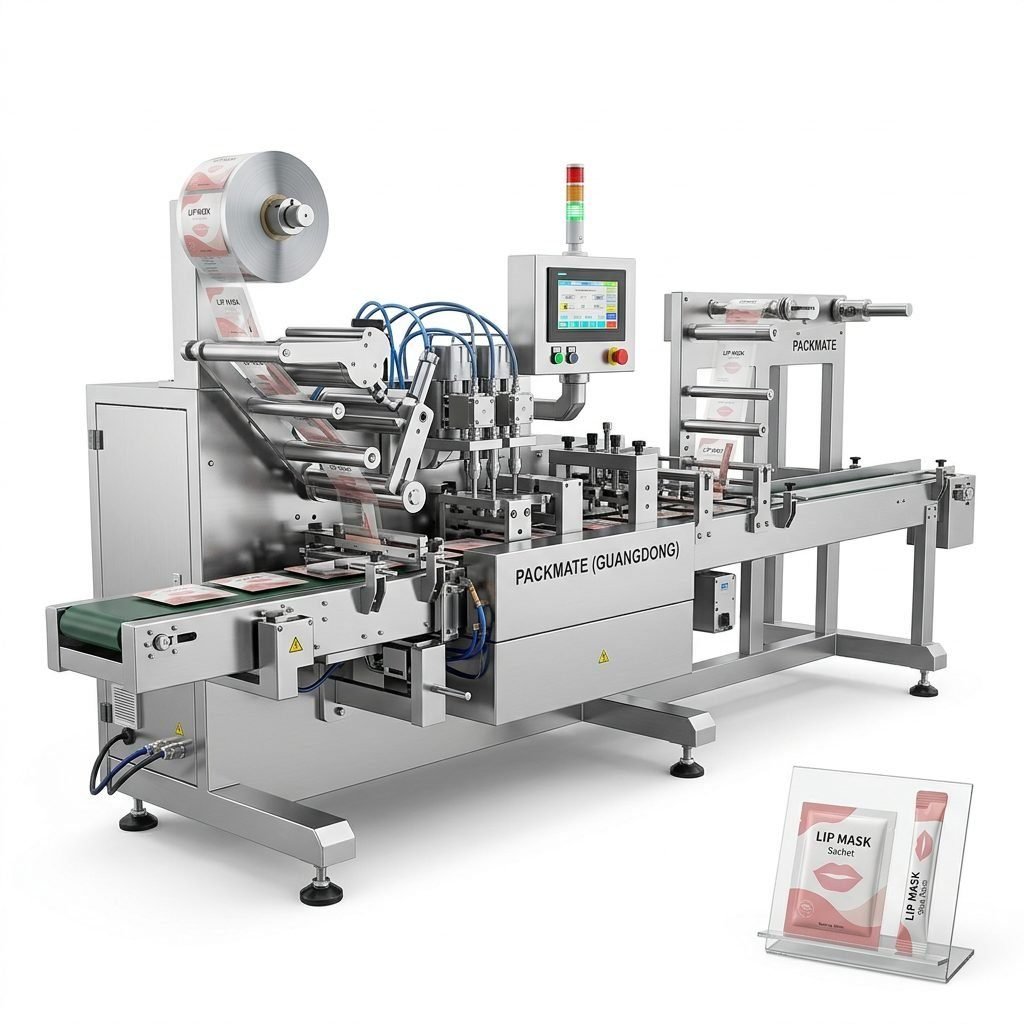
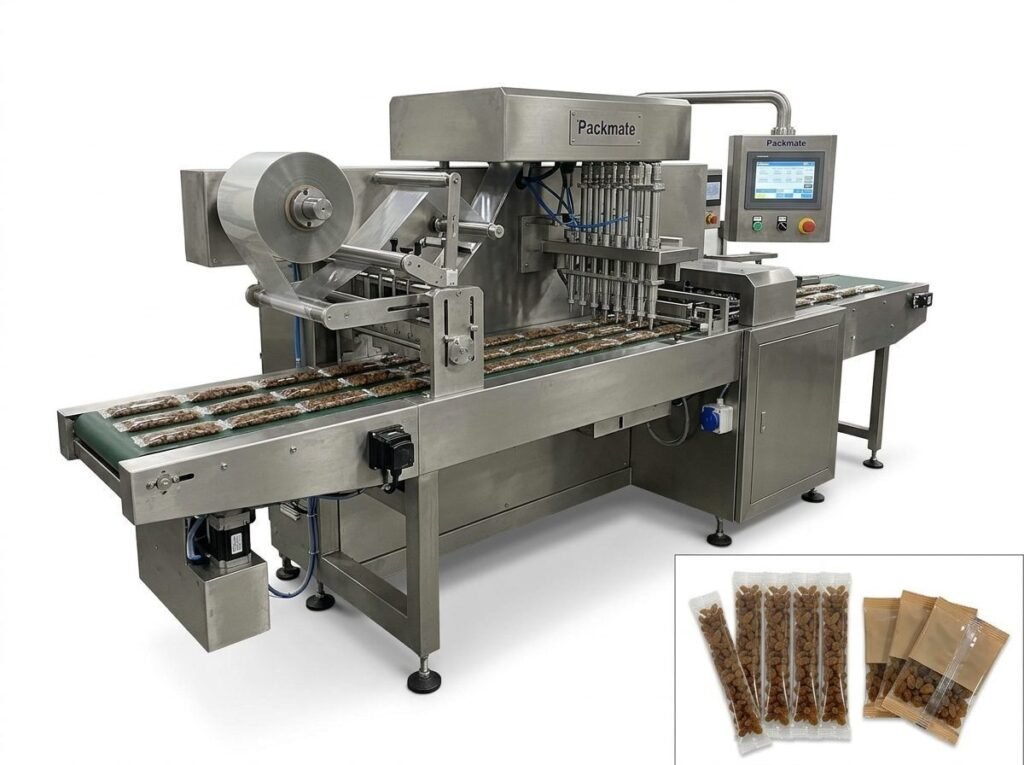
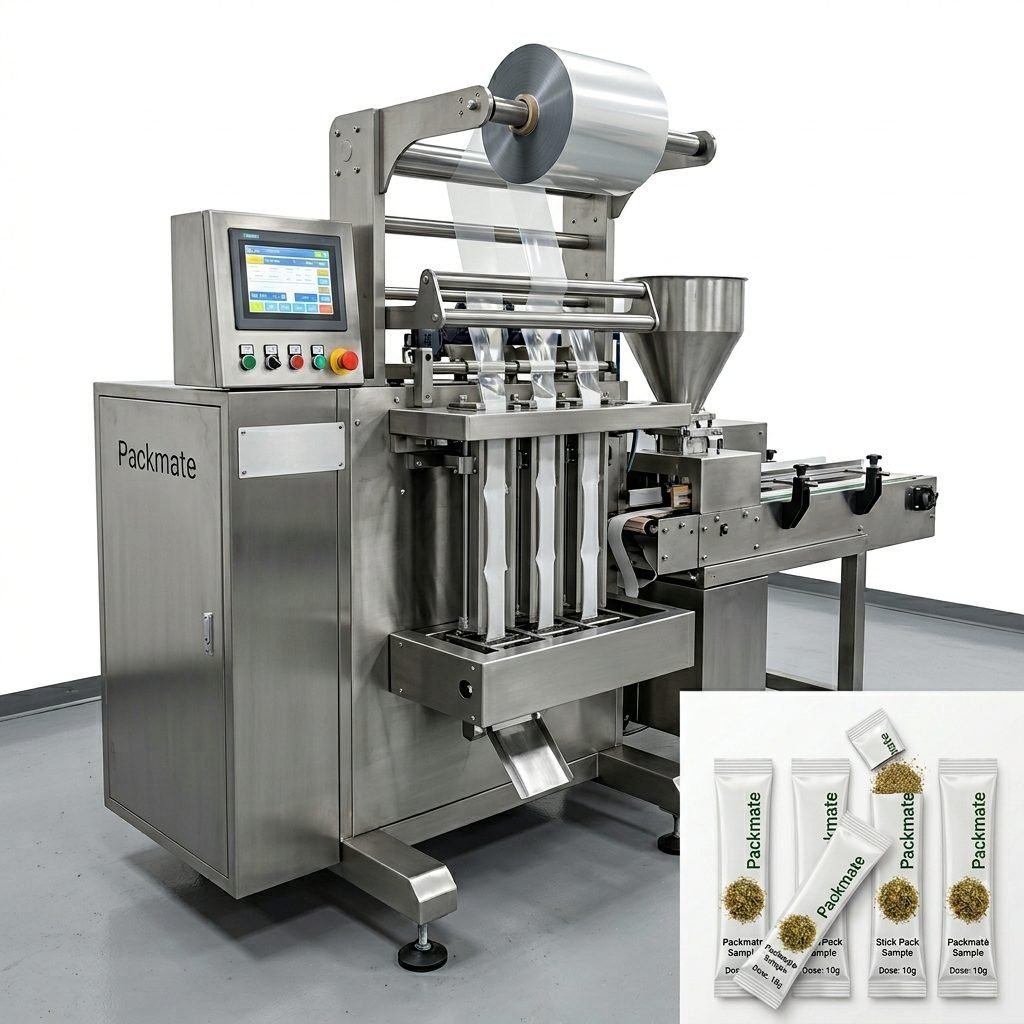
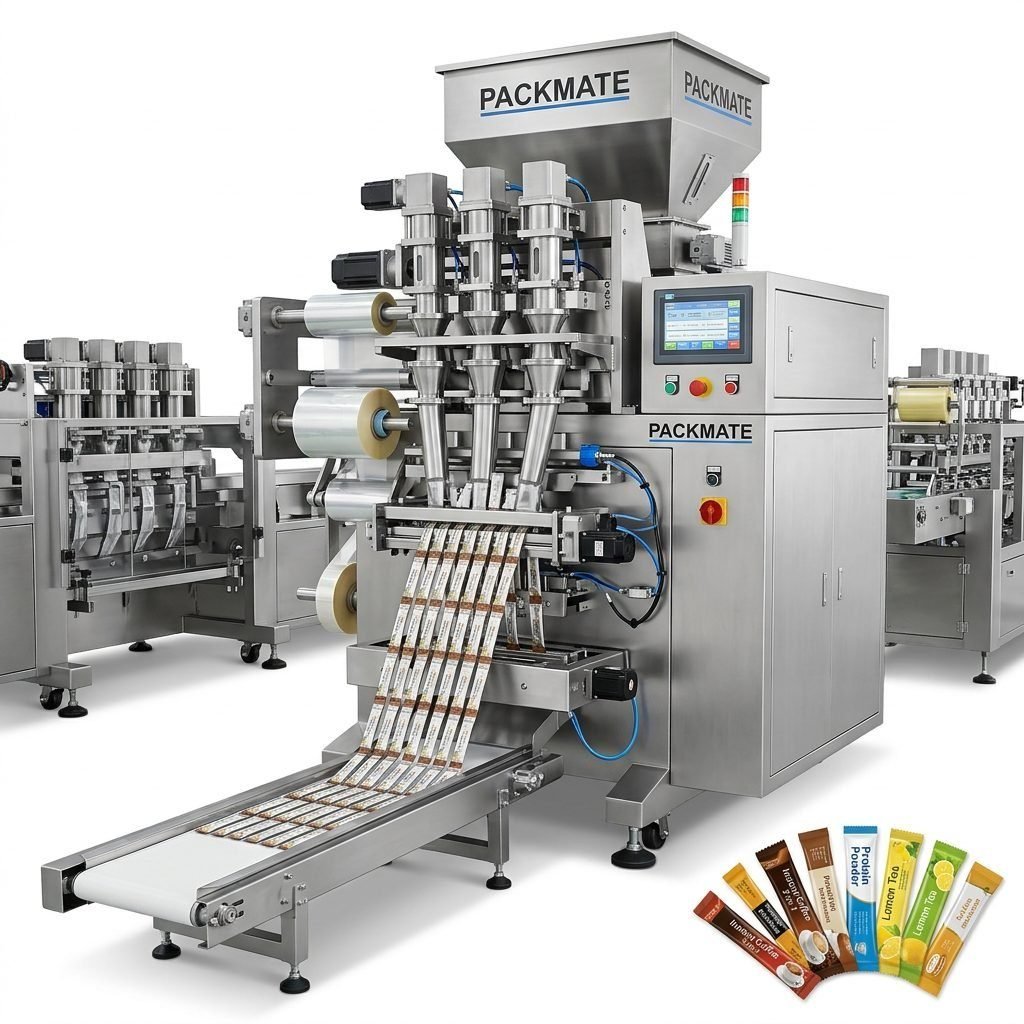
Ideal for single-serve portions of powders, granules, or liquids (like condiments, supplements, or instant beverages), these machines are champions of speed and precision. Modern multi-lane stick pack machines can produce hundreds of packs per minute with exceptional accuracy. They are a cornerstone for businesses in the FMCG (Fast-Moving Consumer Goods) sector, where high volume and consistent quality are critical.
For Bags and Pouches
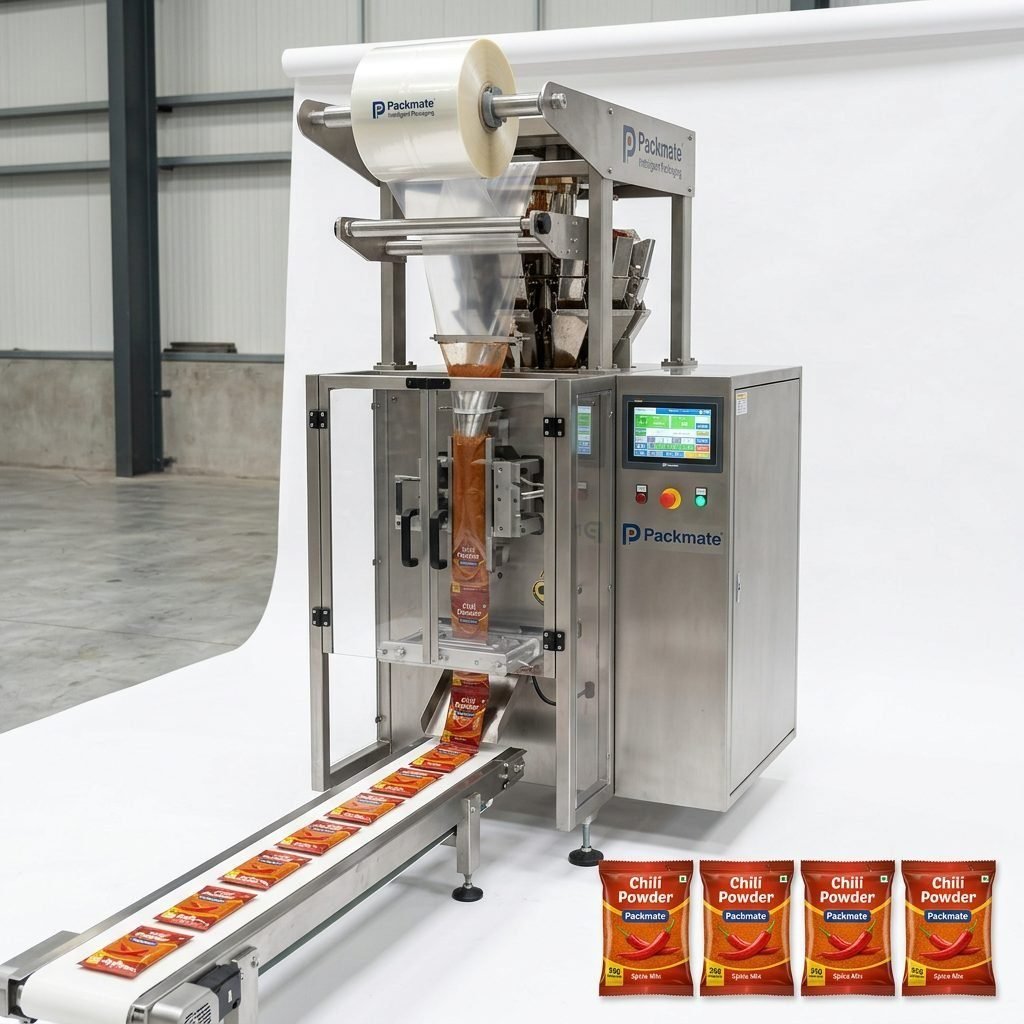
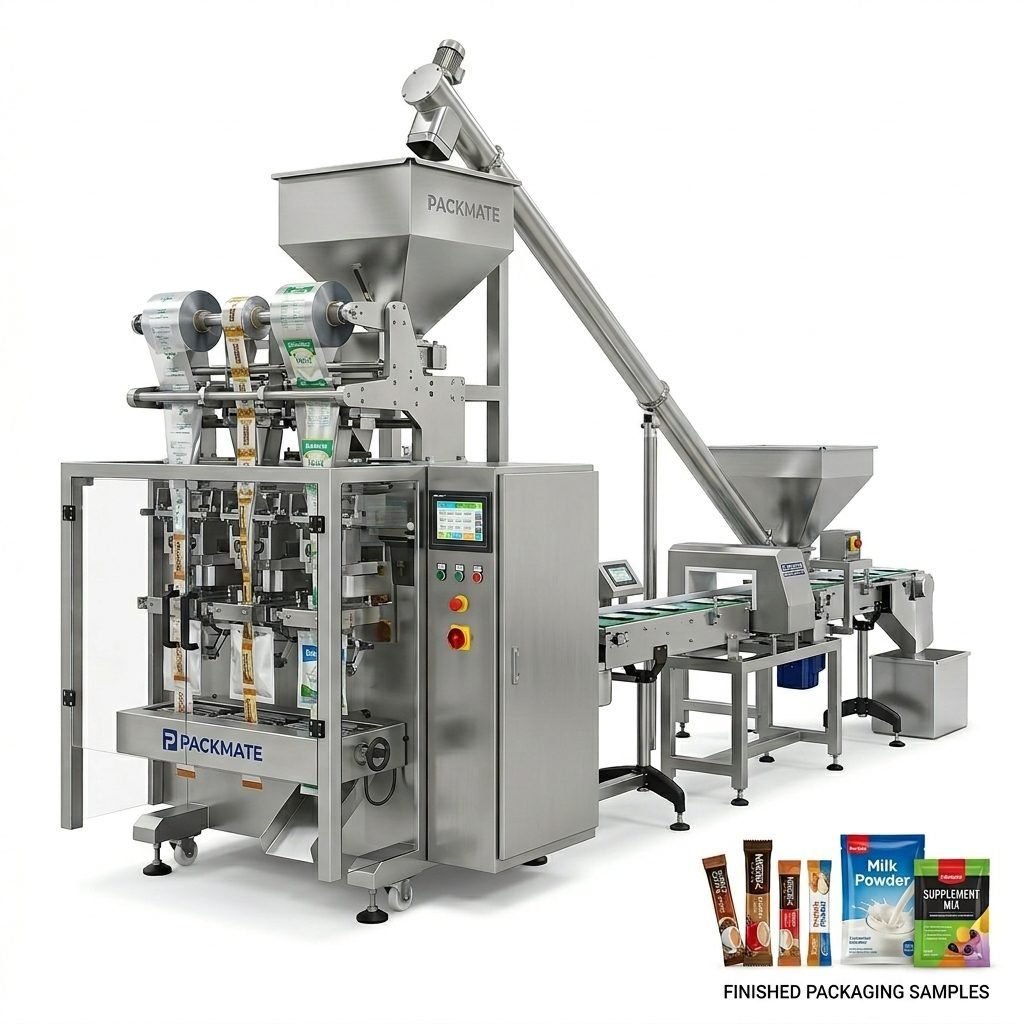
Offering more space for branding and product information, bags and pouches are versatile for a wider range of products. Automatic bagging machines handle everything from snacks and hardware to granular chemicals. Key features to look for include robust sealing mechanisms (like zippers or spouts), reliable feeding systems, and the ability to work with various laminate materials for enhanced product protection.
For Specialized Applications (e.g., Snus, Nicotine Pouches)
Niche markets require specialized equipment. Packaging sensitive products like nicotine pouches demands machines built with specific material handling capabilities, ultra-hygienic design, and often, unique portioning technology. Partnering with a manufacturer experienced in these specialized packaging machines is crucial for compliance and product stability.
The Value of a Turnkey Solution
For many businesses, especially those scaling up or entering new markets, purchasing individual machines is only part of the puzzle. The most efficient and reliable path is often a complete turnkey packaging line. This involves a single provider—like Packmate—designing, integrating, and commissioning a full system that may include feeding, weighing, filling, sealing, coding, and auxiliary equipment. This approach guarantees compatibility between components, simplifies training and maintenance, and provides a single point of accountability, significantly reducing project risk and time-to-market.
Maximizing Your Investment: Beyond the Purchase
Securing the best packaging machine is the first step. Ensuring its long-term value requires attention to support and lifecycle management.
Comprehensive after-sales service is not an add-on; it’s a necessity. This includes detailed installation guidance, thorough operator and maintenance technician training, and ready access to spare parts. A manufacturer’s global service network and technical support availability are strong indicators of their commitment to partnership.
Furthermore, consider the manufacturer’s commitment to innovation. A company that continuously refines its product portfolio based on market feedback and technological advancements ensures that your investment remains relevant and competitive for years to come.
Frequently Asked Questions (FAQs)
1. What is the most important factor when choosing a packaging machine?
While all criteria are important, reliability and suitability for your specific product are paramount. A fast machine that frequently jams or cannot handle your material consistently will cost more in downtime and waste than a slightly slower, utterly dependable solution. Always prioritize a machine proven to work with products similar to yours.
2. How do I know if I need a single machine or a full packaging line?
This depends on your production volume, manual labor costs, and future growth plans. For lower volumes or simple tasks, a standalone machine may suffice. For high-volume, complex packaging requiring multiple steps (filling, sealing, labeling, cartoning), an integrated line offers far greater efficiency, consistency, and lower long-term operational cost.
3. What kind of maintenance do packaging machines typically require?
Regular, preventive maintenance is key. This typically includes daily cleaning, lubrication of moving parts as specified by the manufacturer, and inspection of wear components like seals, cutters, and filters. Adhering to the manufacturer’s maintenance schedule is the best way to ensure longevity and prevent unexpected breakdowns.
4. Can one machine handle different package sizes and materials?
Many modern machines are designed with changeover flexibility in mind. They often feature adjustable forming tubes, seal jaws, and programmable settings for different package lengths and widths. However, significant changes in material type (e.g., from paper laminate to aluminum foil) may require different sealing temperature profiles or even component changes. Discuss your flexibility needs in detail with your supplier.
5. Why should I choose an established manufacturer over a newer company?
An established manufacturer brings accumulated experience, a proven track record of machine performance in the field, and a mature support ecosystem. They have likely encountered and solved a wide array of technical and application challenges, which translates into more robust, reliable, and user-friendly equipment for you. Their longevity is often a testament to the quality and reliability of their solutions.