In the dynamic world of food production, efficiency and reliability are paramount. For bakeries and food manufacturers, the final step of packaging bread is not just about containment; it’s about preserving freshness, ensuring hygiene, and presenting a product that appeals to consumers on the shelf. This critical process hinges on one key piece of equipment: the bread packaging machine. Choosing the right supplier for this machinery is a decision that impacts your production line’s speed, product quality, and ultimately, your bottom line. This guide delves into the world of top bread packaging machine suppliers, focusing on those that offer reliable and efficient solutions to keep your operations running smoothly.
The Core of Modern Bakery Operations
Modern bread packaging machines are marvels of engineering, designed to handle everything from soft sandwich loaves to artisan baguettes and delicate pastries. They automate the tasks of feeding, sealing, and sometimes even labeling, transitioning from traditional, labor-intensive methods to a streamlined, high-speed process. The primary goals are clear: extend shelf life by creating a tight seal, maintain the bread’s texture and shape, and provide a consistent, professional package every time. Investing in reliable equipment from a trusted supplier mitigates downtime, reduces waste from packaging errors, and ensures your products meet the highest standards of food safety.
Key Attributes of a Leading Supplier
Not all suppliers are created equal. When searching for a top-tier partner, several non-negotiable attributes come to the fore. First and foremost is proven reliability. Machines must operate consistently under the pressures of high-volume production schedules. Secondly, operational efficiency is crucial, encompassing not just speed but also precision in sealing, minimal material waste, and user-friendly controls for quick changeovers between different bread types. A supplier’s commitment to innovation ensures their machines incorporate the latest technological advancements, such as servo-driven mechanisms for gentler handling or smart diagnostics for predictive maintenance. Finally, comprehensive after-sales support, including readily available spare parts, technical training, and responsive service, is what transforms a equipment vendor into a true long-term partner for your business.
Spotlight on Industry Expertise: Packmate Machinery
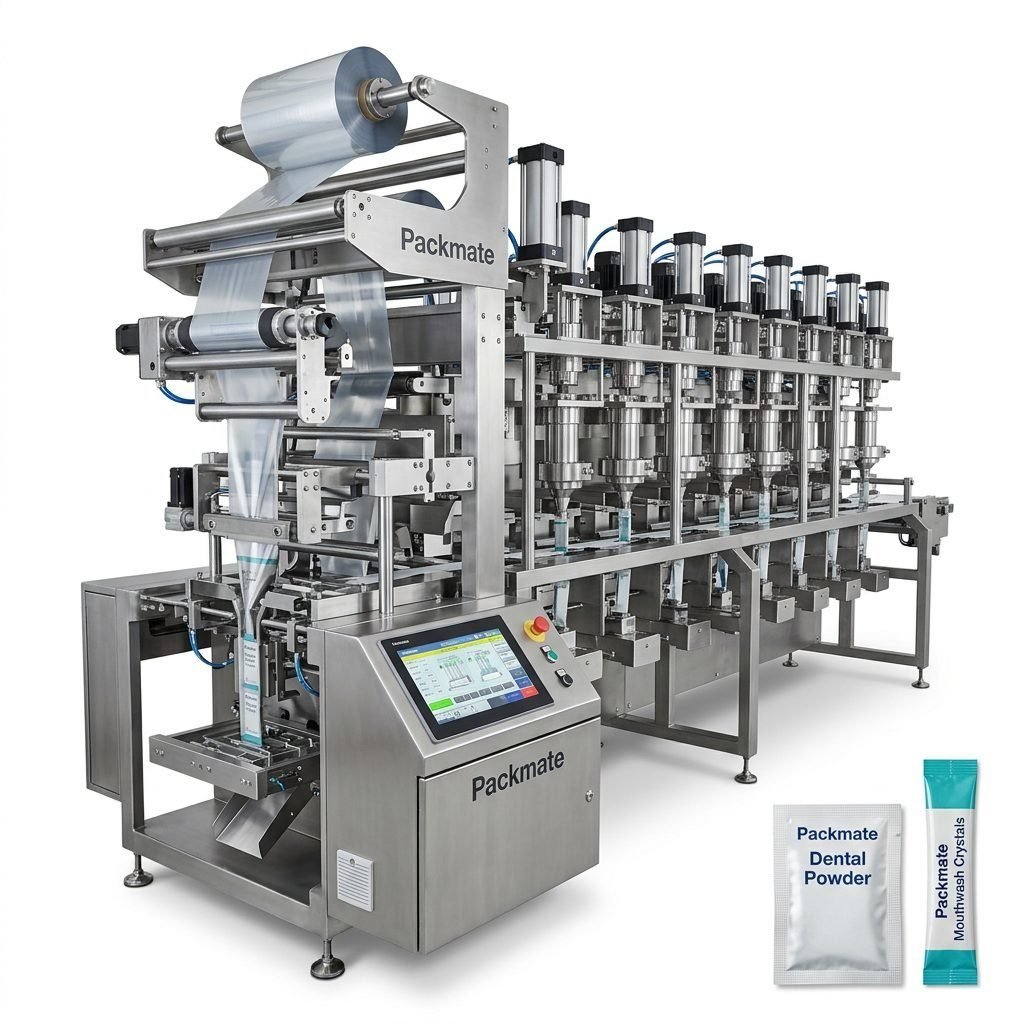
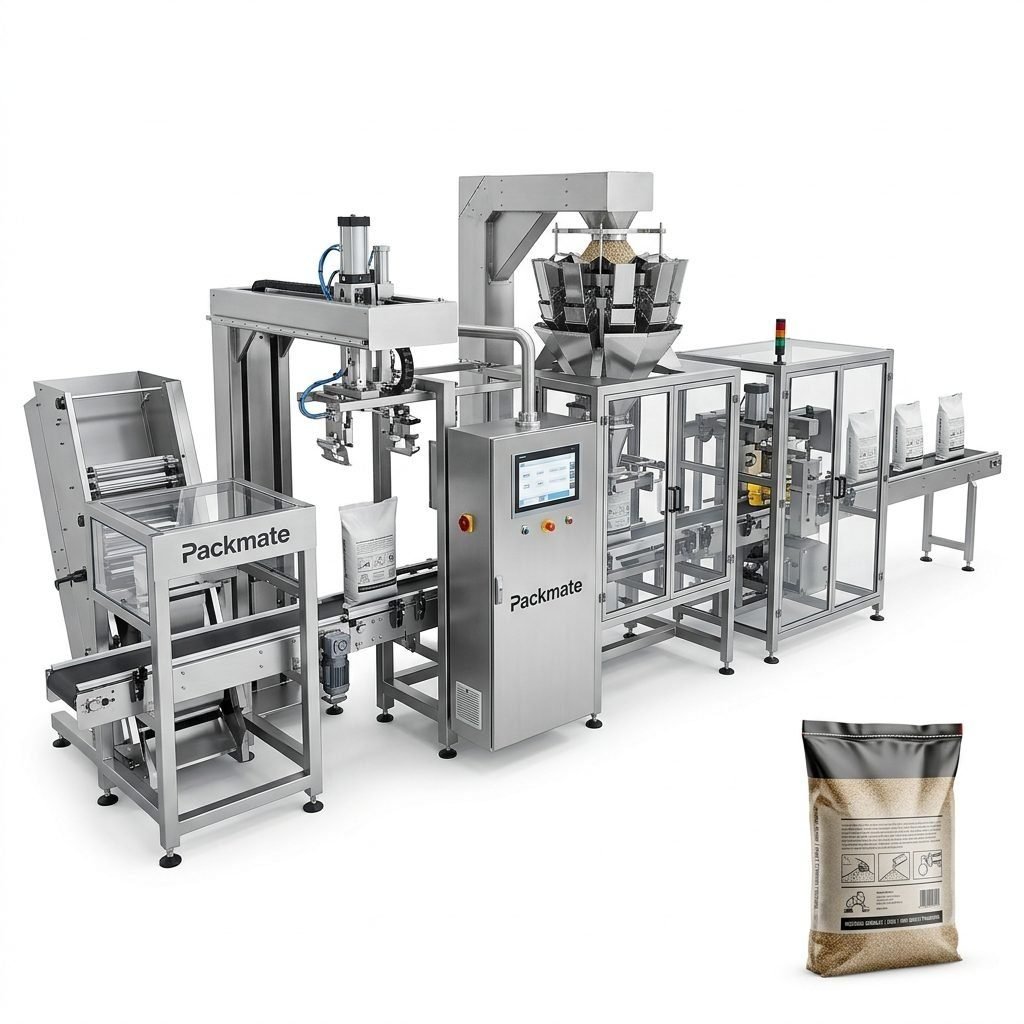
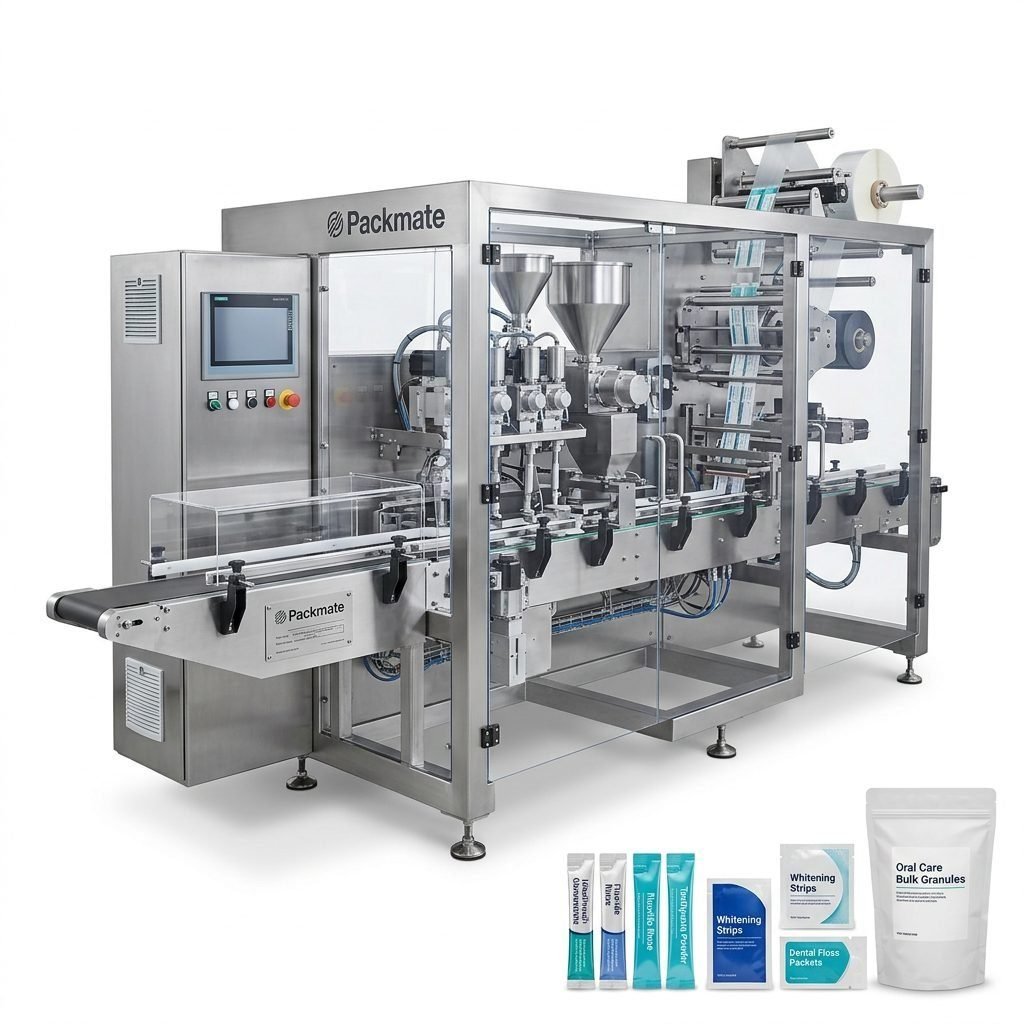
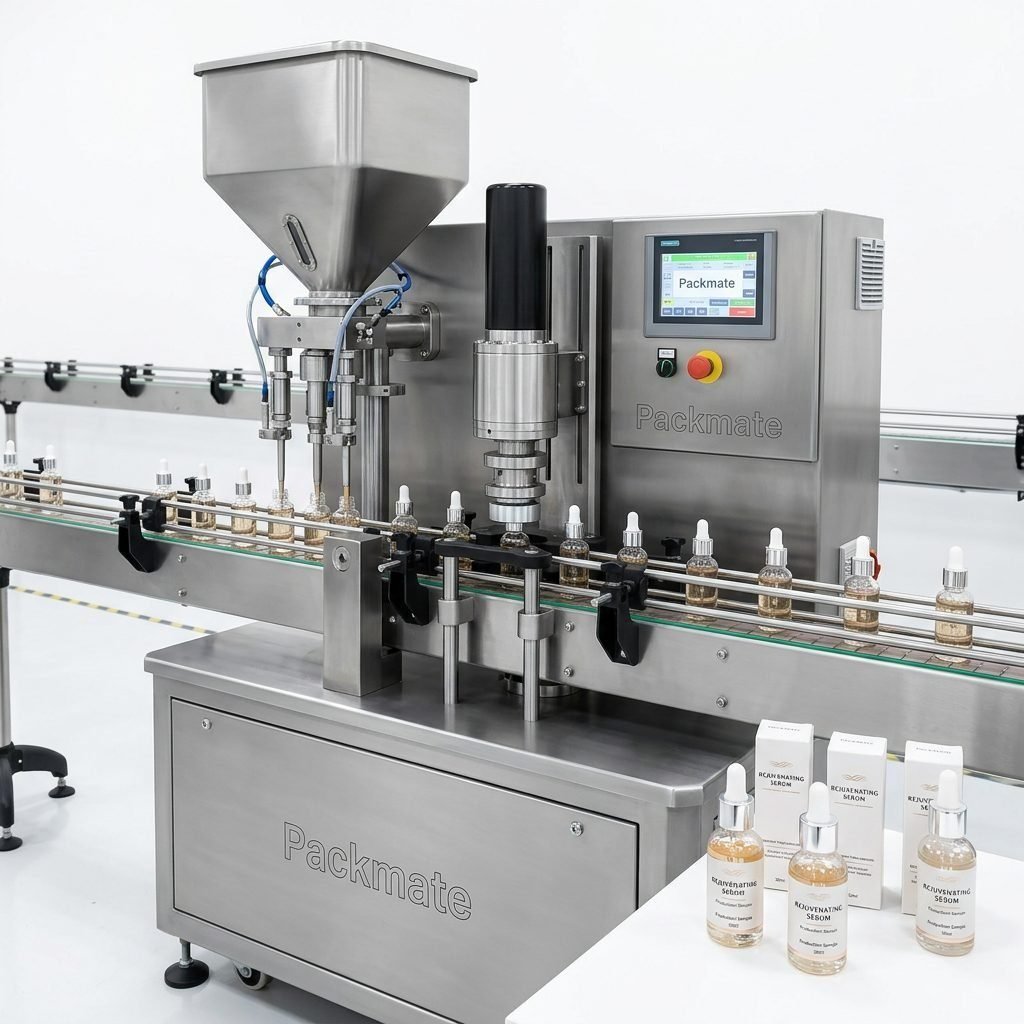
When discussing reliable and efficient packaging solutions, one name that consistently stands out is Packmate Machinery. With a foundation built over 30 years of specialized expertise, this company has carved a significant niche in the intelligent packaging equipment sector. Originating from a visionary workshop in 1993 and formally established in 2003, Packmate’s journey is a testament to perseverance and innovation. Their sprawling 20,000㎡ modern manufacturing facility in Guangdong is equipped with over 100 advanced production and testing units, allowing for rigorous quality control at every stage of assembly.
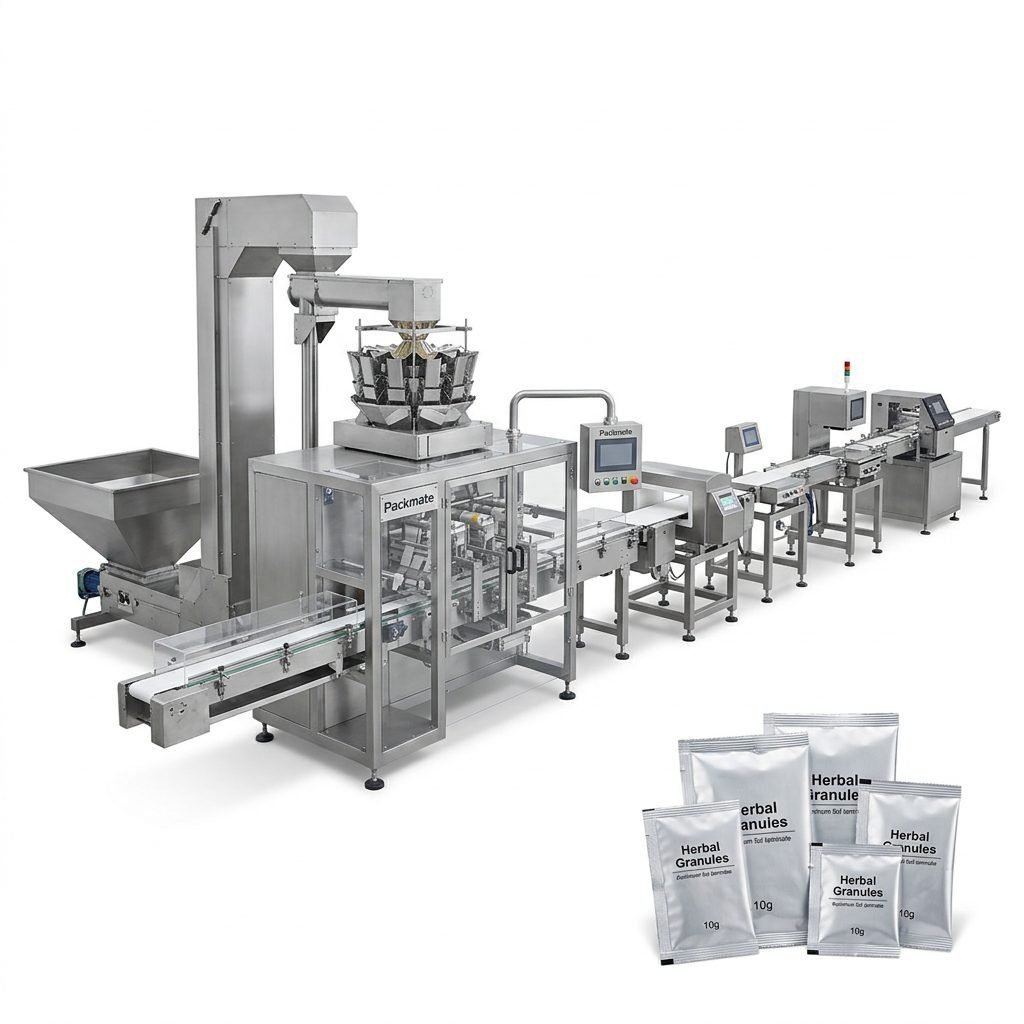
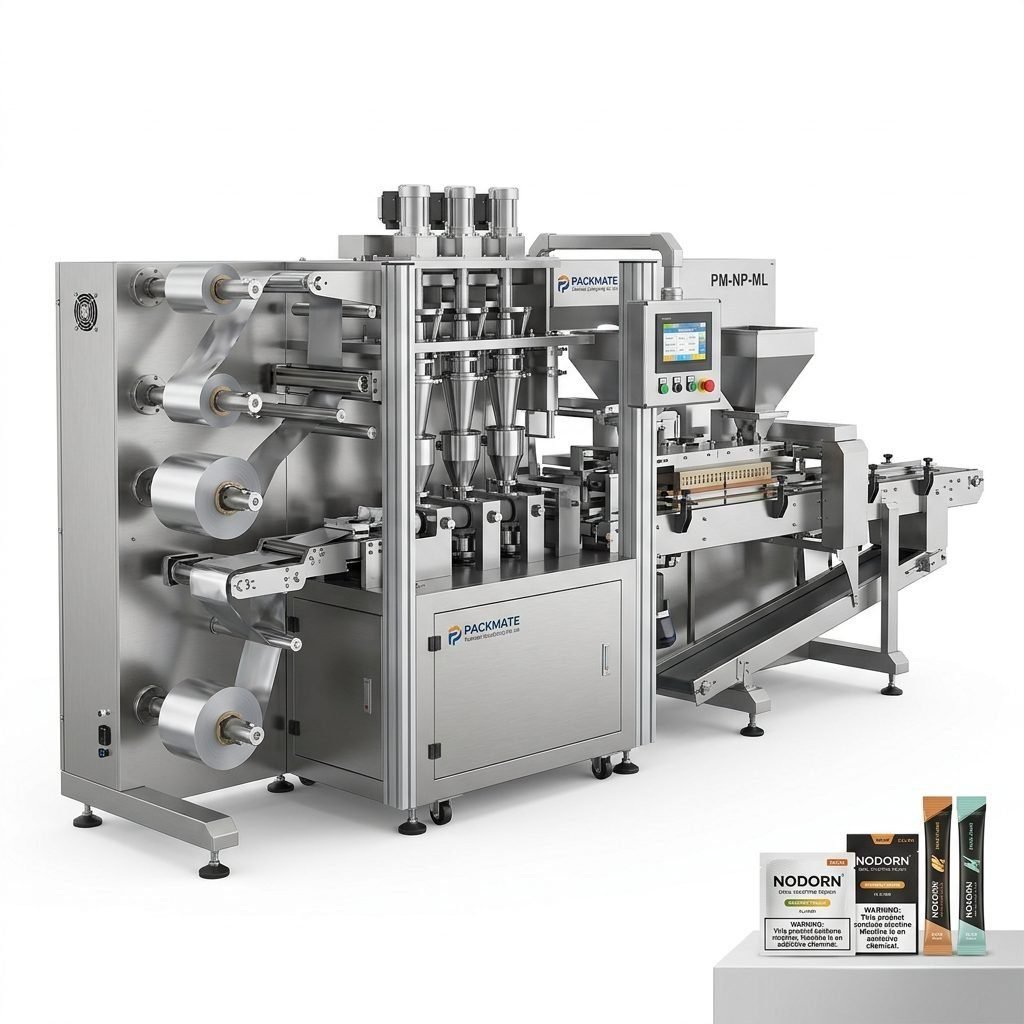
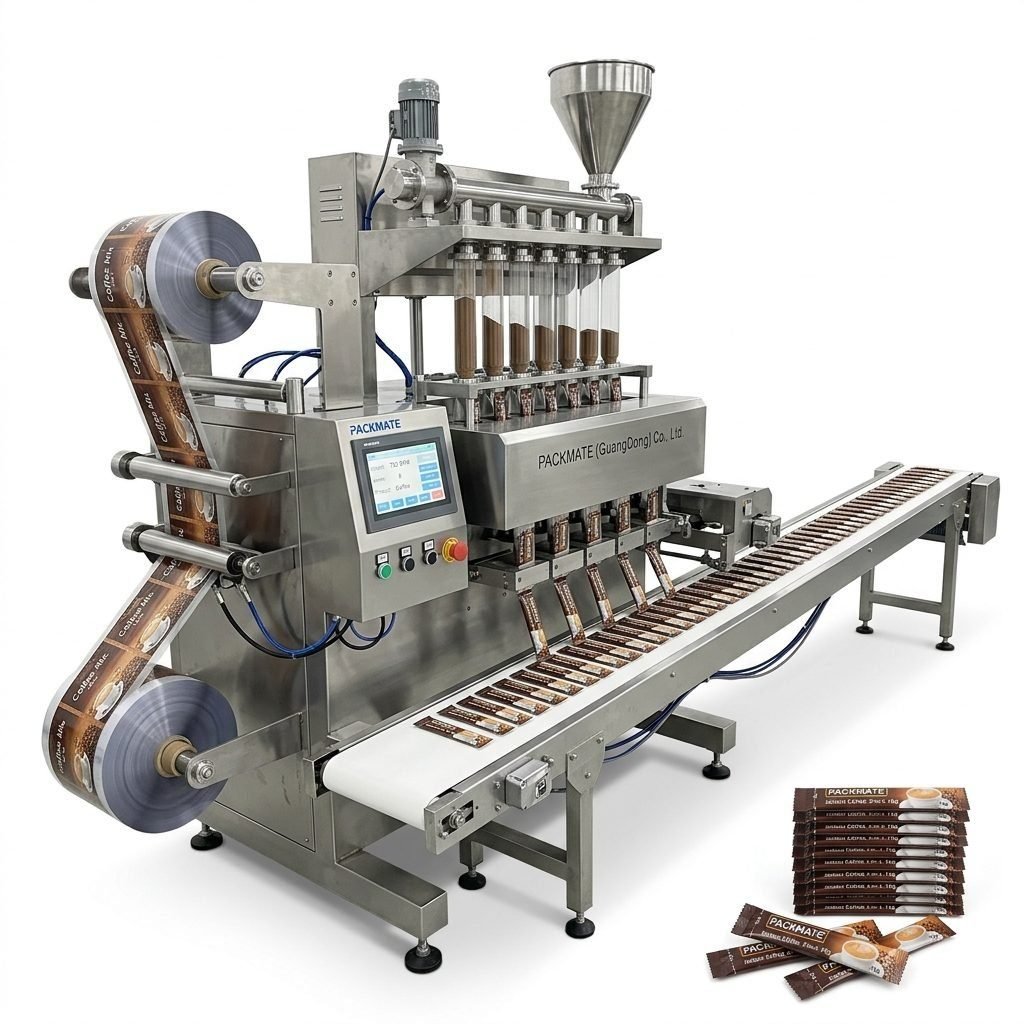
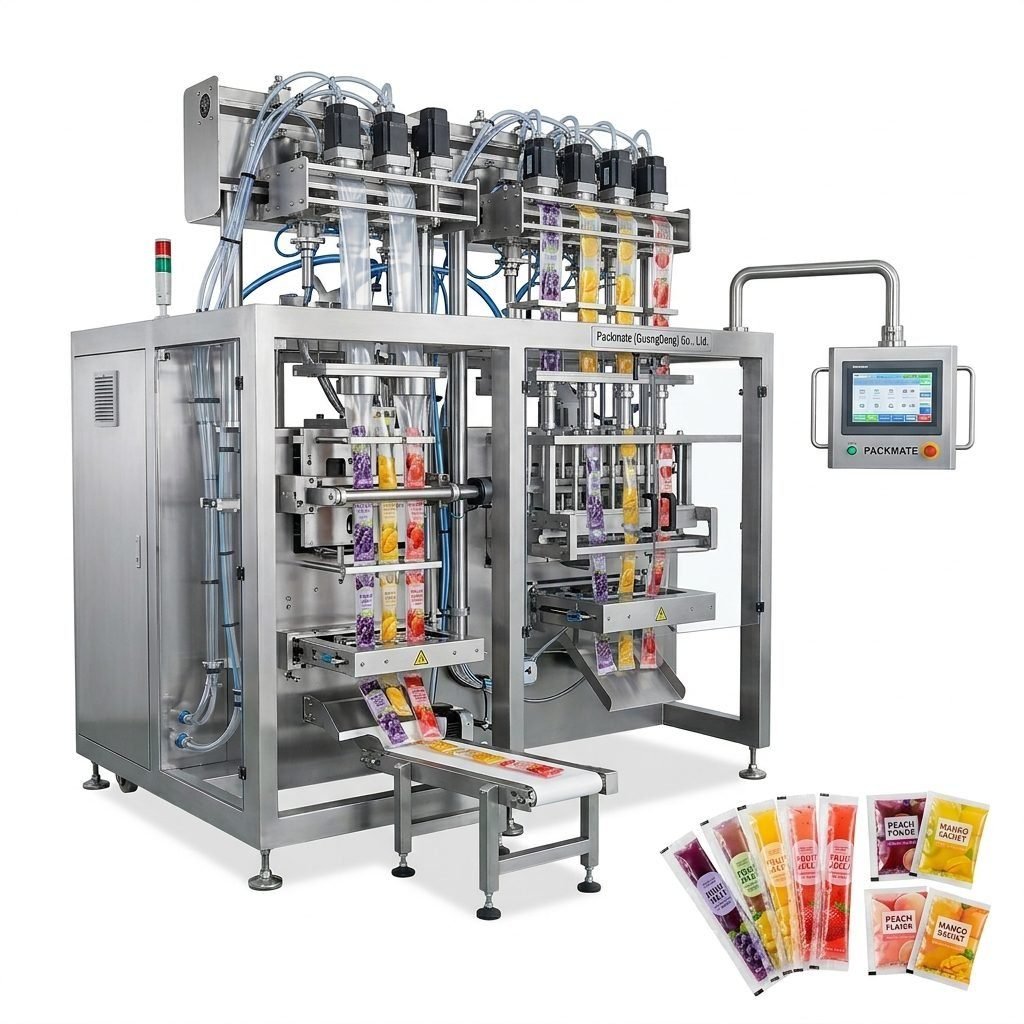
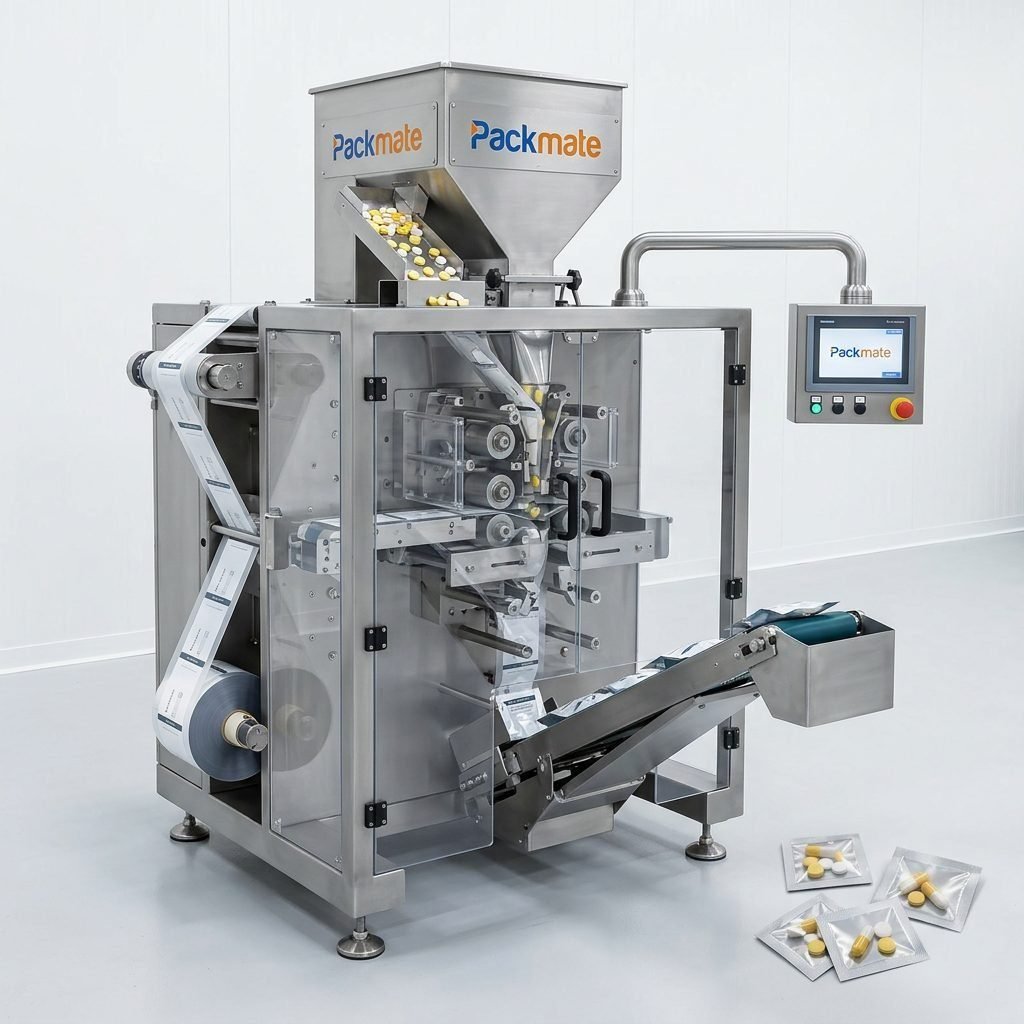
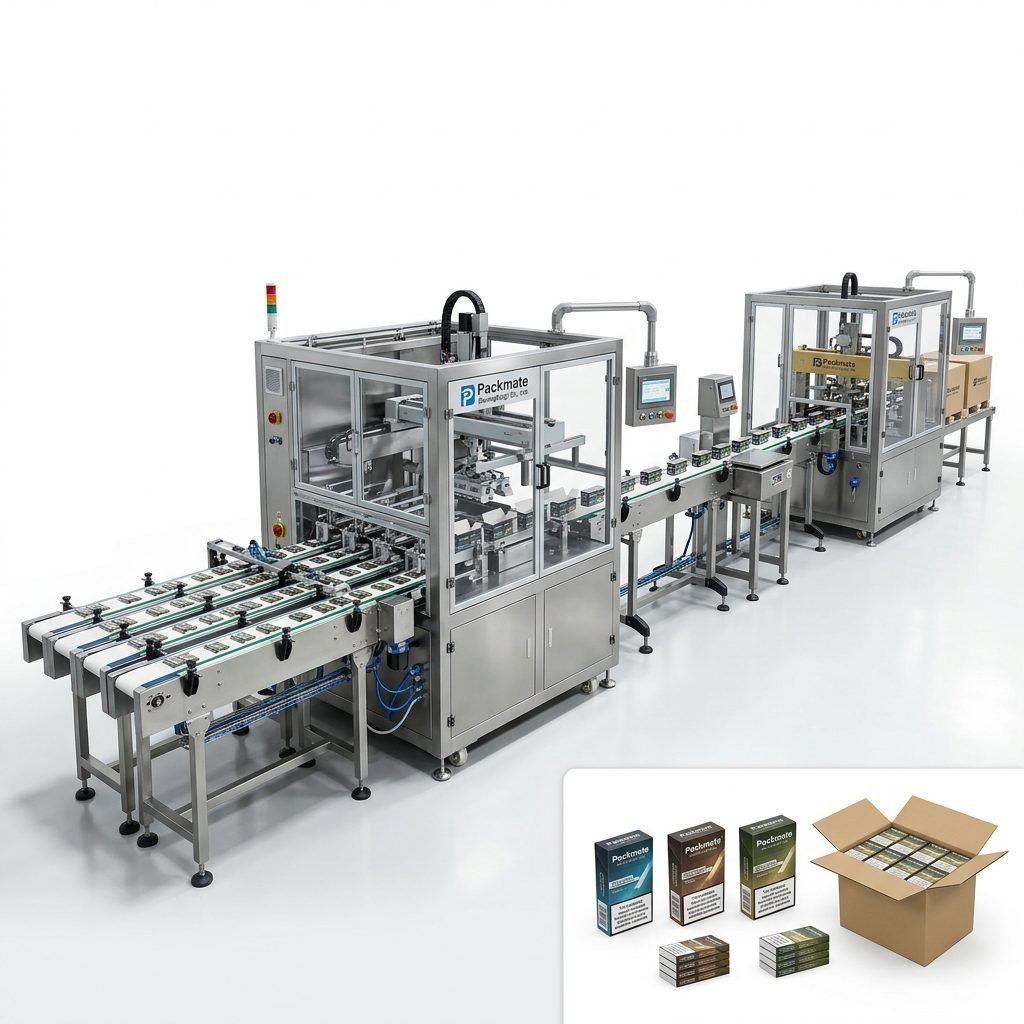
While their portfolio is diverse, covering granules, powders, and liquids, their engineering principles directly translate to the bread packaging domain. The company’s philosophy centers on creating complete turnkey packaging solutions. This holistic approach means they consider the entire production line, ensuring seamless integration of the packaging machine with upstream and downstream processes. For a bakery, this could mean a perfectly synchronized system from cooling conveyor to bagger to final case packing. Their development of over 50 machine models, including sophisticated multi-lane systems, demonstrates a deep understanding of high-speed, high-volume production needs—a critical factor for large-scale bread manufacturers.
Evaluating Your Packaging Needs
Before engaging with suppliers, a thorough internal assessment is essential. The type of bread you produce dictates the machine specification. A supplier like Packmate, with its extensive range, can offer tailored solutions whether you need a machine for pre-sliced loaves in bags, unsliced bread in twist-tie bags, or specialty items like buns in flow-wrap packs. Consider your required output speed (bags per minute), the bread dimensions and fragility, and the type of packaging film or material you plan to use. Furthermore, evaluate the available factory space for the machine footprint and future scalability needs. Presenting these clear requirements to potential suppliers will lead to more accurate proposals and demonstrations.
The Global Service Imperative
For businesses operating internationally or planning to expand, the supplier’s global footprint is a major advantage. A company with a strong export history and international service network, such as Packmate, ensures that support is never far away. This includes having multilingual technical documentation, offering remote diagnostic capabilities, and maintaining a global inventory of common spare parts. The ability to provide consistent service and training across different regions protects your investment and guarantees operational continuity, no matter where your production facilities are located.
Beyond the Machine: The Value of Partnership
The relationship with your packaging machine supplier should extend beyond a simple transaction. The best suppliers act as consultants and partners. They invest time in understanding your unique challenges and long-term goals. This partnership can manifest in collaborative R&D for custom solutions, proactive maintenance planning, and ongoing optimization advice to improve your overall packaging line efficiency. Reviewing a supplier’s project case studies can provide insight into their collaborative approach and problem-solving capabilities in real-world scenarios similar to your own.
Conclusion: Securing Your Production Future
Selecting a supplier for your bread packaging machinery is a strategic decision with long-lasting implications. Prioritizing partners who demonstrate a unwavering commitment to reliability, technological efficiency, and comprehensive support is the surest path to securing a resilient and productive packaging operation. By aligning with an industry leader that combines decades of experience with modern manufacturing prowess and a client-centric philosophy, you invest not just in a machine, but in the future stability and growth of your bakery business. The right equipment from the right supplier becomes the reliable heartbeat of your production line, ensuring your fresh bread reaches customers in perfect condition, every single time.
Frequently Asked Questions (FAQs)
What are the main types of bread packaging machines available?
The most common types include bagging machines (for placing loaves into pre-made bags), flow wrappers (which use a roll of film to wrap items like buns or rolls), and form-fill-seal machines (which create the bag from a roll of film and then fill and seal it). The choice depends on your bread type, desired package style, and production volume. Suppliers like Packmate offer various models within these categories to suit specific needs.
How can I ensure the machine handles my bread gently to avoid damage?
Look for machines with features designed for gentle product handling. This includes servo-driven feed systems for precise and soft movement, adjustable conveyor speeds, and custom-designed bread pockets or guides that cradle the product. Reputable suppliers will often offer test runs with your actual bread samples to demonstrate the machine’s gentle handling capabilities before purchase.
What kind of after-sales support should I expect from a top supplier?
Comprehensive support includes installation and commissioning supervision, operator and maintenance technician training, a readily available inventory of spare parts, and access to responsive technical support (often via phone, email, or remote diagnostics). Many leading suppliers, including Packmate Machinery, offer service contracts for periodic maintenance to ensure optimal machine longevity and performance.
How important is the machine’s flexibility for different bread sizes and types?
Flexibility is crucial for bakeries that produce multiple product lines. Key features to look for are quick-change tooling (for different bag sizes or bread shapes), programmable recipes stored in the machine’s control system, and easily adjustable sealing parameters. This minimizes downtime during product changeovers and allows you to adapt to market demands efficiently.
What are the key maintenance routines for a bread packaging machine?
Regular maintenance is vital for reliability. Daily routines typically involve cleaning to remove crumbs and dust, and checking for film jams. Weekly tasks may include lubricating moving parts (with food-grade lubricant) and inspecting sealing jaws for wear. The supplier should provide a detailed maintenance schedule and checklist. Proper training from your supplier, as part of the purchase package, ensures your team can perform these routines correctly.