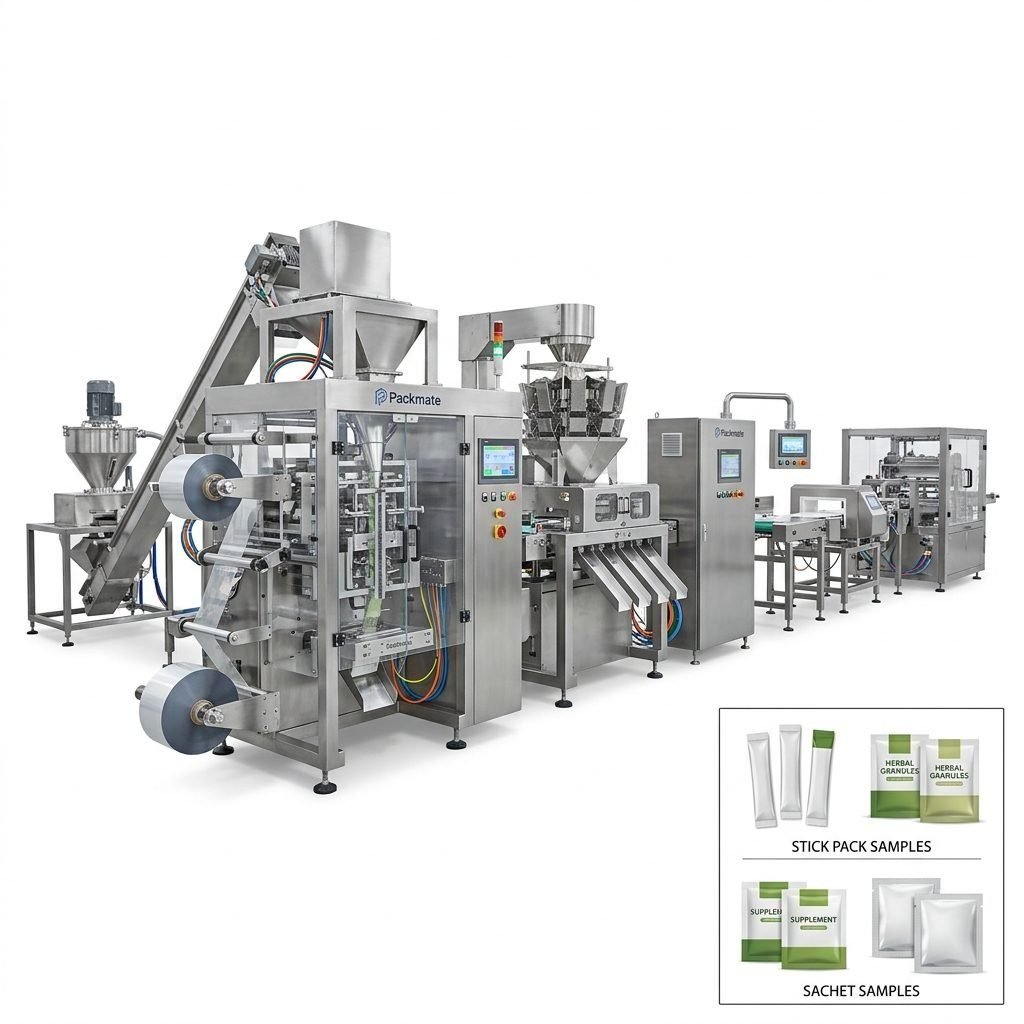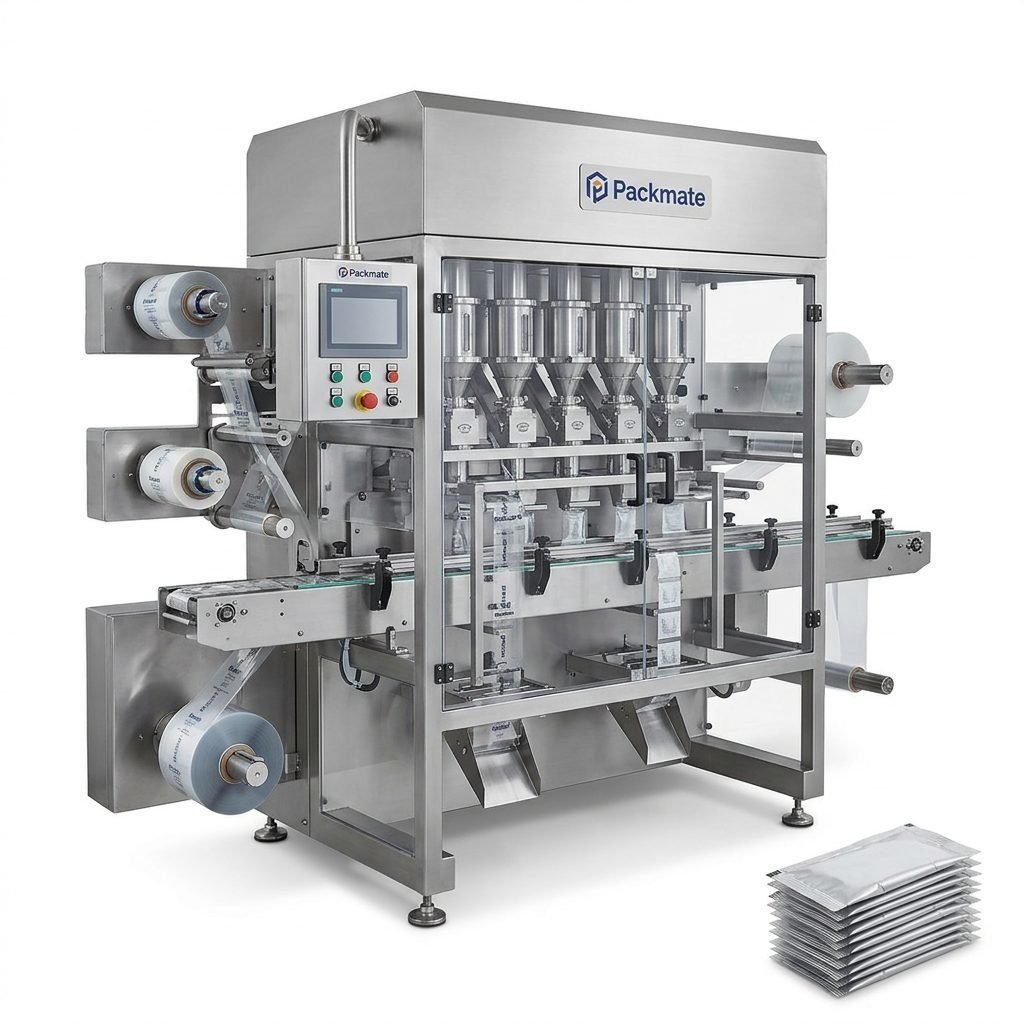
In the fast-paced world of manufacturing and product distribution, packaging machines stand as the unsung heroes of efficiency, consistency, and brand presentation. These sophisticated pieces of equipment are vital for businesses across countless sectors, from food and beverage to pharmaceuticals and consumer goods. This comprehensive guide delves into the various types of packaging machines, their specific applications, and provides crucial insights to guide your purchasing decisions.
Understanding the Core Types of Packaging Machines
The landscape of packaging machinery is diverse, with each type designed for specific tasks and product forms. Understanding these categories is the first step toward selecting the right equipment for your production line.
Filling Machines
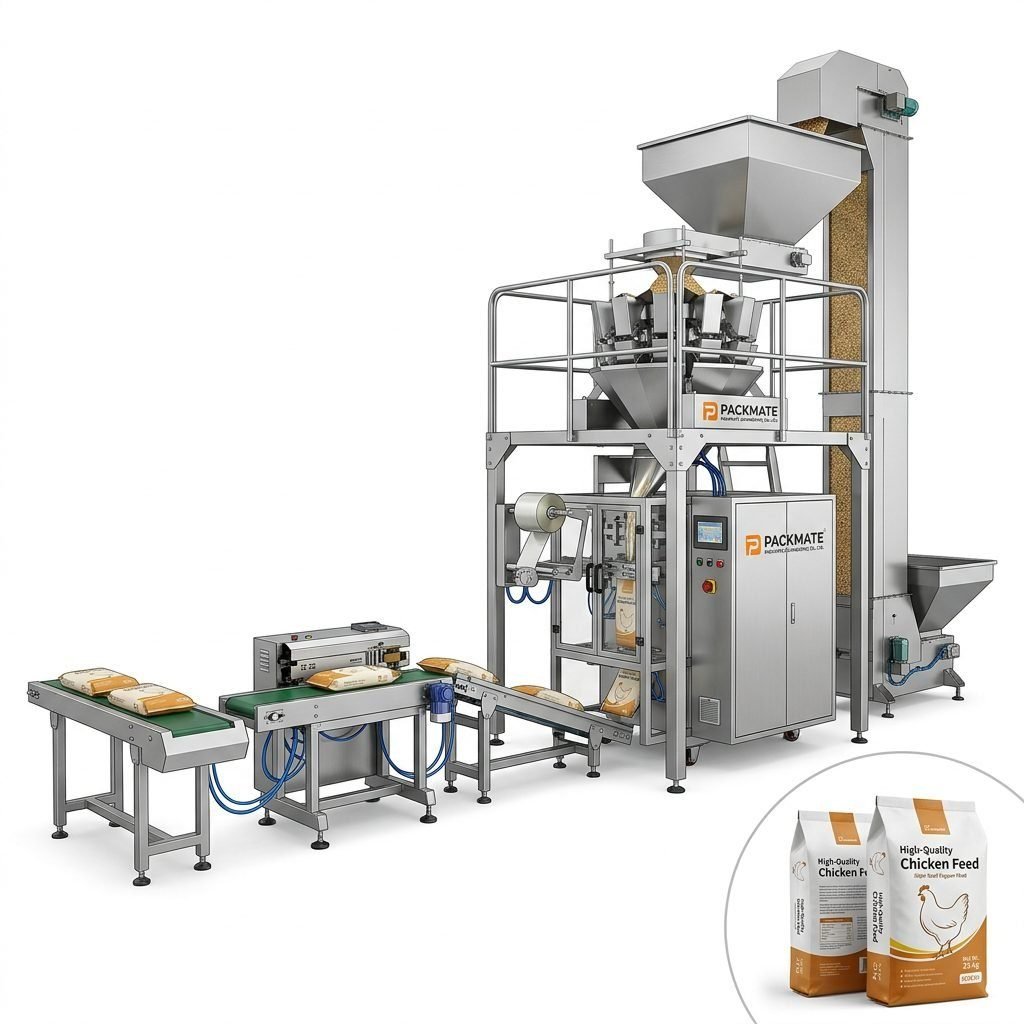
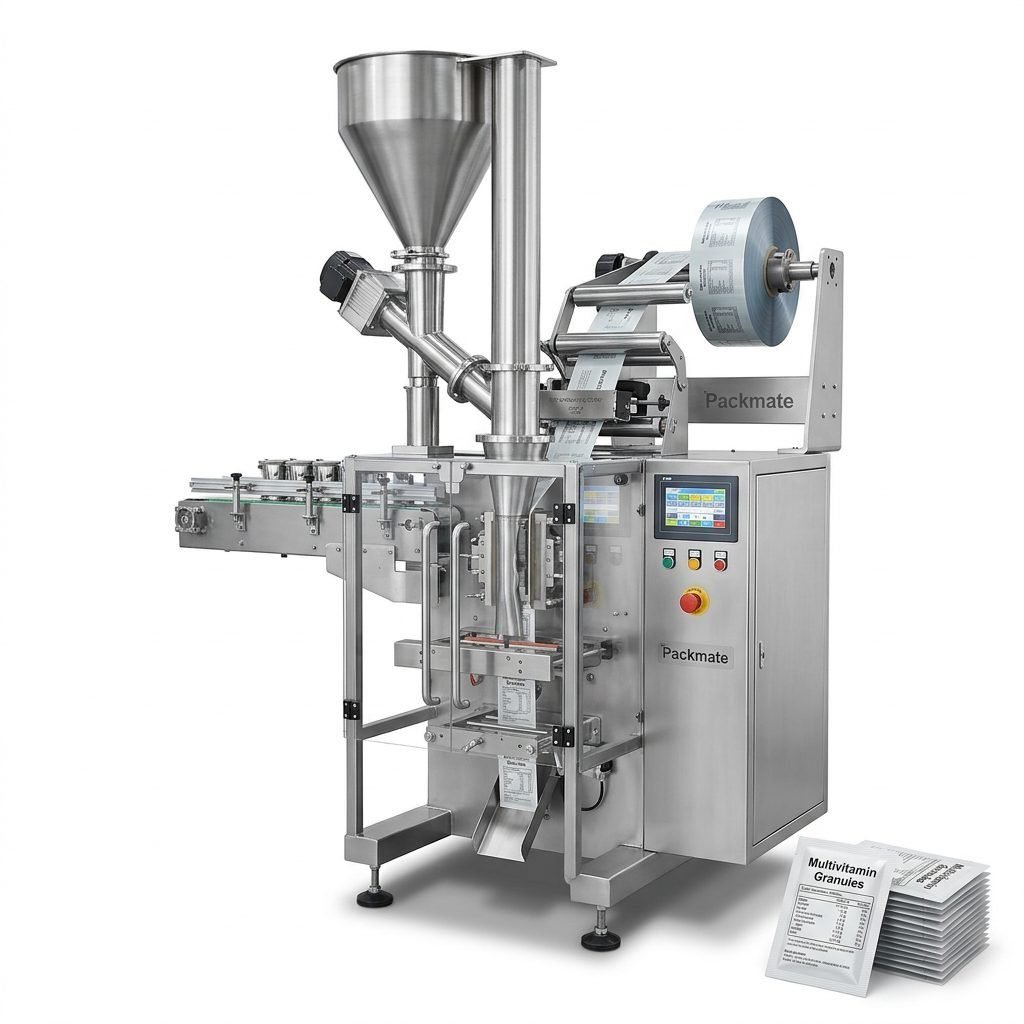
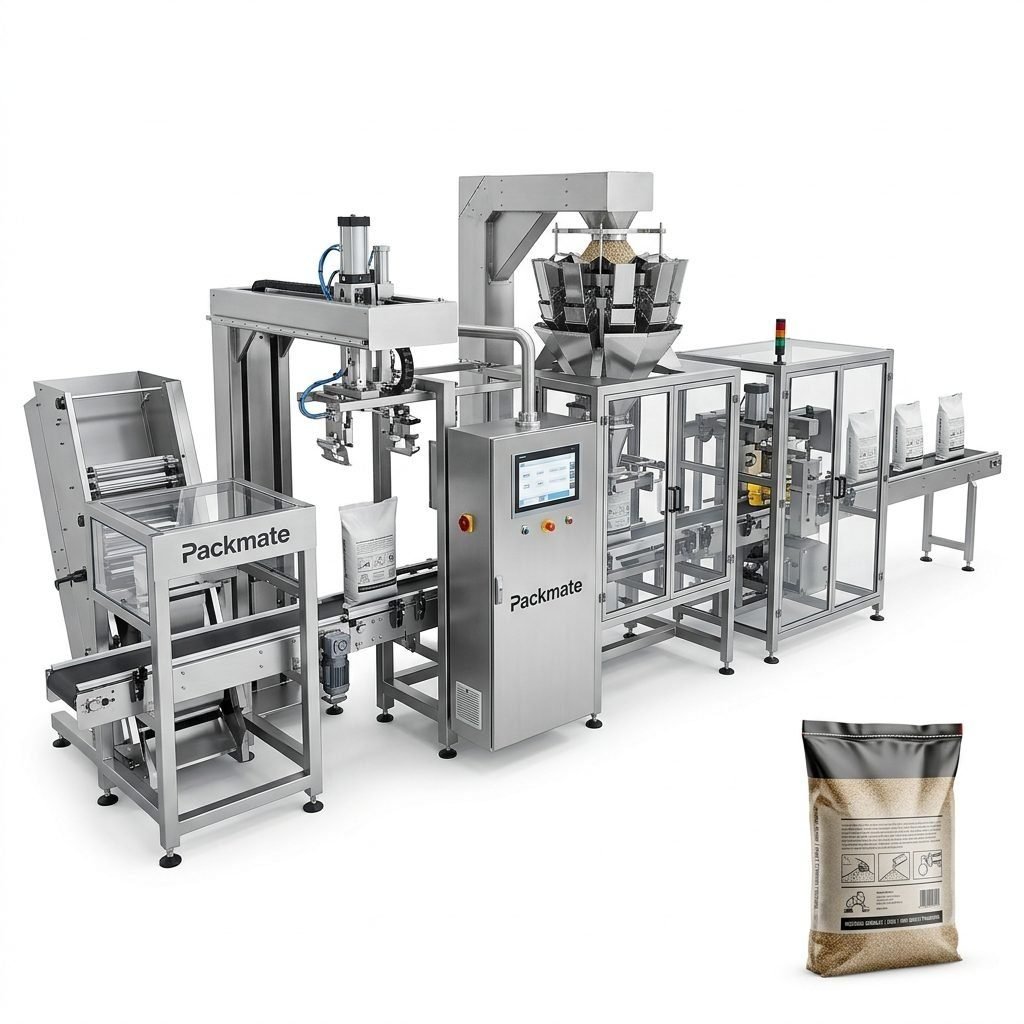
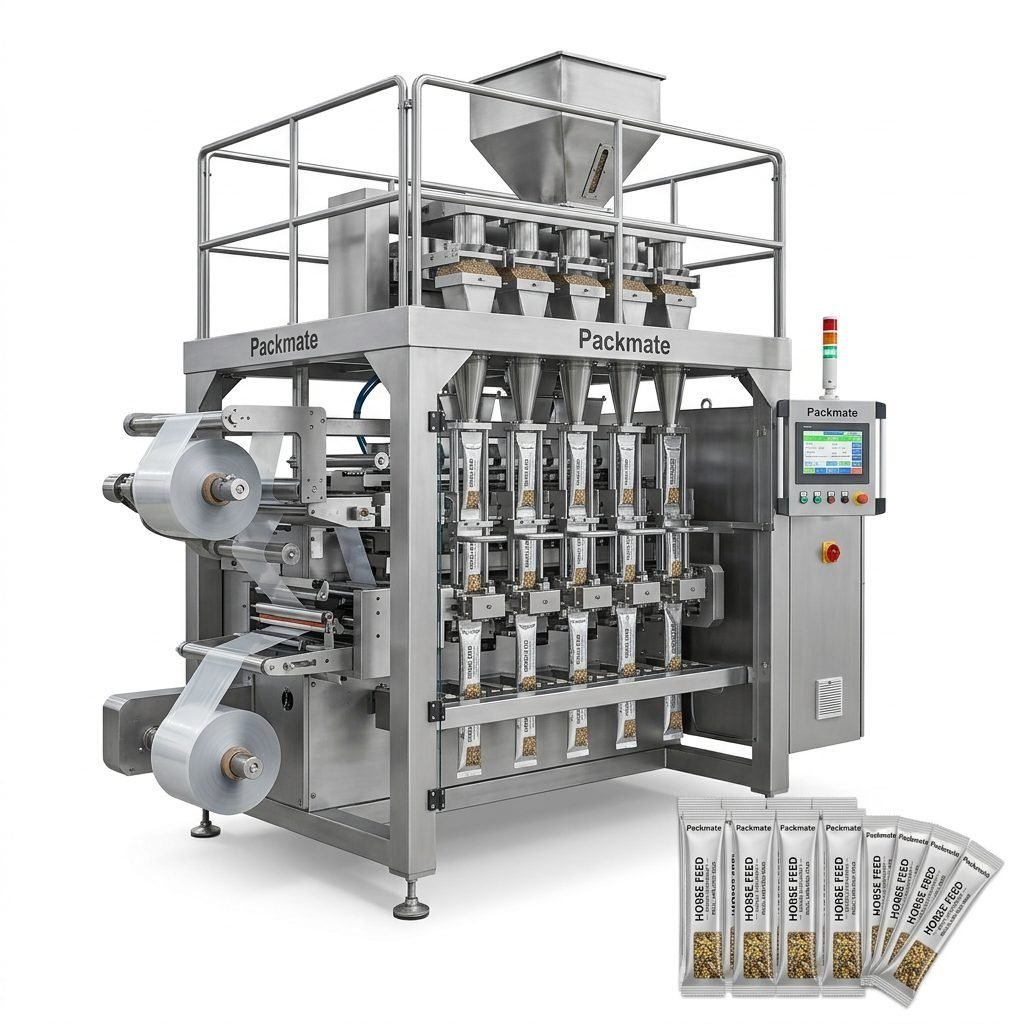
These machines are responsible for accurately dispensing a product into its container. They are categorized based on the product’s physical state. Liquid fillers handle beverages, oils, and chemicals, while powder fillers are essential for spices, flour, and pharmaceuticals. Granular fillers manage products like coffee beans, nuts, and hardware components. Precision is paramount here to ensure consistent fill levels and minimize product giveaway.
Sealing Machines
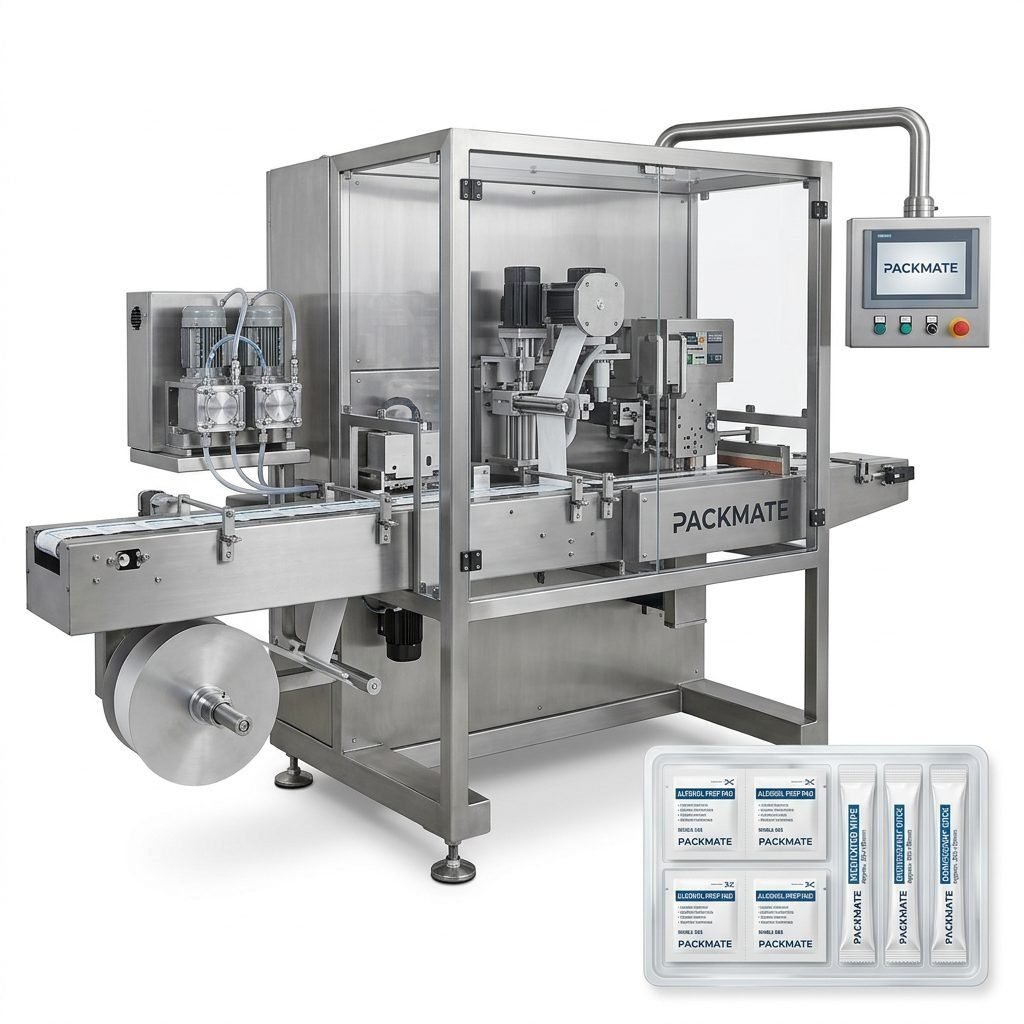
Once a product is in its pouch, bag, or container, it must be securely closed. Sealing machines provide this critical function. Common types include heat sealers, which use controlled heat to fuse packaging films (common for sachets and stick packs), and induction sealers, which create tamper-evident seals on bottles. The choice depends heavily on your packaging material, whether it’s plastic, foil, or laminated films.
Wrapping and Bundling Machines
This category focuses on grouping individual items together for sale, transport, or protection. Flow wrappers encase products in a tight film, ideal for candy bars, baked goods, and magazines. Shrink wrappers use heat to shrink a loose plastic film around a product or a bundle of products, providing stability and visibility. Stretch wrappers are used primarily on pallets to secure loads for shipping.
Labeling and Coding Machines
Branding and information are applied in this stage. Labeling machines automatically apply pressure-sensitive labels, sleeve labels, or glue-based labels to containers with high accuracy. Coding and marking machines print essential information like batch numbers, expiration dates, and barcodes directly onto the packaging or a label. This is a non-negotiable requirement for traceability and regulatory compliance in industries like food and pharma.
Primary Uses and Industry Applications
Packaging machines are not one-size-fits-all; their utility is defined by the industry they serve. The requirements for packaging a sterile surgical instrument are vastly different from those for a bag of potato chips.
Food & Beverage Industry
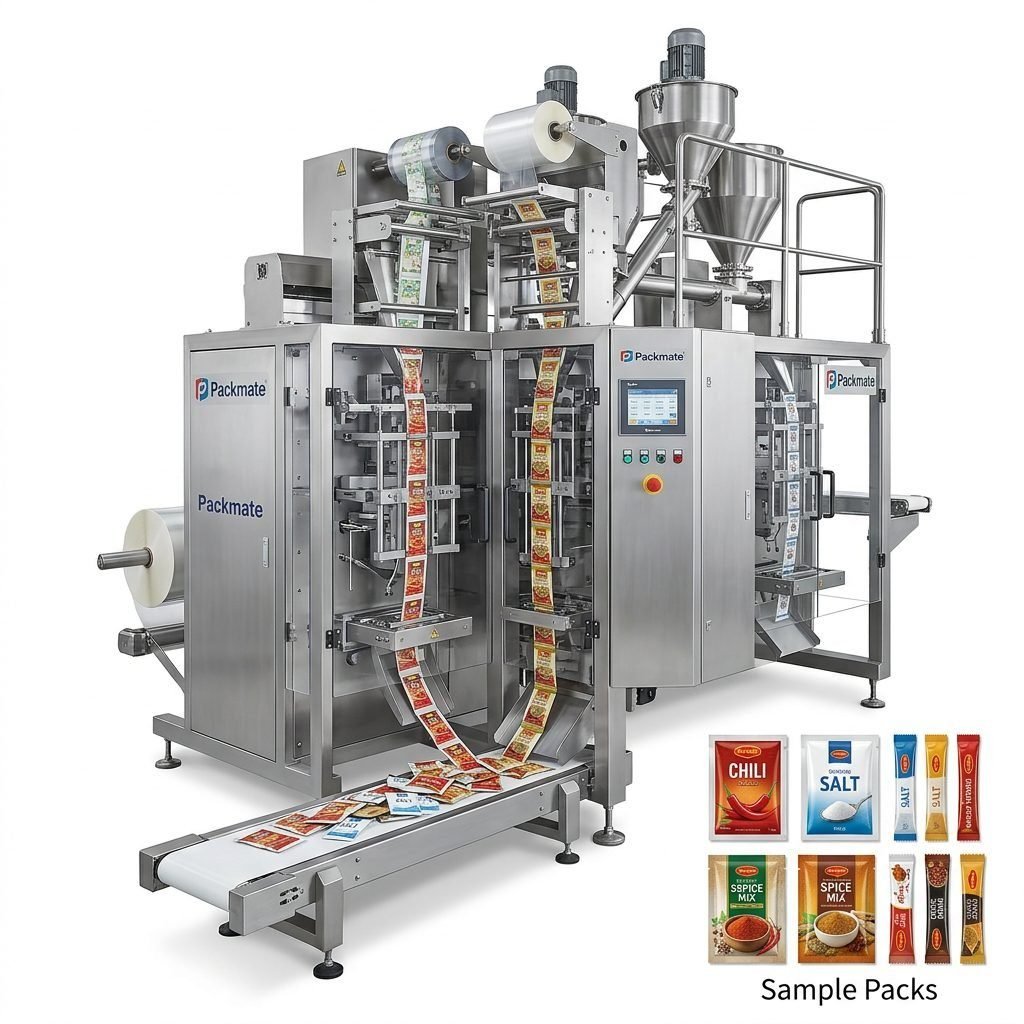
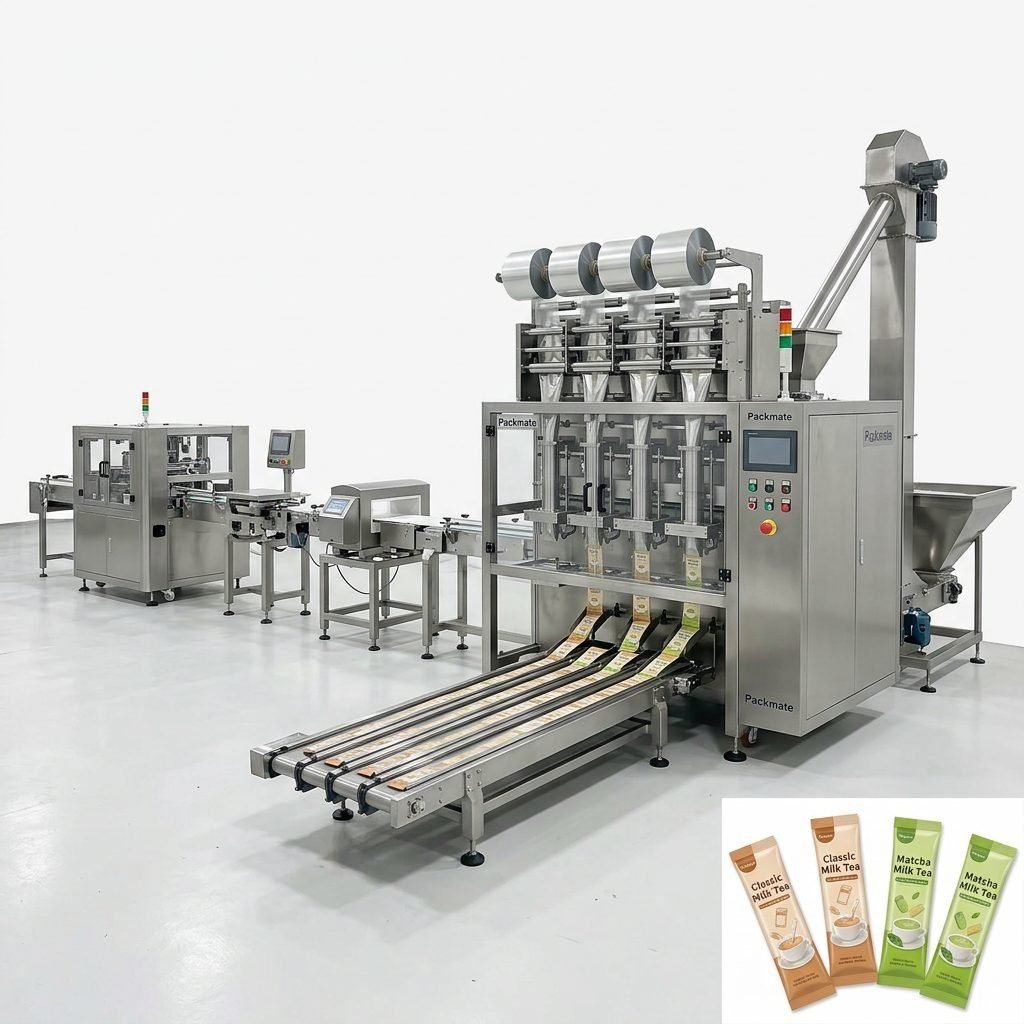
This is perhaps the largest application sector. Machines here must handle a wide range of products—liquids, powders, granules, and solids—while adhering to strict hygiene standards (often requiring food-grade stainless steel construction). Speed and efficiency are critical due to high-volume production. Machines for creating sachets for sauces, stick packs for instant coffee, or pouches for snacks are in high demand. Reliability is key to preventing costly downtime in continuous production environments.
Pharmaceutical & Healthcare Industry
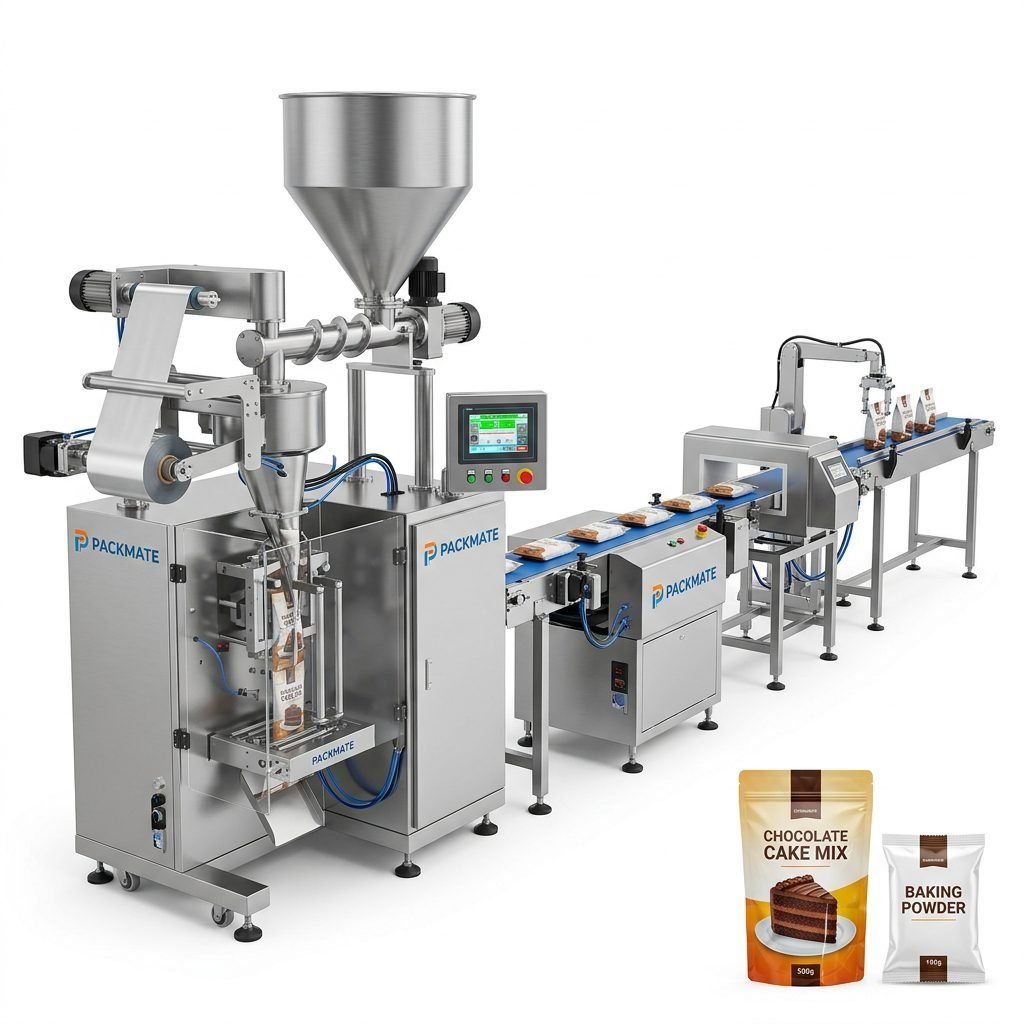
Precision, cleanliness, and compliance take center stage. Packaging machines in this field must operate in controlled environments, often with integrated dust extraction. They handle powders for medications, liquids for syrups, and unit-dose packaging like blister packs. The ability to integrate with checkweighers and metal detectors for 100% quality control is a standard requirement. Traceability, achieved through precise coding, is mandated by regulations worldwide.
The cosmetics and personal care industry prioritizes aesthetic presentation and often uses intricate pouch shapes. The chemical and agricultural sector requires robust machines that can handle corrosive or dusty materials safely. Understanding your industry’s unique demands—be it barrier properties for freshness, child-resistant features, or sustainability goals—directly informs the machine specifications you need.
Essential Buying Tips for Your Packaging Machine
Investing in packaging machinery is a significant decision. A well-chosen machine boosts productivity and profitability, while a poor fit can lead to constant headaches. Here are key factors to consider.
1. Precisely Define Your Requirements
Start with a clear list of your non-negotiable parameters:
– Product Type: What is the physical form (liquid, powder, granule, solid)?
– Packaging Material: What film, pouch, or container will you use?
– Desired Output Speed: How many packages per minute (PPM) do you need?
– Floor Space: What are the dimensions of your available space?
– Future-Proofing: Do you plan to introduce new products or package sizes soon?
2. Prioritize Quality and Reliability
Never compromise on build quality. A machine made with premium components and robust engineering, like those from established manufacturers such as Packmate Machinery, will have far less downtime and a longer lifespan. Look for a frame constructed from sturdy materials and critical components from reputable brands. Remember, the cheapest upfront cost often leads to the highest long-term cost of ownership due to repairs and lost production.
3. Evaluate the Supplier’s Support and Service
The machine is only part of the equation. The supplier’s after-sales support is equally critical. Inquire about:
– Installation & Training: Will engineers commission the machine and train your operators?
– Warranty Period: What is covered and for how long?
– Spare Parts Availability: Are common wear parts kept in stock for quick shipment?
– Technical Support: Is remote or on-site support readily available?
A supplier with a strong service network, like Packmate with its dedicated service team, provides invaluable peace of mind.
4. Consider Integration and Automation Potential
Think beyond a single machine. Modern packaging is about integrated lines. Can the filler connect seamlessly to a sealer, checkweigher, and cartoner? Does the machine have a PLC (Programmable Logic Controller) with user-friendly HMI (Human-Machine Interface) for easy operation and recipe changes? Investing in a modular and automatable system from the start saves money and disruption when you need to scale up. Explore options for complete filling and packaging lines for a streamlined solution.
5. Request a Live Demonstration or Trial
Whenever possible, see the machine in action. A live demonstration using a material similar to yours is the best way to assess performance, noise level, ease of operation, and changeover procedures. Some reputable suppliers offer factory acceptance tests (FAT) or even production trials with your actual product. This step mitigates the risk of the machine not performing as expected in your specific application.
Frequently Asked Questions (FAQs)
What is the typical lead time for receiving a new packaging machine?
Lead times vary significantly based on machine complexity, customization, and manufacturer backlog. For standard models, it can range from 8 to 16 weeks. For highly customized or large integrated lines, it may take 20 weeks or more. Always confirm the timeline with your supplier during the quotation process.
How do I determine the right speed (PPM) for my needs?
Calculate your current and projected daily/weekly production volume. Factor in expected efficiency (industry standard is often 80-85% for planning). Then, work backward to find the required PPM. It’s often advisable to choose a machine with a 15-20% higher speed capacity than your immediate need to accommodate future growth and provide a buffer.
What are the most common maintenance requirements for a packaging machine?
Regular maintenance is crucial. Daily tasks include cleaning and visual inspection. Weekly tasks may involve lubricating specific moving parts as per the manual. Periodic maintenance (monthly/quarterly) includes checking and tightening bolts, inspecting seals and gaskets, and calibrating scales or fill heads. Always follow the manufacturer’s prescribed maintenance schedule.
Can one machine handle multiple different products or package sizes?
Many machines are designed with changeover capabilities. The ease and time required for a changeover depend on the machine’s design. Look for features like tool-less change parts, digital size adjustment, and saved product recipes in the PLC. However, extremely different products (e.g., a viscous paste vs. a free-flowing powder) will likely require different machine types or significant reconfiguration.
What is the importance of machine certification (e.g., CE, UL)?
Certifications are not just stickers; they are assurances of safety and compliance. CE marking indicates conformity with health, safety, and environmental protection standards for products sold within the European Economic Area. UL certification (or similar) relates to electrical safety standards, crucial for North American markets. Always ensure the machine carries the necessary certifications for your region to ensure operator safety and smooth customs clearance.