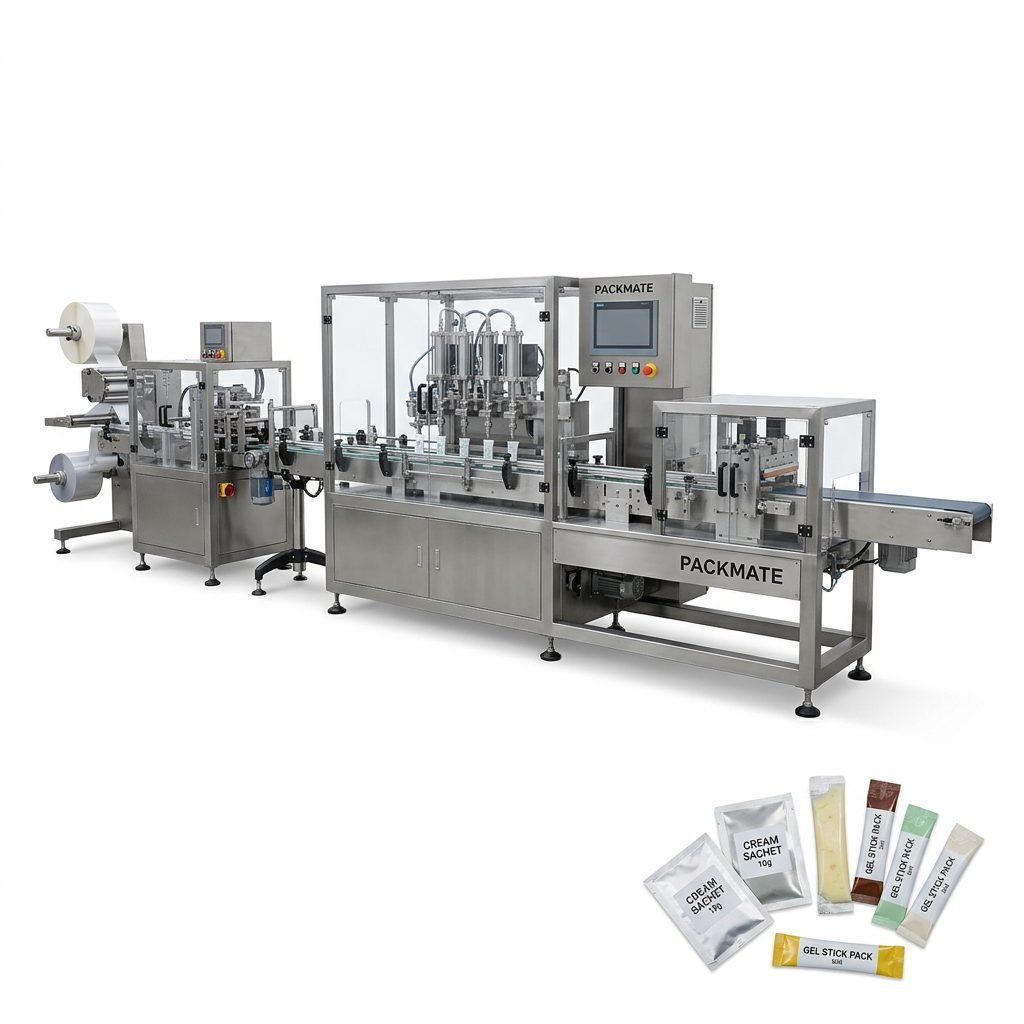
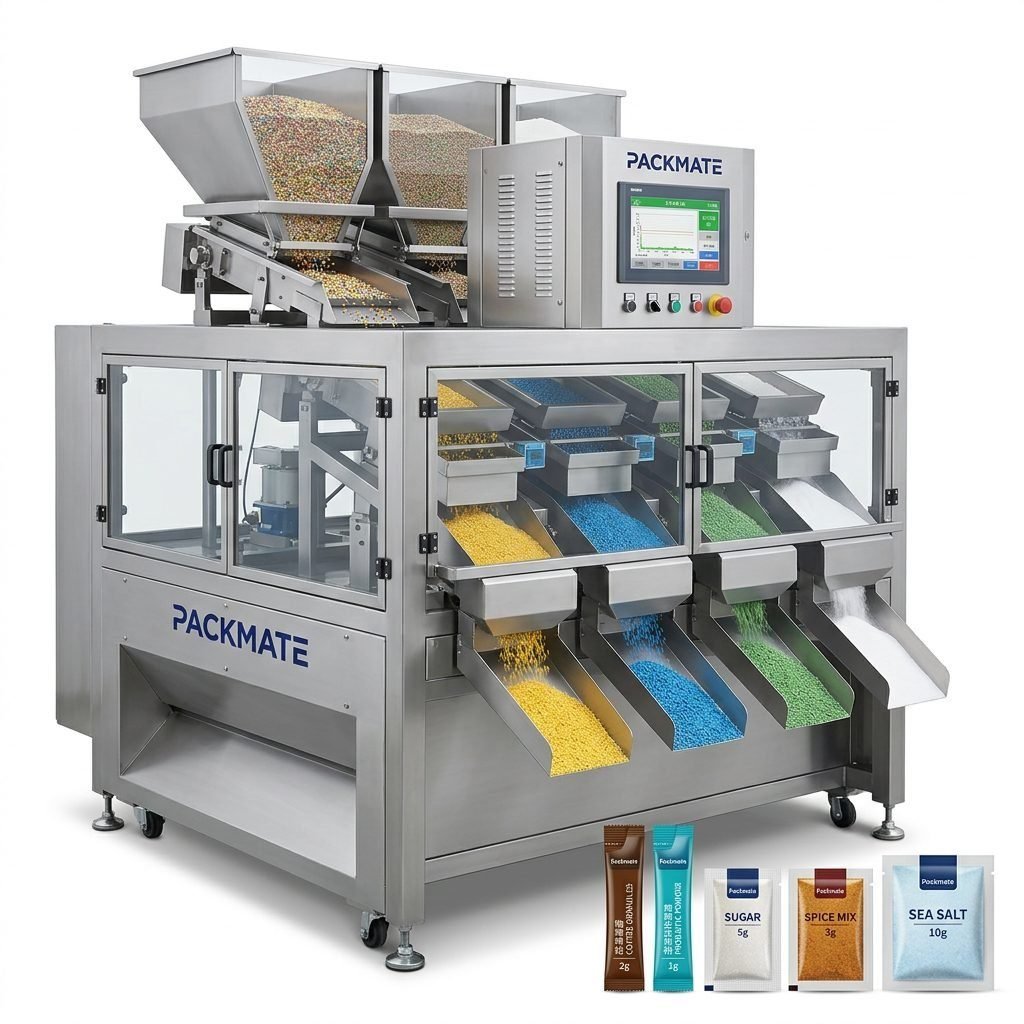
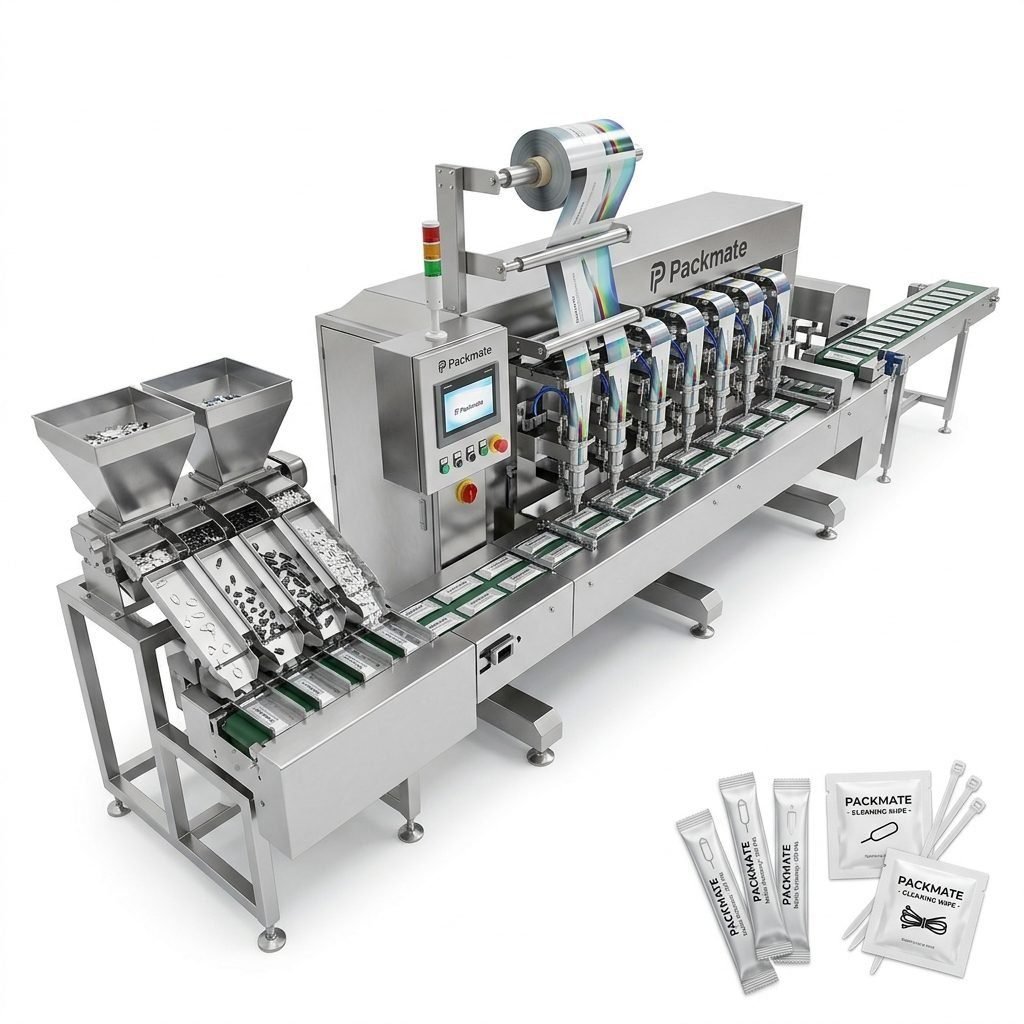
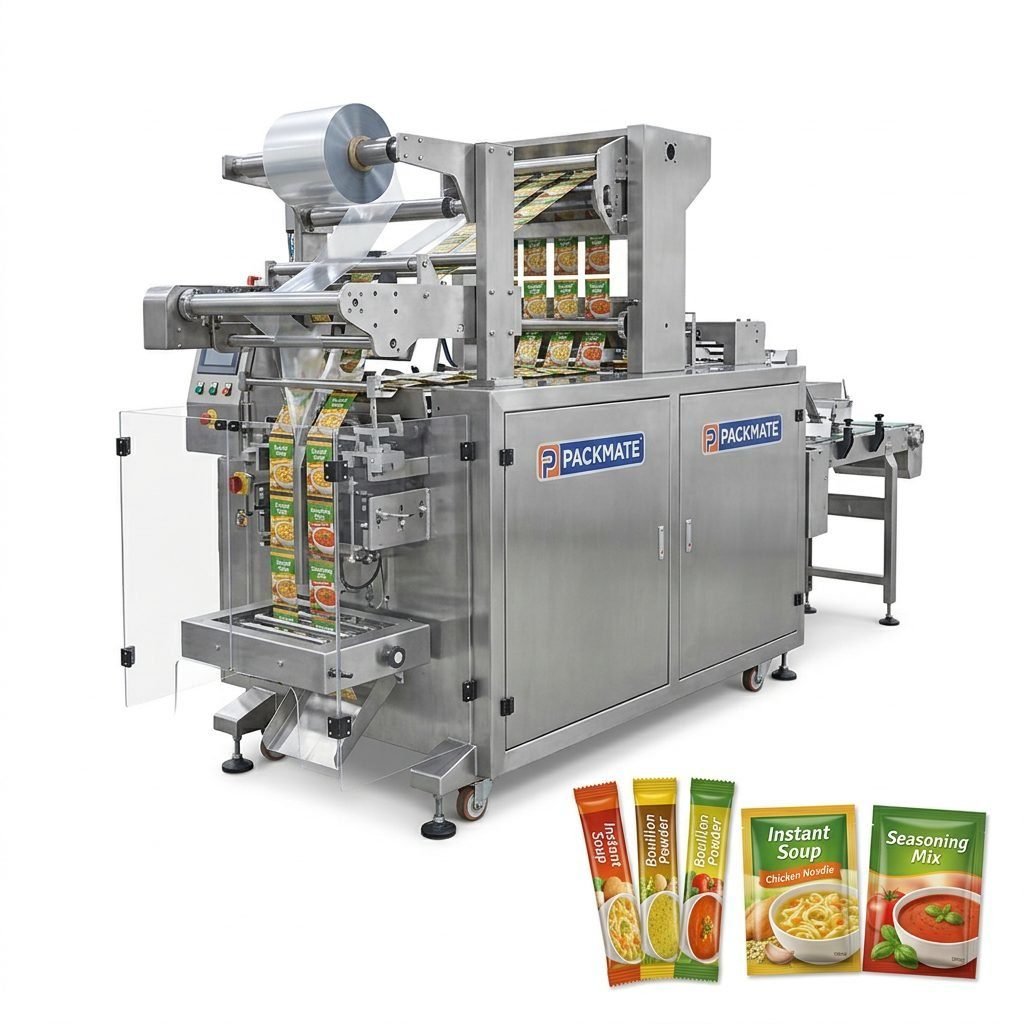
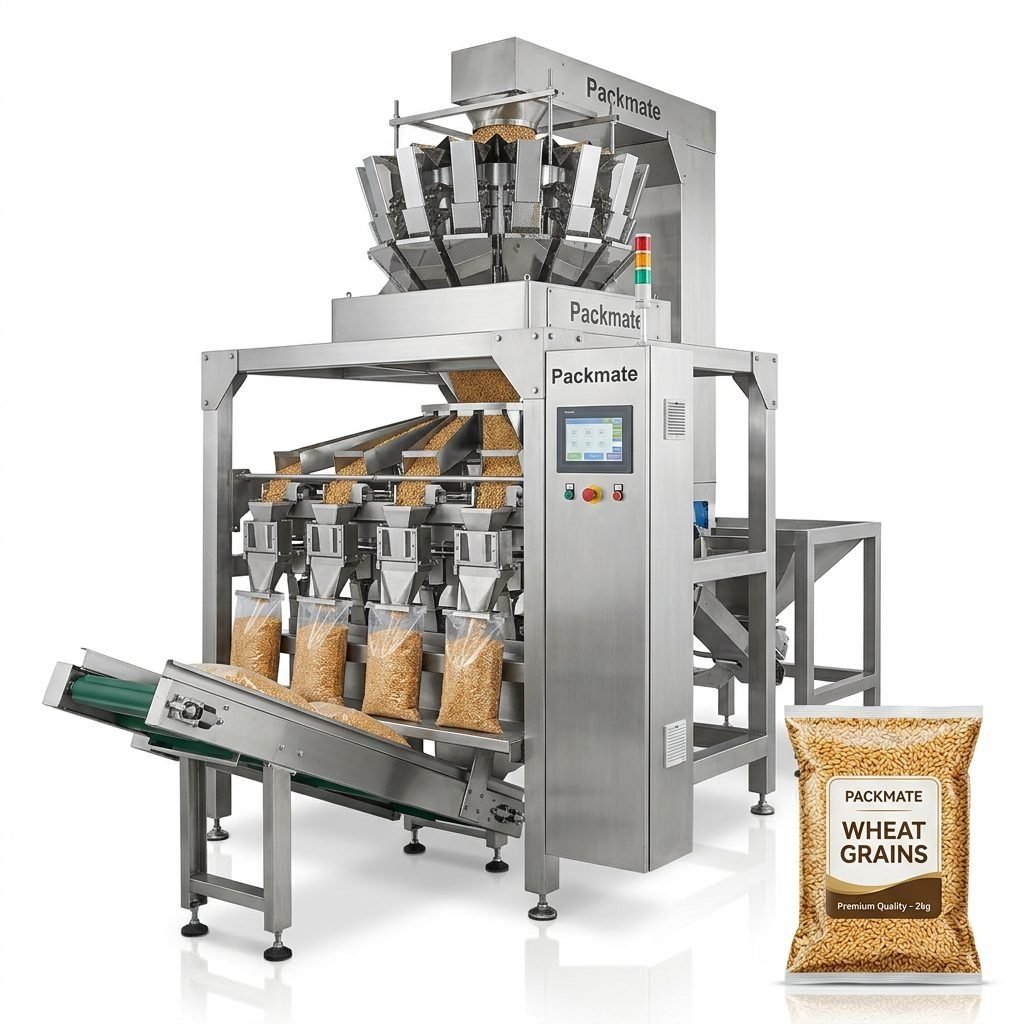
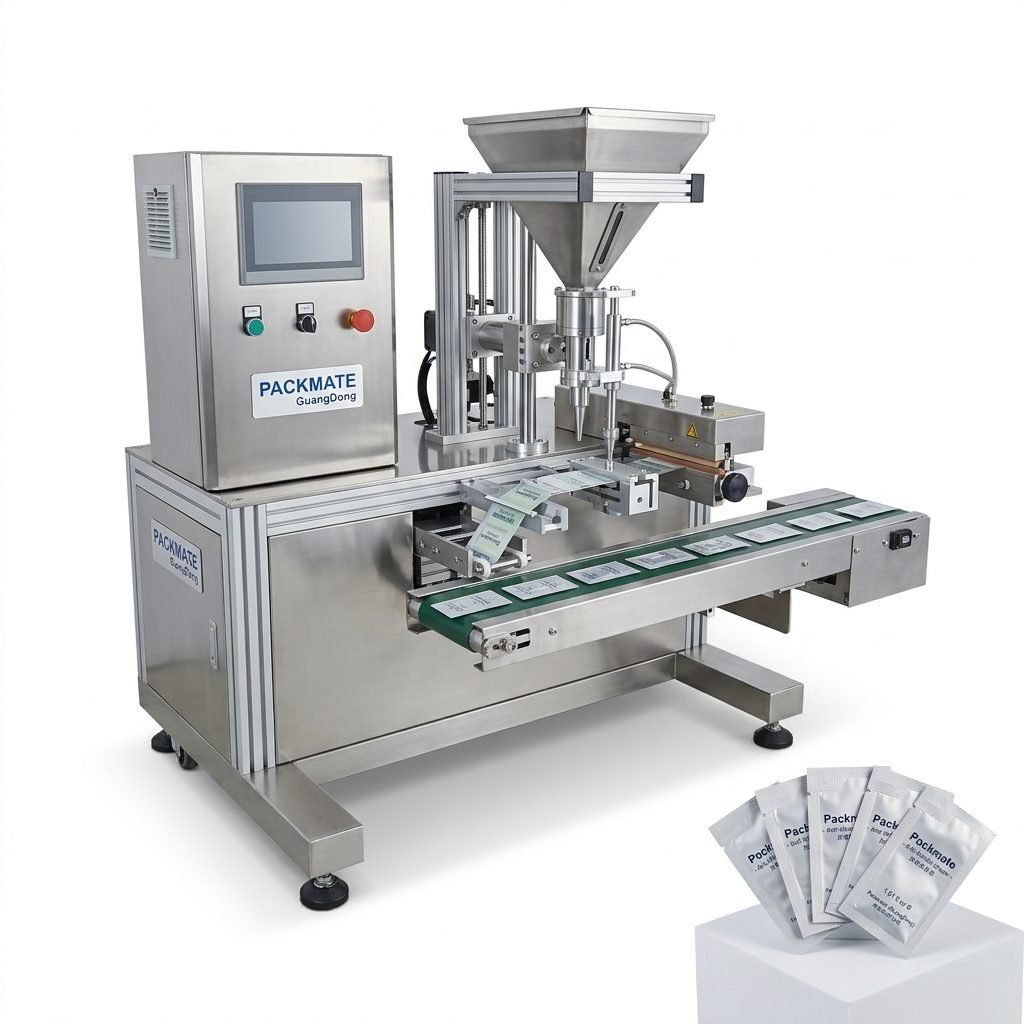
In the dynamic world of coffee consumption, single-serve stick packs have surged in popularity, offering unparalleled convenience and portion control. This growth has driven significant demand for specialized coffee stick packaging machines. Selecting the right equipment is crucial for ensuring product quality, operational efficiency, and market competitiveness. This guide delves into the essential aspects of these machines, providing a clear roadmap for your investment decision.
Understanding Coffee Stick Packaging Machines
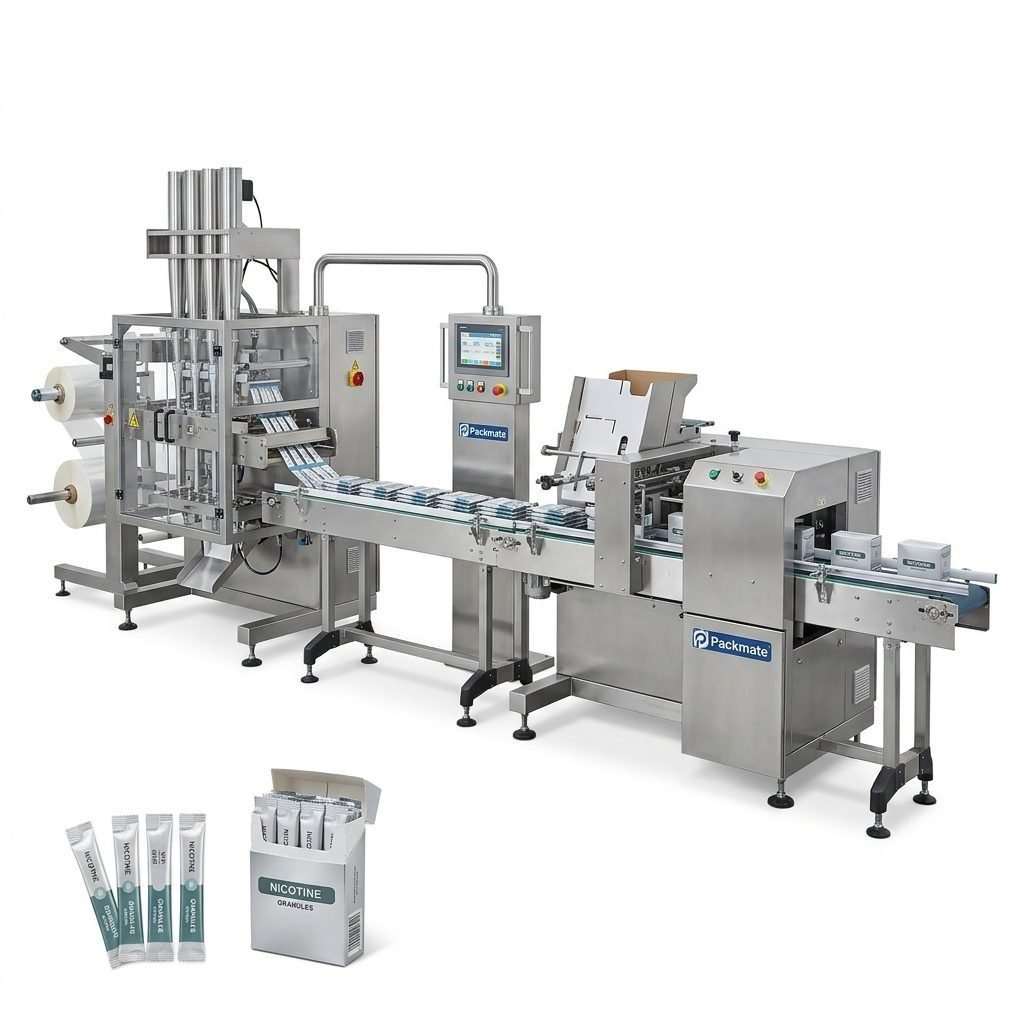
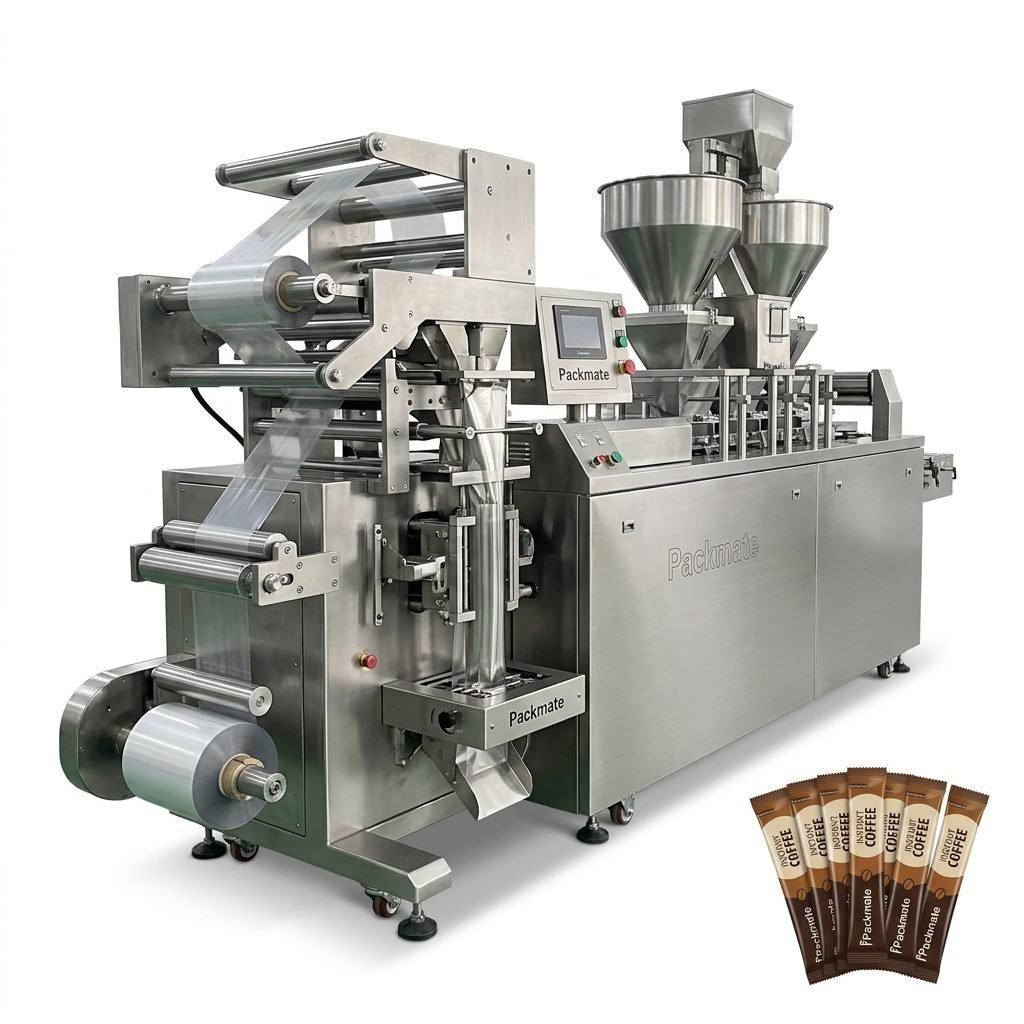
A coffee stick packaging machine is an automated system designed to form, fill, and seal individual stick-shaped pouches. These slender, elongated packets are ideal for delivering a precise dose of instant coffee, coffee mixes, or ground coffee. The process typically involves feeding a roll of packaging film, forming it into a tube, dosing the product, and creating a series of hermetic seals to produce the finished stick pack. The primary goal is to achieve high-speed, consistent, and hygienic packaging that protects the coffee’s aroma and freshness.
Key Advantages of Stick Pack Format
The stick pack format is favored for several compelling reasons. It offers excellent barrier properties against moisture and oxygen, which is vital for preserving coffee flavor. The design is space-efficient for storage and shipping, reducing logistical costs. For consumers, it provides mess-free, single-use convenience, perfect for on-the-go lifestyles, offices, and foodservice outlets. This format also allows for vibrant branding and clear product information on a highly visible surface area.
Primary Types of Coffee Stick Packaging Machines
The market offers various machine configurations, each suited to different production scales and requirements. Understanding these types is the first step in narrowing down your options.
Vertical Form-Fill-Seal (VFFS) Machines
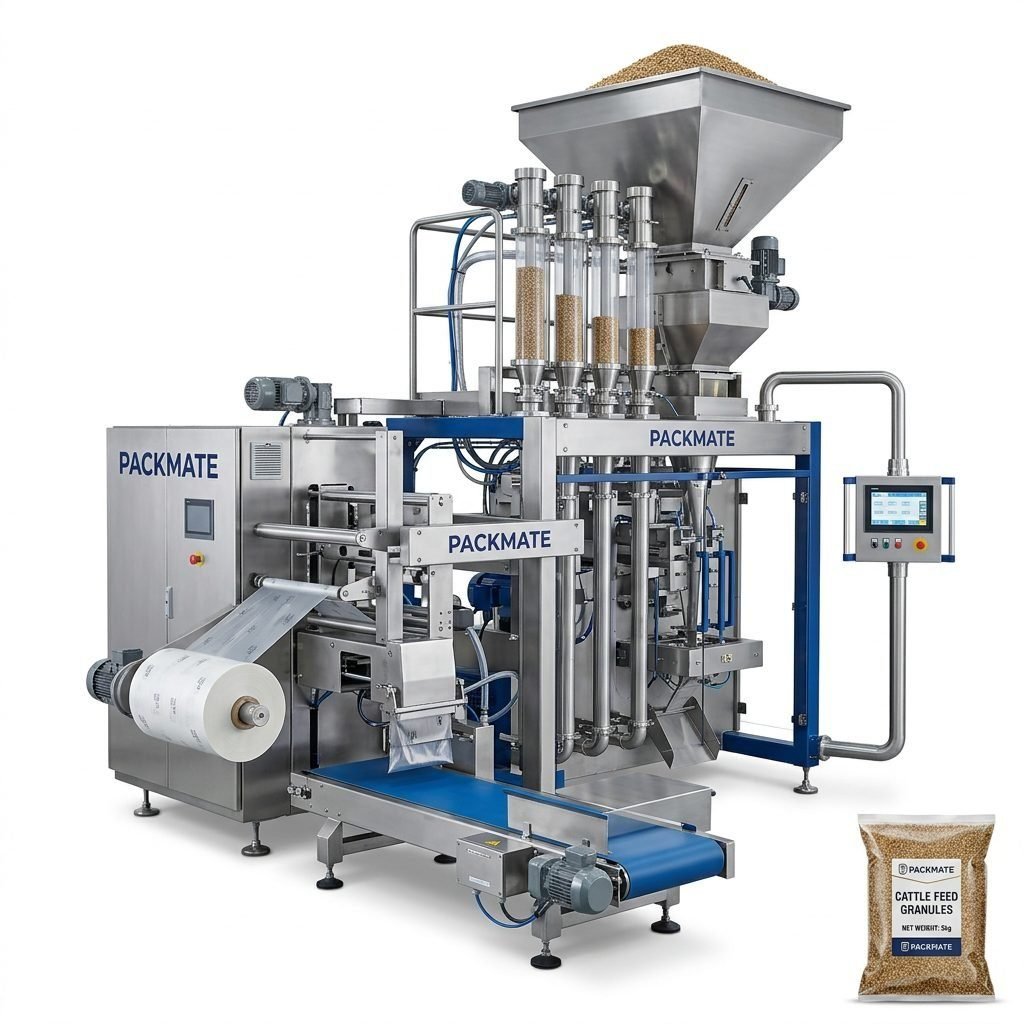
These are the most common and versatile machines for stick pack production. They operate by pulling film from a vertical roll, forming it into a tube around a filling cylinder. Coffee is dosed from above, and the machine makes vertical back seals and horizontal end seals. VFFS machines are celebrated for their high-speed operation, often capable of producing hundreds of sticks per minute. They are ideal for large-scale production of standard instant coffee sticks. Companies like Packmate Machinery offer advanced VFFS lines that integrate seamlessly into high-volume operations.
Horizontal Form-Fill-Seal (HFFS) Machines
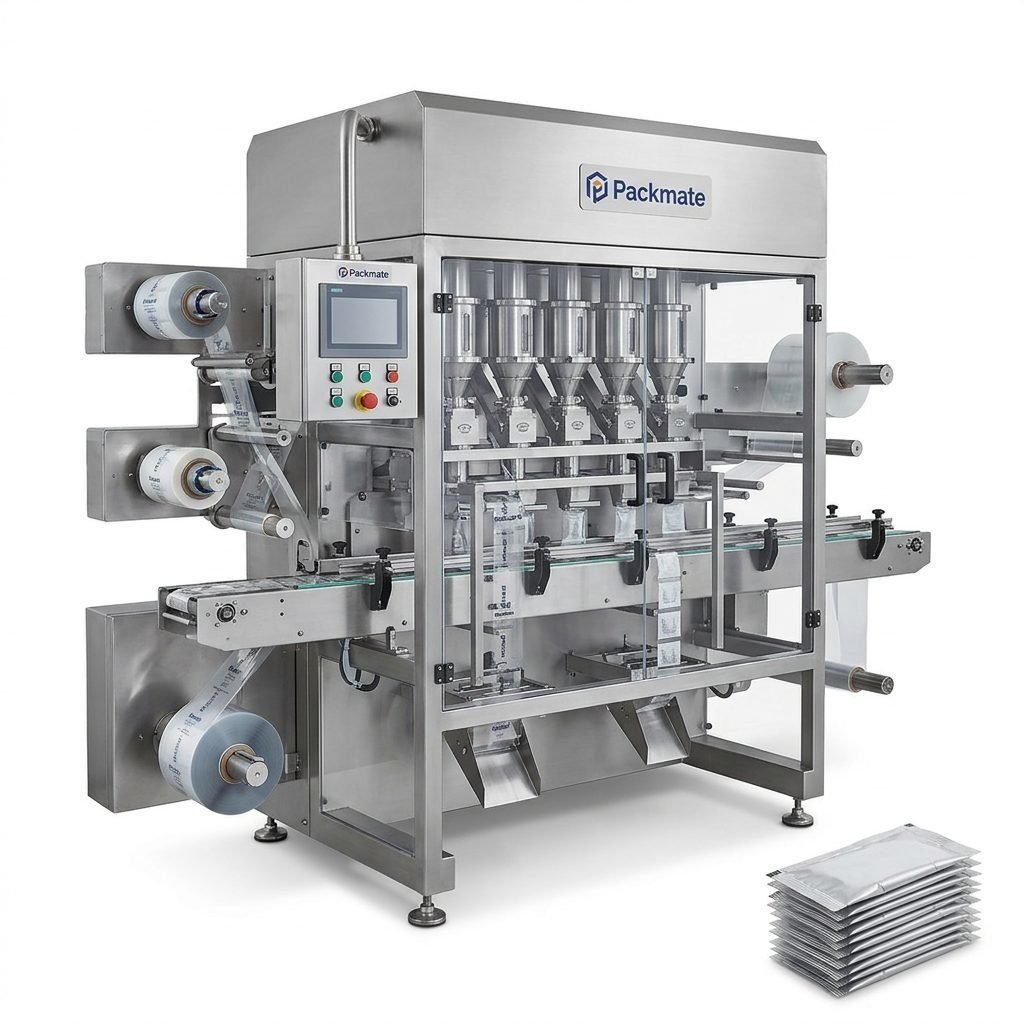
In an HFFS machine, the film travels horizontally. The machine forms pouches in a flat plane before filling and sealing them. This type can be advantageous for more delicate products or when specific package aesthetics are required. They may offer easier access for maintenance and changeover. While sometimes used for stick packs, they are more common for sachets and other pouch styles.
Multi-Lane Stick Pack Machines
For maximum output, multi-lane machines are the industry powerhouse. They essentially combine multiple VFFS systems in parallel, allowing simultaneous production of several lanes of stick packs from a single, wider web of film. This configuration dramatically increases throughput, making it the preferred choice for major coffee brands and contract packers with massive daily output targets. Exploring a manufacturer’s range of Sachet & Stick Pack Machines will often reveal sophisticated multi-lane solutions.
Rotary vs. Intermittent Motion Machines
Another critical distinction lies in the drive mechanism. Rotary motion machines provide continuous, smooth operation, leading to higher potential speeds and reduced wear on mechanical parts. Intermittent motion machines operate in a start-stop cycle for each packaging step. While potentially simpler and more affordable, they generally have lower maximum speeds. For coffee, where high volume is often key, rotary systems are frequently specified.
Core Features & Technical Specifications to Evaluate
Beyond the basic type, several features directly impact performance, flexibility, and final product quality.
1. Filling System Accuracy
The heart of any packaging machine for a valued product like coffee is its filling system. For powdered instant coffee, auger fillers with servo-driven technology offer exceptional precision, minimizing giveaway and ensuring consistent portion weight. For ground coffee, volumetric cup fillers or weigh-cell systems might be employed. Look for machines with easy-to-calibrate and clean filling systems to maintain hygiene and reduce downtime.
2. Sealing Technology & Integrity
Strong, airtight seals are non-negotiable for coffee freshness. Machines should offer robust heat sealing jaws with precise temperature control. Options for cold sealing (pressure-sensitive adhesive) may be relevant for certain heat-sensitive products or films. The ability to produce a notch or tear-notch for easy opening is a valuable consumer-friendly feature that should be considered.
3. Film Handling & Registration
Advanced photoelectric registration systems ensure that printed film is positioned correctly so that graphics and text align perfectly on every stick pack. This is critical for brand presentation. The machine should handle a range of laminate films (e.g., PET/AL/PE, PET/metallized/PE) commonly used for coffee, which require excellent barrier properties.
4. Changeover Flexibility
If you plan to produce different coffee varieties, flavors, or stick pack sizes, quick changeover is vital. Machines with tool-less adjustments, stored recipes in the PLC (Programmable Logic Controller), and easy-access parts significantly reduce the time lost between production runs, enhancing overall equipment effectiveness (OEE).
5. Control System & Connectivity
A modern, user-friendly Human-Machine Interface (HMI) touchscreen allows for intuitive operation, recipe management, and diagnostics. Connectivity for Industry 4.0, such as data export for OEE tracking, production reports, and potential integration with factory management systems, is becoming a standard expectation for efficient operations.
Practical Selection Tips for Your Business
Choosing the right machine involves aligning technical capabilities with your specific business needs and constraints.
Define Your Production Requirements
Start with clear numbers. Determine your required output speed (sticks per minute), the number of operating shifts, and your target annual volume. Consider future growth—selecting a machine that can handle a 20-30% increase in demand is often wiser than buying at absolute maximum current capacity. Also, specify the exact stick pack dimensions (length, width) and the range of weights you need to fill.
Assess Your Product Characteristics
The nature of your coffee product dictates machine specifications. Fine instant powder, granular coffee mixes, and whole-bean ground coffee all have different flow characteristics and may require different filling technologies. Consider whether your product is hygroscopic (absorbs moisture) or generates static, as these factors influence film choice and machine design.
Prioritize Hygiene and Cleanability
Food-grade manufacturing demands impeccable hygiene. Machines should be constructed with stainless steel (304 or 316) on all product contact surfaces. Design features like smooth, rounded corners, easy disassembly of key parts, and CIP (Clean-in-Place) capabilities for liquid lines (if applicable) will streamline sanitation protocols and ensure compliance with food safety standards.
Evaluate Total Cost of Ownership (TCO)
Look beyond the initial purchase price. Factor in the cost of spare parts, preventive maintenance, energy consumption, and required operator skill level. A slightly more expensive machine from a reputable manufacturer like Packmate, known for reliability and strong service support, often results in a lower TCO due to higher uptime and longer lifespan. Reviewing a supplier’s case studies can provide real-world insights into performance and support.
Verify Supplier Credentials and Support
The manufacturer or supplier is as important as the machine itself. Choose a partner with proven experience in coffee and stick pack machinery. Inquire about their installation, training, and after-sales service. Availability of technical documentation, a responsive service team, and a local stock of common spare parts are critical for minimizing operational disruptions. A company with a long history, such as Packmate with over two decades of development, often brings valuable stability and expertise.
Conclusion
Investing in a coffee stick packaging machine is a strategic decision that impacts product quality, brand perception, and production economics. By thoroughly understanding the different machine types, critically evaluating key features like filling accuracy and sealing integrity, and applying practical selection criteria focused on your specific output needs and total cost of ownership, you can make a confident choice. Partnering with an experienced and reliable equipment manufacturer provides the technological foundation and support necessary to succeed in the competitive and fast-paced coffee market.
Frequently Asked Questions (FAQs)
What is the typical production speed of a coffee stick pack machine?
Speeds vary widely based on the machine type and configuration. Single-lane VFFS machines can range from 60 to 150 sticks per minute. High-performance multi-lane machines can achieve outputs from 300 to over 1000 sticks per minute. The required speed should be matched to your production volume targets.
What packaging materials are best for coffee stick packs?
Coffee requires high-barrier materials to protect against oxygen and moisture. Common laminates include PET (polyester)/Aluminum Foil/PE (polyethylene) or PET/Metallized Film/PE. These structures provide excellent aroma retention and extended shelf life for the coffee product.
Can one machine handle different coffee products and stick sizes?
Many modern machines are designed for flexibility. With quick-change parts and programmable recipes, a single machine can often be configured to run different stick dimensions (length/width) and switch between product types (e.g., from fine instant powder to granulated mix), though some adjustment and changeover time will be required.
How important is the control system (HMI) on the machine?
Extremely important. A well-designed HMI (Human-Machine Interface) simplifies operation, reduces operator error, allows for easy storage and recall of production recipes for different products, and provides valuable diagnostic information for maintenance, directly impacting overall productivity and ease of use.
What should I look for in terms of after-sales service?
Prioritize suppliers who offer comprehensive installation supervision, thorough operator training, clear technical documentation, and responsive technical support. Availability of a global service network or readily available spare parts is crucial for minimizing downtime and ensuring the long-term reliability of your packaging line.