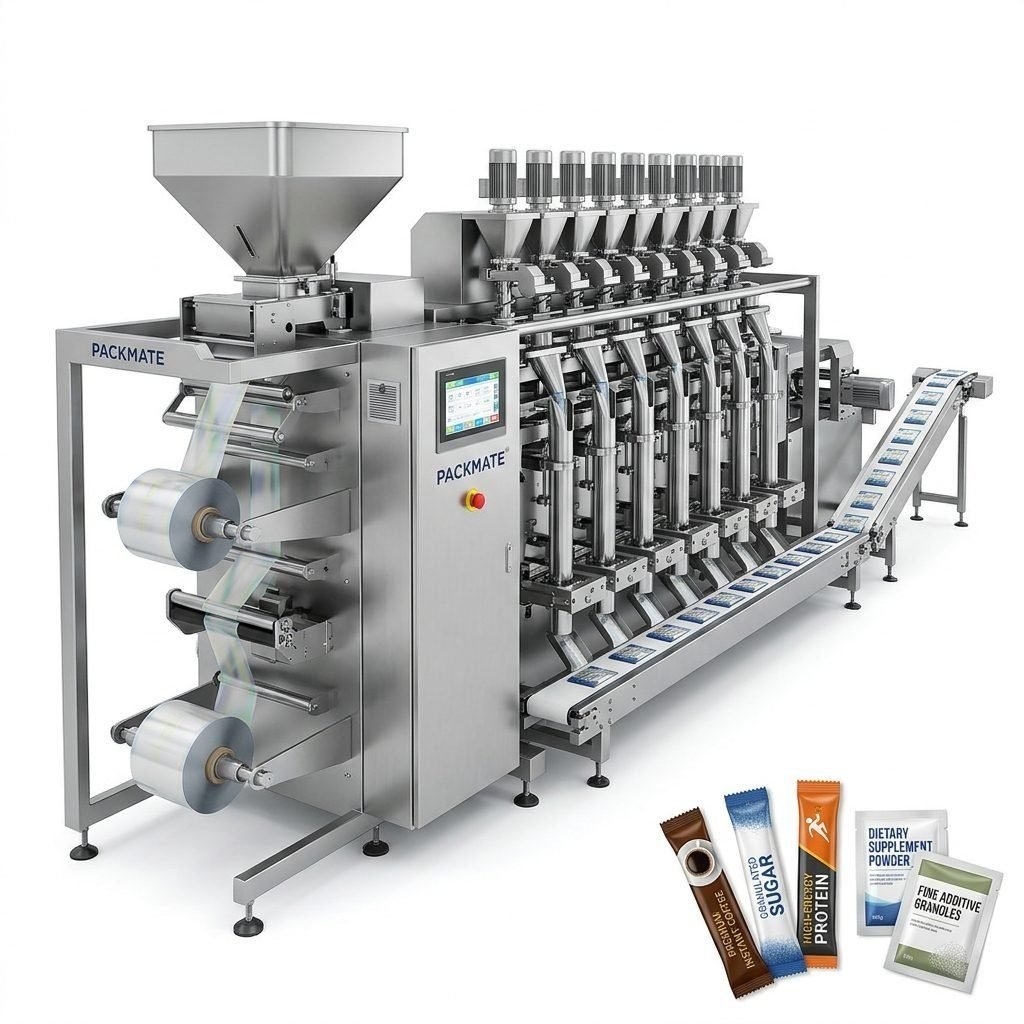
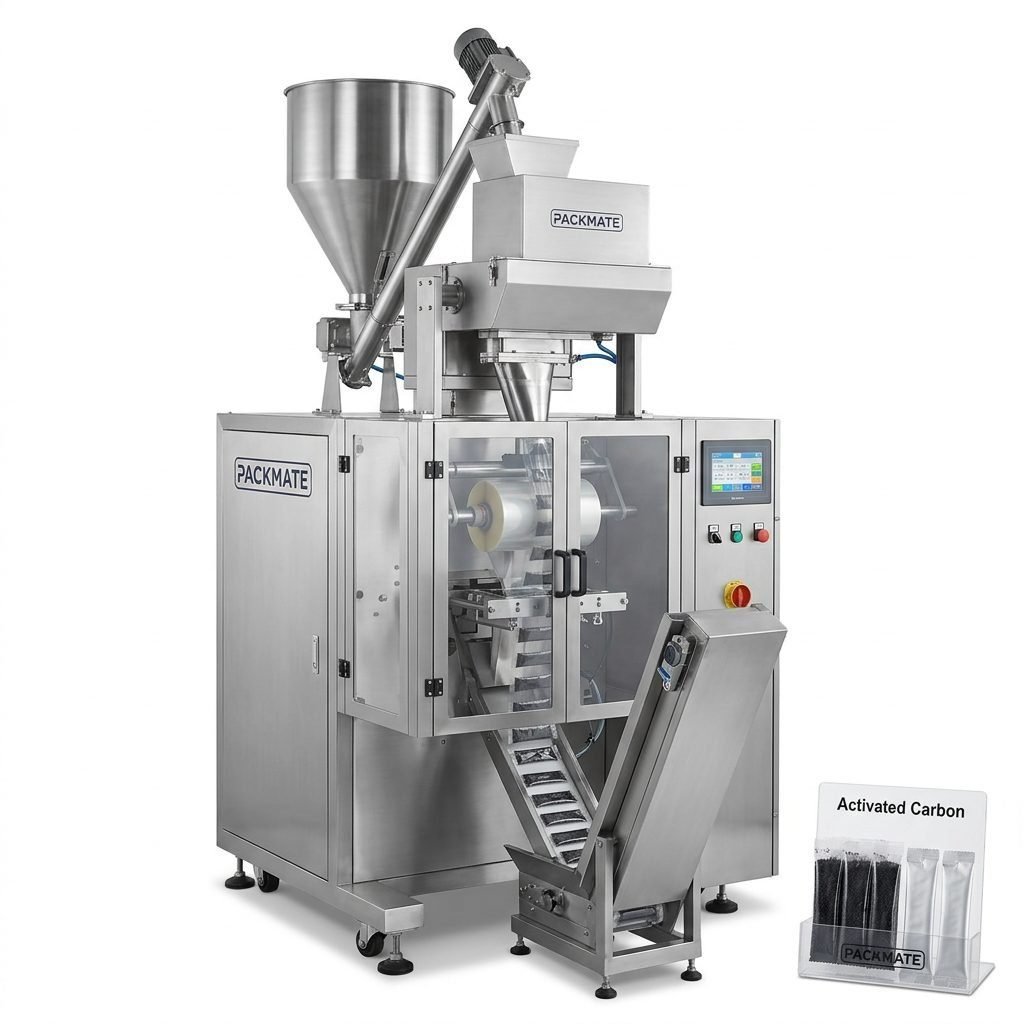
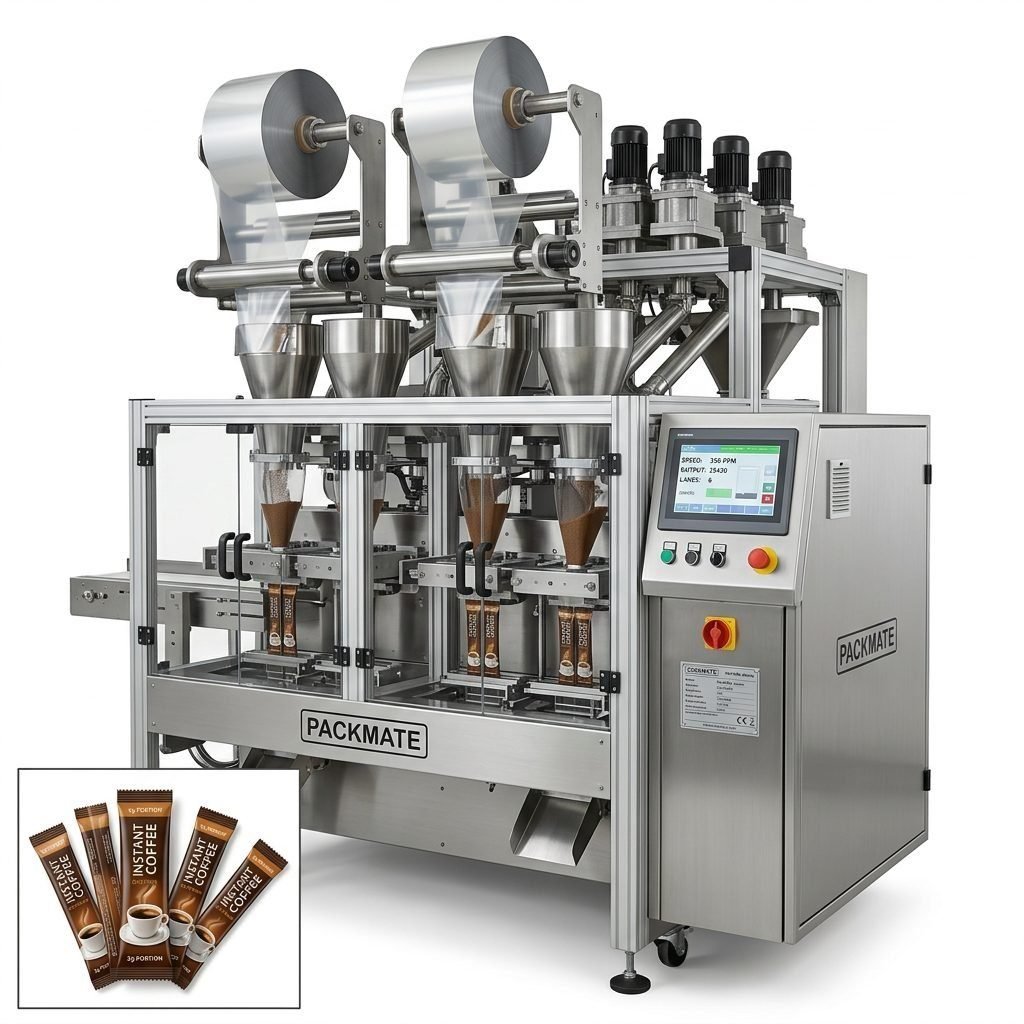
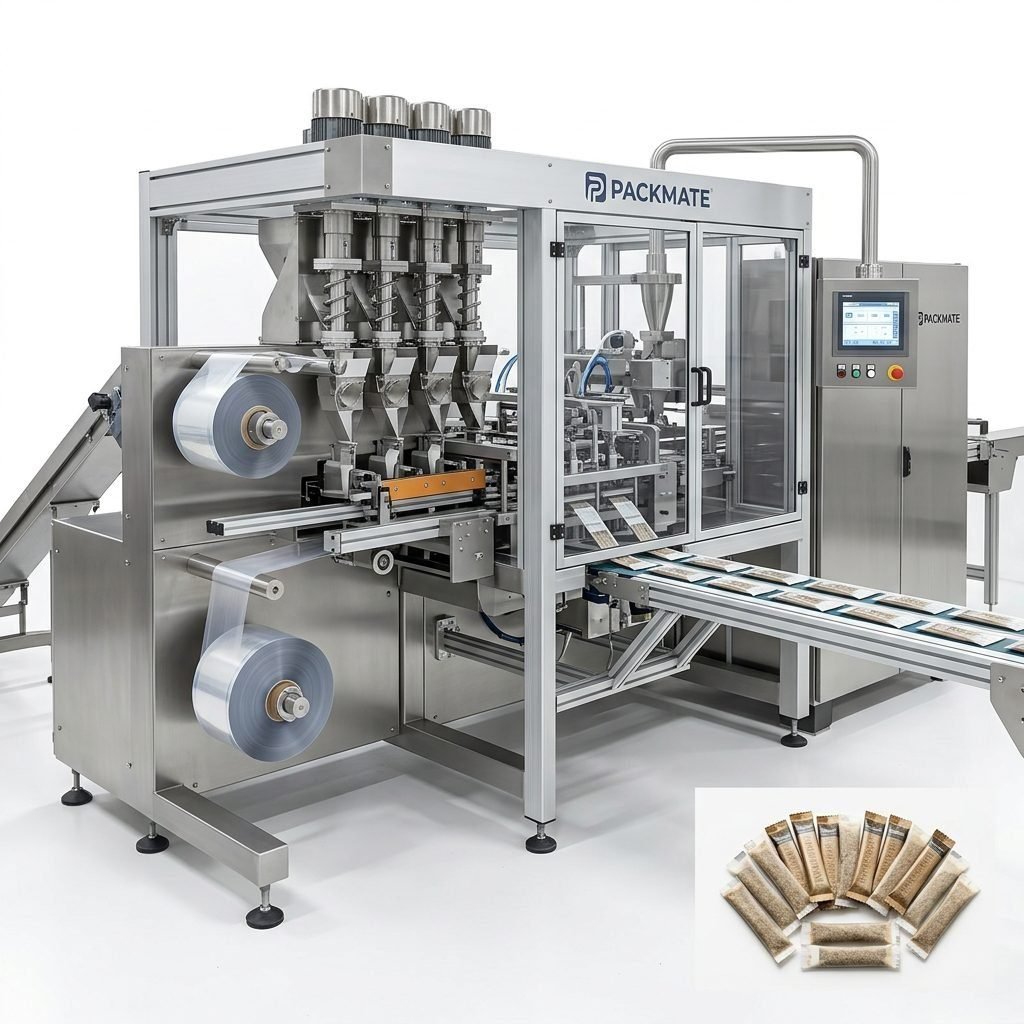
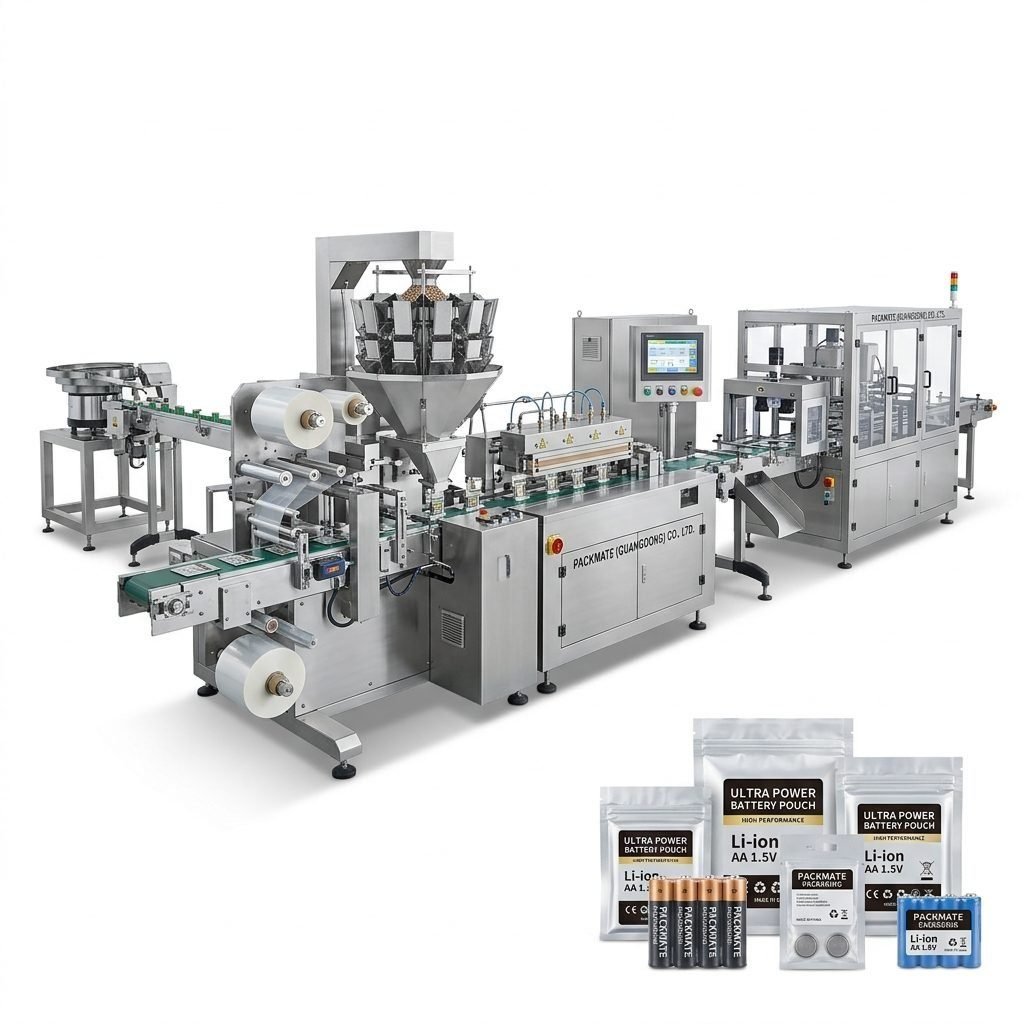
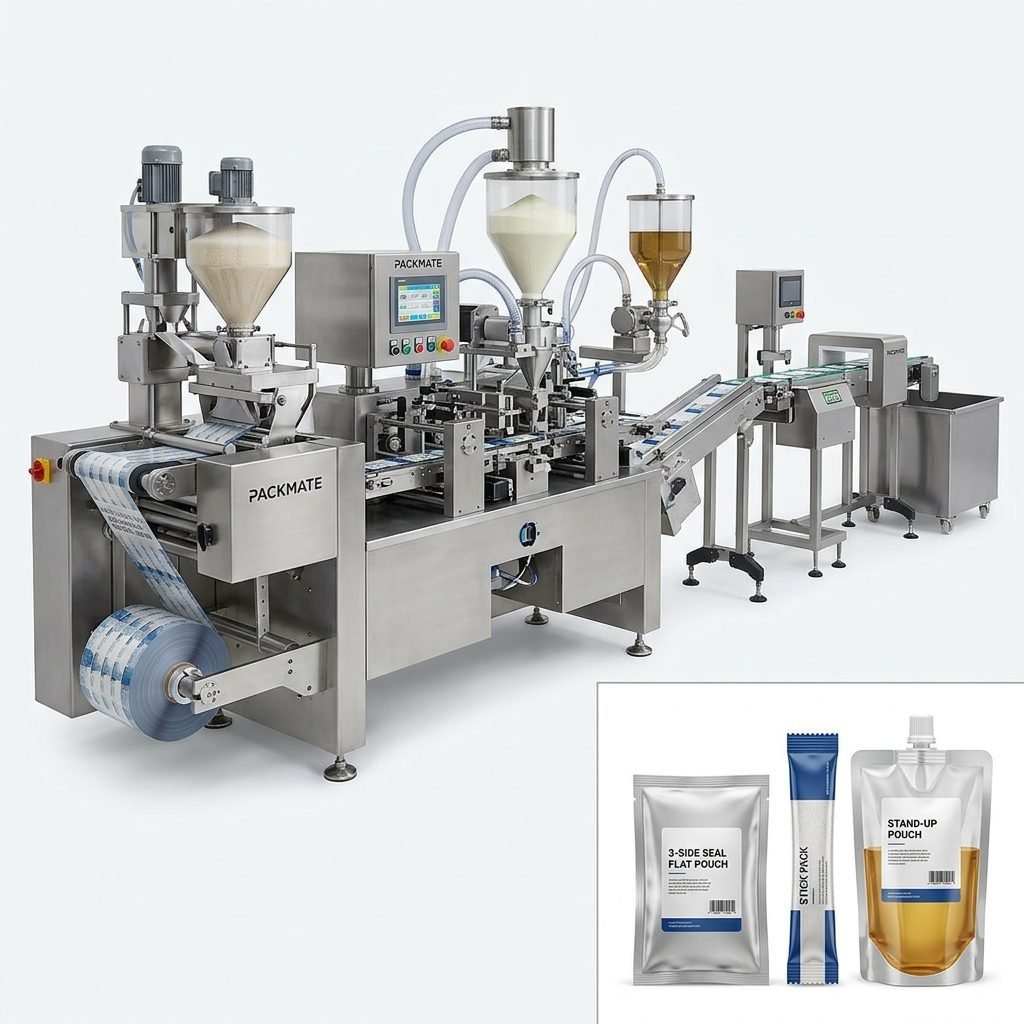
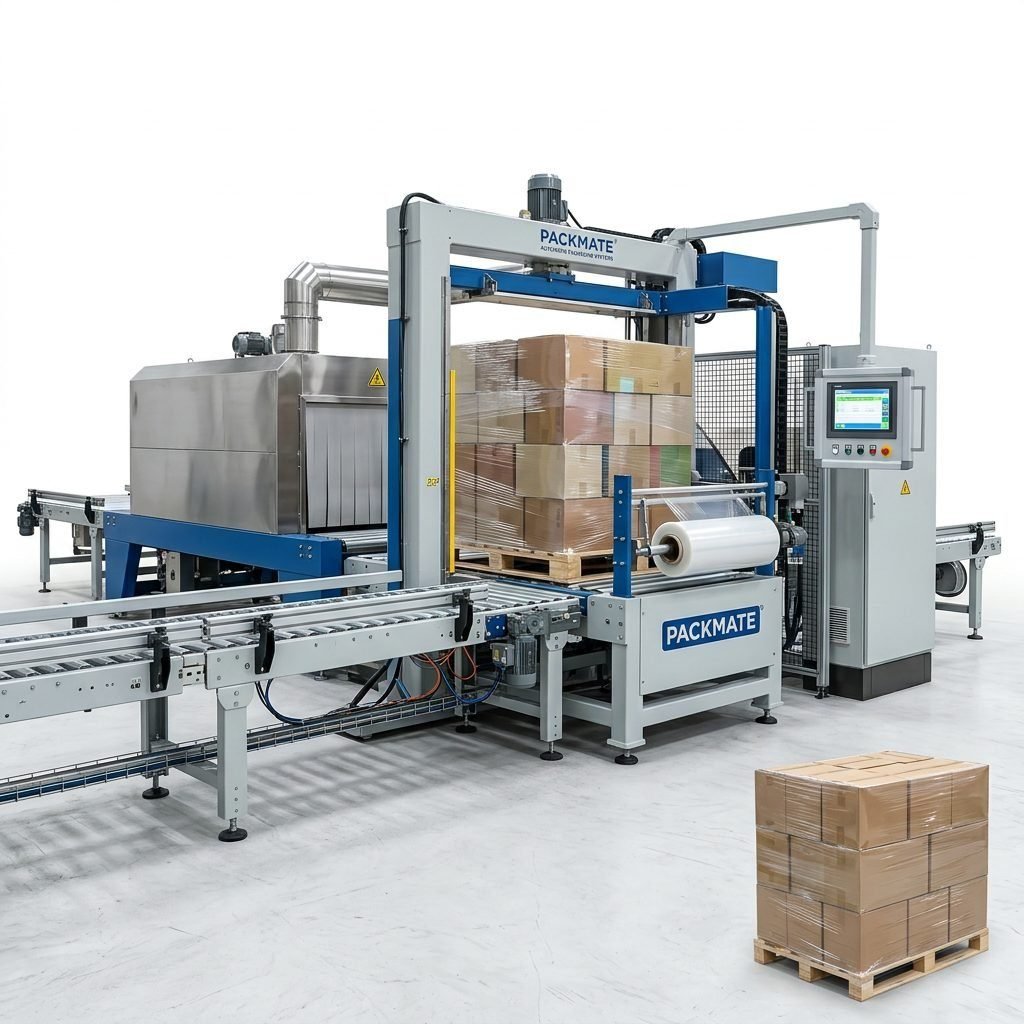
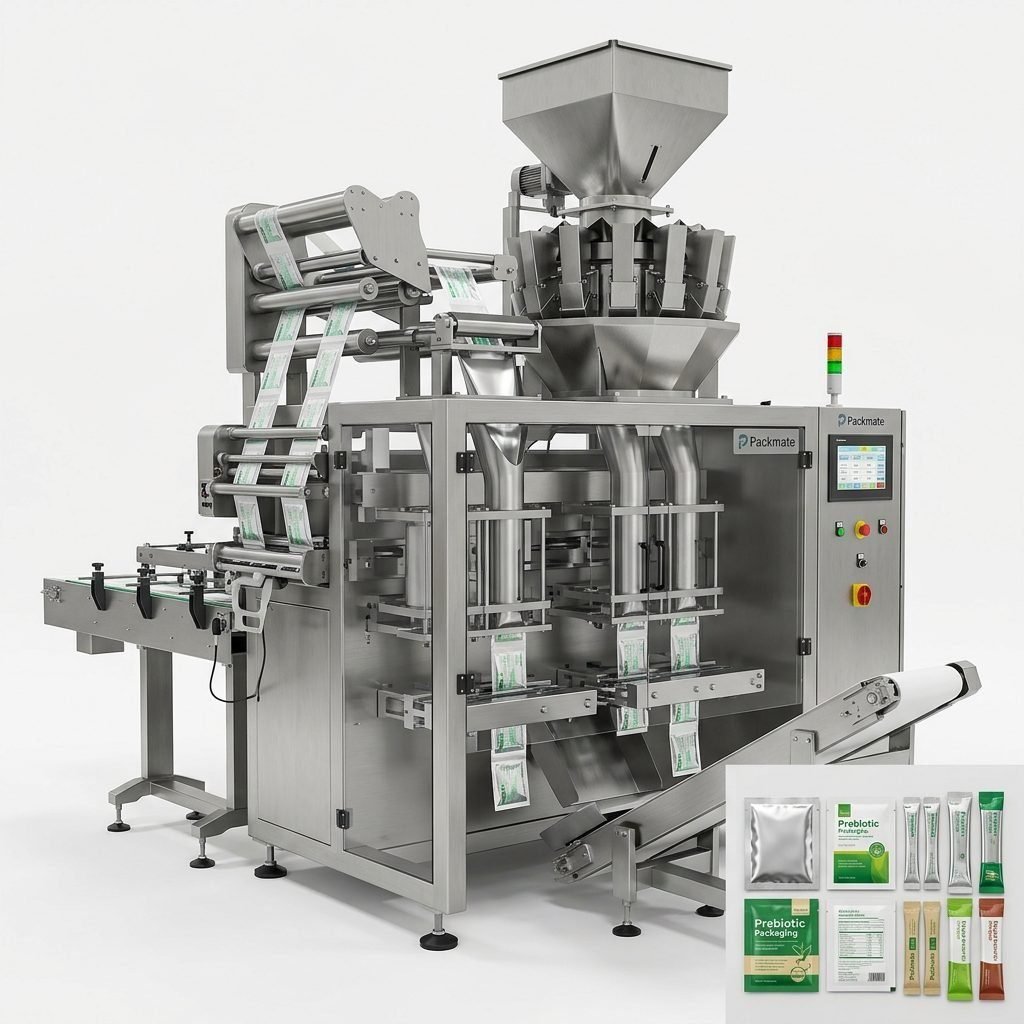
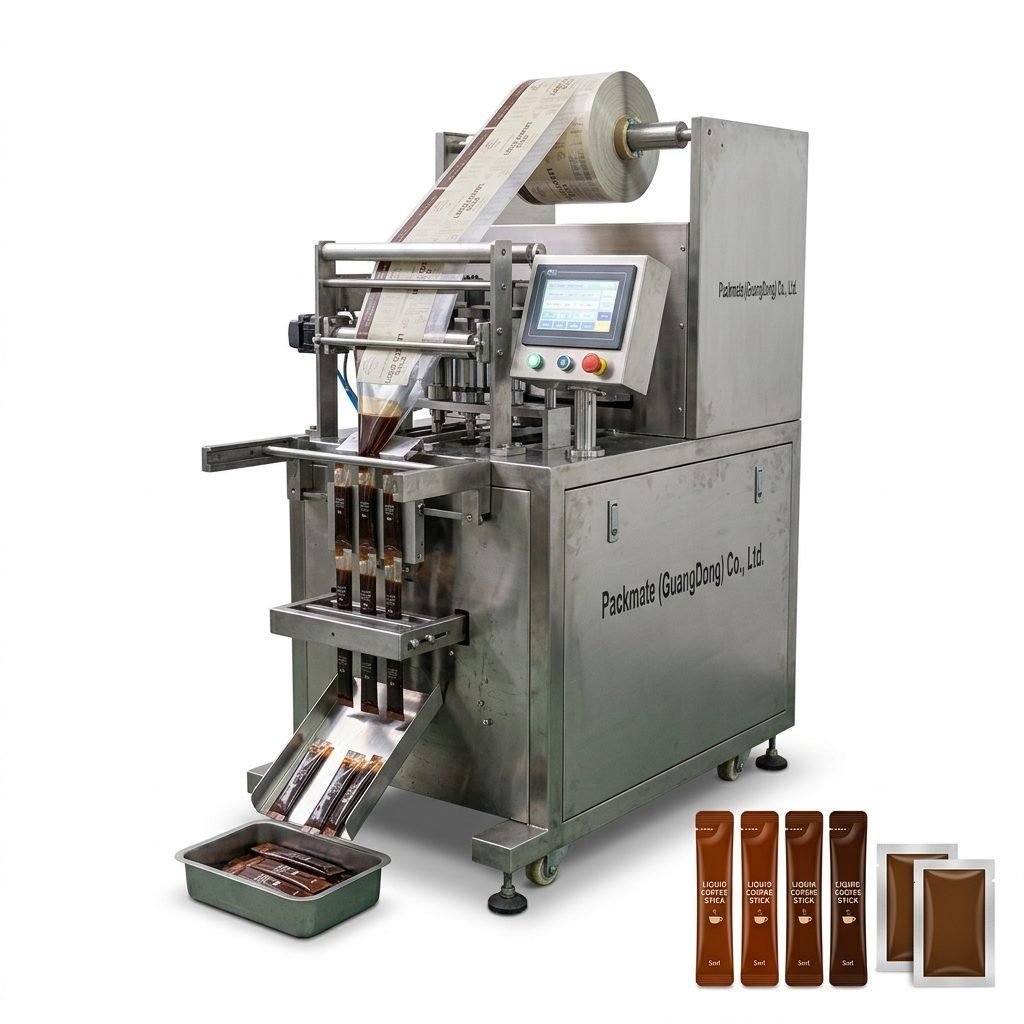
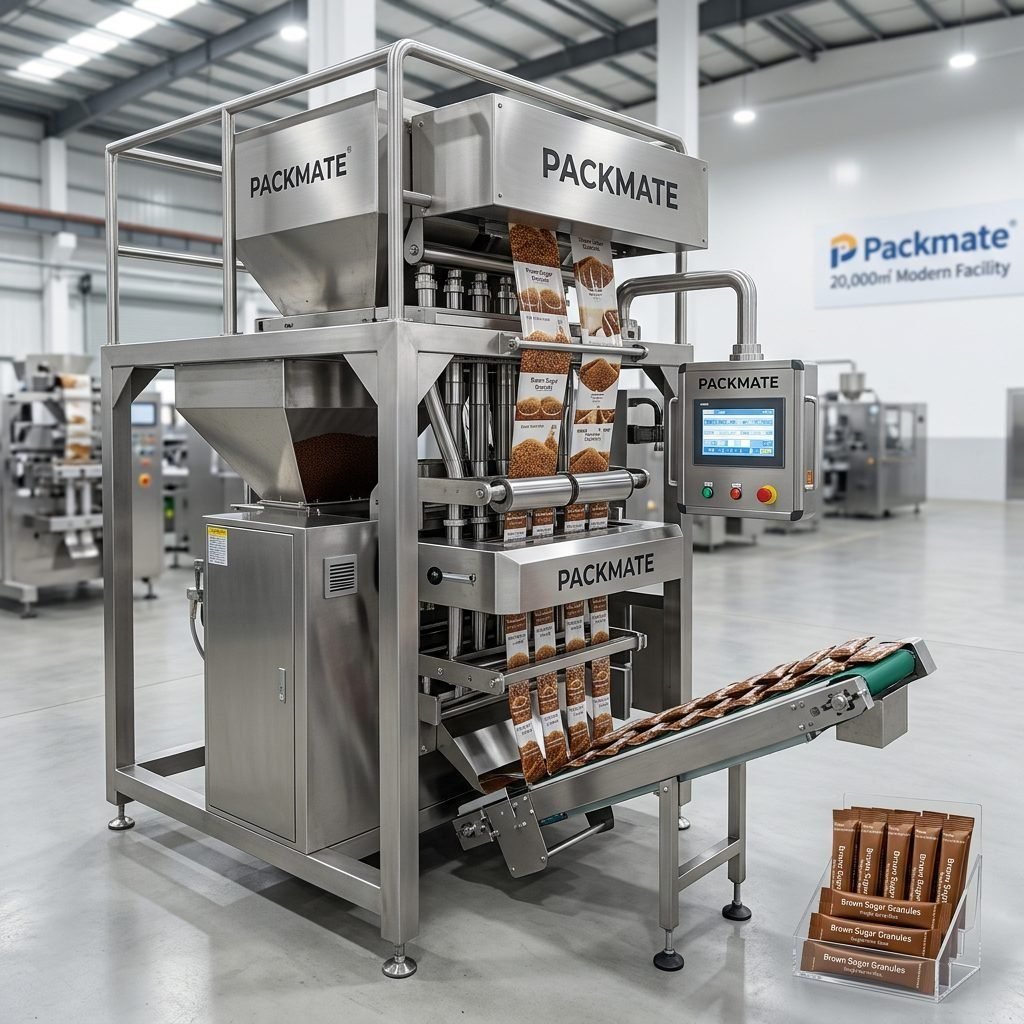
When it comes to optimizing production lines, the design of your custom packaging machine is a critical determinant of overall efficiency, reliability, and long-term return on investment. A well-engineered machine goes beyond mere functionality; it integrates seamlessly into your workflow, minimizes downtime, and adapts to evolving market demands. For businesses in sectors like food, pharmaceuticals, and health products, where precision, hygiene, and speed are non-negotiable, investing in a thoughtfully designed packaging solution is paramount.
Core Design Principles for Maximum Efficiency
The foundation of any efficient custom packaging machine lies in its adherence to core design principles. These principles ensure the machine not only performs its primary task but does so in a way that enhances the entire production ecosystem.
Modularity and Flexibility: A rigid machine design can become obsolete quickly. Modern solutions prioritize modularity, allowing for easy reconfiguration to handle different product types, pouch sizes (from small sachets to large bags), or packaging materials. This adaptability is crucial for brands looking to launch new product variants without capital expenditure on entirely new lines.
Precision Engineering for Product Integrity: Whether packaging hygroscopic powders, viscous liquids, or delicate granules, the machine must handle the product with care. Precision in dosing mechanisms—be it auger fillers, liquid pumps, or volumetric cups—is essential to minimize giveaway, ensure accurate fill weights, and maintain product consistency, which directly impacts compliance and profitability.
Key Mechanical and Control System Factors
Delving deeper into the technical anatomy of the machine reveals several subsystems whose design directly dictates operational efficiency.
Drive and Motion Control: The choice between servo and traditional mechanical drives is pivotal. Servo-driven systems offer superior control, higher speeds with precision, easier changeovers, and significantly reduced mechanical complexity and maintenance. For high-speed applications like multi-lane stick pack production, servo technology is often the cornerstone of an efficient design.
Human-Machine Interface (HMI) and Automation: An intuitive, graphical HMI is the nerve center. It should allow operators to monitor performance, adjust parameters, access troubleshooting guides, and log production data with ease. Advanced designs integrate IoT capabilities for predictive maintenance and real-time production analytics, pushing efficiency from reactive to proactive management.
Material Compatibility and Sustainability Considerations
The machine must be a harmonious partner to the packaging materials it uses. Design considerations here affect both performance and environmental impact.
Sealing System Design: The integrity of the final package depends on a perfectly designed sealing system. Factors like jaw pressure, temperature profile control (critical for multi-layered laminates), and cooling time must be meticulously calibrated for the specific material—whether it’s recyclable mono-material plastic, paper composites, or traditional laminates.
Ease of Cleaning and Sanitation: In food and pharmaceutical packaging, cross-contamination is a severe risk. Designs must prioritize hygienic construction with stainless steel contact surfaces, minimized crevices, and CIP (Clean-in-Place) capabilities. Quick-disconnect parts and tool-less access panels drastically reduce changeover and cleaning downtime, a key efficiency metric.
Integrating into a Complete Production Line
A standalone machine, no matter how advanced, is only as good as its integration. The design phase must consider upstream and downstream connectivity.
Upstream Integration: How will the machine receive product? Efficient design interfaces seamlessly with weighing systems, feeders, or mixers. Buffer systems and intelligent product level sensing prevent starvation or overflow, ensuring a smooth, continuous flow.
Downstream Integration: The output must be handled efficiently. Design should account for integration with checkweighers, metal detectors, vision inspection systems, cartoners, or case packers. Proper timing, synchronization, and gentle product handling at the discharge point are crucial to maintain line speed and product quality.
The Role of the Manufacturer’s Expertise
The theoretical design is only half the story. Its translation into a robust, reliable physical machine hinges on the manufacturer’s experience and process. A partner like Packmate Machinery, with over 30 years of focused development, brings invaluable practical knowledge. Their journey from a specialized workshop to a company with a 20,000㎡ modern facility underscores a deep understanding of turning design principles into durable, high-performance equipment. This expertise ensures that design choices are validated by real-world application across diverse industries and global markets.
Prototyping and Testing: Reputable manufacturers employ rigorous testing protocols. This includes Factory Acceptance Tests (FAT) where the client’s actual materials are run to validate speed, accuracy, and performance before shipment. This phase is critical to identify and rectify any design-process mismatch, preventing costly delays on the factory floor.
Lifecycle Support and Spare Parts Strategy: An efficient design accounts for the machine’s entire lifecycle. This includes designing for maintainability with easy access to wear parts and having a logical, sustainable spare parts inventory. A manufacturer’s commitment to long-term support, as reflected in their company history and service ethos, is a design factor that pays dividends in sustained uptime.
Conclusion: Designing for Long-Term Value
Ultimately, the goal of custom packaging machine design is to create a solution that delivers long-term value. This is achieved by balancing initial capital cost with total cost of ownership, which includes factors like energy consumption, maintenance needs, operational labor, and yield loss. An efficient design, born from a collaboration between the client’s needs and the manufacturer’s engineering prowess, creates a competitive advantage through unparalleled reliability, agility, and product quality on the packaging line.
Frequently Asked Questions (FAQs)
1. What is the most critical factor to specify when commissioning a custom packaging machine?
The most critical factor is a comprehensive and accurate definition of your product(s) and packaging materials. This includes physical characteristics (flowability, abrasiveness, particle size), the exact film or laminate specification, and the required packaging format (size, seal type). Providing samples for testing is essential. Clarity here prevents 90% of future performance issues.
2. How does a modular machine design improve efficiency compared to a fixed-design machine?
Modular design dramatically improves operational efficiency by reducing changeover time. Instead of lengthy mechanical adjustments, changeovers involve swapping pre-configured modules or entering new parameters via the HMI. This increases production flexibility, allows for smaller batch sizes economically, and maximizes overall equipment effectiveness (OEE) by minimizing non-productive time.
3. Why is servo-driven technology often recommended for high-efficiency packaging lines?
Servo motors provide digital precision and independent control over each axis of motion. This allows for smoother acceleration/deceleration, higher attainable speeds with perfect synchronization, and programmable motion profiles that reduce stress on the product and machine components. The result is higher throughput, less waste, lower maintenance, and easier, software-based changeovers.
4. What should we look for in a manufacturer to ensure the machine design is reliable and supported?
Look for a manufacturer with a proven track record in your specific industry (e.g., food-grade or pharmaceutical standards), a transparent history like Packmate’s documented evolution, and a robust service framework. Key indicators include in-house engineering and manufacturing control, a portfolio of successful case studies, availability of spare parts, and clear protocols for installation, training, and after-sales support.
5. How important are hygiene and cleanability in machine design for food or pharmaceutical use?
They are absolutely paramount and non-negotiable. The design must comply with relevant hygiene standards (e.g., EHEDG, FDA guidelines). This involves using approved materials (e.g., 304 or 316L stainless steel), creating smooth, crevice-free surfaces, ensuring self-draining slopes, and designing for easy disassembly without tools. A hygienic design prevents microbial harborage points, ensures product safety, and minimizes cleaning downtime.