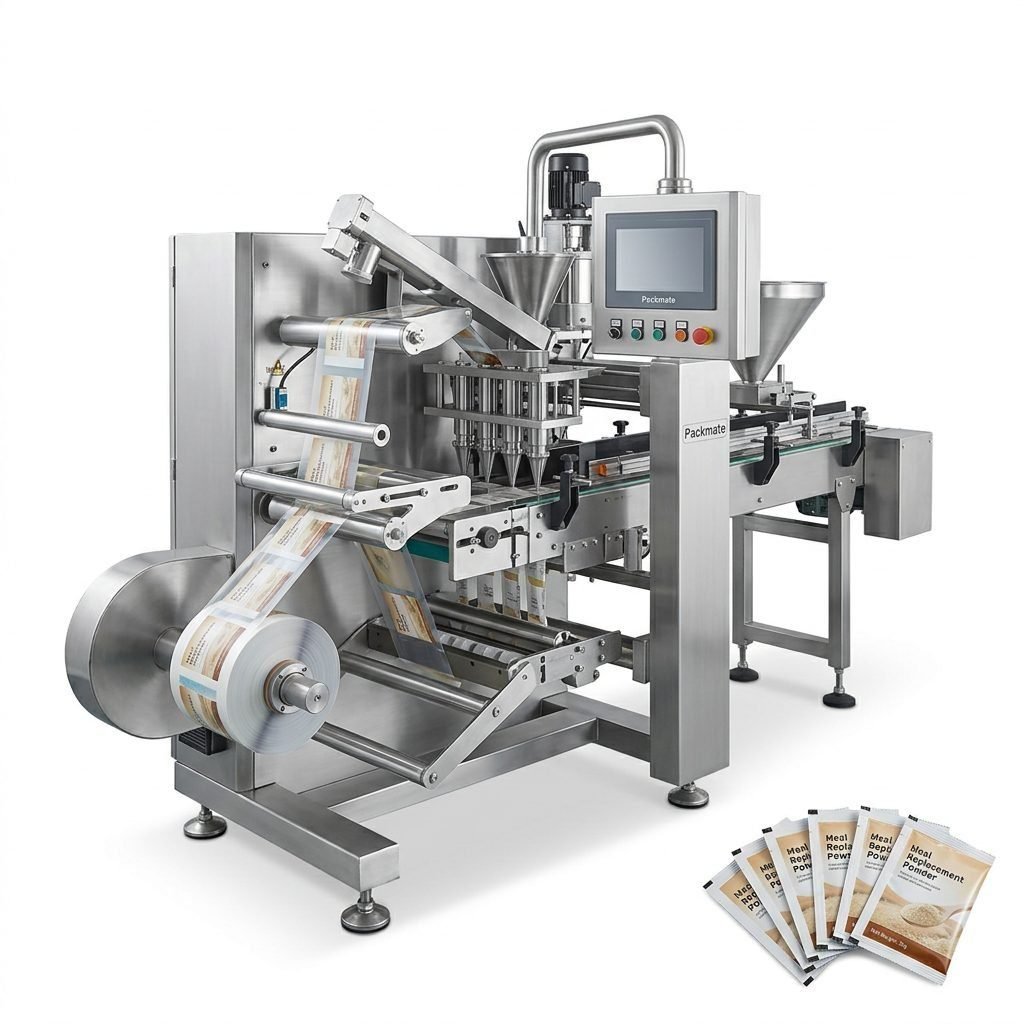
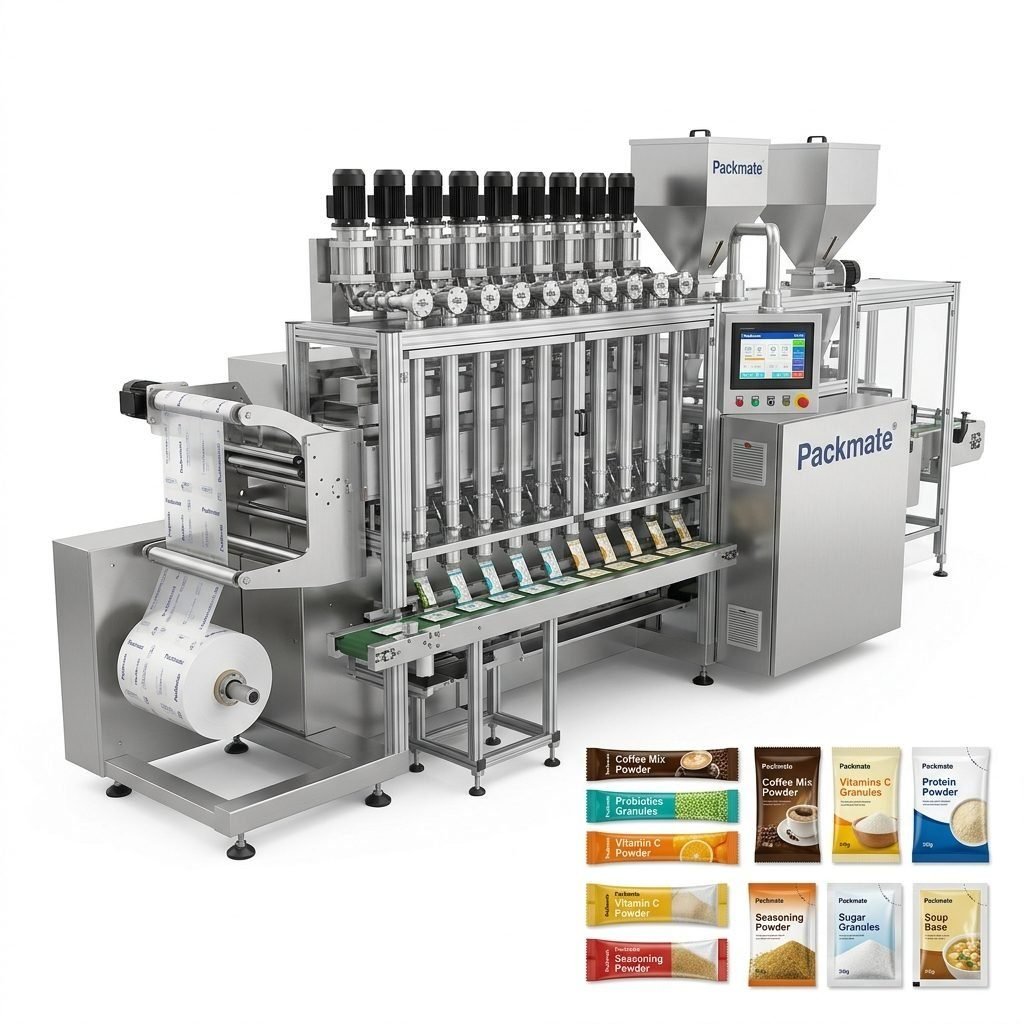
In today’s competitive market, efficient and cost-effective packaging is crucial for businesses of all sizes. While fully automated, high-volume lines are the domain of large manufacturers, a growing number of small to medium enterprises (SMEs) and startups are turning to DIY packaging machines. These versatile systems offer a middle ground between manual packing and expensive, fully automated solutions, empowering businesses to control their packaging process, reduce labor costs, and enhance brand consistency.
Understanding DIY Packaging Machines
DIY packaging machines, often referred to as semi-automatic or benchtop machines, are designed for user operation and setup without requiring extensive engineering expertise. They typically handle one or two key functions in the packaging sequence, such as filling, sealing, or labeling. The core appeal lies in their relatively lower initial investment, flexibility for short runs, and the ability to be operated by existing staff with minimal training.
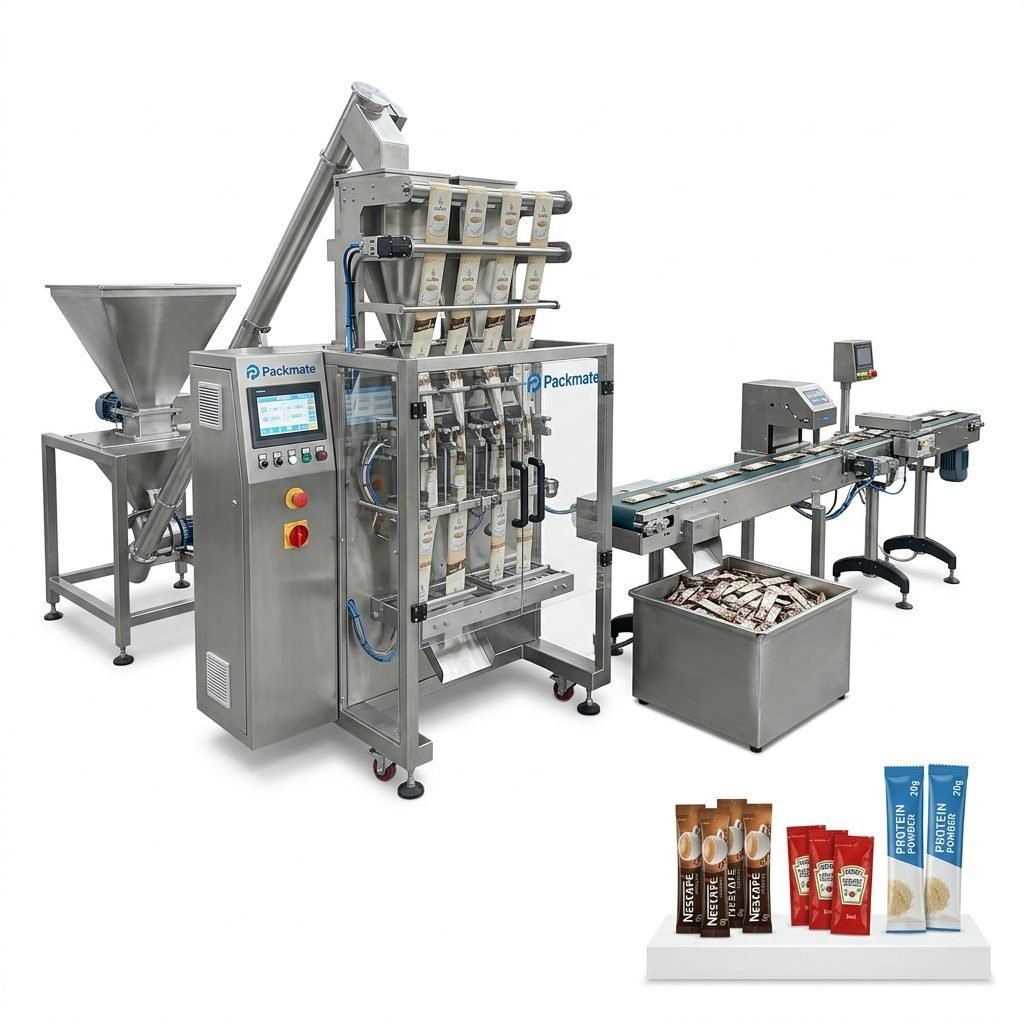
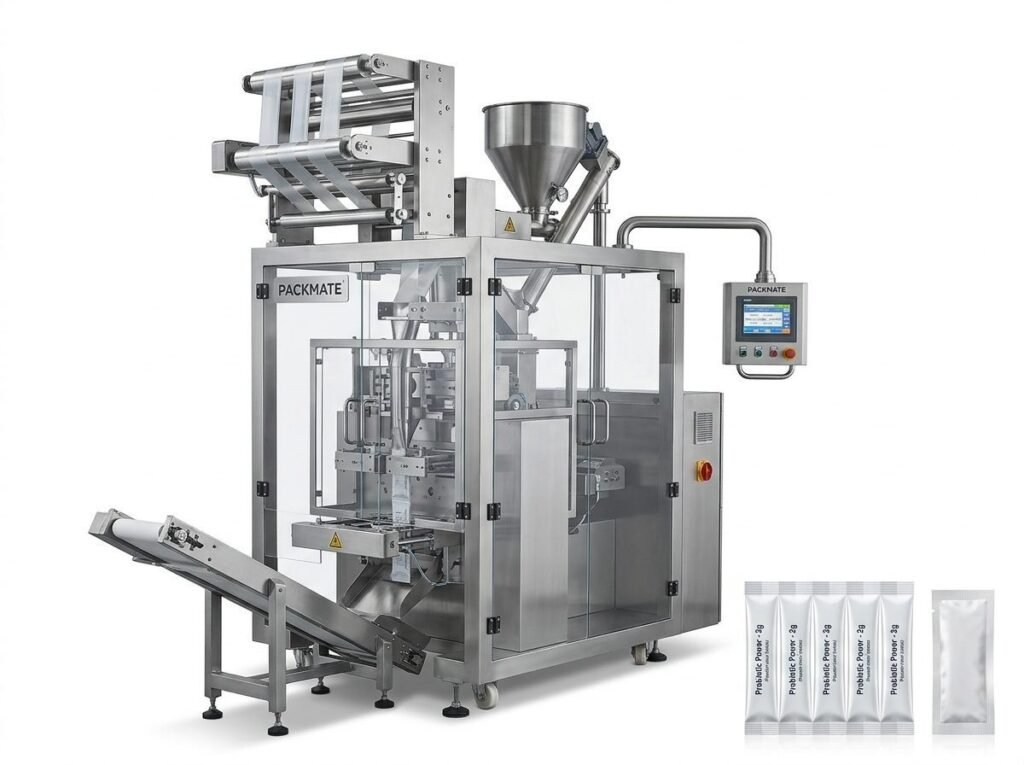
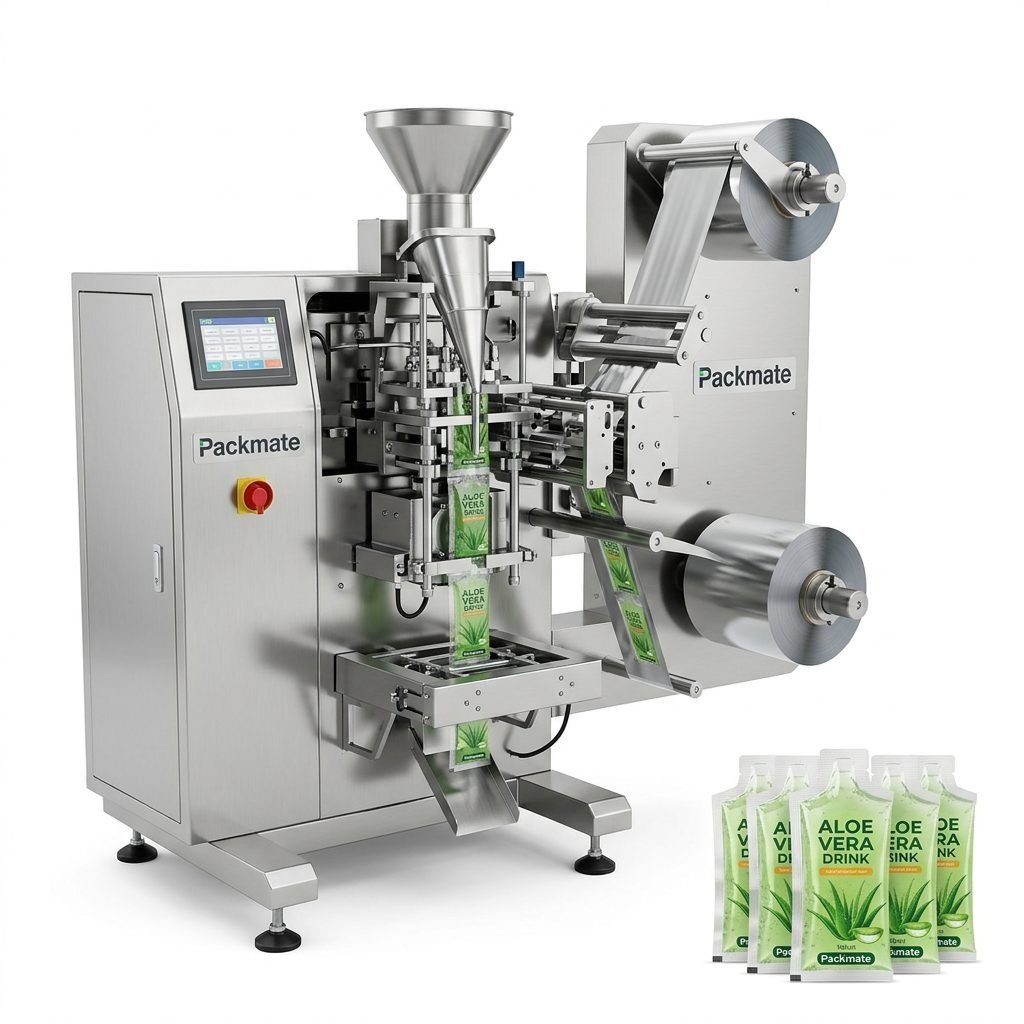
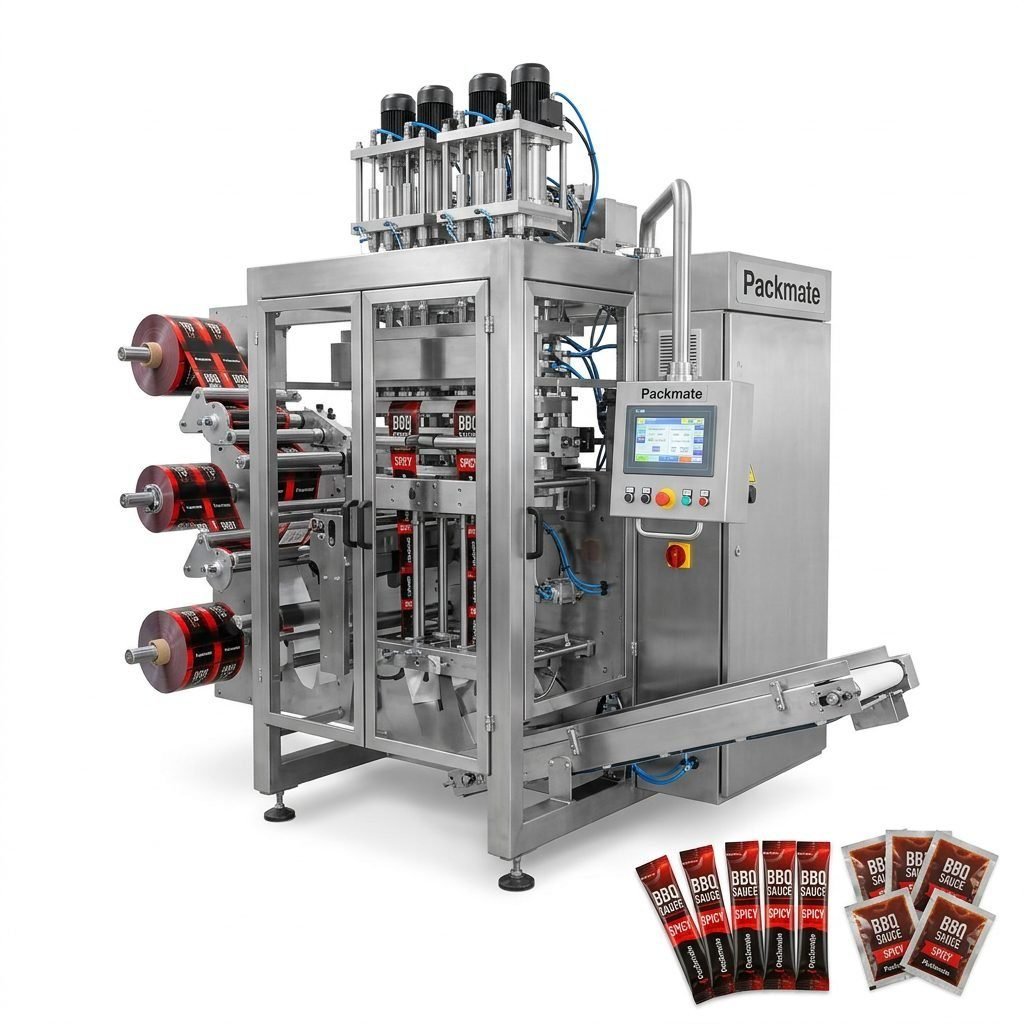
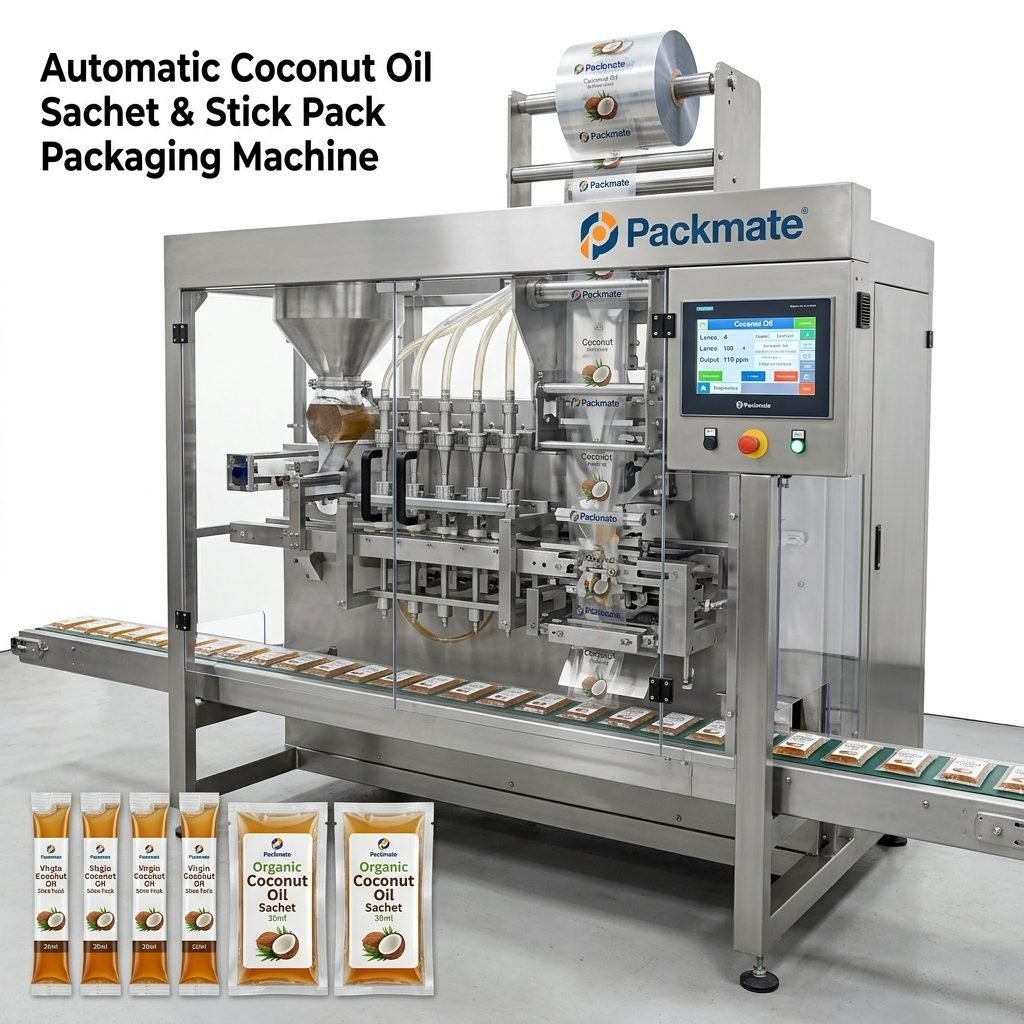
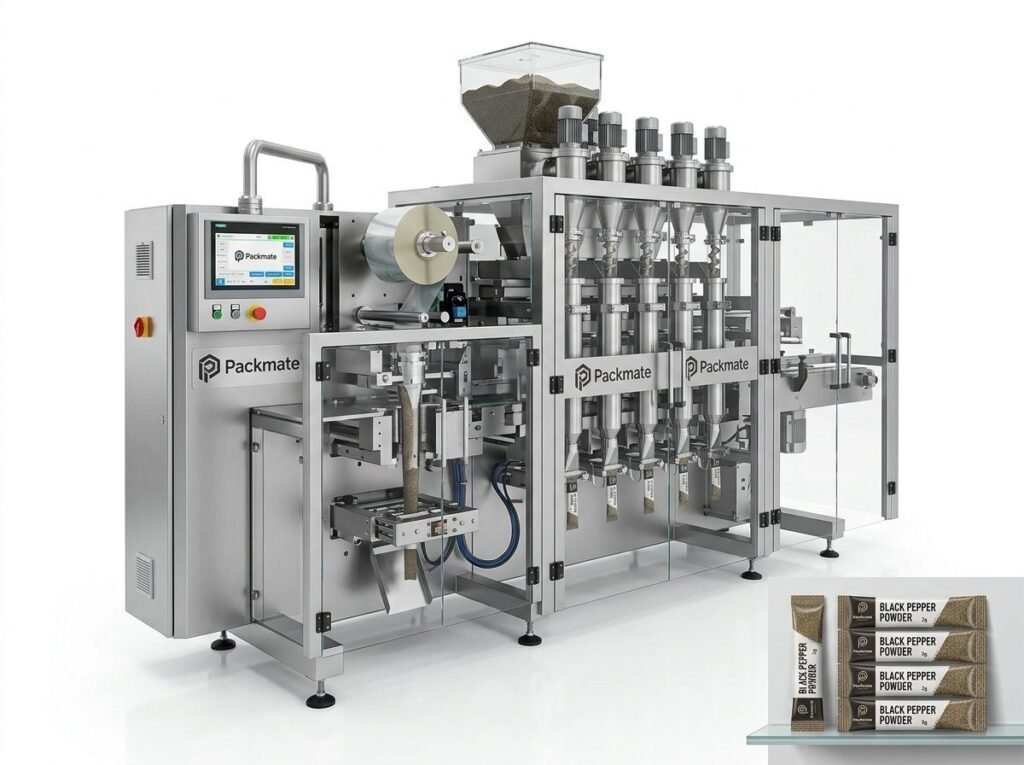
Common types include semi-automatic sachet and stick pack machines, vertical form-fill-seal (VFFS) units, liquid fillers, cappers, and induction sealers. They are ideal for products like coffee, spices, supplements, cosmetics, hardware items, and specialty foods.
Key Advantages for Your Business
Cost Control: Avoid the high capital expenditure of full automation. DIY machines offer a faster ROI, especially for businesses with variable or growing order volumes.
Operational Flexibility: Easily switch between different products, package sizes, or materials with quick changeover parts. This is perfect for limited editions or custom orders.
Space Efficiency: Their compact, benchtop design makes them suitable for smaller production areas, warehouses, or even dedicated packaging rooms.
Quality & Brand Consistency: Achieve a more professional, uniform look than purely manual packaging. Consistent seals and fills improve product presentation and shelf life.
How to Choose the Right DIY Packaging Machine
Selecting the correct machine is critical. A poor fit can lead to product waste, downtime, and frustration. Follow this structured approach to make an informed decision.
1. Analyze Your Product & Packaging
Start with the fundamentals. What are you packaging? Define the product’s physical state (powder, granule, liquid, solid), its characteristics (hygroscopic, abrasive, viscous), and its required dosage accuracy. Next, specify your desired packaging material (film type, laminate, pouch style) and the final bag or pouch dimensions. The machine must be compatible with both.
2. Define Your Production Requirements
Be realistic about your output. Calculate your required speed (packages per minute/hour) based on current and near-future demand. Also, consider your available space, power supply (voltage, phase), and the skill level of the operators. A machine that’s too complex for your team will not be utilized effectively.
3. Evaluate Machine Features & Build Quality
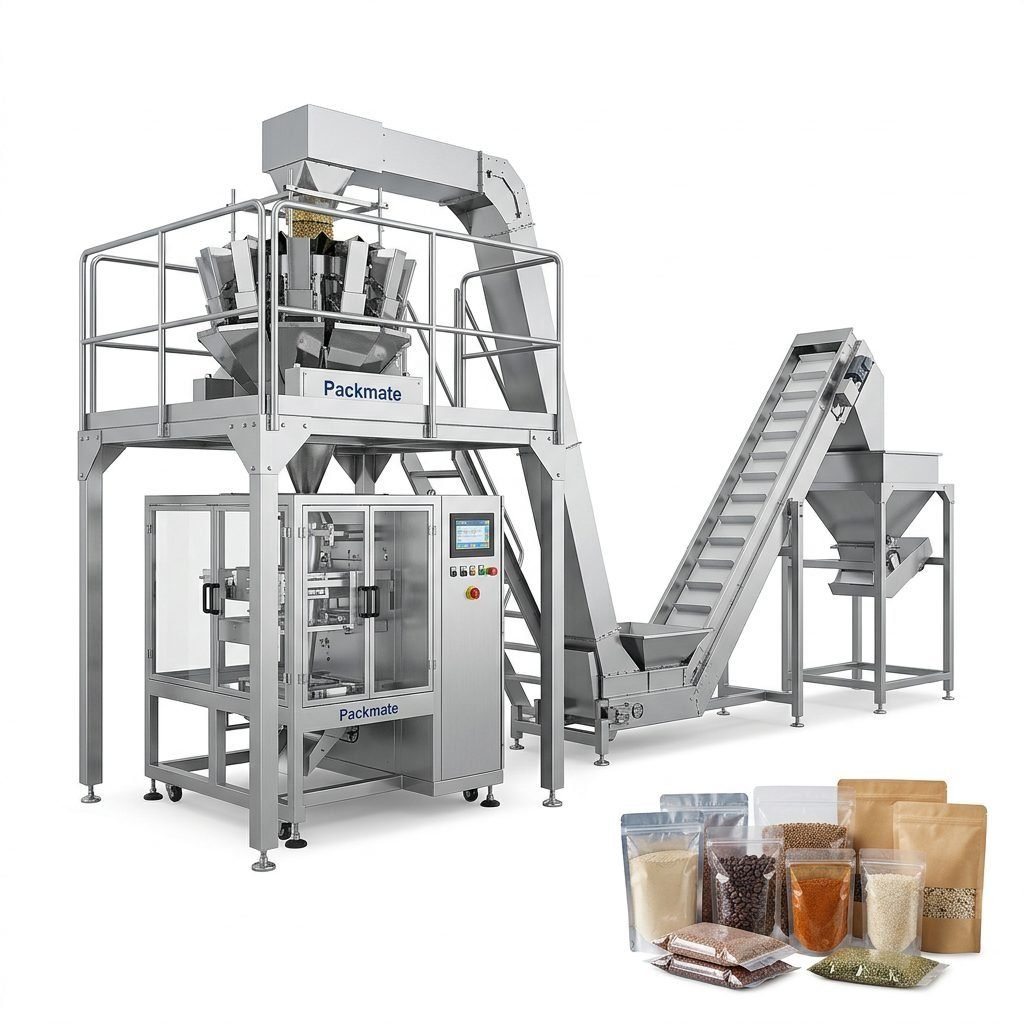
Look beyond the price tag. Investigate the construction materials (stainless steel contact parts are essential for food/pharma), the precision of the dosing system (auger, pump, volumetric), and the reliability of the sealing mechanism. User-friendly controls, clear diagnostics, and safety features are must-haves. For comprehensive solutions, explore options for weighing and packaging systems that can integrate with filling units.
4. Consider the Supplier’s Support
The supplier is as important as the machine. Choose a manufacturer with a proven track record. Look for detailed documentation (manuals, videos), availability of spare parts, and responsive technical support. Companies with deep industry experience, like Packmate Machinery, which has over 30 years in packaging equipment, often provide more reliable machines and crucial after-sales service. Review their case studies to see machines in action for businesses similar to yours.
Pro Tip: The Total Cost of Ownership (TCO)
When budgeting, don’t just consider the purchase price. Factor in the Total Cost of Ownership, which includes:
– Initial Machine Cost
– Cost of Accessories & Tooling (e.g., different augers, sealing jaws)
– Maintenance & Spare Parts over 3-5 years
– Energy Consumption
– Potential Downtime Costs from an unreliable machine
A slightly more expensive, robust machine from a reputable supplier often has a lower TCO than a cheap, unproven model.
Best Practices for Using Your DIY Packaging Machine
Proper operation and maintenance are key to longevity and consistent performance.
Initial Setup & Calibration
Follow the manufacturer’s instructions meticulously. Proper installation on a stable, level surface is vital. The most critical step is calibration. Precisely set the filling weight/volume and fine-tune the temperature, pressure, and dwell time for the sealing jaws. Test with your actual product and packaging material, and adjust until results are perfect. Document these settings for each product type.
Routine Operation & Safety
Develop a Standard Operating Procedure (SOP) for your team. This should include startup/shutdown sequences, loading procedures for product and film, routine quality checks (checking seal integrity and fill weight every 30 minutes), and basic troubleshooting steps. Never bypass safety guards or interlocks. Ensure operators wear appropriate personal protective equipment (PPE).
Preventive Maintenance
A small amount of regular care prevents major breakdowns. Create a daily and weekly checklist. This typically includes:
Daily: Cleaning all product contact parts, wiping down the machine, checking for loose bolts or foreign material.
Weekly/Monthly: Lubricating moving parts (as per manual), inspecting sealing jaws and cutting blades for wear, checking electrical connections.
Keep a log of all maintenance activities.
Troubleshooting Common Issues
Even well-maintained machines can have hiccups. Here’s a quick guide to common problems:
Poor Seal Integrity: This is often due to incorrect temperature/pressure settings, contaminated sealing jaws, or using film not suited for the machine. Clean the jaws thoroughly and re-calibrate.
Inaccurate Filling: For auger fillers, check for worn augers, product bridging in the hopper, or incorrect auger speed settings. Ensure the product is free-flowing and not compacted.
Film Feeding Problems: Misalignment, incorrect tension, or a damaged film roll can cause issues. Ensure the film path is clear and the roll is mounted correctly according to the manual.
Scaling Up: When to Consider a Full Line
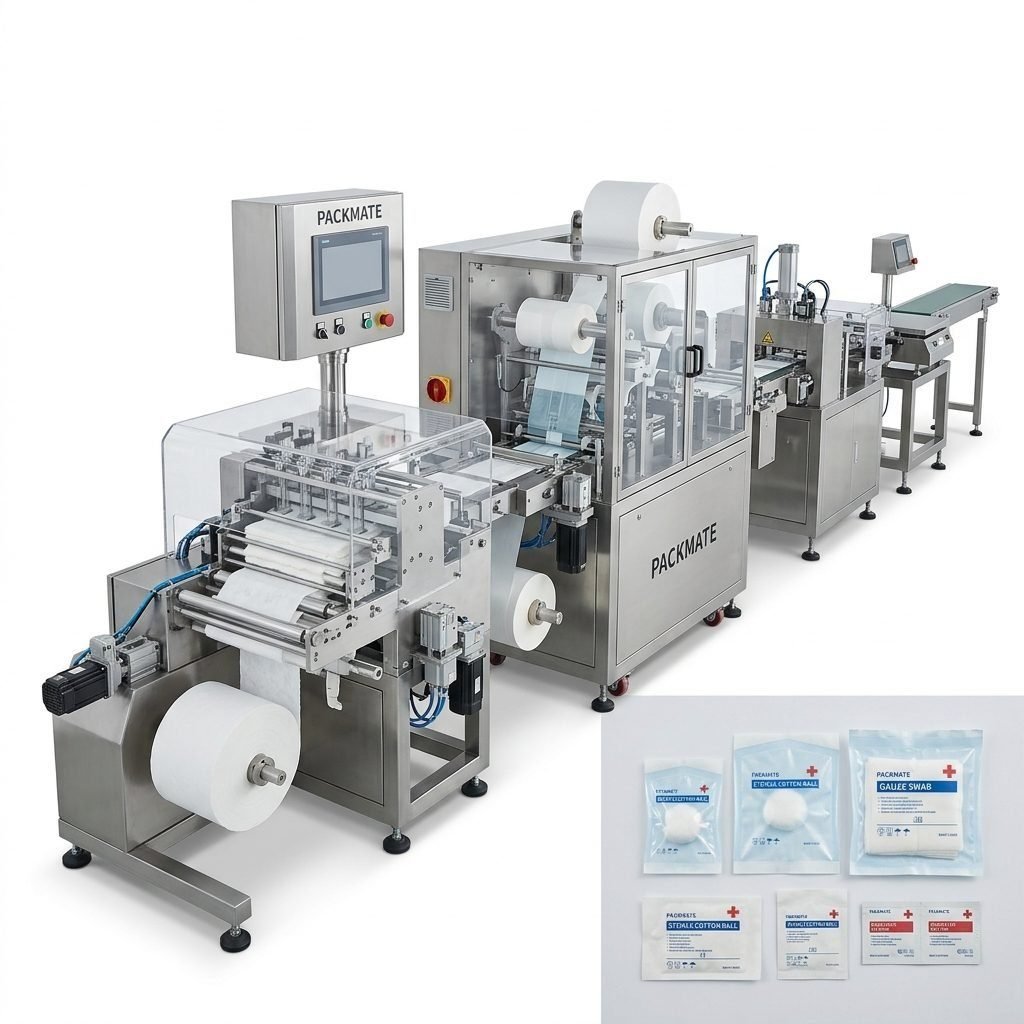
Your DIY machine is a stepping stone. As your business grows, you may need to scale. Signs it’s time to upgrade include: consistently maxing out the machine’s capacity, needing significantly higher accuracy or speed, or requiring a fully integrated process (like combined filling, labeling, and cartoning). At this stage, exploring complete filling and packaging lines from experienced manufacturers becomes the logical next step to maintain your competitive edge.
Frequently Asked Questions (FAQ)
1. What is the main difference between a DIY/semi-automatic and a fully automatic packaging machine?
The primary difference is the level of human intervention required. DIY or semi-automatic machines typically require an operator to manually perform tasks like placing bags, initiating cycles, or feeding product. Fully automatic machines integrate these functions, running continuously with minimal operator oversight, resulting in much higher output speeds.
2. Can I use any type of packaging film with my DIY machine?
No. It is crucial to use films that are compatible with your machine’s sealing technology (e.g., constant heat, impulse heat, ultrasonic). The film’s composition, thickness, and melting point must align with the machine’s capabilities. Always consult your machine manual and test new film materials before full-scale production.
3. How do I ensure accurate filling for powders that are prone to clumping or bridging?
For challenging powders, choose a machine with features designed for them, such as an agitated hopper or a stirring paddle above the auger. Using a dedicated tooling (auger) designed for your specific product’s particle size and flow characteristics is essential. Proper storage of the raw material to prevent moisture absorption also helps.
4. What kind of training do my operators need?
Reputable suppliers should provide basic operational training upon installation. This covers machine setup, calibration, operation, cleaning, and basic safety. Comprehensive training materials, including videos and manuals, are also vital. Cross-training multiple staff members is recommended to avoid dependency on a single person.
5. Where can I find reliable spare parts and technical support?
Always source spare parts directly from the original equipment manufacturer (OEM) or their authorized distributors. OEM parts guarantee fit and performance. For support, check if the manufacturer offers remote assistance (phone, video call), has detailed online resources like an FAQ section, or provides on-site service contracts. A supplier’s commitment to after-sales support is a key indicator of their reliability.