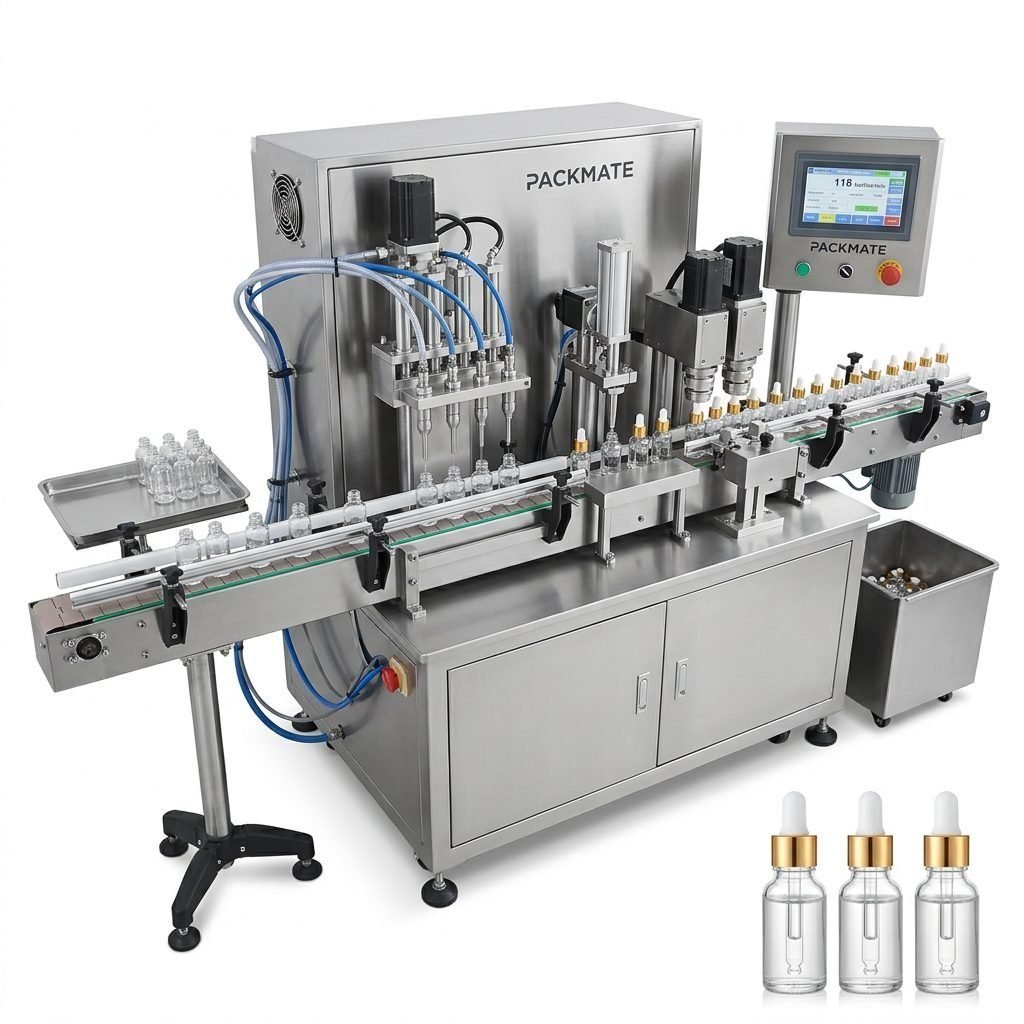
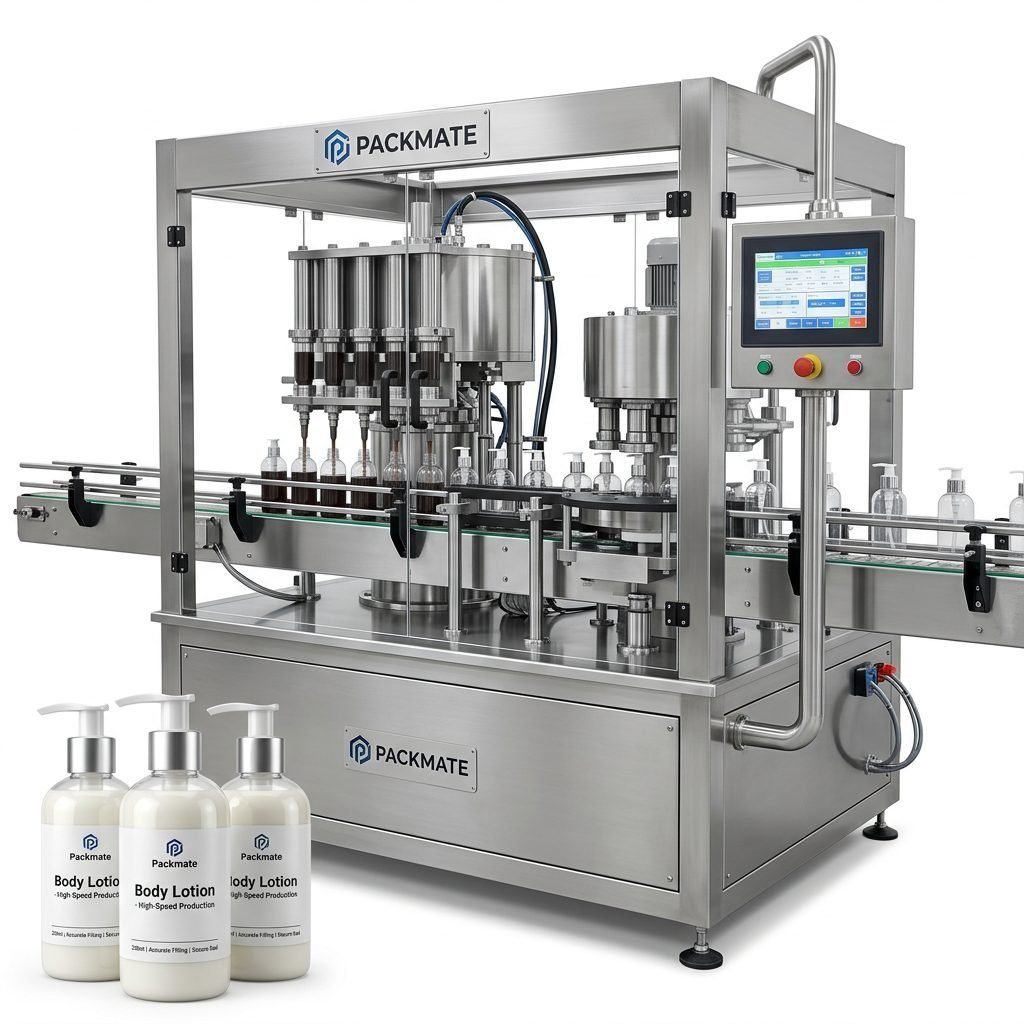
In the fast-paced world of food, pharmaceutical, and health product manufacturing, efficiency and presentation are paramount. The right dry goods packaging machine is not just a piece of equipment; it’s a critical investment that impacts production speed, product safety, shelf appeal, and ultimately, your bottom line. This comprehensive guide delves into the various types of dry goods packaging machines, their specific applications, and essential factors to consider before making a purchase.
Understanding Dry Goods Packaging Machines
Dry goods packaging machines are automated systems designed to measure, fill, and seal a wide range of non-liquid products. These include granules (like coffee, sugar, spices), powders (such as protein powder, milk powder, flour), seeds, grains, and small solid items. The primary goal is to ensure accurate dosing, maintain product integrity by preventing contamination, and create a consistent, professional package that protects the contents from moisture, air, and light.
Core Benefits of Automation
Transitioning from manual to automated packaging offers transformative advantages. It dramatically increases output speed and volume, ensuring your production line can meet market demand. More importantly, it enforces unmatched consistency and accuracy in weight and fill, which is crucial for regulatory compliance and consumer trust. Automation also reduces long-term labor costs and minimizes human contact with the product, a key factor in maintaining hygiene standards in food and pharmaceutical sectors.
Primary Types of Dry Goods Packaging Machines
The choice of machine depends heavily on the product form, desired package style, and required production capacity. Here’s a breakdown of the most common types.
1. Vertical Form-Fill-Seal (VFFS) Machines
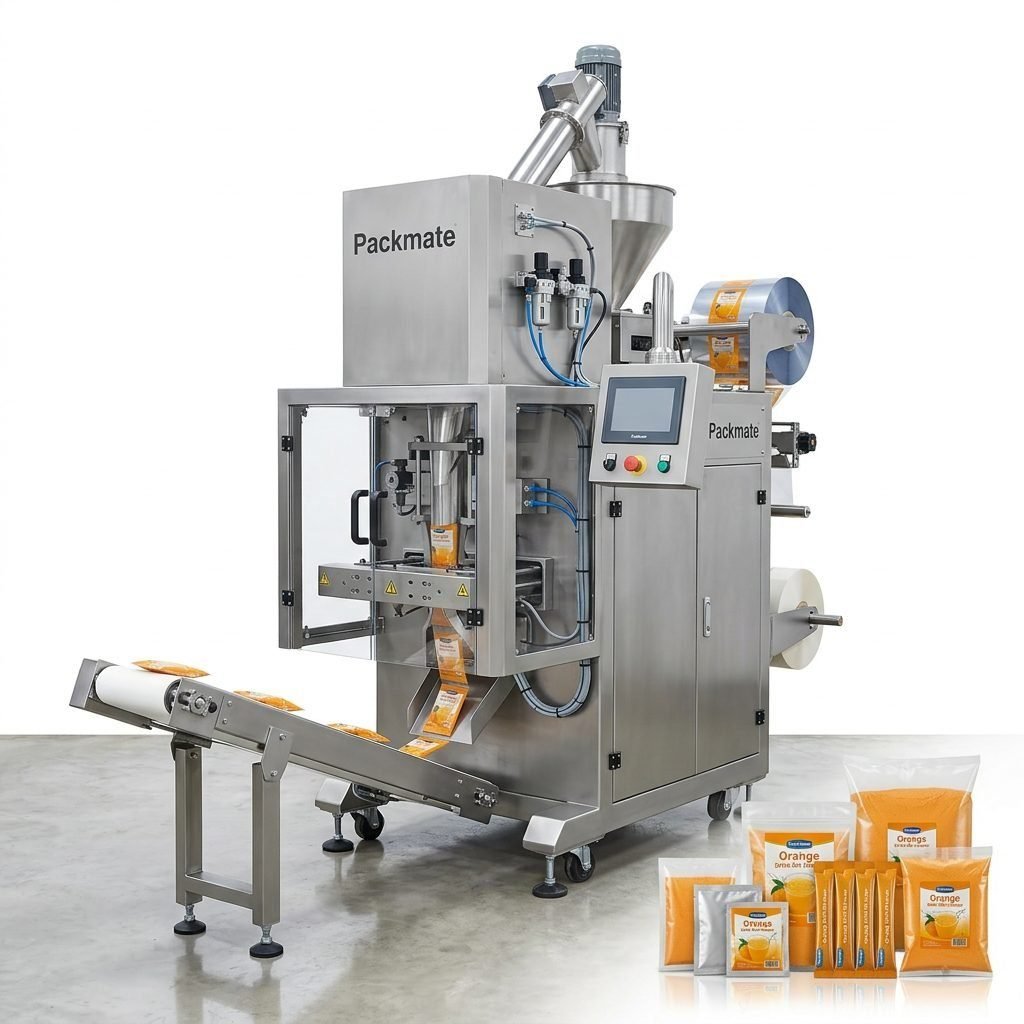
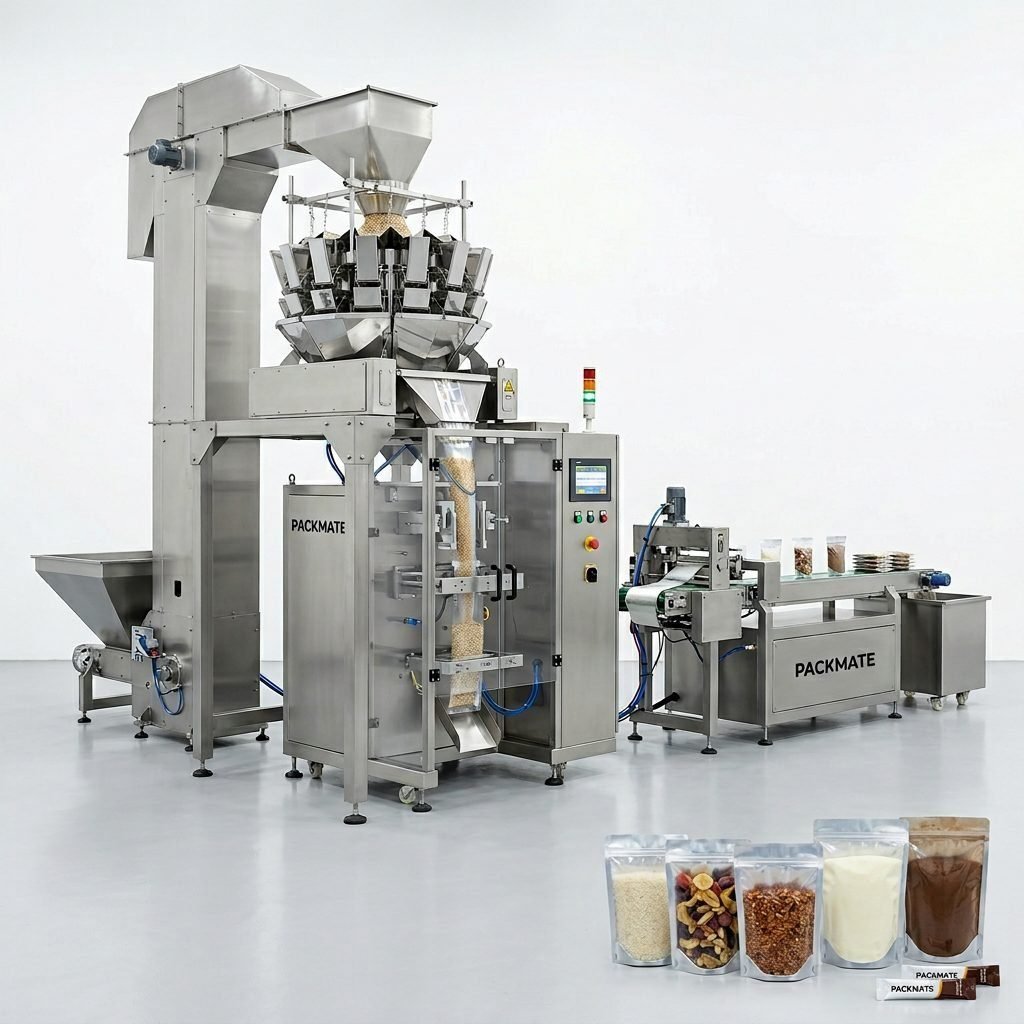
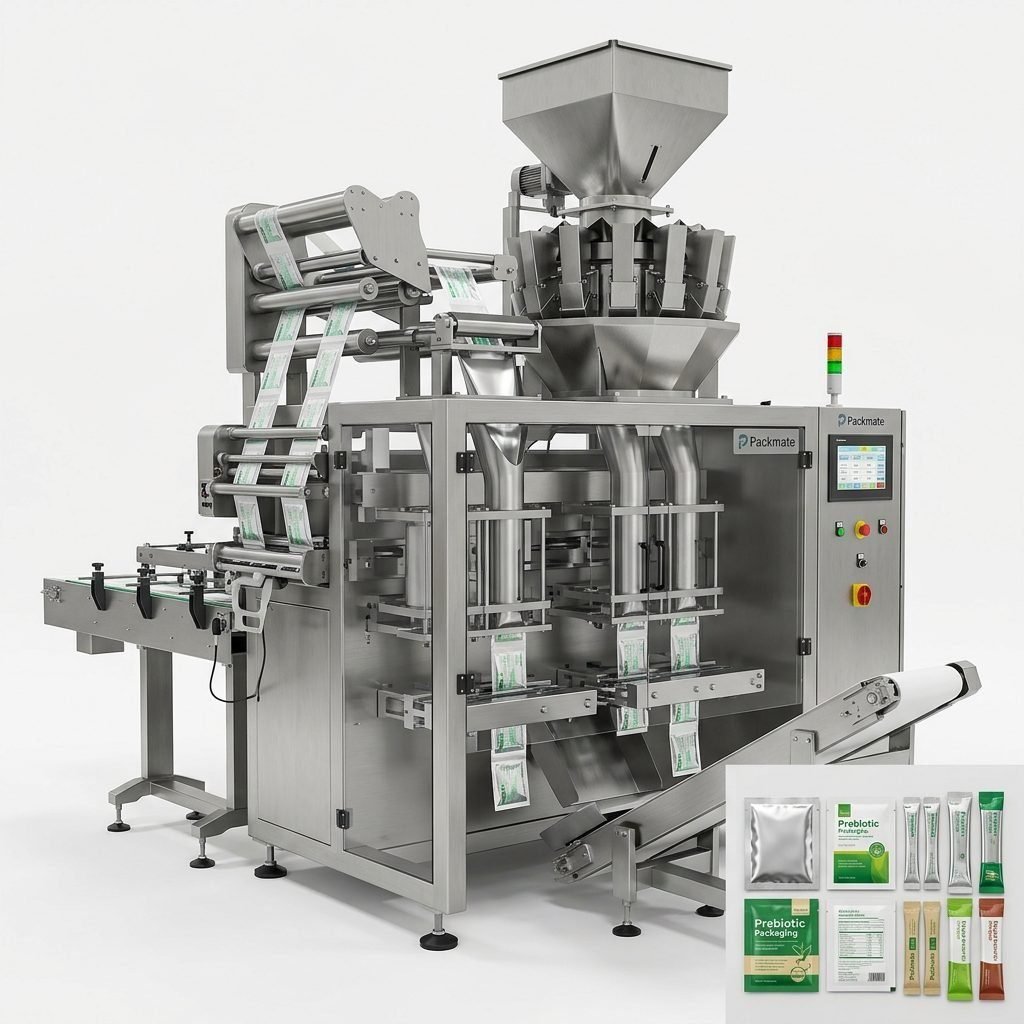
These are the workhorses of the industry for creating bags from a roll of film. The machine forms a tube vertically, fills it with the pre-measured product, and then seals and cuts it to create individual pouches. VFFS machines are incredibly versatile and can produce a variety of bag styles, including pillow bags, gusseted bags, and stand-up pouches. They are ideal for medium to high-speed production of items like snacks, pasta, and pet food. For businesses looking to package products into bags and pouches efficiently, exploring dedicated Bag & Pouch Packaging Machines is a logical step.
2. Pre-Made Pouch Fillers
Unlike VFFS machines, these systems use pre-manufactured pouches or bags. The machine automatically opens the pouch, fills it with the product, and then seals it closed. This method is excellent for products that require a specific, high-quality laminated pouch material for superior barrier properties or branding. It’s often used for premium coffee, nuts, and pharmaceutical products where package aesthetics and material strength are critical.
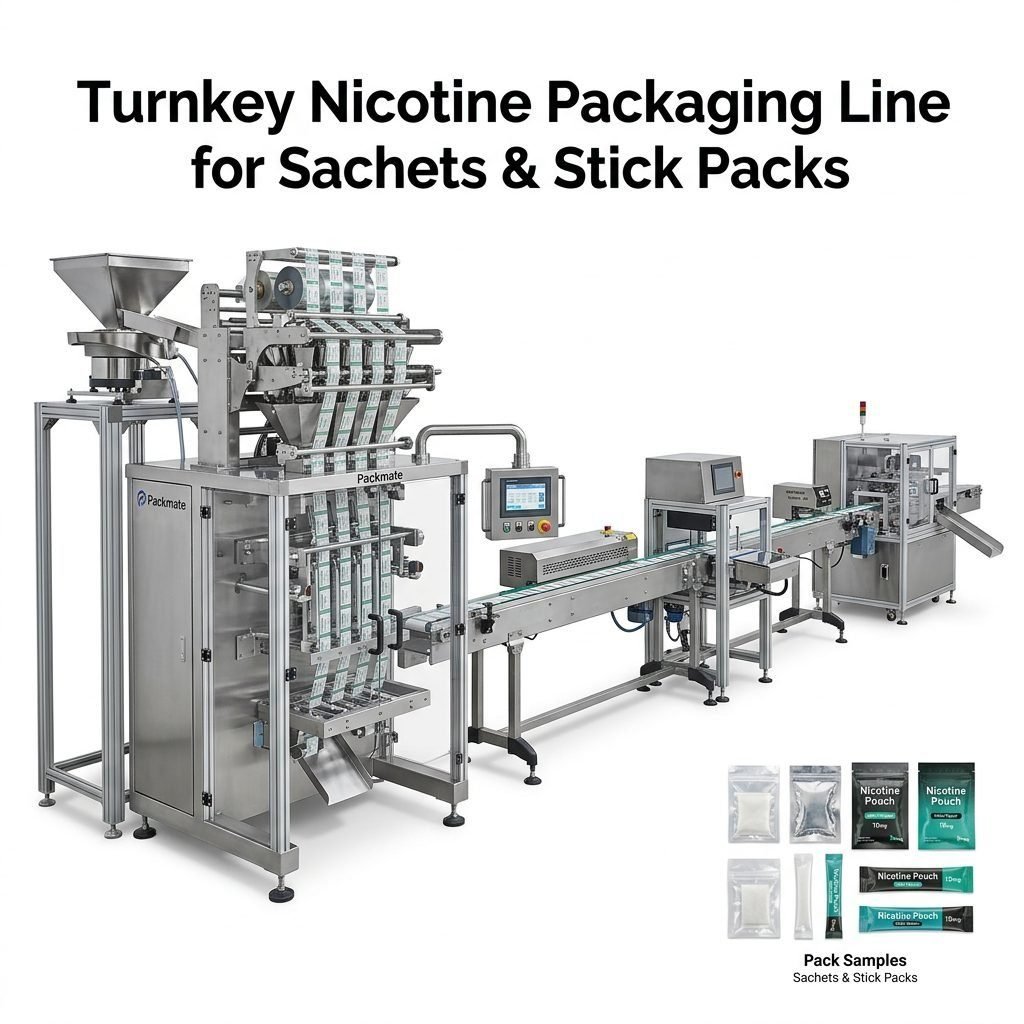
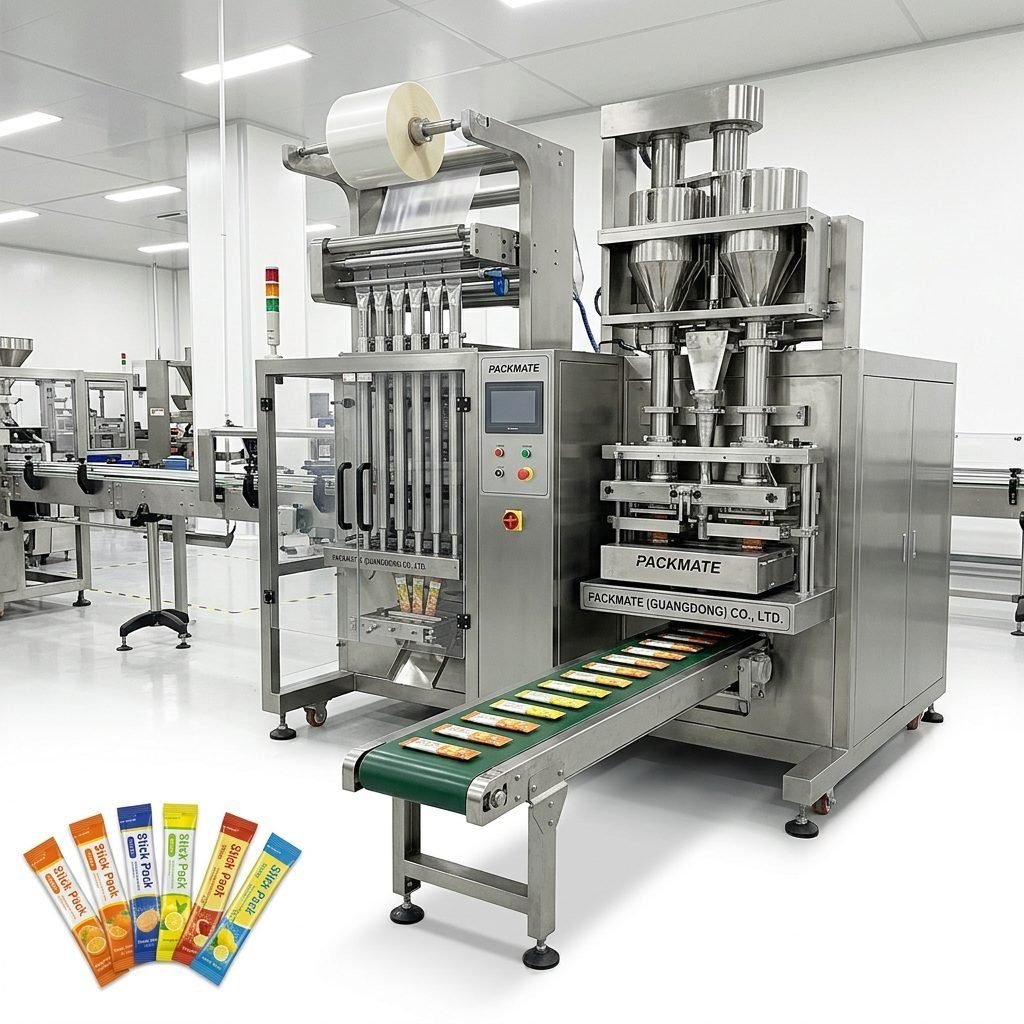
3. Stick Pack and Sachet Machines
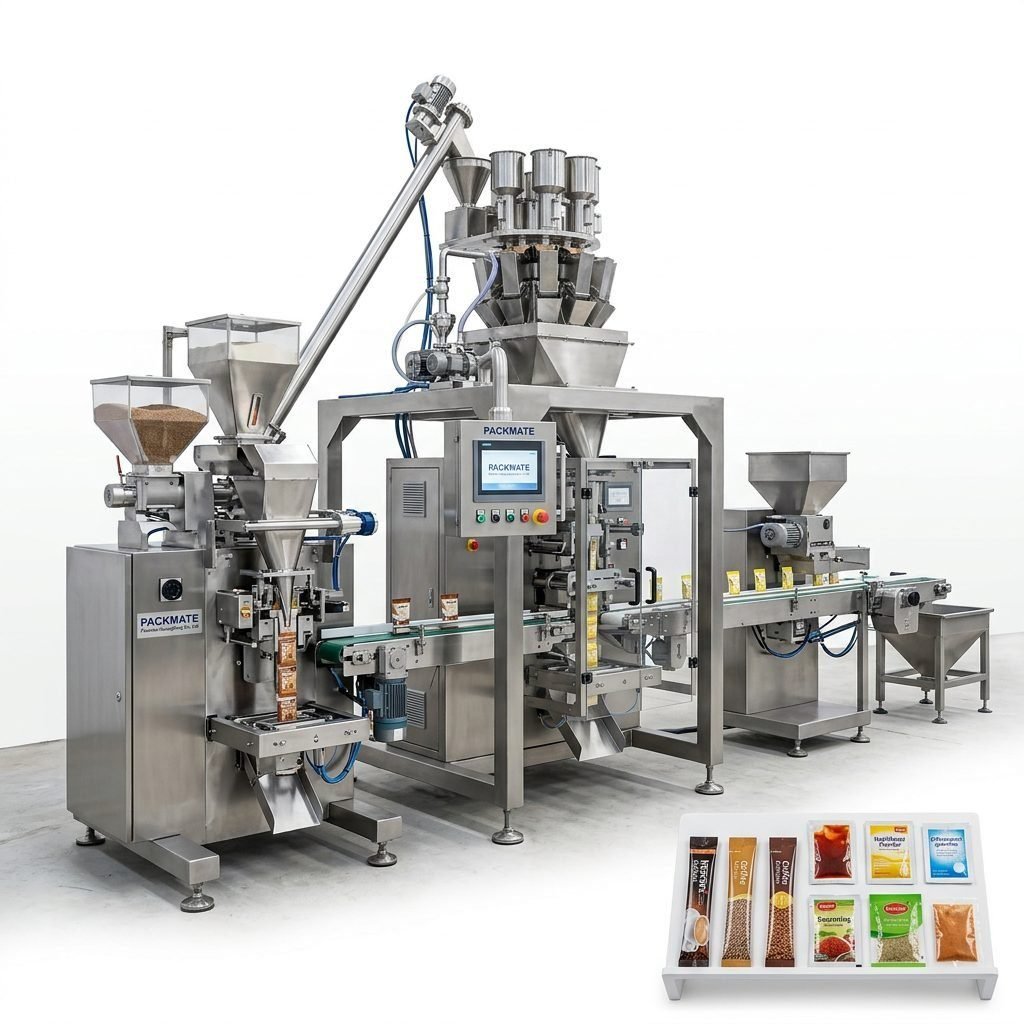
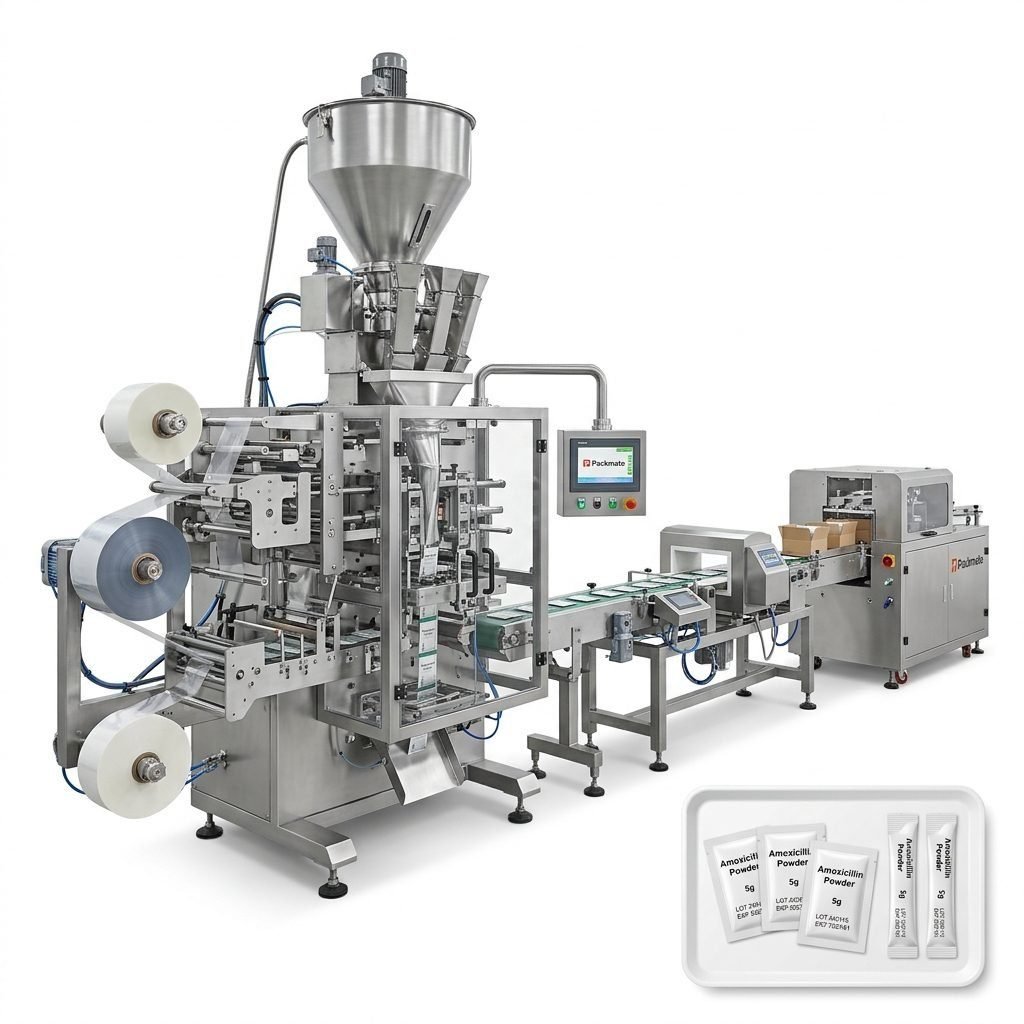
Designed for single-serve or sample-sized portions, these machines are perfect for powders, granules, and liquids in small doses. They create long, narrow “stick” packs or small rectangular sachets. This format is hugely popular for products like instant drink mixes, sugar, creamer, ketchup, and shampoo samples. High-speed, multi-lane versions can produce hundreds of stick packs per minute. Companies like Packmate Machinery have specialized in this area, offering advanced Sachet & Stick Pack Machines that cater to the demanding needs of the food and FMCG industries.
4. Weighing and Dosing Systems
At the heart of any accurate filling operation is the weighing system. These can be volumetric (using cups or augers for consistent volume) or gravimetric (using scales for precise weight). Multi-head weighers are the gold standard for high-speed, high-accuracy packaging of free-flowing products like snacks and frozen vegetables. For challenging non-free-flowing powders, specialized auger fillers with de-aeration systems are essential. Integrating a robust Weighing & Packaging System is fundamental to ensuring product giveaways are minimized and compliance is met.
5. Cartoning and Case Packing Machines
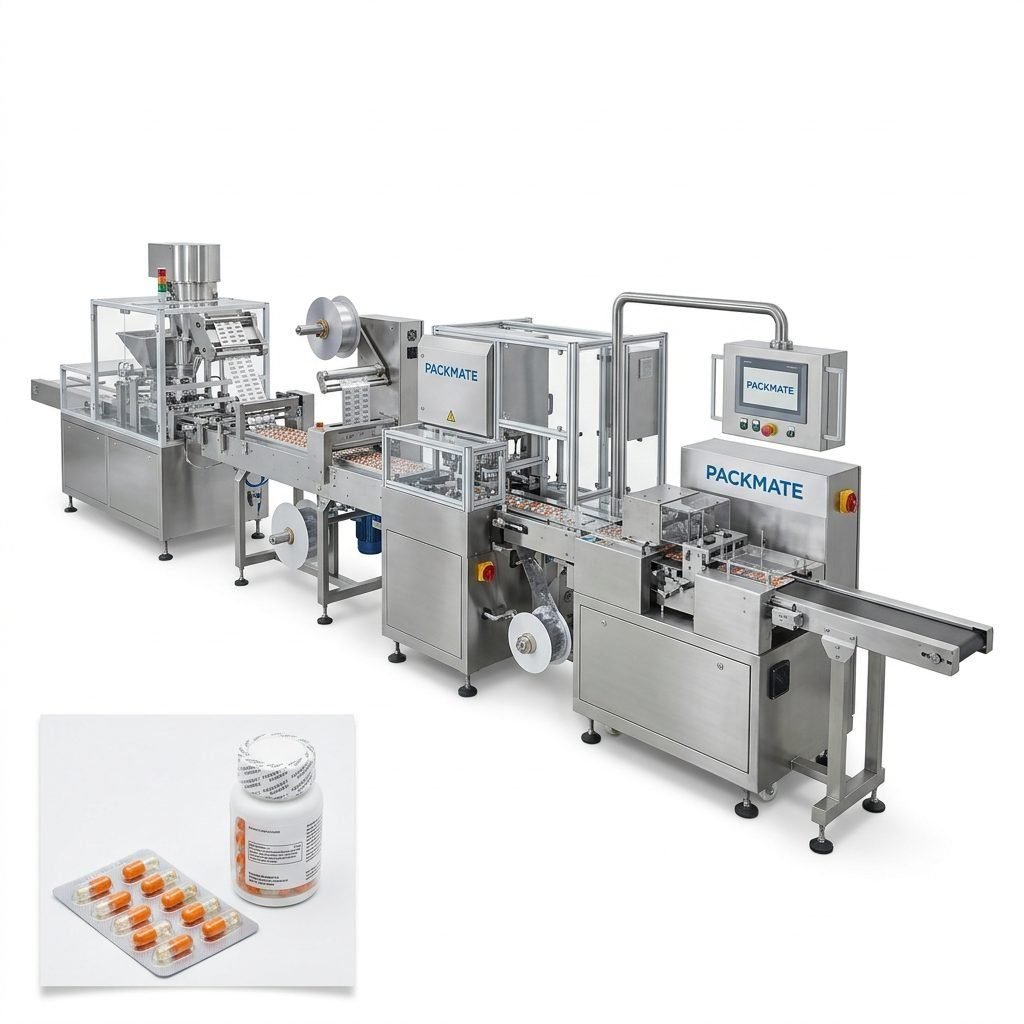
After primary packaging into pouches or sachets, secondary packaging is often required. Cartoning machines automatically erect cartons, insert the primary packages along with leaflets, and close them. Case packers then take these cartons and neatly place them into shipping cases. This completes the Filling & Packaging Line, creating a fully automated process from product to shippable box.
Key Application Industries
- Food & Beverage: Snacks, coffee, spices, baking ingredients, powdered drinks, pasta, rice.
- Pharmaceutical & Nutraceutical: Powdered supplements, herbal teas, protein powders, medicinal granules.
- Chemical & Agricultural: Fertilizers, seeds, detergents, pool chemicals (with appropriate corrosion-resistant materials).
- Cosmetics & Personal Care: Bath salts, face masks, shampoo/conditioner samples.
Critical Buying Tips for Your Investment
Selecting the right machine requires careful analysis beyond just the price tag. Here are the key factors to evaluate.
1. Define Your Product and Package Specifications
Start with the basics. What are you packaging (granules, fine powder, mixed components)? What is its flowability, density, and abrasiveness? Determine your desired package type (stand-up pouch, stick pack, sachet), material, and size range. This information is non-negotiable for machine suppliers to provide a suitable quote.
2. Assess Required Production Speed (Output)
Calculate your current and projected future production needs in packs per minute (PPM) or per hour. Don’t just buy for today; consider a machine with a 20-30% higher capacity buffer to accommodate business growth without needing an immediate upgrade.
3. Prioritize Accuracy and Flexibility
Weight accuracy is directly tied to profitability. Inquire about the machine’s filling precision (± tolerance). Also, consider how often you change products or package sizes. Machines with quick-change parts and recipe memory functions can drastically reduce downtime during changeovers, increasing overall equipment effectiveness (OEE).
4. Evaluate Build Quality and Supplier Support
Inspect the machine’s construction—stainless steel contact parts are essential for food and pharma. The reputation and after-sales service of the manufacturer are critical. Look for a supplier with a proven track record, like Packmate, which offers comprehensive support including installation, training, and readily available spare parts. Reviewing their case studies can provide real-world insights.
5. Consider Integration and Future-Proofing
Will the machine need to integrate with existing conveyors, checkweighers, or coders? Ensure compatibility. Also, consider technological features like IoT connectivity for predictive maintenance and production data monitoring, which can be valuable for smart factory initiatives.
Frequently Asked Questions (FAQ)
1. What is the typical price range for a dry goods packaging machine?
Prices vary widely based on type, speed, automation level, and brand. A basic single-head auger filler may start around $10,000, while a high-speed, multi-lane stick pack line with integrated checkweigher and cartoner can exceed $150,000. It’s crucial to view this as a long-term investment where reliability and service often outweigh a lower initial cost.
2. How do I choose between a VFFS machine and a pre-made pouch filler?
Choose a Vertical Form-Fill-Seal machine for cost-effectiveness on the packaging material and maximum flexibility in bag size and style from a single roll of film. Opt for a pre-made pouch filler when you require complex, pre-printed laminated materials for superior branding and product barrier protection, and when pouch design changes infrequently.
3. What are the most common maintenance requirements?
Regular daily cleaning to prevent product buildup is essential. Periodic lubrication of moving parts, inspection and replacement of wear items like sealing jaws, cutting blades, and auger parts (if applicable) are standard. Always follow the manufacturer’s maintenance schedule outlined in the manual.
4. Can one machine handle both powders and granules?
Many machines are designed with this flexibility, but the filling mechanism may need adjustment or changeover. For instance, an auger filler might require a different screw type or pitch for a fine powder versus a granule. Discuss your full product range with the supplier to ensure the machine can be easily adapted.
5. What training is provided with a new machine?
Reputable suppliers typically provide on-site installation and commissioning, followed by hands-on operational and basic maintenance training for your staff. This should cover machine operation, changeover procedures, routine cleaning, troubleshooting common faults, and safety protocols. Ensure this is included in your purchase agreement.