Vacuum sealers have become indispensable tools in both commercial and home kitchens, offering a reliable method to extend the shelf life of food and organize storage. Among the various models available, the DZ 600 series stands out for its robust performance and versatility. This guide delves into the key features, practical applications, and essential buying considerations for the DZ 600 vacuum sealer, helping you determine if it’s the right fit for your packaging needs.
Core Features of the DZ 600 Vacuum Sealer
The DZ 600 is designed for efficiency and durability. Its construction typically involves food-grade materials and a powerful vacuum pump capable of creating a strong seal. Key operational features often include dry and moist food settings, allowing you to adjust the suction strength to prevent liquids from being drawn into the machine. An integrated heat sealing strip ensures a consistent, airtight closure on various bag types.
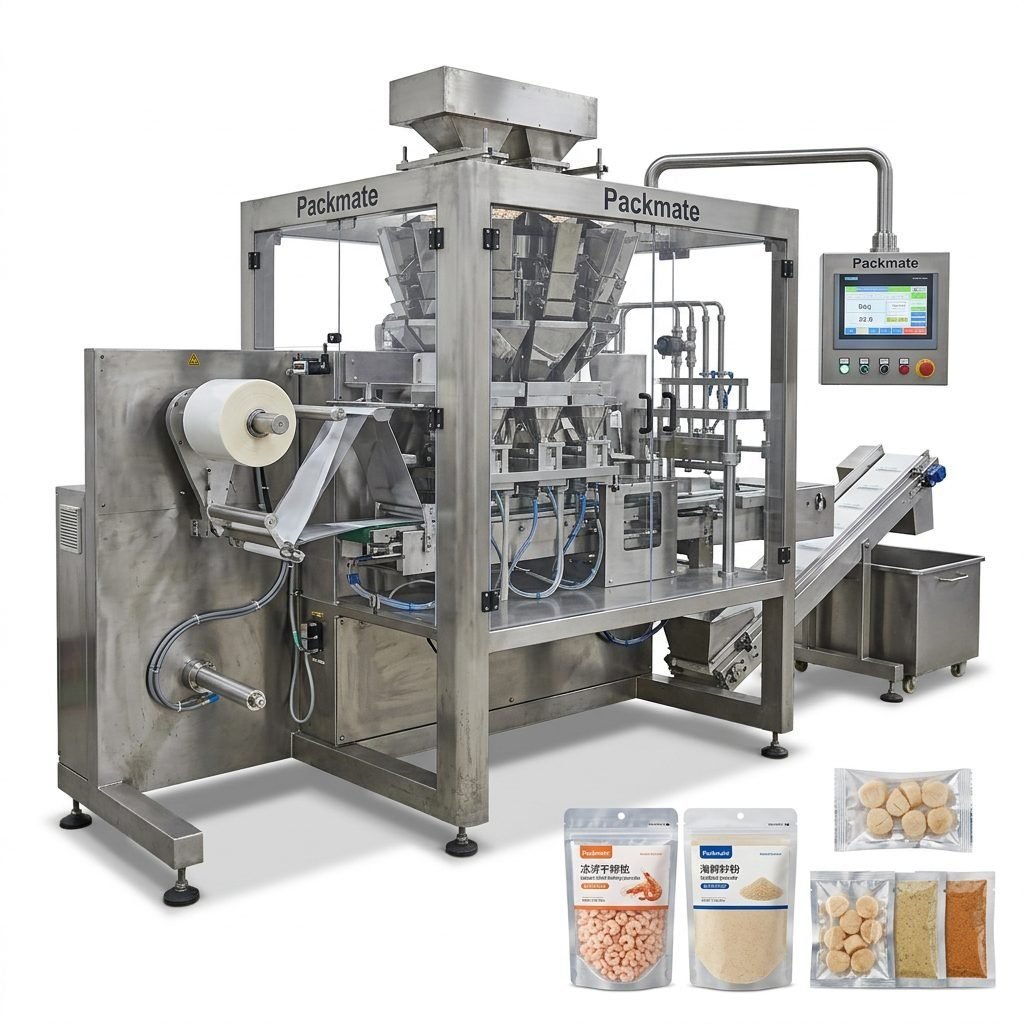
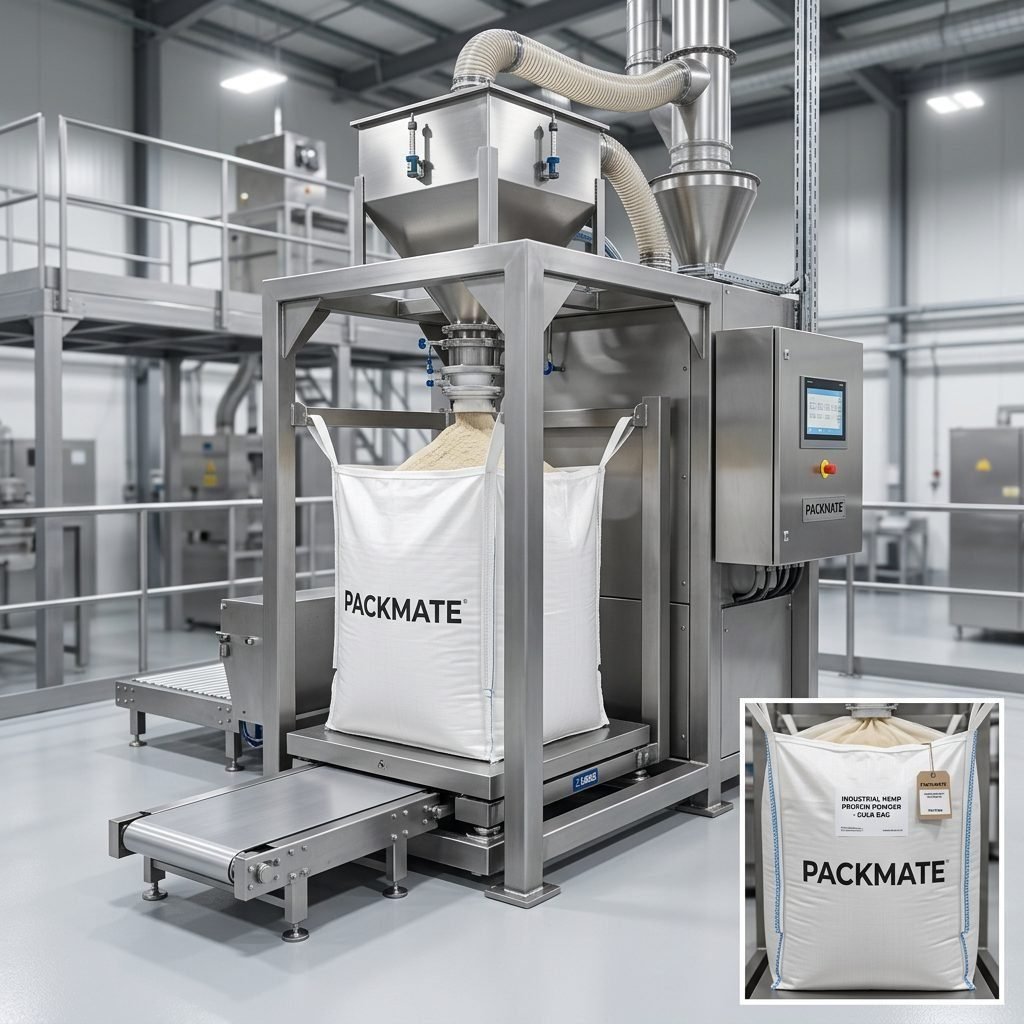
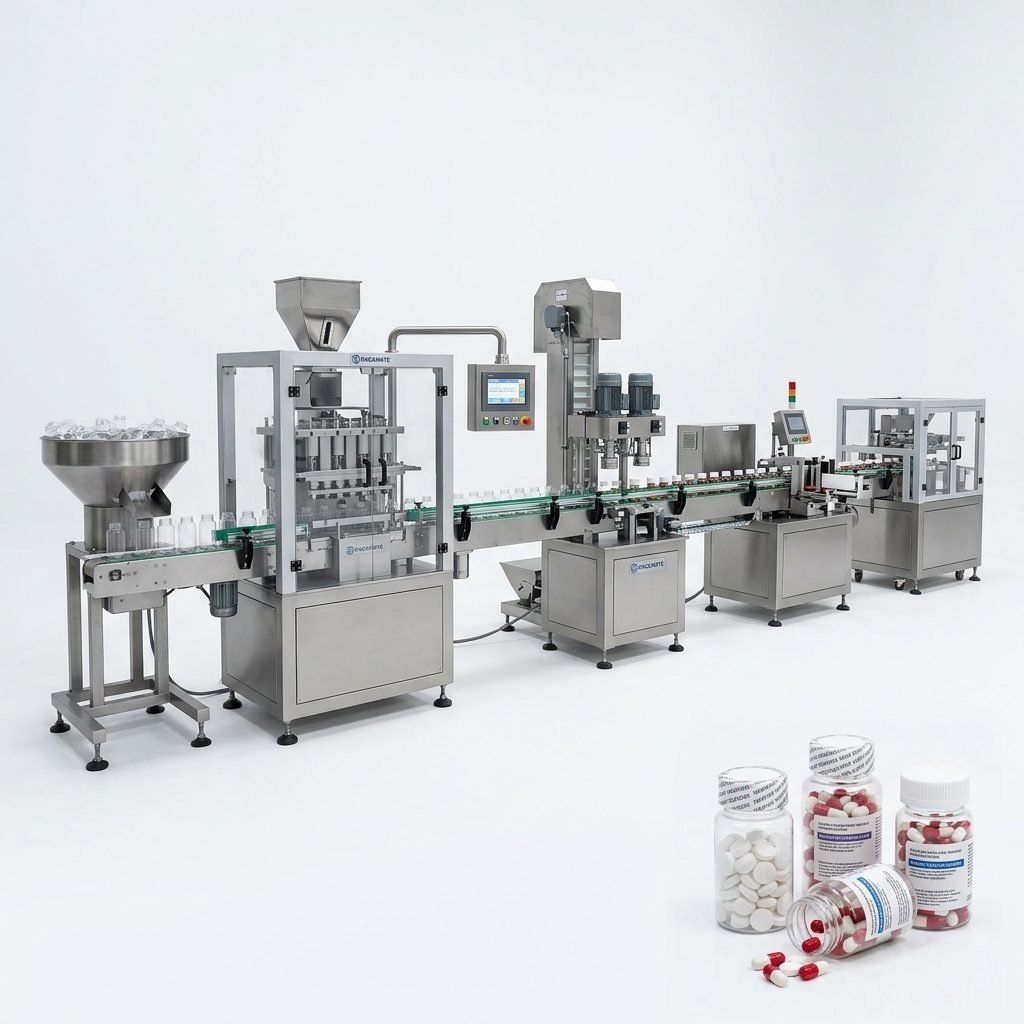
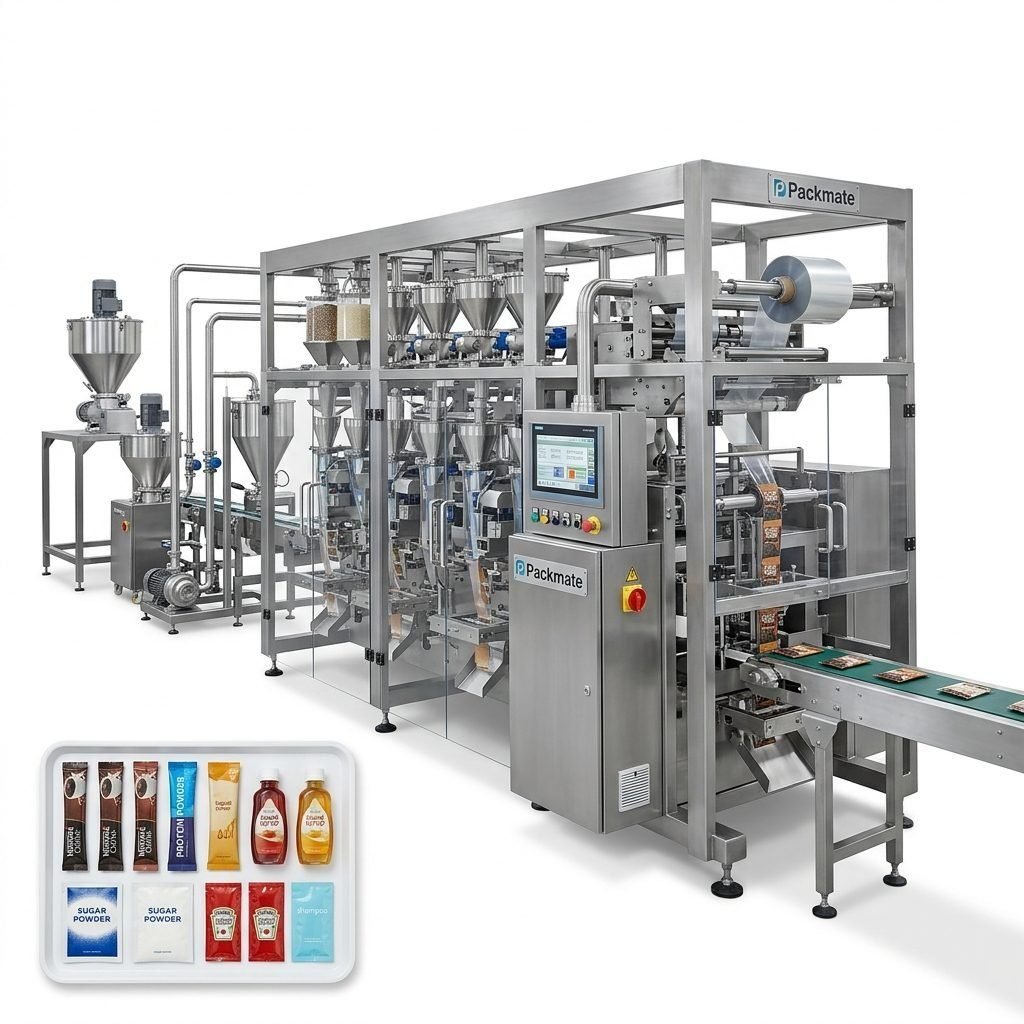
Many models in this series also boast a pulse sealing function for delicate items and a manual mode for full user control over the vacuum and seal duration. The design usually emphasizes user-friendliness with an intuitive control panel and an easy-to-clean sealing chamber. For businesses looking to scale their operations, understanding the capabilities of such single-chamber sealers is a step toward more automated solutions like full filling & packaging lines.
Technical Specifications at a Glance
While exact specs can vary by manufacturer, a typical DZ 600 sealer offers a sealing bar length of around 600mm (hence the name), making it suitable for medium to large bags. The vacuum power is sufficient for most food preservation tasks, and it often operates on standard voltage. Its footprint is designed to be countertop-friendly without sacrificing performance.
Primary Uses and Applications
The primary use of the DZ 600 is, of course, food preservation. By removing air and sealing the package, it significantly slows down oxidation and bacterial growth. This is perfect for storing bulk purchases of meat, cheese, vegetables, and prepared meals in the freezer, locking in freshness and flavor for months.
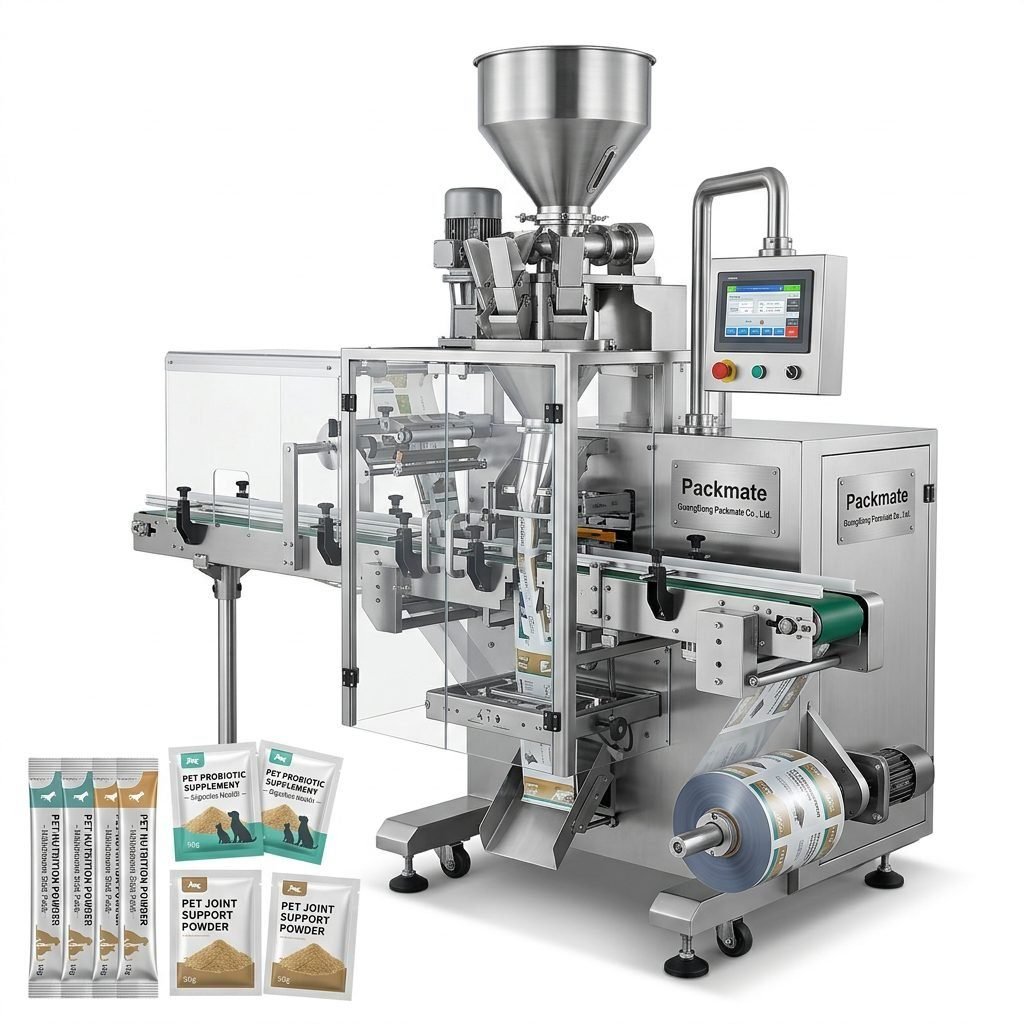
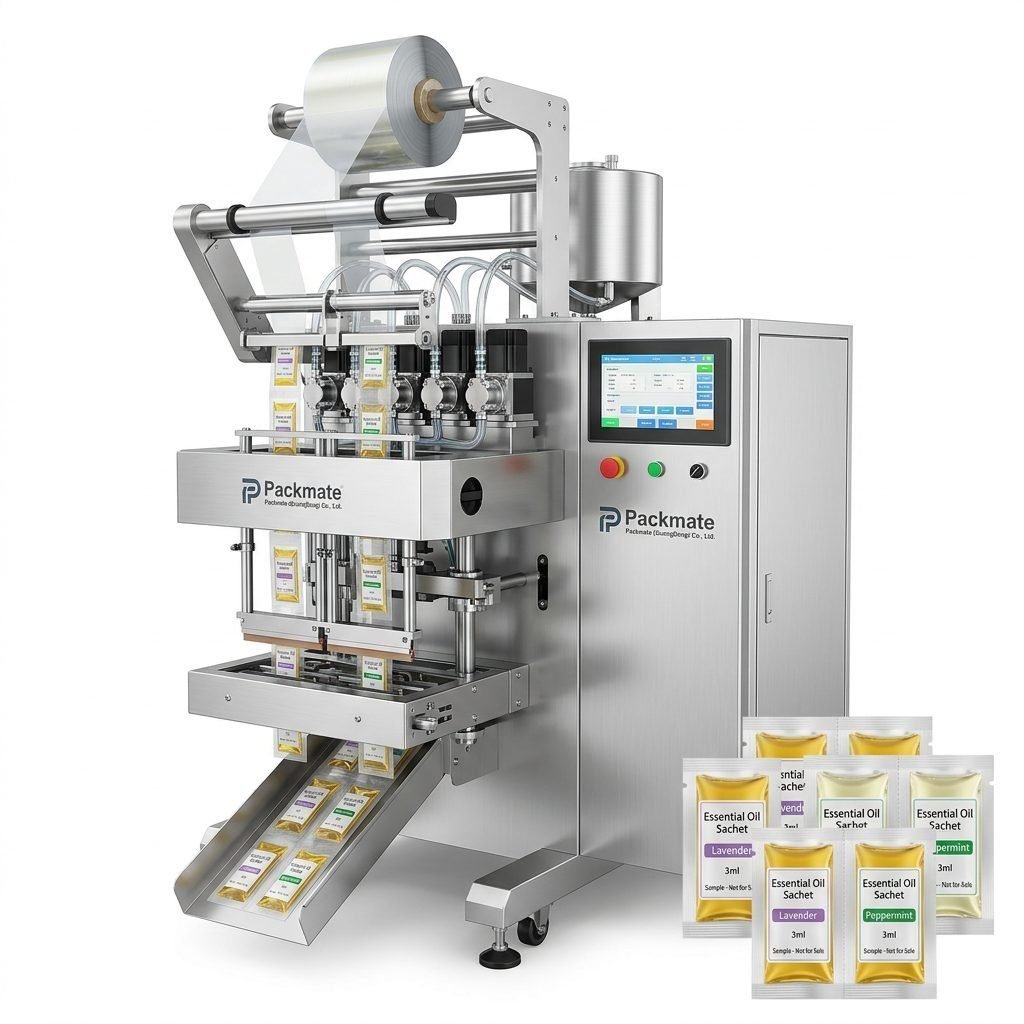
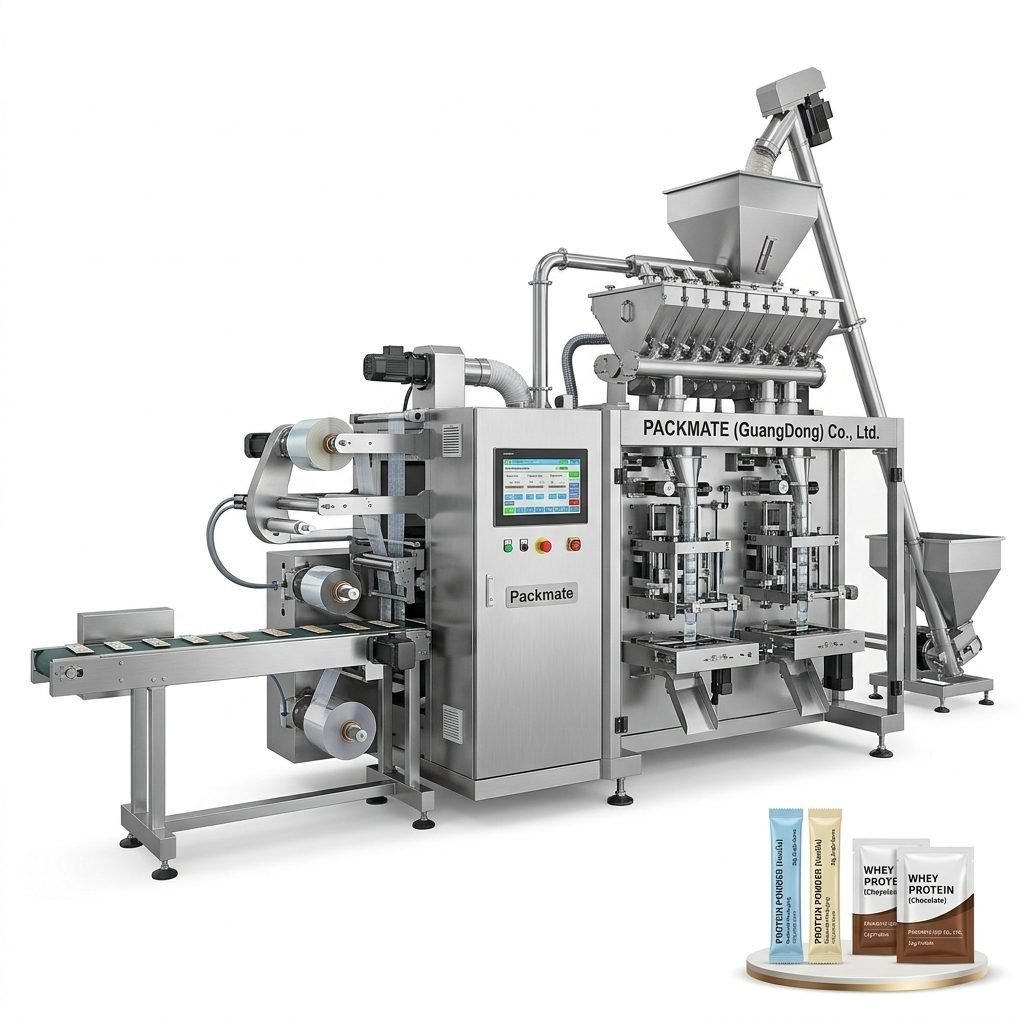
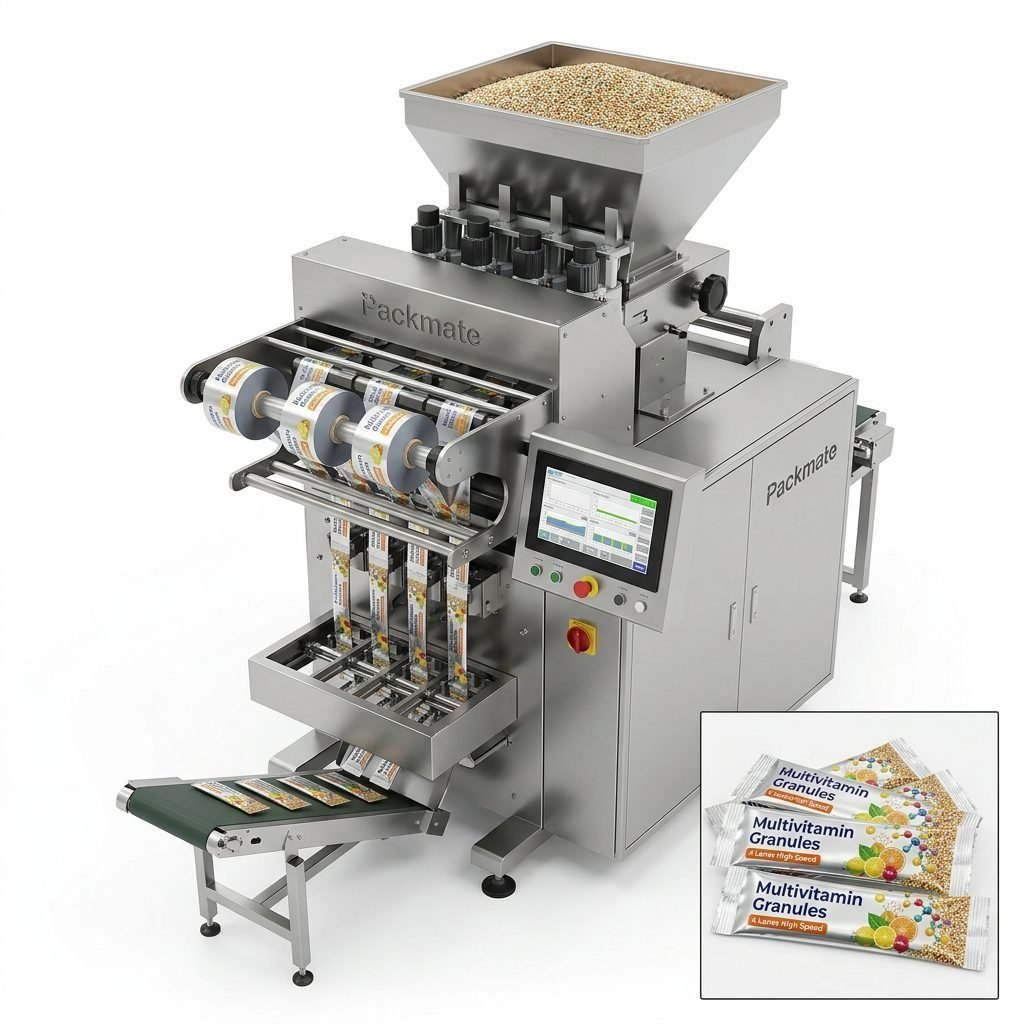
Beyond the kitchen, its applications are diverse. It is excellent for organizing and protecting non-food items such as important documents, photographs, electronic components, and medical supplies from moisture and dust. For small businesses, especially in the food sector, it provides a professional packaging solution for products like dried herbs, coffee, or homemade snacks. Companies like Packmate Machinery support this ecosystem by providing the industrial-grade machinery that larger producers rely on for their sachet and stick pack needs.
Commercial vs. Home Use
In a commercial setting like a restaurant, butcher shop, or small-scale producer, the DZ 600 can handle higher volume than basic home models, making it a cost-effective workhorse. For home users who process game, garden harvests, or meal prep in large quantities, it offers industrial-grade reliability in a more accessible format.
Comprehensive Buying Guide
Choosing the right vacuum sealer requires careful consideration of your specific needs. Don’t just buy based on the brand name; evaluate the machine’s capability against your intended use.
1. Assess Your Volume and Frequency Needs
How often will you use the sealer, and how many bags will you typically run in one session? The DZ 600, with its larger chamber and robust motor, is built for more frequent use than inexpensive, lightweight models. If your needs are modest, a smaller unit may suffice. However, for consistent, heavy-duty use, the durability of a machine like the DZ 600 is a worthwhile investment.
2. Evaluate Key Performance Features
Look for the features that matter most. The dual vacuum settings (dry/moist) are essential for versatility. Check the seal bar width and ensure it meets your typical bag size. A machine with a manual mode offers greater flexibility for packaging challenging items like bread or soft fruits. Also, consider the noise level and ease of cleaning, as these affect long-term user satisfaction.
3. Consider Bag Compatibility and Cost
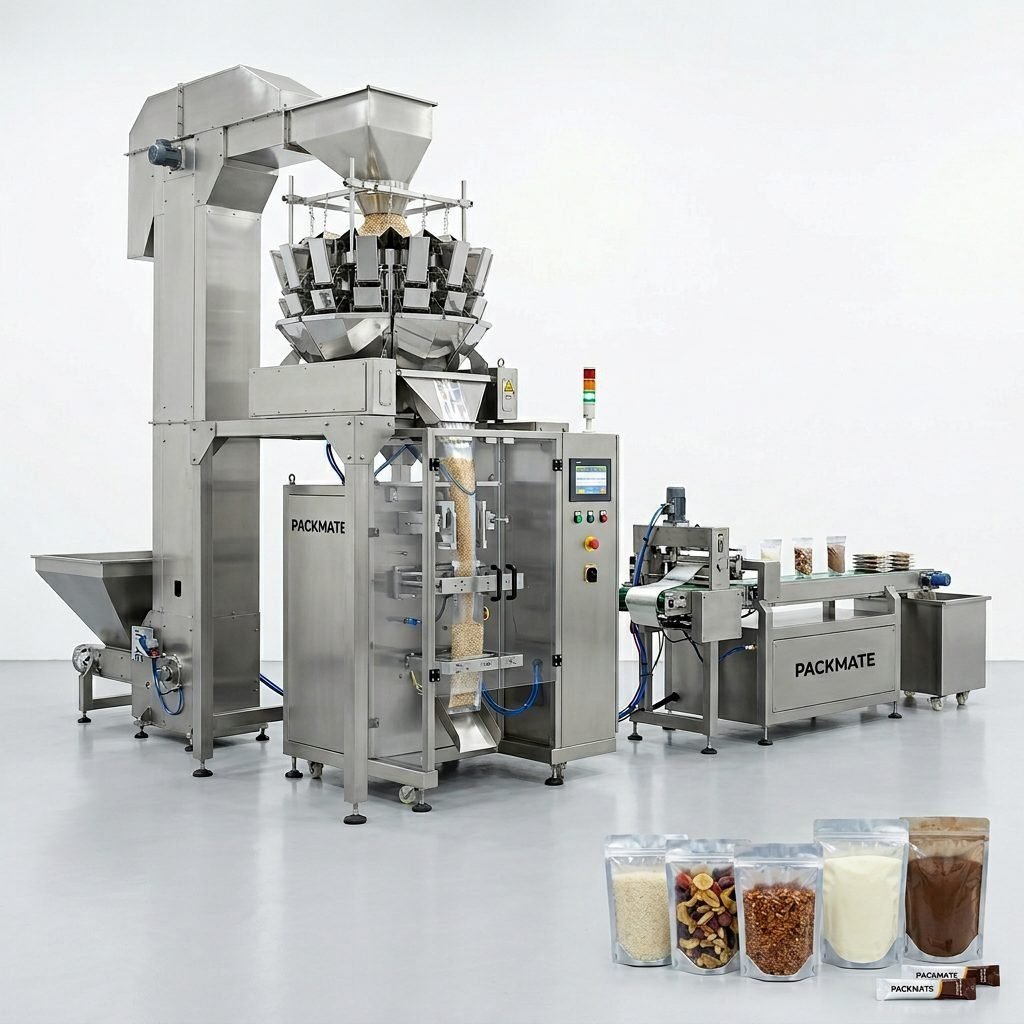
Some sealers require proprietary bags, which can become expensive over time. A major advantage of many chamber vacuum sealers like the DZ 600 is their compatibility with less expensive, textured chamber bags that don’t require a specific channel pattern. Calculate the total cost of ownership, including the price of consumable bags. For businesses, integrating such equipment should align with broader packaging strategies, possibly involving auxiliary packaging equipment for a complete system.
4. Check for Reliability and Support
Read reviews focusing on the machine’s longevity and the manufacturer’s customer service. A machine with a solid warranty and available replacement parts (like sealing gaskets and bars) will save money and frustration in the long run. The reliability ethos behind industrial manufacturers, such as the over 30 years of expertise demonstrated by Packmate, underscores the importance of quality engineering in any packaging equipment, whether for a factory floor or a commercial kitchen.
Maintenance and Care Tips
To ensure your DZ 600 operates reliably for years, regular maintenance is key. Always keep the sealing bar and chamber clean from debris or liquid residues. Wipe it down after each use with a damp cloth. Periodically check the silicone sealing gasket for wear and tear, as a damaged gasket will compromise the vacuum. If the machine has an oil-bathed pump, monitor and change the oil as recommended by the manufacturer. Store the unit in a dry place when not in use.
Troubleshooting Common Issues
If the machine fails to create a vacuum, first check that the bag is properly positioned and the lid is fully closed. Inspect the sealing gasket for any food particles or damage. A weak seal might indicate that the sealing bar is dirty or the temperature/time setting needs adjustment. Consulting the user manual for specific error codes is always the best first step.
Frequently Asked Questions (FAQs)
1. Can the DZ 600 vacuum sealer handle liquids like soups or stews?
Yes, but it requires technique. Use the “Moist” setting if available, which uses a gentler, pulsed vacuum. For best results, freeze the liquid solid in a container first, then vacuum seal the frozen block. Alternatively, you can use special liquid-friendly containers that attach to the sealer’s port.
2. What types of bags are compatible with the DZ 600?
The DZ 600, as a chamber vacuum sealer, is typically designed to work with textured chamber bags. These bags are generally more affordable than the smooth, channeled bags required by many external suction sealers. Always confirm bag compatibility with your specific model’s manual.
3. How does a chamber sealer like the DZ 600 differ from a cheaper external suction sealer?
An external sealer sucks air out from the top of the bag inside the machine. A chamber sealer places the entire bag inside a chamber, removes the air from all around the bag, and then seals it. This method is more powerful, better at removing air from fine or powdery products, and prevents liquid from being sucked into the machine’s pump.
4. Is the DZ 600 suitable for a small food business or cottage industry?
Absolutely. Its durability and larger capacity make it an excellent choice for small businesses that need to package products like dried meats, cheese, fish, herbs, or prepared meals in higher volumes than a typical household. It provides a professional, airtight package that extends product shelf life.
5. What is the most important maintenance task for prolonging the sealer’s life?
Keeping the machine clean and the sealing bar free of debris is crucial. For models with an oil pump, regular oil changes as per the manual are the single most important maintenance task to ensure the vacuum pump continues to function powerfully and doesn’t burn out.