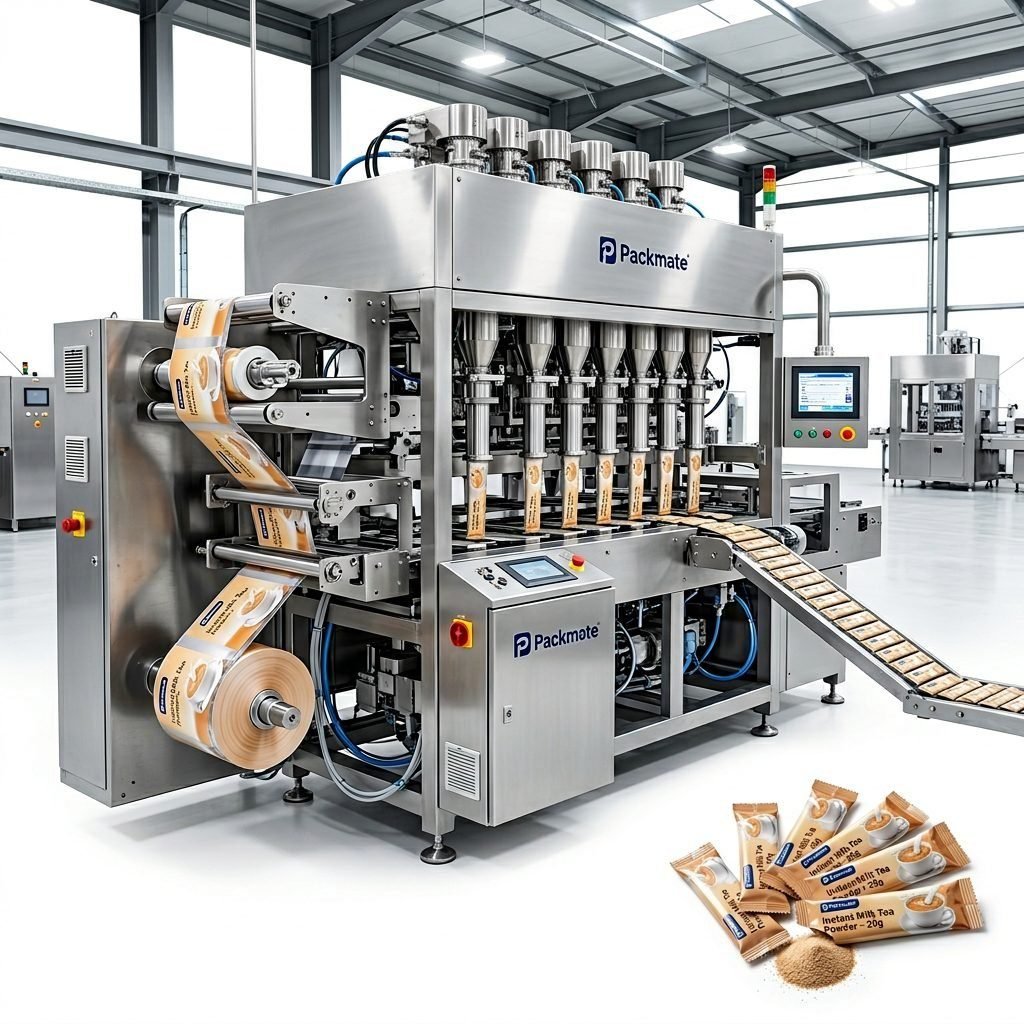
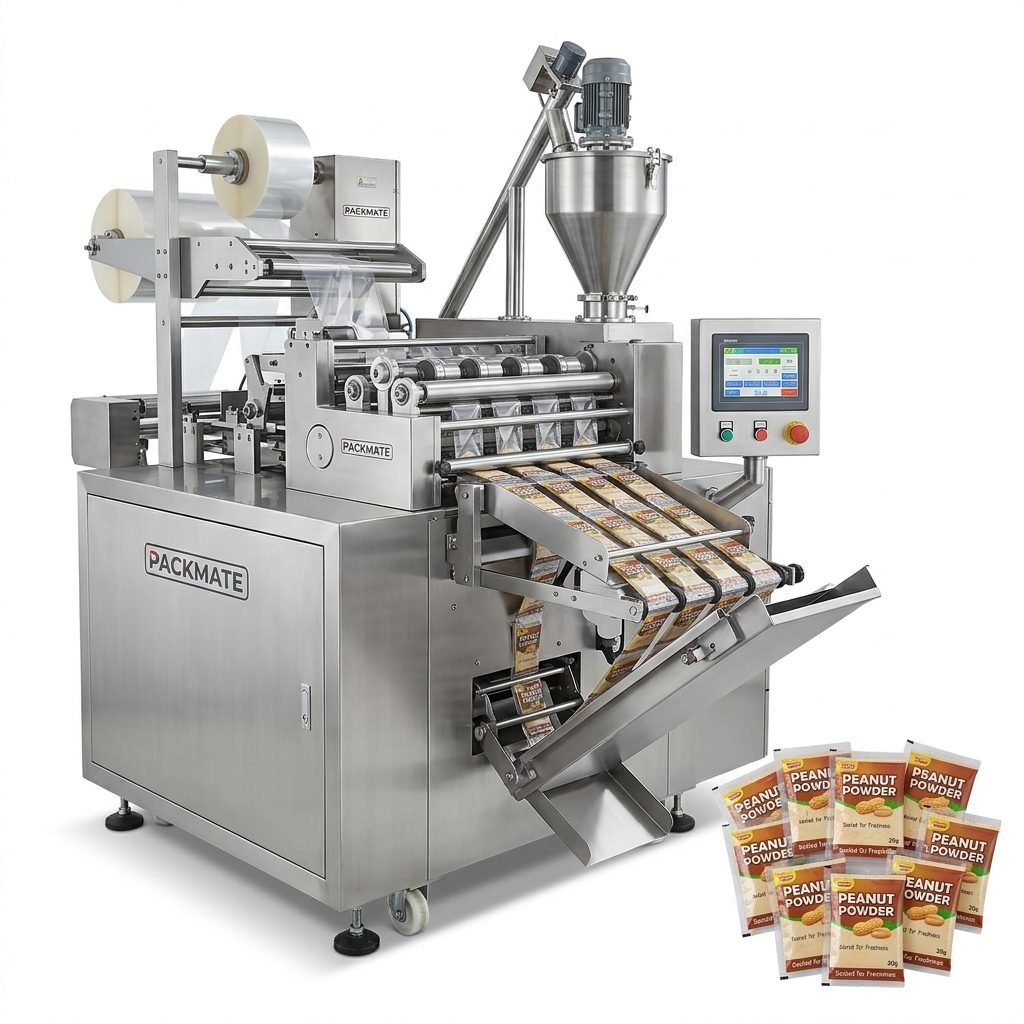
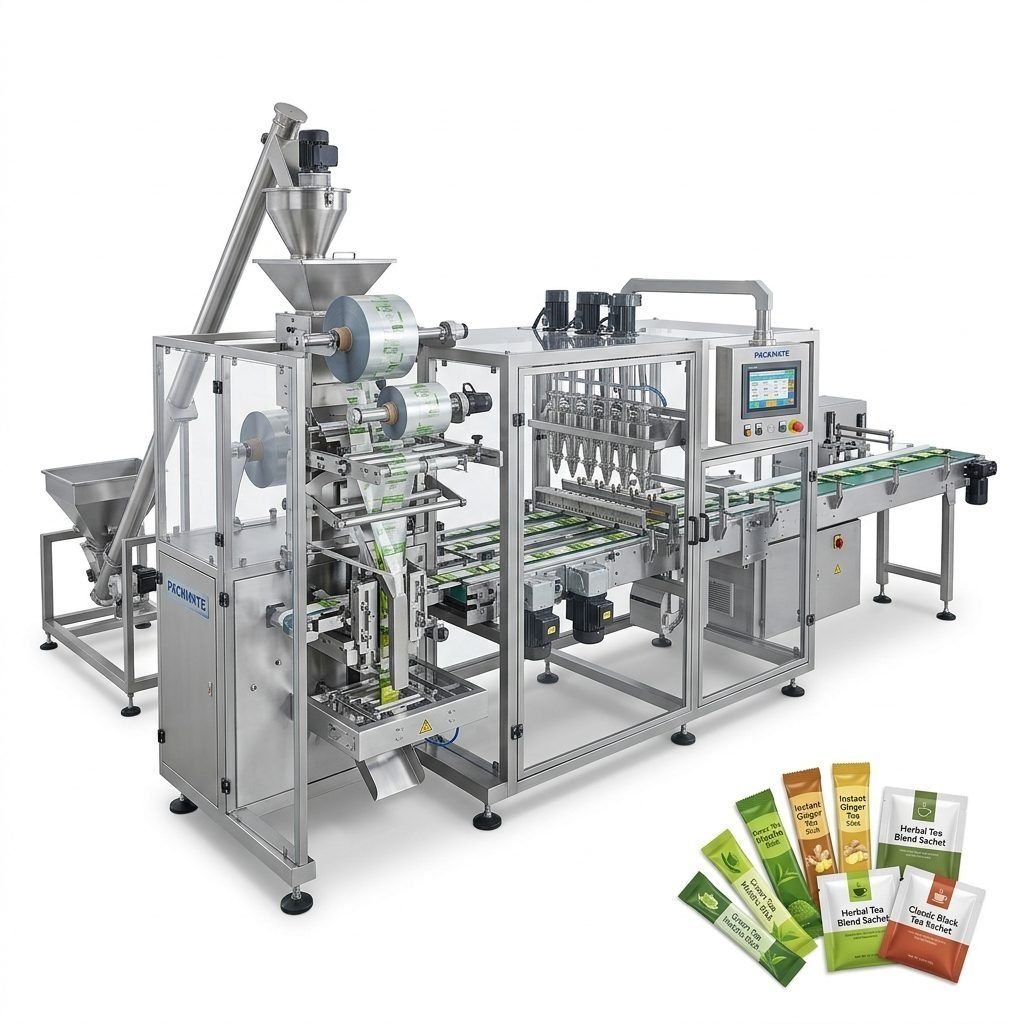
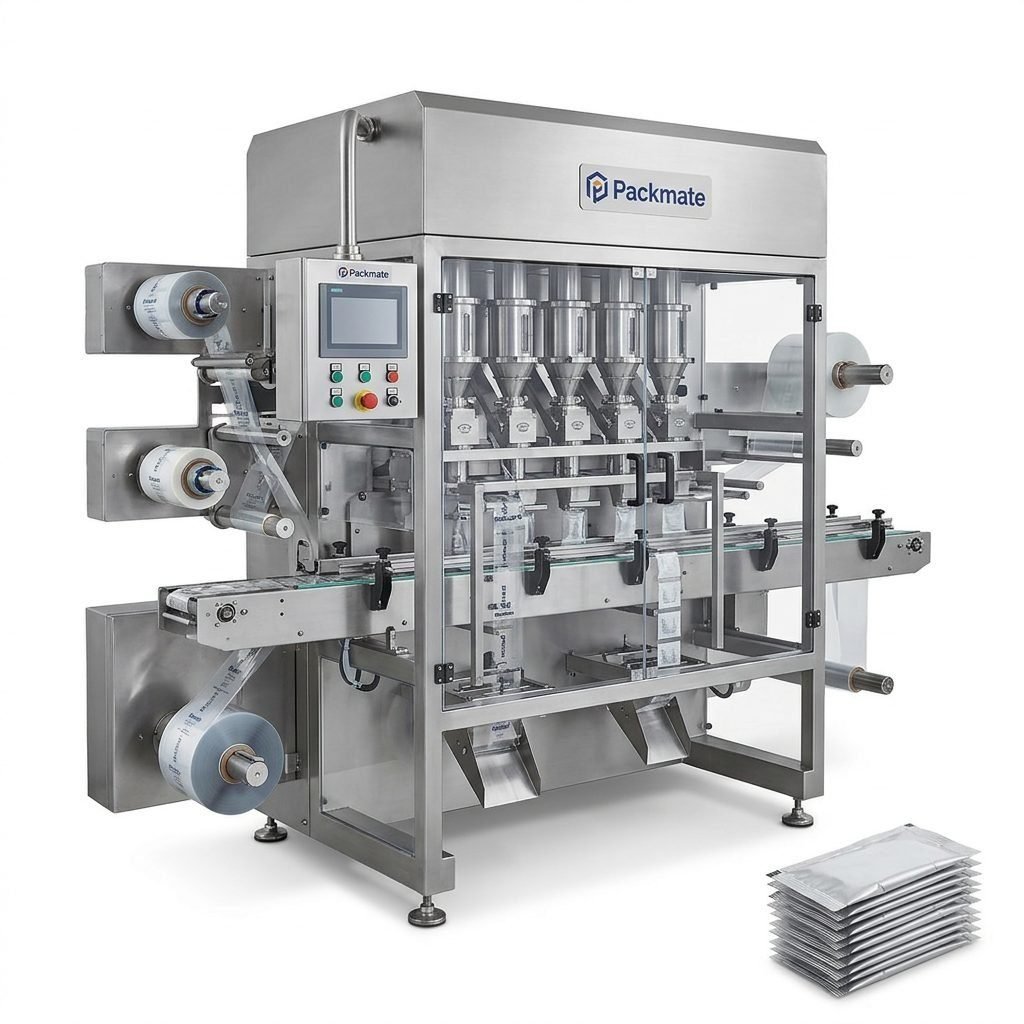
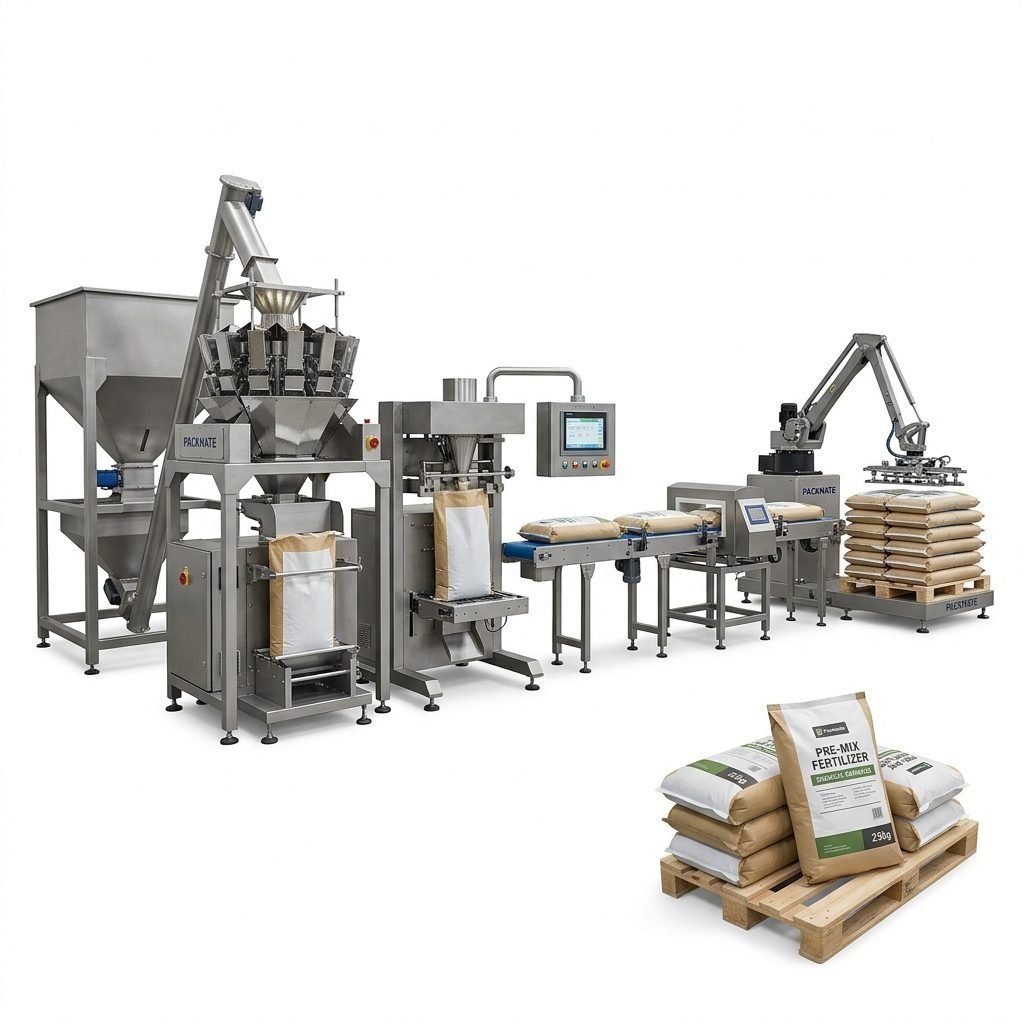
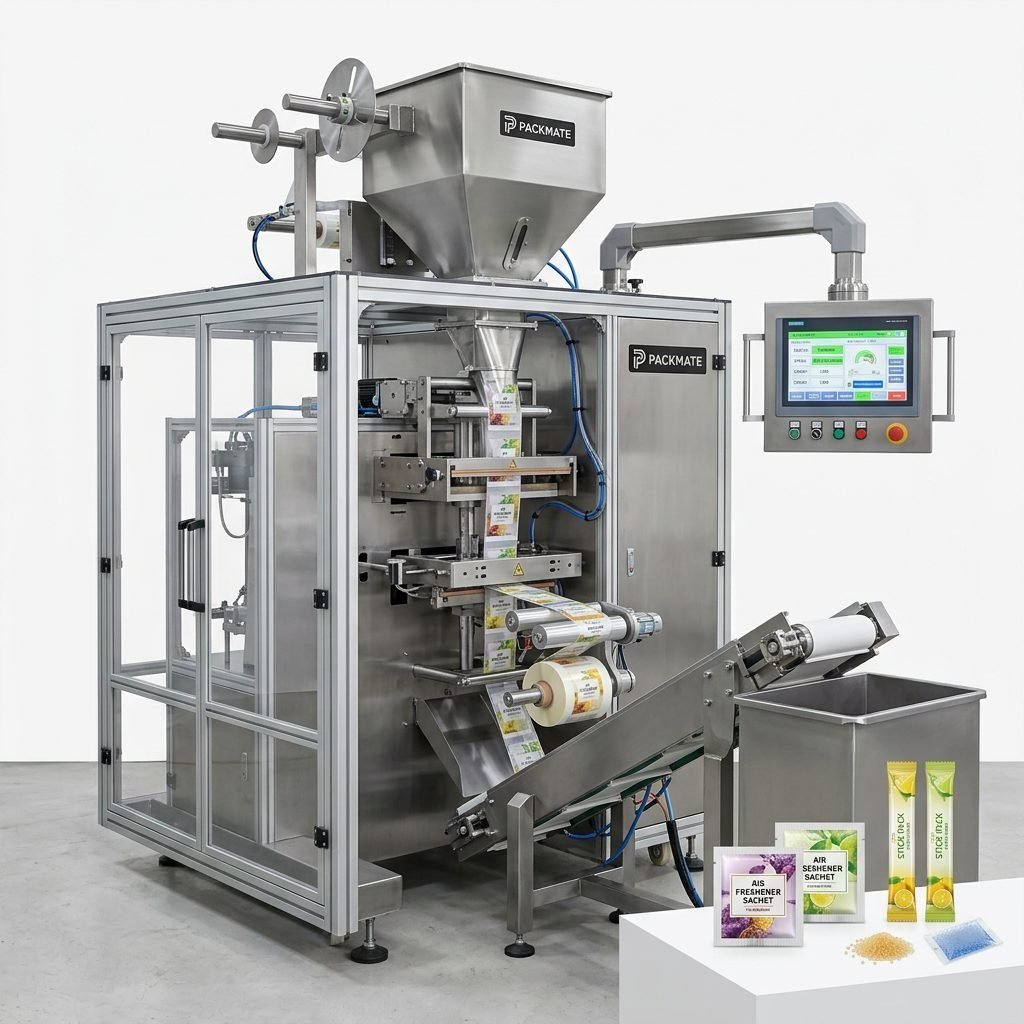
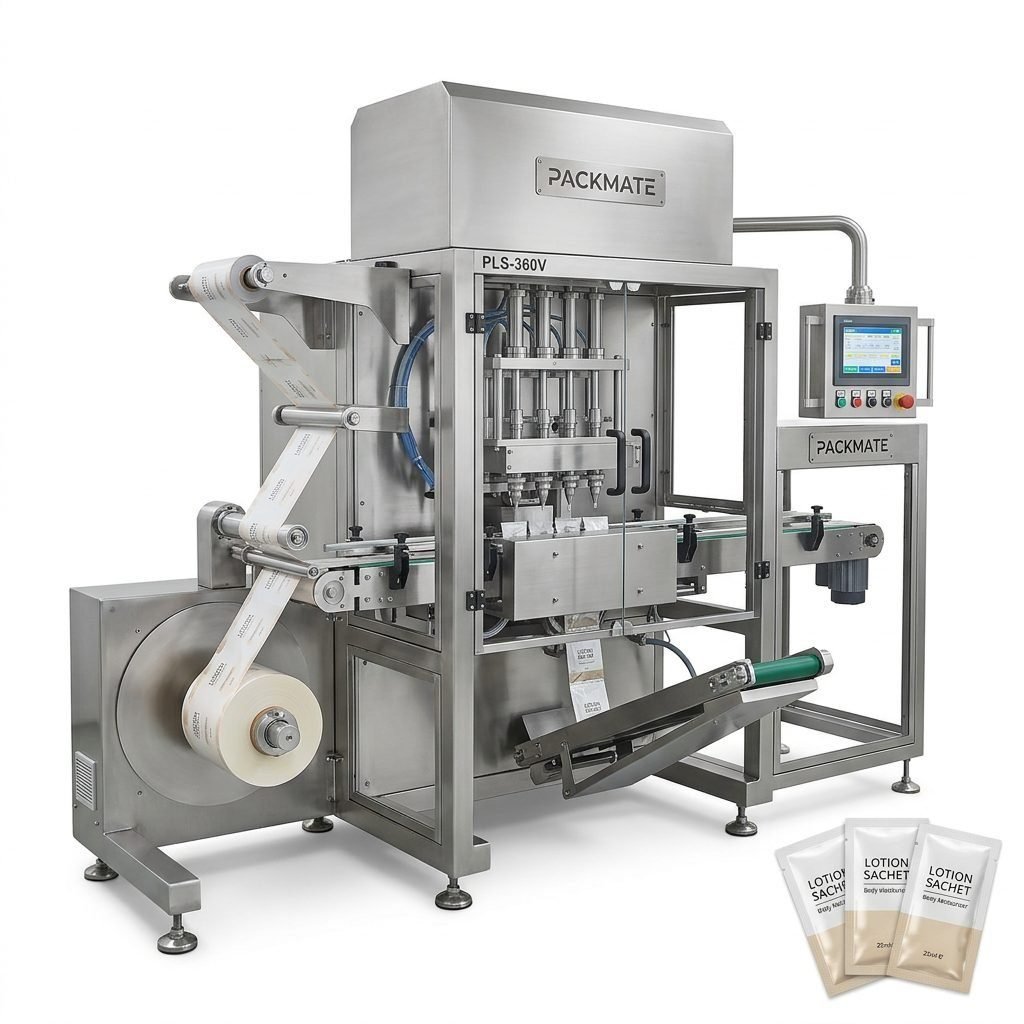
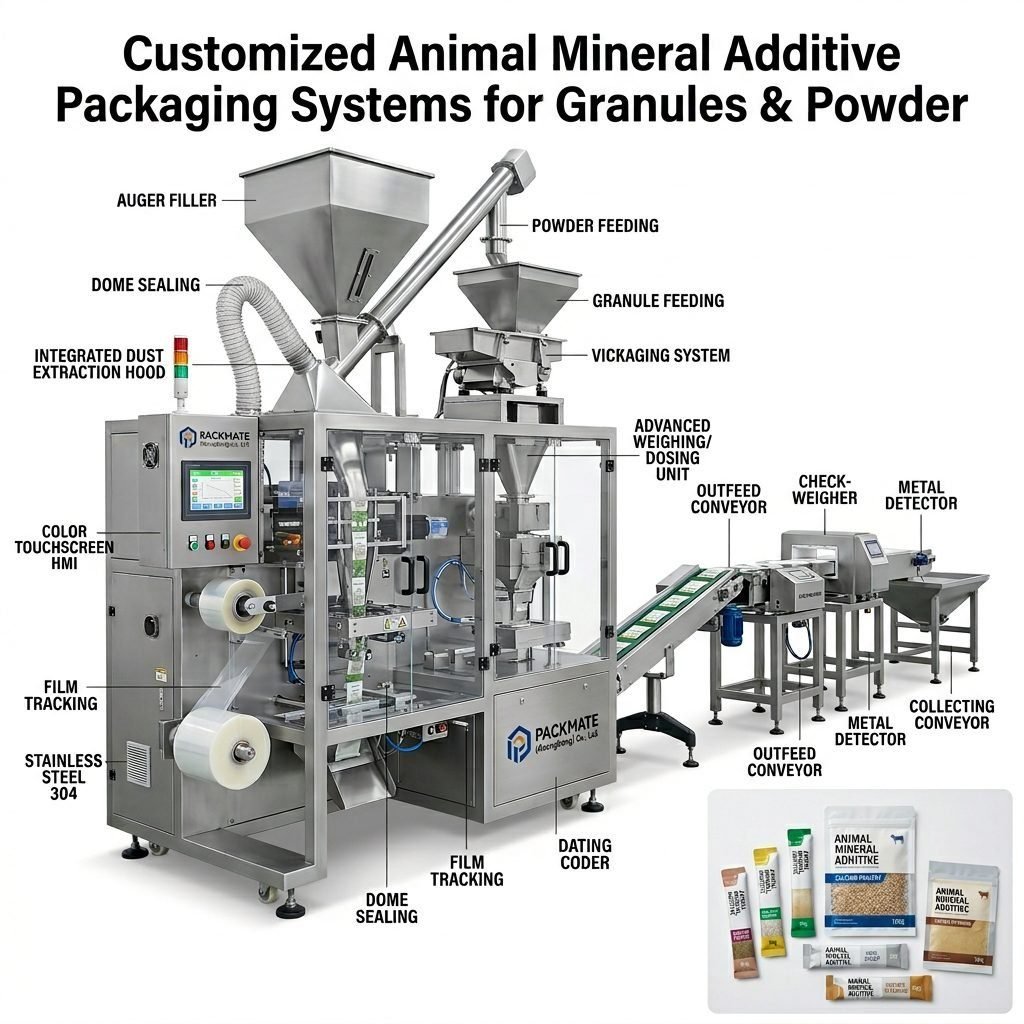
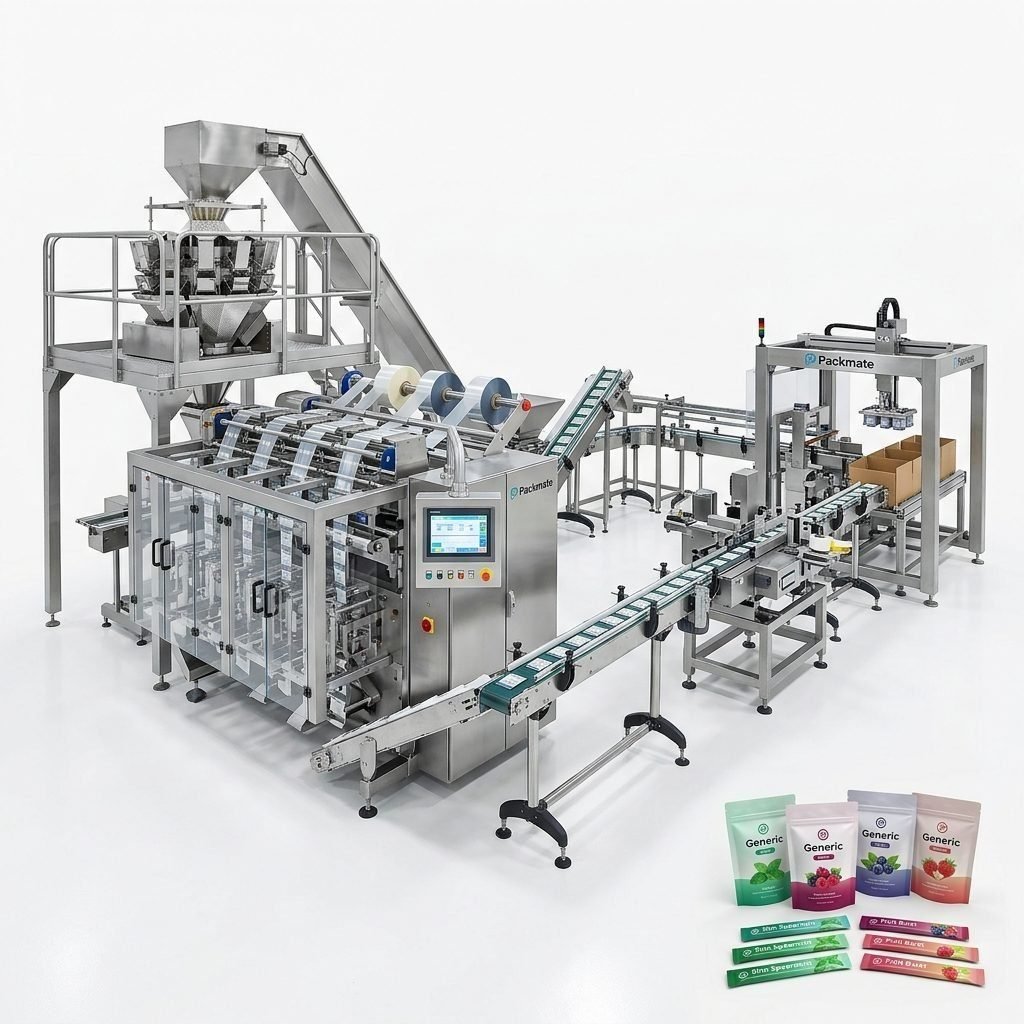
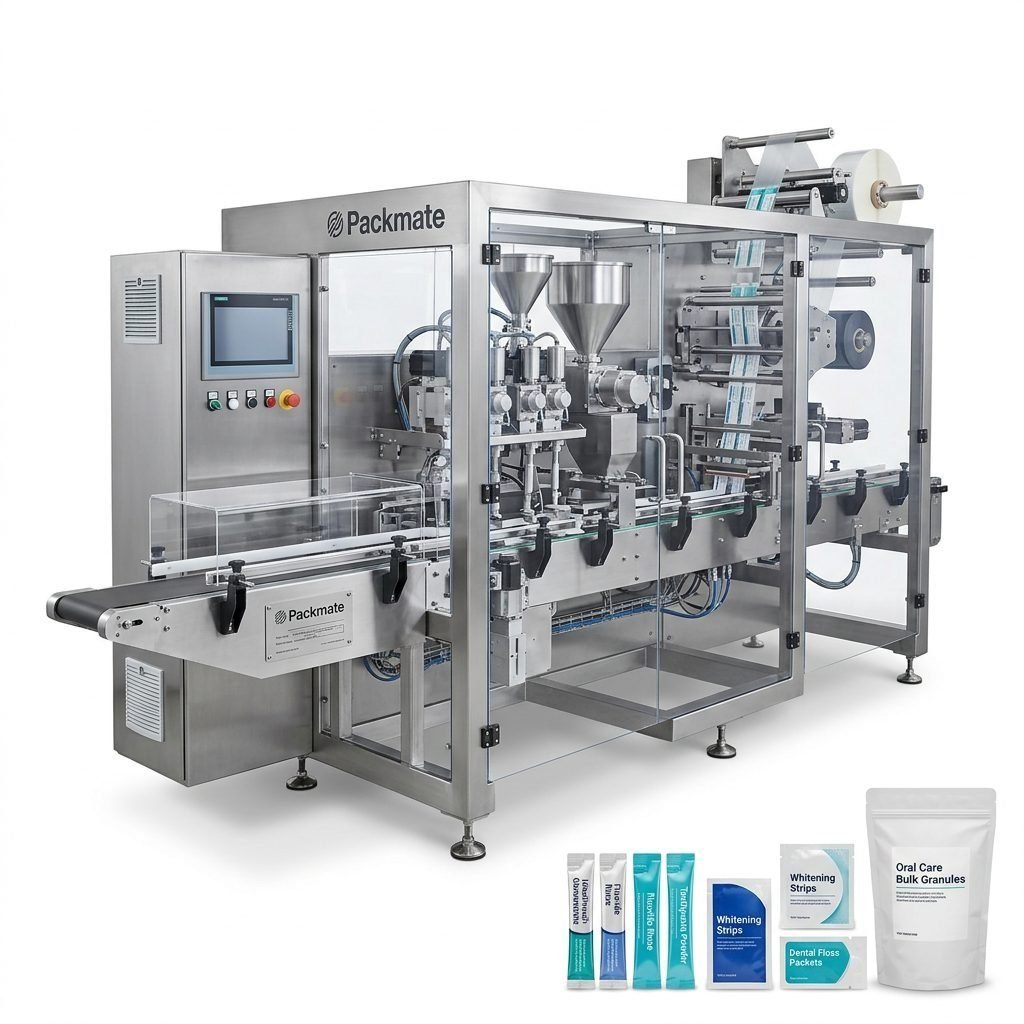
In today’s business landscape, sustainability is no longer a niche concern but a core operational imperative. For companies aiming to reduce their environmental footprint, the journey often begins at the point of product delivery: packaging. Eco-friendly packaging is a critical component, but its implementation at scale requires specialized machinery. This is where eco-friendly packaging machine solutions become the unsung heroes for sustainable businesses, enabling them to meet consumer demand for green products without compromising on efficiency, speed, or cost-effectiveness.
The Rise of Sustainable Packaging and the Machinery Behind It
The global shift towards sustainability is driven by consumer awareness, regulatory pressures, and a genuine corporate desire to protect the planet. This has spurred innovation in packaging materials, with a strong move towards biodegradable, compostable, and recyclable options like molded pulp, PLA (polylactic acid), and paper-based laminates. However, these materials often have different physical properties—such as tensile strength, sealability, and friction coefficients—compared to traditional plastics. Standard packaging machines designed for conventional films may struggle, leading to jams, poor seals, and increased waste.
This challenge creates a direct need for intelligent packaging machinery engineered specifically for these next-generation materials. Modern packing machines are now being developed with advanced features to handle eco-friendly substrates gently and precisely, ensuring that the sustainability promise of the material is not broken by an inefficient, wasteful packaging process.
Key Features of Eco-Conscious Packaging Machinery
What distinguishes a machine as part of an eco-friendly solution? It goes beyond just compatibility with green materials. True sustainable packaging machinery incorporates design and operational philosophies that minimize environmental impact throughout its lifecycle.
Precision Engineering for Material Reduction: Advanced servo-driven technology allows for incredibly accurate film feeding and cutting. This precision minimizes material overuse and trim waste, a significant source of scrap in packaging lines. Every millimeter of saved material translates to lower costs and a reduced resource burden.
Energy-Efficient Operation: Modern machines utilize high-efficiency motors, smart power management systems, and optimized heating elements for sealing. This reduces the total energy consumption of the packaging line, lowering the carbon footprint of the manufacturing process itself. Companies like Packmate Machinery integrate these principles into their equipment design.
Versatility and Quick Changeover: A sustainable business model often requires agility. Machines capable of handling multiple material types and package sizes with rapid changeovers reduce downtime and prevent the need for dedicated, single-use machinery. This maximizes asset utilization and reduces the overall manufacturing footprint.
Durability and Long Service Life: The most sustainable machine is one that lasts for decades. Robust construction, high-quality components, and accessible serviceability ensure a long operational life, delaying the machine’s entry into the waste stream and providing a better return on investment.
Applications Across Key Sustainable Industries
Eco-friendly packaging machines are not limited to one sector; they are transforming packaging lines across diverse industries committed to green practices.
Food & Beverage
The food industry is a major adopter, using machines to package organic snacks, fair-trade coffee, plant-based proteins, and more into compostable stick packs or paper pouches. Precision is paramount here to ensure product freshness and shelf life, even with more breathable materials.
Health, Wellness, and Pharmaceuticals
From herbal supplements to over-the-counter medications, consumers expect clean, responsible packaging. Machines that can reliably dose powders or granules into sachets and stick packs made from recyclable materials are in high demand. The need for hygienic, contaminant-free packaging is non-negotiable in this sector.
E-Commerce and Retail
With the explosion of online shopping, sustainable void fill, mailers, and product bags are critical. Machinery that produces padded mailers from recycled paper or creates custom-sized bags on-demand eliminates plastic use and reduces shipping waste dramatically.
The Packmate Example: Engineering for a Greener Future
Companies at the forefront of this movement, such as Packmate (GuangDong) Co., Ltd., exemplify how deep industry expertise fuels sustainable innovation. With over 30 years of experience in packaging machinery, their evolution mirrors the market’s shift. Starting from a focus on efficiency and reliability, their mission has expanded to encompass the sustainability needs of modern businesses.
Their modern 20,000㎡ manufacturing facility allows for the integration of sustainable practices into the build process itself. By offering a wide range of over 50 machine models, including specialized lines for bag and pouch packaging, they provide scalable solutions. A business can start with a core machine and build a complete, eco-efficient turnkey line as it grows. This approach prevents over-investment and ensures the packaging solution evolves with the company’s sustainability goals.
Implementing Your Sustainable Packaging Solution
Transitioning to eco-friendly packaging is a strategic project. Success depends on a holistic approach that considers material, machine, and process as one integrated system.
1. Material-Machine Compatibility Testing: Before committing, always test your chosen sustainable material on the target machine. Reputable manufacturers often offer this service to ensure seal integrity, runnability, and final presentation meet standards.
2. Total Cost of Ownership (TCO) Analysis: While green materials may have a higher upfront cost, the right machine can offset this through material savings, energy efficiency, and reduced downtime. Calculate TCO over 3-5 years for a true picture.
3. Staff Training and Process Integration: New materials and machines may require adjusted handling procedures. Investing in operator training ensures a smooth transition and maximizes the efficiency gains from your new equipment.
4. Lifecycle Partnership: Choose a machinery partner like Packmate, known for quality and long-term support. Access to spare parts, technical service, and upgrades extends the life of your investment and ensures it remains a viable part of your sustainable operations for years to come.
Ultimately, investing in eco-friendly packaging machinery is an investment in the future of your brand and the planet. It signals a serious commitment to sustainability that resonates with today’s conscious consumers. By enabling the efficient use of renewable, recyclable, and compostable materials, these advanced machines bridge the gap between green ambition and practical, profitable reality. They are the essential tools that allow sustainable businesses to scale their positive impact without sacrificing the operational excellence required to compete and thrive.
Frequently Asked Questions (FAQs)
1. Are eco-friendly packaging machines more expensive than standard machines?
Not necessarily. While they may incorporate advanced features for precision and versatility, the price is often comparable to high-end conventional machinery. The key financial benefit lies in the Total Cost of Ownership (TCO). Savings from reduced material waste, lower energy consumption, and less downtime due to jams can lead to a faster ROI and lower long-term costs.
2. Can my existing packaging machine be modified to handle eco-friendly materials?
Some modifications may be possible, such as adjusting temperature settings, changing sealing jaws, or installing different film feed systems. However, significant retrofitting can be costly and may not achieve the same efficiency and reliability as a machine designed from the ground up for these materials. A consultation with an expert, such as the team at Packmate, is recommended to assess feasibility.
3. What is the most common challenge when switching to sustainable packaging materials on automated lines?
The most frequent issue is seal integrity and consistency. Bio-based or compostable films often have different melting points and thermal properties than traditional plastics. Machines need precise, adjustable temperature control to create strong, consistent seals without burning or weakening the material. Dust from paper-based materials can also be a consideration for machine maintenance.
4. How do I ensure the packaging remains sustainable throughout its lifecycle after using these machines?
The machine ensures efficient and low-waste production. The full lifecycle sustainability depends on your choice of material and clear consumer communication. Choose materials aligned with local recycling or composting infrastructure. Use the machine’s capabilities to print clear disposal instructions (e.g., “Home Compostable”) on the package itself to guide end-of-life handling.
5. Where can I see examples of successful eco-friendly packaging lines in operation?
Many machinery providers showcase client applications in their case studies. You can review real-world implementations and the solutions deployed for various industries on dedicated case study pages. Attending industry exhibitions is also an excellent way to see the latest machinery running live with sustainable materials.