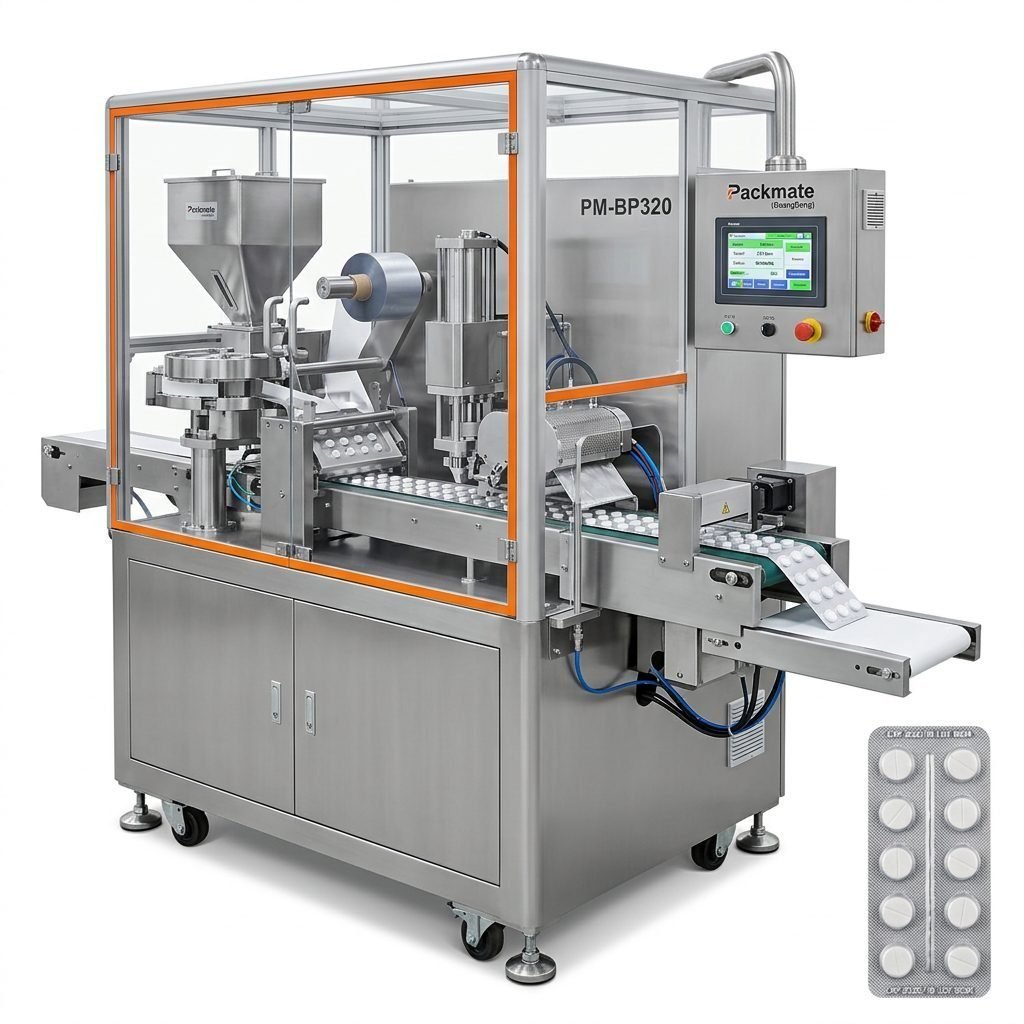
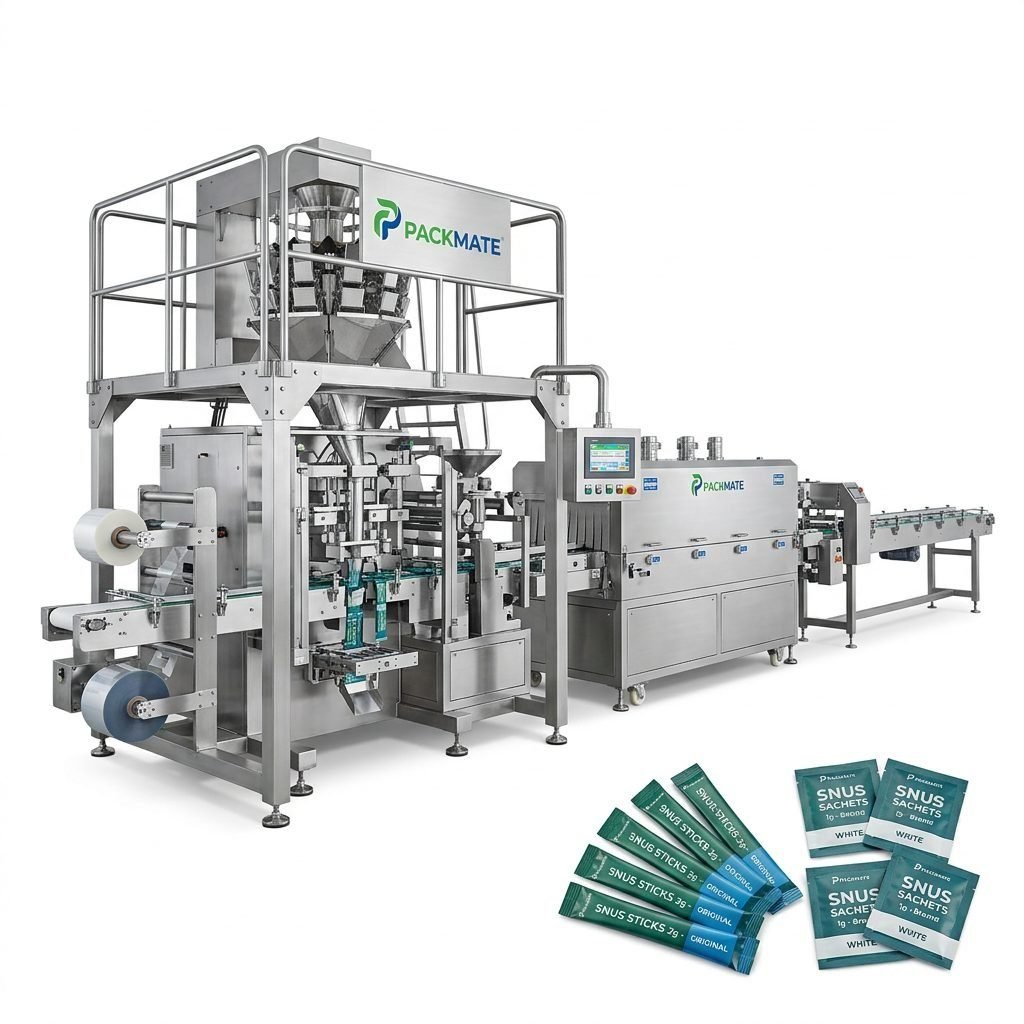
The world of manufacturing is in a constant state of evolution, driven by consumer demands for speed, precision, and sustainability. At the heart of this transformation for countless industries—from food and beverage to pharmaceuticals and nutraceuticals—lies advanced packaging machinery. These sophisticated systems are no longer just about enclosing a product; they are intelligent solutions that ensure product integrity, optimize production lines, and unlock new levels of operational efficiency. For businesses looking to scale, improve quality control, or enter new markets, understanding and implementing the right advanced packaging machinery is a critical strategic decision.
The Core Components of an Advanced Packaging Line
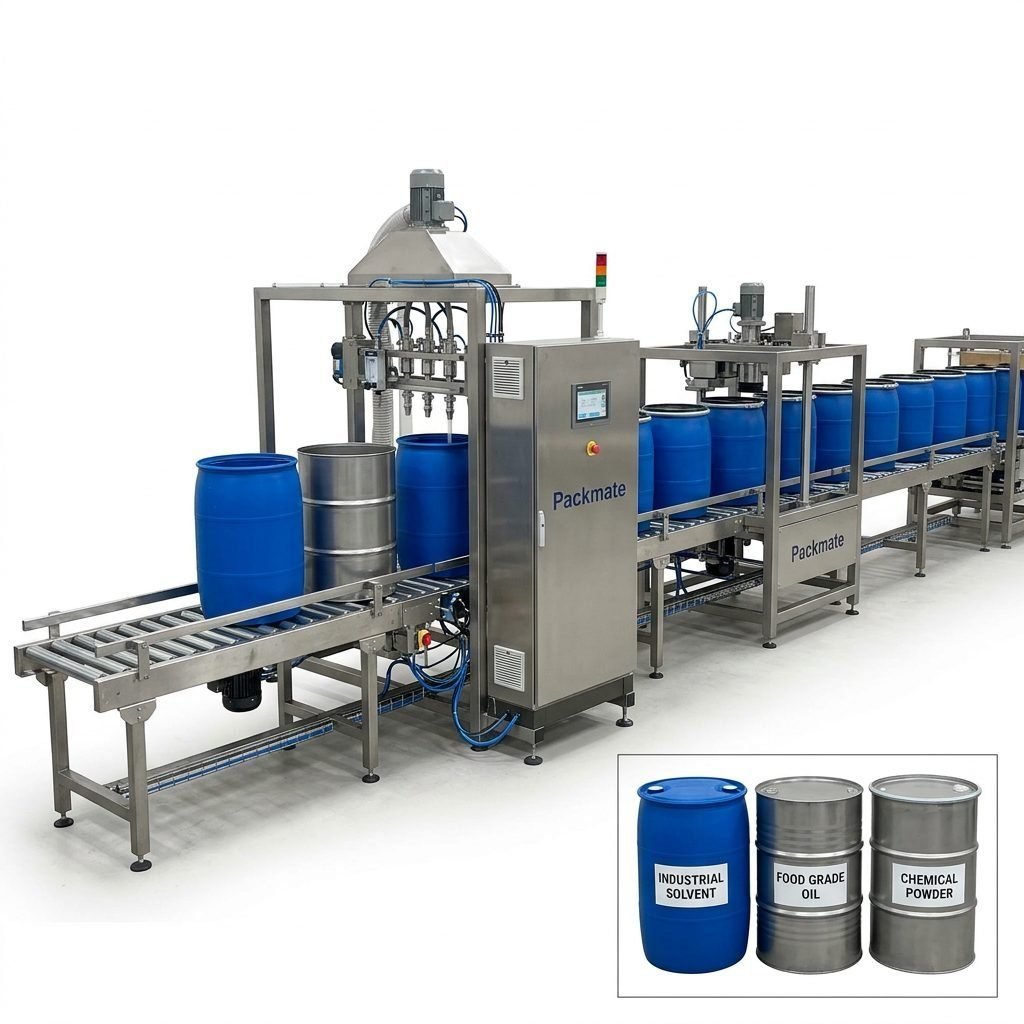
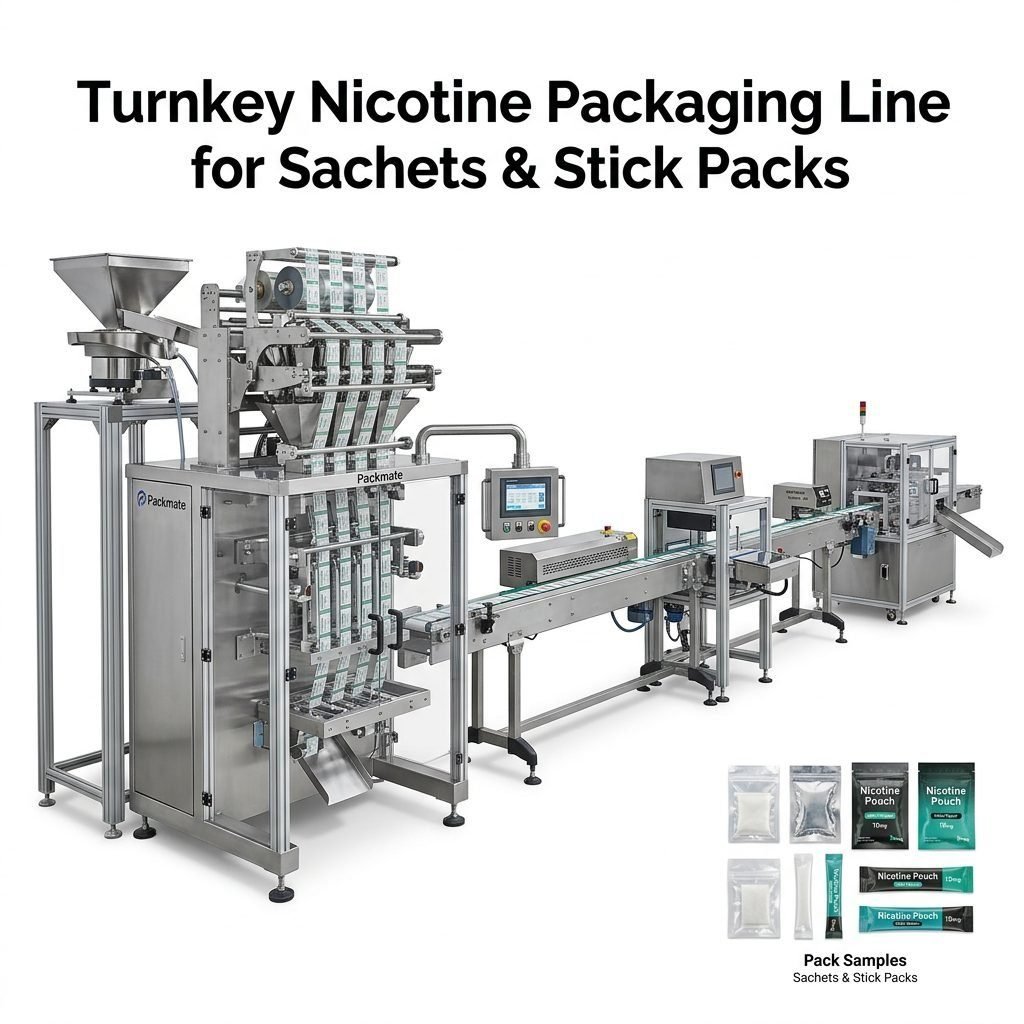
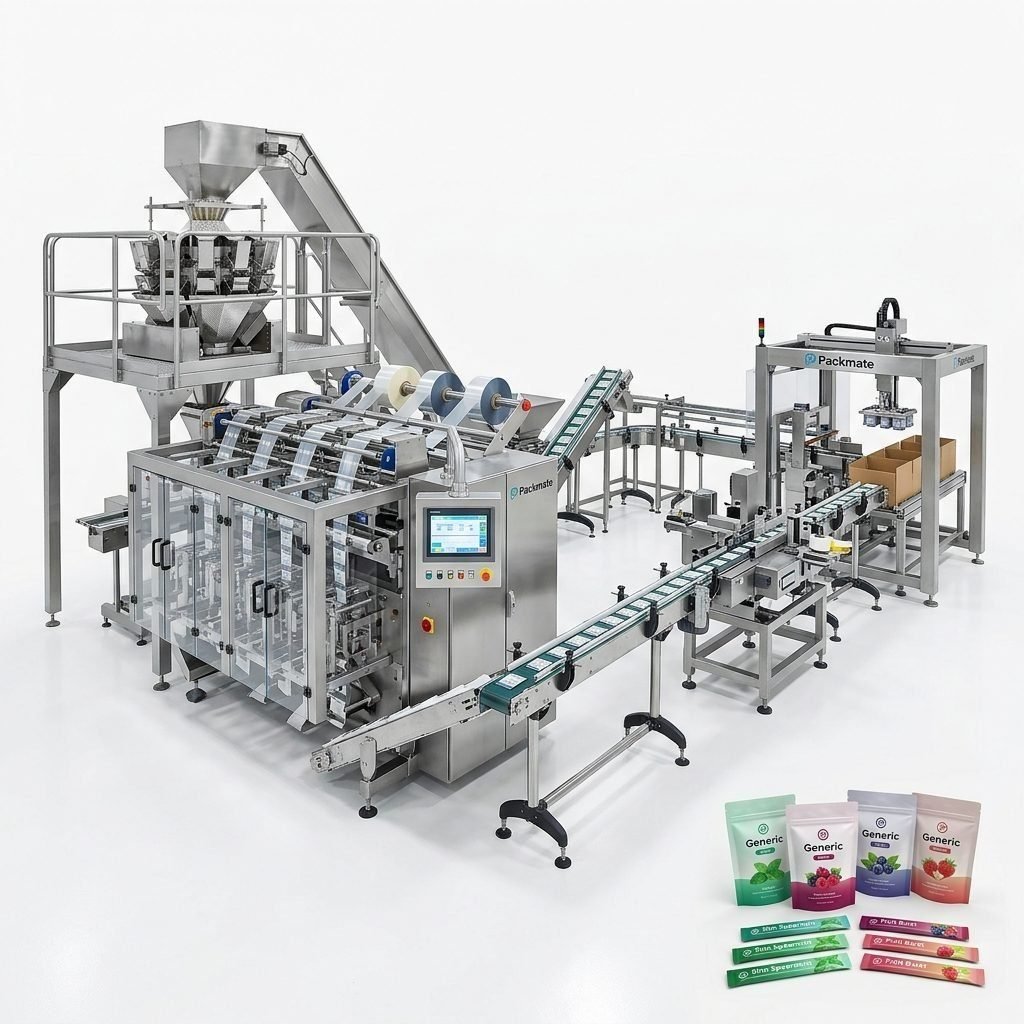
Modern packaging is a symphony of coordinated processes. An advanced packaging line typically integrates several key machinery types to form a seamless, automated workflow. It often begins with precise weighing and dosing systems that ensure accurate product measurement, which is paramount for cost control and regulatory compliance, especially in industries like pharmaceuticals. This is followed by the forming, filling, and sealing stages, which can vary dramatically based on the packaging format.
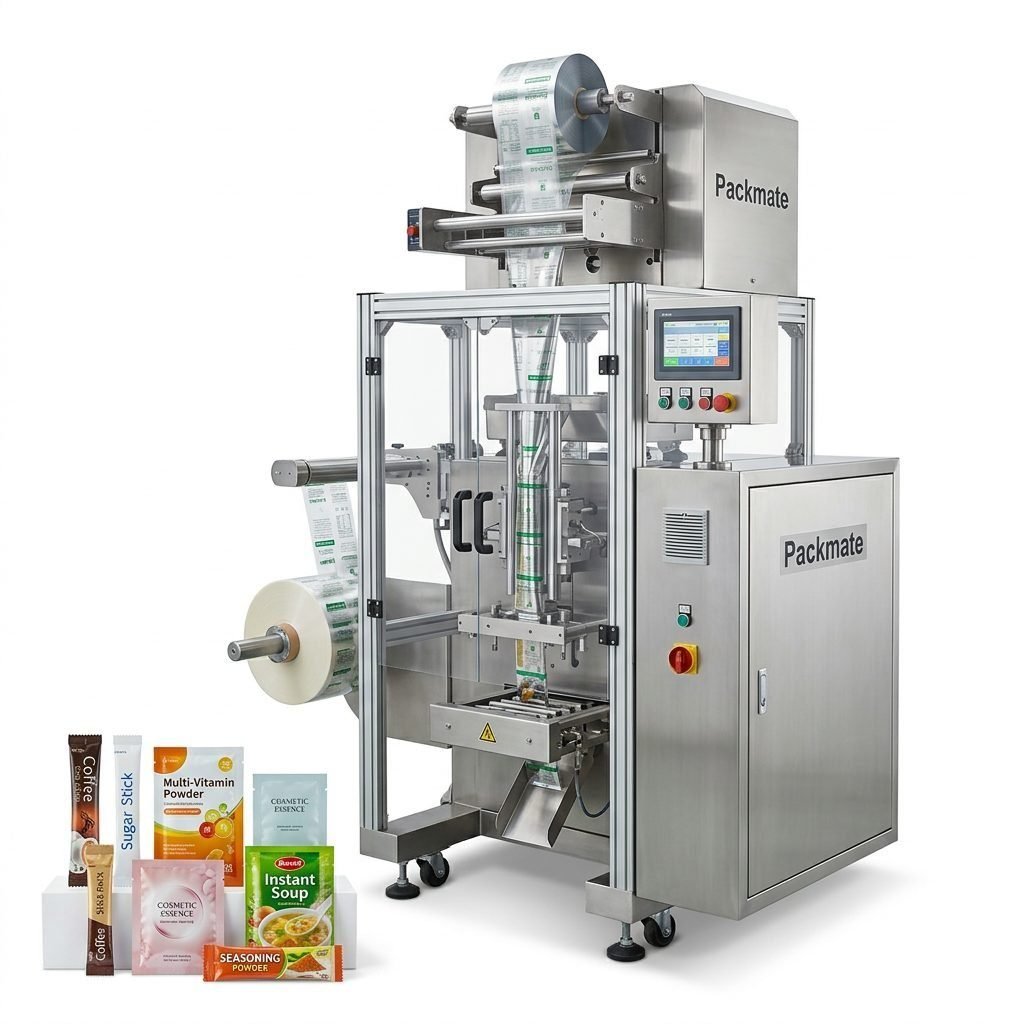
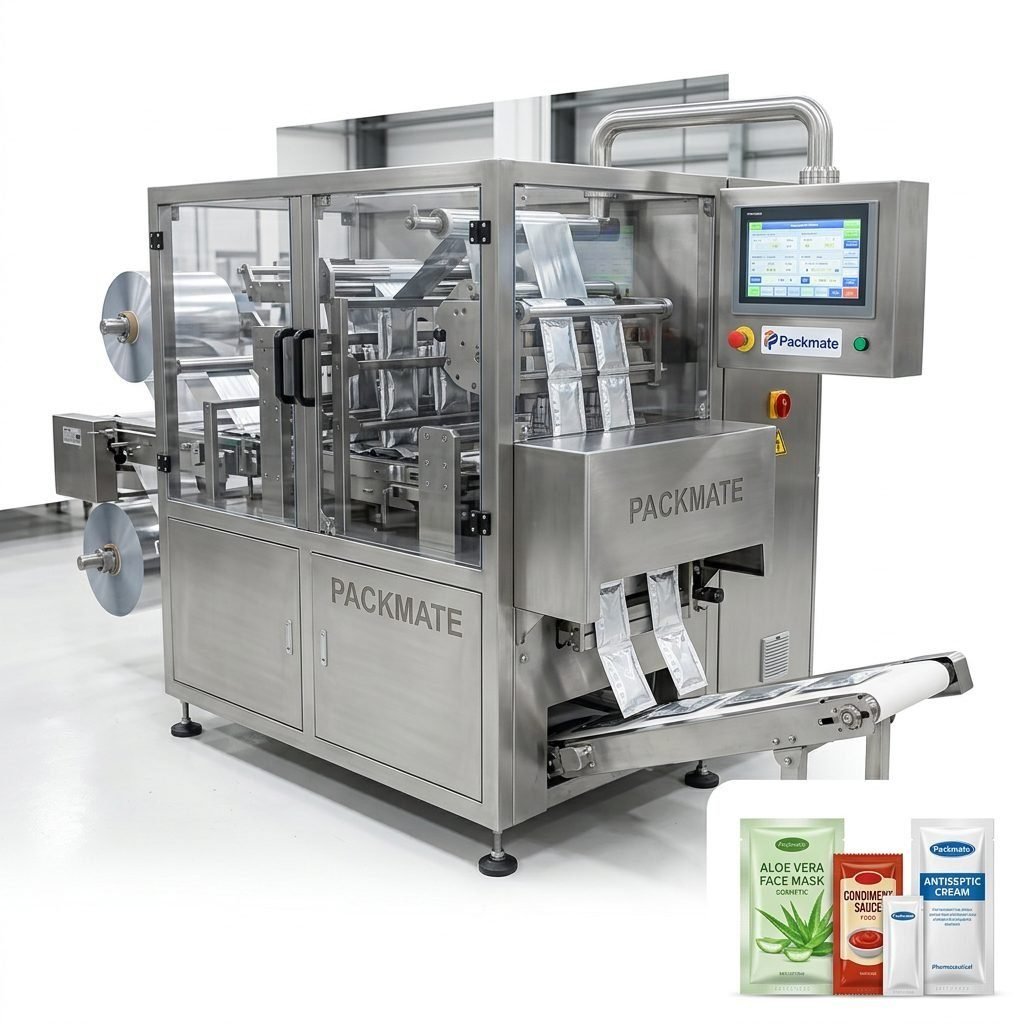
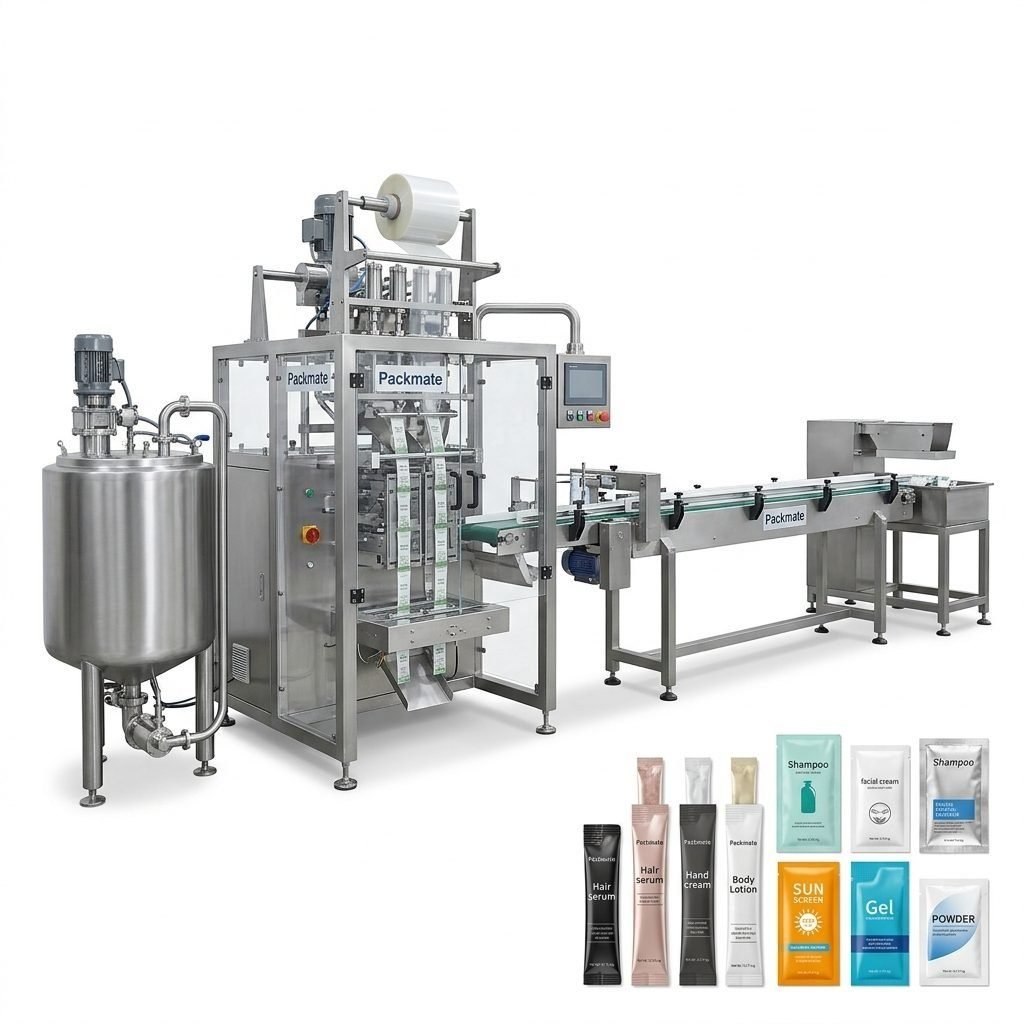
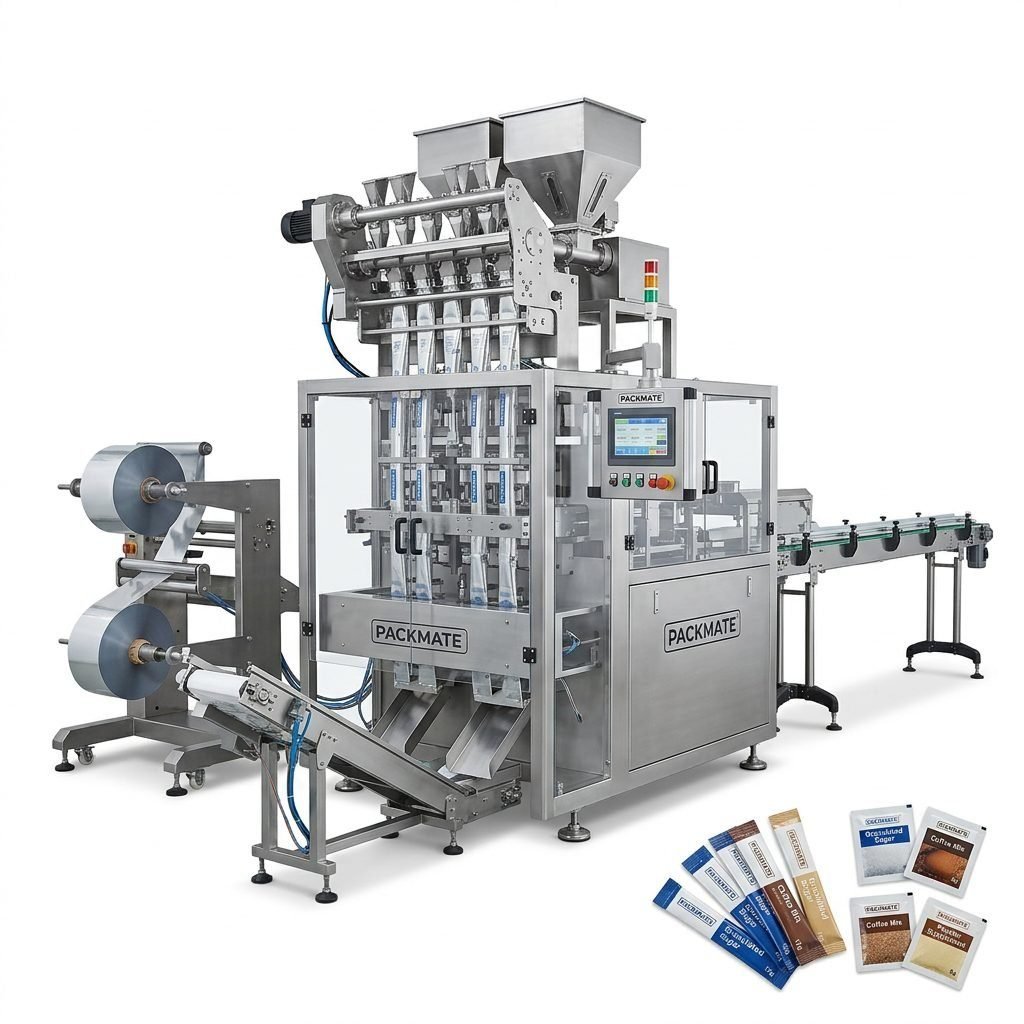
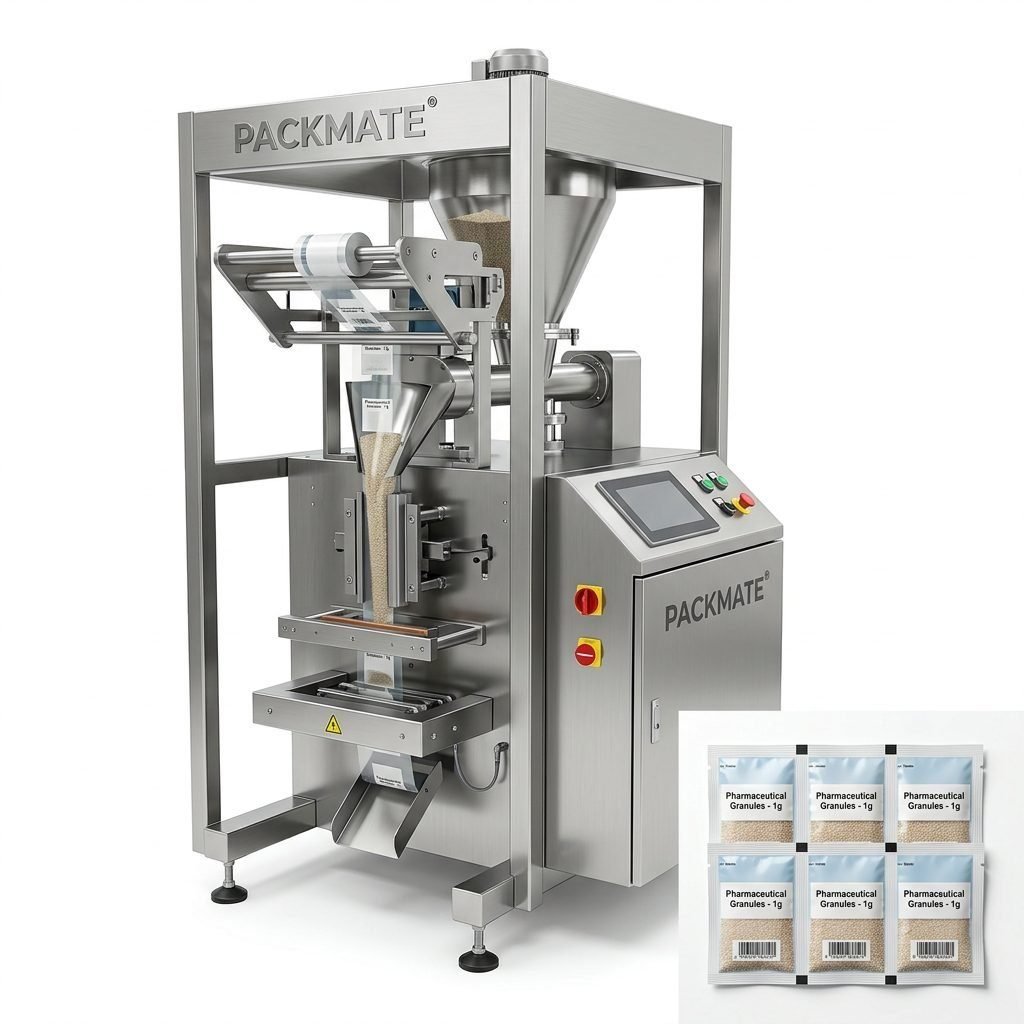
For granular products like coffee or sugar, vertical form-fill-seal (VFFS) machines are a cornerstone, creating bags from a roll of film, filling them, and sealing them in one continuous motion. For unit-dose applications in pharmaceuticals or single-serve condiments, high-speed sachet and stick pack machines offer unparalleled efficiency, often operating with multiple lanes to achieve impressive output rates. The journey doesn’t end there; advanced lines may include cartoning machines, case packers, and palletizers, all controlled by a centralized Programmable Logic Controller (PLC) with intuitive Human-Machine Interface (HMI) panels for real-time monitoring and adjustment.
Key Technological Innovations Driving the Industry
The leap from conventional to advanced packaging is powered by specific technological innovations. Servo-motor technology has revolutionized motion control, providing smoother, more precise, and energy-efficient movements compared to traditional mechanical systems. This translates to less product waste, higher accuracy, and reduced maintenance. Secondly, the integration of machine vision systems has become a non-negotiable for quality assurance. These high-resolution cameras inspect every package for defects in sealing, print registration, fill level, and label placement, automatically rejecting any substandard units.
Furthermore, the rise of the Industrial Internet of Things (IIoT) enables predictive maintenance and data analytics. Sensors on critical components can predict failures before they happen, minimizing unplanned downtime. Production data on speed, efficiency, and waste rates can be collected and analyzed to identify bottlenecks and opportunities for continuous improvement, transforming the packaging floor into a data-driven hub.
The Role of a Trusted Manufacturing Partner
Implementing such complex systems is not merely a purchase; it’s forming a strategic partnership. A manufacturer with deep expertise, like Packmate Machinery, brings more than just hardware to the table. With over 30 years of focused experience in packaging equipment, they understand the nuanced challenges of different industries. Their journey, evolving from a specialized workshop to a company with a 20,000㎡ modern facility, underscores a commitment to growth and innovation. This experience allows them to offer true turnkey solutions—from initial consultation and custom machine design to installation, training, and ongoing technical support, ensuring the line integrates perfectly with your specific products and operational goals.
Selecting the Right Solution for Your Business
Choosing advanced packaging machinery requires a meticulous assessment of your current and future needs. The first step is a clear analysis of your product characteristics—is it a free-flowing powder, a viscous liquid, or a delicate solid? This determines the filling technology. Next, consider your required production speed and output. A multi-lane stick pack machine will have a vastly different capacity than a single-pouch machine. Flexibility is another crucial factor; can the machine handle multiple package sizes or formats with quick changeovers to adapt to market demands?
Finally, you must evaluate the total cost of ownership, which goes beyond the initial purchase price. Consider energy consumption, maintenance needs, spare part availability, and the supplier’s reputation for support. A machine with a slightly higher upfront cost but lower operational expenses and superior reliability often provides a better long-term return on investment. Exploring a supplier’s range, such as their complete filling and packaging lines, can give you a holistic view of their capability to provide integrated solutions.
The Future: Sustainability and Smart Factories
The trajectory of advanced packaging machinery is pointed firmly towards sustainability and hyper-connectivity. Machines are now being designed to handle mono-material and recyclable films, reducing environmental impact. They are also becoming more efficient, using less energy and generating less material waste through precision engineering. The concept of the smart factory, where packaging lines communicate seamlessly with enterprise resource planning (ERP) and manufacturing execution systems (MES), is becoming a reality. This enables real-time production tracking, automated replenishment of packaging materials, and end-to-end traceability for every product batch, which is increasingly demanded by regulators and consumers alike.
In conclusion, investing in advanced packaging machinery is an investment in your company’s future competitiveness, efficiency, and quality. By leveraging technologies like servo drives, machine vision, and IIoT, and partnering with an experienced manufacturer who offers comprehensive support, businesses can build a packaging operation that is not only fast and reliable but also intelligent, adaptable, and ready for the challenges of tomorrow’s market.
Frequently Asked Questions (FAQ)
1. What are the main benefits of upgrading to advanced packaging machinery?
The primary benefits include significantly increased production speed and output, improved accuracy and reduced product waste, enhanced product quality and consistency, and the ability to implement data collection for process optimization. Advanced machines also offer greater flexibility for different package sizes and often have a smaller footprint due to more efficient design.
2. How do I know if my product needs a custom-designed packaging machine?
If your product has unique physical properties (e.g., extremely abrasive, hygroscopic, or non-free-flowing), an unusual shape, or requires a very specific, non-standard packaging format, a custom or heavily modified standard machine may be necessary. Reputable manufacturers will conduct product tests to determine the best solution.
3. What is the typical lead time for an advanced packaging line?
Lead times vary widely based on complexity, customization, and current manufacturer backlog. For standard machines, it could be 3-6 months. For fully custom, integrated turnkey lines, the timeline can extend from 6 to 12 months or more, encompassing design, manufacturing, factory testing, and installation.
4. What kind of training and support can I expect after purchase?
A reliable supplier should provide comprehensive on-site installation and commissioning, detailed operator and maintenance training, and thorough documentation (manuals, schematics). Ongoing support typically includes access to technical assistance, a supply of genuine spare parts, and potentially remote diagnostics and service contracts.
5. Can advanced packaging machines handle sustainable or biodegradable materials?
Yes, this is a major focus of innovation. Many modern machines are being adapted or specifically designed to run efficiently with newer, sustainable films. However, it is crucial to discuss your specific material plans with the machine manufacturer during the selection process, as material properties like sealability and tensile strength directly affect machine configuration.