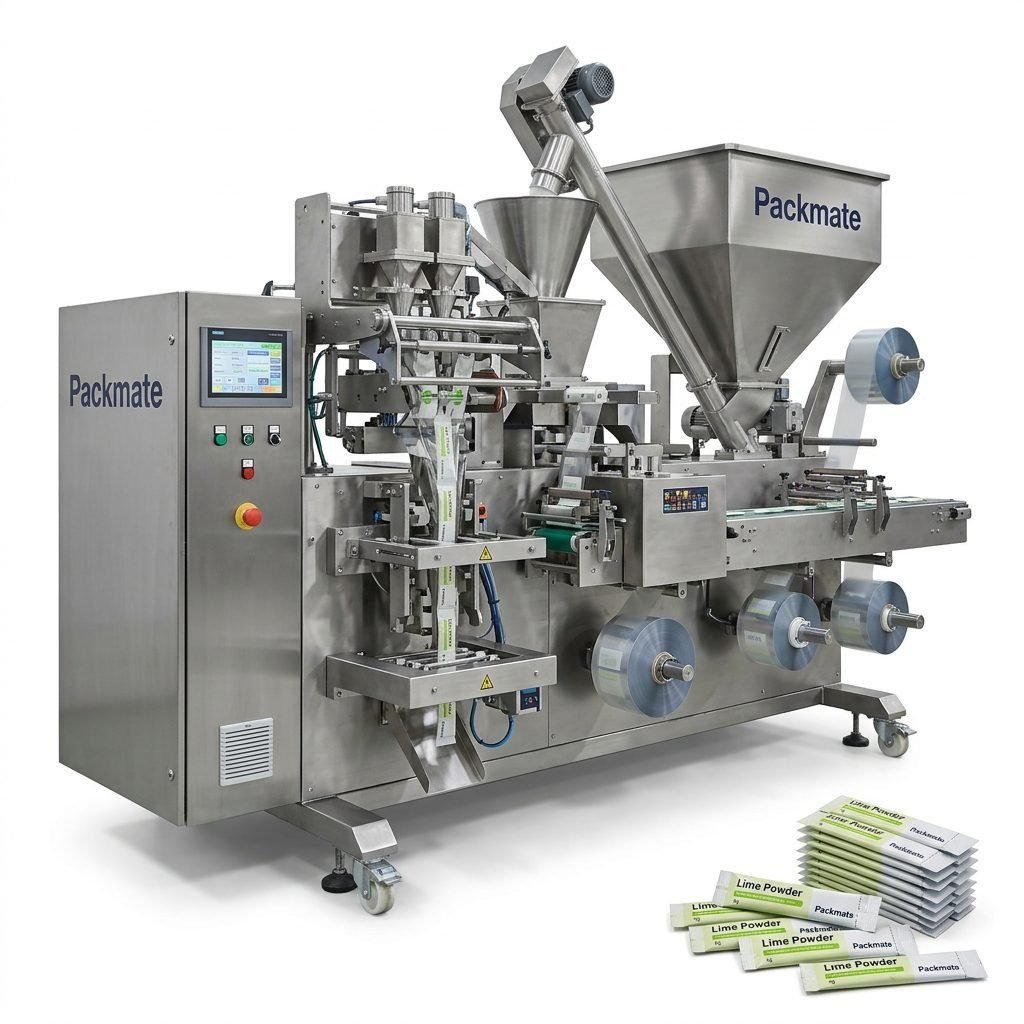
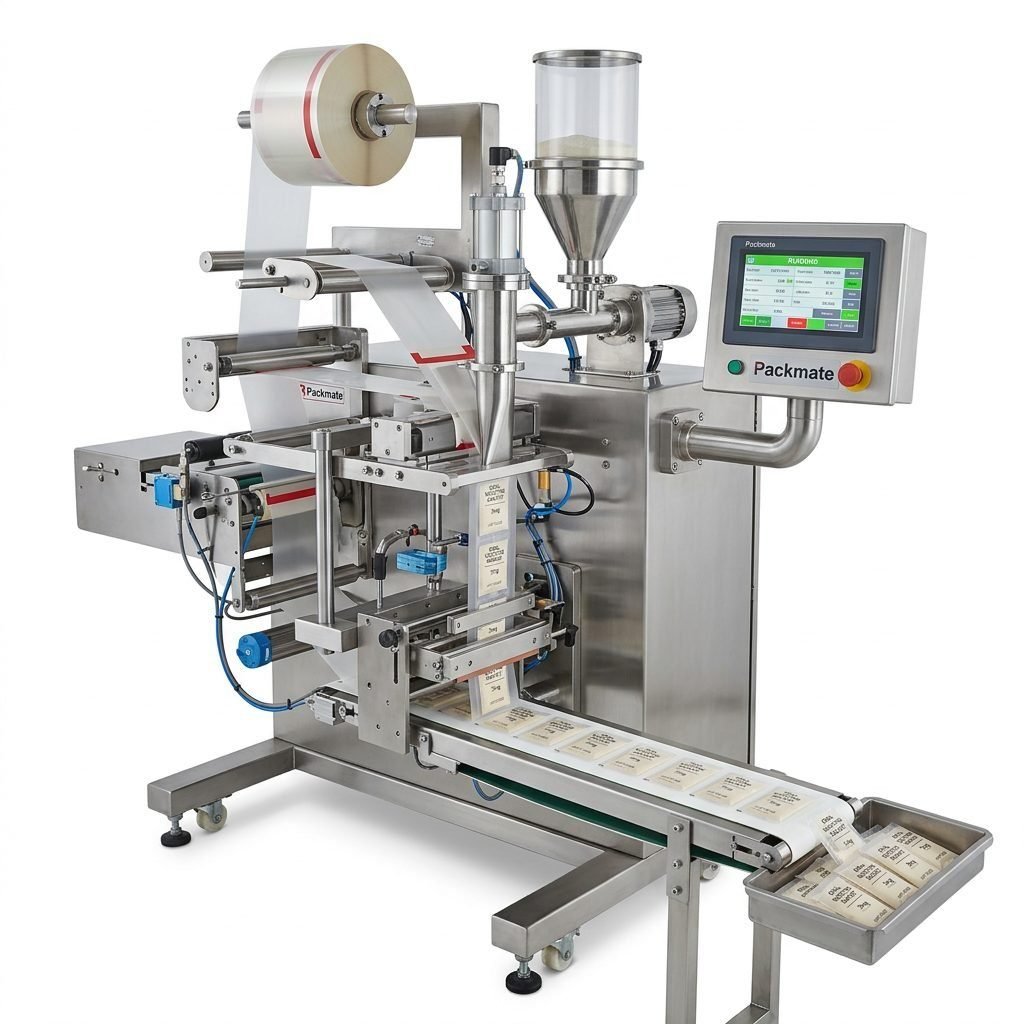
In the competitive snack food industry, efficient and reliable packaging is not just a final step—it’s a critical component of brand identity, product protection, and market success. For manufacturers, selecting the right potato chips packaging machine is a pivotal decision that impacts production speed, operational costs, and product quality. This guide delves into the core aspects of these machines, from their fundamental operations and key components to the latest technological trends, providing a comprehensive resource for making an informed investment.
Understanding the Potato Chips Packaging Machine
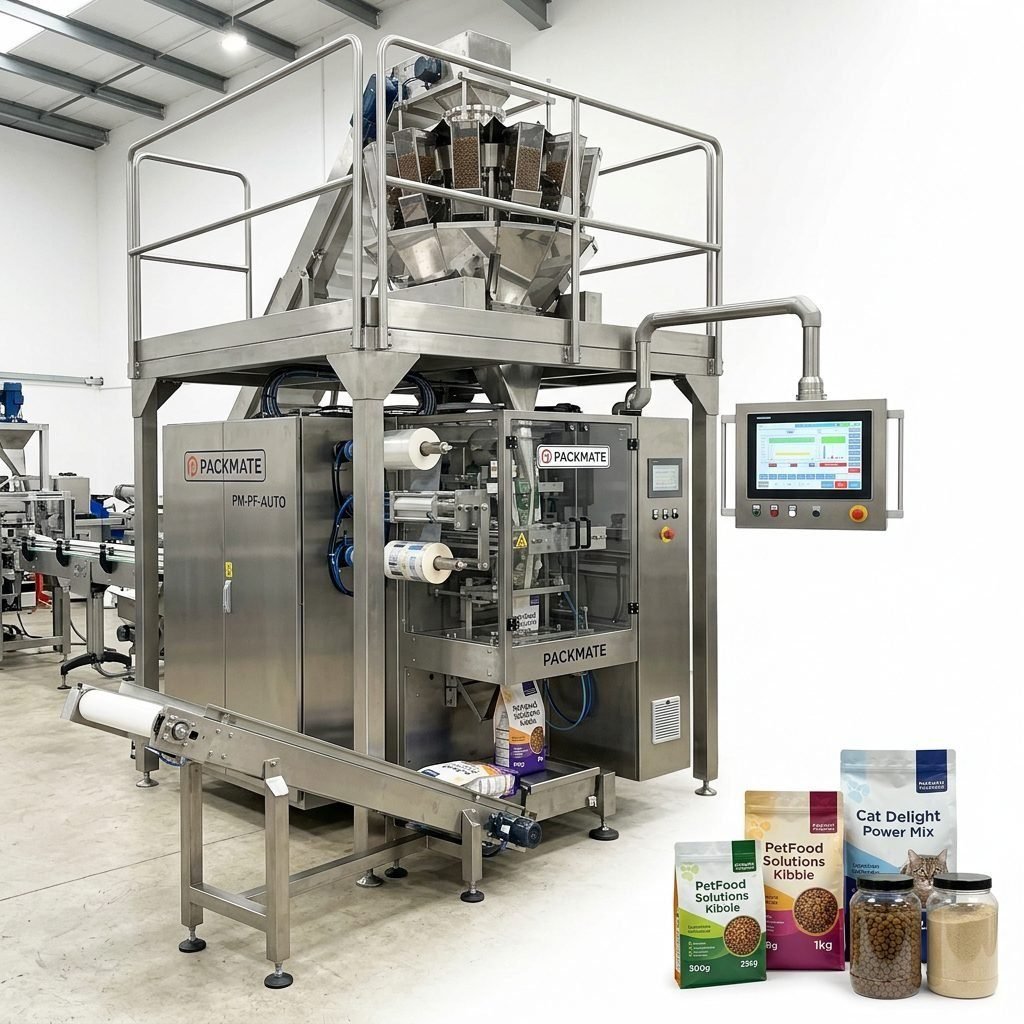
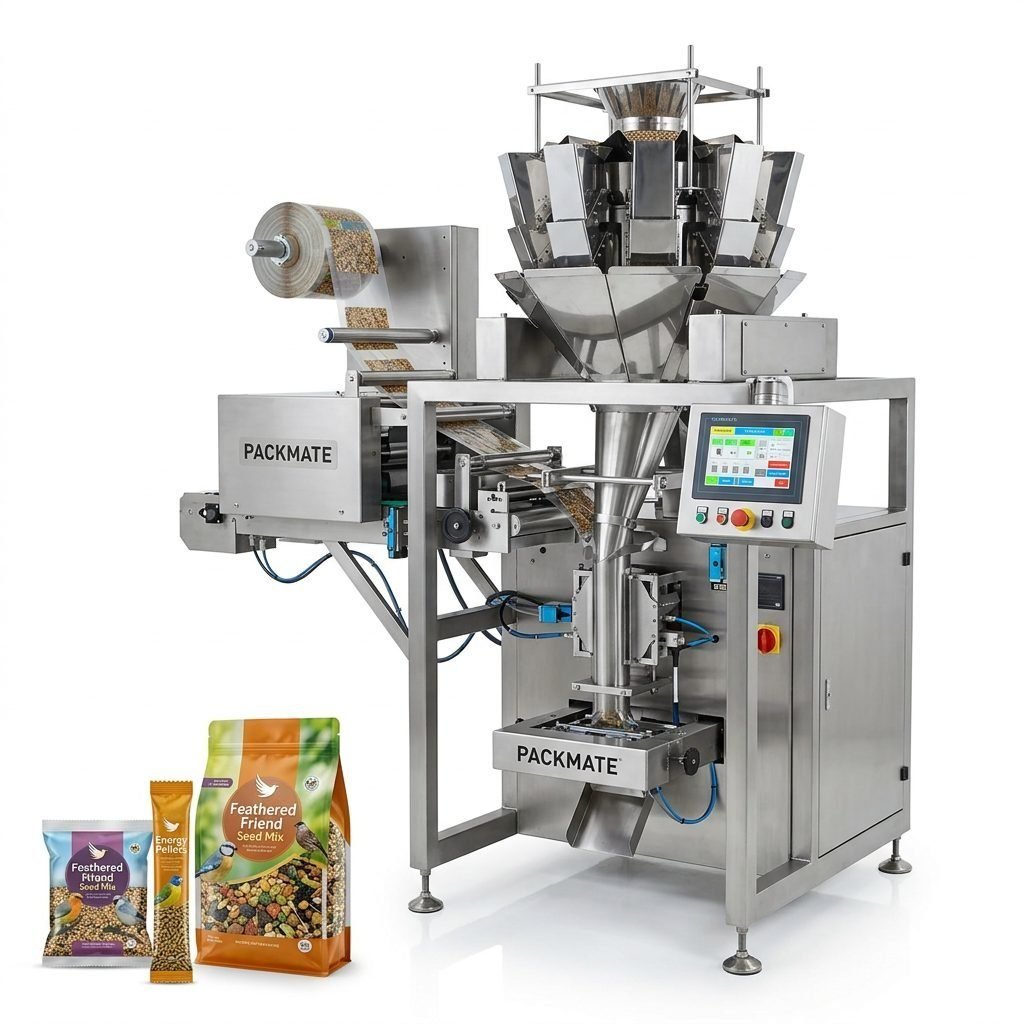
A potato chips packaging machine is a sophisticated piece of automation designed to handle the delicate and often irregularly shaped product of fried potato slices. Its primary function is to accurately weigh, fill, and seal portions of chips into protective bags at high speeds. The process typically begins with a bulk hopper feeding chips to a multi-head weigher, which precisely portions the product. The weighed chips are then dropped into pre-formed bags, which are subsequently sealed—often with a nitrogen flush to displace oxygen and extend shelf life—before being coded, checked, and discharged for cartoning.
The core challenge these machines solve is maintaining the crispness and integrity of the chips. A poorly designed system can lead to excessive breakage, inconsistent bag weights, or inadequate sealing, all of which directly affect profitability and customer satisfaction. Modern machines are engineered to be gentle yet fast, incorporating features like soft-drop chutes and vibration control to minimize product damage during transfer.
Key Components and Their Functions
Every high-performance packaging line is built on several essential components working in harmony. Understanding these parts is crucial for specifying a machine that meets your production goals.
1. Multi-Head Weighing System
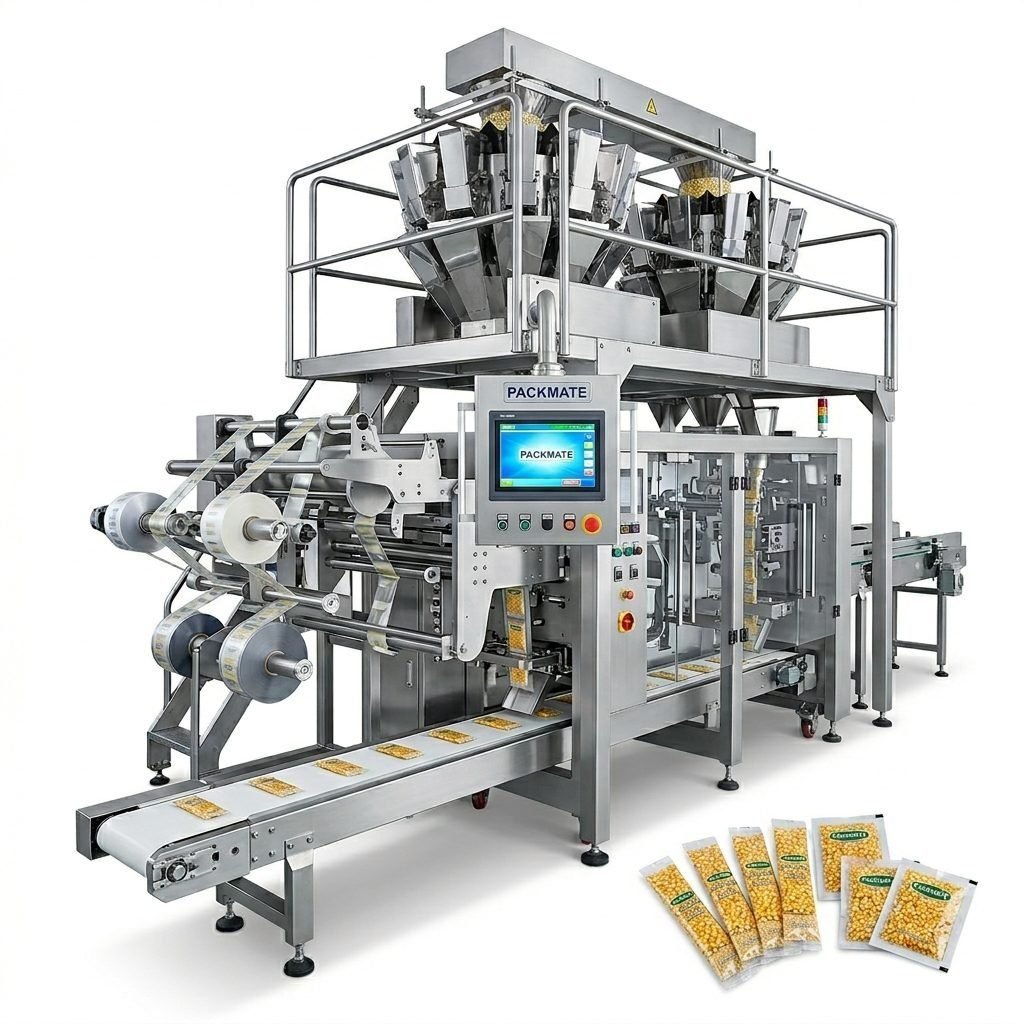
This is the brain of the operation for accuracy. It consists of multiple individual weigh buckets that work together to combine small amounts of product to reach a target weight with extreme precision, often within ±0.5 grams. This system is vital for giving consumers consistent value and for optimizing material use and minimizing giveaway.
2. Bag Forming, Filling, and Sealing (FFS) Unit
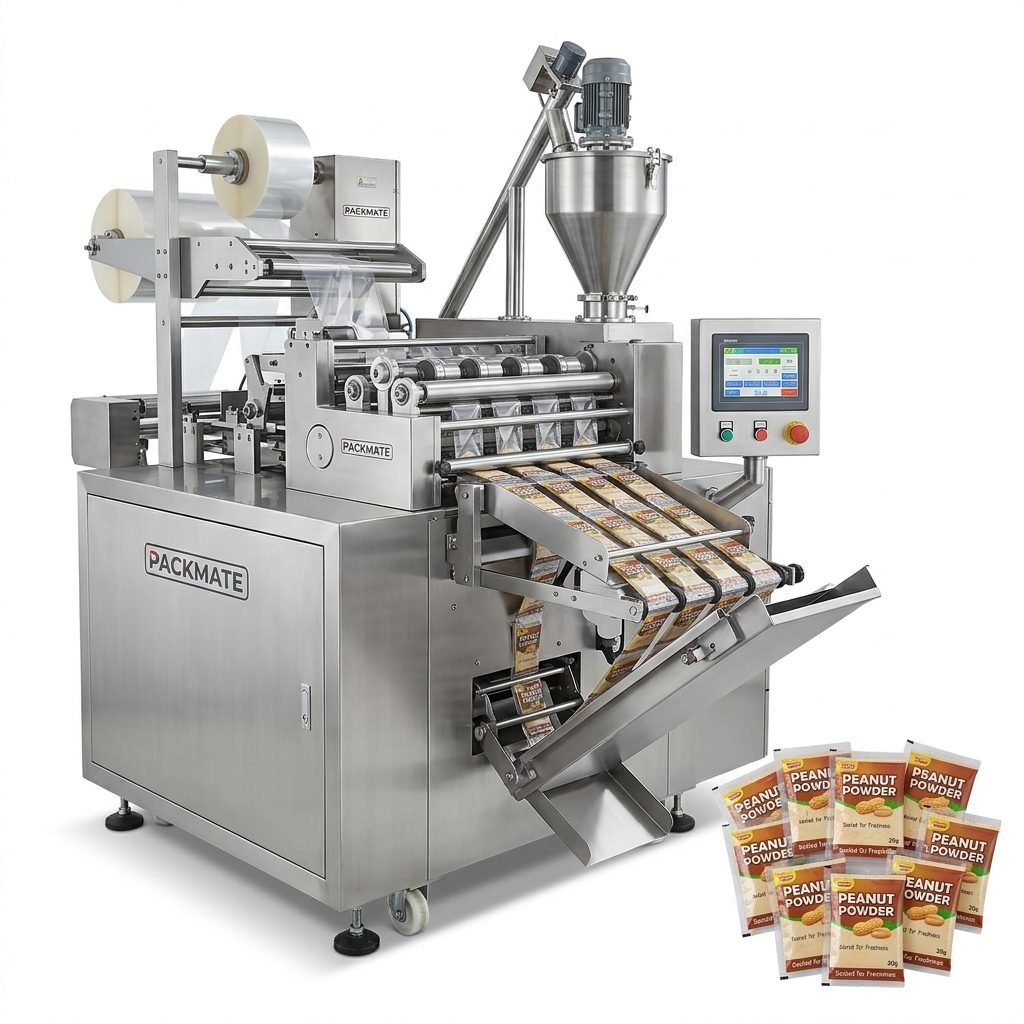
This unit forms the packaging film from a roll into a bag, fills it with the weighed product, and then seals it. Key elements include:
- Film Unwinder & Tension Control: Ensures smooth, consistent film feed.
- Forming Shoulder: Shapes the flat film into a tube around the filling tube.
- Longitudinal & Transverse Sealers: Create the back seam and the top/bottom seals of the bag.
3. Nitrogen Flushing System
To preserve freshness and prevent staleness, most chip packaging lines include a nitrogen gas flushing system. This component injects inert nitrogen into the bag just before the final seal, displacing oxygen which can cause oxidation and rancidity. This technology is a standard for extending shelf life without artificial preservatives.
4. Control Panel & HMI (Human-Machine Interface)
The central command center. Modern machines feature touch-screen HMIs that allow operators to set parameters, monitor production speed, track efficiency (OEE), and diagnose faults. Look for systems with intuitive software and data logging capabilities for production analysis.
Choosing the Right Machine for Your Operation
Selecting a machine is not a one-size-fits-all process. Manufacturers must evaluate their specific needs against several critical factors.
Production Capacity & Speed
Machine speeds are measured in bags per minute (BPM). Requirements can range from 60 BPM for a small regional brand to over 200 BPM for a large-scale producer. It’s essential to match the machine’s maximum speed with your current and projected future demand to ensure a good return on investment.
Bag Style and Size Range: Consider the variety of bag styles you need (e.g., pillow bags, gusseted bags, stand-up pouches) and the range of weights you plan to package. A flexible machine that can handle multiple sizes with quick changeovers reduces downtime when switching production lines.
Level of Automation: Options range from semi-automatic machines requiring more manual intervention to fully integrated, automated lines that include automatic film splicing, batch coding, and robotic cartoning. Higher automation boosts output and reduces labor costs but requires a larger initial investment.
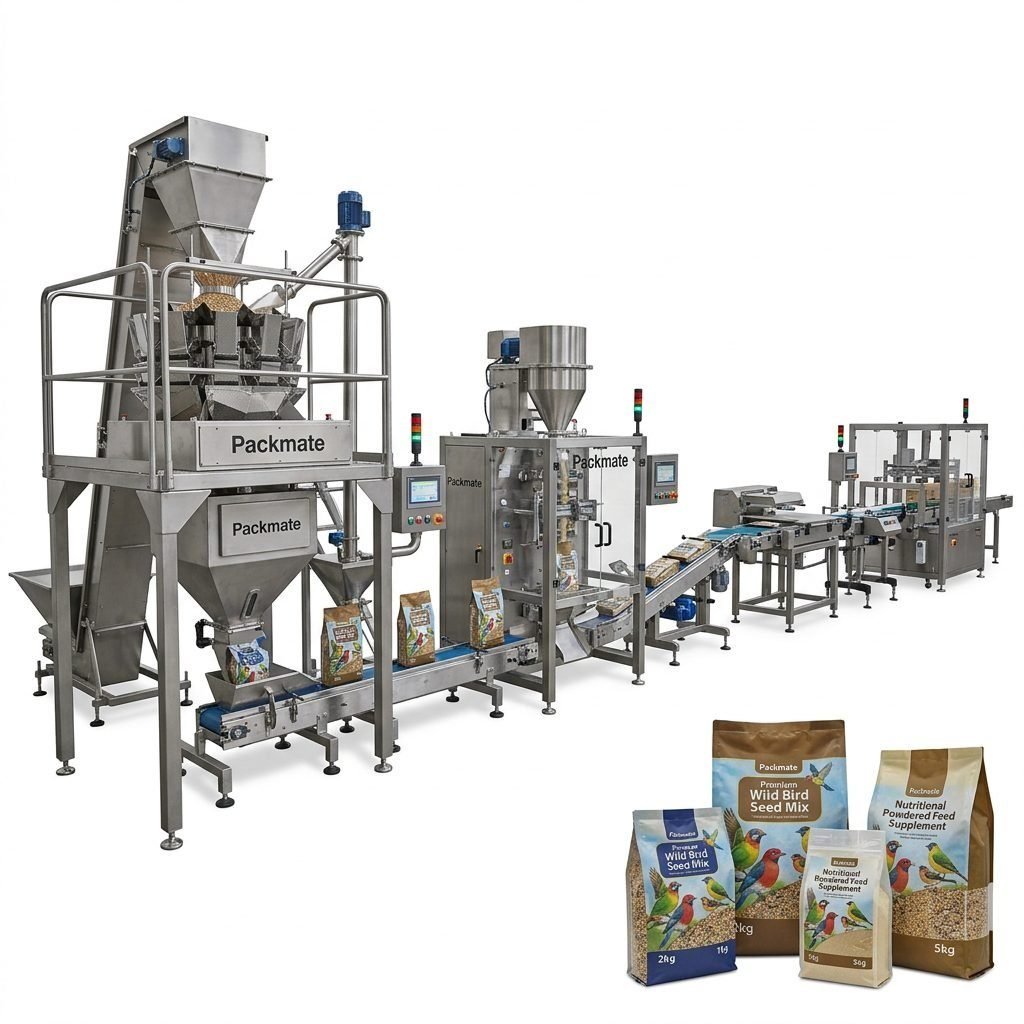
For manufacturers exploring a full packaging solution, reviewing the capabilities of a complete filling and packaging line can provide insights into how a chips packager integrates with upstream and downstream equipment.
Technological Trends Shaping the Future
The packaging machinery sector is continuously evolving. Staying abreast of these trends can future-proof your investment.
Industry 4.0 and IoT Connectivity: Newer machines are equipped with sensors and connectivity for the Industrial Internet of Things (IIoT). This allows for real-time monitoring of machine performance, predictive maintenance alerts, and seamless integration with factory-wide Manufacturing Execution Systems (MES).
Sustainability-Driven Design: With increasing focus on environmental impact, machines are being designed to handle recyclable or compostable mono-material films. They also feature enhanced efficiency to reduce energy consumption and precise weighing to minimize film and product waste.
Enhanced Hygiene and Cleanability: Sanitary design is paramount. Trends include the use of stainless steel on food-contact surfaces, fully enclosed frames to prevent oil and debris accumulation, and designs that allow for fast and easy cleaning to meet stringent food safety standards.
Companies at the forefront of innovation, like Packmate Machinery, leverage decades of experience to incorporate these advanced features into their equipment, ensuring manufacturers have access to cutting-edge technology.
Maximizing ROI and Ensuring Smooth Operation
Purchasing the machine is just the beginning. Proper planning for installation, operation, and maintenance is key to achieving the desired return on investment.
Installation and Training
Work with your supplier to plan the factory floor layout, ensuring adequate space for operation, maintenance access, and material flow. Comprehensive training for your operators and maintenance technicians is non-negotiable. It ensures safe operation, maximizes machine efficiency, and empowers your team to perform basic troubleshooting.
Preventive Maintenance
A rigorous preventive maintenance (PM) schedule is the best defense against unplanned downtime. This includes daily cleaning, weekly checks of seal integrity and weigher accuracy, and periodic lubrication and part inspection as per the manufacturer’s manual. Reliable suppliers often provide detailed PM plans and ready access to after-sales service and spare parts.
Partnering with the Right Supplier
Your machine supplier should be a long-term partner. Evaluate their industry reputation, technical support capability, spare parts inventory, and willingness to provide references. A supplier with a strong track record, such as one with a diverse portfolio of bag and pouch packaging machines, demonstrates expertise across different applications and scales.
Frequently Asked Questions (FAQs)
1. What is the typical output speed of a standard potato chips packaging machine?
Output speeds vary significantly based on bag size, machine configuration, and level of automation. Standard machines can range from 60 to 120 bags per minute (BPM). High-speed, fully integrated lines can achieve speeds of 200 BPM or more. The optimal speed depends on your specific production volume requirements.
2. How does nitrogen flushing work, and is it necessary for all potato chips?
Nitrogen flushing injects inert nitrogen gas into the bag before sealing, displacing oxygen. This prevents oxidation (which causes rancidity) and helps maintain crispness by creating a cushion that protects chips from crushing. While not strictly necessary for all immediate-consumption products, it is considered an industry best practice for extending shelf life and ensuring quality, especially for branded goods distributed through retail channels.
3. What are the most common maintenance issues with these machines?
Common issues include film tracking problems, seal bar contamination leading to weak seals, weigher calibration drift causing weight inaccuracies, and general wear on moving parts like belts and bearings. Adhering to a daily cleaning routine and a scheduled preventive maintenance plan is the most effective way to prevent these issues and ensure consistent operation.
4. Can one machine handle different bag sizes and styles?
Yes, many modern machines are designed for flexibility. They can often handle a range of bag widths and lengths with changeover parts (like forming shoulders and sealing jaws). However, changeover time can vary. For frequent size changes, look for machines advertised with “quick changeover” features, which use tool-less adjustments or pre-set configurations to minimize downtime.
5. What should I look for in a supplier beyond the machine specifications?
Beyond the machine itself, prioritize the supplier’s after-sales support. Key factors include: the availability and response time of technical support, the comprehensiveness of operator and maintenance training provided, the inventory and logistics for spare parts, and the supplier’s overall reputation and financial stability. A reliable partner is crucial for the long-term productivity of your packaging line.