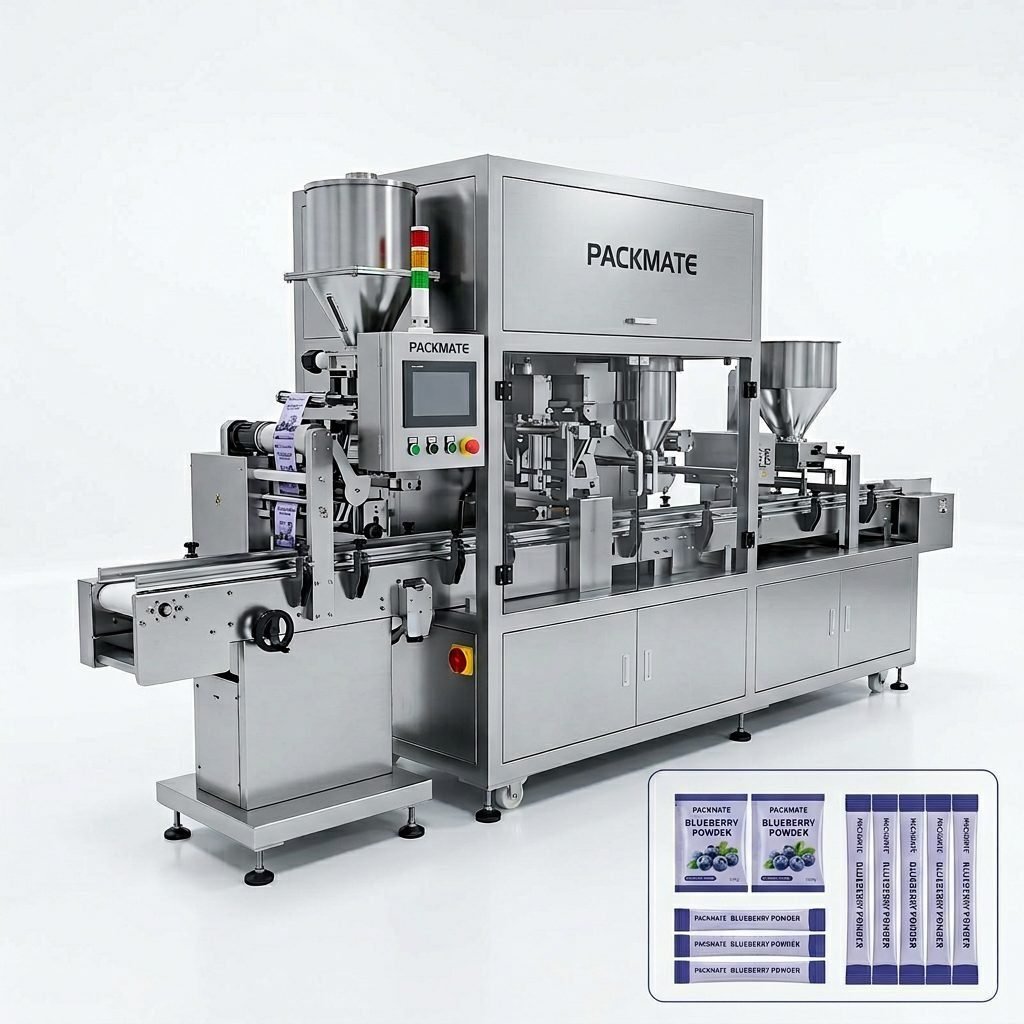
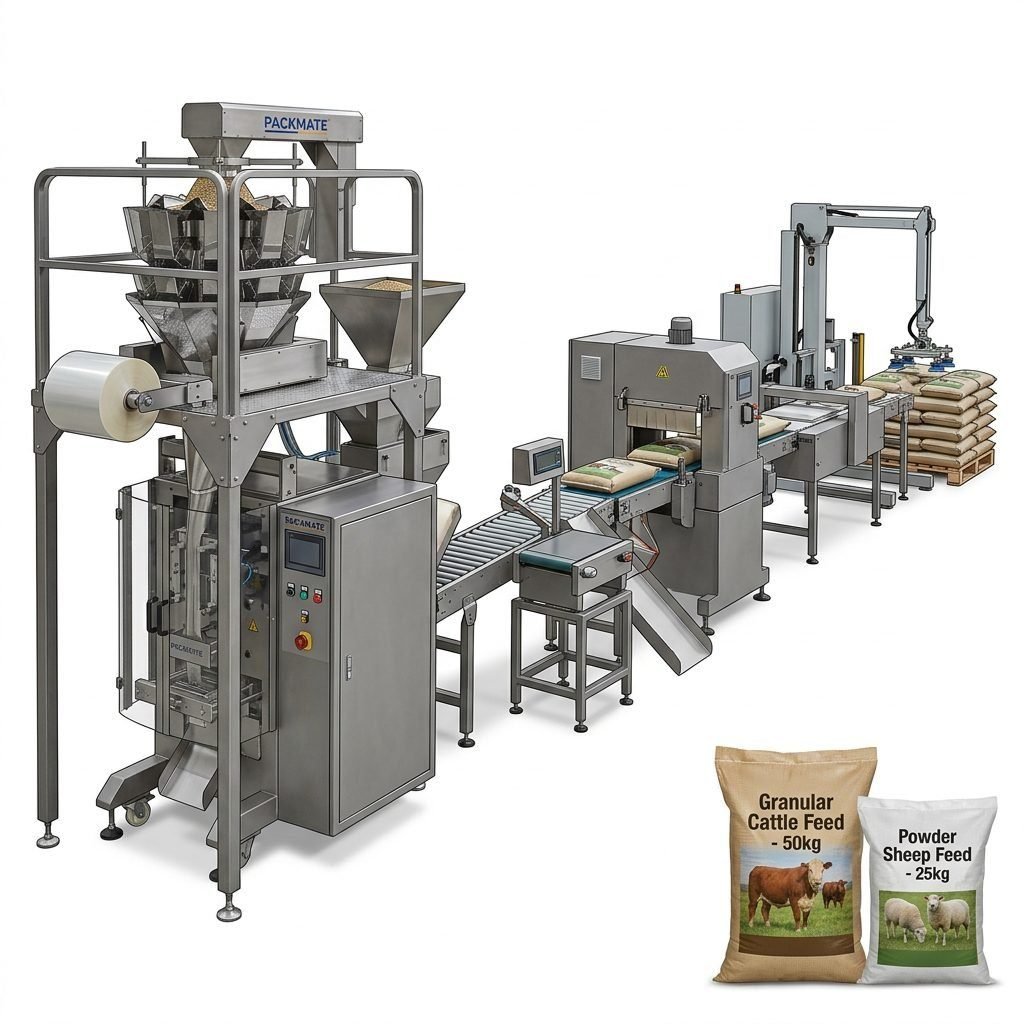
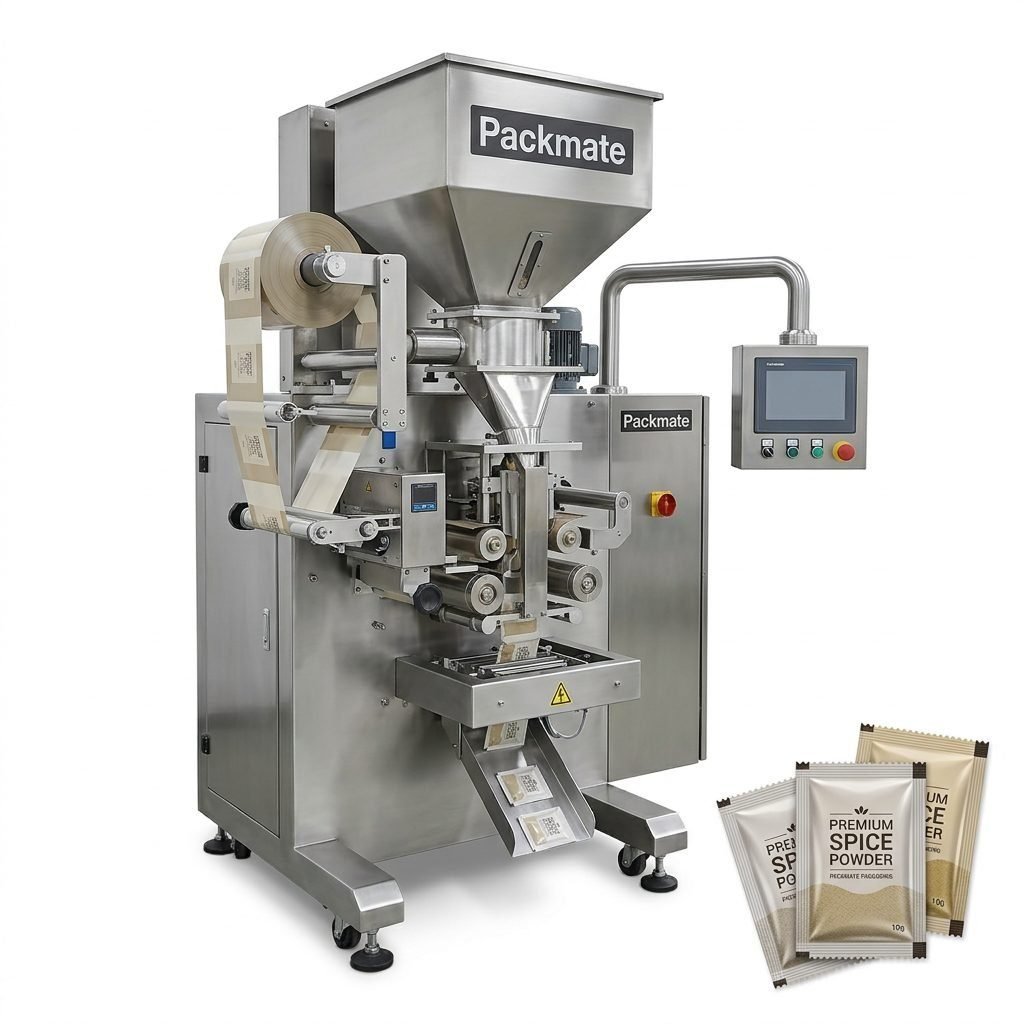
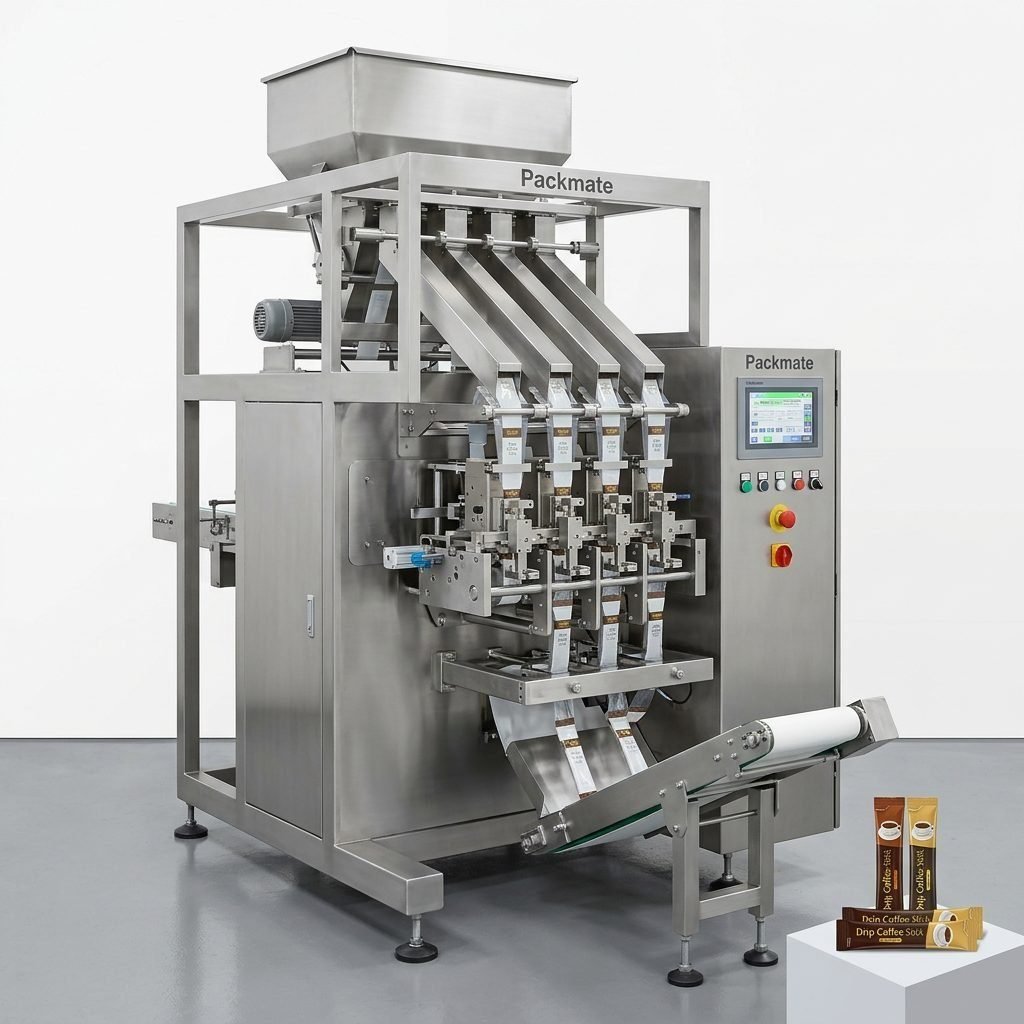
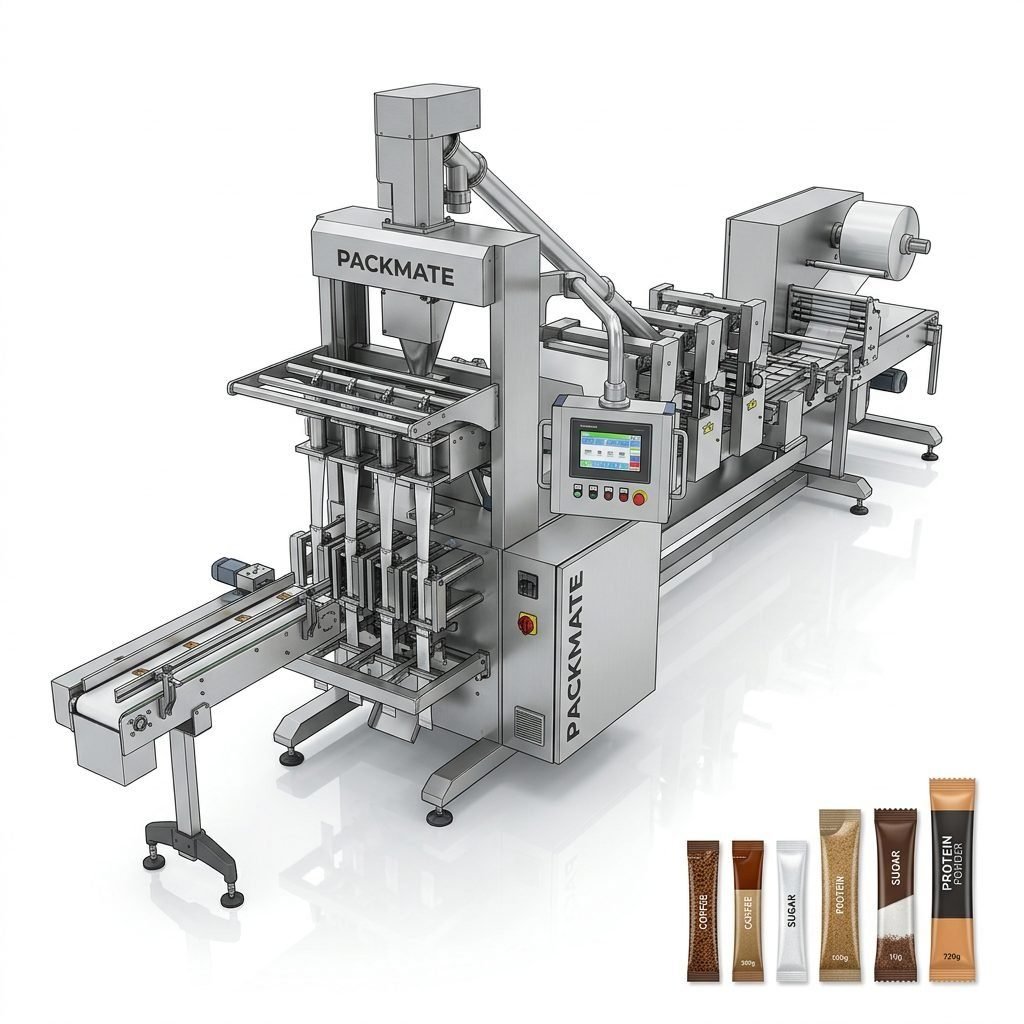
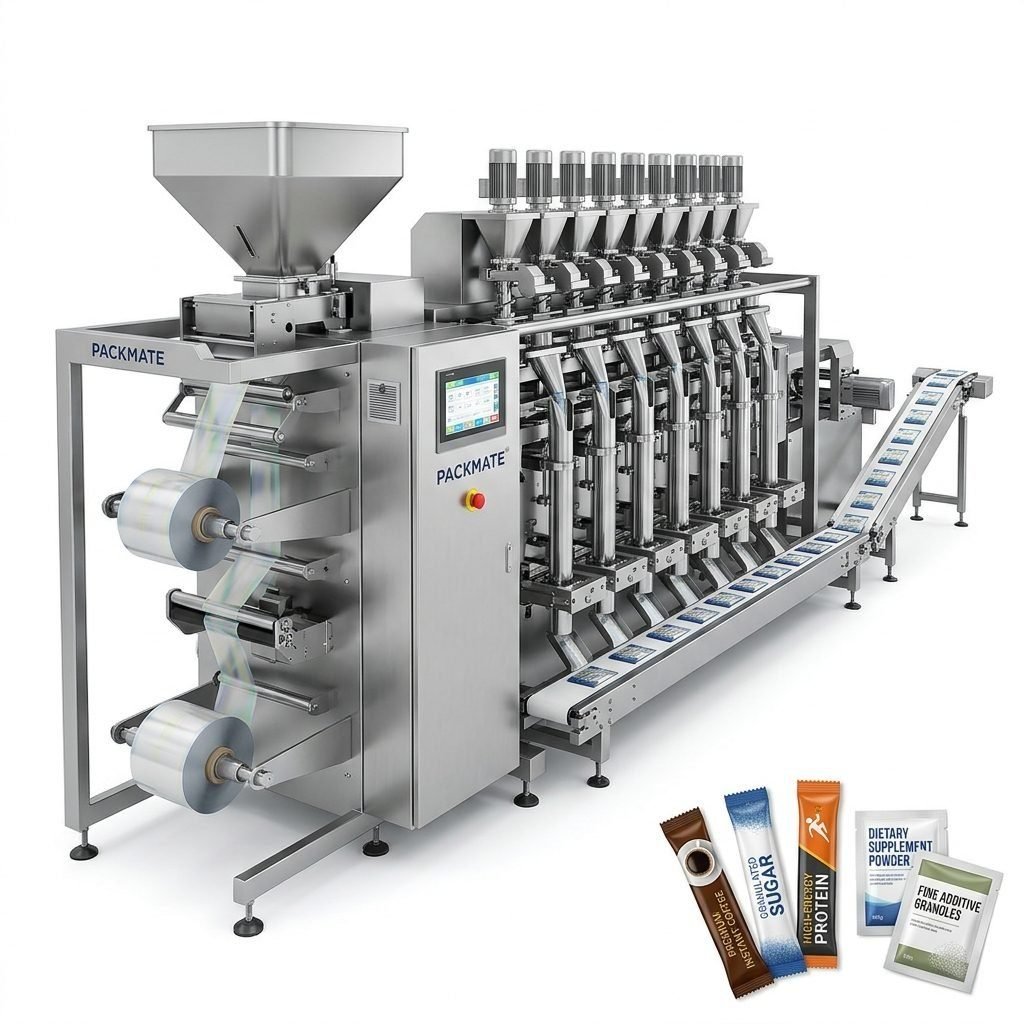
In the dynamic world of product packaging, flexographic (flexo) printing stands as a cornerstone technology for creating vibrant, durable, and cost-effective packaging materials. From food and beverage containers to pharmaceutical labels and consumer goods, flexo packaging machines are the engines behind countless products on shelves worldwide. Understanding the different types of machines, their distinct benefits, and the critical factors in selecting the right one is essential for any business looking to optimize its packaging line for efficiency, quality, and market appeal.
Core Types of Flexo Packaging Machines
The flexographic printing process is versatile, and the machinery is categorized primarily by how the material web is handled during printing. The right choice depends heavily on your substrate and production volume.
Central Impression (CI) Cylinder Machines
These machines are the workhorses of high-volume, wide-web printing. All the print stations are arranged around a single, large-diameter central impression cylinder. This design provides exceptional register stability and print consistency, as the substrate is held firmly against the same cylinder throughout all printing and drying steps. CI presses are ideal for long runs on flexible films, paper, and laminates where precise color-to-color registration is paramount.
Stack-Type Flexo Presses
Characterized by their vertical or horizontal stack configuration of individual print units, these machines offer great flexibility. Each color station is independent, allowing for easy access for plate changes, ink adjustments, and maintenance. Stack presses are well-suited for short to medium runs and can handle a wider variety of substrates, including thicker materials like corrugated board and paperboard. Their modularity makes them a popular choice for label printing and folding carton applications.
In-Line Flexo Presses
In this configuration, print units are arranged in a linear sequence, similar to how a production line flows. This design is highly modular and can be integrated with other converting processes like laminating, die-cutting, and sheeting in a single pass. In-line presses offer tremendous versatility for specialized packaging needs and are excellent for customized or variable print jobs.
Key Benefits of Adopting Flexo Technology
Choosing flexographic printing for your packaging needs brings a host of operational and commercial advantages that directly impact your bottom line and brand strength.
Versatility on Substrates: Flexo inks and plates allow printing on an almost unrivaled range of materials—from delicate films and foils to rugged corrugated cardboard. This makes it a one-stop solution for diverse product lines.
Cost-Effectiveness for Medium/Long Runs: While setup involves creating printing plates, the per-unit cost becomes very competitive for medium to high-volume production. The fast drying, solvent-based or water-based inks also contribute to lower operational costs.
Durability and Performance: Flexo prints are known for their excellent rub resistance and durability, which is crucial for packaging that undergoes handling, shipping, and storage. The inks adhere well and withstand environmental factors.
Furthermore, modern flexo presses have embraced digital advancements, offering quick changeover capabilities and improved automation for faster job transitions and reduced waste. The ability to print high-quality graphics, including vibrant spot colors, directly strengthens shelf impact and brand recognition.
How to Choose the Right Flexo Packaging Machine
Selecting a machine is a significant capital investment. A methodical approach ensures the equipment aligns with your current needs and future growth. Partnering with an experienced manufacturer like Packmate Machinery, with over 30 years in intelligent packaging solutions, can provide invaluable guidance through this process.
1. Analyze Your Substrate and Print Requirements
This is the foundational step. Define the material you will print on (film, paper, label stock, corrugated), its width (web width), and the required print quality. The number of colors, need for special effects (varnish, laminations), and the complexity of graphics will determine the necessary number of print stations and press sophistication. For intricate designs on flexible films, a CI press might be ideal, while a stack press could be better for corrugated boxes.
2. Evaluate Production Volume and Speed
Match the machine’s capabilities to your output goals. High-volume, continuous operations demand the speed and stability of a CI press. For shorter runs with frequent changeovers, the flexibility of a stack or in-line press is more economical. Consider not just today’s volume, but projected growth over the next 5-7 years.
3. Consider Integration and Automation
Modern packaging is about complete lines. Consider if you need the flexo press to integrate seamlessly with pre-press (platemaking) and post-press processes like our bag & pouch packaging machines or filling & packaging lines. Features like automatic register control, ink viscosity management, and data reporting systems drastically improve efficiency and reduce manual intervention.
4. Assess Total Cost of Ownership (TCO)
Look beyond the initial purchase price. Factor in costs for plates and inks, energy consumption, maintenance requirements, and the availability of spare parts. A reliable, well-supported machine from a reputable supplier may have a higher upfront cost but lower TCO due to greater uptime and longevity. Reviewing a manufacturer’s project case studies can offer real-world insights into operational performance.
5. Prioritize Supplier Support and Service
The machine is only as good as the support behind it. Choose a manufacturer known for quality, innovation, and robust after-sales service. Ensure they offer comprehensive training, readily available technical support, and a clear maintenance plan. A partner committed to your long-term success, much like Packmate’s dedication to providing complete turnkey packaging solutions, is crucial.
Frequently Asked Questions (FAQs)
What is the main difference between flexo and digital printing for packaging?
Flexo printing uses physical plates and is typically more cost-effective for medium to high-volume runs, offering excellent durability and vibrant spot colors. Digital printing is plate-less, ideal for very short runs, prototyping, and high-variable data printing, but per-unit costs are higher for large quantities.
Can flexo machines print on both sides of the material?
Yes, with the appropriate press configuration. Some presses are designed with printing units on both sides of the web, or the material can be turned over (using a turnbar) between print stations to achieve perfecting (two-sided printing).
How long do flexographic printing plates typically last?
The lifespan of a photopolymer plate depends on the substrate, ink, and press conditions. For long runs on abrasive materials like corrugated, plates may need replacement after a few million impressions. For smoother films and papers, plates can last for significantly longer runs before showing wear.
What are the key trends in modern flexo technology?
Key trends include the adoption of HD and ultra-HD plate technology for near-offset print quality, increased automation for faster changeovers and reduced waste, the use of sustainable water-based and UV-curable inks, and deeper integration with digital workflow systems for streamlined operations from design to production.
Is flexographic printing an environmentally friendly option?
It can be. The industry has made significant strides with water-based and UV-curable inks that reduce VOC emissions. Furthermore, the efficiency of modern presses minimizes waste, and the durability of flexo prints can contribute to longer product shelf life, reducing food waste—a critical consideration aligned with global sustainability goals.