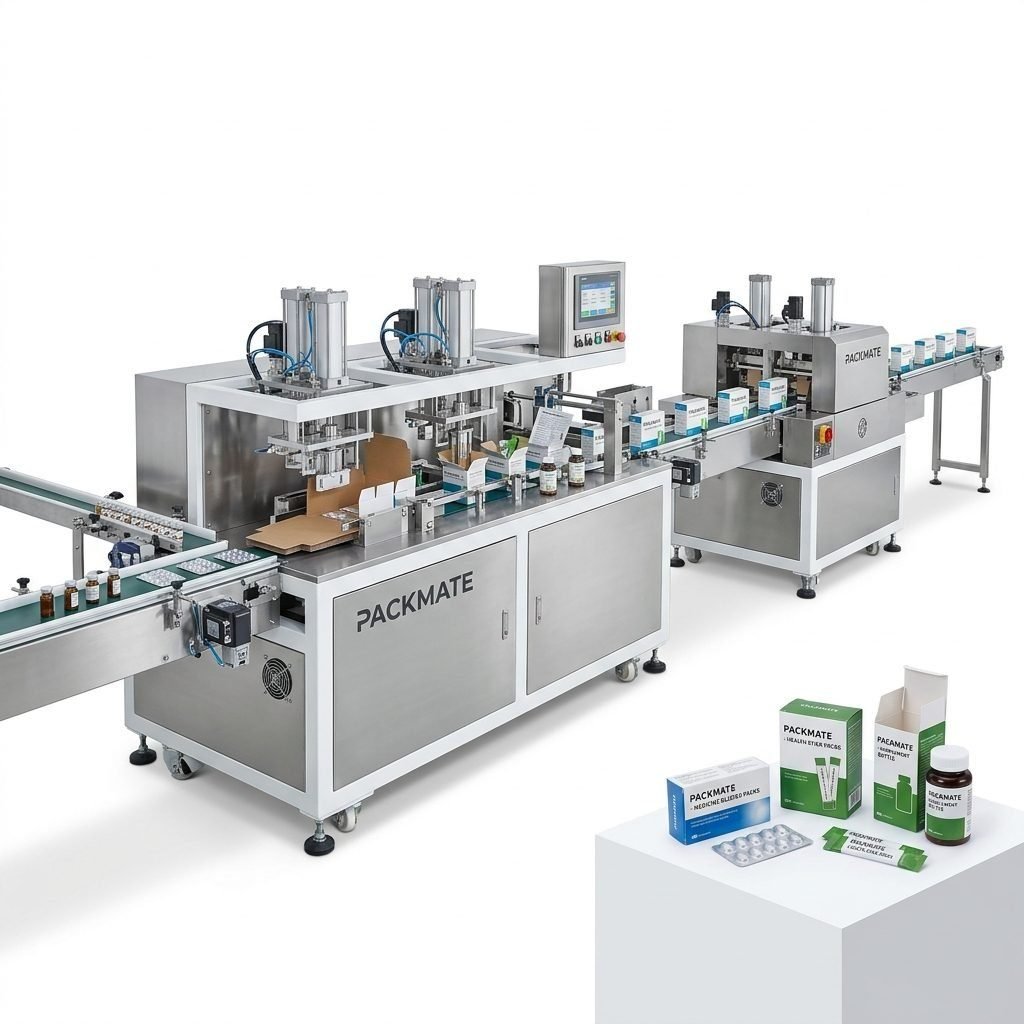
Starting a small food business is an exciting venture filled with creativity and passion. However, one of the most critical operational decisions you’ll make involves packaging. The right food packaging machine is not just a piece of equipment; it’s a partner that ensures your product’s quality, safety, and market appeal while keeping your startup costs manageable. For entrepreneurs, selecting a machine that balances efficiency, affordability, and scalability is paramount to turning a great idea into a sustainable business.
Why Packaging Automation is a Game-Changer for Startups
In the competitive food industry, first impressions are everything. Your packaging is often the first physical interaction a customer has with your brand. Manual packaging processes are not only time-consuming and inconsistent but can also become a significant bottleneck as demand grows. Investing in an automated packaging machine from the outset can dramatically increase your production speed, ensure hygienic handling, and deliver a professional, uniform look that builds consumer trust. This allows you, the founder, to focus on recipe development, marketing, and customer engagement rather than being tied down by repetitive manual tasks.
Key Considerations Before You Buy
Before diving into specific machine types, it’s crucial to assess your unique needs. Ask yourself these questions: What is the physical form of my product (liquid, powder, granule, solid)? What are my current and projected production volumes? What is my available floor space and budget? What type of packaging material do I want to use (pre-made pouches or roll film)? Answering these will narrow down your search to the most suitable and cost-effective solutions for your startup phase.
Top Machine Types for Small Food Business Startups
Let’s explore some of the most popular and practical packaging machines designed with small-scale operations in mind.
Vertical Form Fill Seal (VFFS) Machines
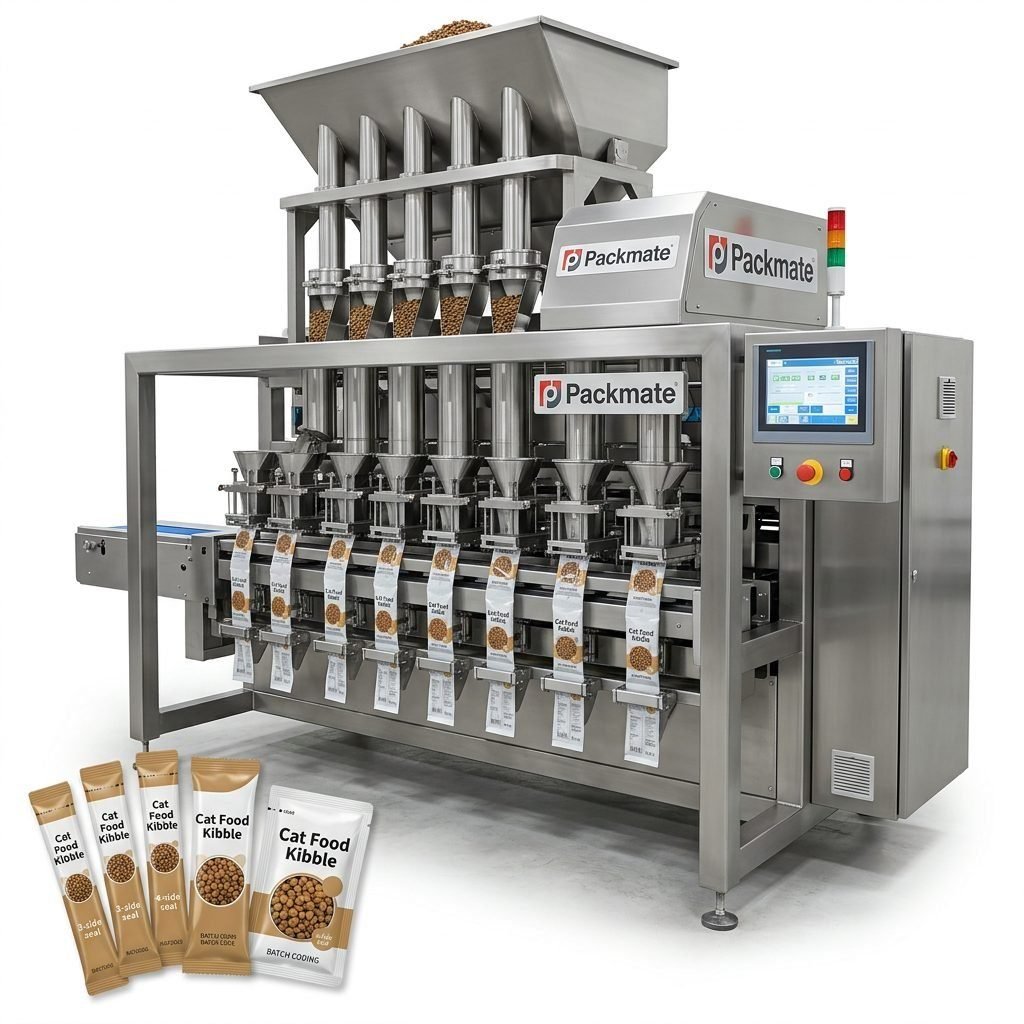
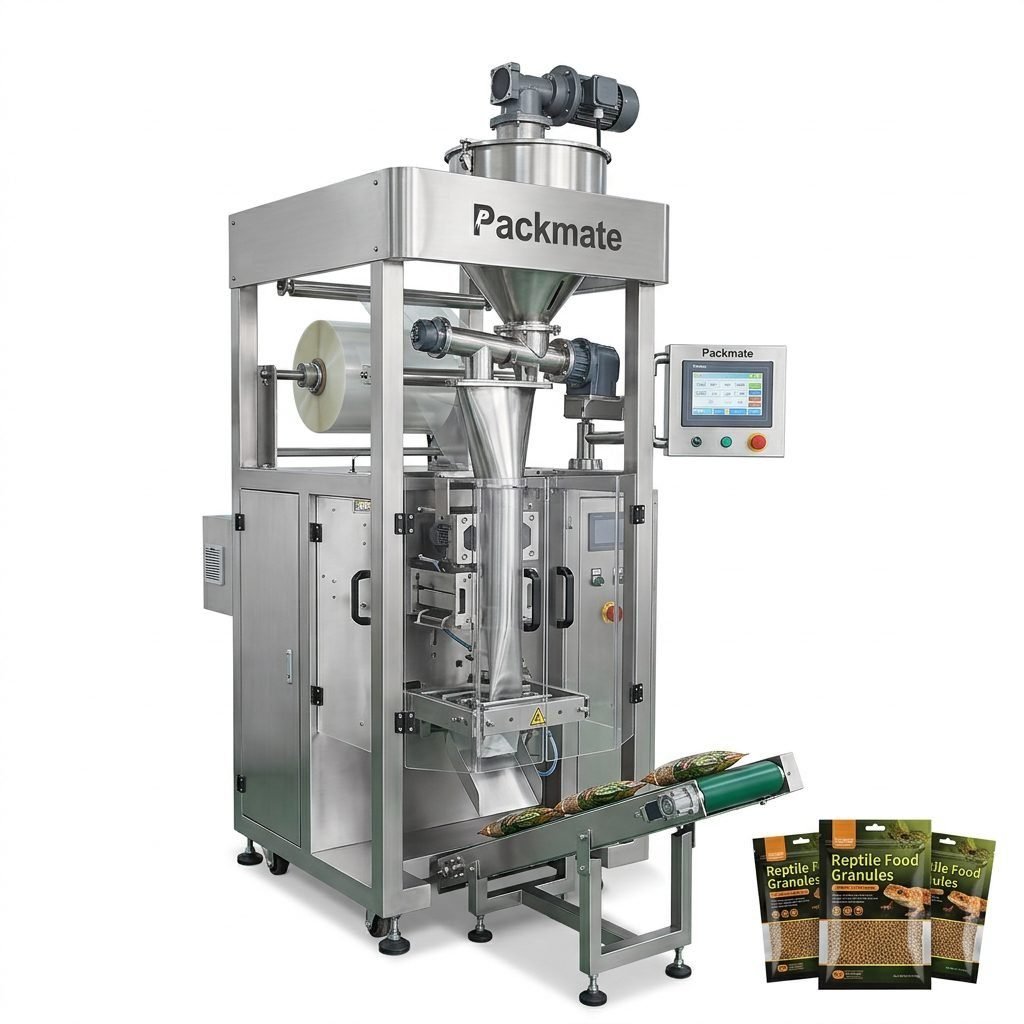
The Vertical Form Fill Seal machine is a versatile workhorse for many food startups. It creates bags from a roll of film, fills them with your product, and seals them—all in one continuous, vertical operation. This type is ideal for snacks, coffee, spices, powdered drinks, and granular products. Its primary advantage for startups is efficiency and material savings, as it uses roll stock which is generally less expensive than pre-made bags. Machines like those in the Bag & Pouch Packaging Machines category offer models with compact footprints perfect for limited space.
Auger Filling & Pouch Packaging Machines
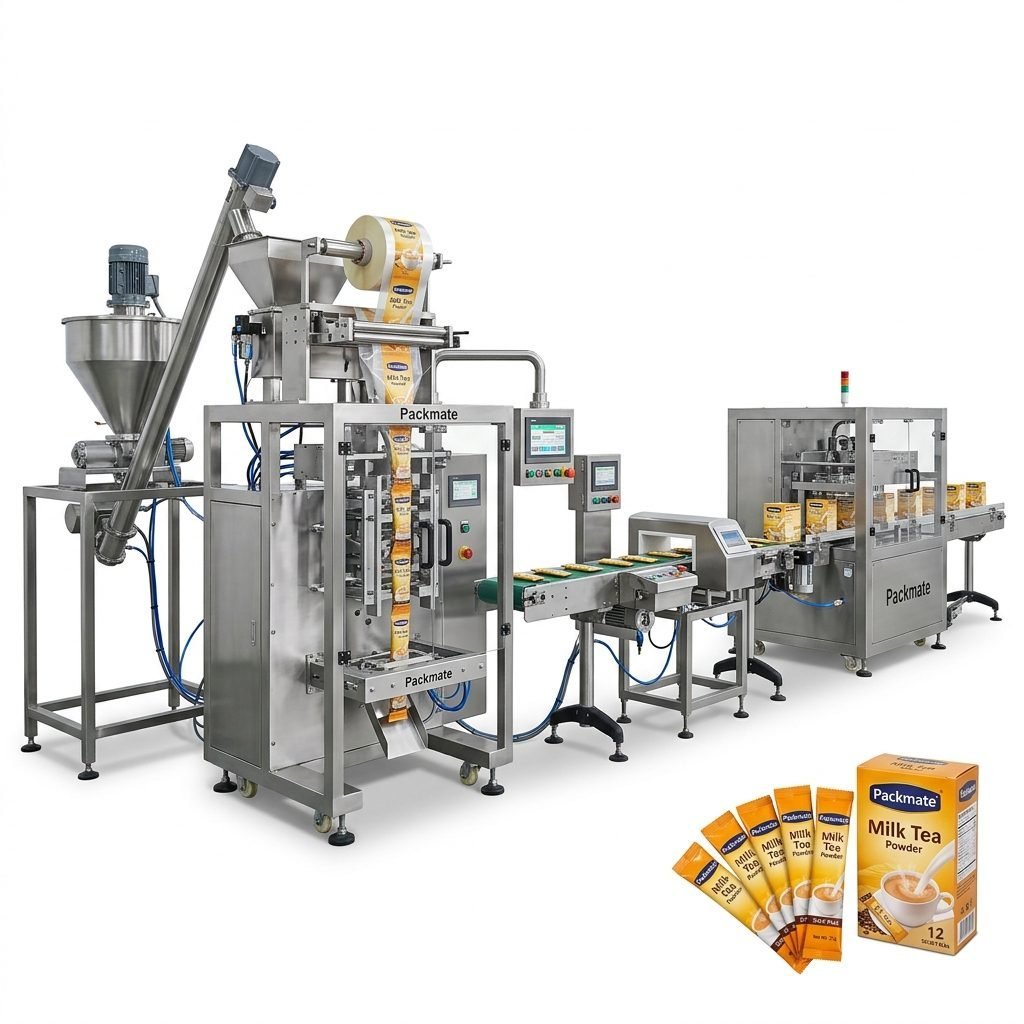
For startups dealing with fine powders, spices, or seasoning blends, an auger filler combined with a pouch machine is an excellent choice. The auger system provides highly accurate filling by volume, which is critical for consistency and cost control. These systems can be integrated with Sachet & Stick Pack Machines to produce small, single-serve packets. This is perfect for creating sample sizes, recipe kits, or portion-controlled products, allowing you to test the market with lower initial product commitments.
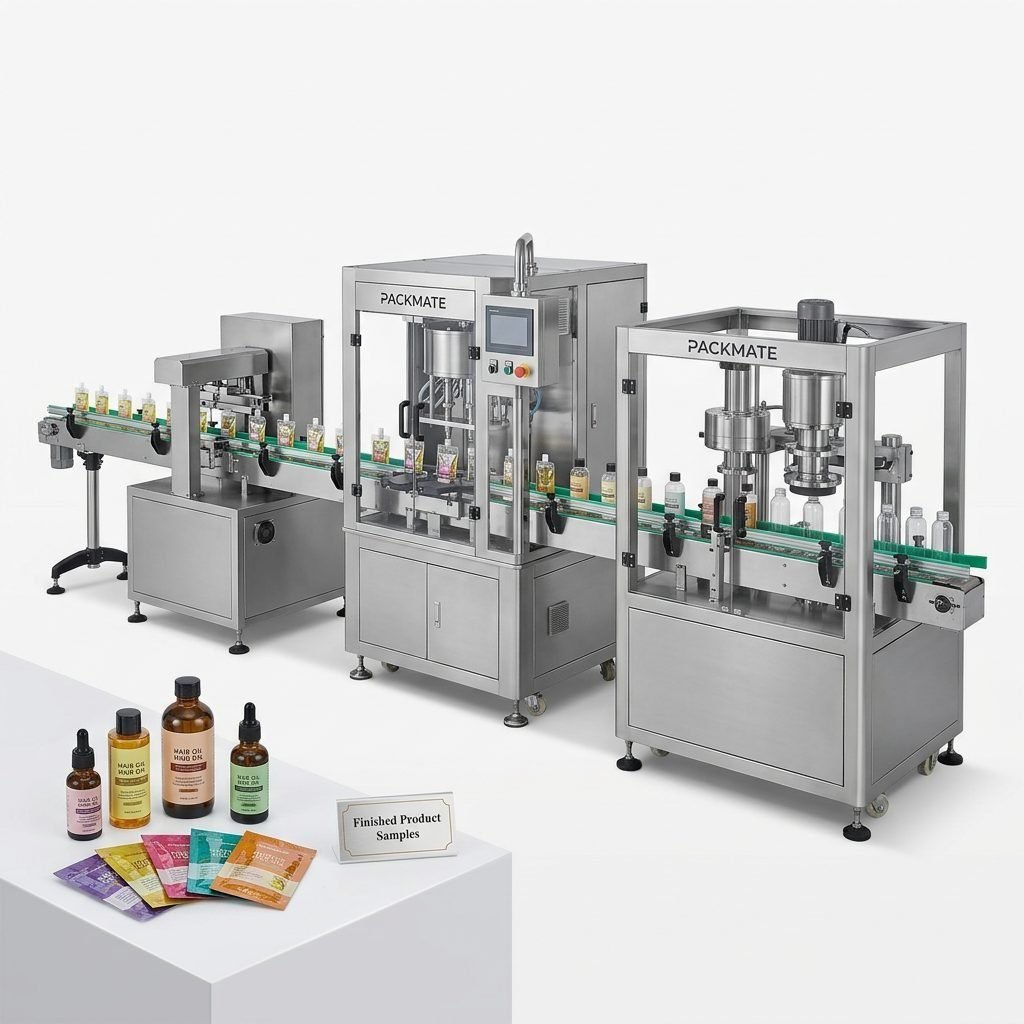
Liquid & Piston Filling Machines
If your startup specializes in sauces, dressings, oils, or honey, a liquid filler is essential. Piston fillers are renowned for their accuracy and gentle handling of viscous products. They can be paired with various capping or sealing systems. For small batches, semi-automatic tabletop models provide a fantastic entry point. They offer precise filling without the high cost of a fully automated line, giving you professional results while you scale. Explore options in the Filling & Packaging Lines section to find a suitable match.
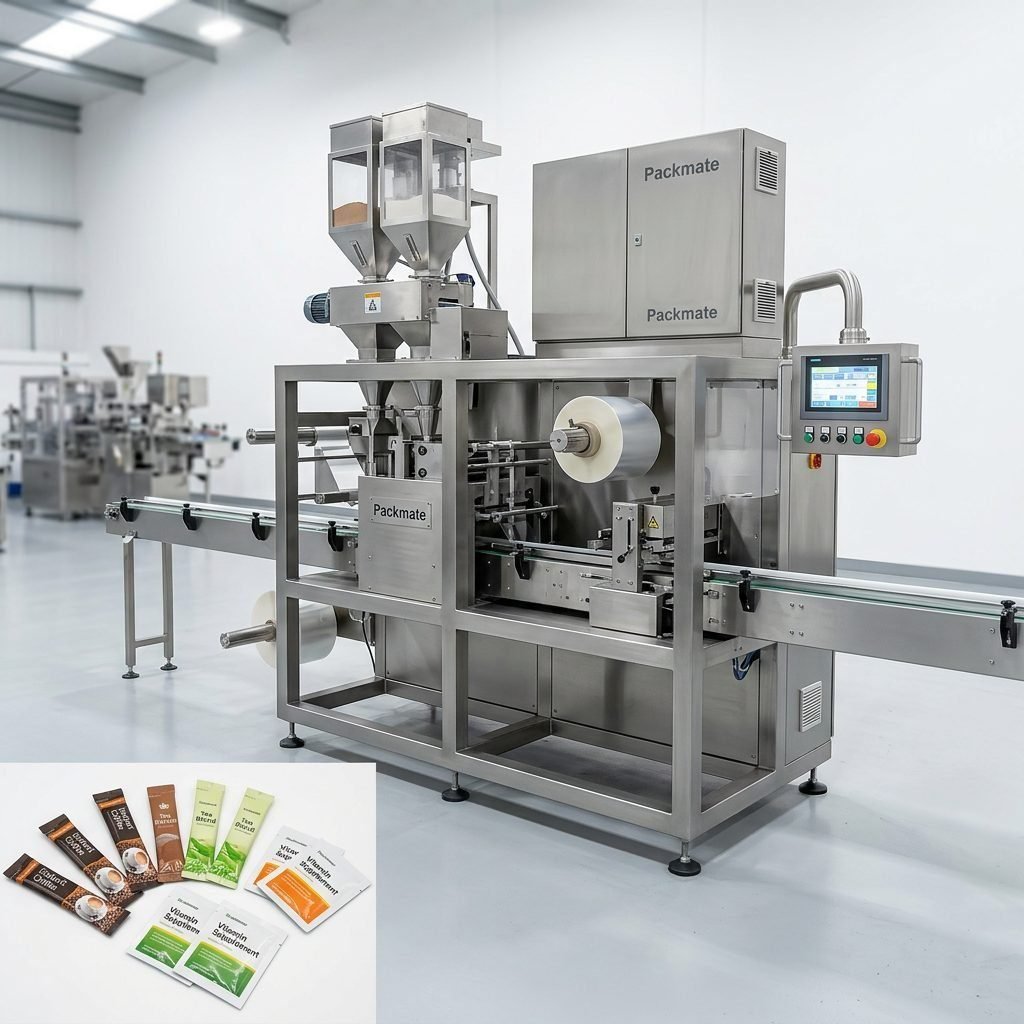
Multi-Lane Stick Pack Machines
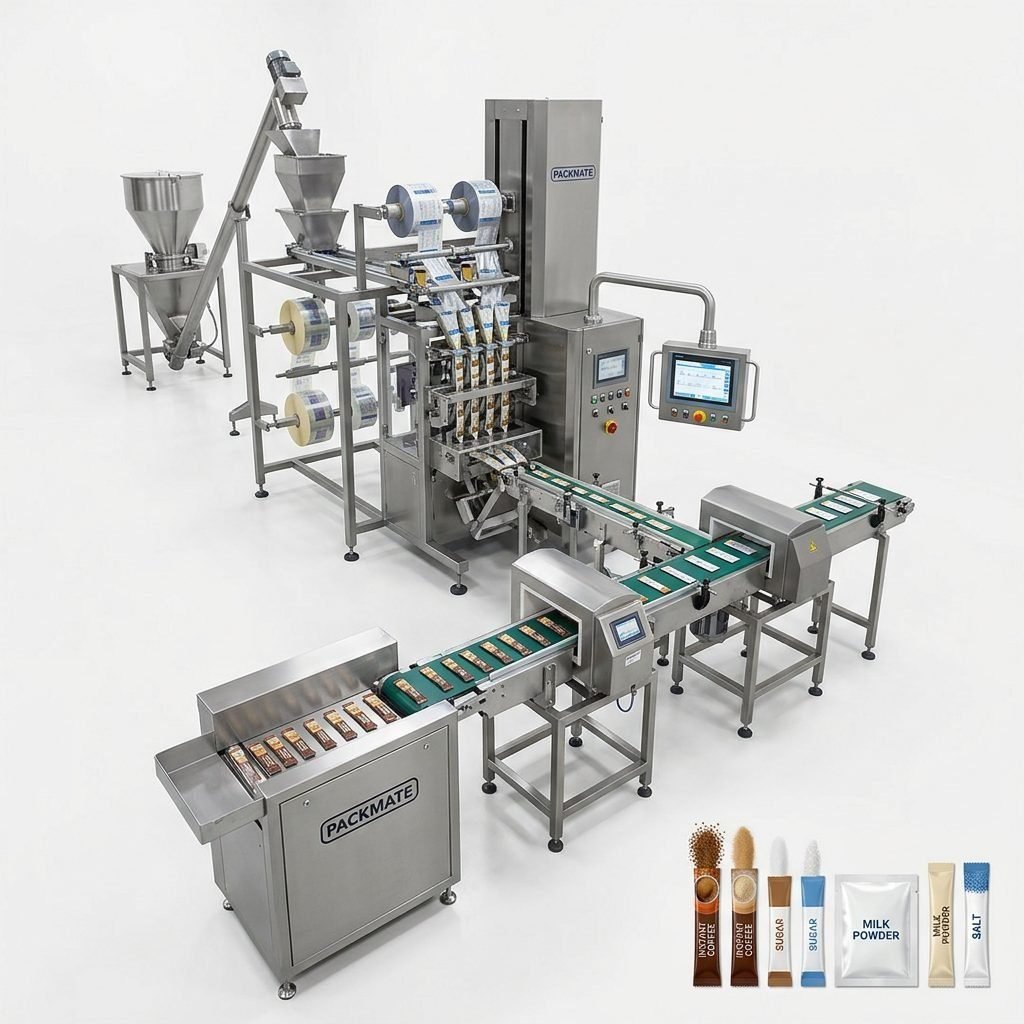
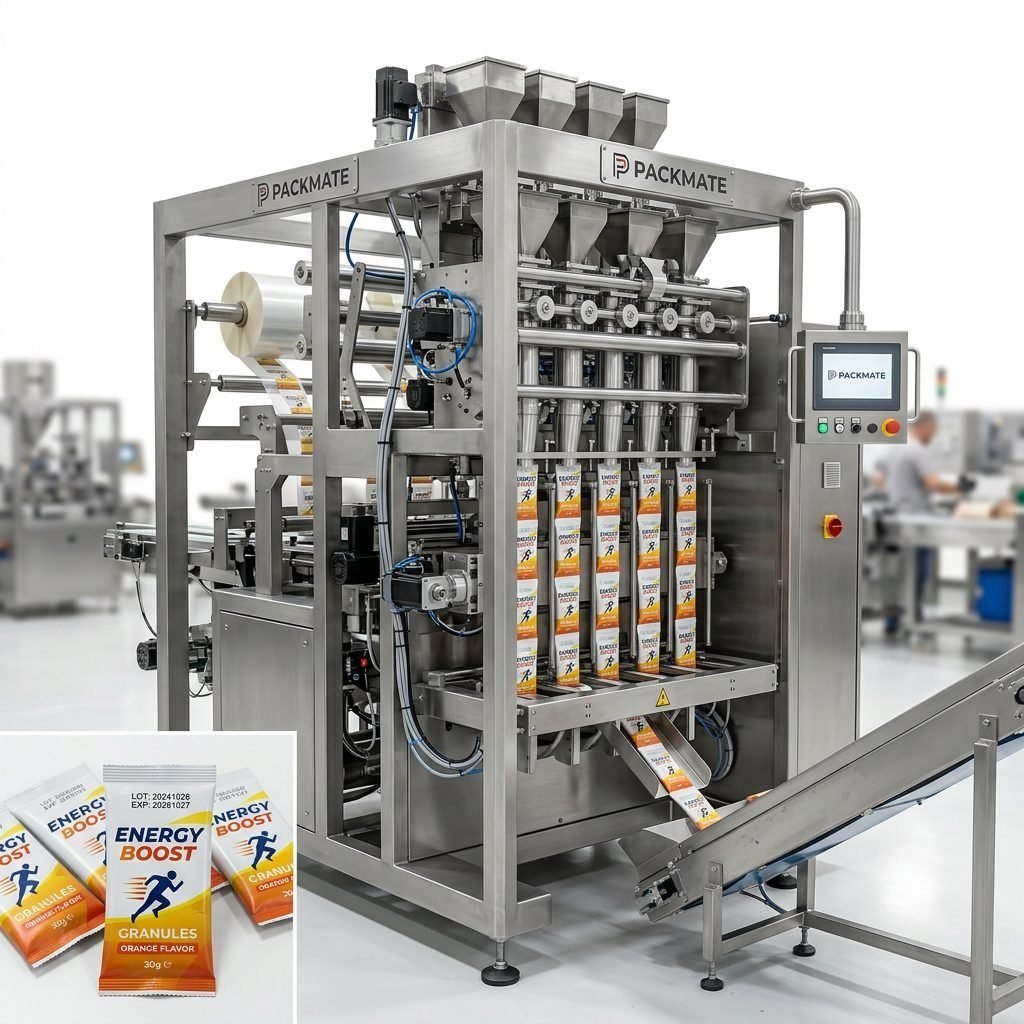
For products like instant coffee, sugar, electrolyte powders, or drink mixes, stick packs are a hugely popular format. Multi-lane machines allow you to produce several sticks simultaneously, significantly boosting output from a relatively small machine. This technology enables a small startup to achieve a production rate that looks and feels like a much larger company. The efficiency gains here can be a major competitive advantage as you grow.
Balancing Budget with Long-Term Value
The initial price tag is important, but it shouldn’t be the only factor. Consider the Total Cost of Ownership (TCO). A slightly more expensive machine from a reputable manufacturer like Packmate Machinery often means better build quality, higher reliability, lower downtime, and accessible technical support. Downtime can cripple a small business. Look for machines known for ease of cleaning, quick changeover between products, and robust construction. These features reduce waste, save labor time, and ensure your investment supports you for years, not just months.
Integration and Future-Proofing Your Operation
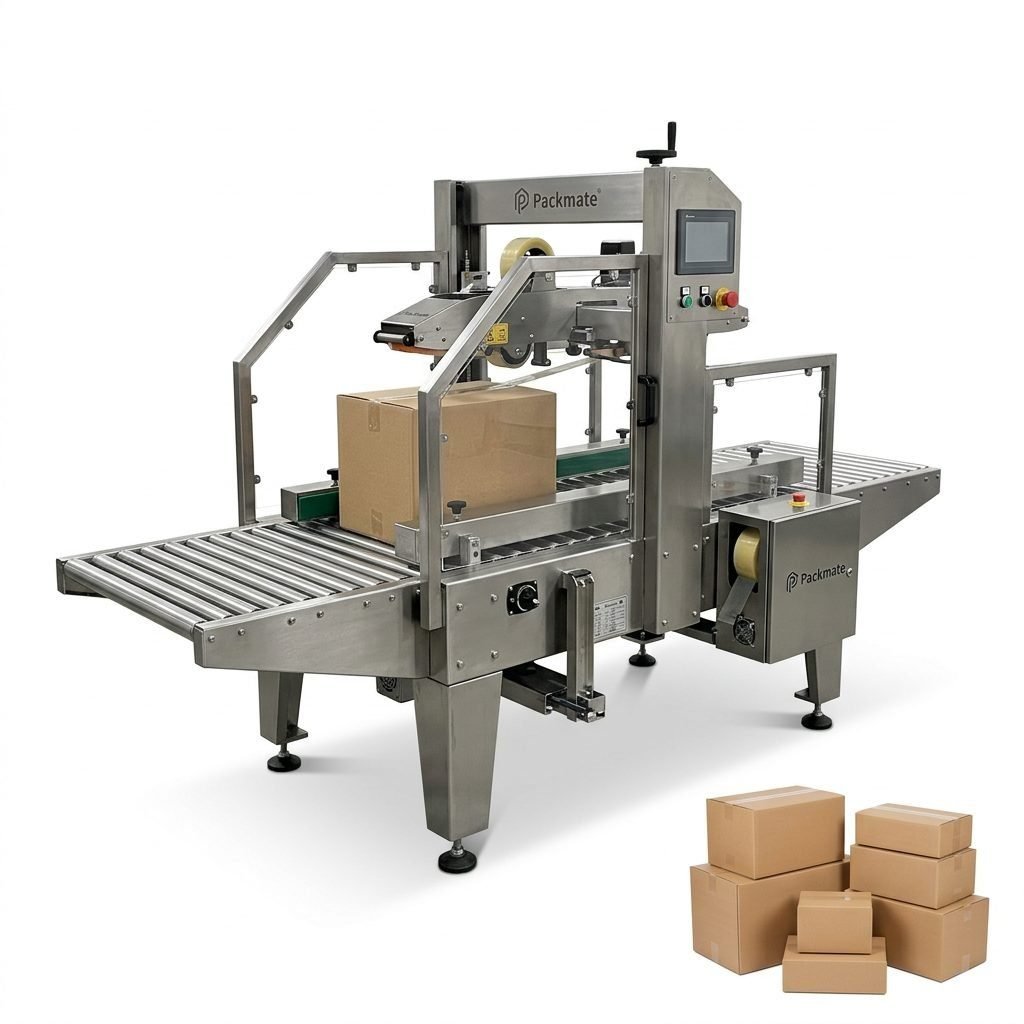
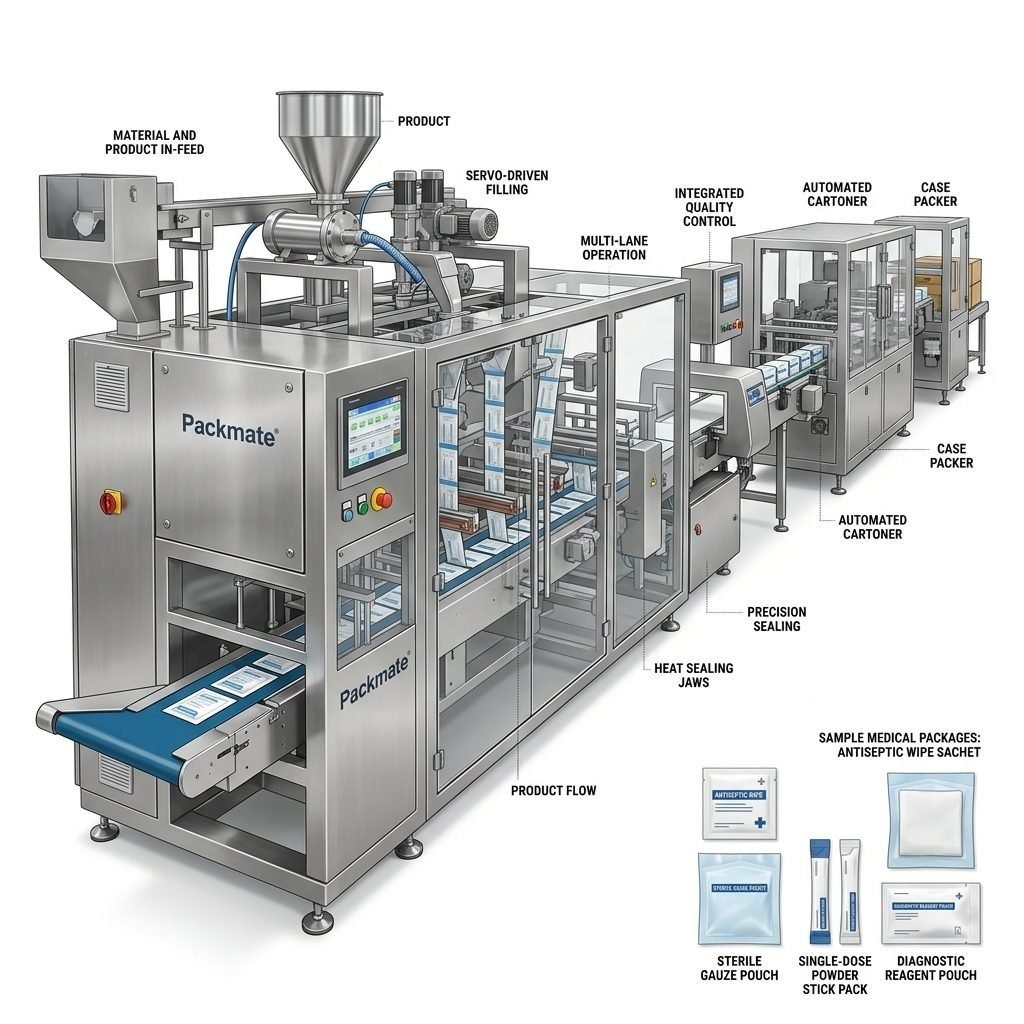
Think about how the machine will fit into your workflow. Will you need a weighing system upstream or a cartoning system downstream? Some suppliers offer modular machines that can be upgraded later. Starting with a core packaging unit and adding auxiliary equipment like conveyors or checkweighers as you expand is a smart, capital-efficient strategy for a startup. This modular approach protects your initial investment.
Making the Final Decision: Partnering with the Right Supplier
Choosing your machine supplier is as important as choosing the machine itself. A good supplier acts as a consultant. They should take the time to understand your product, process, and goals. Review their case studies to see examples of solutions they’ve provided for similar businesses. Check for comprehensive after-sales service, availability of spare parts, and training offerings. A partner with a strong track record, like a company with over 30 years of expertise in intelligent packaging, provides not just a machine but peace of mind and a foundation for growth.
Ultimately, the best food packaging machine for your startup is the one that reliably brings your vision to life, fits within your operational constraints, and grows with your ambition. It’s an investment in your brand’s quality, efficiency, and professional image. By carefully evaluating your needs and partnering with an experienced equipment provider, you can set your food business on a path to efficient, scalable, and successful production from day one.
Frequently Asked Questions (FAQs)
Q1: What is the typical price range for a packaging machine suitable for a small startup?
A: Entry-level, semi-automatic machines can start from a few thousand dollars, while more advanced, fully-automatic systems may range from $20,000 to $50,000 or more. The cost varies widely based on machine type, automation level, speed, and special features. It’s best to get specific quotes based on your product requirements.
Q2: How difficult is it to operate and maintain these machines?
A: Modern machines designed for small businesses prioritize user-friendliness. Many feature touch-screen interfaces and simple mechanical adjustments. Reputable suppliers provide thorough installation and operational training. Routine maintenance (cleaning, lubrication) is generally straightforward, and having a reliable supplier for technical support is key for more complex issues.
Q3: Can one machine handle different types of food products or package sizes?
A> Many machines offer excellent flexibility. Look for models with “quick changeover” capabilities, which allow you to switch between different product types or package sizes (e.g., from 50g to 200g bags) in 15-30 minutes by changing parts like the forming tube, auger, or sealing jaws. This is a vital feature for startups testing multiple products.
Q4: How do I know what packaging materials (films) to use with my machine?
A: Your machine supplier is the best source for this information. They can recommend film types (laminate structures like PET/PE, MET-PET/PE) based on your product’s needs for barrier properties (oxygen, moisture), sealability, and machinability. They often have partnerships with material suppliers and can guide you to reliable sources.
Q5: What kind of after-sales support should I expect?
A: Comprehensive support should include installation supervision (on-site or remote), operator training, a detailed manual, a warranty period (typically 12 months), readily available spare parts, and access to technical support via phone, email, or remote diagnostics. Always clarify the support terms before purchase.