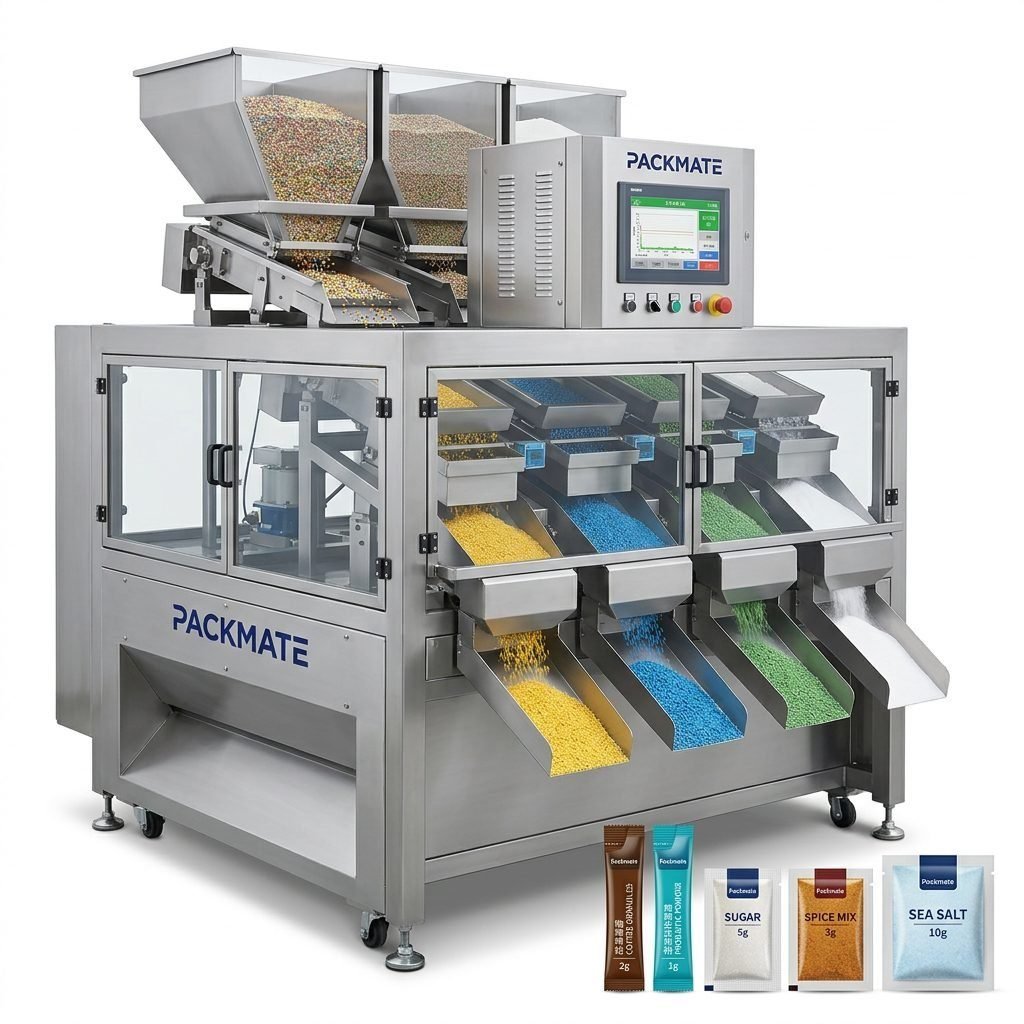
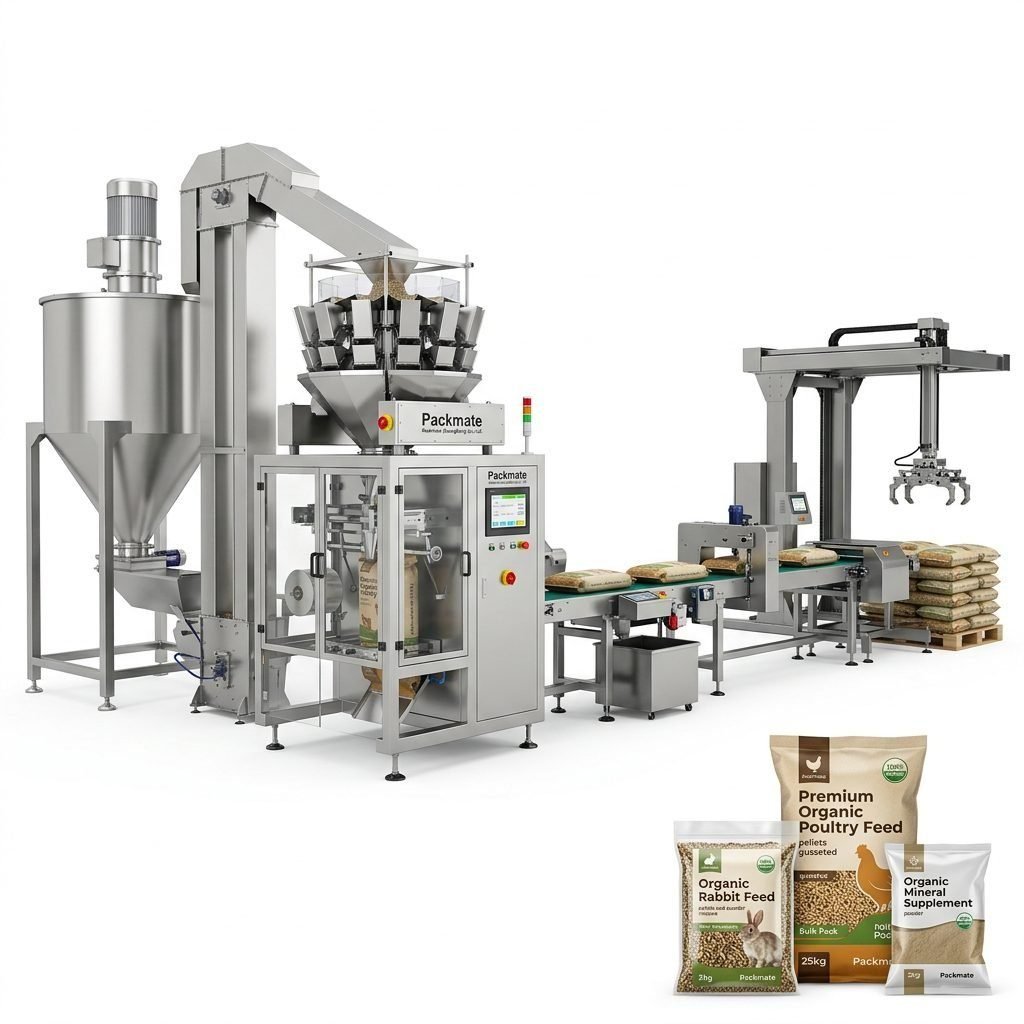
In the competitive world of food production, ensuring product freshness, extending shelf life, and maintaining hygiene are paramount. A food sealing packaging machine is a critical investment that directly impacts these factors. Choosing the right equipment can streamline your operations, reduce waste, and enhance your brand’s reputation for quality. This guide will walk you through the various types of sealing machines available and provide essential buying tips to help you make an informed decision for your business.
Understanding Food Sealing Packaging Machines
At its core, a food sealing packaging machine uses heat, pressure, or ultrasonic technology to create a hermetic seal on a package. This seal acts as a barrier against air, moisture, and contaminants, which is essential for preserving flavor, texture, and nutritional value. The technology has evolved significantly from simple manual sealers to fully automated, intelligent lines that integrate weighing, filling, and sealing in one seamless process.
The primary goal is to create a secure, tamper-evident, and often resealable closure that protects the product from farm to fork. Modern machines offer precise control over sealing parameters, ensuring consistency and reliability for high-volume production.
Key Benefits of Automated Sealing
Investing in a proper sealing system offers numerous advantages beyond just closing a bag. Increased shelf life is the most significant, directly reducing spoilage and financial loss. Automated machines provide consistent seal quality, eliminating human error and ensuring every package meets your standards. They also dramatically boost production efficiency, allowing you to scale operations to meet market demand. Furthermore, a professional, airtight seal enhances product presentation and consumer trust, making your items stand out on retail shelves.
A Guide to Common Types of Sealing Machines
The right machine for your operation depends on your product type, packaging material, and production volume. Here’s a breakdown of the main categories.
1. Impulse Sealers
Ideal for small businesses, startups, or low-volume applications, impulse sealers use a brief burst of electricity to heat a metal wire (the sealing bar) and melt the plastic film together. They are cost-effective, portable, and best suited for poly bags and laminates. However, they require a cooling period after each seal, which limits speed.
2. Continuous Band Sealers
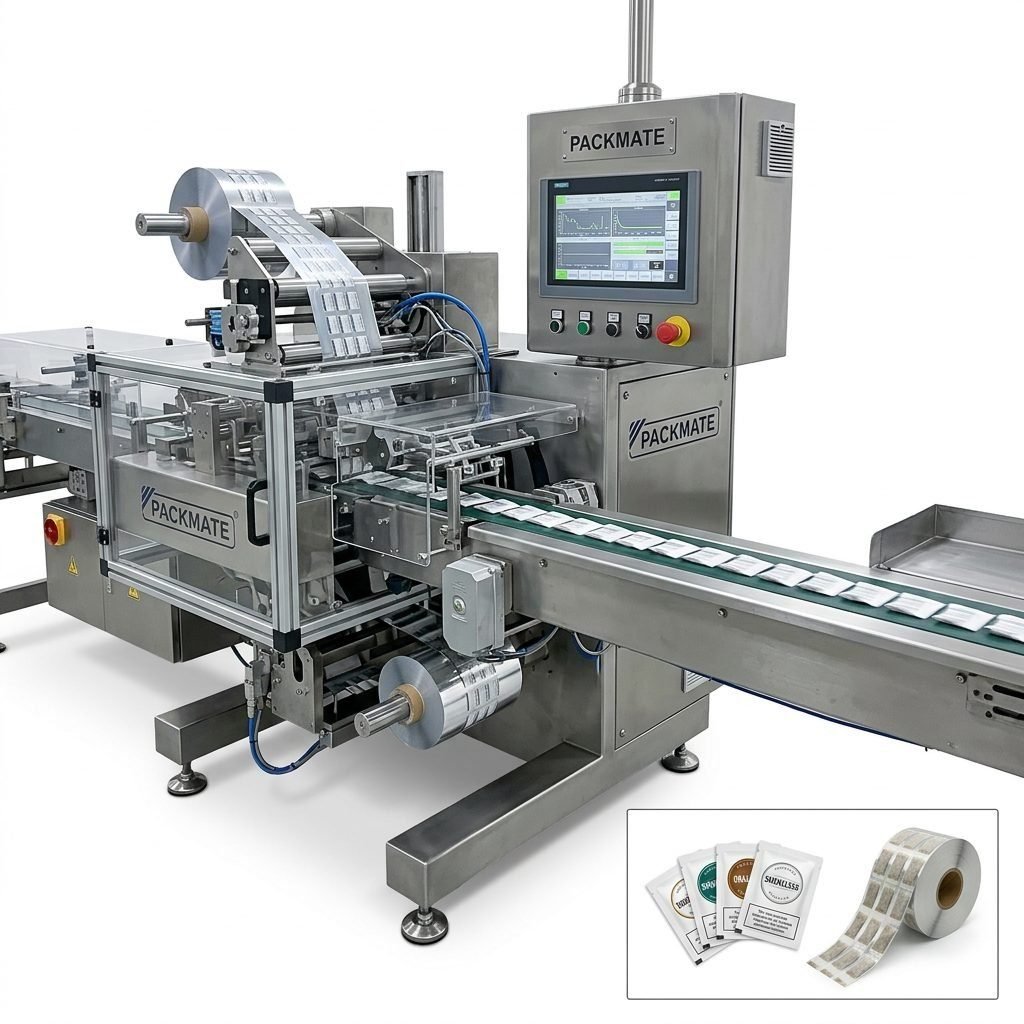
For medium to high-volume production, continuous band sealers are the workhorse. They feature two moving belts (bands) that continuously transport the bag through heated sealing and cooling sections. This allows for non-stop operation, making them perfect for sealing a variety of bag types and sizes on a conveyor line. They are a staple in many food packaging facilities.
3. Vacuum Sealers
Vacuum sealers remove air from the package before sealing, creating a tight, shrink-wrapped appearance that is excellent for preventing freezer burn and oxidation. They are essential for meats, cheeses, prepared meals, and coffee. Models range from chamber vacuum sealers for liquid-rich products to external nozzle sealers for dry goods.
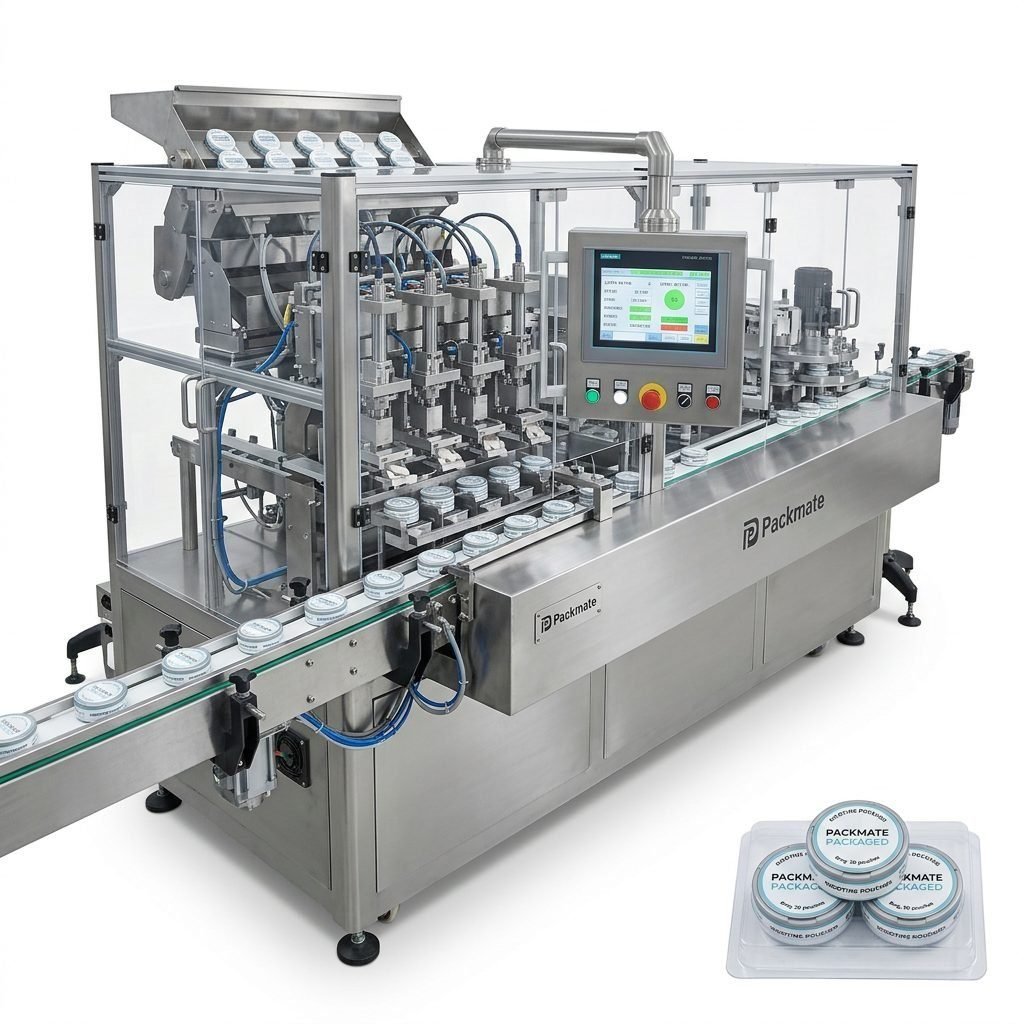
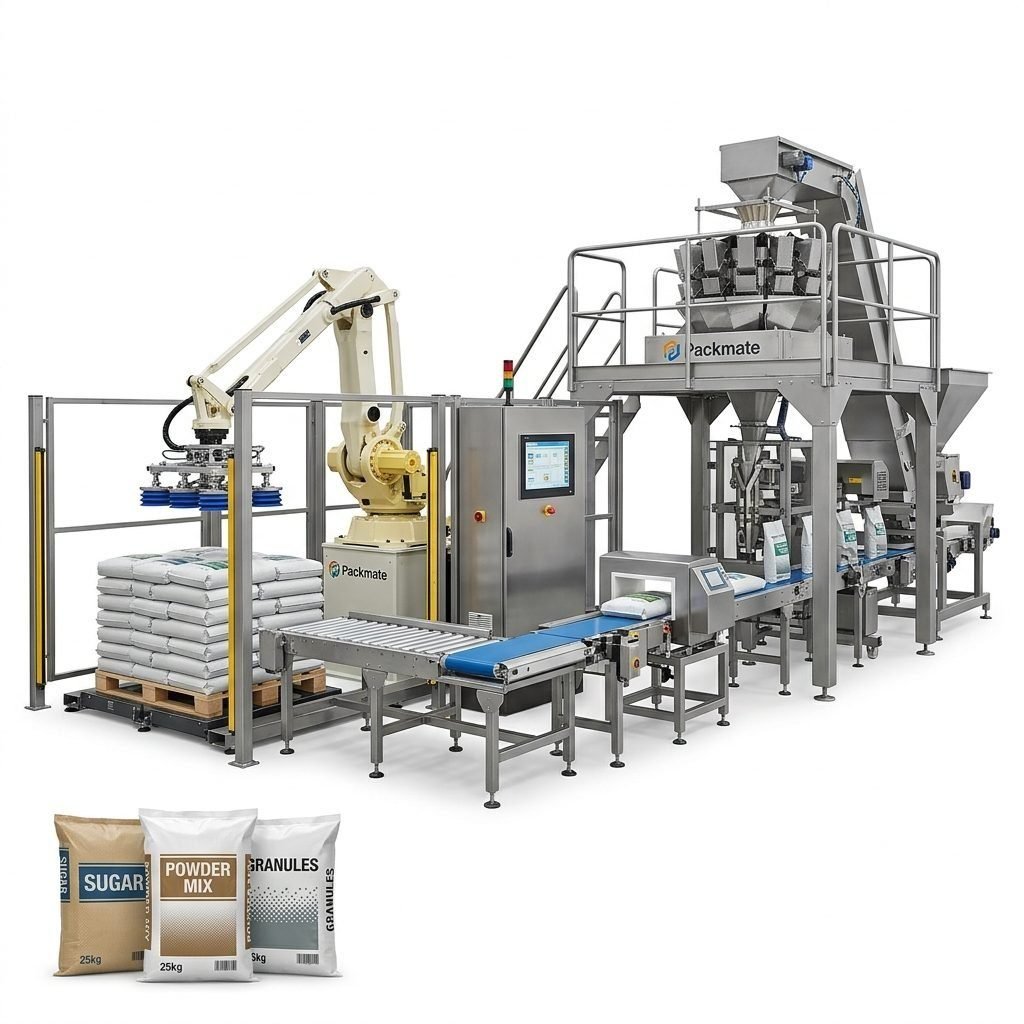
For businesses looking to integrate vacuum sealing into a larger system, exploring complete filling and packaging lines can provide a more efficient, turnkey solution.
4. Induction Sealers
This technology is used primarily for creating tamper-evident seals on containers like bottles and jars. An induction sealer uses an electromagnetic field to heat a foil liner inside the container’s cap, bonding it to the rim. The container itself is not heated, making it safe for heat-sensitive products. It provides a critical layer of security and leak prevention.
5. Form-Fill-Seal (FFS) Machines
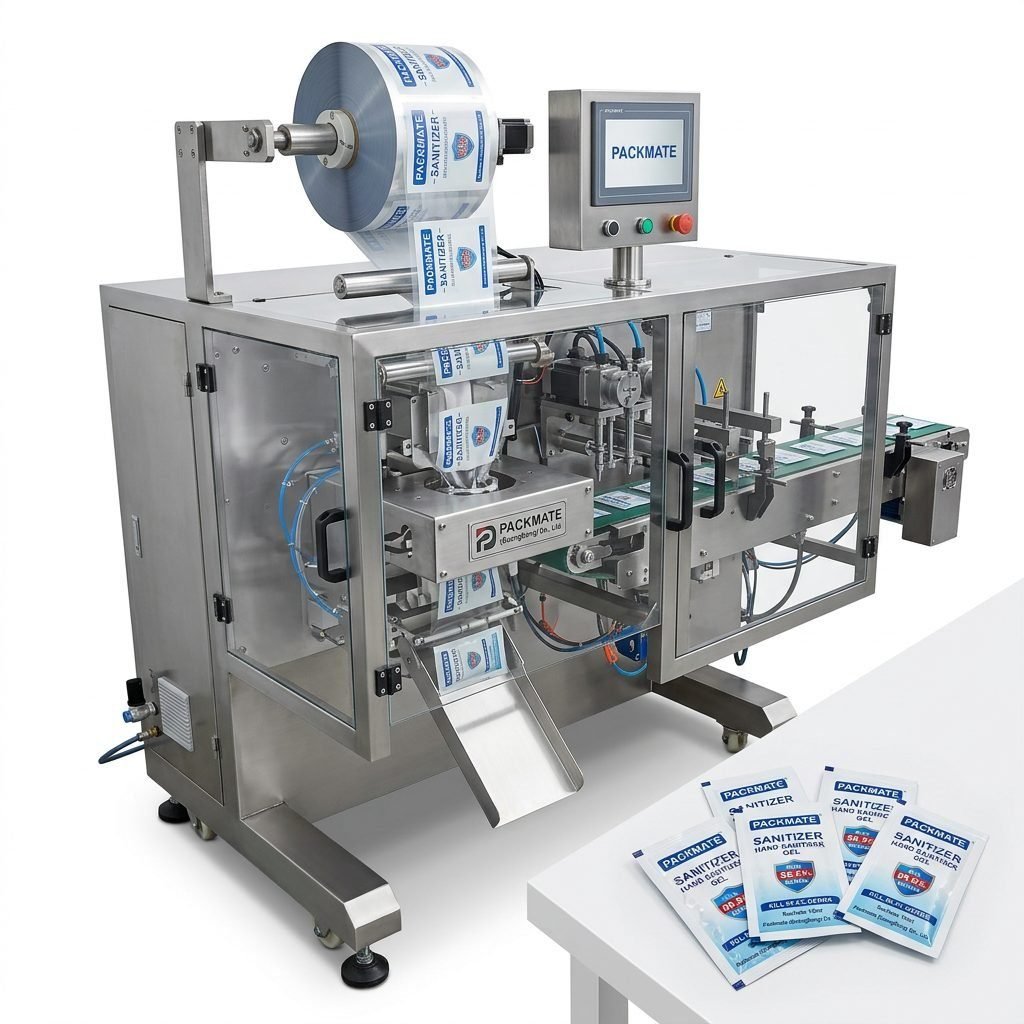
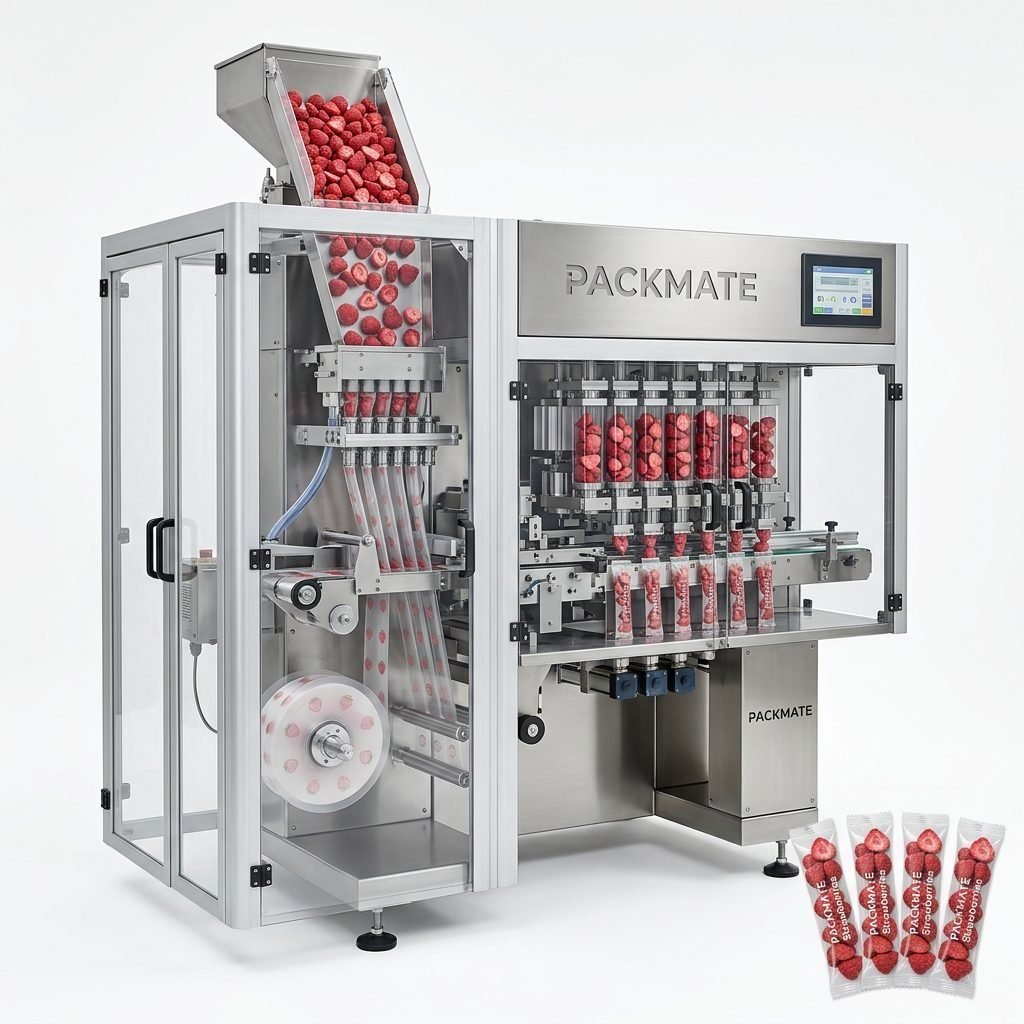
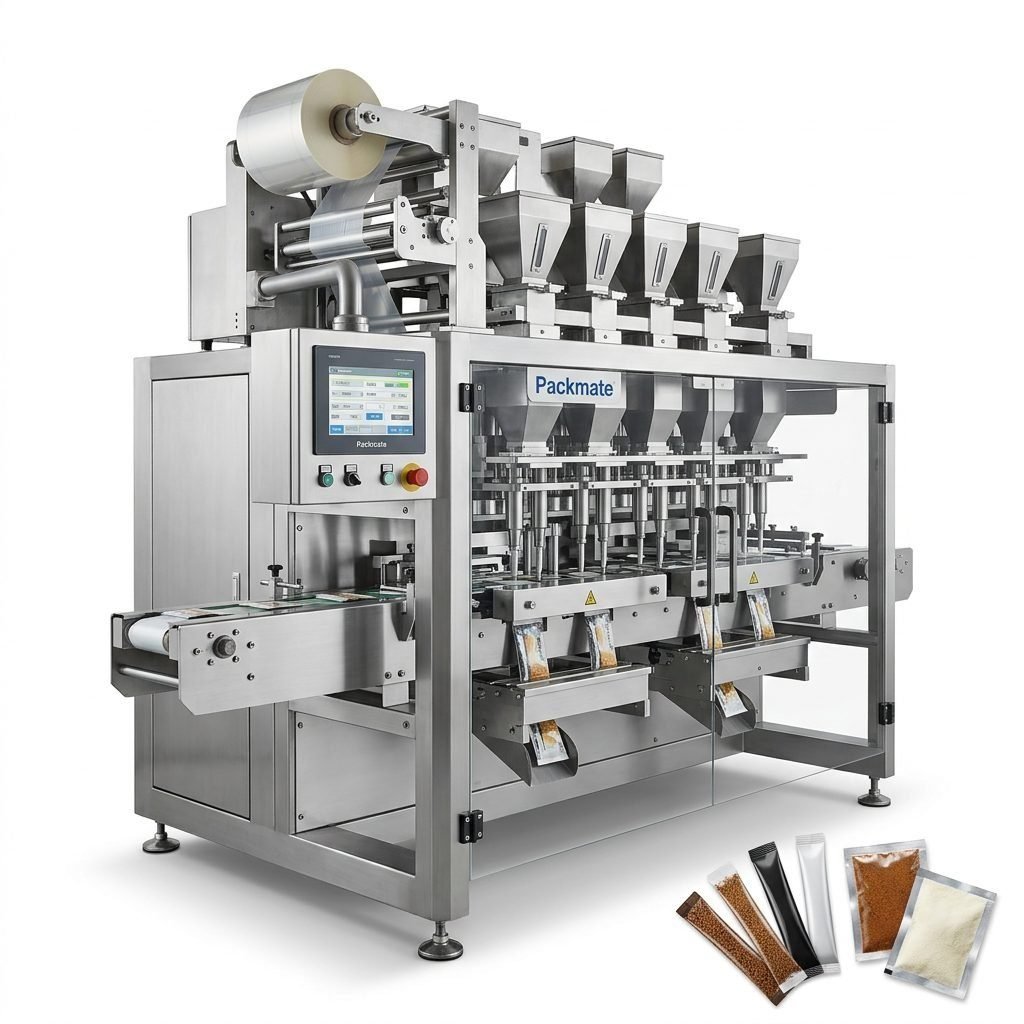
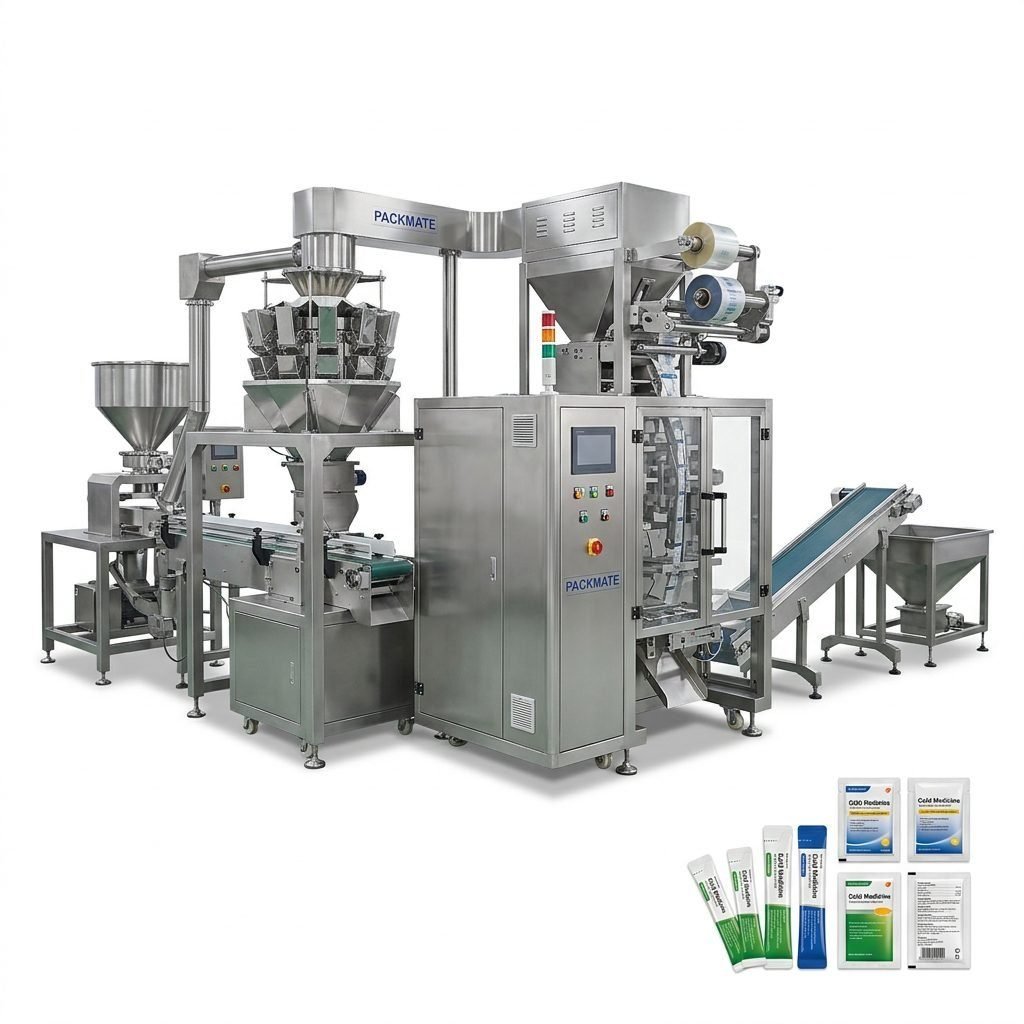
FFS machines represent the pinnacle of automated packaging. They form the package from a roll of film, fill it with the product, and then seal it—all in one integrated machine. This is highly efficient and reduces material handling. They are commonly used for creating sachets and stick packs for powders, granules, and liquids, as well as larger pouches.
Essential Buying Tips for Your Sealing Machine
Selecting a machine is a significant decision. Keep these key factors in mind to ensure a perfect match for your needs.
1. Analyze Your Product and Packaging
Start with the basics: what are you sealing? Define your product’s form (solid, powder, liquid), its sensitivity to heat or air, and its portion size. Next, determine your packaging material—whether it’s polyethylene, polypropylene, laminated foil, or biodegradable films. The machine must be compatible with your chosen material to create a strong, reliable seal.
2. Evaluate Your Production Volume and Speed
Your required output dictates the machine’s capability. Calculate your current and projected daily/weekly production needs. A small impulse sealer might manage a few hundred bags per day, while a multi-lane stick pack machine can produce tens of thousands. Ensure the machine’s cycles-per-minute (CPM) rating aligns with your targets to avoid bottlenecks.
3. Prioritize Reliability and Ease of Use
Downtime is costly. Look for machines built with durable, food-grade materials like stainless steel for critical parts. A user-friendly control panel with intuitive settings reduces training time and operator error. Consider features like quick-change parts for different bag sizes to minimize switchover time.
A reputable manufacturer with a strong track record is crucial. Companies with deep industry experience, like Packmate Machinery, which has over 30 years in intelligent packaging, often provide more reliable machines and comprehensive support.
4. Consider Integration and Future Growth
Think beyond the standalone sealer. Will it need to connect to existing weighing systems, fillers, or conveyors? Choose a machine that offers integration flexibility. Furthermore, select a supplier that can scale with you, offering a range of equipment from auxiliary units to full lines, so you can expand your capacity without changing partners.
5. Understand Total Cost of Ownership
The purchase price is just one part of the cost. Factor in long-term expenses like energy consumption, routine maintenance, spare part availability, and the cost of consumables (e.g., sealing wires, Teflon bands). A slightly more expensive machine with higher efficiency and lower maintenance can offer a better return on investment over its lifespan.
Frequently Asked Questions (FAQs)
What type of sealing machine is best for liquid or saucy food products?
For products with liquids or high moisture content, a chamber vacuum sealer is often the best choice. It removes air from a sealed chamber containing the product, preventing liquid from being sucked out during the vacuum process. For certain applications, vertical form-fill-seal machines with specially designed nozzles can also effectively handle liquids.
Can one machine handle different bag sizes and materials?
Many modern machines are designed with flexibility in mind. Look for models with adjustable sealing jaws, programmable settings, and quick-change tooling. However, switching between vastly different materials (e.g., from a thin polyethylene to a thick laminated foil) may require adjusting temperature, pressure, and dwell time, and sometimes changing the sealing strip itself.
How important is after-sales service and technical support?
Extremely important. Even the most reliable machine may require maintenance or troubleshooting. Ensure your supplier offers accessible technical support, readily available spare parts, and detailed documentation (manuals, videos). A strong service network can minimize downtime and protect your production schedule.
What are the key safety features to look for?
Essential safety features include thermal overload protection to prevent overheating, emergency stop buttons in easily accessible locations, proper guarding on moving parts and heating elements, and compliance with relevant electrical and machinery safety standards for your region.
Is it worth investing in a fully automated line versus a standalone sealer?
This depends entirely on your scale and goals. A standalone sealer is sufficient for lower volumes or manual filling processes. A fully automated form-fill-seal line becomes cost-effective at higher production volumes, as it dramatically reduces labor costs, improves speed and consistency, and minimizes product handling, leading to better hygiene and efficiency.