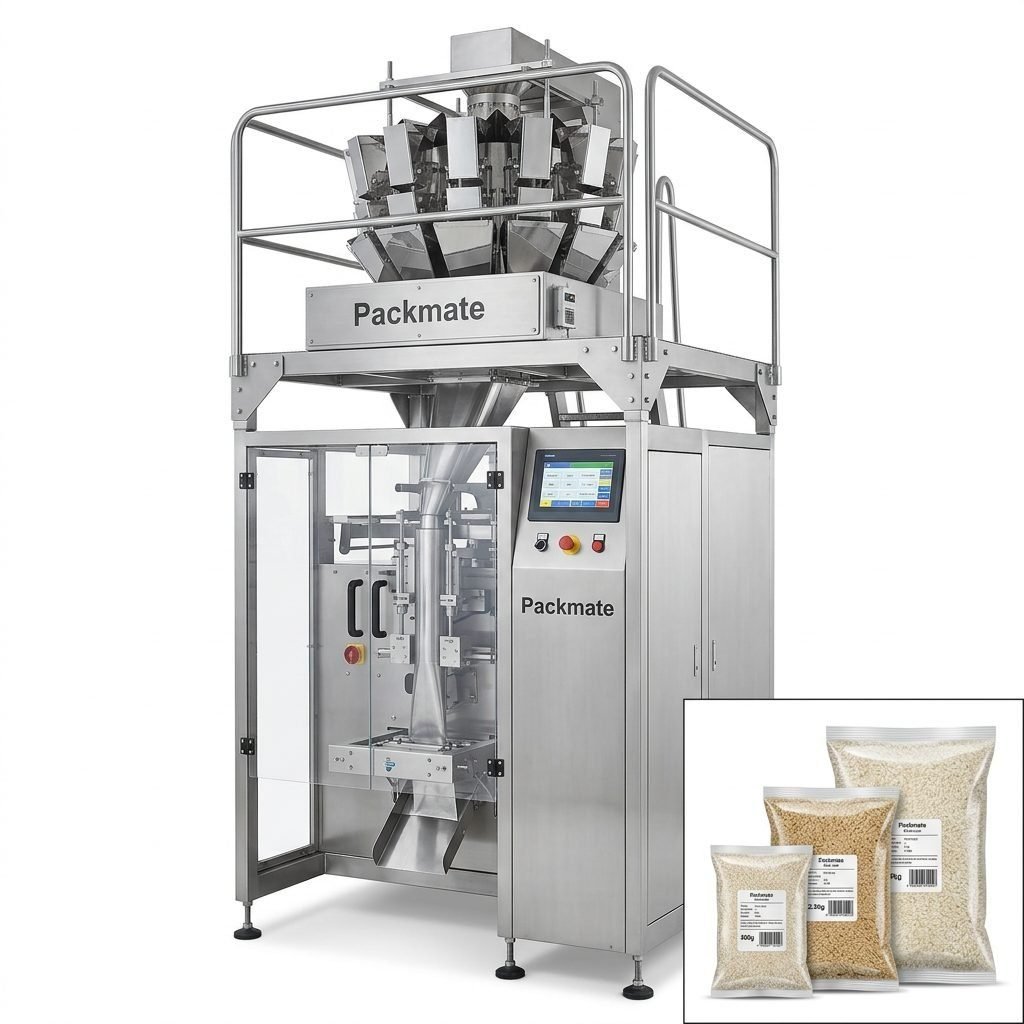
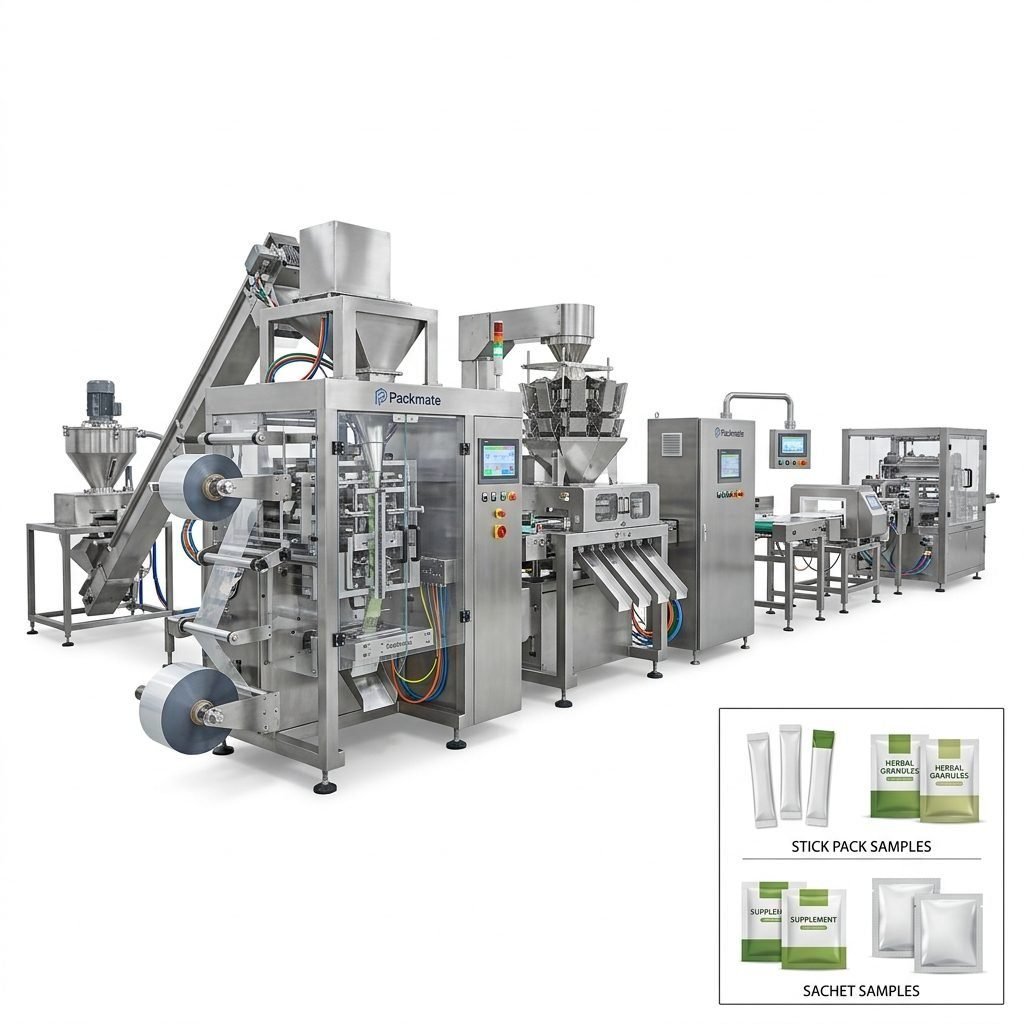
In the fast-paced world of food packaging, efficiency, hygiene, and product presentation are paramount. Food tray skin packaging machines have emerged as a sophisticated solution that addresses these core needs. This packaging method involves tightly sealing a product placed on a rigid tray with a thin film of plastic, which is heated and vacuum-drawn to conform precisely to the product’s shape. The result is a secure, tamper-evident, and visually appealing package that extends shelf life and enhances brand perception on retail shelves.
The Core Mechanics: How Skin Packaging Works
The process, while appearing seamless, involves a precise sequence of mechanical and thermal operations. Understanding each step reveals the engineering behind this effective packaging method.
Step 1: Loading the Tray and Product
The process begins with a pre-formed tray, typically made from PET, PP, or APET, being automatically or manually loaded onto the machine’s bed. The food product—be it fresh cuts of meat, poultry, seafood, cheese, or prepared meals—is then placed securely within this tray cavity.
Step 2: Film Unwinding and Heating
A roll of multi-layer barrier film is mounted above the packaging area. This film is critical; it often consists of layers that provide oxygen and moisture barriers. A section of this film is drawn over the product and tray. A heating element, often an oven or a ceramic heater, then uniformly softens the film until it reaches a precise, pliable state. The temperature control here is crucial for consistent results.
Step 3: Vacuum Forming and Sealing
This is the defining stage. Once heated, a vacuum pump activates, pulling air from the space between the film and the tray. This atmospheric pressure differential forces the softened film to drape tightly over the product and down the sides of the tray, molding itself to every contour. Simultaneously, the heat causes the underside of the film to bond securely to the flange of the tray, creating a hermetic seal. This dual action of forming and sealing happens in a matter of seconds.
Step 4: Cooling and Cutting
After sealing, the packaged product moves to a cooling station. Here, the film solidifies, locking in the skin-tight fit. Finally, a cutting die or a trim press descends to separate the individual package from the surrounding film web, resulting in a neat, finished product ready for labeling and boxing.
Key Components of a Skin Packaging Machine:
- Heating System: Ensures even, controlled film softening.
- Vacuum System: The core mechanism for achieving the tight “skin” effect.
- Sealing Platen: Applies pressure and heat to bond film to tray.
- Cutting Mechanism: For precision trimming of the final package.
- PLC Control Panel: The brain of the operation, allowing for programmable settings for different products and films.
Significant Benefits for Food Producers and Retailers
Adopting skin packaging technology offers a compelling array of advantages that translate directly to operational efficiency, product quality, and market success.
Enhanced Product Protection and Extended Shelf Life
The vacuum-sealing process removes most of the air from the package, significantly slowing down oxidative spoilage and the growth of aerobic bacteria. When combined with high-barrier films, this creates a modified atmosphere that can extend the shelf life of fresh products by 50% to 100% compared to traditional overwrap packaging. This reduction in waste is a major benefit for both retailers and consumers.
Superior Product Presentation and Visibility
Skin packaging is renowned for its “second skin” effect. The film clings tightly to the product, eliminating loose packaging that can obscure the view. This maximizes product visibility, enhances color appeal, and creates a premium, high-quality impression that can justify a higher price point. The tight fit also prevents product movement and purge (leakage) from being absorbed into absorbent pads, keeping the presentation clean.
Improved Operational Efficiency
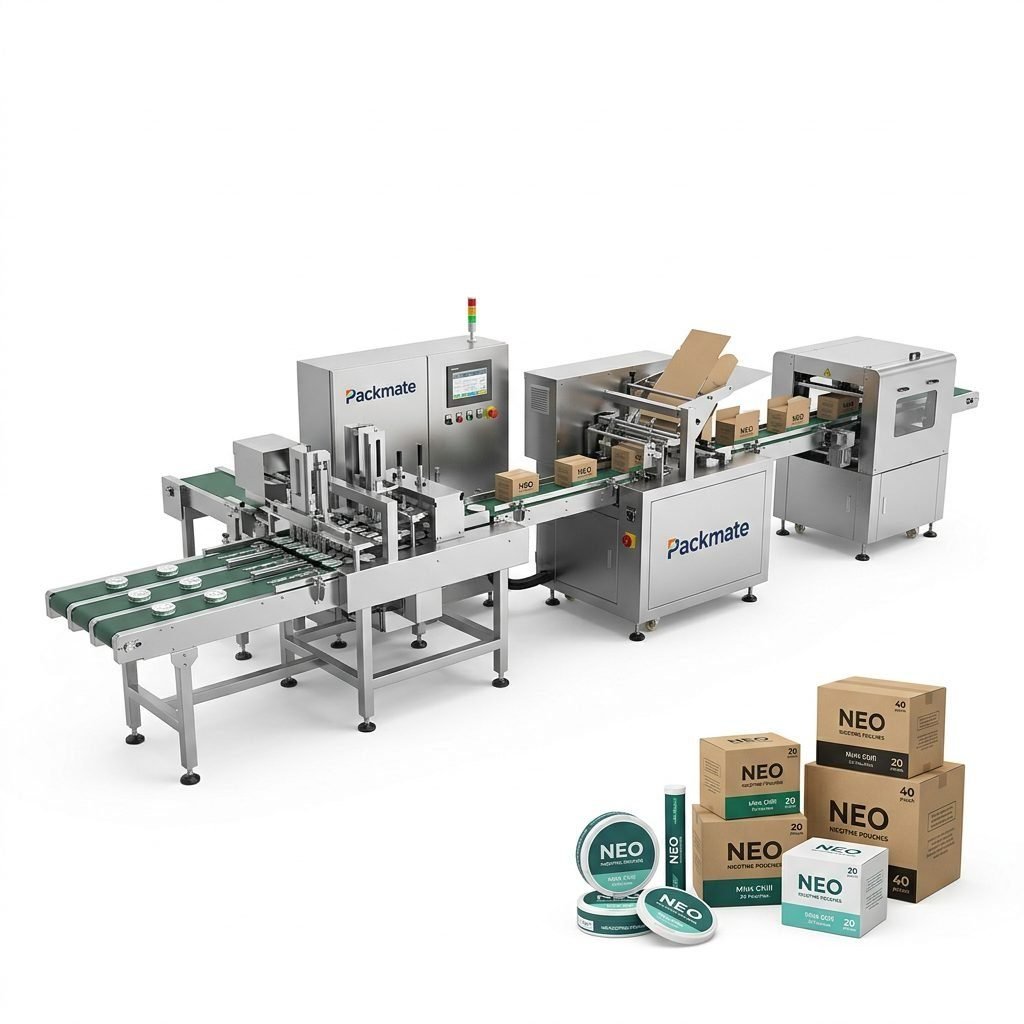
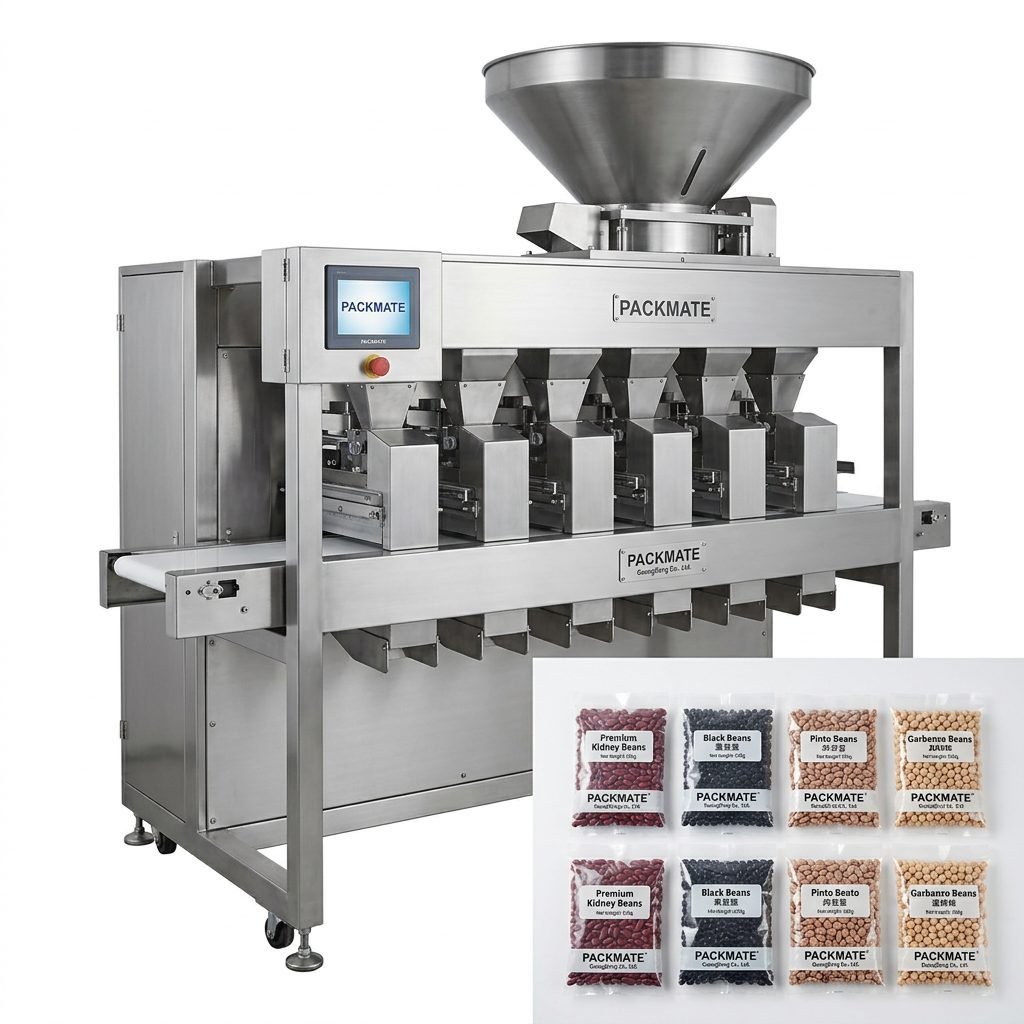
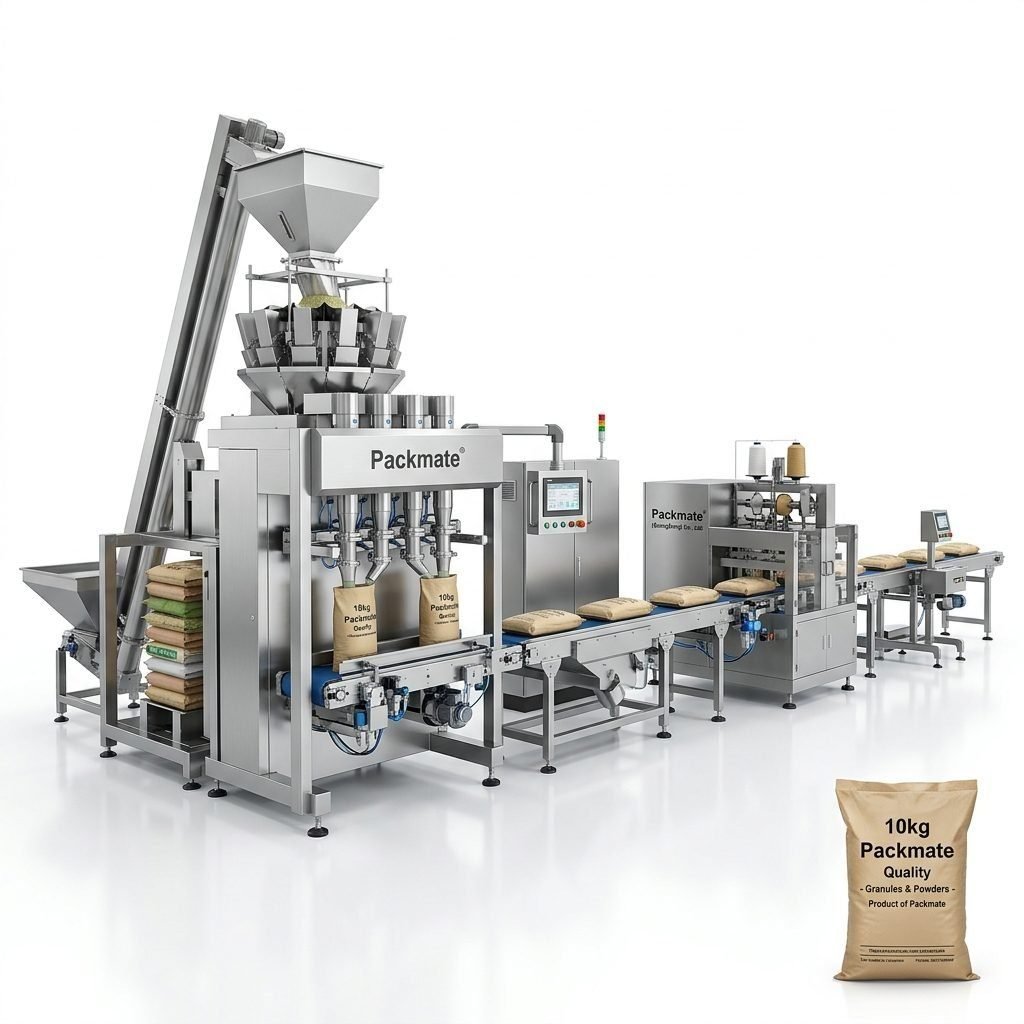
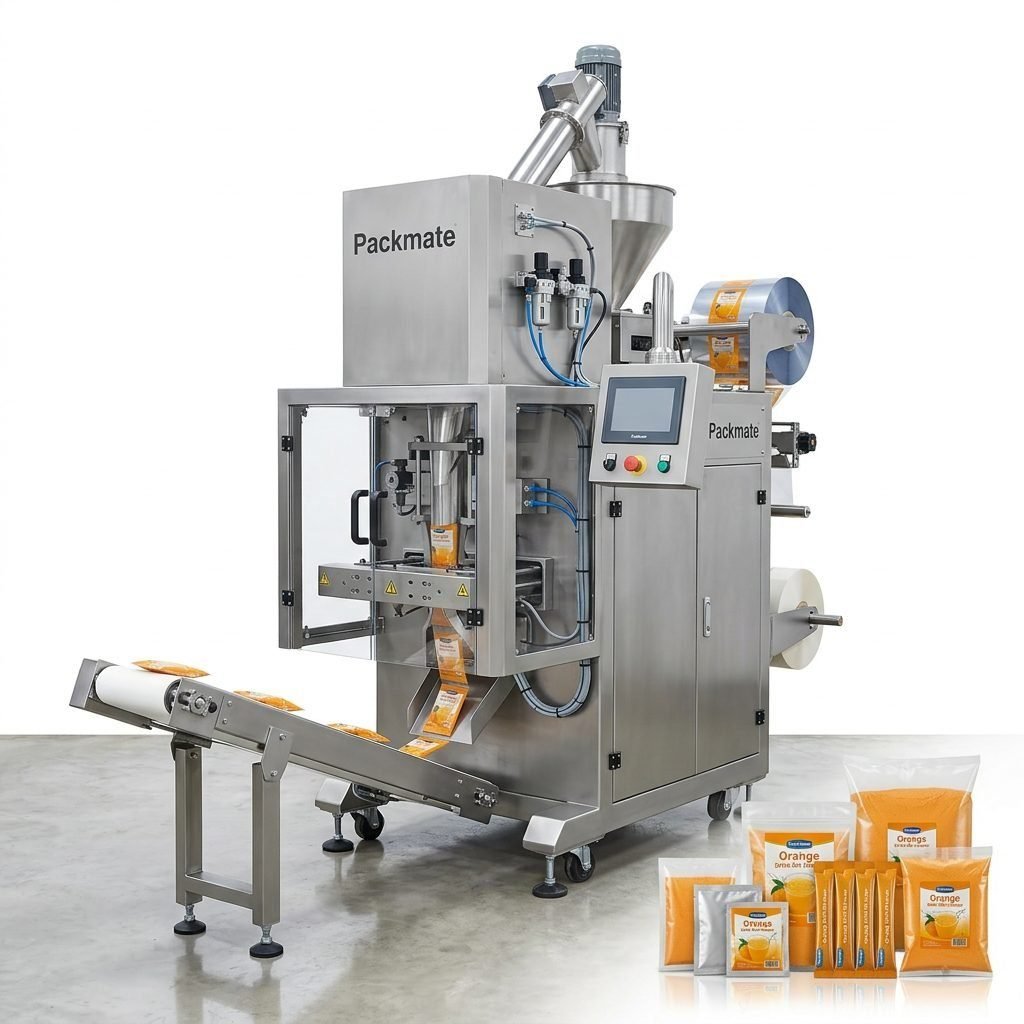
Modern skin packaging machines, like those developed by industry leaders such as Packmate Machinery, are designed for high-speed, automated operation. They can be integrated into full filling and packaging lines, significantly increasing output while reducing labor costs associated with manual packing. The process also uses less plastic film compared to some other rigid packaging methods, contributing to material savings.
Strong Tamper Evidence and Leak Prevention
The integrity of the seal is immediately apparent. Any attempt to breach the package will visibly distort or tear the tightly adhered film, providing clear tamper evidence and ensuring consumer safety. The robust seal also effectively contains liquids and juices, preventing leaks during transport and storage—a critical factor for meat and seafood products.
Comparing Skin Packaging to Alternatives
vs. Modified Atmosphere Packaging (MAP): While MAP replaces air with a gas mix, skin packaging primarily removes air. Skin packaging often offers better product conformity and can be more cost-effective for certain applications, though MAP may provide longer shelf life for extremely sensitive products when optimized.
vs. Traditional Overwrap: Skin packaging provides a far tighter seal, better visibility, and superior leak protection, making it a clear upgrade for premium fresh food lines.
Applications Across the Food Industry
The versatility of skin packaging makes it suitable for a wide range of food products. Its primary application is in the fresh protein sector, including beef steaks, ground meat patties, pork chops, chicken breasts, and fish fillets. It is equally effective for cheese blocks and slices, prepared meals and entrées (where the tray acts as a dual-purpose container), and even bakery items and specialty fruits. The technology adapts to different tray depths and product heights, making it a flexible choice for various bag and pouch packaging needs where a rigid base is required.
Choosing the Right Machine Partner
Investing in a food tray skin packaging line is a significant decision. Partnering with a manufacturer with proven expertise, robust engineering, and global support is essential. Companies like Packmate (GuangDong) Co., Ltd. bring over two decades of specialization in intelligent packaging equipment. With a modern 20,000㎡ facility and a commitment to innovation, they develop reliable machines that integrate seamlessly into production environments, offering the durability and precision needed for high-volume food packaging operations.
Frequently Asked Questions (FAQs)
What types of film are used in skin packaging?
Skin packaging typically uses multi-layer co-extruded films. These are engineered laminates that combine layers for sealability, durability, and, crucially, barrier properties. Common barrier layers include Ethylene Vinyl Alcohol (EVOH) for excellent oxygen blockage and Polyamide (PA) for strength and aroma retention. The specific film choice depends on the product’s shelf-life requirements.
Can skin packaging machines handle different tray sizes and shapes?
Yes, most modern machines are highly adaptable. By changing the tooling—specifically the sealing platen and the cutting die—a single machine can accommodate a wide range of standard and custom tray dimensions and shapes. Quick-change systems minimize downtime during product switchovers.
How does skin packaging affect the product’s shelf life?
By removing most of the oxygen from the package and sealing the product in a high-barrier film, skin packaging dramatically slows down oxidation (which causes discoloration and rancidity) and inhibits the growth of spoilage microorganisms. This can typically double the displayed shelf life of fresh meats compared to overwrap, reducing shrink and improving profitability.
Is the plastic film used recyclable?
The recyclability depends on the film structure and local recycling infrastructure. Many skin films are based on polyolefins like Polyethylene (PE), which are technically recyclable. However, the multi-layer nature and potential food contamination can complicate the process. The industry is actively developing more mono-material and easily recyclable film solutions to address sustainability concerns.
What is the typical output speed of a skin packaging machine?
Output speeds vary by machine model and package size. Standard machines can range from 10 to over 30 cycles per minute. High-speed, multi-lane systems can achieve significantly higher outputs. The best way to determine required speed is to consult with an equipment supplier like Packmate Machinery to analyze your specific production goals and product parameters.